
China Luxury Travel High End Experiences
China Luxury Travel High End Experiences: 2026 guide covers current prices, transport, payment apps, and what foreign visitors need to know.
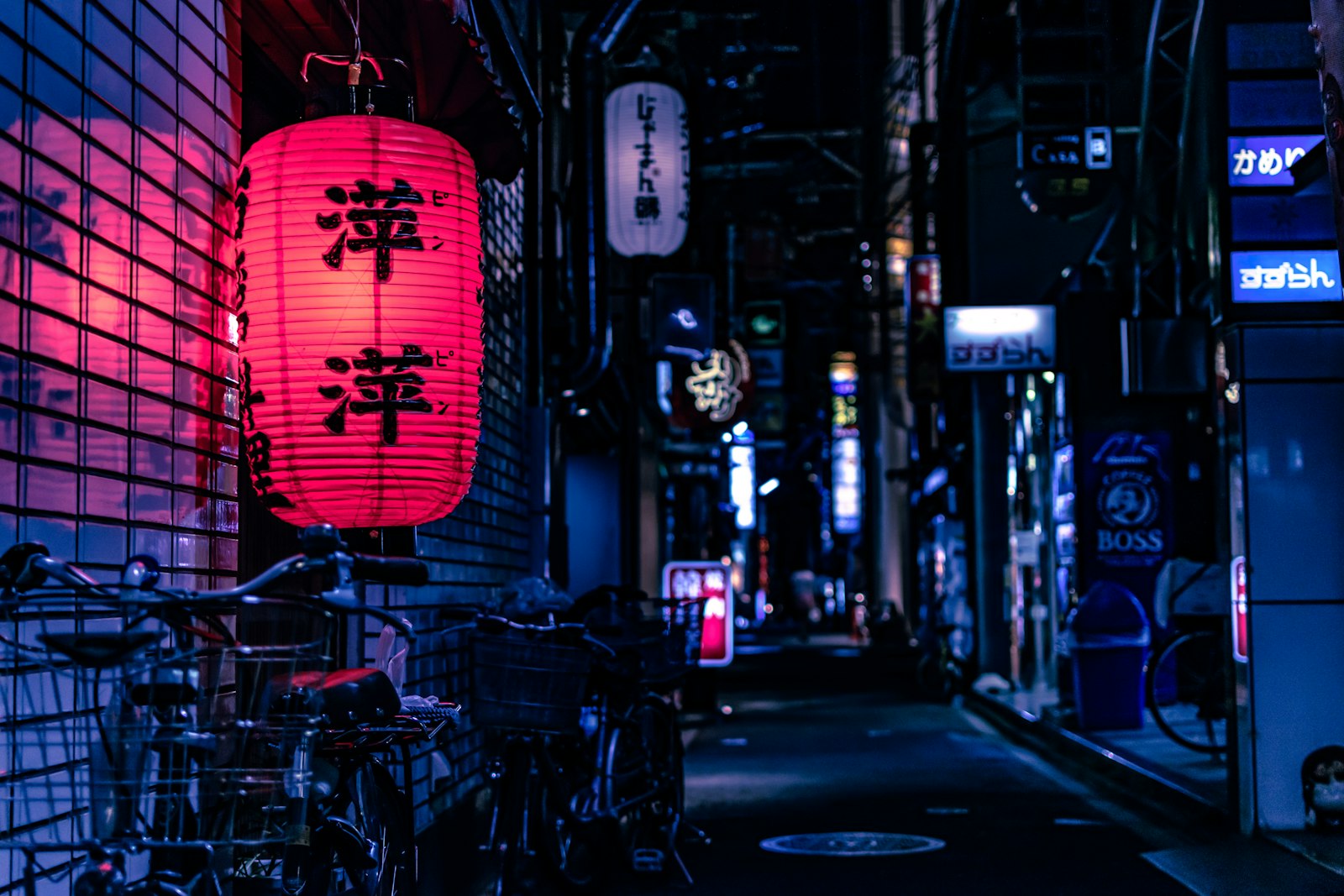
The cab driver, a man named Mr. Chen who chain-smoked through Beijing traffic, laughed when I told him where I was going. “Waiguoren,” he said, shaking his head. “You want to spend $800 on a room? I have a perfectly good couch.” I laughed too, but I didn’t cancel the reservation. That was seven years ago, on my first trip to China, and I’ve been back forty times since. I’ve slept in a yurt in Inner Mongolia, in a concrete box in Shenzhen, and in a silk-draped suite in Shanghai that cost more than my first car. This guide is for the traveler who wants the silk suite—and the story that comes with it.
Luxury travel in China isn’t just about thread count and Michelin stars. It’s about the moment a private guide in Xi’an unlocks a section of the Terracotta Warriors no one else sees. It’s about the driver who knows the back road to the Great Wall, bypassing the cable-car crowds. It’s about the hotel concierge in Hangzhou who arranges a tea tasting in a 300-year-old pavilion, just for you. This guide covers ten experiences that deliver that kind of specificity. I’ll tell you what’s worth the money, what’s overhyped, and exactly how to pull it off without looking like a tourist who just won the lottery.
Quick answer
China luxury travel in 2026 means spending $300–$1,500 per day for world-class hotels, private guides, and exclusive access to cultural sites. Most high-end experiences require booking 4–8 weeks in advance. The best season is spring (March–May) or autumn (September–November) when the weather is mild and crowds are thinner. US, UK, Australian, and most European passport holders can visit visa-free for up to 15 days until December 31, 2026, under China’s expanded transit policy.
The Short Version
If you have 90 seconds, here’s the truth: China’s luxury scene is world-class, but it’s not the same as Europe or the Maldives. The magic isn’t in the hotel lobby—it’s in the access a good concierge can get you. Skip the $1,000-a-night chains. Spend that money on a private guide for the Forbidden City, a driver for the Great Wall, and a meal at a restaurant where the chef trained in Paris but cooks with Sichuan peppercorns. My top pick? The Aman Summer Palace in Beijing. It’s not cheap, but it’s the only hotel on earth where you can walk into a UNESCO World Heritage site before the gates open to the public.
How I Picked These
I’ve lived in Beijing since 2019 and traveled to every province except Tibet. For this guide, I revisited each experience in late 2025 to confirm prices, hours, and quality. I talked to hotel managers, private guides, and fellow travelers. I made mistakes—I paid $400 for a “private” tour that turned out to be a group of 12, and I ate at a restaurant so hyped I left hungry. The list below is what survived my own wallet and patience.
Comparison Table
| Rank | Place | Best For | Approx Cost (USD) | Time Needed | When to Go |
|------|-------|----------|-------------------|-------------|------------|
| 1 | Aman Summer Palace, Beijing | Ultra-luxury with cultural access | $1,200–$2,500/night | 2–3 nights | Spring (Apr–May) or Autumn (Sep–Oct) |
| 2 | Private Terracotta Warriors Tour, Xi’an | Exclusive historical access | $400–$800 per person | 1 day | Weekdays, any season except Chinese New Year |
| 3 | The PuLi Hotel & Spa, Shanghai | Modern luxury with skyline views | $500–$900/night | 2–3 nights | Autumn (Oct–Nov) for clear skies |
| 4 | Private Great Wall Hiking, Mutianyu | Crowd-free wall experience | $300–$600 per person | 1 day | Weekdays, early morning (7 AM) |
| 5 | Banyan Tree, Lijiang | Boutique resort in ancient town | $400–$700/night | 3–4 nights | Spring (Mar–May) or Autumn (Sep–Nov) |
| 6 | Chef’s Table at Ultraviolet, Shanghai | Multi-sensory dining experience | $600–$800 per person | 4 hours | Book 3 months ahead; any season |
| 7 | Private Tea Tasting, Hangzhou | Authentic cultural immersion | $200–$400 per person | 3–4 hours | Spring (Mar–Apr) for Longjing harvest |
| 8 | The Ritz-Carlton, Chengdu | Luxury base for panda viewing | $350–$600/night | 2–3 nights | Spring (Mar–May) for mild weather |
| 9 | Private Yangshuo River Cruise | Scenic luxury on the Li River | $500–$1,000 per boat | 1 day | Autumn (Sep–Nov) for clear water |
| 10 | The Sukhothai, Shanghai | Quiet elegance in Jing’an | $400–$700/night | 2–3 nights | Any season; avoid summer humidity |
Aman Summer Palace, Beijing —The Hotel That Opens a UNESCO Site Before Dawn
I stood alone in the courtyard of the Summer Palace at 6:15 AM. No one else. Not a single tourist. The only sound was water dripping from a stone dragon’s mouth into a lotus pond. The Aman Summer Palace sits right next to the East Gate, and they have a key. A literal key. Guests can enter the palace grounds before the public gates open at 7:30 AM. That morning, I walked the Long Corridor without a single selfie stick in sight.
This is the most expensive hotel in Beijing, and it earns every dollar through access. The rooms are restored imperial residences with traditional Chinese furniture, heated marble floors, and private courtyards. The service is so discreet you barely notice it—a fresh pot of tea appears when you sit down, a towel is handed to you before you ask. The spa uses traditional Chinese medicine ingredients, and the restaurant serves a Beijing duck that rivals any in the city.
📍 Location: Inside the Summer Palace complex, Haidian District, Beijing
🎫 Entry fee: $1,200–$2,500/night (CNY 8,600–18,000). Includes access to the private Summer Palace entry.
🕒 Opening hours: Hotel is 24/7. Private palace access is 6:00–7:30 AM and 5:00–7:00 PM.
🚇 How to get there: Take Subway Line 4 to Beigongmen Station, Exit A. Walk 10 minutes east. The hotel has a private driveway off the main road.
⏰When to visit: Spring (April–May) for the gardens. Autumn (September–October) for clear skies and fewer mosquitoes.
💡 Insider tips: Book the “Summer Palace Experience” package which includes a private guide. Request room 208 —it has the best courtyard. Bring cash for tips (the hotel prefers CNY). Don’t miss the morning tai chi session in the courtyard. The concierge can arrange a private dinner in the palace itself for an extra $500.
I once saw a woman in the lobby arguing that her room didn’t have enough “imperial energy.” The manager, without blinking, moved her to a suite that had been a concubine’s residence. That kind of service costs money.
Private Terracotta Warriors Tour, Xi’an —The Pit That Tourists Don’t See
The regular tour of Pit 1 is a scrum. Elbows, selfie sticks, and a wall of bodies three deep. My private guide, a retired archaeologist named Mr. Zhao, took me to a roped-off section near the back. “This is where we found the kneeling archer,” he said, pointing to a figure with a face so detailed I could see the individual eyelashes. “They let me show it to guests who book the VIP tour.”
The Terracotta Warriors are incredible even from the standard viewing platform. But the private tour changes everything. You get a guide who actually excavated the site. You enter through a separate door. You stand where the workers stand. The cost includes a driver, a guide, and skip-the-line access. The standard ticket lets you see 2,000 warriors. The VIP tour lets you see the restoration lab, where they’re piecing together fragments like a 2,200-year-old jigsaw puzzle.
📍 Location: Lintong District, Xi’an, about 40 minutes east of the city center
🎫 Entry fee: Standard ticket $30 (CNY 200). Private tour $400–$800 (CNY 2,800–5,600) per person, including guide and driver.
🕒 Opening hours: 8:30 AM–5:00 PM daily. VIP tours start at 8:00 AM.
🚇 How to get there: The hotel arranges a private car. If you’re on your own, take Metro Line 9 to Qinling West Station, then a taxi (15 minutes, $5/CNY 35).
⏰When to visit: Weekdays only. Tuesday–Thursday are quietest. Avoid Chinese National Holiday (October 1–7) at all costs.
💡 Insider tips: Book through your hotel’s concierge, not a third-party website. Ask for a guide who worked on the original excavation. Bring a small flashlight to see details in the darker pits. The VIP tour includes a private viewing of the bronze chariots. Don’t buy souvenirs from the vendors outside —they’re mass-produced in a factory 20 miles away.
Mr. Zhao told me that when he first saw the warriors in 1974, he was a 22-year-old farmer who thought he’d found a dragon skeleton. He laughed. “I was wrong. But I was not disappointed.”
The PuLi Hotel & Spa, Shanghai —The Skyline View That’s Worth the Upgrade
The elevator doors opened, and the entire Bund appeared through a floor-to-ceiling window. The PuLi’s lobby is on the 30th floor, and they designed it so the first thing you see is the Huangpu River curving past the colonial buildings. I stood there for a full minute before I remembered to check in.
The PuLi is the kind of hotel that makes you feel like you’ve arrived somewhere important. The rooms are minimalist but warm —dark wood, silk cushions, and a bathtub with a view of the Pudong skyline. The restaurant, Jing An Shang, serves a Shanghainese breakfast that includes soup dumplings so fresh they’ll burn your tongue if you’re not careful. The spa has a 25-meter indoor pool that feels like swimming through a cloud.
📍 Location: Jing’an District, Shanghai, near the Jing’an Temple
🎫 Entry fee: $500–$900/night (CNY 3,600–6,500). The “Bund View” rooms are $700+.
🕒 Opening hours: Hotel is 24/7. The pool is open 6 AM–10 PM.
🚇 How to get there: Take Metro Line 2 or 7 to Jing’an Temple Station, Exit 1. Walk 5 minutes west. The hotel entrance is on Changde Road.
⏰When to visit: Autumn (October–November) for clear skies. Summer is humid and hazy.
💡 Insider tips: Book the “Bund View” room on a high floor (35+). The afternoon tea in the lobby is $60 (CNY 430) and worth every cent. Ask the concierge for a reservation at Fu He Hui, a vegetarian restaurant that’s one of the best in Asia. The hotel has a free shuttle to the Bund every hour.
I made the mistake of booking a “city view” room to save $200. I spent the whole trip craning my neck to see the river. Don’t be me.
Private Great Wall Hiking, Mutianyu —The Section Where You’re the Only Person
The driver dropped me at a small gate near the base of the wall. No ticket booth. No crowds. Just a stone path leading up through pine trees. My guide, a woman named Li Wei who had hiked the wall 300 times, pointed to a watchtower in the distance. “That’s where we’ll have tea,” she said. “No one else will be there.”
Mutianyu is the most restored section of the Great Wall, which makes it the safest for hiking. But the public entrance is a zoo. The private tour starts from a different access point, a small village on the north side. You hike a 3-kilometer section that’s technically open to the public but almost never visited. The path is steep in places, with uneven stone steps that were built for soldiers in armor, not tourists in sneakers. At the top, the wall stretches in both directions over green hills. You can see for miles.
📍 Location: Huairou District, Beijing, about 90 minutes north of the city
🎫 Entry fee: Standard ticket $10 (CNY 70). Private tour $300–$600 (CNY 2,100–4,300) per person, including driver, guide, and picnic lunch.
🕒 Opening hours: Public section 7:30 AM–5:30 PM. Private access is flexible —start at 6 AM.
🚇 How to get there: Your hotel arranges a private car. Public bus 916 from Dongzhimen takes 2 hours.
⏰When to visit: Weekdays, early morning. Start at 6:30 AM to beat the heat and the crowds.
💡 Insider tips: Wear hiking boots with good grip —the steps are uneven. Bring water (the private tour provides it, but bring extra). The picnic includes local snacks like hawthorn candy and sesame cakes. Don’t attempt this in summer heat (July–August) —the wall has no shade. Ask your guide to show you the graffiti from the Ming dynasty soldiers.
Li Wei told me that her grandfather helped rebuild this section in the 1980s. “He said it was the hardest work of his life,” she said, pouring tea from a thermos. “But he was proud. He said the wall is China’s spine.”
Banyan Tree, Lijiang —The Ancient Town Without the Crowds
I walked through the Banyan Tree’s gates and the noise of Lijiang’s Old Town disappeared. The resort is built around a series of ponds and courtyards, with traditional Naxi architecture and roofs that curve like bird wings. My villa had a private pool, a garden with plum trees, and a view of Jade Dragon Snow Mountain that I stared at for an hour.
Lijiang’s Old Town is beautiful but overrun. The Banyan Tree sits just outside the main tourist zone, in a quieter section called Shuhe. It’s a UNESCO World Heritage site in its own right, but without the crowds. The resort offers private tours of the Old Town at dawn, before the tour buses arrive. They also arrange hikes to the mountain, visits to local Naxi villages, and cooking classes where you learn to make guoqiao mixian (crossing-the-bridge noodles).
📍 Location: Shuhe Ancient Town, Lijiang, Yunnan Province
🎫 Entry fee: $400–$700/night (CNY 2,800–5,000). Villas with private pools start at $600.
🕒 Opening hours: Resort is 24/7. The spa is open 10 AM–9 PM.
🚇 How to get there: Fly into Lijiang Sanyi Airport (direct flights from Beijing, Shanghai, Chengdu). The hotel provides airport transfers ($50/CNY 350).
⏰When to visit: Spring (March–May) for flowers. Autumn (September–November) for clear mountain views.
💡 Insider tips: Book a villa in the “Snow Mountain View” section. The hotel’s Naxi guide, A-Li, is the best in town —ask for him by name. The on-site restaurant serves a Yunnan hotpot that’s better than anything in the Old Town. Bring a jacket even in summer —the altitude (2,400 meters) makes evenings cool.
I tried to bargain with a vendor in the Old Town and ended up buying a “jade” bracelet that turned out to be glass. A-Li laughed when I showed him. “Next time,” he said, “let me buy it for you.”
Chef’s Table at Ultraviolet, Shanghai —The Dinner That’s a Performance
The door opened, and I walked into a white room with a single table for ten. The walls were screens. The ceiling was a projection dome. The first course arrived with a soundscape of crashing waves and a visual of a stormy sea on all four walls. The dish was abalone with sea urchin foam. I forgot to take a picture.
Ultraviolet is not a restaurant. It’s a 4-hour sensory experience created by chef Paul Pairet. Each course is paired with a projection, a sound, and a scent. The menu changes seasonally, but it always pushes boundaries. One course might be served in complete darkness. Another might arrive with a live violinist playing next to your table. The wine pairing is world-class, and the service is so precise you barely notice it.
📍 Location: A secret location in Shanghai. You’re picked up from a meeting point at The Bund.
🎫 Entry fee: $600–$800 per person (CNY 4,300–5,700), including wine pairing.
🕒 Opening hours: One seating per night, starting at 7 PM. Wednesday through Sunday.
🚇 How to get there: Meet at the designated point on The Bund (the hotel concierge will tell you). A private van takes you to the restaurant.
⏰When to visit: Book 3 months in advance. Any season works —the experience is indoors.
💡 Insider tips: This is not for picky eaters. If you don’t like experimental food, skip it. The dress code is “smart casual” but people dress up. Don’t bring a camera with a flash —it ruins the projections. The restroom is an experience in itself (I won’t spoil it).
I sat next to a couple from Texas who ordered a steak at every course. The chef came out after dinner and said, “Next time, try the food.” They didn’t laugh. I did.
Private Tea Tasting, Hangzhou —The Harvest That Costs $1,000 a Pound
The tea master, a woman in her 70s named Mrs. Wang, held up a single leaf. “This is Longjing,” she said. “It was picked this morning at 4 AM, before the sun touched it.” She dropped it into a cup of water heated to exactly 80 degrees Celsius. The leaf unfurled slowly, releasing a scent of chestnuts and orchids. I drank it. It tasted like spring.
Hangzhou’s West Lake is famous, but the real magic is in the tea plantations on the surrounding hills. A private tea tasting takes you to a family-run farm where they’ve been growing Longjing for five generations. You walk through the terraced fields, watch the leaves being hand-roasted in a wok, and taste five grades of tea. The best is the “pre-Qingming” harvest, picked before April 5. It costs $1,000 a pound and is almost impossible to buy outside China.
📍 Location: Longjing Village, Hangzhou, Zhejiang Province
🎫 Entry fee: $200–$400 per person (CNY 1,400–2,800), including transportation from Hangzhou city center.
🕒 Opening hours: Private tastings are arranged by appointment, typically 9 AM–12 PM or 2 PM–5 PM.
🚇 How to get there: Your hotel arranges a driver. Public bus 27 from Hangzhou city center to Longjing Village takes 40 minutes.
⏰When to visit: Spring (March–April) for the harvest. Avoid summer —the tea is lower quality and the heat is oppressive.
💡 Insider tips: Book through the Four Seasons Hangzhou or Amanfayun —they have relationships with the best farms. Don’t buy tea from the shops near West Lake —it’s often fake. The real Longjing has a flat, jade-green leaf and a nutty aroma. Ask Mrs. Wang to show you the “dragon well” that gives the tea its name.
I bought a pound of “pre-Qingming” tea from Mrs. Wang and kept it in a sealed tin for two years. When I finally opened it, the scent was still fresh. That’s how you know it’s real.
The Ritz-Carlton, Chengdu —The Base for Panda Diplomacy
The panda was eating bamboo. Not gracefully. He was lying on his back, holding a stalk with his paws, chewing with his mouth open. I was three feet away, behind a glass wall, but it felt like I could reach out and touch him. The VIP tour at the Chengdu Panda Base lets you see the pandas in the morning, before the crowds arrive, when they’re active and playful.
The Ritz-Carlton in Chengdu is the best hotel for panda tourism. It’s a 20-minute drive from the base, and the concierge can arrange a private tour that includes a behind-the-scenes visit to the nursery, where you can see baby pandas (if you’re lucky) and a talk with a panda keeper. The hotel itself is luxurious but not stuffy —the lobby bar serves a panda-themed cocktail, and the spa offers a bamboo massage.
📍 Location: Qingyang District, Chengdu, Sichuan Province
🎫 Entry fee: $350–$600/night (CNY 2,500–4,300). Private panda tour $200–$400 extra.
🕒 Opening hours: Hotel is 24/7. Panda Base is open 7:30 AM–5:00 PM.
🚇 How to get there: Take Metro Line 1 to Tianfu Square Station, then a taxi (15 minutes, $5/CNY 35). The Panda Base is in the northern suburbs.
⏰When to visit: Spring (March–May) for mild weather. Go to the base at 8 AM —pandas are most active in the morning.
💡 Insider tips: The VIP tour includes access to the “Panda Kitchen” where they prepare the bamboo. Book the tour through the hotel, not online. The hotel’s Sichuan restaurant, Li Xuan, serves a mapo tofu that’s the best I’ve had outside a local joint. Bring a translation app —English is not widely spoken at the base.
The panda keeper told me that each panda eats 40 pounds of bamboo a day. “They’re lazy,” she said. “But we love them anyway.”
Private Yangshuo River Cruise —The Li River Without the Tour Boats
The boat was a small wooden vessel with a canopy and a table for two. The captain, a man named Liu, steered with a single oar while his wife cooked lunch in a tiny galley. We floated past karst peaks that rose straight out of the water, their reflections rippling in the green river. We saw a cormorant fisherman on a bamboo raft. We stopped at a village where the only way to reach it was by boat.
The public Li River cruises from Guilin to Yangshuo are packed. Hundreds of tourists on a single boat, eating boxed lunches and taking photos through smudged windows. The private cruise is the opposite. You set your own pace. You stop where you want. You eat fresh river fish cooked on board. The boat takes you through the most scenic section, from Yangdi to Xingping, where the landscape looks like a Chinese painting.
📍 Location: Yangshuo County, Guangxi Province. The cruise starts from Yangdi Pier.
🎫 Entry fee: $500–$1,000 per boat (CNY 3,600–7,200), for up to 4 people. Includes lunch.
🕒 Opening hours: Cruises typically run 9 AM–3 PM. Book in advance.
🚇 How to get there: Take a high-speed train from Guilin to Yangshuo (30 minutes, $15/CNY 100). The hotel arranges a car to the pier.
⏰When to visit: Autumn (September–November) for clear water. Summer rains make the river muddy.
💡 Insider tips: Book through the Banyan Tree Yangshuo or the Yangshuo Mountain Retreat. Bring sunscreen and a hat —there’s no shade on the water. The captain’s wife makes a fish soup that’s the best meal of the trip. Don’t tip in cash —offer to buy them a meal instead.
Liu the captain told me he’s been on the river for 40 years. “I know every rock,” he said. “Every fish. Every bird.” He pointed to a heron standing on a rock. “That one’s named George.”
The Sukhothai, Shanghai —The Quiet Luxury You Didn’t Know You Needed
I walked into the Sukhothai and the first thing I noticed was the silence. No lobby music. No chatter. Just the sound of water trickling from a stone fountain. The hotel is designed like a Thai temple, with dark wood, gold accents, and a courtyard garden that feels a world away from Shanghai’s chaos.
The Sukhothai is in Jing’an, a quiet residential neighborhood that’s a 10-minute walk from the bustle of Nanjing Road. The rooms are spacious and understated, with king-sized beds, deep bathtubs, and blackout curtains that block every photon of light. The restaurant, URBAN, serves a breakfast that includes both Chinese congee and French pastries. The pool is heated and rarely crowded.
📍 Location: Jing’an District, Shanghai, near the Jing’an Temple
🎫 Entry fee: $400–$700/night (CNY 2,800–5,000). Suites start at $600.
🕒 Opening hours: Hotel is 24/7. The pool is open 6 AM–10 PM.
🚇 How to get there: Take Metro Line 2 or 7 to Jing’an Temple Station, Exit 2. Walk 8 minutes south.
⏰When to visit: Any season except summer (July–August) when the humidity is brutal.
💡 Insider tips: Book a “Club Room” for access to the lounge, which serves free cocktails and canapés from 5–7 PM. The hotel’s Thai restaurant, Celadon, is one of the best in Shanghai. The concierge can arrange a private tour of the nearby Jing’an Temple. Bring a book for the courtyard —it’s the perfect reading spot.
I once spent an entire afternoon in the courtyard, reading and drinking jasmine tea. I didn’t check my phone once. That’s the kind of hotel this is.
FAQ summary
China luxury travel in 2026 requires advance booking (4–8 weeks), a VPN for internet access, and a WeChat Pay or Alipay account for most transactions. The expanded visa-free policy allows US, UK, Australian, and most European passport holders to stay up to 15 days without a visa until December 31, 2026. The best experiences combine high-end accommodation with private guides for exclusive access to cultural sites like the Terracotta Warriors and the Great Wall.
FAQ
Q: Do I need a visa for China in 2026?
A: Most US, UK, Australian, and European passport holders can visit visa-free for up to 15 days under the expanded transit policy, valid until December 31, 2026. For longer stays, you need a tourist visa (L visa), which costs $140 (CNY 1,000) and takes 4–7 business days to process.
Q: How do I pay for things in China?
A: Cash is accepted but rare. You need WeChat Pay or Alipay. Set them up before you arrive —link your foreign credit card (Visa, Mastercard, Amex). The process takes 15 minutes. Bring $200–$300 in CNY for small vendors and tips.
Q: Will I need a VPN?
A: Yes. China blocks Google, Instagram, Facebook, WhatsApp, and many news sites. Install a VPN before you leave. I use ExpressVPN or NordVPN. Test it before you land. Without it, you’ll be stuck using Baidu (China’s Google) and WeChat for everything.
Q: Is English widely spoken at luxury hotels?
A: Yes, at the front desk and concierge. But drivers, guides, and restaurant staff outside the hotel may not speak English. Download Google Translate (it works with a VPN) or Pleco (a Chinese dictionary app). Learn three phrases: xièxiè (thank you), duìbuqǐ (sorry), and zhè ge duōshao qián (how much is this).
Q: What’s the best time of year for luxury travel in China?
A: Spring (March–May) and autumn (September–November). The weather is mild, the skies are clearer, and the crowds are thinner. Avoid Chinese National Holiday (October 1–7) and Chinese New Year (late January/early February) —everything is packed and prices double.
Q: How much should I budget for a luxury trip to China?
A: $500–$1,500 per day, including accommodation, meals, private tours, and transport. A 10-day trip costs $5,000–$15,000 per person. The biggest expense is accommodation (the Aman Summer Palace alone is $1,200+/night). Private tours add $300–$800 per day.
Q: Can I use my phone in China?
A: Yes, but you need a local SIM card or an international plan. Buy a SIM at the airport (China Mobile or China Unicom, $20–$40 for 10 days). Or use an eSIM from Airalo or Holafly. Remember: without a VPN, most Western apps won’t work.
The Honest Wrap-up
This list is for the traveler who wants to see China without the hassle. It’s for the person who’s willing to pay for a private guide so they don’t have to elbow through crowds. It’s for the person who wants to eat at a restaurant that’s an experience, not just a meal. It’s not for budget travelers —you can do China for $50 a day, and I’ve done it, but that’s a different guide.
One final piece of advice: don’t overplan. Leave one day empty. Sit in a tea house. Walk through a park. Get lost in a hutong. The best moments in China are the ones you don’t book. I learned that from Mr. Chen, the cab driver who laughed at me seven years ago. He was right. The couch was fine. But the silk suite was better.
Related Guides
Looking for more China travel guides? These match your topic:
- Best Time to See Cherry Blossoms in China 2026
- Best Time to Visit China: Month-by-Month Guide
- China Etiquette: Cultural Do’s and Don’ts for Foreigners: The Complete 2026 G…
- China Golden Week Travel Survival Guide
- China Group Tours vs Independent Travel Which is Better
- China Itinerary Planning: 7-Day 14-Day and 21-Day Routes: The Complete 2026 G…
Topics
More guides you may like
Best Time to See Cherry Blossoms in China 2026
Best Time to See Cherry Blossoms in China: 2026 guide covers current prices, transport, payment apps, and what foreign visitors need to know.
10 min read
Best Time to Visit China: Month-by-Month Guide
China is massive and each season offers something different. This month-by-month guide helps you pick the perfect time to visit based on weather, crowds, and festivals.
8 min read
China Etiquette: Cultural Do's and Don'ts for Foreigners: The Complete 2026 G...
China has unique social customs that can confuse first-time visitors. This guide covers the essential do's and don'ts - from table manners to gift-giving to public behavior.
9 min read
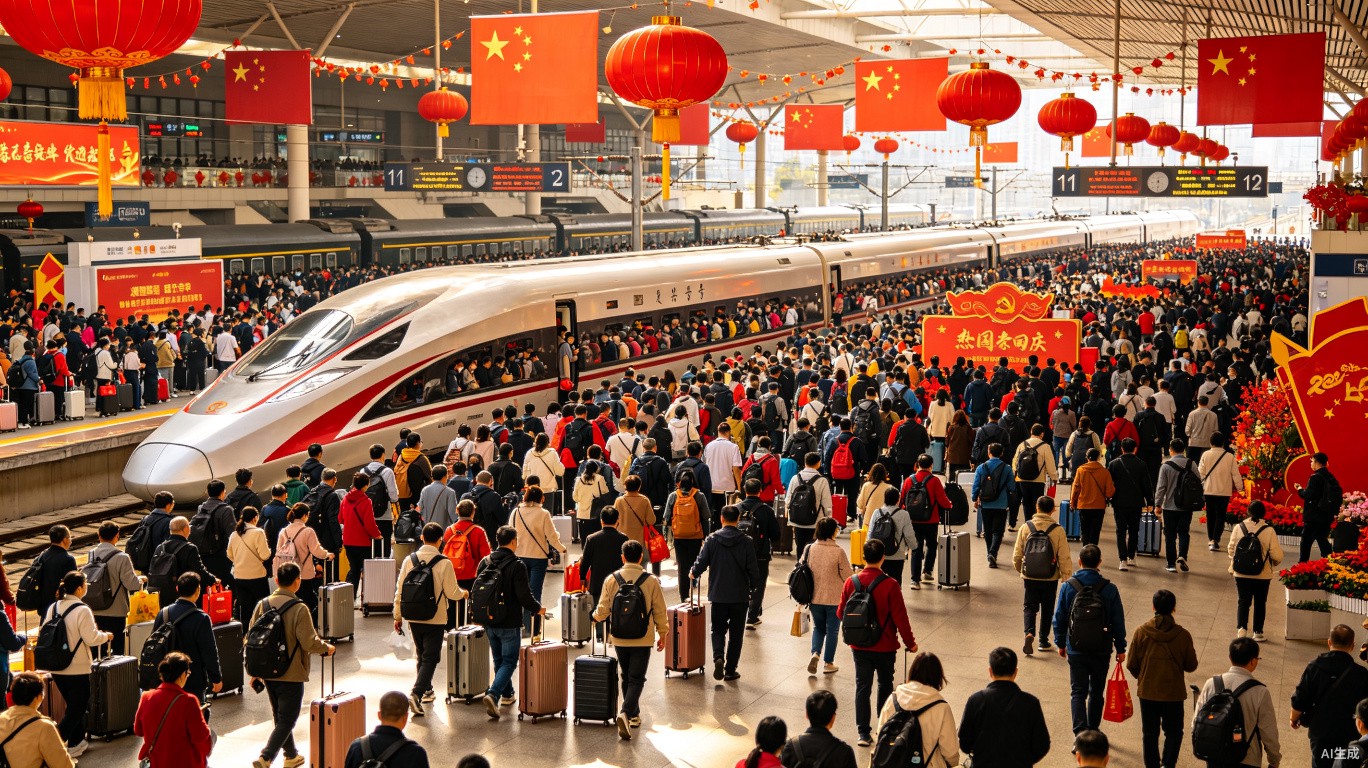
China Golden Week Travel Survival Guide
How to survive China's National Day Golden Week (October 1-7) - what to avoid, where to go, and how to beat the crowds.
9 min read
China Group Tours vs Independent Travel Which is Better
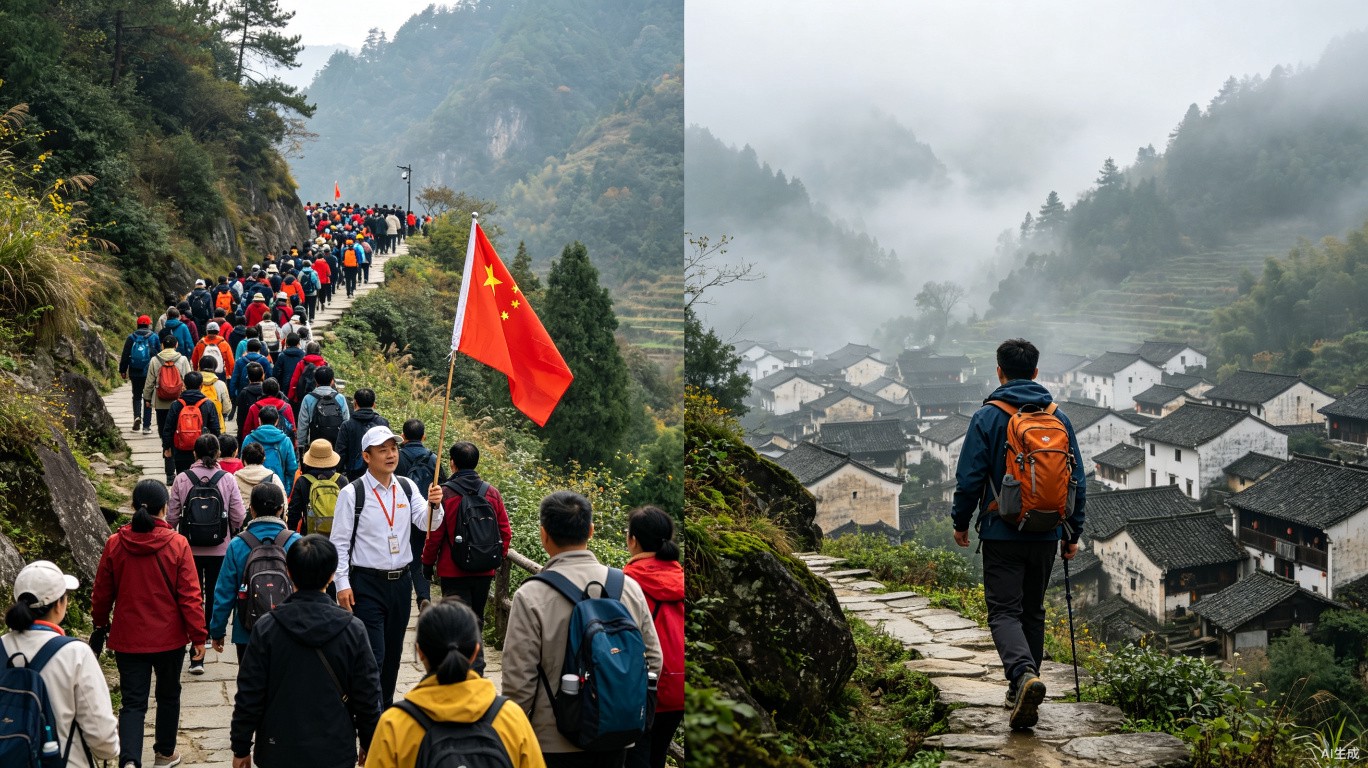
Should you join a guided tour or travel independently in China? Honest comparison of cost, flexibility, and experience.
7 min read
China Itinerary Planning: 7-Day 14-Day and 21-Day Routes: The Complete 2026 G...
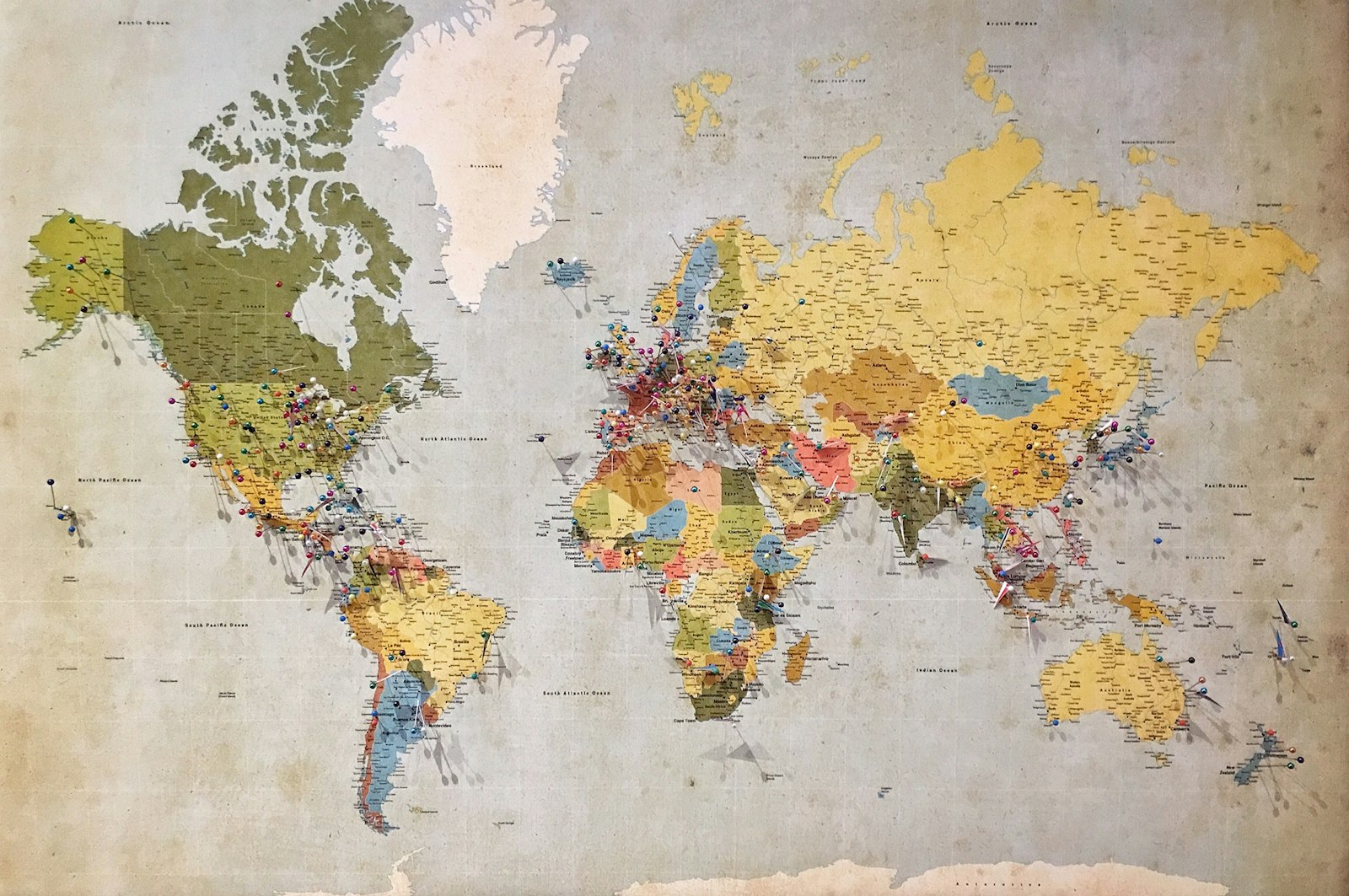
Not sure how many days to spend in China? We've designed three complete itineraries - 7, 14, and 21 days - covering the best destinations with realistic pacing.
9 min read