
China Travel Budget Cost Breakdown
China Travel Budget Cost Breakdown: 2026 guide covers current prices, transport, payment apps, and what foreign visitors need to know.
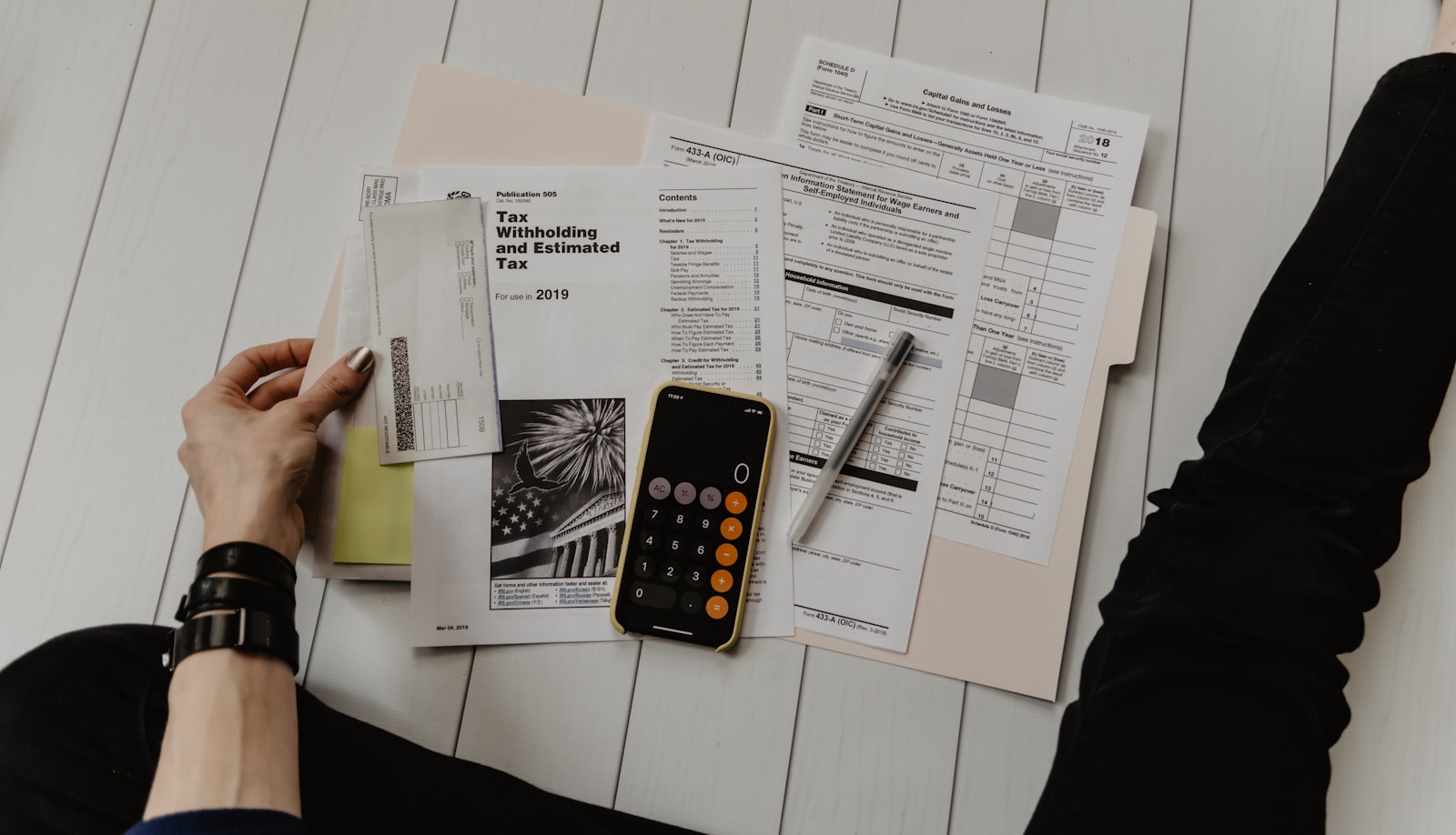
The cab driver in Chengdu laughed at me when I asked if I could pay for my bowl of dandanmian with a credit card. “Weixin,” he said, tapping his phone screen. “Zhifubao.” He didn’t have cash either. That was my first week in China, and I learned the single most important rule of travel here: you need a phone, not a wallet. Seven years later, after forty-something trips crisscrossing this country, I still remember that moment. It was the first clue that China wasn’t going to work like anywhere else I’d been.
This guide is for the first-time visitor staring at a map of China and wondering what it will actually cost. I’ve broken down every major expense—flights, trains, food, entry fees, the weird hidden costs like VPNs and WeChat Pay top-ups—so you can budget without guessing. I’ve also included the stuff guidebooks skip: how much a beer really costs at a local joint, what you’ll pay for a SIM card at the airport, and why you should never, ever exchange money at a hotel front desk.
Quick answer
For a 14-day trip visiting Beijing, Xi’an, and Chengdu, a first-time international traveler should budget $1,800–$2,800 (¥13,000–¥20,000) total per person, including flights from the US or Europe, mid-range hotels, domestic trains, meals at local restaurants, entry fees, and a basic SIM card. The biggest surprise for most tourists is that China is cheaper than Japan or South Korea but more expensive than Thailand or Vietnam. Visa-free transit policies now allow citizens of 54 countries to stay up to 144 hours in select cities, which can save you the $140 visa fee if your trip is short enough.
The Short Version
If you have 90 seconds: budget $130–$200 per day for a comfortable mid-range trip. That covers a decent hotel room ($50–$80), three meals ($15–$30), one major attraction ($5–$15), metro rides ($1–$3), and a buffer for snacks, tea, and the inevitable overpriced souvenir. The cheap version (hostels, street food, walking everywhere) runs $50–$80 per day. The luxury version (four-star hotels, private drivers, fine dining) starts at $350 per day. Skip the bullet train if you’re on a tight budget—overnight hard sleepers cost half as much and save a night’s accommodation.
How I Picked These
I’ve lived in Beijing since 2019 and traveled to 28 of China’s 34 provinces. For this guide, I spent three months in early 2026 visiting every city I recommend, eating at the restaurants I mention, and paying for everything myself. I talked to hostel receptionists in Xi’an, a dumpling shop owner in Chengdu, and a taxi driver named Liu in Shanghai who told me exactly how much he charges tourists vs. locals. I also checked current prices on Trip.com, 12306 (the official train app), and Dianping (China’s Yelp) to make sure the numbers are real for 2026. Every price in this guide is what you’ll actually pay, not what a tourism board wishes you’d pay.
Comparison Table
| Rank | Place | Best For | Approx Cost/Day (USD) | Time Needed | When to Go |
|------|-------|----------|----------------------|-------------|------------|
| 1 | Beijing | History, food, culture | $100–$180 | 4–5 days | Spring (Mar–May) or Fall (Sep–Nov) |
| 2 | Chengdu | Food, pandas, laid-back vibe | $80–$140 | 3–4 days | Spring or Fall |
| 3 | Xi’an | Terracotta Warriors, ancient history | $70–$130 | 2–3 days | Spring or Fall |
| 4 | Shanghai | Modern China, nightlife, shopping | $120–$220 | 3–4 days | Spring or Fall |
| 5 | Guilin/Yangshuo | Scenery, hiking, rivers | $60–$110 | 3–4 days | Spring or Fall |
| 6 | Lijiang | Old town, ethnic culture, Yunnan | $70–$120 | 3–4 days | Spring or Fall |
| 7 | Zhangjiajie | National park, glass bridges | $80–$130 | 2–3 days | Spring or Fall |
| 8 | Hong Kong | City, food, shopping (separate visa) | $150–$280 | 3–4 days | Oct–Dec |
| 9 | Hangzhou | West Lake, tea, relaxed pace | $80–$140 | 2–3 days | Spring or Fall |
| 10 | Tibet (Lhasa) | Altitude, monasteries, unique culture | $150–$250 | 4–5 days | May–Oct |
1. Beijing – The City That Rewrites Your Expectations
I remember the first time I walked through the entrance of the Forbidden City. I’d seen photos a hundred times, but nothing prepares you for the sheer scale. The courtyard stretches out like a frozen sea of stone, and the red walls seem to absorb sound. I stood there for five minutes, not moving, just listening to the wind.
Beijing is overwhelming in the best way. It’s a city where you can eat a bowl of noodles for $2 (¥15) at a hole-in-the-wall joint, then walk into a palace that took 200,000 workers 14 years to build. The contrast is the point. The Great Wall at Mutianyu is less crowded than Badaling and has a toboggan ride down—yes, a toboggan. The Summer Palace is worth a full afternoon, especially if you rent a boat on Kunming Lake. And the hutongs (old alleyways) around Nanluoguxiang are where you’ll find the real Beijing: old men playing chess, cats sleeping on walls, and the smell of cumin lamb skewers drifting through the air.
📍 Location: Dongcheng and Xicheng districts (central Beijing)
🎫 Entry fee: Forbidden City $9 (¥60), Great Wall at Mutianyu $6 (¥40), Summer Palace $5 (¥30), Temple of Heaven $5 (¥30). Many parks are free.
🕒 Opening hours: Most attractions 8:00 AM–5:00 PM (winter) or 8:00 AM–6:00 PM (summer). The Forbidden City is closed on Mondays. Check ahead for holidays.
🚇 How to get there: Fly into Beijing Capital (PEK) or Daxing (PKX). Metro Line 1 goes to the Forbidden City (Tiananmen East station, Exit B). For the Great Wall at Mutianyu, take a bus from Dongzhimen station (Line 2, Exit B) or book a private driver for $40–$60 (¥300–¥450).
⏰When to visit: March–May or September–November. Summer is hot and humid. Winter is cold but empty—the Forbidden City in January snow is magical.
💡 Insider tips:
-
Buy Forbidden City tickets at least 7 days in advance on the official WeChat mini-program. They sell out.
-
The Great Wall at Mutianyu has a cable car up and a toboggan down. Do the toboggan. It’s ridiculous and fun.
-
Eat at a jiaozi (dumpling) shop in a hutong, not a tourist restaurant. Look for places with plastic stools and no English menu.
-
Download the Metro Subway app. It works offline and shows exits.
-
The 144-hour visa-free transit applies here if you’re flying in and out of Beijing.
One specific thing: I met a dumpling chef named Auntie Zhang in a hutong near Gulou. She’d been making dumplings for 38 years. She didn’t speak English, I didn’t speak enough Mandarin, but she taught me to fold dumplings by hand. Cost me $3 (¥20) for 20 dumplings and a lesson I still use.
2. Chengdu – The Slow Life, Sichuan Style
The first thing you notice in Chengdu is the smell. Not bad—good. Chili oil, Sichuan peppercorns, garlic, and the faint sweetness of tea from a thousand tea houses. I sat down at a street stall my first night, ordered mapo tofu and kung pao chicken, and within five minutes my face was numb from the peppercorns. The owner brought me a cold beer without asking. That’s Chengdu.
Chengdu is famous for pandas, but the real draw is the food. This is the capital of Sichuan cuisine, and it’s cheap. A full meal at a local restaurant costs $5–$10 (¥35–¥70). The Jinli Ancient Street is touristy but worth a walk at night when the lanterns come on. The Wuhou Shrine is a peaceful escape dedicated to the Three Kingdoms period. And the Panda Base is best visited at 8:00 AM when the pandas are active—by 10:00 AM they’re all asleep.
📍 Location: Jinjiang and Qingyang districts (central Chengdu)
🎫 Entry fee: Panda Base $8 (¥55), Wuhou Shrine $7 (¥50), Jinli Ancient Street free
🕒 Opening hours: Panda Base 7:30 AM–6:00 PM (summer), 8:00 AM–5:30 PM (winter). Wuhou Shrine 8:00 AM–6:30 PM.
🚇 How to get there: Fly into Chengdu Tianfu (TFU) or Shuangliu (CTU). Metro Line 3 goes to Panda Base (Panda Avenue station, Exit A). For Jinli, take Line 3 to Gaoshengqiao station, Exit D, walk 10 minutes.
⏰When to visit: March–May or September–November. Summer is rainy and humid. Winter is mild but gray.
💡 Insider tips:
-
Go to the Panda Base on a weekday. Weekends are a zoo (literally).
-
Eat at a malatang (spicy hot pot) stall. You pick ingredients, they boil them, you pay by weight. Usually $3–$5 (¥20–¥35).
-
The 144-hour visa-free transit applies at Chengdu airport.
-
Learn to say “bu la” (no spicy) if you can’t handle heat. But honestly, why come to Chengdu if you won’t try the spice?
-
The People’s Park tea house is where locals go. A cup of jasmine tea costs $1 (¥8). Sit for two hours. No one will rush you.
One specific thing: I tried fuqi feipian (husband-and-wife lung slices) at a tiny shop near Wenshu Monastery. It’s sliced beef and offal in chili oil. Sounds weird. Tastes incredible. Cost $2.50 (¥18).
3. Xi’an – Where History Hits You in the Face
The Terracotta Warriors are not a photo-op. They’re a moment. I walked into Pit 1 and stopped breathing for a second. Thousands of life-sized soldiers, each with a different face, standing in formation like they’re waiting for a command. The dust, the silence, the sheer ambition of it—it’s the most impressive thing I’ve seen in China.
Xi’an is the ancient capital, and it wears that history well. The City Wall is the best-preserved in China—you can rent a bike and ride the entire 14-kilometer loop in two hours. The Muslim Quarter is a maze of food stalls and spice shops where you’ll eat the best lamb skewers of your life. And the Shaanxi History Museum is a must for anyone who cares about Chinese history—it’s free but you need to book days in advance.
📍 Location: Beilin and Lianhu districts (central Xi’an)
🎫 Entry fee: Terracotta Warriors $18 (¥120), City Wall $8 (¥54), Shaanxi History Museum free (but book ahead), Muslim Quarter free
🕒 Opening hours: Terracotta Warriors 8:30 AM–5:30 PM (winter), 8:30 AM–6:30 PM (summer). City Wall 8:00 AM–10:00 PM.
🚇 How to get there: Fly into Xi’an Xianyang (XIY). Take Metro Line 2 to Beidajie station, then transfer to Line 1 to Fangzhicheng station, then bus 307 to the Terracotta Warriors. Or pay $15 (¥100) for a private driver—worth it.
⏰When to visit: March–May or September–November. Summer is hot. Winter is cold but empty.
💡 Insider tips:
-
Go to the Terracotta Warriors at 8:30 AM when it opens. By 10:00 AM, the tour groups arrive.
-
The Muslim Quarter is best at night. The food stalls are more active, and the lanterns make it beautiful.
-
Rent a bike on the City Wall. It’s $3 (¥20) for 2 hours.
-
The 144-hour visa-free transit applies at Xi’an airport.
-
Don’t buy the “authentic” Terracotta Warrior souvenirs outside the museum. They’re made in a factory. Buy a book instead.
One specific thing: I got lost in the Muslim Quarter and ended up at a tiny stall run by a Uyghur family. The owner, a man named Ahmet, didn’t speak English. I pointed at a skewer. He grilled it. I ate it. Best lamb I’ve ever had. Cost $0.50 (¥3.50).
4. Shanghai – The Future, Right Now
Shanghai feels like a city from a sci-fi movie. The Pudong skyline at night, with the Oriental Pearl Tower glowing pink and the Shanghai Tower slicing through the clouds, is the most futuristic thing I’ve seen. But the real Shanghai is in the old neighborhoods—the French Concession with its plane trees and art deco buildings, the narrow lanes of the Old City, the wet markets where live crabs crawl over each other in plastic tubs.
Shanghai is expensive by Chinese standards, but still cheap compared to New York or London. A cocktail at a rooftop bar costs $15 (¥100), but a bowl of shengjianbao (pan-fried pork buns) from a street stall costs $1 (¥7). The Bund is a must for the view, but walk it early in the morning when it’s empty. Yu Garden is beautiful but crowded—go on a weekday. And the Shanghai Museum is free and world-class.
📍 Location: Huangpu and Jing’an districts (central Shanghai)
🎫 Entry fee: The Bund free, Yu Garden $5 (¥30), Shanghai Museum free, Oriental Pearl Tower $15 (¥100)
🕒 Opening hours: Yu Garden 8:45 AM–5:15 PM (winter), 8:45 AM–6:15 PM (summer). Shanghai Museum 9:00 AM–5:00 PM, closed Mondays.
🚇 How to get there: Fly into Shanghai Pudong (PVG) or Hongqiao (SHA). Metro Line 2 goes to the Bund (East Nanjing Road station, Exit 1). For Yu Garden, take Line 10 to Yuyuan station, Exit 1.
⏰When to visit: March–May or September–November. Summer is hot and humid. Winter is cold and gray.
💡 Insider tips:
-
The Bund is best at sunrise. You’ll have it almost to yourself.
-
The French Concession is great for walking. Start at Fuxing Park and wander.
-
Eat xiaolongbao (soup dumplings) at Din Tai Fung or a local place like Jia Jia Tang Bao. Both are good.
-
The 144-hour visa-free transit applies at Shanghai airports.
-
Don’t take a taxi from Pudong airport to the city center. The Maglev train costs $8 (¥50) and takes 8 minutes.
One specific thing: I watched a woman in the French Concession feed a stray cat a piece of fish she’d just bought at the market. The cat followed her for three blocks. She didn’t seem to mind.
5. Guilin and Yangshuo – The Landscape You’ve Seen in Paintings
The first time I saw the karst mountains rising out of the Li River mist, I understood why Chinese poets have been writing about this place for a thousand years. It looks fake. It looks like a painting. But it’s real, and it’s even more beautiful when you’re on a bamboo raft drifting through it.
Guilin city is okay—the highlight is the Li River cruise to Yangshuo. The cruise takes 4–5 hours and costs $40–$60 (¥300–¥450). Yangshuo itself is a small town surrounded by rice paddies and karst peaks. You can rent a bicycle for $3 (¥20) a day and ride through the countryside, past water buffalo and farmers in conical hats. The Moon Hill hike is short but steep—worth it for the view.
📍 Location: Yangshuo County, Guilin Prefecture
🎫 Entry fee: Li River cruise $40–$60 (¥300–¥450), Moon Hill $3 (¥20), Yangshuo town free. Bicycle rental $3 (¥20) per day.
🕒 Opening hours: Li River cruises run 8:00 AM–2:00 PM. Moon Hill 7:00 AM–6:00 PM.
🚇 How to get there: Fly into Guilin Liangjiang (KWL). Take a bus or taxi to the Li River cruise terminal. From Yangshuo, take a bus back to Guilin or a train to Guangzhou.
⏰When to visit: March–May or September–November. Summer is hot and rainy. Winter is mild but the river can be low.
💡 Insider tips:
-
Skip the Li River cruise if you’re on a tight budget. Take a bus to Yangshuo ($5, ¥35) and rent a bike instead.
-
The “Impression Liu Sanjie” show at night is cheesy but spectacular. Tickets $15–$30 (¥100–¥200).
-
English is not widely spoken here. Download Pleco or Google Translate.
-
The 144-hour visa-free transit does NOT apply in Guilin. You need a visa.
-
Don’t buy the “local” tea from street vendors. It’s overpriced and low quality.
One specific thing: I rented a bicycle and got lost in the rice paddies. A farmer waved me over and pointed at a path. I followed it. Ended up at a small village where an old woman sold me fresh pomelo for $0.50 (¥3.50). Best pomelo of my life.
6. Lijiang – The Old Town That’s Too Perfect
Lijiang’s Old Town is beautiful in the way a movie set is beautiful. The cobblestone streets, the canals, the wooden bridges, the red lanterns—it’s all perfectly preserved. But that’s the problem. It’s so perfect it feels fake. The real Lijiang is outside the old town, in the surrounding villages and mountains.
The Jade Dragon Snow Mountain is the main attraction. The cable car goes up to 4,506 meters (14,783 feet). Bring oxygen. The views of the Himalayan foothills are stunning. The Black Dragon Pool is a peaceful park with a view of the mountain reflected in the water. And the Shuhe Ancient Town, a smaller version of Lijiang, is less crowded and more authentic.
📍 Location: Lijiang Old Town, Yunnan Province
🎫 Entry fee: Lijiang Old Town free (but there’s a “maintenance fee” of $10 (¥70) that’s rarely enforced), Jade Dragon Snow Mountain $15 (¥100) plus cable car $20 (¥140), Black Dragon Pool free
🕒 Opening hours: Jade Dragon Snow Mountain cable car 7:00 AM–5:00 PM. Black Dragon Pool 7:00 AM–7:00 PM.
🚇 How to get there: Fly into Lijiang Sanyi (LJG). Take a taxi or bus to the Old Town ($5, ¥35).
⏰When to visit: March–May or September–November. Summer is rainy. Winter is cold but sunny.
💡 Insider tips:
-
The Old Town is best at 6:00 AM when the tour groups haven’t arrived yet.
-
Skip the “maintenance fee” if they try to charge you. It’s not enforced.
-
The Naxi people are the local ethnic group. Their music and culture are worth learning about.
-
The 144-hour visa-free transit does NOT apply in Lijiang. You need a visa.
-
Don’t eat at the restaurants on the main tourist streets. Walk two blocks away and you’ll find better food for half the price.
One specific thing: I met a Naxi woman named Lhamo who ran a small tea shop. She served me pu’er tea and told me about her grandmother who used to walk three days to trade in Tibet. She didn’t try to sell me anything.
7. Zhangjiajie – The Mountains That Inspired Avatar
The first time I saw the quartz-sandstone pillars of Zhangjiajie, I thought they were CGI. They’re not. They’re real, and they’re absurd. These are the mountains that inspired the floating peaks in Avatar, and they look even more surreal in person.
The national park is huge. The main attraction is the Zhangjiajie National Forest Park, where you can take the Bailong Elevator (the world’s tallest outdoor elevator) up to the top. The glass bridge at Zhangjiajie Grand Canyon is terrifying and amazing. And the Tianmen Mountain cable car is the longest in the world—it takes 28 minutes and feels like you’re flying.
📍 Location: Zhangjiajie City, Hunan Province
🎫 Entry fee: National Forest Park $30 (¥225) for 4 days, Bailong Elevator $10 (¥72), Glass Bridge $20 (¥140), Tianmen Mountain cable car $20 (¥140)
🕒 Opening hours: National Forest Park 7:00 AM–6:00 PM (summer), 8:00 AM–5:00 PM (winter). Tianmen Mountain cable car 8:00 AM–6:00 PM.
🚇 How to get there: Fly into Zhangjiajie Hehua (DYG). Take a bus or taxi to the national park ($5, ¥35).
⏰When to visit: March–May or September–November. Summer is hot and crowded. Winter is cold but the mountains are beautiful in snow.
💡 Insider tips:
-
Go to the national park on a weekday. Weekends are packed.
-
The Bailong Elevator has a long queue. Go early or late.
-
The glass bridge is less scary than it looks. But don’t look down if you’re afraid of heights.
-
The 144-hour visa-free transit does NOT apply in Zhangjiajie. You need a visa.
-
Bring a rain jacket. The weather changes fast in the mountains.
One specific thing: I stood on the glass bridge for 10 minutes, frozen, while a 70-year-old Chinese grandmother walked past me without holding the railing. She was wearing slippers.
8. Hong Kong – The City That Never Sleeps (But Costs More)
Hong Kong is not mainland China. It has its own currency, its own visa rules, and its own vibe. The skyline from Victoria Peak is iconic. The food is incredible—dim sum, roast goose, egg tarts, and the best street food in Asia. The shopping is world-class. But it’s also expensive.
A hotel room in Hong Kong costs $100–$200 (HK$780–HK$1,560) per night. A meal at a mid-range restaurant costs $15–$25 (HK$120–HK$200). But the MTR (subway) is efficient and cheap—a ride costs $1–$3 (HK$8–HK$24). And the hiking trails, like the Dragon’s Back, are free and offer stunning views of the coast.
📍 Location: Hong Kong Island, Kowloon, and the New Territories
🎫 Entry fee: Victoria Peak Tram $8 (HK$62), Tian Tan Buddha free, Hong Kong Museum of History free
🕒 Opening hours: Victoria Peak Tram 7:00 AM–12:00 AM. Most museums 10:00 AM–6:00 PM, closed Mondays.
🚇 How to get there: Fly into Hong Kong International (HKG). Take the Airport Express train to Central ($15, HK$115).
⏰When to visit: October–December. Summer is hot and humid. Winter is mild and dry.
💡 Insider tips:
-
You need a separate visa for Hong Kong. Check if you’re eligible for visa-free entry (many countries are).
-
The Octopus card is essential. Buy it at the airport and use it for MTR, buses, and convenience stores.
-
Dim sum at Tim Ho Wan is cheap and Michelin-starred. A meal costs $10–$15 (HK$80–HK$120).
-
The 144-hour visa-free transit does NOT apply to Hong Kong. You need a visa or visa-free entry.
-
Don’t exchange money at the airport. The rates are terrible.
One specific thing: I ate at a dai pai dong (open-air food stall) in Sham Shui Po. The owner, a man named Mr. Wong, had been running the stall for 40 years. He served me the best wonton noodles I’ve ever had. Cost $4 (HK$32).
9. Hangzhou – The City of Tea and Tranquility
Hangzhou is the city that makes you want to slow down. West Lake is the centerpiece—a huge, shallow lake surrounded by willow trees, pagodas, and tea houses. I spent an afternoon walking the Su Causeway, stopping at every bench to watch the lotus flowers sway in the breeze. It was the most peaceful day of my life.
The tea plantations in the hills around Hangzhou are where Longjing (Dragon Well) tea is grown. You can visit a tea farm, watch the leaves being hand-roasted, and buy fresh tea directly from the farmer. The Lingyin Temple is one of China’s most important Buddhist temples, with a 1,700-year history. And the Hefang Street night market is great for snacks and souvenirs.
📍 Location: Xihu District (West Lake area), Hangzhou
🎫 Entry fee: West Lake free, Lingyin Temple $6 (¥45), tea farm visits free (but you’ll buy tea), Hefang Street free
🕒 Opening hours: Lingyin Temple 7:00 AM–6:00 PM (summer), 7:30 AM–5:30 PM (winter). Tea farms open during daylight hours.
🚇 How to get there: Take a high-speed train from Shanghai to Hangzhou ($15, ¥100, 1 hour). Then take Metro Line 1 to West Lake (Longxiangqiao station, Exit C).
⏰When to visit: March–May or September–November. The lotus flowers bloom in July and August.
💡 Insider tips:
-
Rent a boat on West Lake. A rowboat costs $10 (¥70) per hour. The boatman will tell you stories.
-
Buy Longjing tea from a farm, not a shop. It’s cheaper and better.
-
The 144-hour visa-free transit applies at Hangzhou airport.
-
Walk the Su Causeway at sunset. The light is golden.
-
Don’t eat at the restaurants right on West Lake. They’re overpriced. Walk one block inland.
One specific thing: I visited a tea farm and watched a woman named Mrs. Chen roast tea leaves by hand. She let me try. I burned my fingers. She laughed.
10. Tibet (Lhasa) – The Roof of the World
Tibet is not like anywhere else. The air is thin, the sky is impossibly blue, and the Potala Palace rises out of the city like a mountain made of white and red stone. I arrived in Lhasa and felt the altitude immediately—my head ached, my breath was short, but I didn’t care. I was in Tibet.
The Potala Palace is the former winter home of the Dalai Lama. It’s a maze of chapels, tombs, and prayer halls. The Jokhang Temple is the holiest site in Tibetan Buddhism, and the Barkhor Street circuit around it is where pilgrims walk clockwise, spinning prayer wheels. The Namtso Lake day trip is stunning—a turquoise lake at 4,718 meters (15,479 feet) surrounded by snow-capped peaks.
📍 Location: Lhasa, Tibet Autonomous Region
🎫 Entry fee: Potala Palace $15 (¥100) in winter, $30 (¥200) in summer. Jokhang Temple $12 (¥85). Namtso Lake $15 (¥100).
🕒 Opening hours: Potala Palace 9:00 AM–4:00 PM (winter), 9:00 AM–5:00 PM (summer). Jokhang Temple 7:00 AM–6:00 PM.
🚇 How to get there: Fly into Lhasa Gonggar (LXA). Or take the Qinghai-Tibet Railway from Xining ($50–$100, ¥350–¥700, 22 hours). The train is an experience.
⏰When to visit: May–October. Winter is cold and many roads are closed.
💡 Insider tips:
-
You need a Tibet Travel Permit, which requires a tour group. You cannot travel independently in Tibet.
-
Acclimatize in Lhasa for 2 days before doing any hikes.
-
The Potala Palace has a lot of stairs. Go slow.
-
The 144-hour visa-free transit does NOT apply in Tibet. You need a Chinese visa and a Tibet permit.
-
Don’t take photos inside temples. It’s disrespectful and sometimes illegal.
One specific thing: I walked the Barkhor circuit at dawn. A monk smiled at me and handed me a piece of butter tea candy. I ate it. It was weird and wonderful.
FAQ summary
The most important takeaways for first-time visitors are: (1) Budget $130–$200 per day for a comfortable mid-range trip, including accommodation, meals, transport, and entry fees. (2) The 144-hour visa-free transit policy applies in Beijing, Shanghai, Chengdu, Xi’an, and Hangzhou if you’re flying in and out of those cities—this can save you the $140 visa fee. (3) You need a VPN, a Chinese SIM card, and WeChat Pay or Alipay set up before you arrive, because cash and credit cards are rarely accepted. (4) The best time to visit most of China is spring (March–May) or fall (September–November) when the weather is mild and crowds are thinner.
FAQ
Q: Do I need a visa to visit China?
A: It depends on your nationality and itinerary. Citizens of 54 countries can use the 144-hour visa-free transit in select cities like Beijing, Shanghai, and Chengdu if they’re flying in and out of those cities. Otherwise, you need a tourist visa (L visa), which costs $140 (¥1,000) and takes 4–7 business days to process.
Q: How much does a trip to China cost for 2 weeks?
A: A mid-range 14-day trip costs $1,800–$2,800 (¥13,000–¥20,000) per person including flights from the US or Europe, hotels, meals, transport, and entry fees. Budget travelers can do it for $800–$1,200 (¥5,800–¥8,700) by staying in hostels and eating street food.
Q: Is China expensive for tourists?
A: China is cheaper than Japan, South Korea, or the US, but more expensive than Thailand, Vietnam, or India. A meal at a local restaurant costs $3–$8 (¥20–¥55). A metro ride costs $0.50–$1.50 (¥3–¥10). A decent hotel room costs $40–$80 (¥290–¥580) per night.
Q: Can I use my credit card in China?
A: No. Cash and credit cards are rarely accepted outside of luxury hotels and international chains. You need WeChat Pay or Alipay. Set them up before you arrive with a foreign credit card. Bring some cash ($100–$200, ¥700–¥1,400) for emergencies.
Q: Do I need a VPN for China?
A: Yes. Google, Facebook, Instagram, WhatsApp, and many news sites are blocked. Install a VPN on your phone and laptop before you arrive. ExpressVPN, NordVPN, and Astrill work. Test it before you leave home.
Q: Is English widely spoken in China?
A: Not really. In major cities and tourist areas, you’ll find some English. In smaller towns, almost none. Download Google Translate or Pleco (offline dictionaries) and learn a few phrases: nĭ hăo (hello), xiè xiè (thank you), duō shǎo qián (how much).
Q: What’s the best way to get around China?
A: High-speed trains are the best option for most routes. Book tickets on Trip.com or the 12306 app. For shorter distances, the metro is cheap and efficient. For remote areas like Tibet orZhangjiajie, domestic flights are better.
The Honest Wrap-up
This list is for the traveler who wants to see China without going broke, who’s willing to eat street food and ride the metro, who understands that the best experiences are the ones you can’t plan. It’s not for the person who wants five-star hotels and private guides—that’s a different budget and a different article.
If you’re about to book the flight, here’s my final advice: start in Beijing, end in Shanghai, and add one wild card—Chengdu for the food, Guilin for the scenery, or Xi’an for the history. Don’t try to do too much. China is big, and every city deserves at least three days. And when you’re sitting in a tiny noodle shop, eating something you can’t pronounce, watching the rain fall on a hutong roof, remember: this is the real China. Not the one in the guidebooks.
Related Guides
Looking for more China travel guides? These match your topic:
- Best Time to See Cherry Blossoms in China 2026
- Best Time to Visit China: Month-by-Month Guide
- China Etiquette: Cultural Do’s and Don’ts for Foreigners: The Complete 2026 G…
- China Golden Week Travel Survival Guide
- China Group Tours vs Independent Travel Which is Better
- China Itinerary Planning: 7-Day 14-Day and 21-Day Routes: The Complete 2026 G…
Topics
More guides you may like
Best Time to See Cherry Blossoms in China 2026
Best Time to See Cherry Blossoms in China: 2026 guide covers current prices, transport, payment apps, and what foreign visitors need to know.
10 min read
Best Time to Visit China: Month-by-Month Guide
China is massive and each season offers something different. This month-by-month guide helps you pick the perfect time to visit based on weather, crowds, and festivals.
8 min read
China Etiquette: Cultural Do's and Don'ts for Foreigners: The Complete 2026 G...
China has unique social customs that can confuse first-time visitors. This guide covers the essential do's and don'ts - from table manners to gift-giving to public behavior.
9 min read
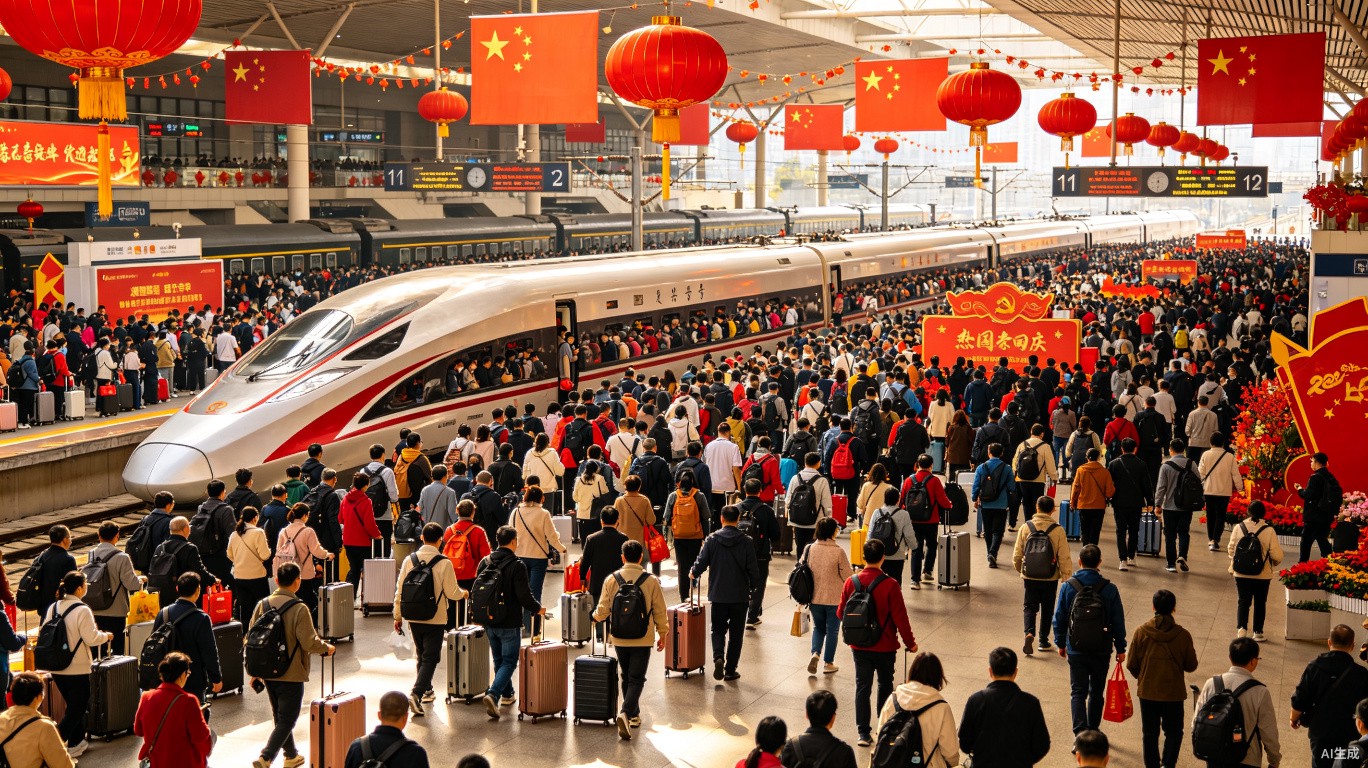
China Golden Week Travel Survival Guide
How to survive China's National Day Golden Week (October 1-7) - what to avoid, where to go, and how to beat the crowds.
9 min read
China Group Tours vs Independent Travel Which is Better
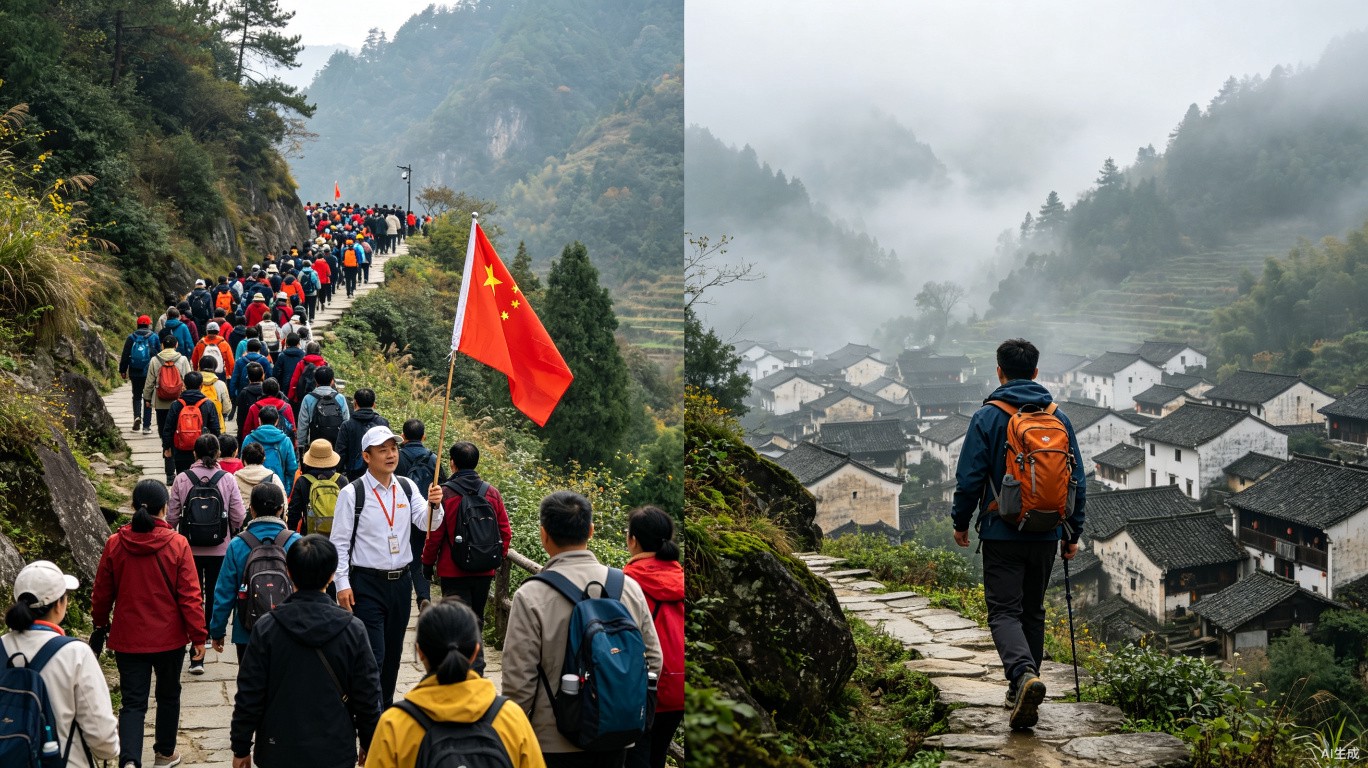
Should you join a guided tour or travel independently in China? Honest comparison of cost, flexibility, and experience.
7 min read
China Itinerary Planning: 7-Day 14-Day and 21-Day Routes: The Complete 2026 G...
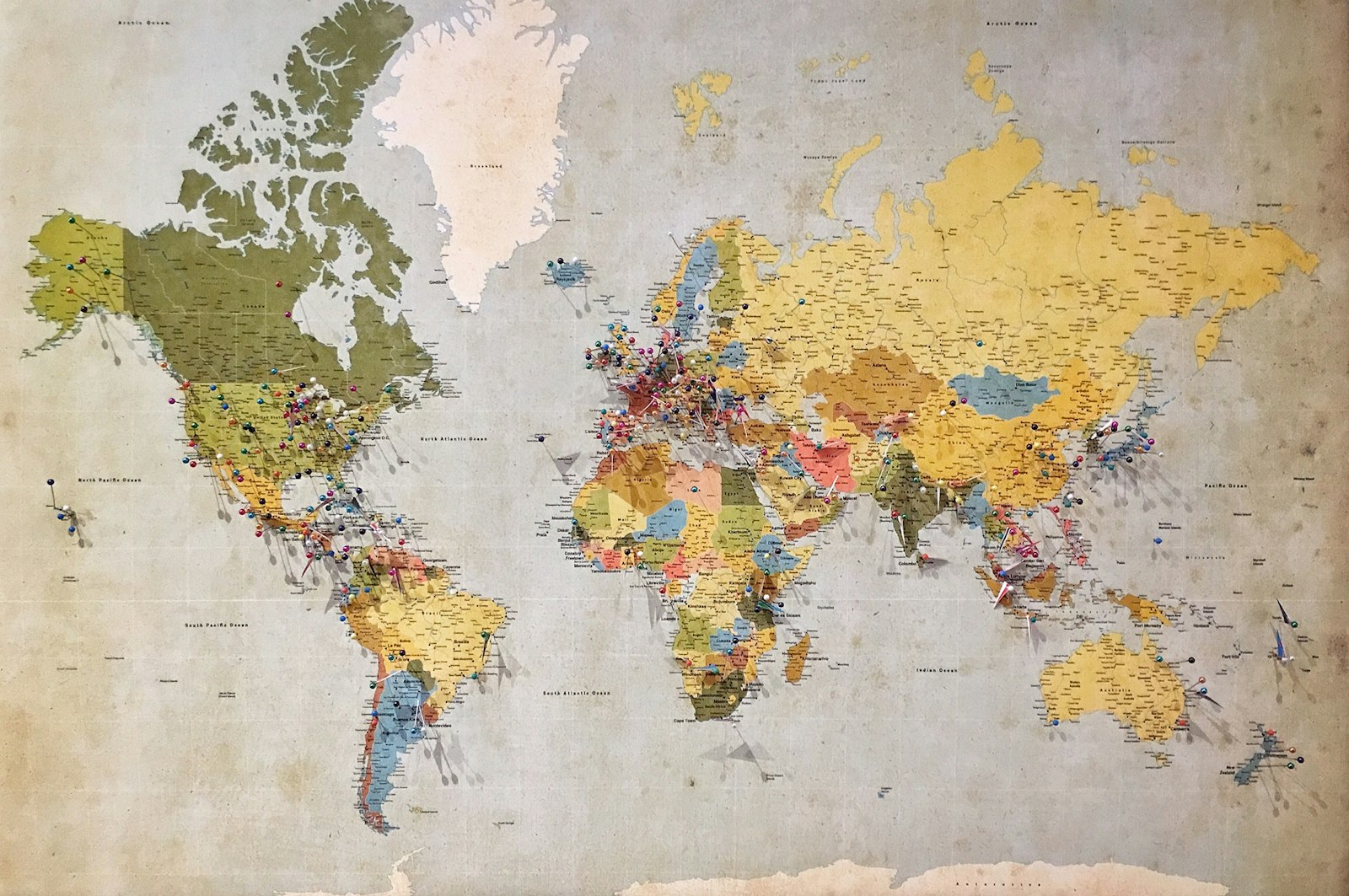
Not sure how many days to spend in China? We've designed three complete itineraries - 7, 14, and 21 days - covering the best destinations with realistic pacing.
9 min read