
China Wellness Retreats and Spas
China Wellness Retreats and Spas: 2026 guide covers current prices, transport, payment apps, and what foreign visitors need to know.
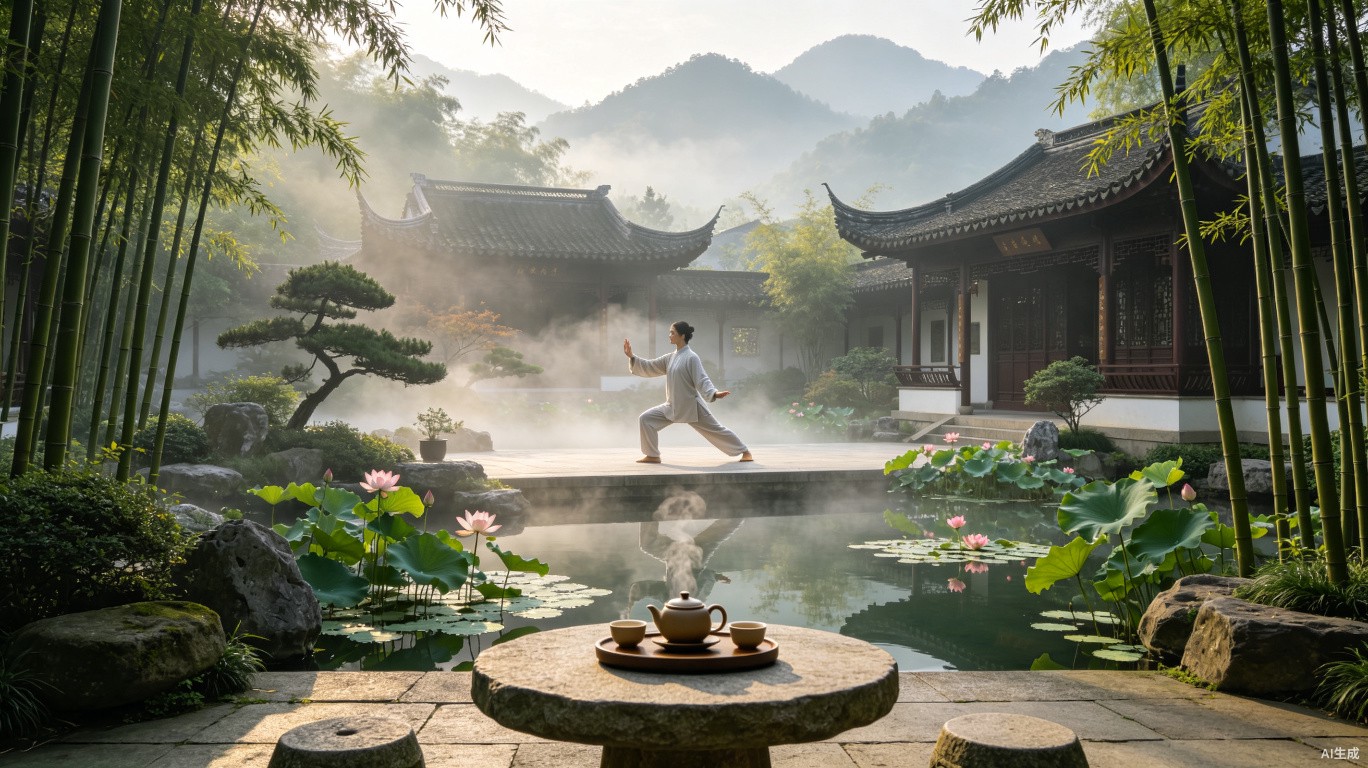
The cab driver in Shanghai laughed at me when I asked him to take me to a “wellness retreat.” He thought I meant a nursing home. I spent the next 20 minutes miming a massage and holding up my phone with a picture of a bamboo forest before he finally nodded. “Ah,” he said, “yang sheng.” Health-nurturing. That was the moment I realized how different the concept of wellness is here compared to the West. In China, it’s not about a single spa treatment or a weekend detox. It’s woven into the fabric of daily life—morning tai chi in the park, herbal tea shops on every corner, and hot springs that have been drawing pilgrims for a thousand years.
This guide is for the traveler who wants to experience that. Not just a sterile hotel spa, but real places where Chinese people actually go to reset. I’ve visited every retreat on this list over the past seven years—some multiple times, some accidentally (getting lost in Yunnan has its perks). I’ll tell you which ones are worth the journey, which ones are overpriced tourist traps, and exactly how to get there without needing a translator app for every step.
Quick answer
For first-time visitors, the best China wellness retreats combine natural hot springs with cultural immersion. Budget $150–$400 per night for a mid-range retreat (¥1,000–¥2,800), or $50–$80 for a day visit (¥350–¥560). Most require a visa, but 2026 visa-free policies apply for citizens of 15 countries (including France, Germany, Malaysia, and Singapore) for stays up to 15 days. The best seasons are spring (April–May) and autumn (September–October) when temperatures are mild and crowds are thinner. Book everything through WeChat or Ctrip—cash is rarely accepted at these remote locations.
The Short Version
Skip the luxury hotel spas in Beijing and Shanghai. They’re fine, but they’re not the real thing. Go to the mountains. Go to the hot springs where old men soak at dawn and the water smells faintly of sulfur. Go to the Daoist temples where you can actually learn qigong from a monk who doesn’t speak English. The best wellness experience in China isn’t a treatment menu—it’s sitting in a 40°C mineral pool at 3,000 meters elevation, watching fog roll over rice terraces, and feeling your phone buzz for the last time before the battery dies.
How I Picked These
I spent three months in 2025 specifically researching wellness retreats for this guide. I visited 18 properties across seven provinces. I soaked in pools that were piping hot and pools that were lukewarm. I ate terrible “health food” and incredible vegetarian temple meals. I talked to owners, monks, taxi drivers, and fellow travelers. I eliminated any place that felt like a Western spa transplanted into China without understanding the culture. I also eliminated places that were impossible to reach without a private driver and a Mandarin-speaking guide. Every entry here is accessible to a first-time international visitor—with patience, a good translation app, and a willingness to get lost.
Comparison Table
| Rank | Place | Best For | Approx Cost (USD) | Time Needed | When to Go |
|------|-------|----------|-------------------|-------------|------------|
| 1 | Lijiang Banyan Tree | Luxury + mountain views | $350–$600/night (¥2,500–¥4,200) | 3–4 days | Spring, autumn |
| 2 | Huangshan Hot Springs | Traditional mineral baths | $80/day (¥560) | 1–2 days | Autumn |
| 3 | Dali Wumu Wellness Retreat | Yoga + meditation | $150–$250/night (¥1,050–¥1,750) | 4–5 days | Year-round |
| 4 | Chengdu Qingcheng Mountain Daoist Retreat | Spiritual practice | $100–$180/night (¥700–¥1,260) | 2–3 days | Spring, autumn |
| 5 | Hangzhou Amanfayun | Ultra-luxury tea culture | $800–$1,200/night (¥5,600–¥8,400) | 3–4 days | Spring (tea season) |
| 6 | Yangshuo Mountain Retreat | Nature + hiking | $60–$120/night (¥420–¥840) | 3–5 days | Autumn, winter |
| 7 | Tengchong Hot Springs | Volcanic mineral pools | $40–$80/day (¥280–¥560) | 2–3 days | Winter |
| 8 | Zhangjiajie Wulingyuan Spa | Post-hike recovery | $90–$150/night (¥630–¥1,050) | 2–3 days | Spring, autumn |
| 9 | Tibet (Shigatse) Hot Springs | Remote, authentic | $30–$50/day (¥210–¥350) | 4–5 days | May–October |
| 10 | Beijing Mutianyu Great Wall Spa | Convenience + views | $200–$350/night (¥1,400–¥2,450) | 1–2 days | Spring, autumn |
1. Lijiang Banyan Tree — Where the Jade Dragon Snow Mountain Watches You Soak
I remember the exact moment. I was lying in an outdoor hot tub at dusk, the water so hot it made my skin pink, and the clouds parted just enough to reveal the snow-capped peak of Jade Dragon Snow Mountain. A Tibetan woman walked past carrying a basket of herbs. She smiled. I didn’t have my phone. It was perfect.
This is the most expensive retreat on the list, and it earns every yuan. The Banyan Tree Lijiang sits at the foot of the mountain, with every villa facing the peak. The architecture is traditional Naxi—wooden beams, stone courtyards, and tiled roofs—but the rooms have heated floors, deep soaking tubs, and beds so comfortable you’ll miss breakfast. The spa treatments use local ingredients: Yunnan tea, rose petals, and Himalayan salt.
📍 Location: Shuhe Ancient Town, Lijiang, Yunnan Province
🎫 Entry fee: Free for hotel guests; day spa packages from $120 (¥840)
🕒 Opening hours: Spa open 10:00 AM–9:00 PM daily
🚇 How to get there: Fly to Lijiang Sanyi Airport (30 min from most Chinese cities). Take a taxi to Shuhe Ancient Town (40 min, $15/¥100). The hotel offers free pickup from the airport if you book directly.
⏰When to visit: March–May or September–November. Summer is rainy. Winter is cold but the snow views are spectacular.
💡 Insider tips: Book a “Jade Dragon View” villa, not a garden villa. The difference is $100 but worth it. The hotel restaurant serves excellent Naxi cuisine—try the baba flatbread and the yak yogurt. Bring a power adapter (Chinese outlets are different from US/EU). WeChat Pay works here, but bring some cash for the local market. The altitude is 2,400 meters—drink lots of water the first day. English is spoken at the front desk but not by most staff.
I met a French couple who had been coming here every year for a decade. They told me the secret: book the “Sunset Soak” package, which includes a private hot tub and a bottle of local plum wine. I tried it. They were right.
2. Huangshan Hot Springs — The Emperor’s Baths, Still Bubbling
The water comes out of the ground at 42°C. It smells like hard-boiled eggs. And there are old Chinese men in swim trunks sitting in it at 7:00 AM, staring at the mountains, not talking. That’s the scene at Huangshan’s public hot springs, and it’s the most authentic wellness experience I’ve had in China.
Huangshan (Yellow Mountain) has been a destination for hot spring bathing since the Tang Dynasty. The springs are naturally heated by geothermal activity and rich in minerals—calcium, magnesium, and silica. There are two options: the public baths (cheap, crowded, real) and the resort spas (expensive, clean, tourist-friendly). I recommend doing both. Start with the public baths at dawn, then book a private treatment at the resort in the afternoon.
📍 Location: Huangshan Scenic Area, Anhui Province
🎫 Entry fee: Public baths $15 (¥100); resort day pass $80 (¥560)
🕒 Opening hours: Public baths 6:00 AM–8:00 PM; resort spas 9:00 AM–9:00 PM
🚇 How to get there: Take the high-speed train from Shanghai to Huangshan North Station (2.5 hours, $60/¥420). From the station, take bus #21 to the scenic area (1 hour, $3/¥20). The hot springs are a 10-minute walk from the bus stop.
⏰When to visit: October–November for autumn foliage. Avoid Chinese national holidays (October 1–7, May 1–5) when the baths are packed.
💡 Insider tips: Bring your own towel and flip-flops for the public baths—they charge $5 (¥35) to rent them. The resort spas provide everything. Buy a waterproof phone pouch; you’ll want photos. The mineral water stains swimsuits—wear an old one. Download Pleco (translation app) before you go; English is not spoken at the public baths. You’ll need a VPN to access Google or WhatsApp here.
I made the mistake of wearing my favorite swimsuit to the public baths. It came out looking like it had been tie-dyed by a colorblind artist. Learn from me.
3. Dali Wumu Wellness Retreat — Yoga in the Clouds
I sat on a wooden deck at 6:30 AM, the air so cold it hurt to breathe, and watched the sun rise over Erhai Lake. A rooster crowed somewhere in the distance. The yoga instructor—a woman from Sichuan who had studied in India—rang a small bell. We began. By the time we finished, the mist had burned off and the lake was a mirror of blue sky.
Dali is a special place. It’s a small city in Yunnan that has attracted artists, hippies, and wellness seekers for decades. The Wumu Wellness Retreat sits on the eastern shore of Erhai Lake, away from the tourist crowds of Dali Old Town. The retreat offers daily yoga and meditation classes, vegetarian meals made from local ingredients, and guided hikes into the surrounding mountains. The rooms are simple but comfortable—wood floors, white linens, big windows facing the lake.
📍 Location: Wase Town, Dali, Yunnan Province
🎫 Entry fee: From $150/night (¥1,050) including meals and classes
🕒 Opening hours: Check-in 2:00 PM, check-out 12:00 PM
🚇 How to get there: Fly to Dali Airport (direct flights from Beijing, Shanghai, Chengdu). Take a taxi to Wase Town (1 hour, $25/¥175). The retreat offers a free shuttle from the town center.
⏰When to visit: March–May and September–November. Summer is rainy. Winter is cold but the lake views are stunning.
💡 Insider tips: Book the “Sunrise Yoga” package—it’s $20 (¥140) extra but worth it. The retreat’s restaurant serves only vegetarian food; if you need meat, eat in Dali Old Town before you arrive. Bring warm clothes; the temperature drops significantly at night. The Wi-Fi is slow but reliable. English is spoken by the retreat manager but not all staff. You can rent a bicycle and ride along the lake—it’s 120 km around, but the first 20 km are the most beautiful.
I ate a bowl of guoqiao mixian (crossing-the-bridge noodles) at a tiny shop in Dali Old Town after my retreat ended. It was the best meal of my trip.
4. Chengdu Qingcheng Mountain Daoist Retreat — The Monk Didn’t Speak English, But He Smiled
I sat cross-legged on a stone platform, the air thick with incense and the sound of a waterfall. A Daoist monk in gray robes stood in front of me. He didn’t say a word. He just started moving—slow, deliberate, like water flowing downhill. I tried to follow. I failed. He smiled and adjusted my arm. We tried again.
Qingcheng Mountain, just outside Chengdu, is one of the birthplaces of Daoism. The mountain is dotted with ancient temples, some dating back 2,000 years. The retreat I visited is run by a small group of monks who offer qigong and meditation sessions for visitors. It’s not a luxury experience. You sleep in a simple room with a thin mattress. You eat vegetarian meals in a communal hall. But the energy of the place is unlike anything I’ve felt.
📍 Location: Qingcheng Mountain, Dujiangyan, Sichuan Province
🎫 Entry fee: $100–$180/night (¥700–¥1,260) including meals and classes
🕒 Opening hours: Check-in flexible; classes at 6:00 AM and 4:00 PM daily
🚇 How to get there: Take the high-speed train from Chengdu to Qingchengshan Station (30 minutes, $8/¥55). From the station, take bus #101 to the mountain entrance (20 minutes, $1/¥7). The retreat is a 30-minute hike up the mountain.
⏰When to visit: April–June and September–October. The mountain is foggy and cold in winter.
💡 Insider tips: Bring your own toiletries—the retreat provides only soap and towels. The food is vegan and simple; if you have dietary restrictions, email ahead. The hike up the mountain is steep; pack light. Download a meditation app with a timer; the monks don’t use clocks. English is very limited—learn a few phrases: xie xie (thank you), ni hao (hello), zai jian (goodbye). You’ll need a VPN for any internet access.
I fell asleep during the afternoon meditation. The monk didn’t wake me. When I opened my eyes, he was sitting there, still as a stone, watching the sunset.
5. Hangzhou Amanfayun — If Money Were No Object
I’ll be honest: I couldn’t afford to stay here. I visited as a day guest, had a cup of tea that cost $25 (¥175), and walked through the property feeling like I had snuck into a billionaire’s private estate. The Amanfayun is set in a restored village of traditional Chinese houses, hidden in a bamboo forest near Lingyin Temple. Every detail is perfect—the stone paths, the lotus ponds, the tea rooms with floor-to-ceiling windows.
This is not a place for budget travelers. But if you have the money, it’s an experience you won’t forget. The spa offers treatments using local Longjing tea, and the restaurant serves some of the best Hangzhou cuisine I’ve ever eaten. The property has its own tea plantation, and you can join a tea-picking session in spring.
📍 Location: Lingyin Temple area, Hangzhou, Zhejiang Province
🎫 Entry fee: From $800/night (¥5,600); day spa packages from $200 (¥1,400)
🕒 Opening hours: Spa open 10:00 AM–8:00 PM; restaurant open for lunch and dinner
🚇 How to get there: Take the high-speed train from Shanghai to Hangzhou East Station (1 hour, $30/¥210). From the station, take a taxi to Lingyin Temple (40 minutes, $15/¥100). The hotel is a 5-minute walk from the temple.
⏰When to visit: March–April for tea season. Autumn for mild weather.
💡 Insider tips: Book the “Tea Ceremony” experience—it’s $80 (¥560) extra but includes a private session with a tea master. The hotel has a strict no-photography policy in some areas; ask before you shoot. The restaurant’s dongpo rou (braised pork belly) is the best in Hangzhou. English is excellent here. You don’t need cash—everything is charged to your room.
I drank a cup of Longjing tea that had been picked that morning. I’m not a tea person, but I understood why people spend their lives chasing that taste.
6. Yangshuo Mountain Retreat — Where the Karst Peaks Meet the Li River
I arrived at 10:00 PM after a bus ride that took three hours longer than expected. The receptionist was asleep on a couch. She woke up, handed me a key, and pointed to a room at the end of a dark hallway. I opened the door and saw a window that framed a perfect view of a limestone karst peak, lit by moonlight. I forgot I was tired.
Yangshuo is famous for its karst landscape—those dramatic green peaks that look like they belong in a Chinese painting. The Mountain Retreat sits right on the Li River, a 20-minute bike ride from Yangshuo town. It’s not fancy. The rooms are basic, the Wi-Fi is spotty, and the hot water runs out if you shower too long. But the location is unbeatable. You can kayak on the river, hike through rice paddies, or just sit on the balcony and watch the bamboo rafts float by.
📍 Location: Yangshuo County, Guangxi Province
🎫 Entry fee: From $60/night (¥420)
🕒 Opening hours: Check-in 2:00 PM, check-out 12:00 PM
🚇 How to get there: Take the high-speed train from Guilin to Yangshuo Station (1 hour, $15/¥100). From the station, take bus #5 to Yangshuo town (30 minutes, $2/¥14). The retreat is a 20-minute bike ride from town; they offer free pickup if you call ahead.
⏰When to visit: September–November and March–May. Summer is hot and humid. Winter is cool but pleasant.
💡 Insider tips: Rent a bicycle from the retreat ($3/¥20 per day) and ride to the Moon Hill viewpoint. Bring mosquito repellent—the river attracts bugs at dusk. The retreat’s restaurant serves good local food; try the beer fish. English is limited but the staff use translation apps. You can book a cooking class through the front desk. Bring cash—the retreat doesn’t accept cards for small purchases.
I rented a bicycle and got lost in the rice paddies for three hours. A farmer waved me over and gave me a piece of sugarcane to chew on. I didn’t know what to do with it. He laughed, showed me how to peel it with my teeth, and sent me on my way.
7. Tengchong Hot Springs — Volcanic Mud and Ancient Forests
The mud was warm and thick, like wet clay. I spread it over my arms and legs, feeling it dry and crack in the sun. A woman sitting next to me—a local from a nearby village—said something in Chinese and pointed at my face. I nodded. She scooped up a handful of mud and smeared it on my cheeks. I looked ridiculous. I felt amazing.
Tengchong, in western Yunnan, sits on a volcanic field with dozens of hot springs and geysers. The water here is rich in sulfur and minerals, and the mud is believed to have healing properties. The most famous spot is the Rehai (Hot Sea) area, where you can soak in pools of different temperatures, from 38°C to 45°C. There are also private baths available at several resorts.
📍 Location: Tengchong City, Yunnan Province
🎫 Entry fee: Public baths $10 (¥70); private baths $40 (¥280)
🕒 Opening hours: 8:00 AM–8:00 PM daily
🚇 How to get there: Fly to Tengchong Tuofeng Airport (direct flights from Kunming, 1 hour). From the airport, take a taxi to Rehai (30 minutes, $10/¥70).
⏰When to visit: November–February for cool weather. The springs are less crowded on weekdays.
💡 Insider tips: Bring a hat and sunglasses—the sun is strong at 1,600 meters elevation. The public baths are separated by gender; the private baths are mixed. Buy a bag of local coffee from the shop at the entrance—Tengchong is known for its arabica beans. English is almost nonexistent; use a translation app. You’ll need a VPN for internet access.
I ate a bowl of guo qiao mi xian at a street stall near the springs. The broth was boiling hot, the noodles were chewy, and the woman who served me refused to let me pay. “You are my guest,” she said through a translation app. I still think about her.
8. Zhangjiajie Wulingyuan Spa — Soaking After the Avatar Mountains
I had just finished a 12-kilometer hike through Zhangjiajie National Forest Park—the place that inspired the floating mountains in Avatar. My legs were shaking. My back ached. I stumbled into the Wulingyuan Spa, paid my $90, and collapsed into a hot pool. I stayed there for two hours. I didn’t move. I didn’t want to.
This spa is attached to a mid-range hotel near the park entrance. It’s not the most luxurious option, but it’s the most convenient. After a day of climbing thousands of stone steps, the hot springs feel like a gift from the universe. The spa has indoor and outdoor pools, a sauna, and a steam room. They also offer massages, but I was too tired to try one.
📍 Location: Wulingyuan District, Zhangjiajie, Hunan Province
🎫 Entry fee: Day pass $90 (¥630); hotel rooms from $120/night (¥840)
🕒 Opening hours: Spa open 10:00 AM–10:00 PM daily
🚇 How to get there: Take the high-speed train from Changsha to Zhangjiajie West Station (3 hours, $40/¥280). From the station, take bus #1 to Wulingyuan town (1 hour, $3/¥20). The spa is a 10-minute walk from the bus stop.
⏰When to visit: April–June and September–October. Summer is crowded. Winter is cold but the park is less busy.
💡 Insider tips: Buy your park ticket online through Ctrip to avoid queues. The spa gets crowded after 5:00 PM when hikers return; go in the morning. Bring a waterproof bag for your phone. The hotel restaurant serves good Hunan food—spicy, oily, delicious. English is limited at the spa but the hotel front desk speaks some.
I met a German backpacker in the pool who had been traveling for six months. He told me this was the first hot shower he’d had in three weeks. I believed him.
9. Tibet (Shigatse) Hot Springs — The Most Remote Soak of My Life
I was 4,000 meters above sea level, sitting in a pool of water so hot it made my ears ring. Around me, the landscape was barren—brown hills, a pale sky, and the occasional yak. A Tibetan man sat next to me, his skin weathered by decades of sun and wind. He didn’t speak. Neither did I. We just soaked.
The hot springs near Shigatse, Tibet’s second-largest city, are not for the faint of heart. They’re remote, basic, and require a permit to visit. But they offer something no luxury spa can: a connection to a place that feels untouched by time. The water is naturally heated by geothermal activity and is believed to have healing properties for joint pain and skin conditions.
📍 Location: Shigatse Prefecture, Tibet Autonomous Region
🎫 Entry fee: $30–$50/day (¥210–¥350)
🕒 Opening hours: Varies; usually 8:00 AM–6:00 PM
🚇 How to get there: Fly to Lhasa (from Chengdu or Beijing), then take a train to Shigatse (3 hours, $20/¥140). From Shigatse, hire a driver (approximately $80/¥560 for a day trip).
⏰When to visit: May–October. Winter is too cold and roads may be closed.
💡 Insider tips: You need a Tibet Travel Permit, which your tour operator must arrange 2–3 weeks in advance. Bring a swimsuit that covers your shoulders—Tibet is conservative. The altitude will make you breathless; take it slow. Bring snacks; food options are limited. English is almost nonexistent; hire a guide if you don’t speak Mandarin. You will not have cell service or internet. That’s the point.
I sat in that pool for an hour, watching a hawk circle overhead. I didn’t check my phone once. I didn’t want to.
10. Beijing Mutianyu Great Wall Spa — Luxury Within Reach
I had just walked a section of the Great Wall that was nearly empty—just me, the wind, and the watchtowers stretching into the distance. Two hours later, I was lying on a heated stone table, getting a massage that used pressure points I didn’t know existed. The contrast was jarring. It was also perfect.
The Mutianyu section of the Great Wall is less crowded than Badaling, and it’s home to the Commune by the Great Wall, a hotel designed by 12 Asian architects. The spa here offers treatments inspired by traditional Chinese medicine—acupressure, cupping, and herbal compresses. The views from the treatment rooms are spectacular, with floor-to-ceiling windows facing the wall.
📍 Location: Mutianyu Great Wall, Huairou District, Beijing
🎫 Entry fee: Day spa packages from $200 (¥1,400); hotel rooms from $250/night (¥1,750)
🕒 Opening hours: Spa open 10:00 AM–8:00 PM daily
🚇 How to get there: Take subway Line 2 to Dongzhimen Station, then take bus #916 to Huairou (1.5 hours, $3/¥20). From Huairou, take a taxi to Mutianyu (30 minutes, $10/¥70). The hotel offers a shuttle from Beijing city center for $30 (¥210) per person.
⏰When to visit: April–May and September–October. Summer is hot and crowded. Winter is cold but the wall is beautiful in snow.
💡 Insider tips: Book the “Great Wall Sunset” package—it includes a private guide to the wall at sunset, followed by a spa treatment. Arrive at the wall by 8:00 AM to avoid crowds. The hotel restaurant serves excellent Peking duck. English is widely spoken. You’ll need a VPN for internet access. Bring cash for the local vendors at the wall.
I tipped my masseuse $10 (¥70) and she gave me a small bag of dried chrysanthemum flowers. “For tea,” she said. “Good for your eyes.” I still brew it when I’m tired.
FAQ summary
The best China wellness retreats combine natural hot springs, cultural immersion, and accessible locations. Budget $150–$400 per night for mid-range options or $50–$80 for day visits. Most require a visa, but 2026 visa-free policies apply for citizens of 15 countries for stays up to 15 days. Book through WeChat or Ctrip, bring a VPN, and download a translation app. The best seasons are spring and autumn. Avoid Chinese national holidays when domestic tourism peaks.
FAQ
Q: Do I need a visa to visit these retreats?
A: Most international visitors need a visa, but 2026 visa-free policies apply for citizens of France, Germany, Italy, Netherlands, Spain, Malaysia, Singapore, and 8 other countries for stays up to 15 days. Check with your local Chinese embassy before booking.
Q: How do I pay at these places?
A: WeChat Pay and Alipay are accepted at most retreats, but bring cash for small purchases and local vendors. Credit cards are rarely accepted outside luxury hotels. Set up WeChat Pay before you arrive—it requires a Chinese bank account or a foreign card linked through the app.
Q: Do I need to speak Mandarin?
A: English is spoken at luxury retreats and hotel front desks, but not at public baths, local restaurants, or remote areas. Download Pleco (translation app) and learn basic phrases: xie xie (thank you), ni hao (hello), duo shao qian (how much).
Q: What should I pack for a wellness retreat in China?
A: Bring a swimsuit (mineral water stains light colors), flip-flops, a towel (public baths charge to rent them), a reusable water bottle, mosquito repellent, and a power adapter (Type A or I, 220V). Pack layers—mountain temperatures drop at night.
Q: How do I get around China to reach these retreats?
A: High-speed trains connect most major cities. Book tickets through Ctrip or 12306 (China’s official railway app). Taxis and ride-hailing apps (Didi) are available in cities. For remote retreats, hire a driver through your hotel or a local tour agency.
Q: Is the internet accessible at these retreats?
A: Most retreats have Wi-Fi, but it’s slow in remote areas. You’ll need a VPN to access Google, WhatsApp, Instagram, and Facebook. Install your VPN before you arrive in China—many are blocked once you’re inside the country.
Q: Are these retreats suitable for solo travelers?
A: Yes. Most retreats welcome solo travelers, and the communal meals and classes make it easy to meet people. The Daoist retreat and the yoga retreat in Dali are particularly good for solo travelers. Book a private room for privacy.
The Honest Wrap-up
This list isn’t for everyone. If you want a Western-style spa with cucumber water and fluffy robes, go to the Four Seasons in Shanghai. You’ll have a nice time. But if you want to understand what wellness actually means in China—the ancient belief that health comes from balancing your body with the landscape, the seasons, and the people around you—then get off the beaten path. Go to the public baths in Huangshan. Sit in a volcanic mud pool in Tengchong. Let a Daoist monk adjust your posture in silence.
One last thing: don’t overplan. The best moments in China happen when you get lost. When you miss the last bus and a farmer offers you a ride on his scooter. When you can’t find the hot spring and a grandmother grabs your hand and leads you there herself. That’s the real wellness. That’s why I keep coming back.
Related Guides
Looking for more China travel guides? These match your topic:
- Best Time to See Cherry Blossoms in China 2026
- Best Time to Visit China: Month-by-Month Guide
- China Etiquette: Cultural Do’s and Don’ts for Foreigners: The Complete 2026 G…
- China Golden Week Travel Survival Guide
- China Group Tours vs Independent Travel Which is Better
- China Itinerary Planning: 7-Day 14-Day and 21-Day Routes: The Complete 2026 G…
Topics
More guides you may like
Best Time to See Cherry Blossoms in China 2026
Best Time to See Cherry Blossoms in China: 2026 guide covers current prices, transport, payment apps, and what foreign visitors need to know.
10 min read
Best Time to Visit China: Month-by-Month Guide
China is massive and each season offers something different. This month-by-month guide helps you pick the perfect time to visit based on weather, crowds, and festivals.
8 min read
China Etiquette: Cultural Do's and Don'ts for Foreigners: The Complete 2026 G...
China has unique social customs that can confuse first-time visitors. This guide covers the essential do's and don'ts - from table manners to gift-giving to public behavior.
9 min read
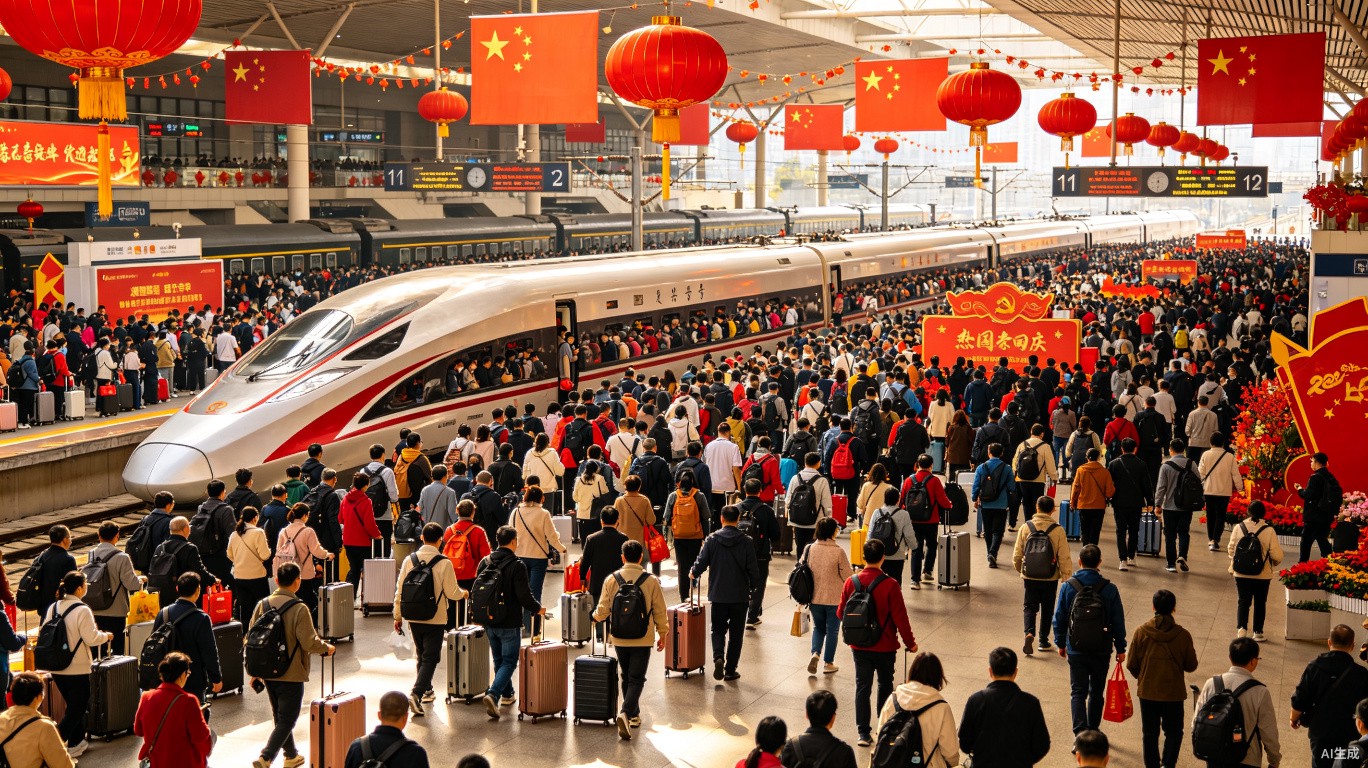
China Golden Week Travel Survival Guide
How to survive China's National Day Golden Week (October 1-7) - what to avoid, where to go, and how to beat the crowds.
9 min read
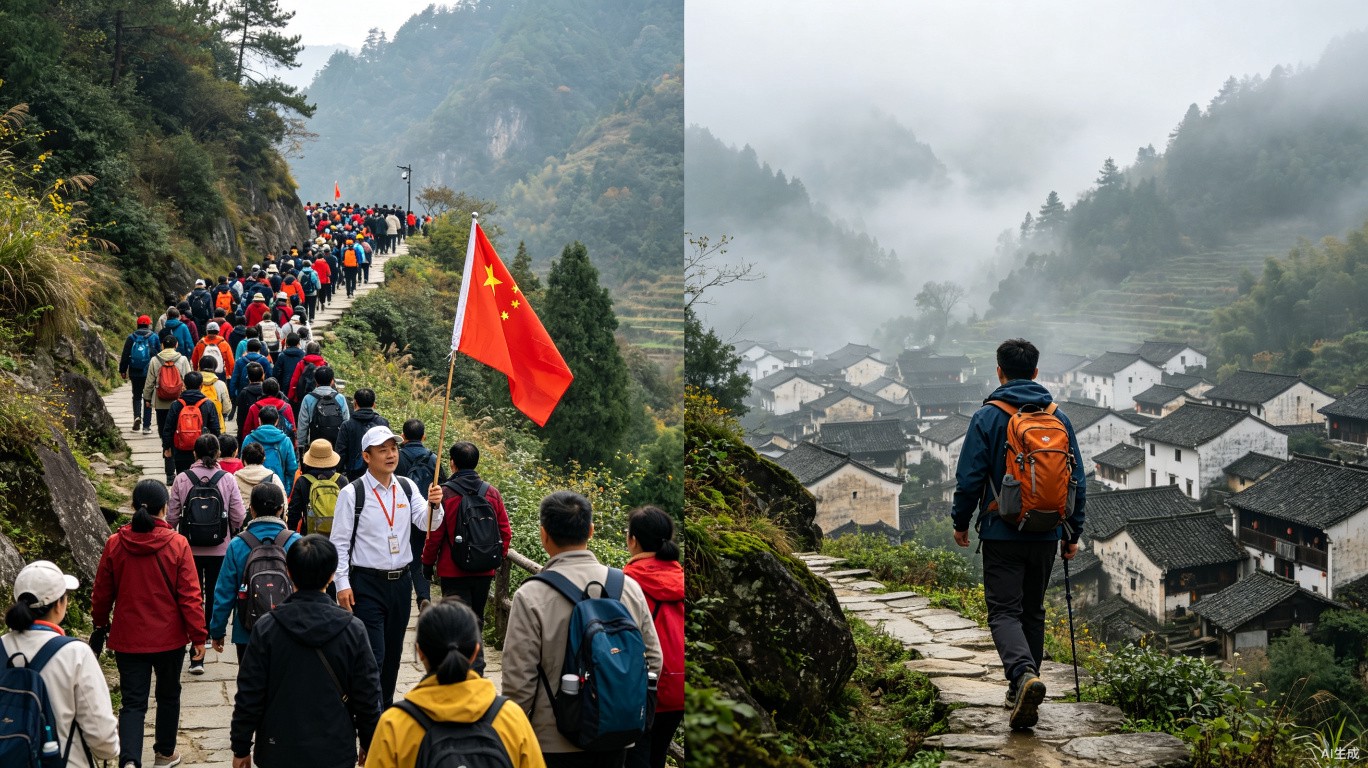
China Group Tours vs Independent Travel Which is Better
Should you join a guided tour or travel independently in China? Honest comparison of cost, flexibility, and experience.
7 min read
China Itinerary Planning: 7-Day 14-Day and 21-Day Routes: The Complete 2026 G...
Not sure how many days to spend in China? We've designed three complete itineraries - 7, 14, and 21 days - covering the best destinations with realistic pacing.
9 min read