
Guangxi Longji and Detian Falls Route
Guangxi Longji and Detian Falls Route: 2026 guide covers current prices, transport, payment apps, and what foreign visitors need to know.
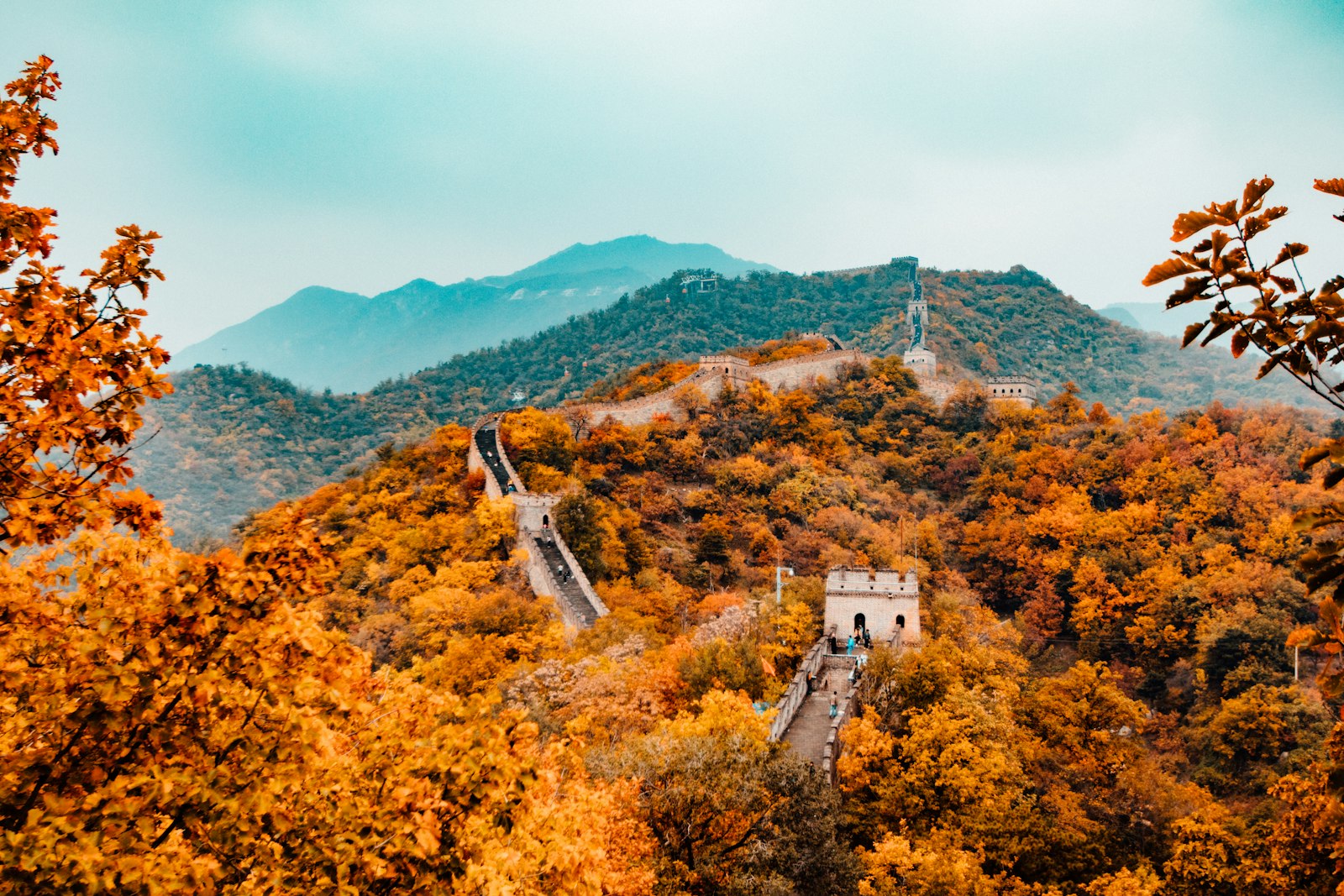
The cab driver laughed at me when I asked to go to Longji. Not a mean laugh, but the kind that says you have no idea what you’re getting into. We were still in Guilin, and he pointed at the rain coming sideways off the karst peaks. “You want to go to the rice terraces today?” he asked in Mandarin, shaking his head. “The road will be fog. You won’t see anything.” He was right. I went anyway, and I didn’t see much that first afternoon. But the next morning, the clouds burned off by 7 a.m., and I stood on a stone path looking down at a thousand years of farming carved into a mountainside. That moment is why I keep coming back to Guangxi.
This route connects two of southern China’s most dramatic landscapes: the Longji Rice Terraces, where Zhuang and Yao villages cling to impossibly steep hillsides, and Detian Falls, a thundering cascade on the Vietnam border that most tourists skip because it’s a pain to reach. I’ve done this loop four times now, each time finding something I missed before. This guide covers the practical stuff —how to get there, what it costs, when to go —but also the things nobody tells you, like which village has the best guesthouse breakfast and why you should never trust the weather forecast in the mountains.
Quick answer
For first-time international visitors in 2026, the Guangxi Longji and Detian Falls route is doable in 4-5 days starting from Guilin or Nanning, costing roughly $300-500 per person including transport, entry fees, and basic accommodation. China’s 144-hour visa-free transit policy now covers most Western passport holders entering through Guilin or Nanning airports, so many travelers won’t need a visa for this trip. The best window is October-November for golden rice terraces or April-May for flooded fields, and you absolutely need a VPN installed before you leave home —Google Maps and WhatsApp won’t work without it.
The Short Version
Do this route in 5 days, not 3. Everyone tries to rush it and ends up exhausted. Spend two nights in the Longji terraces (Ping’an village for views, Dazhai for fewer crowds), then take the bus to Nanning, then another bus to Detian. Skip the packaged tours from Guilin —they charge triple what you’d pay yourself and rush you through both places in one day. The rice terraces are the real highlight here. Detian Falls is impressive, but it’s a long day of buses for a waterfall you’ll see in 45 minutes. If you only have time for one, pick Longji.
How I Picked These
I’ve been traveling through Guangxi since 2019, usually twice a year. I’ve stayed in six different villages in the Longji area, tried three different routes to Detian, and made every mistake you can imagine: missed the last bus, paid triple for a “private car” that wasn’t private, showed up during fog season, forgot cash when the ATM was broken. I talked to guesthouse owners, bus station clerks, and a noodle shop lady in Ping’an who finally told me the real way to get to the less crowded viewpoints. This list reflects what I’d tell a friend who’s planning their first China trip —not what a tour company would sell you.
Comparison Table
| Rank | Place | Best For | Approx Cost (USD) | Time Needed | When to Go |
|------|-------|----------|-------------------|-------------|------------|
| 1 | Longji Rice Terraces (Ping’an) | Iconic views, easy access | $12 entry + $30-50/night lodging | 2 days | Oct-Nov (golden) or Apr-May (flooded) |
| 2 | Longji Rice Terraces (Dazhai) | Fewer tourists, longer hikes | $12 entry (same ticket) + $25-40/night | 2-3 days | Same as above |
| 3 | Detian Falls | Border waterfall spectacle | $20 entry + $15 shuttle | 1 day | June-Oct (peak water volume) |
| 4 | Guilin City | Gateway city, Li River views | Free (city) + $30-60/night | 1 day | Year-round |
| 5 | Yangshuo | Karst landscape, nightlife | Free (town) + $25-50/night | 2-3 days | Mar-Nov |
| 6 | Nanning | Transport hub, cheap food | Free (city) + $25-45/night | 1 day | Year-round |
| 7 | Longji Ancient Zhuang Village | Cultural immersion, quiet | Free (included in terrace ticket) | Half day | Same as terraces |
| 8 | Detian Waterfall Boardwalk | Closest view of the falls | Included in entry | 30 min | Morning (less wind) |
| 9 | Mingjiang River (near Detian) | Quieter alternative viewpoint | Free | 1 hour | Same as falls |
| 10 | Guilin Two Rivers and Four Lakes | Evening light show, easy walk | Free (walking) or $15 (boat) | 2 hours | Evening |
1. Longji Rice Terraces (Ping’an Village) —The Postcard View You Came For
I remember sitting on the wooden balcony of a guesthouse in Ping’an, drinking tea that tasted faintly of smoke, watching the sun move across the terraces. The rice was golden that day in late October, and the whole valley looked like a staircase to heaven. A farmer walked past carrying two baskets on a pole, not even breathing hard. I felt like an idiot for complaining about the hike up.
Ping’an is the most developed village in the Longji area, which means more guesthouses, more restaurants, and more tourists. But that’s not a bad thing. The paths are well-maintained, the viewpoints are clearly marked, and you can get a decent meal without negotiating. The Seven Stars with Moon viewpoint is the famous one —the terraces form a pattern that looks like stars around a crescent moon. It’s worth the 20-minute uphill walk from the village.
📍 Longji Rice Terraces, Longsheng County, Guilin Prefecture. Ping’an is about 90 minutes by bus from Guilin city.
🎫 Entry fee: $12 (CNY 80) for the entire Longji scenic area. Valid for multiple days. You pay at the main gate, not at individual villages.
🕒 Open 24 hours for the outdoor area. Guesthouses have no curfew. The ticket office at the main gate is open 8:00 AM to 6:00 PM.
🚇 From Guilin: Take bus from Guilin Bus Station (not the train station bus stop) to “Longji” or “Ping’an.” Buses leave roughly every hour from 7 AM to 5 PM. Cost about $6 (CNY 40). Tell the driver you’re going to Ping’an —they’ll drop you at the village entrance gate. From there, a shuttle bus runs up the mountain for $3 (CNY 20). Or walk 40 minutes uphill if you’re feeling ambitious.
⏰October and November for golden rice harvest. April and May for flooded terraces that reflect the sky. Avoid Chinese national holidays (first week of October, May Day week) —the crowds are insane. Go on a weekday if possible. Arrive by 10 AM to avoid the worst of the tour bus groups.
💡 Insider tips: The guesthouse owners will offer to carry your luggage up the stone steps for about $5 (CNY 30). Take that offer. The steps are steep and uneven, and you will regret dragging a suitcase. Bring cash —there’s one ATM in Ping’an and it’s often empty. The local specialty is bamboo rice (rice cooked inside a bamboo tube over fire). Buy it from the old woman near the Seven Stars viewpoint, not the restaurants. She charges half the price and it’s better.
I ate bamboo rice sitting on a rock near the viewpoint, and a Zhuang grandmother sat down next to me and showed me photos of her grandchildren on a phone with a cracked screen. She didn’t speak a word of English. We communicated through gestures and smiles for ten minutes. That was better than any view.
2. Longji Rice Terraces (Dazhai Village) —For When You Want Silence
Dazhai feels different. Less polished. The guesthouses are simpler, the paths are muddier, and the tourists are mostly Chinese hikers carrying serious camera gear. I stayed here for three days once, and on the second day I realized I hadn’t heard a single word of English since I arrived. That’s rare in China.
The Golden Buddha Peak viewpoint is the highest in the area. The hike up takes about an hour from the village, and it’s steep. But at the top, you can see three different valley systems of terraces spreading out below you. On a clear day, you can see all the way to the next mountain range. The cable car runs from Dazhai to the top for $8 (CNY 55) round trip, but I’d recommend hiking up and taking the cable car down. Your knees will thank you.
📍 Dazhai Village, Longsheng County. About 20 minutes further by road from the Ping’an turnoff.
🎫 Same entry ticket as Ping’an —$12 (CNY 80). No extra charge for Dazhai.
🕒 Same as Ping’an. The cable car runs 8:30 AM to 5:30 PM, but check if it’s closed for maintenance (usually happens in March).
🚇 From Guilin: Take the same bus as for Ping’an, but tell the driver “Dazhai” instead. The bus continues past the Ping’an turnoff to Dazhai’s entrance. From there, a shuttle runs to the village for $2 (CNY 15).
⏰Same seasons as Ping’an, but Dazhai is less crowded year-round. The terraces here are Yao minority territory, and they harvest rice about two weeks later than the Zhuang villages. So if you miss the golden season in Ping’an, you might catch it in Dazhai.
💡 Insider tips: The guesthouses in Dazhai don’t have central heating. In winter (December-February), rooms can drop to 40掳F (5掳C) at night. Bring thermal underwear. The local Yao women are famous for their long hair —they only cut it once in their lifetime. You’ll see them washing it in the streams. Don’t take photos without asking. Most will say yes if you smile and gesture, but some won’t. Respect that.
I tried to take a shortcut back to my guesthouse and ended up in a farmer’s field, knee-deep in mud, while an old man watched from his porch and laughed. He pointed to the correct path and said something I’m pretty sure was “stupid foreigner.” Fair enough.
3. Detian Falls —The Waterfall That Makes Niagara Look Tame
The sound hits you before you see it. A low rumble that grows louder as you walk through the ticket gate and down the path. Then you round a corner and there it is: a wall of water 200 meters wide, crashing down three tiers into a green pool below. On the other side of the river, Vietnamese tourists are taking selfies on their own boardwalk. You can see their flag. You can almost wave at them.
Detian is the largest transnational waterfall in Asia, shared between China and Vietnam. The Chinese side gets the better view. The water volume depends on the season —in October, after the rainy season, it’s thunderous. In March, it’s a trickle. I went in August once and got soaked by spray 50 meters away. Worth it.
📍 Detian Waterfall Scenic Area, Daxin County, Chongzuo City. About 4 hours by bus from Nanning.
🎫 Entry fee: $20 (CNY 120) plus $5 (CNY 35) for the mandatory shuttle bus from the parking lot to the falls.
🕒 Open 8:00 AM to 5:30 PM daily. Last entry at 4:30 PM. The waterfall is best seen in the morning before the wind picks up and blows the spray sideways.
🚇 From Nanning: Go to Nanning Langdong Bus Station. Buses to Detian leave at 8:30 AM and 9:30 AM. Cost about $10 (CNY 70). The ride takes 4 hours including a stop. The bus drops you at the scenic area entrance. Return buses leave at 3:00 PM and 4:00 PM. If you miss them, you’re stuck —there’s no town nearby, only a few basic guesthouses.
⏰June through October for maximum water volume. November to February is lower but still impressive. Avoid weekends and Chinese holidays —the boardwalk gets packed and you’ll be shuffling shoulder-to-shoulder.
💡 Insider tips: Bring a rain jacket or poncho even on sunny days. The spray from the falls is relentless. There’s a border market near the entrance where Vietnamese vendors sell coffee, cigarettes, and snacks. The coffee is excellent and costs about $3 (CNY 20) for a bag. Bargain. Start at half the asking price. The boardwalk goes right to the base of the falls. You will get wet. That’s the point.
I bought a Vietnamese iced coffee from a woman who couldn’t have been more than 20, sitting behind a folding table with a thermos of condensed milk. She smiled when I tried to say “thank you” in Vietnamese and got it wrong. The coffee was the best I had in China that month.
4. Guilin City —The Gateway You Can’t Skip
Guilin isn’t the main attraction, but you’ll pass through it anyway. The airport, the train station, the bus station —everything funnels through here. I’ve spent maybe 10 nights total in Guilin across my trips, and I still don’t love it. It’s a medium-sized Chinese city with the usual sprawl of high-rises and construction sites. But the Li River runs through it, and the mountains that frame the city are beautiful in the right light.
The thing to do in Guilin is walk along the Li River at sunset. The mountains behind the city turn pink and purple, and the fishing cormorants come out. There’s a path that runs from the Liberation Bridge south for about two kilometers. It’s free, it’s peaceful, and it’s the only part of Guilin I genuinely look forward to.
📍 Guilin city center, near the Li River and Elephant Trunk Hill.
🎫 Free to walk around. Elephant Trunk Hill costs $8 (CNY 55) but you can see it from the river path for free.
🕒 The river path is open 24 hours. Elephant Trunk Hill is open 7:00 AM to 6:30 PM.
🚇 From Guilin Airport: Take the airport bus to the city center for $5 (CNY 35). From the train station (Guilin Station, not Guilin West), it’s a 10-minute walk to the river.
⏰Year-round, but spring (March-May) has the most pleasant weather. Summer is hot and humid. Winter is cold and damp.
💡 Insider tips: The food street near Zhengyang Pedestrian Street is where locals eat, not tourists. Try the Guilin rice noodles (mifen) from a street stall for $1 (CNY 7). The night market on the pedestrian street sells the same souvenirs as everywhere else in China. Skip it. The two lakes area (Ronghu and Shanhu) is lovely at night when the pagodas are lit up.
I ate mifen from a cart near the river at 7 AM, standing at a plastic table next to a man who was eating his noodles with a cigarette in his other hand. The broth was pork-based, spicy, and exactly what I needed before a long bus ride.
5. Yangshuo —The Tourist Trap That’s Actually Good
I have a complicated relationship with Yangshuo. It’s beautiful —the karst peaks here are the ones you’ve seen in a thousand photos. But it’s also packed with tourists, souvenir shops, and bars playing Western pop music. I’ve been three times, and each time I’ve left thinking “that was great, but I wouldn’t want to stay longer.”
The Li River cruise from Guilin to Yangshuo is the classic way to arrive. Four hours on a boat, floating past the same mountains that are on the 20 yuan note. It costs about $50 (CNY 350) and includes lunch. The alternative is to take the bus for $6 (CNY 40) and rent a bicycle or scooter once you’re there. I prefer the bus. The cruise is slow and the food is bad.
📍 Yangshuo County, about 1.5 hours south of Guilin by bus.
🎫 Free to enter the town. Bicycle rental is $3-5 (CNY 20-35) per day. Electric scooter is $8-12 (CNY 55-85) per day.
🕒 The town is open 24 hours. Most shops and restaurants are open 9 AM to 10 PM.
🚇 From Guilin: Bus from Guilin Bus Station to Yangshuo. Every 20 minutes from 7 AM to 7 PM. Cost $6 (CNY 40). The bus drops you at the Yangshuo bus station, which is a 10-minute walk from West Street.
⏰March to November. Avoid Chinese holidays. The best time is October when the weather is mild and the rice fields are golden.
💡 Insider tips: Rent a bicycle and ride to Moon Hill, about 8 kilometers south of town. The hike to the top takes 30 minutes and costs $2 (CNY 15). The view from the arch is worth it. Don’t eat on West Street —it’s overpriced and mediocre. Walk one block east to Diecui Road for better food at half the price. The bamboo raft rides on the Yulong River are quieter and more scenic than the Li River cruises.
I rented a bicycle that had a squeaky chain and a bell that didn’t work. The old man who rented it to me shrugged and said “mei wenti” (no problem). He was right. The bike made it the whole 16 kilometers to Moon Hill and back.
6. Nanning —The Transport Hub You’ll Tolerate
Nanning is not a tourist city. It’s a provincial capital of 8 million people, hot and humid for most of the year, with the usual Chinese urban sprawl. But it’s the only practical base for visiting Detian Falls, so you’ll end up here. I’ve spent maybe 48 hours total in Nanning across my trips, and I don’t feel like I missed anything.
The one thing worth doing is the Guangxi Museum, which has a decent collection of ethnic minority artifacts. It’s free, air-conditioned, and takes about an hour. The food scene is good —Nanning is close to Vietnam, so the cuisine has a Southeast Asian influence. Try the sour fish soup.
📍 Nanning city center, near the Yongjiang River.
🎫 Free for the museum. Street food costs $1-3 (CNY 7-20).
🕒 Museum open 9:00 AM to 5:00 PM, closed Mondays.
🚇 From Nanning Airport: Airport bus to the city center for $4 (CNY 28). From the train station, it’s a 15-minute walk to the bus station for Detian.
⏰Year-round, but October to December is the least humid.
💡 Insider tips: The Langdong Bus Station is where you catch the bus to Detian. It’s about 20 minutes from the city center by taxi ($5 / CNY 35). Don’t take the bus from the smaller bus stations —they go to the wrong place. The night market near Zhongshan Road has good street food. Try the grilled oysters with garlic.
I ate grilled oysters at a stall in the night market, sitting on a plastic stool next to a family who was sharing a plate of fried noodles. The oysters were $1 for six. They were perfect.
7. Longji Ancient Zhuang Village —The Quiet Corner
Most tourists go to Ping’an or Dazhai and miss the smaller Zhuang village tucked between them. I found it by accident, following a path that looked like it might lead nowhere. It led to a cluster of wooden houses built on a ridge, with terraces falling away on both sides. There was no one there except an old woman weaving fabric on a hand loom.
This village has no guesthouses, no restaurants, no ticket booth. It’s a living village where people still farm and live as they have for generations. The buildings are traditional stilt houses, raised off the ground to protect against moisture. You can walk through in about 20 minutes, but I sat on a stone wall for an hour, just watching.
📍 Between Ping’an and Dazhai, about 30 minutes walk from either.
🎫 Free. Included in the Longji entry ticket.
🕒 Always open. It’s a real village, not a tourist attraction.
🚇 Walk from Ping’an or Dazhai. The path is marked in Chinese only. Ask your guesthouse owner for directions. They’ll draw you a map on a napkin.
⏰Same as the terraces. Morning is best, before the day-trippers arrive from the main villages.
💡 Insider tips: Bring small bills (1, 5, 10 yuan) if you want to buy fabric or snacks from the villagers. They won’t have change for large notes. Don’t enter any houses unless invited. Some families charge a small fee ($1 / CNY 5) to see their weaving looms. It’s worth it. The path between the villages is steep in places. Wear proper shoes.
I bought a small piece of handwoven fabric from the old woman for $3 (CNY 20). She wrapped it in newspaper and handed it to me with both hands, which is a sign of respect in Chinese culture. I didn’t know that then. I do now.
8. Detian Waterfall Boardwalk —The Wet Way to See It
There’s a boardwalk that runs from the entrance of Detian Scenic Area to the base of the falls. It’s about 500 meters long, winding through bamboo groves and past smaller cascades. The first time I walked it, I thought the main falls were still ahead. Then I turned a corner and the full force of the water hit me in the face.
The boardwalk ends at a platform maybe 20 meters from the base of the main drop. The spray is constant. The roar is overwhelming. You can feel the vibration in your chest. On the Vietnamese side, you can see tourists walking on their own boardwalk, looking tiny against the scale of the falls.
📍 Inside Detian Scenic Area, about 10 minutes walk from the shuttle bus drop-off.
🎫 Included in the $20 (CNY 120) entry fee.
🕒 Same as the scenic area: 8:00 AM to 5:30 PM.
🚇 Walk from the shuttle bus stop. Follow the sound of the water.
⏰Morning, before 10 AM. The wind picks up in the afternoon and blows the spray onto the boardwalk, making it slippery and less pleasant.
💡 Insider tips: The boardwalk can be very slippery when wet. Wear shoes with good grip. There’s a small pavilion about halfway where you can take shelter from the spray. The best photo spot is from the middle platform, not the end. You can rent a raincoat at the entrance for $1 (CNY 7). Just buy one.
I didn’t buy a raincoat. I was soaked through by the time I reached the end of the boardwalk. My phone survived because I had it in a Ziploc bag. That was luck, not planning.
9. Mingjiang River (Near Detian) —The View Nobody Knows About
Most people go to Detian, take their photos, and leave. They miss the Mingjiang River viewpoint, about 2 kilometers upstream from the falls. I found it because my bus driver stopped there for a cigarette break and gestured for me to get out. I followed him down a dirt path and found a view of the river winding through karst peaks, with the waterfall’s mist visible in the distance.
There’s no ticket booth, no sign in English, no tourist facilities. Just a dirt clearing where locals park their scooters. The river here is slower, greener, and flanked by bamboo groves. On the far bank, you can see Vietnam. It’s peaceful in a way that Detian itself isn’t.
📍 About 2 km upstream from Detian Scenic Area entrance. Ask locals for “Mingjiang” (明江).
🎫 Free.
🕒 Always open. Best in late afternoon light.
🚇 Walk from Detian entrance, or ask a local scooter driver to take you for $2 (CNY 15).
⏰Same as Detian. Afternoon light is better here than at the falls.
💡 Insider tips: There’s a small temple on the hill above the river. The path is overgrown but passable. The view from the temple is even better. Mosquitoes are bad here in summer. Bring repellent. There’s no food or water available —bring your own.
The bus driver who showed me this spot didn’t speak English. He just pointed at the river and said “piaoliang” (beautiful). He was right.
10. Guilin Two Rivers and Four Lakes —The Evening Walk
After a long day of buses and hiking, this is where you go to decompress. The Two Rivers and Four Lakes is a system of waterways in central Guilin, connected by bridges and lined with pagodas. At night, the buildings are lit up with yellow and red lights, reflected in the dark water. It’s touristy, yes. But it’s also genuinely beautiful.
The walk around the lakes takes about an hour at a slow pace. You’ll pass the Sun and Moon Pagodas, which are the most photographed structures in Guilin. There are also boat tours that cost about $15 (CNY 100) and take 90 minutes. I’ve done both. The walk is better —you can stop when you want, and it’s free.
📍 Central Guilin, near the intersection of Zhongshan Road and Banyan Lake.
🎫 Free to walk. Boat tour $15 (CNY 100).
🕒 The lakes are always open. The pagodas are lit from dusk until about 10 PM.
🚇 From Guilin Station, walk east for 15 minutes. You’ll hit Banyan Lake first.
⏰Evening, after dark. The lights come on around 6:30 PM in winter, 7:30 PM in summer.
💡 Insider tips: The best photo spot is from the bridge between Sun Pagoda and Moon Pagoda. The reflection is perfect on calm nights. There are musicians playing traditional instruments near the pagodas on weekends. They’re good. Tip them $1 (CNY 5) if you stop to listen. The lakes are less crowded after 9 PM.
I sat on a bench near the Moon Pagoda, eating a popsicle I bought from a convenience store, watching a family take photos with their phone. The father kept trying to get everyone to look at the camera. The kids kept running away. It was normal and perfect.
FAQ summary
The Guangxi Longji and Detian Falls route is best done in 4-5 days starting from Guilin or Nanning, costing $300-500 per person including transport, entry, and basic lodging. Most Western passport holders can enter under China’s 144-hour visa-free transit policy through Guilin or Nanning airports, but must have a confirmed onward ticket. The rice terraces are the highlight, with golden harvest season in October-November being the best time to visit. Detian Falls requires a long bus ride from Nanning and is best seen June-October when water volume is highest. A VPN must be installed before arriving in China, and WeChat Pay or Alipay should be set up in advance as most places don’t accept foreign credit cards.
FAQ
Q: Do I need a visa for this trip in 2026?
A: Most US, UK, Canadian, Australian, and EU passport holders can use China’s 144-hour visa-free transit if entering through Guilin or Nanning airports. You need a confirmed onward ticket to a third country (not your origin country). This covers your entire trip if you stay within Guangxi. If you’re flying in and out of the same city, you’re fine. Check the latest policy on the Chinese embassy website before booking.
Q: How much cash should I bring?
A: Bring about $100 (CNY 700) in cash for the whole trip. The rice terraces have limited ATMs that often run out. Detian has no ATM. Big cities like Guilin and Nanning take WeChat Pay everywhere. Small villages and street stalls are cash-only. Break large bills at convenience stores.
Q: Is English spoken in these places?
A: In Guilin and Yangshuo, some English. In Nanning, very little. In Longji and Detian, almost none. Download Pleco (translation app) and Google Translate offline packs before you arrive. Learn these phrases: “多少钱” (how much), “谢谢” (thank you), “这个” (this one). You’ll survive.
Q: How do I set up WeChat Pay or Alipay as a foreigner?
A: Both now accept foreign credit cards. Download the app, register with your passport, link your card. Do this before you leave home —the verification process can take 24 hours. Some users report issues with US-issued cards. Bring a backup Visa or Mastercard that works at ATMs.
Q: Do I need a VPN?
A: Yes. Google, Facebook, Instagram, WhatsApp, and many news sites are blocked in China. Install a VPN on your phone and laptop before you arrive. Test it before you leave. Popular options include ExpressVPN, NordVPN, and Astrill. Some free VPNs don’t work. Pay for a reliable one.
Q: What’s the best SIM card option?
A: Buy a China Unicom or China Mobile SIM at the airport. The tourist SIMs cost about $15 (CNY 100) for 7 days with 10GB of data. Your phone must be unlocked. Alternatively, get an eSIM from Airalo or Holafly before you leave —they work with VPNs and don’t require a physical SIM.
Q: Is it safe to travel alone here?
A: Yes. Guangxi is very safe for solo travelers, including women. The biggest risks are traffic (cross streets carefully —cars don’t stop) and getting lost in the mountains (download offline maps). Petty theft is rare but keep your phone in your front pocket in crowded areas.
The Honest Wrap-up
This route is for travelers who want to see something genuinely different, not just another temple or museum. The rice terraces are one of the most beautiful landscapes I’ve ever seen, and Detian Falls is the kind of place that makes you feel small in a good way. But it’s not an easy trip. The buses are long, the language barrier is real, and you will get wet and tired and possibly lost.
If you want comfort and convenience, stick to Beijing and Shanghai. If you want to stand on a mountainside at sunrise, watching fog lift off a thousand-year-old terrace system while a farmer walks past carrying rice seedlings, come to Guangxi. Bring good shoes, a rain jacket, and patience. The reward is worth the effort.
Related Guides
Looking for more China travel guides? These match your topic:
- Best Time to See Cherry Blossoms in China 2026
- Best Time to Visit China: Month-by-Month Guide
- China Etiquette: Cultural Do’s and Don’ts for Foreigners: The Complete 2026 G…
- China Golden Week Travel Survival Guide
- China Group Tours vs Independent Travel Which is Better
- China Itinerary Planning: 7-Day 14-Day and 21-Day Routes: The Complete 2026 G…
Topics
More guides you may like
Best Time to See Cherry Blossoms in China 2026
Best Time to See Cherry Blossoms in China: 2026 guide covers current prices, transport, payment apps, and what foreign visitors need to know.
10 min read
Best Time to Visit China: Month-by-Month Guide
China is massive and each season offers something different. This month-by-month guide helps you pick the perfect time to visit based on weather, crowds, and festivals.
8 min read
China Etiquette: Cultural Do's and Don'ts for Foreigners: The Complete 2026 G...
China has unique social customs that can confuse first-time visitors. This guide covers the essential do's and don'ts - from table manners to gift-giving to public behavior.
9 min read

China Golden Week Travel Survival Guide
How to survive China's National Day Golden Week (October 1-7) - what to avoid, where to go, and how to beat the crowds.
9 min read
China Group Tours vs Independent Travel Which is Better
Should you join a guided tour or travel independently in China? Honest comparison of cost, flexibility, and experience.
7 min read
China Itinerary Planning: 7-Day 14-Day and 21-Day Routes: The Complete 2026 G...
Not sure how many days to spend in China? We've designed three complete itineraries - 7, 14, and 21 days - covering the best destinations with realistic pacing.
9 min read