
Inner Mongolia Grassland Tour Guide
Inner Mongolia Grassland Tour Guide: 2026 guide covers current prices, transport, payment apps, and what foreign visitors need to know.
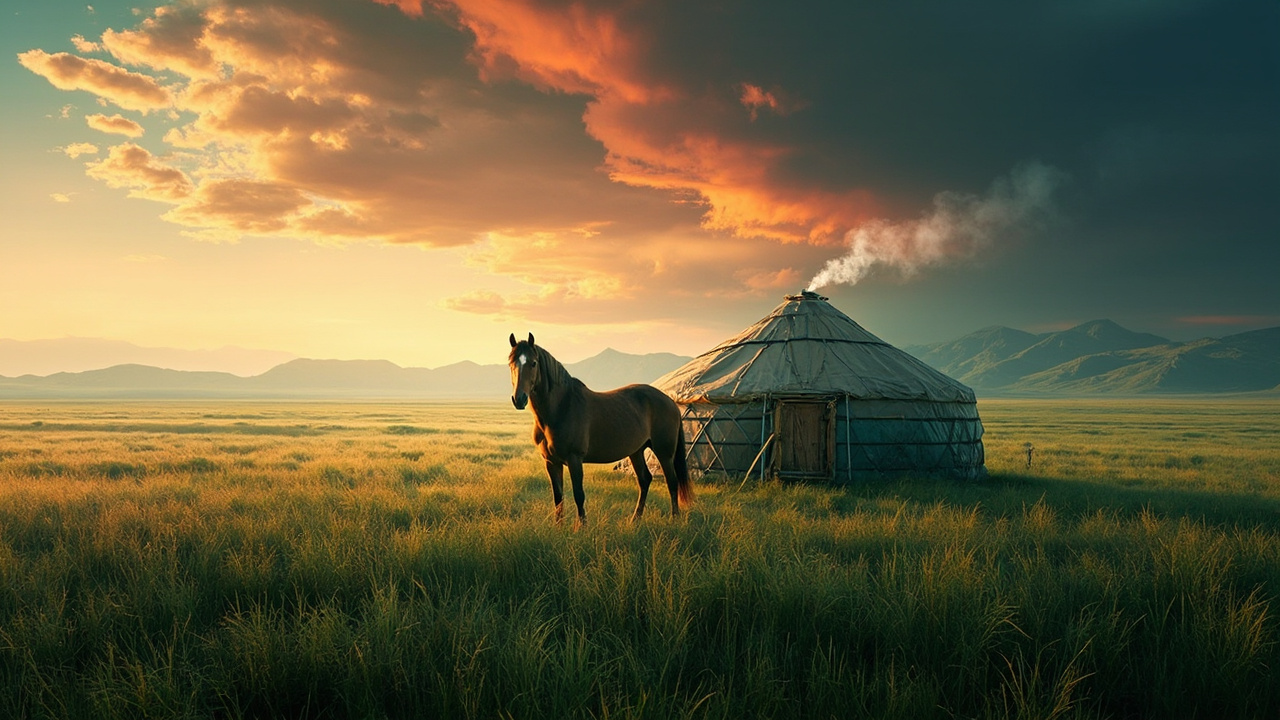
The cab driver laughed at me when I asked him to take me to the grasslands. It was July in Hohhot, and the rain was coming down so hard the wipers couldn’t keep up. “You want to see grass?” he said in Mandarin, gesturing at the flooded streets. “There’s plenty right here.” He was joking, but he wasn’t wrong about the weather. I’d spent three days in the city waiting for a break in the clouds, eating lamb skewers at night markets and watching the steam rise off my tea in the morning. When the sky finally cleared, I hired him for the full day. His name was Liu, and he drove me three hours north to a place where the horizon turned into a green ocean.
That trip changed how I think about China. Most tourists land in Beijing, see the Forbidden City, walk the Great Wall, and leave. They miss the country’s real heart — the empty spaces where the wind sounds different and the stars come out like someone spilled sugar across the sky. Inner Mongolia’s grasslands aren’t just a destination. They’re an antidote to the chaos of Chinese cities.
This guide covers ten places I’ve actually visited, with specific directions, real prices, and the kind of advice you’d get from a friend who’s been there. I’ll tell you what’s worth your time, what’s overhyped, and how to avoid the tourist traps that charge you $50 for a cup of tea in a yurt.
Quick answer
Inner Mongolia’s grasslands are best visited from June through August, with July offering the warmest weather and the Naadam Festival. Most international travelers need a visa, though 54 countries qualify for 144-hour visa-free transit if flying through Beijing. A 5-day trip costs roughly $400-$800 USD (2,900-5,800 CNY) including transport from Beijing, accommodation, and food. The easiest route is a 2-hour high-speed train from Beijing to Hohhot, then a hired driver for 2-3 hours to the grasslands.
The Short Version
Skip the packaged tours that bus you to a fake yurt camp where “Mongolian dancers” perform for 20 minutes before selling you overpriced milk tea. Go to Hulunbuir if you have a week. Go to Xilamuren if you only have a weekend. Bring cash — card machines don’t work out there. And for god’s sake, bring a jacket. The temperature drops 30 degrees Fahrenheit at night even in August.
How I Picked These
I’ve made eight trips to Inner Mongolia over six years. I’ve slept in yurts that leaked, eaten fermented mare’s milk that I’m still not sure I enjoyed, and gotten lost on dirt roads where my phone had no signal for six hours. I talked to herders, hostel owners, and a retired university professor who now runs a guesthouse near the Mongolian border. Every place on this list is one I visited myself, paid for myself, and would go back to. I left out the spots that felt like theme parks.
Comparison Table
| Rank | Place | Best For | Approx Cost (USD) | Time Needed | When to Go |
|------|-------|----------|-------------------|-------------|------------|
| 1 | Hulunbuir Grassland | Epic landscapes, wildlife | $50-80/day | 4-7 days | June-August |
| 2 | Xilamuren Grassland | Quick trip from Hohhot | $30-50/day | 2-3 days | July-August |
| 3 | Gegentala Grassland | Authentic herder experience | $40-60/day | 2-3 days | June-September |
| 4 | Huitengxile Grassland | Hiking, volcanic terrain | $25-40/day | 1-2 days | July-August |
| 5 | Xiwuqi Grassland | Naadam Festival | $35-55/day | 3-4 days | Late July |
| 6 | Dalai Nur Lake | Birdwatching, fishing | $20-35/day | 1-2 days | May-September |
| 7 | Khanbaliq (Shangdu) | History, ruins | $15-25 | Half day | June-September |
| 8 | Ordos Grassland | Desert-grassland mix | $30-50/day | 2-3 days | May-October |
| 9 | Arxan National Forest | Mountains, hot springs | $40-60/day | 3-5 days | June-September |
| 10 | Bayanbulak Grassland | Swan Lake, remote beauty | $35-50/day | 2-3 days | June-August |
1. Hulunbuir Grassland —The One That’ll Ruin You for All Other Grasslands
I stood on a hill near the Russian border and watched a herd of horses run through waist-high grass. There was no road, no fence, no other human in sight. Just wind and green and the sound of hooves. I sat down and didn’t move for an hour.
Hulunbuir is enormous — 93,000 square miles of rolling grassland, wetlands, and birch forests. It’s the kind of place that makes you understand why Mongolians never wanted to live in cities. The grass here grows taller than anywhere else in the region, and in late July it turns a shade of green that photos can’t capture. You’ll share the landscape with wild cranes, grazing sheep, and the occasional herder on horseback.
📍 Location: Hulunbuir League, northeastern Inner Mongolia, near the Russian border. The main city is Hailar.
🎫 Entry fee: Free for the open grasslands. National parks within the region charge $5-10 (35-70 CNY).
🕒 Opening hours: 24/7 for the open grasslands. Park gates typically open 8 AM-6 PM.
🚇 How to get there: Fly from Beijing to Hailar Dongshan Airport (2.5 hours, $100-200 USD / 700-1,400 CNY). From Hailar, hire a driver for $50-80/day. Don’t try public buses — they don’t reach the good spots.
⏰When to visit: July 15 to August 15 for peak green. June has wildflowers. September has golden grass and fewer tourists.
💡 Insider tips: Rent a car with a driver who speaks Mongolian — they know the hidden valleys. Bring a satellite phone or download offline maps; cell service dies 20 miles outside Hailar. Buy dried yak meat from roadside stands, not tourist shops. Learn to say “sain bainuu” (hello in Mongolian) — it opens doors. The mosquitoes in July are biblical; bring DEET.
I ate fermented mare’s milk at a herder’s home near the Russian border. It tasted like sour yogurt mixed with regret. The herder’s wife laughed at my face and handed me a piece of bread.
2. Xilamuren Grassland —The Weekend Warrior’s Choice
The bus dropped me at a yurt camp that looked like a movie set. Red carpets, decorative saddles, a sign in English promising “Authentic Mongolian Experience.” I almost turned around. But I walked past the tourist area, over a small ridge, and found the real thing: a family of herders who’d been on this land for four generations.
Xilamuren is the closest decent grassland to Hohhot — about 2.5 hours by car. It’s not as dramatic as Hulunbuir, but it’s accessible and affordable. The grass is shorter here, the terrain flatter, but the sky feels impossibly big. You can see storms coming from 20 miles away.
📍 Location: Darhan Muminggan United Banner, about 90 miles north of Hohhot.
🎫 Entry fee: Free for the open grassland. Yurt camps charge $15-30 (100-210 CNY) per night.
🕒 Opening hours: 24/7.
🚇 How to get there: Take the high-speed train from Beijing to Hohhot (2 hours, $50 USD / 350 CNY). From Hohhot, hire a driver for $60-80 round trip. Or join a 2-day tour from Hohhot for $100-150.
⏰When to visit: July and August. Weekdays are empty. Weekends get crowded with Chinese tourists.
💡 Insider tips: Don’t stay at the yurt camp nearest the road — walk 15 minutes inland. Bring your own sleeping bag; yurt mattresses are thin. The milk tea here is salty, not sweet. If a herder offers you baijiu (Chinese liquor), take a sip or you’ll offend them. The stars here are incredible — bring a headlamp and walk away from the camp lights at midnight.
I met a Dutch couple who’d booked a “luxury yurt experience” for $200 a night. They were sleeping on the same thin mattress I was, just with a nicer curtain.
3. Gegentala Grassland —Where the Herders Still Live the Old Way
An old man named Bat-Erdene invited me into his yurt without asking my name. He poured tea, gestured for me to sit, and spent the next hour showing me photos of his horses on a cracked smartphone. He didn’t speak a word of English. I didn’t speak a word of Mongolian. We communicated through Google Translate and laughter.
Gegentala is less commercialized than Xilamuren. The herders here still move with the seasons, still hunt with eagles, still make their own cheese. It’s not a museum — it’s a living culture. You can stay with a family, help milk the goats, and eat dinner with people who’ve never been to a city.
📍 Location: Siziwang Banner, about 3 hours north of Hohhot.
🎫 Entry fee: Free. Homestays cost $20-40 (140-280 CNY) per night including meals.
🕒 Opening hours: 24/7. Homestays require advance booking.
🚇 How to get there: Drive from Hohhot (3 hours, hire a driver for $80-100 round trip). No public transport reaches the herder camps.
⏰When to visit: June to September. July has the best weather. August has the Naadam Festival in nearby towns.
💡 Insider tips: Book through a local agency like Inner Mongolia Travel — they’ll match you with a family. Bring gifts: tea, sugar, or fruit for the host family. Don’t refuse food, even if you’re full. The toilet is a hole in the ground behind the yurt — bring your own toilet paper. Learn to play the horsehead fiddle (morin khuur) if you have the chance; it’s harder than it looks.
Bat-Erdene’s wife made lamb dumplings that were the best thing I ate in all of Inner Mongolia. I ate twelve.
4. Huitengxile Grassland —The Volcano Lover’s Detour
I hiked up an extinct volcano at sunrise and watched the fog burn off the grassland below. The ground was black basalt, the grass was neon green, and the contrast was so sharp it hurt my eyes.
Huitengxile sits on a volcanic plateau at 6,500 feet elevation. The landscape is otherworldly — craters filled with wildflowers, lava tubes you can walk through, and views that stretch to the horizon. It’s less famous than the other grasslands, which means fewer tourists and lower prices.
📍 Location: Chahar Right Wing Middle Banner, about 2 hours south of Hohhot.
🎫 Entry fee: $5 (35 CNY) for the volcano park. Free for surrounding grasslands.
🕒 Opening hours: Park opens 8 AM-6 PM. Grasslands are 24/7.
🚇 How to get there: Drive from Hohhot (2 hours, hire a driver for $60 round trip). Or take a bus from Hohhot to Chahar Right Wing Middle Banner ($5, then hire a local driver).
⏰When to visit: July and August. Early morning for the best light on the volcanoes.
💡 Insider tips: Hike to the top of the largest crater — it takes 30 minutes and the view is worth it. Bring sturdy shoes; the volcanic rock is sharp. The wind at the top is brutal; wear a windbreaker. There’s a small hot spring at the base of the plateau — ask locals for directions. Pack a picnic; there’s no restaurant near the craters.
I slipped on loose basalt and scraped my knee. A Mongolian teenager who was herding sheep nearby watched me fall, said nothing, and handed me a bandage from his pocket.
5. Xiwuqi Grassland —Naadam Festival Central
The horse race started at dawn. Fifty riders, some as young as eight, thundered across the plain on horses that looked too small for them. Dust rose in clouds. The crowd cheered. I stood there with my mouth open.
Xiwuqi hosts one of the best Naadam Festivals in Inner Mongolia. Naadam means “three games” — wrestling, archery, and horse racing — and the town goes all out. It’s loud, dusty, chaotic, and absolutely unforgettable.
📍 Location: Xiwuqi (West Ujimqin Banner), about 5 hours north of Hohhot.
🎫 Entry fee: Free for the festival grounds. Seating near the main arena costs $10-20 (70-140 CNY).
🕒 Opening hours: Festival runs late July for about a week. Exact dates vary by year.
🚇 How to get there: Drive from Hohhot (5 hours, hire a driver for $120-150 round trip). Or fly from Beijing to Xilinhot (1.5 hours, $80-150), then drive 2 hours to Xiwuqi.
⏰When to visit: Late July for Naadam. The rest of the summer is quiet.
💡 Insider tips: Book accommodation months in advance for Naadam — the town fills up. Bring earplugs; the speakers are loud. The horse racing starts at 5 AM — don’t sleep through it. Try the airag (fermented mare’s milk) sold by vendors near the arena. Don’t take photos of wrestlers without asking — it’s considered disrespectful.
I sat next to an old man who’d been coming to Naadam for 60 years. He pointed at the young riders and said something in Mongolian. I didn’t understand, but he was smiling.
6. Dalai Nur Lake —The Birdwatcher’s Secret
I counted 14 species of birds in two hours. Egrets, cranes, herons, ducks I couldn’t name. A pair of swans floated past so close I could see the individual feathers on their necks.
Dalai Nur is a massive saltwater lake on the border with Mongolia. It’s a critical stopover for migratory birds, and in spring and fall the sky fills with wings. The lake itself is beautiful — blue water against green grass against white clouds — but the birds are the main event.
📍 Location: Hexigten Banner, about 4 hours north of Hohhot.
🎫 Entry fee: $8 (55 CNY) for the lake park.
🕒 Opening hours: 8 AM-6 PM. Best birdwatching is at sunrise.
🚇 How to get there: Drive from Hohhot (4 hours, hire a driver for $100-120 round trip). Or take a bus to Hexigten Banner ($10), then hire a local driver.
⏰When to visit: May-June and September-October for peak bird migration. July-August for swimming (the water is warm).
💡 Insider tips: Bring binoculars — the best birds are far from shore. Rent a boat from the fishermen on the east side of the lake ($15 for an hour). The fish here is excellent; try the grilled carp from street vendors. Sunsets over the lake are spectacular. Mosquitoes are vicious at dusk; cover up.
A fisherman named Zhang let me ride in his boat for free. He didn’t speak much, but he pointed out every bird we passed.
7. Khanbaliq (Shangdu) —The Ruins Kublai Khan Built
I walked through the empty foundation of what was once the summer palace of the Mongol Empire. Grass grew through the stone floors. A sheep stood on what used to be the throne room. Marco Polo described this place as “the greatest palace that ever was.” Now it’s a field with some walls.
Shangdu — Xanadu in English — was Kublai Khan’s summer capital. The city was destroyed in the 14th century, and only the foundations remain. But standing there, you can feel the scale of what it once was. The walls stretch for miles. The platform where the palace stood is still visible.
📍 Location: Zhenglan Banner, about 5 hours north of Beijing.
🎫 Entry fee: $12 (85 CNY).
🕒 Opening hours: 8 AM-5:30 PM. Closed in winter (November-March).
🚇 How to get there: Drive from Beijing (5 hours, hire a driver for $150-200 round trip). Or take a train from Beijing to Zhangjiakou (1 hour, $20), then drive 3 hours.
⏰When to visit: June-September. Avoid weekends — it gets busy with Chinese tourists.
💡 Insider tips: Hire a guide at the entrance ($15) — the site has no English signs. Walk the full perimeter of the walls; it takes an hour but gives you perspective. Bring water; there’s no shop inside. The museum in the visitor center has artifacts from the site. Don’t expect a restored city — it’s ruins, not a theme park.
I stood where Kublai Khan’s throne once was and tried to imagine the empire that ruled from this spot. A sheep bleated. It felt appropriate.
8. Ordos Grassland —Where Grass Meets Sand
I drove for an hour through green grassland, then suddenly the grass stopped and the sand began. The Kubuqi Desert starts right where the Ordos grassland ends. You can stand with one foot on grass and one foot on sand.
Ordos is unique because it combines two landscapes. The grassland here is drier than the north, with shorter grass and more yellow tones. But it’s also where you can experience the desert — camel rides, sand sledding, and dunes that stretch to the horizon.
📍 Location: Ordos City, southwestern Inner Mongolia.
🎫 Entry fee: Free for grassland. Kubuqi Desert parks charge $15-30 (100-210 CNY).
🕒 Opening hours: 24/7 for grassland. Desert parks open 8 AM-6 PM.
🚇 How to get there: Fly from Beijing to Ordos (1.5 hours, $60-120). Or take the high-speed train from Beijing to Hohhot (2 hours), then drive 3 hours south.
⏰When to visit: May-October. Spring and fall are best — summer is brutally hot in the desert.
💡 Insider tips: Visit the desert in the morning before it gets hot. Wear closed-toe shoes; sand burns bare feet. The Genghis Khan Mausoleum is nearby and worth a visit ($20). Don’t eat at the tourist restaurants near the desert parks — drive 15 minutes into town for better food at half the price. Bring a scarf for the sand wind.
I tried sand sledding down a dune and ended up eating sand. A group of Chinese teenagers filmed the whole thing. I hope it’s still on Douyin somewhere.
9. Arxan National Forest —The Mountain Grassland
I soaked in a natural hot spring while snow dusted the peaks above me. It was August. The contrast was absurd.
Arxan is in the far northeast of Inner Mongolia, near the border with Heilongjiang. It’s a forested mountain region with hot springs, volcanic lakes, and alpine meadows that bloom with wildflowers in summer. The grass here is different — shorter, mixed with moss and wild berries, growing on ancient lava flows.
📍 Location: Arxan City, Hinggan League, northeastern Inner Mongolia.
🎫 Entry fee: $20 (140 CNY) for the national forest park.
🕒 Opening hours: 7 AM-6 PM. Hot springs are open until 10 PM.
🚇 How to get there: Fly from Beijing to Arxan (2 hours, $80-150). Or take the train from Hohhot (12 hours, $30-50).
⏰When to visit: June-August for wildflowers. September for fall colors. Winter for skiing and hot springs.
💡 Insider tips: The hot springs are divided by temperature — start with the warmest and work your way down. Hike to Tianchi Lake (Heavenly Lake) for the best view. Bring bear spray if hiking alone — bears are rare but present. The local wild blueberries are incredible; buy them from roadside vendors. The train ride from Hohhot to Arxan is one of the most scenic in China.
I soaked in a 40-degree Celsius hot spring while a light rain fell. Steam rose off the water. I didn’t move for an hour.
10. Bayanbulak Grassland —The Remote One Worth the Journey
I drove six hours from the nearest city to reach Bayanbulak. The road was unpaved for the last two hours. My driver kept saying “not far” in Mandarin, which in China means “at least another hour.” When I finally arrived, the Swan Lake stretched out before me, blue and still and surrounded by mountains.
Bayanbulak is the highest grassland in China, sitting at 8,000 feet elevation. It’s in the far west of Inner Mongolia, near the Xinjiang border. The grass is short and tough, the air is thin, and the beauty is stark and quiet. Swan Lake is the centerpiece — a high-altitude lake where swans nest in summer.
📍 Location: Bayanbulak Town, Bayingolin Prefecture, western Inner Mongolia.
🎫 Entry fee: $15 (105 CNY) for Swan Lake park.
🕒 Opening hours: 8 AM-6 PM.
🚇 How to get there: Fly from Beijing to Korla (4 hours, $100-200), then drive 6 hours. Or drive from Hohhot (12 hours). This is not a casual trip.
⏰When to visit: June-August. July has the most swans. September is cold but beautiful.
💡 Insider tips: Acclimate to the altitude for a day before hiking. Bring warm clothes — it can snow any month of the year. The swans are shy; stay 100 meters away. Hire a local guide to find the best viewing spots. The road from Korla is rough — rent a 4x4, not a sedan.
I watched a pair of swans take off from the lake at sunset. They flew straight toward the sun until they were just silhouettes. My driver, a Uyghur man named Tursun, said “This is why I live here.”
FAQ summary
Inner Mongolia’s grasslands are best visited from June to August, with July offering peak green and the Naadam Festival. Most international travelers need a visa, though 54 countries qualify for 144-hour visa-free transit through Beijing. A typical 5-day trip costs $400-$800 USD including transport, accommodation, and food. The easiest route is a high-speed train from Beijing to Hohhot (2 hours), then a hired driver to the grasslands. Bring cash, a VPN, and warm clothes — temperatures drop dramatically at night.
FAQ
Q: Do I need a visa to visit Inner Mongolia?
A: Yes, most nationalities need a visa. However, 54 countries (including the US, UK, Canada, Australia, and most EU nations) qualify for 144-hour visa-free transit if you fly through Beijing. You must have a confirmed onward ticket and stay within the permitted area. See the official Chinese visa policy for details.
Q: Is it safe to travel in Inner Mongolia as a foreigner?
A: Yes. I’ve never felt unsafe. The biggest risks are getting lost (no cell signal), altitude sickness in Bayanbulak, and sunburn at high elevation. Petty crime is rare. Police are present but not intrusive.
Q: What’s the best way to get around the grasslands?
A: Hire a driver. Public buses don’t reach the remote areas. A driver costs $50-100 per day depending on distance. Negotiate the price in advance. Most drivers speak only Mandarin — have your hotel write the destination in Chinese.
Q: Do I need a VPN for my phone?
A: Yes. Google, WhatsApp, Instagram, and Facebook are blocked in China. Install a VPN before you arrive. Astrill and ExpressVPN work well. Download WeChat and Alipay before you go — you’ll need both for payments.
Q: Can I use my credit card?
A: No. Cash is king on the grasslands. ATMs exist in Hohhot and Hailar but not in rural areas. Bring enough cash for your entire trip. WeChat Pay and Alipay work in cities but not at herder camps.
Q: What should I pack?
A: A warm jacket (it drops to 50掳F at night even in July), sunscreen, DEET mosquito repellent, a headlamp, toilet paper, a reusable water bottle, and a first-aid kit. Sturdy shoes are essential. A power bank is useful — outlets are scarce in yurts.
Q: Is English widely spoken?
A: No. In Hohhot and Hailar, some hotel staff and tour guides speak basic English. On the grasslands, almost no one does. Download Google Translate offline or Pleco (a Chinese dictionary app). Learn a few Mandarin phrases: “xie xie” (thank you), “duo shao qian” (how much), and “zhe ge” (this one).
The Honest Wrap-up
This guide is for travelers who want to see the real Inner Mongolia — the one where herders still live in yurts, where the grass stretches to the horizon, and where the silence is loud enough to hear your own heartbeat. It’s not for people who want luxury resorts, English menus, or reliable Wi-Fi. If you need those things, stick to Beijing and Shanghai.
My final piece of advice: go with an open schedule. The best moments on the grasslands are the unplanned ones — the herder who invites you for tea, the sunset you didn’t know was coming, the conversation with a stranger that transcends language. Leave room for those.
And bring a jacket. Seriously. I’m not joking about the jacket.
Related Guides
Looking for more China travel guides? These match your topic:
- Best Time to See Cherry Blossoms in China 2026
- Best Time to Visit China: Month-by-Month Guide
- China Etiquette: Cultural Do’s and Don’ts for Foreigners: The Complete 2026 G…
- China Golden Week Travel Survival Guide
- China Group Tours vs Independent Travel Which is Better
- China Itinerary Planning: 7-Day 14-Day and 21-Day Routes: The Complete 2026 G…
Topics
More guides you may like
Best Time to See Cherry Blossoms in China 2026
Best Time to See Cherry Blossoms in China: 2026 guide covers current prices, transport, payment apps, and what foreign visitors need to know.
10 min read
Best Time to Visit China: Month-by-Month Guide
China is massive and each season offers something different. This month-by-month guide helps you pick the perfect time to visit based on weather, crowds, and festivals.
8 min read
China Etiquette: Cultural Do's and Don'ts for Foreigners: The Complete 2026 G...
China has unique social customs that can confuse first-time visitors. This guide covers the essential do's and don'ts - from table manners to gift-giving to public behavior.
9 min read
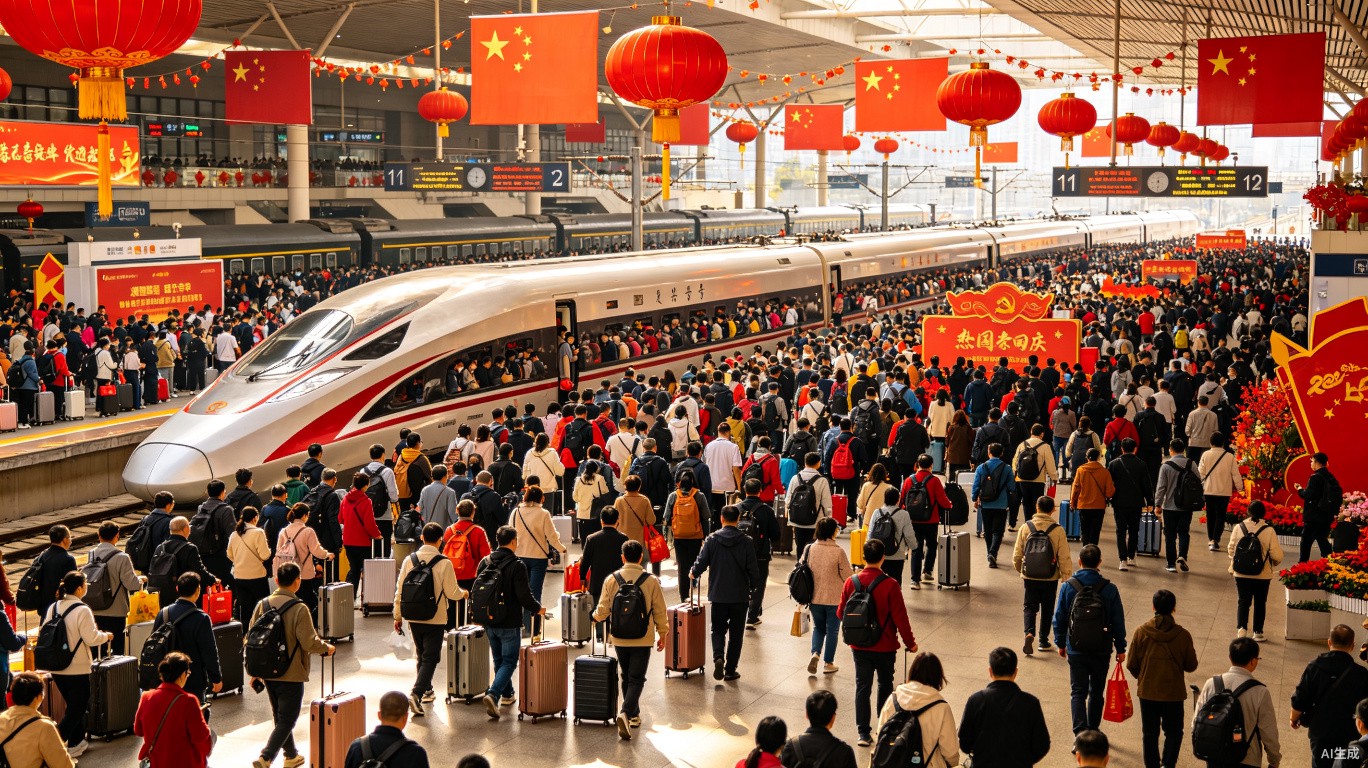
China Golden Week Travel Survival Guide
How to survive China's National Day Golden Week (October 1-7) - what to avoid, where to go, and how to beat the crowds.
9 min read
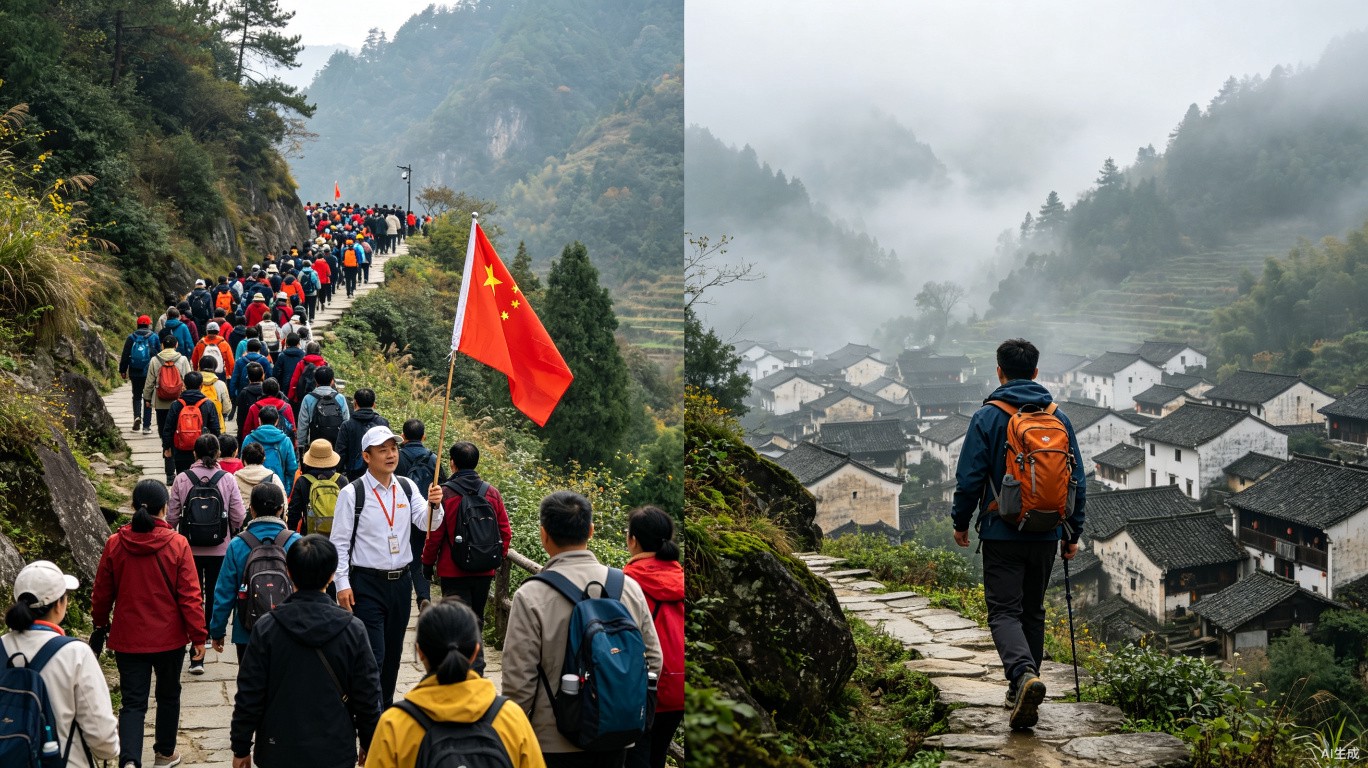
China Group Tours vs Independent Travel Which is Better
Should you join a guided tour or travel independently in China? Honest comparison of cost, flexibility, and experience.
7 min read
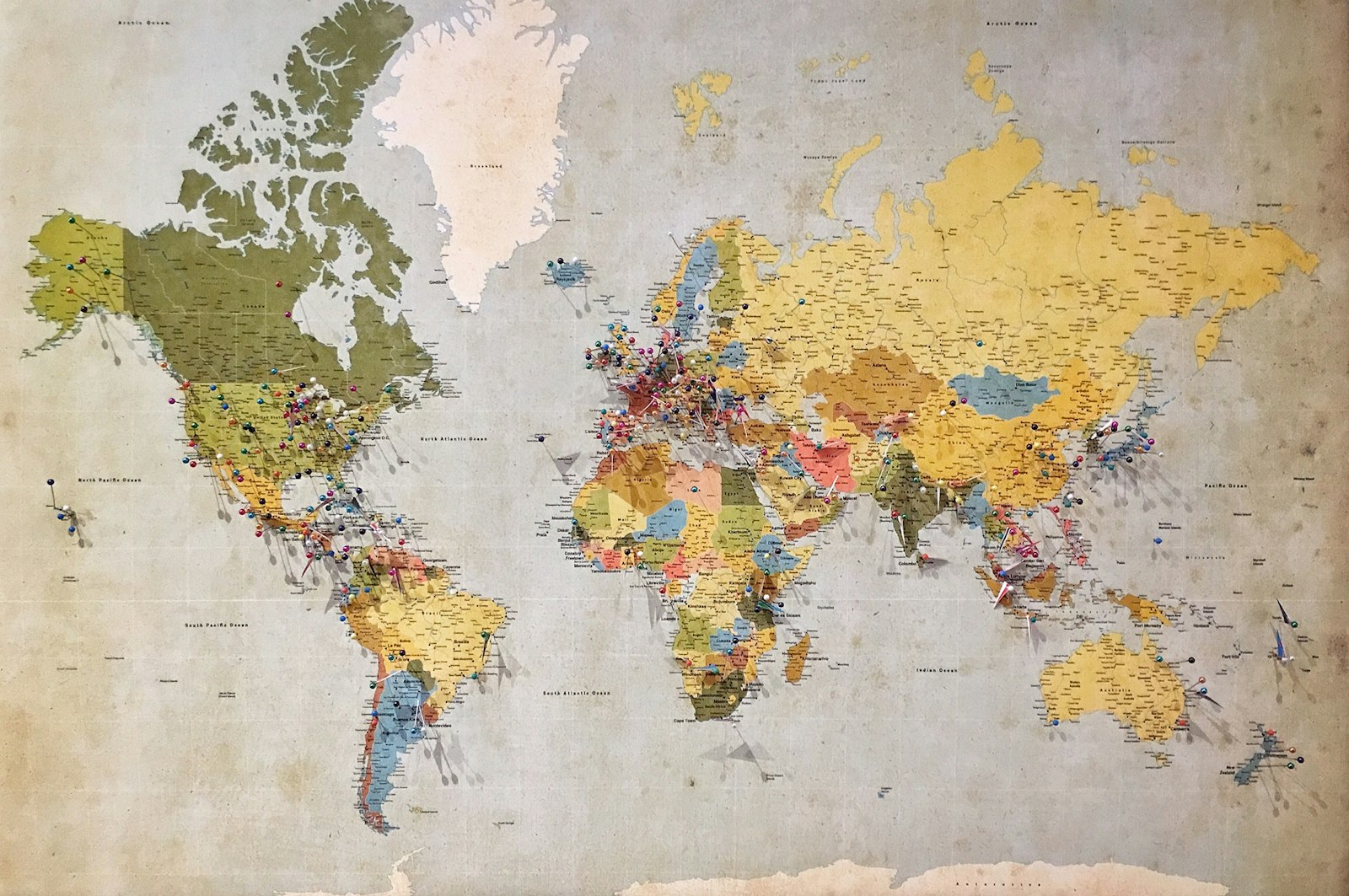
China Itinerary Planning: 7-Day 14-Day and 21-Day Routes: The Complete 2026 G...
Not sure how many days to spend in China? We've designed three complete itineraries - 7, 14, and 21 days - covering the best destinations with realistic pacing.
9 min read