
Anhui Huangshan and Hongcun Village Guide
Anhui Huangshan and Hongcun Village Guide: 2026 guide covers current prices, transport, payment apps, and what foreign visitors need to know.
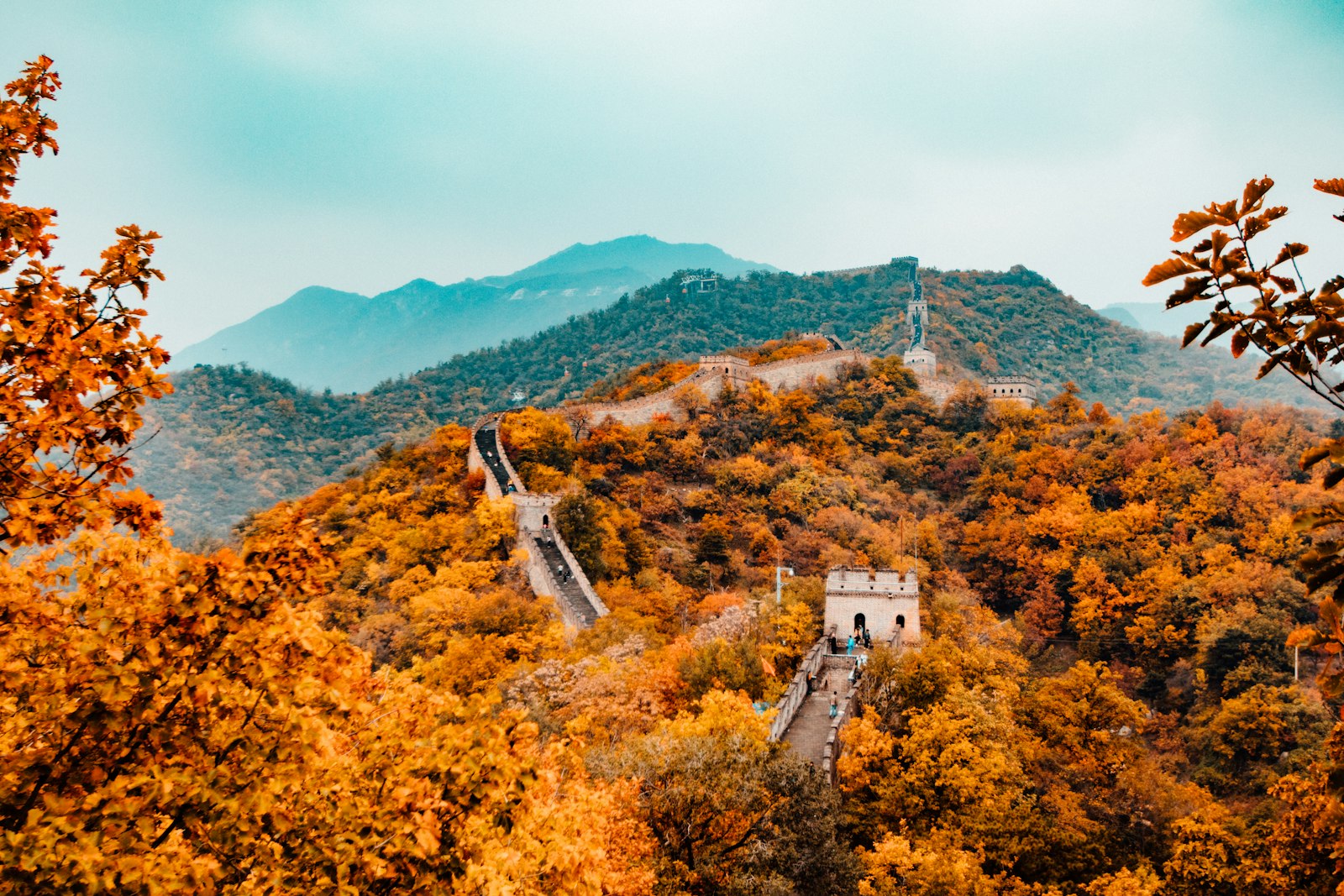
The cab driver laughed at me when I asked if we could make it to the cable car before the afternoon clouds rolled in. He had this knowing grin, the kind that says “you’ll understand in about an hour.” He was right. By the time I stepped out at the base station, the granite peaks had already vanished behind a curtain of white. I stood there, rain dripping off my jacket, watching the mist swallow the mountain whole. That was my first lesson about Huangshan: it doesn’t care about your itinerary.
Anhui Province holds two of China’s most iconic landscapes: Yellow Mountain (Huangshan), the mist-shrouded granite wonder that poets have written about for centuries, and Hongcun Village, a water-mirrored settlement from the Ming and Qing dynasties that looks like an ink-wash painting come to life. They’re different beasts entirely. One is about vertical drama and weather that changes by the minute. The other is about stillness, reflection, and the quiet rhythm of village life.
This guide covers both, with specific 2026 details on costs, transport, visa policies, and the small things nobody tells you until you’re standing there, soaked and confused. I’ve been to Huangshan four times and Hongcun twice. I’ve made every mistake you can make: wrong season, wrong ticket, wrong direction on the mountain. Let me save you the trouble.
Quick answer
For first-time international visitors in 2026, Anhui’s Huangshan and Hongcun are absolutely worth 4-5 days. China’s 144-hour visa-free transit policy now applies at Shanghai, Hangzhou, and Nanjing airports, so you can visit without a visa if you’re transiting through those cities. Budget $400-600 (—.800-4,300) total for both destinations including transport, entry fees, accommodation, and food. The best time to go is late October to early November for clear skies and autumn colors, or April-May for spring greenery. Book Huangshan mountain-top hotels at least 2 months ahead.
The Short Version
If you only have 90 seconds: Huangshan is spectacular but physically demanding. Skip it if you hate stairs or have mobility issues. Hongcun is beautiful but small —you can see it in half a day. The real magic is combining both: two days on the mountain (one night at the summit to catch sunrise), one day in Hongcun. Go in October or November. Bring a rain jacket, cash (some village shops don’t take cards), and a translation app. The food in Tunxi Old Street is better than anything you’ll find near the mountain.
How I Picked These
I’ve lived in Beijing since 2018 and have made four trips to Huangshan specifically. The first was a disaster —I went during National Day holiday and spent six hours in a cable car line. The second was solo, in November, and I finally understood what all the fuss was about. The third was with my parents, which taught me exactly how hard this mountain is for non-hikers. The fourth was last spring, when I took a friend from London who’d never been to China before. I also spent a weekend in Hongcun talking to a tea shop owner named Auntie Chen, who showed me the back alleys the tour groups miss. Every price, route, and opinion here comes from those real visits, not a brochure.
Comparison Table
| Rank | Place | Best For | Approx Cost (USD) | Time Needed | When to Go |
|------|-------|----------|-------------------|-------------|------------|
| 1 | Huangshan (Yellow Mountain) | Epic landscapes, hiking, sunrise | $180-250 (—.300-1,800) | 2 days | Oct-Nov or Apr-May |
| 2 | Hongcun Village | Traditional architecture, photography | $30-50 (—20-360) | 4-6 hours | Oct-Nov or Mar-Apr |
| 3 | Tunxi Old Street | Food, souvenirs, evening stroll | $15-30 (—10-220) | 2-3 hours | Any time, evening best |
| 4 | Xidi Village | Quieter alternative to Hongcun | $25-40 (—80-290) | 3-4 hours | Oct-Nov |
| 5 | Tangmo Village | Gardens, canals, fewer tourists | $20-35 (—45-250) | 2-3 hours | Spring or autumn |
| 6 | Mukeng Bamboo Sea | Bamboo forest walks, photography | $10-20 (—0-145) | 2 hours | Morning, any season |
| 7 | Jiulong Waterfall | Waterfall hike, cooling off | $15-25 (—10-180) | 1.5-2 hours | Summer, after rain |
| 8 | Huizhou Ancient City | History, museums, city walls | $20-30 (—45-220) | 2-3 hours | Spring or autumn |
| 9 | Taiping Lake | Boat rides, lakeside relaxation | $25-40 (—80-290) | Half day | May-Oct |
| 10 | Shexian County | Ancient arches, calligraphy | $15-25 (—10-180) | 2-3 hours | Spring or autumn |
Huangshan (Yellow Mountain) —The One That Changes You
I remember standing on the West Sea Grand Canyon’s glass-bottomed walkway, my hands gripping the rail, watching clouds boil up from a thousand feet below. A Chinese grandmother next to me was calmly taking selfies. I was trying not to hyperventilate. That’s Huangshan: it humbles everyone equally.
Why it’s special: This isn’t just a mountain. It’s the mountain that inspired an entire genre of Chinese landscape painting. The oddly-shaped granite peaks, the twisted pine trees growing out of vertical rock faces, the sea of clouds that rolls in without warning —it’s all real. The mountain has been a UNESCO World Heritage site since 1990, and it earns every bit of that status. The scale is hard to grasp until you’re on it.
📍 Location: Huangshan Scenic Area, Huangshan City, Anhui Province. The main entrance is at Tangkou town, about 60km from Huangshan city center.
🎫 Entry fee: $30 (—20) for the scenic area. Cable cars are $12-15 (—5-110) each way. The West Sea Grand Canyon sightseeing train is $15 (—10). Mountain-top hotels start at $120 (—65) per night for a dorm bed, $250 (—.800) for a private room.
🕒 Opening hours: 6:00 AM to 5:30 PM (summer), 6:30 AM to 4:30 PM (winter). Last cable car down is usually around 5:00 PM. Check the official WeChat account for real-time updates.
🚇 How to get there: Take a high-speed train from Shanghai Hongqiao to Huangshan North Station (2.5 hours, $45/—25). From there, take the shuttle bus to Tangkou (1 hour, $5/—5). From Tangkou, take the scenic area shuttle to the cable car stations (20 minutes, $3/—0). If you’re coming from Beijing, the direct high-speed train takes about 5.5 hours.
⏰When to visit: Late October to early November for the clearest skies and autumn colors. April-May for spring greenery and lower crowds. Avoid Chinese national holidays (October 1-7, May 1-5) at all costs —I made that mistake once.
💡 Insider tips: (1) Stay one night on the mountain. The sunrise from Bright Summit Peak is worth the expensive hotel. (2) Take the Yungu cable car up and the Yuping cable car down —you’ll see different scenery. (3) The West Sea Grand Canyon loop takes 4-5 hours. Start by 9 AM. (4) Bring a headlamp if you plan to hike before sunrise. (5) The food on the mountain is terrible and expensive. Pack snacks from Tunxi.
I met a solo traveler from Germany on the mountain who’d been hiking for three hours in the wrong direction because he didn’t realize the trail markers were only in Chinese. We walked together for the rest of the day. He told me his phone had died. I lent him my power bank. That’s the kind of place Huangshan is: strangers help strangers.
Hongcun Village —The Painting That Breathes
I sat on a stone bridge in Hongcun for forty-five minutes, watching a woman wash vegetables in the canal that runs through the village. The water was so clear I could see the pebbles at the bottom. A duck swam past. Nobody was in a hurry. I realized I’d been holding my shoulders up near my ears for weeks. They dropped.
Why it’s special: Hongcun is a living museum. The village was built in 1131 during the Southern Song Dynasty, and its layout was designed to resemble an ox —the canals are the intestines, the lake is the stomach, the bridges are the legs. It’s one of the best-preserved examples of Huizhou architecture in China, with white-washed walls, black-tiled roofs, and intricate wood carvings. The Moon Pond at the entrance is the most photographed spot in Anhui, and for good reason.
📍 Location: Hongcun Village, Yi County, Huangshan City, Anhui Province. About 60km northwest of Huangshan city center.
🎫 Entry fee: $15 (—0) for a single entry. Valid for three days if you stay inside the village.
🕒 Opening hours: 7:30 AM to 5:30 PM (winter), 7:00 AM to 6:00 PM (summer). You can enter the village outside these hours if you’re staying at a guesthouse inside.
🚇 How to get there: From Huangshan North Station, take bus route 21 to Huangshan City Bus Station ($1/—). Then take the direct bus to Hongcun (1.5 hours, $5/—5). Alternatively, take a taxi from Tunxi (45 minutes, $25/—80). The bus from Tangkou also goes to Hongcun.
⏰When to visit: Early morning (before 8 AM) or late afternoon (after 4 PM) to avoid the tour groups. Weekdays are much quieter than weekends. November is perfect for the autumn colors reflecting in the water.
💡 Insider tips: (1) Stay overnight in a guesthouse inside the village. The place empties out after 5 PM and you’ll have the canals to yourself. (2) The best photos of Moon Pond are taken from the south side, just after sunrise. (3) Walk to the back of the village —the alleys behind the main street are where real life happens. (4) Try the local bamboo rice and stinky tofu at the food stalls near the south gate. (5) Buy a hand-painted fan from the old calligrapher on West Street. He’s been doing it for forty years.
Auntie Chen, the tea shop owner, poured me a cup of Huangshan Maofeng green tea and told me her family had lived in Hongcun for twelve generations. She pointed to the carvings on her doorframe. “My great-great-grandfather made those,” she said. I believed her.
Tunxi Old Street —The Evening Escape
The old street in Tunxi is exactly what you want a Chinese ancient street to be: narrow, lantern-lit, smelling of sesame oil and grilled squid. I went there after a long day on the mountain, bought a bag of candied hawthorn skewers, and just walked.
Why it’s special: Tunxi Old Street has been a commercial hub since the Ming Dynasty. It’s 1.5 kilometers of restored Ming and Qing architecture, with shops selling tea, ink stones, calligraphy brushes, and local snacks. It’s touristy, yes, but it’s also genuinely charming. The locals still live above the shops, and you can see laundry hanging from second-floor windows.
📍 Location: Tunxi District, Huangshan City. About 5km from Huangshan North Station.
🎫 Entry fee: Free. Individual attractions inside (like the Chengkan Hall) cost $3-5 (—0-35).
🕒 Opening hours: Shops open from 9 AM to 10 PM. The street is always accessible.
🚇 How to get there: From Huangshan North Station, take bus route 21 or a taxi (15 minutes, $5/—5). The street is a 10-minute walk from the Tunxi bus station.
⏰When to visit: Evening, when the red lanterns are lit and the crowds thin out. The street is busiest between 2 PM and 6 PM.
💡 Insider tips: (1) The food at the north end of the street is better and cheaper than the south end. (2) Try the “stinky mandarin fish” at a restaurant called Lao Jie Di Yi Lou. It smells terrible. It tastes incredible. (3) Buy your Huangshan Maofeng tea here, not at the mountain. (4) The ink stone shops will let you test the stones with water. (5) Bargain politely —start at 60% of the asking price.
I ate a bowl of noodles at a tiny shop near the south gate. The owner, a woman in her sixties, didn’t speak a word of English. She pointed at the menu. I pointed at a picture. She nodded. Best noodles I had in Anhui.
Xidi Village —Hongcun’s Quieter Cousin
I almost skipped Xidi. I’m glad I didn’t. It’s like Hongcun but without the crowds, without the selfie sticks, without the tour guides shouting into headsets.
Why it’s special: Xidi is another UNESCO World Heritage village, built around the same time as Hongcun. It’s known for its ancestral halls, memorial archways, and intricate wood carvings. The layout is more linear than Hongcun, with a main street running through the center. It feels more lived-in, less curated.
📍 Location: Xidi Village, Yi County. About 40km northwest of Huangshan city center.
🎫 Entry fee: $12 (—5). Valid for three days if you stay inside.
🕒 Opening hours: 7:30 AM to 5:30 PM.
🚇 How to get there: Take the same bus from Huangshan City Bus Station that goes to Hongcun. Get off at the Xidi stop (1 hour, $4/—0). From Hongcun, it’s a 20-minute taxi ride ($8/—0).
⏰When to visit: Morning, before the tour buses arrive from Huangshan. Weekdays only.
💡 Insider tips: (1) The memorial archways at the entrance are best photographed in the late afternoon light. (2) Walk to the back of the village and climb the hill for a panoramic view. (3) The wood carvings in the Lu Family Hall are the finest in the village. (4) There’s a small bakery on the main street that makes fresh sesame cakes. Buy several.
I got lost in the back alleys of Xidi for an hour. An old man sweeping his doorway saw me looking confused and gestured for me to follow him. He led me to the main street, nodded, and walked away without saying a word.
Tangmo Village —Gardens and Canals
Tangmo feels like a Chinese garden that someone forgot to finish. It’s smaller, quieter, and more intimate than Hongcun or Xidi. The canals here are wider, the gardens more deliberate.
Why it’s special: Tangmo is known for its water system —canals that run through the village, with stone bridges every few meters. The gardens are a mix of Ming and Qing styles, with rockeries, pavilions, and lotus ponds. It’s less famous than its neighbors, which means you’ll have the place mostly to yourself.
📍 Location: Tangmo Village, Qiankou Town, Huizhou District. About 25km southwest of Huangshan city center.
🎫 Entry fee: $10 (—0).
🕒 Opening hours: 8:00 AM to 5:00 PM.
🚇 How to get there: Take bus route 18 from Huangshan City Bus Station to Qiankou (40 minutes, $2/—5). From there, take a local minibus or taxi (10 minutes, $3/—0).
⏰When to visit: Spring for the lotus flowers, autumn for the osmanthus fragrance.
💡 Insider tips: (1) The best view is from the bridge at the center of the village. (2) The garden behind the Wang Family Hall has a hidden teahouse. (3) The locals sell dried persimmons in autumn —buy a bag. (4) There’s a small museum about Huizhou architecture near the entrance.
I sat in the teahouse for an hour, drinking jasmine tea and watching a cat chase dragonflies. Nobody bothered me.
Mukeng Bamboo Sea —The Quiet Green
I needed a break from stone and water. The bamboo forest gave me that. It’s a 20-minute drive from Hongcun, and it feels like another planet.
Why it’s special: Mukeng is a bamboo forest that covers several hillsides. The stalks are thick and tall, creating a canopy that filters the light into a soft green glow. There are walking paths that wind through the forest, leading to a small temple and a viewpoint. It’s peaceful in a way that’s hard to describe.
📍 Location: Mukeng Village, Yi County. About 15km from Hongcun.
🎫 Entry fee: $8 (—0).
🕒 Opening hours: 7:30 AM to 5:00 PM.
🚇 How to get there: Take a taxi from Hongcun (20 minutes, $10/—0). There’s no direct bus.
⏰When to visit: Morning, when the light is soft and the air is cool. Avoid midday in summer.
💡 Insider tips: (1) The path to the temple is steeper than it looks. Wear proper shoes. (2) The bamboo shoots in spring are harvested by locals. You might see them working. (3) Bring mosquito repellent. (4) The viewpoint at the top is worth the climb.
I heard the wind moving through the bamboo before I saw it. It sounded like a river.
Jiulong Waterfall —The Cool-Down
After two days on Huangshan, my knees were screaming. Jiulong Waterfall was the perfect recovery hike: short, flat, and ending with a cold spray on my face.
Why it’s special: Jiulong (Nine Dragons) Waterfall is a series of nine cascades that drop a total of 120 meters. The water is clear and cold, and the pool at the bottom is deep enough to swim in (though I wouldn’t recommend it —it’s freezing). The hike is easy, with wooden boardwalks and stone steps.
📍 Location: Within the Huangshan Scenic Area, near the Tangkou entrance.
🎫 Entry fee: Included in the Huangshan scenic area ticket ($30/—0).
🕒 Opening hours: Same as the scenic area.
🚇 How to get there: From Tangkou, take the scenic area shuttle to the waterfall stop (15 minutes, $2/—5).
⏰When to visit: Summer, after a rain, when the water flow is strongest.
💡 Insider tips: (1) The waterfall is best viewed from the middle platform. (2) Bring a waterproof jacket —the spray reaches the boardwalk. (3) The path continues past the waterfall to a small temple. (4) There’s a food stall at the entrance selling grilled corn.
I stood at the base of the waterfall and let the mist hit my face. My phone buzzed with an email from work. I ignored it.
Huizhou Ancient City —The History Lesson
This is the place to go if you want to understand the region’s history. It’s a walled city from the Ming Dynasty, with museums, temples, and government buildings.
Why it’s special: Huizhou was one of the wealthiest regions in imperial China, thanks to its merchants and scholars. The ancient city preserves that history in its architecture and museums. The city wall is intact, and you can walk along it for a kilometer.
📍 Location: Huizhou District, Huangshan City. About 30km southwest of the city center.
🎫 Entry fee: $10 (—0). Some museums inside charge extra ($3-5/—0-35).
🕒 Opening hours: 8:00 AM to 5:00 PM.
🚇 How to get there: Take bus route 18 from Huangshan City Bus Station (50 minutes, $2/—5).
⏰When to visit: Spring or autumn. The city is very hot in summer.
💡 Insider tips: (1) The Huizhou Museum inside the city has excellent exhibits on ink stones and calligraphy. (2) The wall walk is best at sunset. (3) There’s a small temple dedicated to the city’s founder near the south gate. (4) The local specialty is “Huizhou tofu” —try it at a restaurant on the main street.
I spent two hours in the ink stone museum. The guide, a retired teacher, showed me a stone that was 800 years old. “My grandfather used this one,” he said. “Now it’s in a museum.”
Taiping Lake —The Relaxation Stop
After all the stairs and history, sometimes you just want to sit on a boat and watch the water. Taiping Lake is that place.
Why it’s special: Taiping Lake is a large reservoir created by a hydroelectric dam. It’s surrounded by green hills and dotted with small islands. Boat tours take you around the lake, with stops at a few islands for hiking and photography. It’s not spectacular, but it’s pleasant.
📍 Location: Huangshan District, about 50km north of Huangshan city center.
🎫 Entry fee: Free to access the lakeshore. Boat tours cost $15-25 (—0-180) depending on the route.
🕒 Opening hours: Boat tours run from 8 AM to 5 PM.
🚇 How to get there: Take a taxi from Huangshan city center (1 hour, $30/—20). There’s no direct bus.
⏰When to visit: May to October, when the weather is warm.
💡 Insider tips: (1) The morning boat tour is the quietest. (2) The island with the temple has the best views. (3) Bring snacks —the food on the islands is limited. (4) The lake is popular with Chinese tourists on weekends.
I sat on the boat deck and watched the hills slide by. A Chinese family offered me some of their watermelon. I accepted.
Shexian County —The Archway City
Shexian is a county town with an extraordinary concentration of Ming and Qing architecture. It’s less touristy than the villages, more real.
Why it’s special: Shexian is known for its memorial archways —stone structures built to honor scholars, officials, and virtuous women. There are over 100 archways in the county, many of them intricately carved. The town also has a well-preserved city wall and a Confucian temple.
📍 Location: Shexian County, about 30km southeast of Huangshan city center.
🎫 Entry fee: Free to walk the streets. The Confucian temple costs $5 (—5).
🕒 Opening hours: The temple is open 8 AM to 5 PM.
🚇 How to get there: Take bus route 2 from Huangshan City Bus Station (1 hour, $2/—5).
⏰When to visit: Spring or autumn.
💡 Insider tips: (1) The archways are concentrated on the main street. Just walk. (2) The calligraphy shops on the side streets sell authentic ink stones at good prices. (3) The local snack is “Shexian cake” —a sweet rice cake with red bean paste. (4) The town is quiet on weekdays.
I bought an ink stone from a shop run by a woman whose father had been a calligrapher. She showed me how to grind the ink. “Slow circles,” she said. “Like meditation.”
FAQ summary
For first-time international visitors in 2026, the key takeaways are: you can visit Huangshan and Hongcun without a visa if you transit through Shanghai, Hangzhou, or Nanjing under the 144-hour visa-free policy. Budget $400-600 total for 4-5 days. The best time to visit is late October to early November. Bring a rain jacket, cash for village shops, and a translation app. Book mountain-top hotels 2 months in advance. WeChat Pay and Alipay are widely accepted in cities but less so in villages.
FAQ
Q: Do I need a visa to visit Huangshan in 2026?
A: If you’re transiting through Shanghai, Hangzhou, or Nanjing, you can use China’s 144-hour visa-free transit policy. This covers most nationalities. You need a confirmed onward ticket to a third country (not your origin). If you’re flying directly to Huangshan Tunxi International Airport, you’ll need a visa unless your country has a bilateral agreement.
Q: How many days do I need for Huangshan and Hongcun?
A: Four days minimum: two days on the mountain (one night at the summit), one day for Hongcun, one day for travel. Five days is better if you want to add Tunxi Old Street or Xidi.
Q: Is Huangshan suitable for elderly or unfit travelers?
A: Parts of it, yes. You can take cable cars up and down, and walk the relatively flat summit trails. The West Sea Grand Canyon loop involves thousands of stairs. Skip that if you have knee problems. I took my 65-year-old mother and she managed the summit trails fine.
Q: What should I pack for Huangshan?
A: Rain jacket (non-negotiable), hiking shoes with grip, warm layers (summit is 10-15掳C cooler than base), headlamp, snacks, water bottle, power bank, cash. The weather changes fast. I’ve been soaked and sunburned in the same hour.
Q: Is English widely spoken in Anhui?
A: Not really. In Tunxi and at the mountain ticket offices, some English. In Hongcun and Xidi, very little. Download a translation app (Pleco or Google Translate) and learn a few phrases: “duo shao qian” (how much), “xie xie” (thank you), “zhe ge” (this one).
Q: How do I pay for things in Anhui?
A: WeChat Pay and Alipay are accepted everywhere in cities. In villages, some shops only take cash. Bring about $100 (—20) in small bills. Credit cards are rarely accepted outside major hotels.
Q: Do I need a VPN for my phone in China?
A: Yes. Google, WhatsApp, Instagram, Facebook, and many news sites are blocked. Install a VPN before you leave your home country. I use Astrill and ExpressVPN. Test it before you land.
The Honest Wrap-up
This list is for people who want to see the real Anhui, not just the postcard version. It’s for travelers who are willing to get up early, walk a lot, and deal with some discomfort in exchange for moments that feel like they belong to you alone. It’s not for people who want luxury resorts, English menus everywhere, or a predictable itinerary. The mountain will make you sweat. The village will make you slow down. The food will challenge you.
If you’re on the fence: book the flight. Stay on the mountain for one night. Wake up before dawn and watch the sunrise from Bright Summit Peak. You’ll understand why the poets kept writing about this place for a thousand years.
And bring a rain jacket. Trust me.
Related Guides
Looking for more China travel guides? These match your topic:
- Best Time to See Cherry Blossoms in China 2026
- Best Time to Visit China: Month-by-Month Guide
- China Etiquette: Cultural Do’s and Don’ts for Foreigners: The Complete 2026 G…
- China Golden Week Travel Survival Guide
- China Group Tours vs Independent Travel Which is Better
- China Itinerary Planning: 7-Day 14-Day and 21-Day Routes: The Complete 2026 G…
Topics
More guides you may like
Best Time to See Cherry Blossoms in China 2026
Best Time to See Cherry Blossoms in China: 2026 guide covers current prices, transport, payment apps, and what foreign visitors need to know.
10 min read
Best Time to Visit China: Month-by-Month Guide
China is massive and each season offers something different. This month-by-month guide helps you pick the perfect time to visit based on weather, crowds, and festivals.
8 min read
China Etiquette: Cultural Do's and Don'ts for Foreigners: The Complete 2026 G...
China has unique social customs that can confuse first-time visitors. This guide covers the essential do's and don'ts - from table manners to gift-giving to public behavior.
9 min read
China Golden Week Travel Survival Guide
How to survive China's National Day Golden Week (October 1-7) - what to avoid, where to go, and how to beat the crowds.
9 min read
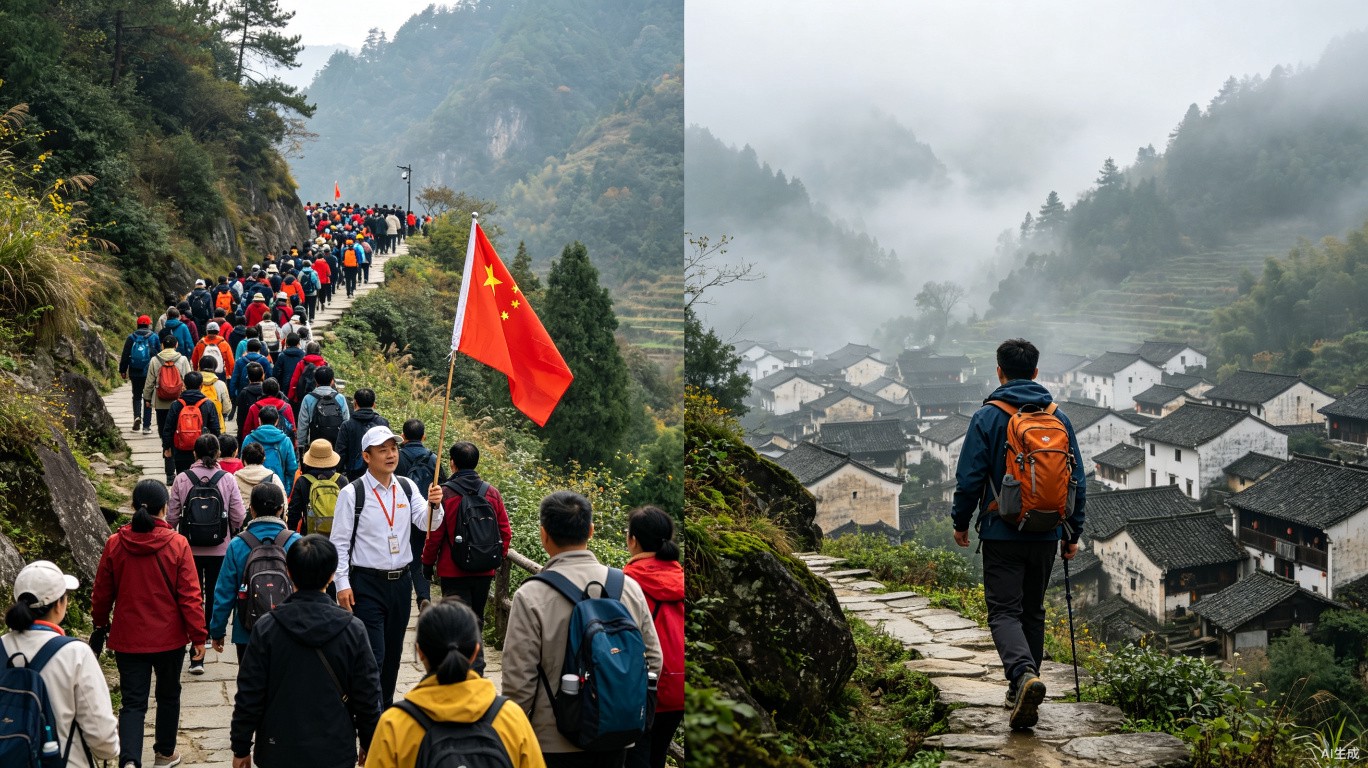
China Group Tours vs Independent Travel Which is Better
Should you join a guided tour or travel independently in China? Honest comparison of cost, flexibility, and experience.
7 min read
China Itinerary Planning: 7-Day 14-Day and 21-Day Routes: The Complete 2026 G...
Not sure how many days to spend in China? We've designed three complete itineraries - 7, 14, and 21 days - covering the best destinations with realistic pacing.
9 min read