
Fujian Tulou Round Houses Visitor Guide
Fujian Tulou Round Houses Visitor Guide: 2026 guide covers current prices, transport, payment apps, and what foreign visitors need to know.
The cab driver, a man named Lao Chen who chain-smoked through a thin crack in his window, laughed when I showed him the address on my phone. “Tulou?” he said, squinting at me in the rearview mirror. “You go see the big mushrooms?” He pronounced it mee-shoom. I nodded. He laughed again, shook his head, and punched the gas. We left the neon sprawl of Xiamen behind, and within an hour, the landscape changed. The air went from hazy to humid. The flat farmland turned into rolling green hills, and then, suddenly, we rounded a corner and I saw it: a massive, earthen castle rising out of a rice paddy, round as a coin, with a tiled roof that curved up like a samurai helmet.
I had read about the Fujian Tulou for years. These are the giant, circular, multi-story communal houses built by the Hakka people in the mountains of southwestern Fujian. They look like something out of a fantasy novel—fortresses built by a civilization of master potters. UNESCO put them on the World Heritage list in 2008, but they’ve been standing for centuries. Inside those thick earth walls, entire clans lived, worked, and defended themselves. They are, without exaggeration, one of the most unique architectural wonders on the planet.
This guide is for the first-time visitor. I’ll tell you which tulou are worth the long bus ride, which ones are tourist traps, how to get there without losing your mind, and what it actually feels like to stand inside one of these giant “mushrooms” as Lao Chen called them.
Quick answer
If you are a first-time international tourist visiting China in 2026, you can visit the Fujian Tulou without a visa if you are from one of the 54 countries eligible for China’s 144-hour visa-free transit (or if you have a valid visa for a neighboring country). The most accessible and impressive cluster is the Chuxi Tulou Cluster near Yongding, about 3 hours from Xiamen by bus. Budget at least $50–$80 (360–580 CNY) per person for a day trip including transport, entry fees, and a simple lunch. The best time to visit is October or November when the rice paddies are golden and the humidity drops.
The Short Version
If you only have 90 seconds: Skip the most famous tulou—Chengqi Lou in Yongding. It’s a zoo. Go to Chuxi Tulou Cluster instead. It’s quieter, more authentic, and you can actually feel the history. Bring cash (many places don’t take cards), download WeChat and Alipay before you leave home, and buy a local SIM card at the Xiamen airport. The bus ride is bumpy. Bring snacks and a good book. You will not regret it.
How I Picked These
I have been to Fujian four times over seven years. The first time, I was a tourist with a Lonely Planet and a bad sense of direction. The second time, I was a journalist interviewing a family who still lives in a tulou. The third time, I brought my parents. The fourth time, I just went back because I missed the smell of the wood smoke and the sound of the rain on the clay tiles. I have visited 11 different tulou clusters across Yongding, Nanjing, and Hua’an counties. I have gotten lost, eaten terrible noodles, and sat on stone benches watching old women roll tobacco leaves. The ten entries below are the ones I would send a friend to. The rest you can skip.
Comparison Table
| Rank | Place | Best For | Approx Cost (USD) | Time Needed | When to Go |
|------|-------|----------|-------------------|-------------|------------|
| 1 | Chuxi Tulou Cluster | Authentic, quiet experience | $8 (58 CNY) | 2–3 hours | Oct–Nov |
| 2 | Tianluokeng Tulou Cluster | The “Four Dishes and One Soup” view | $12 (85 CNY) | 3–4 hours | Oct–Nov |
| 3 | Hongkeng Tulou Cluster | Biggest and most famous | $10 (70 CNY) | 2–3 hours | Weekdays only |
| 4 | Hekeng Tulou Cluster | Off-the-beaten-path | $6 (45 CNY) | 1.5–2 hours | Any weekday |
| 5 | Gaobei Tulou Cluster | Chengqi Lou (the giant) | $10 (70 CNY) | 1.5 hours | Early morning |
| 6 | Taxia Village | Combined tulou + village charm | $8 (58 CNY) | 2 hours | Spring or autumn |
| 7 | Nanjing Tulou (Tianluokeng area) | Best photography | $12 (85 CNY) | 3–4 hours | Golden hour |
| 8 | Hua’an Tulou Cluster | Least crowded, most remote | $6 (45 CNY) | 2–3 hours | Any time |
| 9 | Hekeng Tulou (smaller cluster) | Budget-friendly, local life | $4 (30 CNY) | 1 hour | Any weekday |
| 10 | Yongding Tulou Museum | Quick overview for time-pressed | $5 (35 CNY) | 1 hour | Any time |
1. Chuxi Tulou Cluster – The Quiet Heart of Hakka Country
I sat on a stone step outside a small tea stall, watching an old woman in a blue apron stir a wok full of stir-fried greens. The smoke curled up into the afternoon light. A rooster crowed somewhere. There were maybe ten other tourists in the entire cluster. That was the moment I knew I had found the right place.
Chuxi is not the biggest or the most famous cluster, but it is the one that feels most alive. There are about 30 tulou scattered across a valley, but the main attraction is Jiqing Lou, a massive three-ring circular structure built in 1419. It’s still lived in. You can walk through the central courtyard, climb the creaky wooden stairs to the upper floors, and see the family altars and drying laundry. It is not a museum. It is a home.
-
📍 Location: Chuxi Village, Xiayang Town, Yongding District, Longyan City, Fujian Province
-
🎫 Entry fee: $8 (58 CNY) for the main cluster
-
🕒 Opening hours: 8:00 AM – 6:00 PM daily
-
🚇 How to get there: From Xiamen, take a bus from Xiamen Hubin South Long-Distance Bus Station to Yongding (2.5 hours, $10/70 CNY). From Yongding bus station, take a local minibus to Chuxi Village (45 minutes, $3/20 CNY). The minibus leaves when full.
-
⏰When to visit: October–November for golden rice paddies. Arrive by 9:00 AM to beat the tour groups.
-
💡 Insider tips: 1) Hire a local guide at the entrance for $5 (35 CNY)—they live in the tulou and will show you the hidden upstairs rooms. 2) Buy tea directly from the families—they grow it on the hillsides. 3) Don’t take photos of the elderly without asking first. 4) The public toilets are squat-style and don’t have toilet paper. Bring your own. 5) If you’re hungry, the noodle shop near the parking lot is run by a woman named Auntie Lin. Her mian xian (rice noodle soup) is the best I’ve had in Fujian.
I made the mistake of trying to take a shortcut through a rice paddy and ended up ankle-deep in mud. A farmer laughed and pointed me back to the path. I laughed too.
2. Tianluokeng Tulou Cluster – The Postcard View
You’ve seen the photo. Five tulou arranged in a rough star shape, surrounded by terraced rice paddies. It’s called “Four Dishes and One Soup” because the locals think the four square buildings look like plates and the round one in the middle looks like a bowl. It’s kitschy, but it works.
The view from the hilltop observation platform is genuinely spectacular. You can see the entire cluster laid out below you like a model village. The problem is that everyone else wants to see it too. This is the most photographed tulou cluster in Fujian. Expect crowds, selfie sticks, and the occasional tour guide shouting into a megaphone.
-
📍 Location: Tianluokeng Village, Shuyang Town, Nanjing County, Zhangzhou City
-
🎫 Entry fee: $12 (85 CNY) includes the observation platform
-
🕒 Opening hours: 7:30 AM – 7:00 PM daily
-
🚇 How to get there: From Xiamen, take a bus from Xiamen Hubin South Station to Nanjing County (3 hours, $12/85 CNY). Then a local minibus to Tianluokeng (1 hour, $4/30 CNY).
-
⏰When to visit: November for the rice harvest. Go on a weekday. Arrive at 7:30 AM to have the platform to yourself for 30 minutes.
-
💡 Insider tips: 1) Don’t just take the photo and leave. Walk down into the cluster and explore the individual tulou. 2) The Zhaoxing Lou (the round “soup” building) has a small museum inside. 3) Bring a wide-angle lens. 4) The local tea sellers at the platform are pushy. A polite “Bu yao, xie xie” (No, thank you) works. 5) There’s a small path behind the main platform that leads to a less crowded viewpoint.
I met a photographer from Shanghai who had been coming here for ten years. He told me the best light is just before sunset, but the tour buses leave at 4:00 PM, so the platform empties out.
3. Hongkeng Tulou Cluster – The Famous One
This is the Disneyland version. Hongkeng is the most developed, most commercialized, and most crowded tulou cluster. It’s also the one with the biggest, most impressive structures. Zhencheng Lou, the main attraction, is a massive two-ring circular tulou built in 1912. It’s beautiful, but it feels like a movie set. There are souvenir stalls in every doorway, and the residents have gotten very good at selling you tea you don’t need.
I’m not saying skip it. I’m saying go in with the right expectations. If you want a clean, well-maintained, easy-to-navigate experience with English signage and flush toilets, this is your place. If you want authenticity, go to Chuxi.
-
📍 Location: Hongkeng Village, Hukeng Town, Yongding District, Longyan City
-
🎫 Entry fee: $10 (70 CNY)
-
🕒 Opening hours: 8:00 AM – 6:00 PM daily
-
🚇 How to get there: From Yongding bus station, take a local minibus to Hongkeng (30 minutes, $2/15 CNY). Or join a day tour from Xiamen ($40/280 CNY, including lunch).
-
⏰When to visit: Weekdays only. Weekends are a nightmare. Arrive at 8:00 AM.
-
💡 Insider tips: 1) The “free” tea tastings are not free. They will pressure you to buy. 2) The best photo of Zhencheng Lou is from the hill behind the building, not from the front. 3) There’s a small temple at the back of the cluster that most tourists miss. 4) The toilets near the entrance are the cleanest in the cluster. 5) If you want to stay overnight, there’s a guesthouse inside Zhencheng Lou called Tulou Inn ($25/180 CNY per night). It’s basic but unforgettable.
I bought a bag of dried persimmons from a woman who told me her grandmother had lived in the tulou for 80 years. The persimmons were terrible. The story was worth it.
4. Hekeng Tulou Cluster – The Quiet Neighbor
Hekeng is what Hongkeng was twenty years ago. It’s a small cluster of about 15 tulou, most of which are still lived in by farming families. There are no souvenir shops. No tea stalls. No tour buses. Just old buildings, old people, and a lot of chickens.
I wandered into an open doorway and found a woman making tofu in her courtyard. She waved me in, offered me a bowl of warm soy milk, and went back to work. I sat on a wooden stool for twenty minutes, watching her. She didn’t ask for money. She didn’t try to sell me anything. She just made tofu.
-
📍 Location: Hekeng Village, Hukeng Town, Yongding District
-
🎫 Entry fee: $6 (45 CNY)
-
🕒 Opening hours: 8:00 AM – 5:30 PM daily
-
🚇 How to get there: It’s a 10-minute walk from Hongkeng. Follow the road past the main entrance, turn left at the small bridge, and walk through the rice paddies.
-
⏰When to visit: Any weekday. Avoid Chinese public holidays (May Day, National Day, Spring Festival).
-
💡 Insider tips: 1) Bring small change (10 and 20 CNY notes). The villagers don’t have change for large bills. 2) Don’t enter any tulou without being invited. Some are private homes. 3) The best time to visit is late afternoon when the light hits the earth walls. 4) There’s a small stream behind the cluster where locals wash vegetables. It’s a good photo spot. 5) If you see a door open, peek inside politely. You might see a family altar or a pig.
I accidentally walked into someone’s kitchen. The grandmother laughed and handed me a piece of steamed cake. I ate it. It was good.
5. Gaobei Tulou Cluster – The Giant
Gaobei is home to Chengqi Lou, the largest tulou in Fujian. It’s a four-ring circular structure with 400 rooms. It’s so big that locals say you could fit the entire population of a small town inside. And on a busy day, it feels like they’re all there.
The scale is impressive. You walk through the main gate and the courtyard is enormous. The wooden balconies rise up four stories. It’s a feat of engineering. But it’s also a tourist factory. The ground floor is entirely souvenir shops and tea stalls. The residents have turned their homes into businesses. It’s hard to feel the history when someone is trying to sell you a keychain.
-
📍 Location: Gaobei Village, Gaotou Town, Yongding District
-
🎫 Entry fee: $10 (70 CNY) (part of the Gaobei cluster ticket)
-
🕒 Opening hours: 8:00 AM – 6:00 PM daily
-
🚇 How to get there: From Yongding bus station, take a minibus to Gaotou (40 minutes, $3/20 CNY). The cluster is a 10-minute walk from the bus stop.
-
⏰When to visit: Early morning (before 9:00 AM) on a weekday. After 10:00 AM, the tour buses arrive.
-
💡 Insider tips: 1) Skip the main courtyard and go to the back of the building. The upper floors are quieter. 2) The stairs are steep and uneven. Wear shoes with good grip. 3) Don’t buy the “antique” coins. They’re fakes. 4) There’s a small temple on the hill behind the cluster with a good view. 5) If you want to stay, the Chengqi Lou Guesthouse is basic but cheap ($15/100 CNY per night).
I climbed to the top floor and looked down at the courtyard. A tour guide was explaining the building’s history to a group of Germans. I couldn’t hear her over the sound of a generator.
6. Taxia Village – The Village That Time Forgot
Taxia isn’t a tulou cluster. It’s a village built around a tulou. The main building, Yuchang Lou, is a five-story circular tulou that leans slightly to one side. Locals call it the “Leaning Tulou.” It’s been standing for 700 years, so the lean is apparently not a problem.
The village itself is charming. There’s a small river running through it, stone bridges, and old houses with black tile roofs. It’s the kind of place where you can sit by the water and watch the ducks for an hour. The tourist infrastructure is minimal. There’s one guesthouse, one restaurant, and one old man who sells tea from a folding table.
-
📍 Location: Taxia Village, Shuyang Town, Nanjing County
-
🎫 Entry fee: $8 (58 CNY) includes Yuchang Lou
-
🕒 Opening hours: 8:00 AM – 5:30 PM daily
-
🚇 How to get there: From Nanjing County bus station, take a minibus to Shuyang (1 hour, $4/30 CNY). Then a local van to Taxia (15 minutes, $2/15 CNY).
-
⏰When to visit: Spring (March–April) when the plum trees are in bloom. Autumn (October–November) for the rice harvest.
-
💡 Insider tips: 1) Stay overnight at the Taxia Guesthouse ($20/140 CNY per night). The owner, Mr. Chen, speaks basic English and makes excellent tea. 2) The best view of Yuchang Lou is from the hill behind the village. 3) Try the local niangao (sticky rice cake) from the old man at the bridge. 4) There are no ATMs in the village. Bring cash. 5) The river is clean enough to swim in during summer, but check for leeches.
I sat on the bridge at sunset, watching the light fade. A woman came out of her house and started sweeping the stone steps. She didn’t look at me. She just swept.
7. Nanjing Tulou (Tianluokeng Area) – The Photographer’s Choice
If you’re a photographer, this is where you want to be. The Tianluokeng area has the most dramatic landscape—steep hills, terraced rice paddies, and tulou scattered like pebbles in a stream. The light is different here. The mist rolls in from the mountains in the morning, and the afternoon sun creates long shadows.
The best spot is the observation platform at Tianluokeng, but there are also good views from the road between Tianluokeng and Taxia. If you have a car (or a hired driver), you can stop anywhere and get a shot that no one else has.
-
📍 Location: Tianluokeng Village and surrounding area, Shuyang Town, Nanjing County
-
🎫 Entry fee: $12 (85 CNY) for the main cluster; other tulou are free to enter
-
🕒 Opening hours: 7:30 AM – 7:00 PM daily
-
🚇 How to get there: Same as Tianluokeng. Hire a driver for the day ($50/350 CNY) to explore the back roads.
-
⏰When to visit: November for the rice harvest. Golden hour (4:00–5:30 PM) for the best light.
-
💡 Insider tips: 1) Bring a tripod. The interior of the tulou are dark. 2) A polarizing filter helps cut through the haze. 3) The locals are used to photographers. Ask before taking portraits. 4) The road between Tianluokeng and Taxia is unpaved in places. A 4WD is not necessary, but a car with good suspension helps. 5) If you see smoke rising from a tulou, it’s probably a kitchen fire. Ask if you can watch.
I spent an hour trying to get the perfect shot of a tulou reflected in a rice paddy. A cow walked through the frame. I kept the photo.
8. Hua’an Tulou Cluster – The Remote One
Hua’an is in a different county, further east, closer to the coast. It’s less visited because it’s harder to reach. The main attraction is Eryi Lou, a massive circular tulou built in 1740. It’s the largest tulou in Hua’an and one of the best-preserved in the province.
The journey is part of the experience. The road winds through bamboo forests and tea plantations. You pass through small villages where people still use oxen to plow the fields. It feels like you’re going back in time.
-
📍 Location: Dadi Village, Xian’an Town, Hua’an County, Zhangzhou City
-
🎫 Entry fee: $6 (45 CNY)
-
🕒 Opening hours: 8:00 AM – 5:30 PM daily
-
🚇 How to get there: From Xiamen, take a bus from Xiamen Hubin South Station to Hua’an County (2 hours, $8/55 CNY). Then a local minibus to Dadi Village (1 hour, $4/30 CNY). The minibus runs infrequently. Consider hiring a driver for the day ($60/420 CNY).
-
⏰When to visit: Any time except Chinese New Year (the village empties out). Spring and autumn are best.
-
💡 Insider tips: 1) The village has a small guesthouse ($15/100 CNY per night). Book ahead. 2) The local specialty is bamboo rice—rice cooked inside a bamboo tube. Try it at the village restaurant. 3) There are no ATMs. Bring cash. 4) The best view of Eryi Lou is from the hill behind the village. 5) The villagers are very friendly. A smile and a “Ni hao” go a long way.
I stayed overnight and woke up to the sound of roosters and the smell of wood smoke. I walked outside and saw the tulou emerging from the morning mist. It was worth the bumpy bus ride.
9. Hekeng Tulou (Smaller Cluster) – The Budget Option
This is a different Hekeng from the one listed above. This one is a smaller, less visited cluster in the same area. It’s not on most maps. It’s not in most guidebooks. It’s just a handful of tulou in a valley, with a few families living in them.
The entry fee is cheap. The crowds are non-existent. The experience is raw. You walk through the same mud-brick corridors that people have walked through for 400 years. You see the same altars, the same wells, the same drying racks for tobacco leaves.
-
📍 Location: Hekeng Village (smaller cluster), Hukeng Town, Yongding District
-
🎫 Entry fee: $4 (30 CNY)
-
🕒 Opening hours: 8:00 AM – 5:00 PM daily (but the village is open all the time)
-
🚇 How to get there: From Hongkeng, walk south along the main road for about 20 minutes. Turn left at the small bridge. The cluster is at the end of the path.
-
⏰When to visit: Any weekday. The best time is late afternoon when the light is warm.
-
💡 Insider tips: 1) This is a living village. Be respectful. Don’t enter homes without permission. 2) There are no shops or restaurants. Bring water and snacks. 3) The toilets are basic (pit toilets). Be prepared. 4) If you see a door open, knock before entering. 5) The best way to experience this place is to just sit and watch. Don’t rush.
I sat on a stone wall for an hour, watching a woman feed her chickens. A cat came and sat next to me. We watched together.
10. Yongding Tulou Museum – The Shortcut
If you’re really pressed for time, or if the weather is terrible, or if you just want a quick introduction without the long bus ride, the Yongding Tulou Museum is a decent option. It’s located inside a restored tulou in Yongding town. It has exhibits on Hakka culture, tulou construction, and the history of the region.
It’s not the same as visiting a real, living tulou. But it’s a good primer. You can see the scale models, read the English explanations, and understand the layout before you head out to the countryside.
-
📍 Location: Yongding Town, Yongding District, Longyan City
-
🎫 Entry fee: $5 (35 CNY)
-
🕒 Opening hours: 8:30 AM – 5:00 PM daily
-
🚇 How to get there: It’s a 10-minute walk from the Yongding bus station. Head east on Jiefang Road, turn left at the traffic light, and it’s on your right.
-
⏰When to visit: Any time. It’s indoors, so weather doesn’t matter.
-
💡 Insider tips: 1) The museum is small. You can see everything in 45 minutes. 2) The English translations are decent but not perfect. 3) There’s a small gift shop with books on tulou architecture. 4) The staff are friendly and can help you arrange transport to the clusters. 5) Don’t skip the video room—it shows drone footage of the clusters.
I went here on a rainy day when all the clusters were socked in by fog. It was a good backup plan.
FAQ summary
The Fujian Tulou are a UNESCO World Heritage site in southwestern Fujian province, approximately 3–4 hours from Xiamen by bus. The best clusters for first-time visitors are Chuxi (quiet and authentic) and Tianluokeng (the famous view). Entry fees range from $4–$12 (30–85 CNY). The best time to visit is October–November for good weather and golden rice paddies. Bring cash, download WeChat and Alipay, and buy a local SIM card at the airport. Most tulou are still lived in, so be respectful and ask before taking photos of residents.
FAQ
Q: Do I need a visa to visit the Fujian Tulou in 2026?
A: If you are from one of the 54 countries eligible for China’s 144-hour visa-free transit (including the US, UK, Canada, Australia, and most EU countries), you can enter without a visa if you have a connecting flight to a third country. Otherwise, you need a standard L-visa. Check with your local Chinese embassy.
Q: How do I get from Xiamen to the tulou?
A: Take a bus from Xiamen Hubin South Long-Distance Bus Station to Yongding (2.5 hours, $10/70 CNY) or Nanjing County (3 hours, $12/85 CNY). From there, take a local minibus to the specific cluster. Hiring a private driver for the day costs about $60–$80 (420–560 CNY).
Q: Can I stay overnight in a tulou?
A: Yes. Several clusters have guesthouses inside the tulou. The most famous is the Tulou Inn insideZhencheng Lou in Hongkeng ($25/180 CNY per night). Taxia Village also has a guesthouse. Expect basic facilities: shared bathroom, no AC in some rooms, thin walls.
Is English widely spoken at the tulou?
No. Most locals speak Hakka or Mandarin. A few younger guides speak basic English. Download a translation app (Pleco or Google Translate) before you go. Learn a few phrases: “Ni hao” (hello), “Xie xie” (thank you), “Duo shao qian?” (how much?).
Do I need a VPN in China?
Yes. Google, Facebook, Instagram, WhatsApp, and many other sites are blocked. Install a VPN on your phone and laptop before you leave home. Popular options include ExpressVPN, NordVPN, and Astrill. Test it before you land.
What should I bring?
Cash (small bills), toilet paper, hand sanitizer, a reusable water bottle, comfortable walking shoes, a hat, sunscreen, insect repellent, and a light jacket (it can get cool in the mountains). If you’re staying overnight, bring earplugs—the roosters start at 4:00 AM.
Are the tulou wheelchair accessible?
Most are not. The entrances have high thresholds, the floors are uneven, and the stairs are steep and narrow. A few of the more developed clusters (Hongkeng) have ramps, but it’s still challenging. If you have mobility issues, consider hiring a driver who can drop you at the closest point.
The Honest Wrap-up
This list is for the traveler who wants to see something genuinely unique. The Fujian Tulou are not a theme park. They are not a museum. They are homes, farms, and villages where people have lived for centuries. If you go with an open mind, a willingness to get a little dirty, and a sense of adventure, you will have an experience you will never forget.
This list is NOT for the traveler who wants a clean, easy, air-conditioned day trip. If that’s you, go to Hongkeng, take your photo, buy your tea, and leave. You’ll have a fine time.
But if you want to sit on a stone step in the afternoon sun, watching an old woman stir a wok of greens, listening to the roosters and the distant sound of a motorbike on a dirt road, go to Chuxi. Go to Hekeng. Go to Taxia. Go slow. Stay a while. The tulou will still be there tomorrow.
Related Guides
Looking for more China travel guides? These match your topic:
- Best Time to See Cherry Blossoms in China 2026
- Best Time to Visit China: Month-by-Month Guide
- China Etiquette: Cultural Do’s and Don’ts for Foreigners: The Complete 2026 G…
- China Golden Week Travel Survival Guide
- China Group Tours vs Independent Travel Which is Better
- China Itinerary Planning: 7-Day 14-Day and 21-Day Routes: The Complete 2026 G…
Topics
More guides you may like

Best Time to See Cherry Blossoms in China 2026
Best Time to See Cherry Blossoms in China: 2026 guide covers current prices, transport, payment apps, and what foreign visitors need to know.
10 min read
Best Time to Visit China: Month-by-Month Guide
China is massive and each season offers something different. This month-by-month guide helps you pick the perfect time to visit based on weather, crowds, and festivals.
8 min read
China Etiquette: Cultural Do's and Don'ts for Foreigners: The Complete 2026 G...
China has unique social customs that can confuse first-time visitors. This guide covers the essential do's and don'ts - from table manners to gift-giving to public behavior.
9 min read

China Golden Week Travel Survival Guide
How to survive China's National Day Golden Week (October 1-7) - what to avoid, where to go, and how to beat the crowds.
9 min read
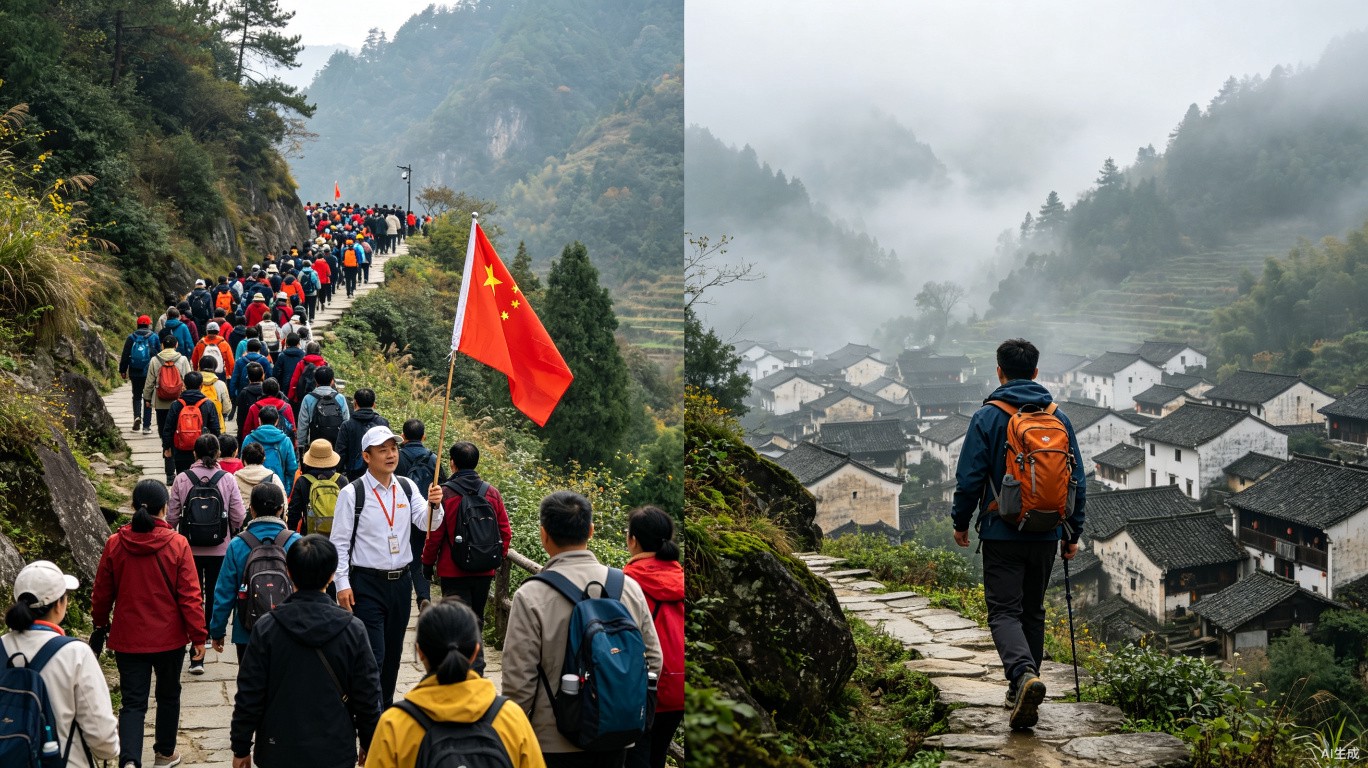
China Group Tours vs Independent Travel Which is Better
Should you join a guided tour or travel independently in China? Honest comparison of cost, flexibility, and experience.
7 min read
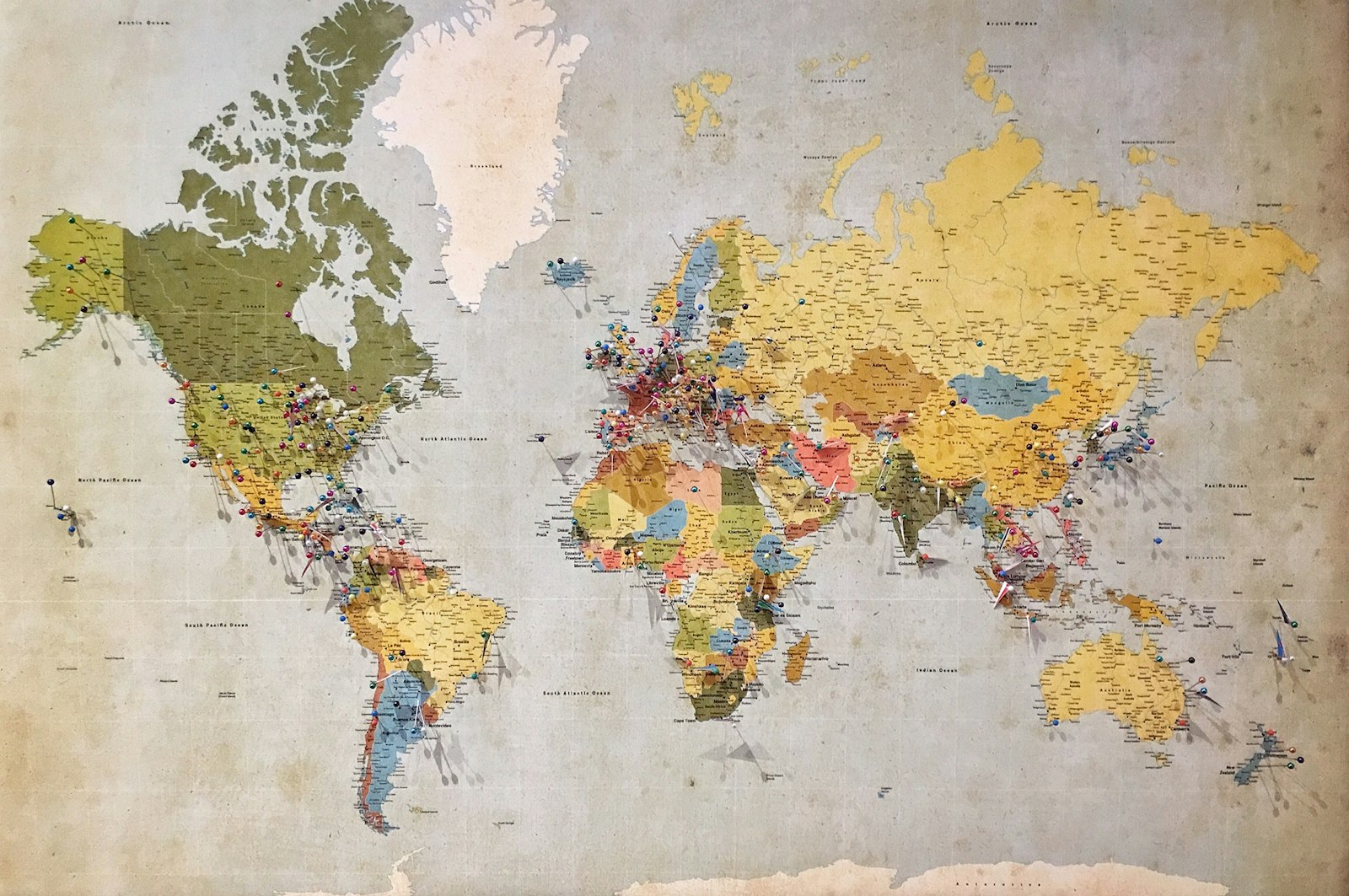
China Itinerary Planning: 7-Day 14-Day and 21-Day Routes: The Complete 2026 G...
Not sure how many days to spend in China? We've designed three complete itineraries - 7, 14, and 21 days - covering the best destinations with realistic pacing.
9 min read