
Tibet Lhasa Travel Permit Guide
Tibet Lhasa Travel Permit Guide: 2026 guide covers current prices, transport, payment apps, and what foreign visitors need to know.
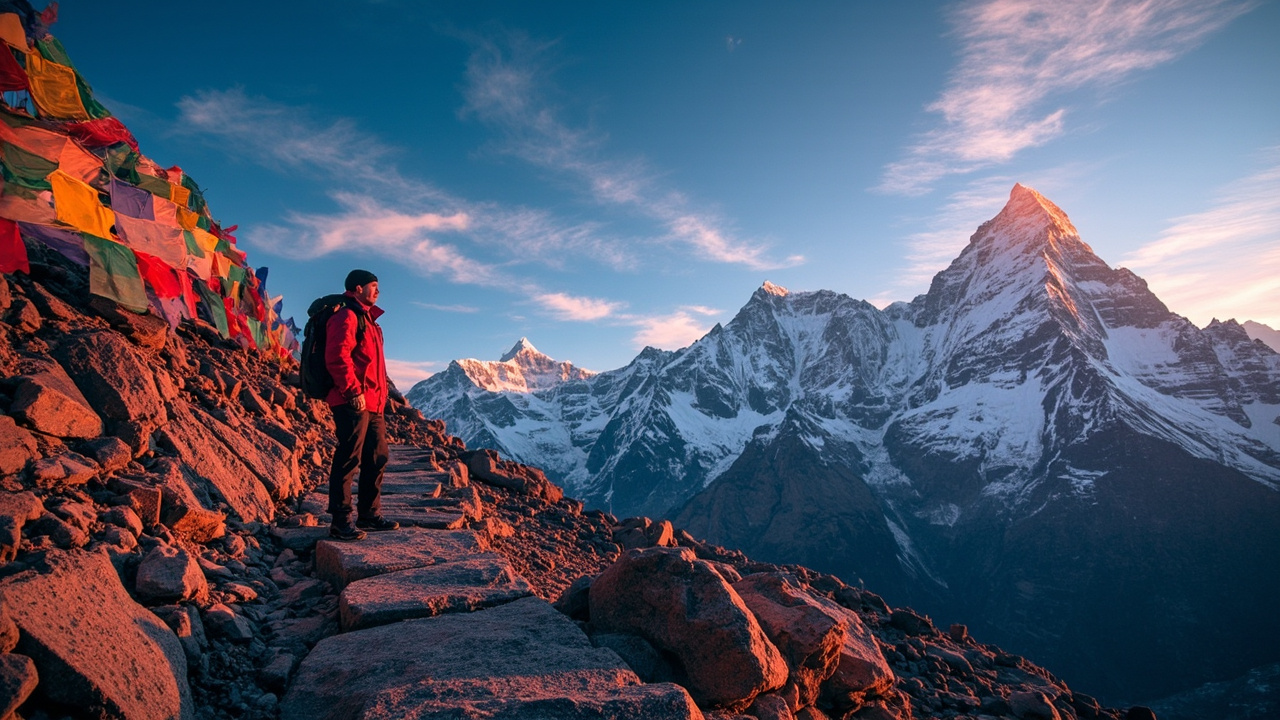
The cab driver in Chengdu looked at me in the rearview mirror, one eyebrow raised. “Lhasa?” he said, half-laughing. “You have the permit?” I had the paper, yes, but I hadn’t yet understood what that paper actually meant. Two weeks later, standing in the Jokhang Temple courtyard at dawn, yak butter lamps flickering against thousand-year-old murals, I got it. Tibet isn’t just another stop on a China itinerary. It’s a place that requires you to prove you’re serious about going.
This guide is for the first-time traveler who has heard the rumors about permits, group tours, and restricted areas, and needs someone to explain what’s actually true, what’s exaggerated, and what you absolutely cannot skip. I’ve done the paperwork, missed the train, and argued with a travel agent in broken Mandarin so you don’t have to.
Quick answer
Most foreign tourists need three documents to enter Tibet: a Chinese visa (obtained in your home country), a Tibet Travel Permit (arranged through a registered tour operator 2–4 weeks before travel), and an Alien’s Travel Permit (if visiting areas beyond Lhasa, like Everest Base Camp or Mount Kailash). Independent travel is not allowed—you must book a guided tour with a licensed agency. As of 2026, the total permit and tour cost starts around $400–$600 USD (¥2,900–¥4,300 CNY) for a basic 4-day Lhasa package, excluding international flights.
The Short Version
If you have 90 seconds: you cannot go to Tibet alone. You must book a tour with a licensed agency. The Tibet Travel Permit takes 2–4 weeks to process and requires you to send your passport scan and Chinese visa copy. You pick up the physical permit in Chengdu or Lhasa, not at home. Skip the cheap budget operators—they’ll mess up your permit and you’ll be stuck at the airport. Pay for a reputable agency. I learned this the hard way.
How I Picked These
I’ve been to Tibet four times over seven years. Twice for work, twice for the sheer pull of the place. I’ve stood in permit queues at the Lhasa airport at 6 AM, watched a German couple get denied boarding because their agency sent the wrong paperwork, and sat in a Potala Palace tea house with a Tibetan guide named Tenzin who explained, over salted butter tea, why the permit system exists the way it does. The entries below come from those trips, plus conversations with three different tour operators in Chengdu and Lhasa. I’m not a government official. I’m a traveler who has made every mistake you’re about to avoid.
Comparison Table
| Rank | Place | Best For | Approx Cost (USD) | Time Needed | When to Go |
|------|-------|----------|-------------------|-------------|------------|
| 1 | Potala Palace | Iconic history & architecture | $15 (¥110) | 2–3 hours | May–Oct, morning |
| 2 | Jokhang Temple | Spiritual heart of Lhasa | $12 (¥85) | 1.5–2 hours | Year-round, dawn |
| 3 | Barkhor Street | Pilgrim circuit & shopping | Free | 1–2 hours | Late afternoon |
| 4 | Sera Monastery | Monastic debate sessions | $8 (¥60) | 2–3 hours | Mon–Sat, 3–5 PM |
| 5 | Drepung Monastery | Largest monastery in Tibet | $8 (¥60) | 2–3 hours | Morning |
| 6 | Norbulingka | Summer palace & gardens | $10 (¥70) | 1.5–2 hours | May–Sept |
| 7 | Yamdrok Lake | Turquoise lake & mountain views | $6 (¥40) | Half-day trip | May–Oct |
| 8 | Namtso Lake | Sacred lake & night sky | $10 (¥70) | Full day | June–Sept |
| 9 | Everest Base Camp (Tibet side) | Roof of the world | $25 (¥180) | 4–5 days | April–Oct |
| 10 | Mount Kailash | Sacred mountain pilgrimage | $50 (¥360) | 3–4 days | May–Sept |
Potala Palace —The White and Red Fortress You Can’t Miss
The first time I saw the Potala Palace, I was hungover from altitude sickness and questioning every life choice that led me to 12,000 feet. Then the sun hit the whitewashed walls, and I forgot my headache. It’s not subtle. It’s not meant to be. The palace rises out of Lhasa like a geological fact, 13 stories of Buddhist murals, jeweled stupas, and the tombs of eight Dalai Lamas.
You’ll climb 108 steps to the entrance. Take your time. I watched a French woman sprint up and then spend the next hour regretting it in a corner. Inside, the Red Palace holds the meditation chambers and the gold-plated chorten of the 5th Dalai Lama, which is covered in 3,724 kilograms of gold. Yes, I checked that number twice.
📍 Marpo Ri Hill, central Lhasa. You can see it from almost anywhere in the city.
🎫 $15 (¥110) peak season; $8 (¥60) off-season. Tickets are capped at 2,300 per day, so book through your tour agency in advance.
🕒 9:00 AM–4:00 PM, closed Mondays in winter. Last entry is 3:00 PM.
🚇 Walk from Barkhor Street area (20 minutes) or take a taxi (¥15–¥20). No metro in Lhasa yet.
⏰Visit at 9:00 AM sharp to avoid crowds. Weekdays are quieter. The light is best for photos before 10 AM.
💡 Book your ticket at least three days ahead through your agency. The palace limits visitors by time slot, and walk-up tickets are a myth. Bring water and walk slowly. The stairs are steep and the air is thin. Don’t touch the murals —the oils from your hands damage the pigments.
I met a monk named Lobsang near the exit who told me he’d been a guide for 22 years. He pointed at a crack in the wall and said, “That’s from the 1959 earthquake. We left it. Memory matters.”
Jokhang Temple —Where Pilgrims Touch the Earth
I stood in the Barkhor pilgrim circuit at 6:30 AM, and a woman in a striped apron prostrated herself on the stone. Her palms were calloused, her forehead had a dark smudge from hitting the ground. She did it again. And again. For three hours. The Jokhang Temple is the most sacred site in Tibetan Buddhism, housing the Jowo Shakyamuni statue —a 7th-century image of Buddha at age 12 that pilgrims walk thousands of miles to see.
The temple itself is a maze of chapels, butter lamps, and chanting monks. The air is thick with juniper incense and yak butter. Go early. By 10 AM, the tour groups arrive and the silence breaks.
📍 Center of old Lhasa, on Barkhor Square.
🎫 $12 (¥85). Free for pilgrims.
🕒 7:00 AM–6:00 PM. The inner chapels close at 5:30 PM.
🚇 Walk from Barkhor Street. The entrance is on the south side of the square.
⏰Dawn is the best time —you’ll see the full pilgrim circuit before the crowds. Avoid Chinese national holidays.
💡 Don’t wear shorts or sleeveless tops. Remove your hat and sunglasses before entering chapels. Photography is forbidden inside the main hall. If you want to offer butter for the lamps, buy a small container from the vendors outside (¥5). Walk clockwise around the temple —counterclockwise is considered disrespectful.
I bought a string of prayer beads from an old woman outside. She smiled, showing gaps in her teeth, and said something in Tibetan. I still don’t know what. I keep the beads in my jacket pocket.
Barkhor Street —The Circuit That Never Sleeps
Barkhor Street is the pilgrim circuit that wraps around Jokhang Temple, but it’s also Lhasa’s most chaotic, wonderful market. Yak butter, prayer flags, turquoise jewelry, cheap knockoff iPhones, and dried yak meat all share shelf space. The air smells of incense, diesel, and fried bread.
I walked the circuit three times in one afternoon. The first time, I was a tourist. The second time, I started noticing the faces —a nun spinning a prayer wheel, a child selling barley, a shopkeeper arguing with a customer in three languages. The third time, I bought a hand-painted thangka from a woman named Dolma. She didn’t speak English. We negotiated entirely through hand gestures and the calculator on her phone.
📍 Surrounding Jokhang Temple, central Lhasa.
🎫 Free. Bring cash for shopping.
🕒 Shops open 9:00 AM–8:00 PM. The pilgrim circuit is active from dawn to dusk.
🚇 Walk from Jokhang Temple. The street encircles the temple.
⏰Late afternoon is best for shopping and people-watching. Dawn for pilgrims.
💡 Bargain respectfully. Start at half the asking price. Don’t buy items made from endangered animals (tiger bone, rhino horn, certain furs) —they’re illegal and unethical. Watch your pockets in crowded sections. The best thangkas are from the smaller side alleys, not the main strip.
I watched a monk buy a bag of oranges from a fruit seller. The seller gave him two extra. No one said a word.
Sera Monastery —The Debating Monks
The monks at Sera Monastery don’t just study Buddhism. They argue about it. Every afternoon, from about 3 PM to 5 PM, they gather in the debating courtyard and go at it —slapping their hands, stomping their feet, shouting questions at each other. It looks like a fight. It’s actually a 600-year-old pedagogical tradition.
I sat on a stone bench and watched two monks debate the nature of emptiness for 45 minutes. One of them kept slapping his right palm into his left hand. A Tibetan man next to me whispered, “The slap means he’s waking up the opponent’s mind.” I nodded like I understood completely.
📍 5 km north of central Lhasa, in the Sera neighborhood.
🎫 $8 (¥60). The debating courtyard is free after 3 PM if you enter from the side gate.
🕒 9:00 AM–4:00 PM. Debates: Monday to Saturday, 3:00–5:00 PM. No debates on Sunday.
🚇 Take a taxi from central Lhasa (¥20–¥30, 15 minutes). Or walk if you’re feeling ambitious (45 minutes uphill).
⏰Arrive at 2:30 PM to get a good seat in the debating courtyard. Weekdays are less crowded.
💡 Sit quietly and don’t interrupt. Photography is allowed in the courtyard but not inside the temples. The debate is in Tibetan, but the hand gestures are universal. If a monk invites you to sit closer, accept. I did, and he tried to ask me a question in English. I failed the test.
I accidentally sat in a meditation hall that was closed to visitors. A monk gently tapped my shoulder and pointed to the door. I apologized. He smiled. “No problem. First time?”
Drepung Monastery —The University of the Snows
Drepung Monastery was once the largest monastery in the world, housing 10,000 monks. Today, about 600 remain. The scale is still breathtaking —whitewashed buildings stacked against a hillside, narrow alleys, and a main assembly hall that holds 5,000 people.
I got lost here for two hours. Not in a bad way. I wandered through empty courtyards, climbed stairs that led to rooftop views of the Lhasa valley, and found a small chapel where a single monk was chanting alone. He didn’t look up. I left quietly.
📍 8 km west of central Lhasa, at the base of Mount Gephel.
🎫 $8 (¥60). Free for pilgrims.
🕒 9:00 AM–4:00 PM.
🚇 Take a taxi (¥30–¥40, 20 minutes). Or take local bus #24 from Barkhor Street (¥2).
⏰Morning is best. The light hits the white walls beautifully. Avoid weekends.
💡 The main assembly hall has a giant statue of Maitreya, the future Buddha. Look up. The butter lamp offering area is in the back —you can buy a small container for ¥5. Wear sturdy shoes. The cobblestones are uneven and the altitude will make you dizzy.
I met a young monk named Tashi near the exit. He was studying English from a textbook. He asked me, “What is ‘awesome’?” I pointed at the monastery behind him. He laughed.
Norbulingka —The Dalai Lama’s Summer Escape
After the intensity of the Potala and the monasteries, Norbulingka feels like a breath. It’s the summer palace of the Dalai Lamas, a complex of gardens, pavilions, and small palaces that feels more like a park than a fortress. The trees are old and wide, the paths are shaded, and the air smells of flowers and damp earth.
I sat on a bench near the Kelsang Potrang palace and watched a family picnic under a willow tree. The father was reading a newspaper. The children were chasing a ball. For a moment, Lhasa felt like any other city.
📍 Western Lhasa, 2 km from the Potala Palace.
🎫 $10 (¥70). Free for children under 1.2 meters.
🕒 9:00 AM–6:00 PM (May–September), 9:30 AM–5:30 PM (October–April). Closed Mondays.
🚇 Walk from the Potala (20 minutes) or take a taxi (¥15).
⏰Summer is best, when the gardens are in bloom. Go in the late afternoon for soft light.
💡 The palace interiors are less ornate than the Potala, but the gardens are the real draw. Bring a picnic. There’s a small zoo inside (skip it —the animals look sad). The best photo spot is the bridge over the artificial lake.
I bought a popsicle from a vendor near the entrance. It was strawberry flavored and melted before I finished it. I didn’t care.
Yamdrok Lake —The Turquoise Mirror
You’ll see Yamdrok Lake from a mountain pass, and the color will stop you. It’s not blue. It’s not green. It’s a shade of turquoise that doesn’t exist in any paint catalog. The lake sits at 4,400 meters, surrounded by snow-capped peaks, and Tibetan legend says it’s the transformation of a goddess.
I stood at the viewing platform for ten minutes without taking a photo. I just stared. A Chinese tourist next to me said, “It looks fake.” I agreed.
📍 100 km southwest of Lhasa, on the way to Gyantse.
🎫 $6 (¥40) at the main viewing platform. Free if you hike down to the shore.
🕒 Open 24 hours. The viewing platform is staffed 8:00 AM–6:00 PM.
🚇 Part of a day tour from Lhasa. Your tour agency will arrange transport (3 hours each way).
⏰May–October. Morning light is best for the turquoise color. Avoid cloudy days.
💡 The main viewing platform is crowded. Ask your driver to stop at a smaller pull-off 2 km before the official viewpoint. You’ll have the lake almost to yourself. Bring a jacket —the wind at the pass is brutal. Don’t feed the stray dogs.
I tried to skip a rock across the lake. It sank immediately. The altitude made me lightheaded. Worth it.
Namtso Lake —The Holy Lake at 4,718 Meters
Namtso Lake is one of the three most sacred lakes in Tibet, and it’s also the highest saltwater lake in the world. The water is impossibly clear, the sky is impossibly big, and the night sky is so full of stars that you’ll forget to breathe.
I spent a night in a guesthouse near the shore. The bed was hard, the toilet was a hole in the ground, and the temperature dropped below freezing. I woke up at 4 AM to see the Milky Way. I cried. I’m not ashamed to admit it.
📍 250 km north of Lhasa, near the border with Nagqu Prefecture.
🎫 $10 (¥70). Plus a ¥5 environmental fee.
🕒 Open 24 hours. The gate is staffed 8:00 AM–8:00 PM.
🚇 Day tour from Lhasa (4 hours each way). Overnight stays require an Alien’s Travel Permit.
⏰June–September. Winter is brutally cold and the road may be closed.
💡 You need an Alien’s Travel Permit to stay overnight. Arrange this with your tour agency. Bring warm clothes, even in summer. The wind at the lake is relentless. There are basic guesthouses near the shore, but book ahead. The sunset over the Nyenchen Tanglha mountains is worth the cold.
I met a Taiwanese photographer who had been waiting three days for a clear sky. “The clouds are my enemy,” he said. They cleared on the fourth day. He showed me his photos. They were perfect.
Everest Base Camp (Tibet Side) —The Roof of the World
The road to Everest Base Camp is 500 kilometers of hairpin turns, yak crossings, and lunar landscapes. You’ll pass through Gyantse, Shigatse, and the 5,200-meter Gyatso La pass before you finally see the peak. And then you’ll see it. It’s not just a mountain. It’s a wall of rock and ice that fills the entire horizon.
I arrived at base camp at 5,200 meters. The air was so thin that walking 20 meters felt like a marathon. I sat on a rock and watched the sunset turn Everest pink. A Chinese climber next to me said, “I’m going up next week.” I believed him.
📍 520 km southwest of Lhasa, in Tingri County.
🎫 $25 (¥180). Plus a ¥15 environmental fee.
🕒 Open 24 hours. The tent guesthouses are open April–October.
🚇 4–5 day tour from Lhasa. Your agency will handle transport and permits.
⏰April–October. May and September are clearest. Avoid July–August monsoon clouds.
💡 You need a special Alien’s Travel Permit and a military permit for the base camp. Your agency must arrange both. The tent guesthouses are basic —bring a sleeping bag rated to -10掳C. The sunset is at the Rongbuk Monastery, 8 km before base camp. Go there first.
I tried to call my mother from base camp. The signal dropped three times. She still tells people I called her from Everest.
Mount Kailash —The Pilgrimage of a Lifetime
Mount Kailash is not a mountain you climb. It’s a mountain you walk around. The kora (circumambulation) is 52 kilometers, takes 3–4 days, and reaches an altitude of 5,630 meters at the Dolma La pass. For Hindus, Buddhists, Jains, and Bonpos, it’s the center of the universe.
I walked the kora with a group of Nepali pilgrims. We sang, we cursed the altitude, we drank tea in a tent at 5,000 meters. On the second day, I saw a Tibetan woman prostrating the entire route. It took her two weeks. I finished in three days and felt like I had cheated.
📍 Far western Tibet, 1,200 km from Lhasa.
🎫 $50 (¥360) for the park entry. The kora is free.
🕒 Open 24 hours. Best months: May–September.
🚇 3–4 day tour from Lhasa. The drive takes two days each way.
⏰May–September. June and September are best for weather. Avoid August (monsoon).
💡 You need a special permit for Ngari Prefecture and a military permit. Arrange both through your agency. Bring a porter or hire a yak for your gear. The Dolma La pass is the hardest part —start early (4 AM) and take it slow. Don’t skip the Tarchen village hot springs after the kora.
I met a French woman who had walked the kora 12 times. “It gets easier,” she said. “Or you get dumber. I’m not sure which.”
FAQ summary
The Tibet Travel Permit is mandatory for all foreign tourists and must be arranged through a licensed tour operator at least 2–4 weeks before travel. You cannot travel independently in Tibet—you must join a guided tour. The permit is a physical document you pick up in Chengdu or Lhasa, not an e-visa. Additional permits are required for areas beyond Lhasa, including Everest Base Camp and Mount Kailash.
FAQ
Q: Do I need a Chinese visa before applying for the Tibet Travel Permit?
A: Yes. You need a valid Chinese visa first. The Tibet Travel Permit application requires a copy of your visa and passport. Apply for the Chinese visa at your local embassy 4–6 weeks before travel, then start the Tibet permit process 2–4 weeks before departure.
Q: Can I go to Tibet without a tour group?
A: No. Independent travel is not allowed for foreign tourists. You must book a tour with a licensed Tibetan travel agency. The tour can be private (just you and a guide) or group-based. The agency handles all permits, transport, and accommodation.
Q: How long does the Tibet Travel Permit take to process?
A: 2–4 weeks. Some agencies offer expedited processing (7–10 days) for an extra fee of $50–$100 (¥360–¥720). Start the process as early as possible. I’ve seen permits denied because of last-minute applications.
Q: Where do I pick up the Tibet Travel Permit?
A: Most travelers pick it up in Chengdu, at the Tibet Tourism Bureau office near the airport, or in Lhasa upon arrival. Your agency will tell you the exact location. You cannot print it at home. It’s a physical paper document.
Q: Can I travel to other parts of China after Tibet?
A: Yes. Tibet is part of China, and you can fly or take the train to other cities (Chengdu, Xi’an, Beijing) after your Tibet tour. Your Chinese visa remains valid for the rest of your trip.
Q: Is altitude sickness a real concern in Lhasa?
A: Yes. Lhasa is at 3,650 meters (12,000 feet). Most people feel headaches, fatigue, and shortness of breath for the first 1–2 days. Spend your first day resting, drink lots of water, avoid alcohol, and consider taking acetazolamide (Diamox) after consulting a doctor. I felt terrible for 24 hours and fine after that.
Q: What’s the best time of year to visit Tibet?
A: May through October. July and August are warmest but also rainiest. September and October offer clear skies and moderate temperatures. November through April is cold and many guesthouses close, but you’ll have fewer tourists.
The Honest Wrap-up
This guide is for the traveler who wants to see Tibet with their own eyes, not through a tour bus window. It’s for the person willing to deal with paperwork, altitude headaches, and cold showers to stand in a 1,300-year-old temple at dawn. It’s not for the traveler who wants a beach vacation or a seamless luxury experience. Tibet is not seamless. It’s dusty, bureaucratic, and physically demanding. But it’s also the place where I watched a monk laugh at a butterfly, where I ate the best noodle soup of my life from a street cart, and where I understood, finally, why people walk 52 kilometers around a mountain. If you’re ready for that, start the permit process today. And bring a good jacket.
Related Guides
Looking for more China travel guides? These match your topic:
- Best Time to See Cherry Blossoms in China 2026
- Best Time to Visit China: Month-by-Month Guide
- China Etiquette: Cultural Do’s and Don’ts for Foreigners: The Complete 2026 G…
- China Golden Week Travel Survival Guide
- China Group Tours vs Independent Travel Which is Better
- China Itinerary Planning: 7-Day 14-Day and 21-Day Routes: The Complete 2026 G…
Topics
More guides you may like
Best Time to See Cherry Blossoms in China 2026
Best Time to See Cherry Blossoms in China: 2026 guide covers current prices, transport, payment apps, and what foreign visitors need to know.
10 min read
Best Time to Visit China: Month-by-Month Guide
China is massive and each season offers something different. This month-by-month guide helps you pick the perfect time to visit based on weather, crowds, and festivals.
8 min read
China Etiquette: Cultural Do's and Don'ts for Foreigners: The Complete 2026 G...
China has unique social customs that can confuse first-time visitors. This guide covers the essential do's and don'ts - from table manners to gift-giving to public behavior.
9 min read
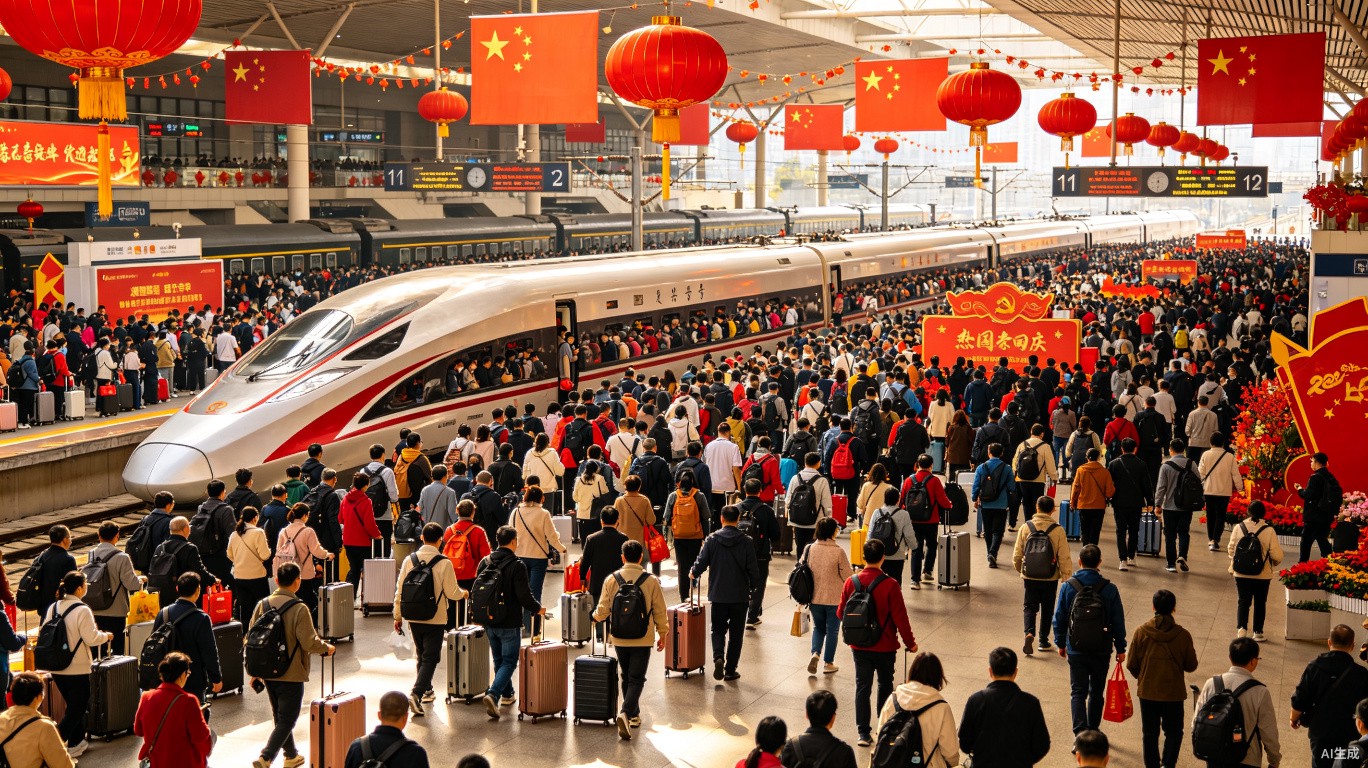
China Golden Week Travel Survival Guide
How to survive China's National Day Golden Week (October 1-7) - what to avoid, where to go, and how to beat the crowds.
9 min read
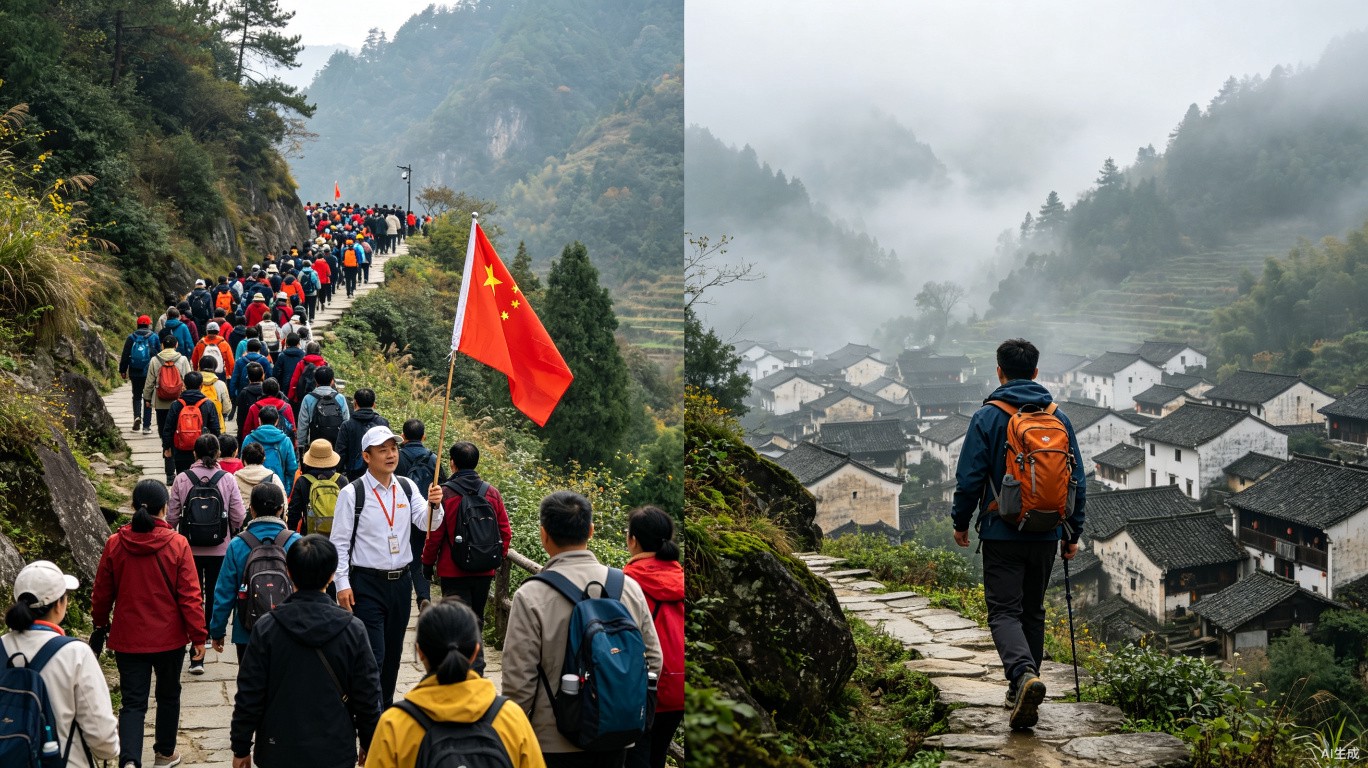
China Group Tours vs Independent Travel Which is Better
Should you join a guided tour or travel independently in China? Honest comparison of cost, flexibility, and experience.
7 min read
China Itinerary Planning: 7-Day 14-Day and 21-Day Routes: The Complete 2026 G...
Not sure how many days to spend in China? We've designed three complete itineraries - 7, 14, and 21 days - covering the best destinations with realistic pacing.
9 min read