
Wuyuan Rapeseed Flower Fields Spring Guide
Wuyuan Rapeseed Flower Fields Spring Guide: 2026 guide covers current prices, transport, payment apps, and what foreign visitors need to know.
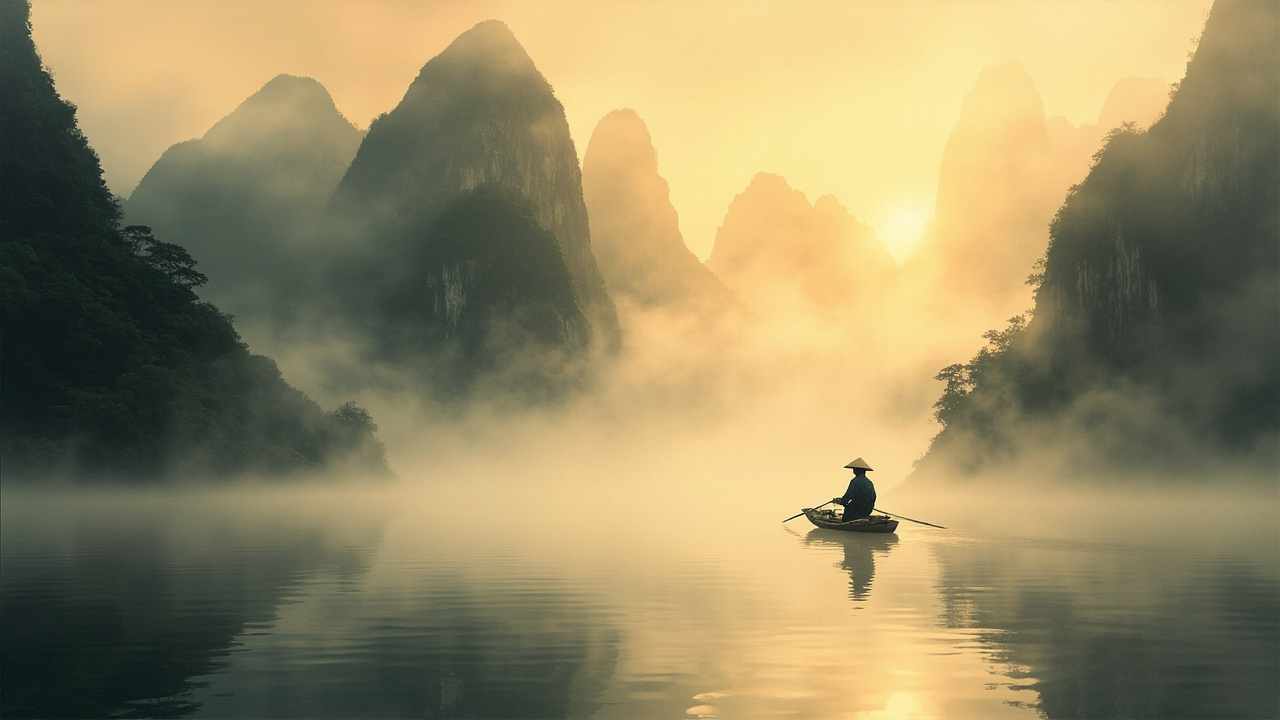
The cab driver laughed at me when I asked him to take me to the rapeseed flower fields in Wuyuan. It was mid-March, and I’d flown from Beijing to Shangrao that morning, convinced I was arriving at the peak of spring. He laughed because the flowers hadn’t fully bloomed yet—another week, maybe two, he said through translation app static. I sat in the back of his rattling Volkswagen, watching the hills slide by, green and patient. That was my first lesson in Wuyuan: nature doesn’t care about your flight itinerary.
Wuyuan isn’t a single spot. It’s a county in Jiangxi province, a collection of ancient villages scattered across rolling hills, connected by narrow roads that wind past terraced fields. Every spring, those fields turn electric yellow when the rapeseed flowers bloom. The villages themselves—Huangling, Jiangwan, Likeng—are Ming and Qing dynasty relics, with whitewashed walls and black-tiled roofs that haven’t changed much in 400 years. The combination of old architecture and bright yellow flowers is what pulls photographers from Shanghai, Beijing, and increasingly, from overseas.
This guide is for the first-time international traveler who wants to see Wuyuan’s spring flowers without getting lost in translation, overpaying for everything, or showing up a week too early like I did. I’ve been back four times since that first failed trip. I’ve missed the last bus out of Jiangwan, eaten street food that gave me regrets, and stood in rain so heavy the yellow fields turned to mud. I’ve also stood on a hilltop at 6:30 AM watching mist roll through the valley with zero other tourists in sight. That morning was worth every mistake.
Quick answer
Wuyuan’s rapeseed flower fields peak from mid-March to mid-April, with the best viewing in Huangling Village’s terraced hillsides and the Jiangling Scenic Area. Most international travelers fly into Shangrao or Jingdezhen, then take a 1-hour bus or private car to Wuyuan County. Entry fees range from $7–$20 (50–150 CNY) per village. No visa is needed for citizens of 54 countries under China’s 144-hour transit policy or 30-day visa-free entry (check eligibility before booking). Bring cash for rural vendors and a VPN for Google Maps access.
The Short Version
If you only have 90 seconds: go to Huangling and Jiangling. Skip the overpriced cable car at Huangling if you’re fit—walk the stone path instead. Stay overnight in a village guesthouse, not Wuyuan town. The flowers are best at sunrise and sunset, not midday. Bring a rain jacket and negotiate taxi fares before getting in. Don’t expect English menus or signs. You’ll need WeChat Pay for most things and cash for the rest. If you only see one thing, make it the view from the Jiangling observation platform at 6 AM.
How I Picked These
I’ve visited Wuyuan four times between 2019 and 2025—once in peak bloom, once two weeks early, once during a rainstorm, and once in late April when the flowers were already fading. I talked to a farmer named Old Chen who’s been growing rapeseed in Jiangling for 40 years. I paid a local guide named Xiao Li to show me the back trails that tourists don’t know about. I also made every mistake a foreigner can make: taking the wrong bus, paying triple for a taxi, and eating raw river snails from a street stall (don’t). These recommendations come from those experiences, not from a press trip or a brochure.
Comparison Table
| Rank | Place | Best For | Approx Cost (USD) | Time Needed | When to Go |
|------|-------|----------|-------------------|-------------|------------|
| 1 | Huangling Village | Terraced flower views, cable car, photography | $15 (110 CNY) entry + $12 (85 CNY) cable car | 3–4 hours | Mid-March to early April |
| 2 | Jiangling Scenic Area | Wide valley views, sunrise, fewer crowds | $7 (50 CNY) | 2–3 hours | Late March |
| 3 | Likeng Village | Ancient architecture, water channels, quiet lanes | $10 (70 CNY) | 2 hours | Mid-March |
| 4 | Jiangwan Village | Ming dynasty buildings, political history | $10 (70 CNY) | 1.5 hours | Late March |
| 5 | Wangkou Village | Old bridges, river views, local life | $8 (60 CNY) | 1.5 hours | Late March |
| 6 | Sixi & Yancun Villages | Carved wood architecture, less touristy | $6 (45 CNY) combined | 1 hour | Mid-March |
| 7 | Moon Bay (Yuewan) | River bend with flower reflections | Free | 30 minutes | Late March, sunset |
| 8 | Rainbow Bridge | Ancient covered bridge, picnic spot | $6 (45 CNY) | 45 minutes | Mid-March |
| 9 | Xiaqi Village | Rural farming life, no entry fee | Free | 1 hour | Late March |
| 10 | Wuyuan Museum | History context, rainy day backup | $3 (20 CNY) | 1 hour | Any time |
Huangling Village —The Postcard View That Delivers
I stood on the Huangling cable car platform at 7:30 AM, the only foreigner in line. The car lifted me over terraced fields that looked like golden staircases cut into the mountain. Below, farmers in straw hats moved between rows of yellow flowers, their movements slow and deliberate. The air smelled like wet earth and something sweet I couldn鈥檛 name.
Huangling is the most famous village in Wuyuan for a reason. The terraced fields climb the hillside in neat bands, and the village itself sits at the top like a crown. In spring, the yellow rapeseed flowers contrast with the white walls and black roofs of the old houses. It鈥檚 the image you see on every travel poster, and it鈥檚 real. The village has been carefully restored, which means it feels a bit curated, but the views are genuine.
📍 Wuyuan County, about 40 minutes by car from Wuyuan town center
🎫 $15 (110 CNY) entry, $12 (85 CNY) cable car round trip
🕒 7:30 AM—5:30 PM (cable car stops at 5 PM)
🚇 From Wuyuan town, take a minibus from the bus station (20 CNY, 40 minutes) or hire a taxi for $20 (150 CNY). The cable car station is at the base of the mountain.
⏰Best at 7:30 AM opening or 4 PM for golden hour light. Weekdays are much quieter than weekends.
💡 Buy your cable car ticket online via WeChat to skip the line. Bring a wide-angle lens. Don鈥檛 eat at the restaurant near the cable car exit鈥攐verpriced and bland. Walk the stone path down instead of taking the cable car back if the weather is clear. The village has a small post office where you can mail postcards with a special Huangling stamp.
I met a retired photographer from Shanghai named Mr. Wang who comes here every March. He told me the best shot is from the third terrace, not the first, because the light hits differently. He was right.
Jiangling Scenic Area —The Valley That Swallows You
The rain came sideways off the mountains. I was standing on the Jiangling observation platform, soaked through, watching the valley below turn from green to yellow to gray as clouds moved across the sun. A local woman selling tea eggs under an umbrella gestured for me to come sit. I bought two eggs for $1 (7 CNY) and watched the weather change every five minutes.
Jiangling is less developed than Huangling. There鈥檚 no cable car, no souvenir shops, just a wide valley with terraced fields climbing both sides. The flowers here feel more natural, less arranged for tourists. The observation platform gives you a full view of the valley, and if you walk down into the fields, you can disappear into the yellow stalks. It鈥檚 quieter, more meditative.
📍 Jiangling Village, about 30 minutes from Wuyuan town
🎫 $7 (50 CNY)
🕒 6 AM—6 PM (no gate, basically open whenever)
🚇 Take a minibus from Wuyuan bus station (15 CNY, 30 minutes). Tell the driver you want Jiangling, not Huangling. Taxis charge about $15 (110 CNY) one way.
⏰Sunrise is spectacular鈥攁rrive by 5:45 AM. Weekdays only. Weekends bring busloads of domestic tourists.
💡 Bring an umbrella and waterproof shoes. The paths get muddy. The tea eggs from the old woman near the platform are the best snack. Walk down into the fields, not just the platform. Don鈥檛 step on the flowers鈥攍ocals get annoyed. There鈥檚 a small temple at the far end of the valley worth a 10-minute detour.
I slipped on a muddy path and fell into a drainage ditch. A farmer helped me up without saying a word, handed me a rag to wipe off, and walked away. That鈥檚 Jiangling.
Likeng Village —Water, Stone, and Silence
Likeng is what I imagined old China looked like before the highways and high-rises. A stream runs through the center of the village, flanked by stone houses with carved wooden windows. Women wash vegetables in the water. Old men play chess on stone tables. The rapeseed flowers here are less dramatic鈥攖hey grow in patches between the houses, not in terraced fields鈥攂ut the village itself is the attraction.
📍 Likeng Village, 15 minutes from Wuyuan town
🎫 $10 (70 CNY)
🕒 7 AM—6 PM
🚇 Take a local bus from Wuyuan bus station (5 CNY, 20 minutes). Taxi is $8 (60 CNY).
⏰Late afternoon, when the light hits the white walls. Weekdays.
💡 Stay overnight at one of the guesthouses inside the village. The best one is called Mingyue Shanfang (Moon Mountain House)鈥攔un by a family who cooks dinner for guests. Bring mosquito repellent. The stream water is clean but don鈥檛 drink it. Walk to the back of the village where the tourists don鈥檛 go.
I ate dinner at a guesthouse run by a woman named Auntie Zhang. She made a fish soup with local greens and kept refilling my tea. She didn鈥檛 speak English, but she showed me photos of her son in Shanghai. That meal cost $4 (30 CNY).
Jiangwan Village —History With a Side of Politics
Jiangwan is the birthplace of Jiang Zemin, China鈥檚 former president, which means it gets more attention than it probably deserves. The village is well-preserved, with Ming dynasty buildings and a long stone bridge, but it feels more like a museum than a living village. The rapeseed fields are on the outskirts, not inside.
📍 Jiangwan Village, 20 minutes from Wuyuan town
🎫 $10 (70 CNY)
🕒 7:30 AM—5:30 PM
🚇 Bus from Wuyuan station (5 CNY, 25 minutes). Taxi $10 (75 CNY).
⏰Late March, morning. Avoid weekends when political tour groups arrive.
💡 Skip the official tour guide鈥攜ou鈥檒l get a propaganda-heavy version of history. Walk to the back fields for flower photos. The tofu pudding sold near the entrance is excellent. Don鈥檛 take photos of the security guards near the former president鈥檚 residence.
A tour guide named Xiao Chen told me the history of every building in Jiangwan. I asked about the Cultural Revolution. She changed the subject.
Wangkou Village —The Bridge and the River
Wangkou has a covered bridge that spans a wide river, with rapeseed flowers growing along the banks. It鈥檚 less famous than the other villages, which means fewer tourists and more space to breathe. The bridge itself is Ming dynasty, made of wood and stone, and locals still use it to cross between fields.
📍 Wangkou Village, 25 minutes from Wuyuan town
🎫 $8 (60 CNY)
🕒 7 AM—5 PM
🚇 Minibus from Wuyuan (8 CNY, 30 minutes). Taxi $12 (90 CNY).
⏰Late afternoon, when the light reflects off the river. Weekdays.
💡 Bring a picnic and eat on the bridge. The riverbank path leads to a small temple. Negotiate with boat owners for a ride鈥攁sk for 30 CNY, not the 100 they quote. The village has a good tofu skin dish.
I sat on the bridge eating a steamed bun, watching a fisherman cast his net. He caught nothing in 20 minutes. He didn鈥檛 seem to care.
Sixi & Yancun Villages —The Carved Wood Duo
These two villages are often visited together because they鈥檙e 10 minutes apart. They鈥檙e known for their wood carvings鈥攄oors, windows, beams, all carved with dragons, flowers, and scenes from Chinese opera. The rapeseed flowers here are secondary, but the architecture is worth the trip.
📍 Sixi and Yancun, 30 minutes from Wuyuan town
🎫 $6 (45 CNY) combined ticket
🕒 7 AM—5 PM
🚇 Taxi from Wuyuan ($15, 110 CNY) or minibus to Sixi (10 CNY).
⏰Mid-March, morning. The carvings are best in soft light.
💡 Hire a local guide at the entrance for $3 (20 CNY)鈥攖hey鈥檒l explain the carvings. Don鈥檛 touch the wood. The toilet at Sixi is clean; Yancun鈥檚 is not. Bring cash鈥攏o card payments.
An old man at Yancun showed me a carving of a qilin that had been hidden during the Cultural Revolution. He pointed to a scratch mark and said, 鈥淩ed Guard knife.—/p>
Moon Bay (Yuewan) —The Free View
Moon Bay is a bend in the river that forms a crescent shape. In spring, the banks are covered in yellow flowers. There鈥檚 no entry fee, no gate, no sign. Just a pull-off on the road where you can stop and take photos. It鈥檚 popular with photographers at sunset.
📍 On the road between Wuyuan town and Likeng
🎫 Free
🕒 24/7 (it鈥檚 a roadside viewpoint)
🚇 Taxi or scooter rental. Tell the driver 鈥淵uewan—/p>
⏰Sunset, when the river reflects the sky. Avoid midday when the light is flat.
💡 Bring a tripod. The best angle is from the small hill on the south side. Watch for traffic鈥攖he road is narrow. Don鈥檛 park on the bridge.
I stopped here on a scooter I rented for $8 (60 CNY) for the day. A Chinese photographer with a massive telephoto lens told me to wait 10 minutes for the light. I waited. He was right.
Rainbow Bridge —The Picnic Spot
The Rainbow Bridge is a covered wooden bridge from the Song dynasty, spanning a wide river. The rapeseed fields are on the far bank, and the bridge itself is a good spot for a picnic. It鈥檚 less dramatic than the mountain views, but more peaceful.
📍 Near Wangkou Village, 30 minutes from Wuyuan town
🎫 $6 (45 CNY)
🕒 7 AM—5 PM
🚇 Minibus from Wuyuan (8 CNY). Taxi $12 (90 CNY).
⏰Mid-March, afternoon. Bring food.
💡 Cross the bridge and walk through the fields. The river is clean enough to wade in. Don鈥檛 climb on the bridge railings. There鈥檚 a small shop selling cold drinks near the entrance.
I ate a lunch of bread and oranges on the bridge, watching a group of schoolchildren run across the fields. One of them waved. I waved back.
Xiaqi Village —The Real One
Xiaqi has no entry fee, no souvenir shops, no tour groups. It鈥檚 a farming village where people live and work. The rapeseed fields surround the houses, and you can walk through them without anyone asking for money. It鈥檚 not photogenic in the polished way Huangling is, but it鈥檚 real.
📍 15 minutes from Wuyuan town, off the main road
🎫 Free
🕒 Always open
🚇 Scooter or taxi. Ask the driver to take you to Xiaqi, not the scenic area.
⏰Late March, early morning. The farmers are in the fields.
💡 Be respectful鈥攖his is people鈥檚 homes. Don鈥檛 walk through planted fields. Say 鈥渘ihao—to everyone. Bring small bills to buy eggs or vegetables from villagers.
An old woman in Xiaqi tried to sell me a bag of oranges for $1 (7 CNY). I bought two bags. They were the sweetest oranges I had in China.
Wuyuan Museum —The Rainy Day Backup
If it rains for days (it happens), the Wuyuan Museum is a decent fallback. It covers the history of the region, including the rapeseed farming tradition. It鈥檚 small, quiet, and cheap.
📍 Wuyuan town center
🎫 $3 (20 CNY)
🕒 8 AM—5 PM, closed Mondays
🚇 Walk from most hotels in Wuyuan town.
⏰Any time.
💡 Allow 45 minutes. The exhibits have English labels. Don鈥檛 take photos of the artifacts. The gift shop sells decent postcards.
I spent an hour here during a downpour. The only other visitor was a French couple who looked as miserable as I felt.
FAQ summary
Wuyuan鈥檚 rapeseed flower season runs from mid-March to mid-April, with peak bloom around the last week of March. Most international travelers fly to Shangrao or Jingdezhen, then take a bus or taxi to Wuyuan County. Entry fees range from $3 to $15 per site. You鈥檒l need WeChat Pay or Alipay for most transactions, plus cash for rural vendors. A VPN is essential for Google Maps and social media. Bring rain gear, comfortable walking shoes, and a translation app.
FAQ
Q: When exactly do the rapeseed flowers bloom in Wuyuan?
A: Peak bloom is typically the last week of March through the first week of April. Early varieties start in mid-March, late varieties fade by mid-April. Check the Wuyuan tourism WeChat account for daily bloom updates.
Q: How do I get to Wuyuan from Shanghai or Beijing?
A: From Shanghai, take a high-speed train to Shangrao (2.5 hours, $50/350 CNY), then a bus to Wuyuan (1 hour, $4/30 CNY). From Beijing, fly to Jingdezhen (2 hours, $100/700 CNY), then taxi to Wuyuan (1 hour, $25/180 CNY). Direct trains from Beijing take 5 hours.
Q: Do I need a visa to visit Wuyuan?
A: Citizens of 54 countries can enter China visa-free for up to 144 hours if transiting through major cities, or 30 days under the new visa-free policy (check eligibility). Otherwise, apply for a tourist visa (L visa) at your local Chinese embassy. Wuyuan itself doesn鈥檛 have special visa rules.
Q: Is English spoken in Wuyuan?
A: Very little. Learn basic phrases like 鈥渘ihao—/p>
Q: How much should I budget for a 3-day trip?
A: Around $200—00 (1,500—2,000 CNY) per person including transport, entry fees, food, and accommodation. Budget options exist for $120 (900 CNY) if you stay in guesthouses and eat street food.
Q: What should I pack for Wuyuan in spring?
A: Rain jacket, waterproof shoes, warm layers (mornings are cold), umbrella, power bank, VPN-enabled phone, cash in small bills, and a translation app. The weather changes fast.
Q: Can I use my credit card in Wuyuan?
A: Almost nowhere. Set up WeChat Pay or Alipay before you go. Bring about $100 (700 CNY) in cash for rural vendors and taxis.
The Honest Wrap-up
This list is for the traveler who wants to see the flowers but also wants to feel the place. It鈥檚 not for someone who wants a polished, all-inclusive tour with English menus and air-conditioned buses. Wuyuan is muddy, chaotic, and occasionally frustrating. The taxis overcharge. The rain comes without warning. The food is hit or miss. But standing in a yellow field at sunrise, with mist in the valley and no one else around, is one of those moments that makes the hassle worth it. If you go, go slow. Stay in a village. Eat what the locals eat. Get lost. That鈥檚 where the good stuff is.
Related Guides
Looking for more China travel guides? These match your topic:
- Best Time to See Cherry Blossoms in China 2026
- Best Time to Visit China: Month-by-Month Guide
- China Etiquette: Cultural Do’s and Don’ts for Foreigners: The Complete 2026 G…
- China Golden Week Travel Survival Guide
- China Group Tours vs Independent Travel Which is Better
- China Itinerary Planning: 7-Day 14-Day and 21-Day Routes: The Complete 2026 G…
Topics
More guides you may like
Best Time to See Cherry Blossoms in China 2026
Best Time to See Cherry Blossoms in China: 2026 guide covers current prices, transport, payment apps, and what foreign visitors need to know.
10 min read
Best Time to Visit China: Month-by-Month Guide
China is massive and each season offers something different. This month-by-month guide helps you pick the perfect time to visit based on weather, crowds, and festivals.
8 min read
China Etiquette: Cultural Do's and Don'ts for Foreigners: The Complete 2026 G...
China has unique social customs that can confuse first-time visitors. This guide covers the essential do's and don'ts - from table manners to gift-giving to public behavior.
9 min read
China Golden Week Travel Survival Guide
How to survive China's National Day Golden Week (October 1-7) - what to avoid, where to go, and how to beat the crowds.
9 min read
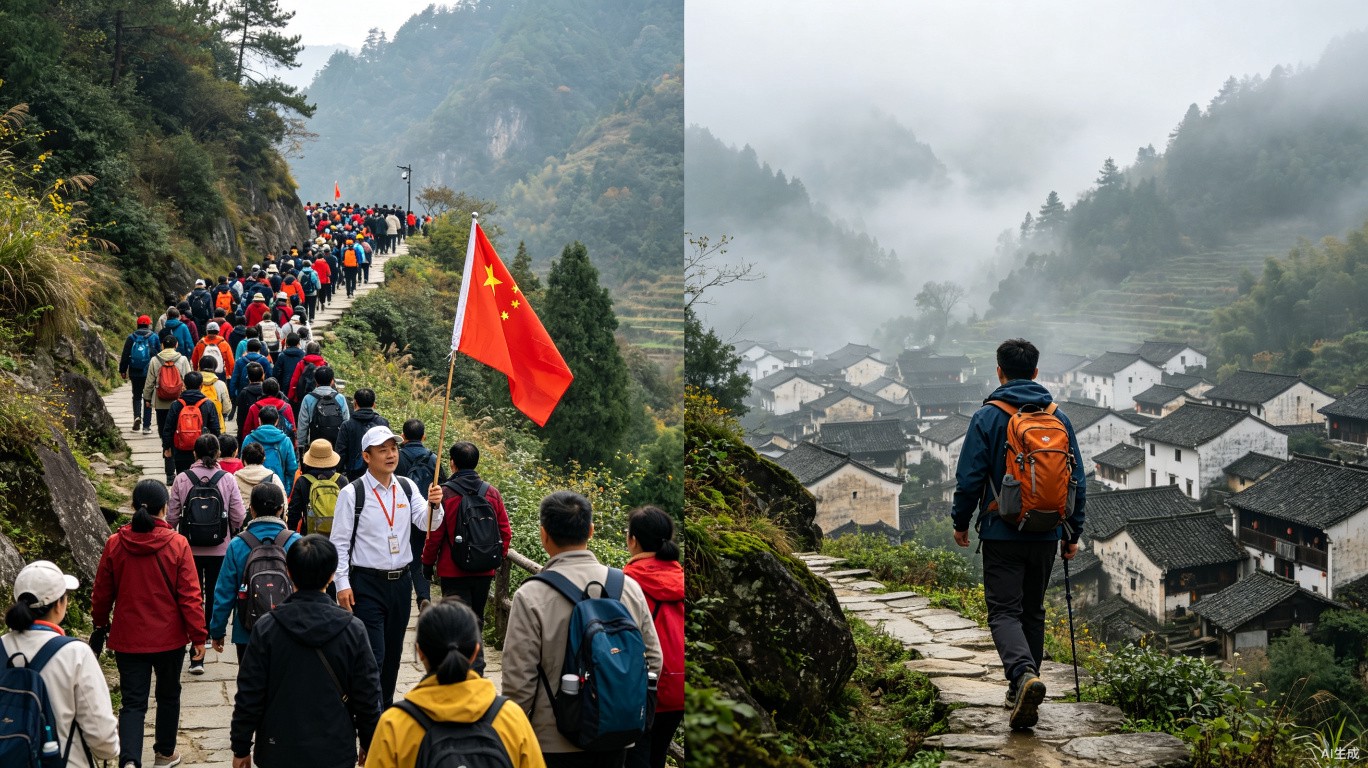
China Group Tours vs Independent Travel Which is Better
Should you join a guided tour or travel independently in China? Honest comparison of cost, flexibility, and experience.
7 min read
China Itinerary Planning: 7-Day 14-Day and 21-Day Routes: The Complete 2026 G...
Not sure how many days to spend in China? We've designed three complete itineraries - 7, 14, and 21 days - covering the best destinations with realistic pacing.
9 min read