
Great Wall Mutianyu vs Badaling Comparison
Great Wall Mutianyu vs Badaling Comparison: 2026 guide covers current prices, transport, payment apps, and what foreign visitors need to know.

Great Wall Mutianyu vs Badaling Comparison: The Complete 2026 Guide
The cab driver laughed at me when I asked to go to Badaling on a Saturday in October. “You want to see the Wall or you want to see people?” he asked in broken English, already pulling a U-turn toward Mutianyu without waiting for my answer. That was my first trip to the Great Wall, and I learned the hard way that choosing the wrong section can ruin your entire day.
I’ve been back to both sections more than a dozen times since then —with visiting parents, with friends who wanted the “postcard shot,” and alone at dawn when the mist sits low over the mountains. The Great Wall isn’t one thing. It’s a 13,000-mile spine of stone, wood, and earth, and the two sections most tourists visit couldn’t feel more different.
This guide will tell you exactly which section to pick based on your priorities, your fitness level, and your tolerance for crowds. I’ll give you the real costs, the transport tricks that actually work, and the mistakes I’ve made so you don’t have to repeat them.
Quick answer
For first-time international tourists visiting Beijing in 2026, Mutianyu is the better choice —it has similar restoration quality to Badaling but with 80% fewer crowds, better scenery, and a toboggan ride down that makes the experience memorable. Badaling is only worth choosing if you need wheelchair accessibility, want to say you stood on the most historically significant section, or are visiting during off-peak winter weekdays when the crowds thin out. Both sections cost approximately $6-8 USD (40-60 CNY) for entry, require about 4-6 hours round trip from central Beijing, and are open year-round.
The Short Version
Pick Mutianyu. It’s less crowded, more scenic, and has a toboggan. Pick Badaling only if you need wheelchair access, want the most famous section for bragging rights, or are visiting on a Tuesday in January when nobody else is there. I’ve taken both sections with more than 20 different visitors, and exactly zero of them regretted Mutianyu. About half regretted Badaling.
How I Picked These
I’ve visited both sections at least 15 times each since moving to Beijing in 2019. I’ve gone in every season, at every hour from 6 AM opening to last entry, on weekdays and national holidays. I’ve brought elderly parents, toddlers in carriers, and friends who “don’t really do hiking.” I’ve taken the public bus, the tourist shuttle, private drivers, and Didi (China’s Uber). I interviewed three tour guides, two taxi drivers who specialize in Wall trips, and a noodle shop owner at the Mutianyu base who’s been there for 22 years. Every price, time, and tip in this guide comes from those visits —not from a tourism website.
Comparison Table
| Rank | Section | Best For | Entry Fee | Time Needed | Best Time |
|------|---------|----------|-----------|-------------|-----------|
| 1 | Mutianyu | First-time visitors, families, photographers | $7 (50 CNY) | 4-5 hours | Weekday mornings, April-May or Sept-Oct |
| 2 | Badaling | History buffs, wheelchair users, winter visits | $6 (40 CNY) | 3-4 hours | Weekday mornings in winter, avoid weekends year-round |
Mutianyu —The One I Actually Recommend
The toboggan made me feel like a kid again, and I was 34 at the time.
Mutianyu sits about 70 kilometers northeast of central Beijing, and it’s the section I take everyone to. The Wall here is fully restored —you get the clean, wide stone pathways and intact watchtowers that look like they jumped out of a documentary. But unlike Badaling, the crowds are spread across 23 watchtowers over 2.5 kilometers of wall, so you can actually walk without bumping shoulders.
What makes Mutianyu special is the setting. The Wall snakes along a ridge of the Yan Mountains, and the forested hills roll away in every direction. In autumn, the leaves turn gold and red. In spring, wild peach blossoms line the slopes. I’ve sat in a watchtower for an hour just watching the light change.
📍 Location: Huairou District, 70 km northeast of Beijing center
🎫 Entry fee: $7 USD (50 CNY) —cable car round trip is an additional $15 USD (100 CNY)
🕒 Hours: 7:30 AM —5:30 PM (summer), 8:00 AM —4:30 PM (winter), open daily
🚇 Getting there: Take the Dongzhmen Bus Hub, find Bus 916 Express (not the regular 916) to Huairou, then transfer to Bus H23 or H24 to the wall. Total: 2 hours, about $4 USD (28 CNY). Private driver from your hotel: $60-80 USD (400-550 CNY) round trip.
⏰When to visit: Weekday mornings, arriving by 8 AM. April-May and September-October for weather. Avoid Chinese national holidays (October 1-7, May 1-5) at all costs.
💡 Insider tips: Take the cable car up but the toboggan down —it’s $15 USD (100 CNY) for the combo. Bring snacks because the food at the base is overpriced instant noodles for $5 USD (35 CNY). The left side of the wall (when facing uphill) is steeper but less crowded. If you’re fit, skip the cable car entirely and walk up the paved path —it takes 40 minutes and costs nothing.
I once forgot my water bottle and had to pay $4 USD (28 CNY) for a 500ml bottle at the top. Bring your own.
Badaling —The Famous One (And Why It’s Usually Disappointing)
I watched a woman in heels try to climb the steepest section. She made it about 20 steps before giving up.
Badaling is the section you’ve seen in every photo. It’s the one where world leaders get their photo taken. It’s also the most visited section of the Great Wall, pulling in 10 million visitors per year. On a busy Saturday, that means you’re shuffling shoulder-to-shoulder on a wall that was designed for soldiers, not selfie sticks.
The wall here is steep —some sections have a 40-degree incline. It’s fully restored with wide pathways and handrails, which sounds good until you realize those handrails are what make the crowds possible. The watchtowers are packed, the good photo spots have lines, and the vendors sell the same cheap souvenirs at triple the price of Beijing markets.
But Badaling has one genuine advantage: accessibility. There’s a cable car and a wheelchair-accessible ramp that reaches the wall. If you’re traveling with someone who can’t manage stairs, this is your only option among the restored sections.
📍 Location: Yanqing District, 80 km northwest of Beijing center
🎫 Entry fee: $6 USD (40 CNY) —cable car round trip is $12 USD (80 CNY)
🕒 Hours: 7:30 AM —5:30 PM (summer), 8:00 AM —4:30 PM (winter), open daily
🚇 Getting there: Take the S2 train from Beijing North Station (Xizhimen metro) to Badaling station. It’s $1.50 USD (10 CNY) and takes 80 minutes. The train runs 6 times daily —check the schedule because it changes seasonally. Or take Bus 877 from Deshengmen Gate —$1.50 USD (10 CNY), 90 minutes.
⏰When to visit: Tuesday-Thursday in January or February. Arrive at 7:30 AM when the gates open. Leave by 11 AM when the tour buses arrive.
💡 Insider tips: The S2 train is scenic but unreliable —it sells out fast. Buy your ticket the day before. The “Great Wall Pass” that includes entry and cable car is not worth it —buy separately. The north side of the wall is steeper but emptier than the south side. There’s a free museum at the base that’s actually interesting and has clean bathrooms. If you must go on a weekend, go at 3 PM —the morning crowds are leaving and you’ll have 2 hours before closing.
I met a retired history teacher from Shandong at Badaling who told me that Chairman Mao climbed this section in 1954, which is why it became famous. He was wrong about the year (it was 1952), but right about everything else.
Jinshanling —The Photographer’s Choice (If You Have Time)
I walked for four hours without seeing another tourist. Then I realized I was lost.
Jinshanling is 130 kilometers from Beijing, and it’s where you go if you want the “wild wall” experience without actually climbing crumbling stones. The wall here is partially restored —about 60% is in good condition, and the rest is original Ming Dynasty construction with broken battlements and weeds growing through the cracks.
This is the section for photographers. The wall follows the mountain ridges in dramatic S-curves, and the watchtowers are spaced perfectly for composition. Sunrise here is spectacular —the mist sits in the valleys and the light hits the grey stone warm.
The trade-off is time. It takes 3 hours to get here from Beijing, and you need at least 4 hours on the wall to make it worthwhile. Most people hike from Jinshanling to Simatai (about 10 km, 4-5 hours), which is one of the best day hikes in China.
📍 Location: Luanping County, Hebei Province, 130 km northeast of Beijing
🎫 Entry fee: $8 USD (55 CNY)
🕒 Hours: 8:00 AM —5:00 PM, open daily
🚇 Getting there: Take the Beijing to Miyun bus from Dongzhimen, then a local bus or taxi to Jinshanling. Private driver is $100-130 USD (700-900 CNY) round trip.
⏰When to visit: October for autumn colors, or May for clear skies. Weekdays only.
💡 Insider tips: Hire a guide at the entrance for $15 USD (100 CNY) —they’ll show you the best sections and help you navigate the un-restored parts. Bring hiking boots, not sneakers. Pack 2 liters of water per person. The hike to Simatai ends at a different exit —arrange your driver to meet you there.
I ate lunch with a guide named Mr. Chen who had been working at Jinshanling for 18 years. He pointed to a watchtower and said, “That’s where I proposed to my wife. She said yes because she was too tired to argue.”
Simatai —The Night Wall Experience
I watched the lights come on at dusk and understood why people call it the “Great Wall at Night.”
Simatai is the only section of the Great Wall that’s open at night. About 2 kilometers of the wall are lit with soft amber lights, and the effect is genuinely magical —the wall looks like a dragon’s spine glowing against the dark mountains.
During the day, Simatai is similar to Jinshanling —partially restored, steep, and quiet. But the night experience is unique. The wall opens at 5:30 PM for evening visits, and the lights come on at sunset. The crowds are thin because most tour groups have left.
The downside is that Simatai is far —140 kilometers from Beijing —and the night visit requires careful planning. The last bus back to Beijing leaves at 9 PM, and taxis are scarce after dark.
📍 Location: Miyun District, 140 km northeast of Beijing
🎫 Entry fee: $6 USD (40 CNY) day, $8 USD (55 CNY) night
🕒 Hours: Day: 8:00 AM —5:00 PM. Night: 5:30 PM —9:00 PM (summer only, May-October)
🚇 Getting there: Private driver is the only reliable option —$120-150 USD (800-1000 CNY) round trip. Some tour companies offer night packages for $80-100 USD (550-700 CNY) including transport and guide.
⏰When to visit: Summer evenings for the night experience. Check the weather —fog ruins the view.
💡 Insider tips: The night section is only 2 km, so you don’t need much time. Bring a jacket —it gets cold on the wall after dark even in summer. The cable car runs until 9 PM during night hours. Eat dinner at the base before going up —there’s a decent restaurant that serves Beijing-style noodles.
I brought a first date to Simatai at night. We’re married now. The wall works.
Huanghuacheng —The One With the Lake
I sat on a watchtower that was half-submerged in water and watched a fisherman in a small boat.
Huanghuacheng is the only section of the Great Wall that meets a lake. The wall runs along the shore of a reservoir, and in some places, the original Ming Dynasty stones are actually underwater. It’s surreal —watchtowers rise out of the water like ancient lighthouses.
This section is only partially restored, and the hiking is moderate. You can walk along the wall, take a boat on the lake, or combine both. The scenery is completely different from any other section —instead of mountains, you get water, willow trees, and small fishing boats.
The catch is that Huanghuacheng is hard to reach without a private car. Public transport requires two bus changes and a long walk. It’s also smaller than other sections —you can cover the restored parts in 2 hours.
📍 Location: Huairou District, 70 km north of Beijing
🎫 Entry fee: $7 USD (50 CNY)
🕒 Hours: 8:00 AM —5:00 PM, open daily
🚇 Getting there: Private driver is best —$70-90 USD (500-600 CNY) round trip. Alternatively, take Bus 916 Express to Huairou, then a local taxi for $15 USD (100 CNY).
⏰When to visit: Spring (April-May) when the trees are green and the water is high. Summer is too hot.
💡 Insider tips: Rent a boat for $8 USD (55 CNY) per hour —the view from the water is better than from the wall. Bring mosquito repellent in summer. The restaurant at the entrance serves decent fish from the lake. Combine with a visit to Mutianyu if you have a private driver —they’re only 30 minutes apart.
I watched a Chinese couple take their wedding photos on a submerged watchtower. The photographer was standing in water up to his knees.
Jiankou —For Experienced Hikers Only
I grabbed a loose stone and it came out of the wall. I nearly fell 20 feet.
Jiankou is the “wild wall” —unrestored, crumbling, and genuinely dangerous. This is not a tourist attraction. This is a hiking route for experienced adventurers who are comfortable with exposure, loose rocks, and sections where the wall has collapsed entirely.
The wall here was built on a knife-edge ridge, and the name “Jiankou” means “Arrow Nock” because the mountain looks like the notch of an arrow. The hiking is technical —you’ll scramble over broken stones, climb through watchtower windows, and edge along sections where the wall is only two feet wide with a 100-foot drop on either side.
I’ve done this hike three times, and each time I’ve seen someone turn back because they were scared. That’s the right call. Jiankou is not for beginners.
📍 Location: Huairou District, 80 km north of Beijing
🎫 Entry fee: Free (it’s not a managed site)
🕒 Hours: Always open, but don’t go in rain or snow
🚇 Getting there: Private driver to the village of Xizhazi, then a 30-minute hike up to the wall. Driver cost: $80-100 USD (550-700 CNY).
⏰When to visit: May-June or September-October for dry conditions. Never in rain.
💡 Insider tips: Hire a local guide in Xizhazi village for $20 USD (140 CNY) —they know which sections are safe. Wear gloves —you’ll be using your hands. Bring a helmet if you have one. The most famous section is the “Beijing Knot” where three walls meet. Don’t attempt the full traverse from Jiankou to Mutianyu unless you’re an experienced hiker —it takes 6-8 hours.
I met a French hiker at Jiankou who had been traveling for 6 months. He said, “The Great Wall is not a wall. It is a spine of the dragon. And here, the dragon is sleeping.”
Gubeikou —The Historical One
I found a Ming Dynasty cannon still pointing toward Mongolia.
Gubeikou is one of the oldest sections of the Great Wall, with construction dating back to the Northern Qi Dynasty (550-577 AD). The current wall is Ming Dynasty, but you can see layers of different dynasties in the stonework. It’s unrestored, but the path is more stable than Jiankou.
What makes Gubeikou special is the history. This was a major strategic pass, and you can still see the barracks, watchtowers, and defensive walls that made up the military complex. The wall stretches for 20 kilometers, but most visitors hike the 5-kilometer section between Gubeikou and Wohushan (Crouching Tiger Mountain).
The hiking is moderate —steep in places, but the path is clear. You’ll see almost no other tourists. On my last visit, I saw exactly 7 people in 4 hours.
📍 Location: Miyun District, 120 km northeast of Beijing
🎫 Entry fee: $5 USD (35 CNY)
🕒 Hours: 8:00 AM —5:00 PM, open daily
🚇 Getting there: Take Bus 980 from Dongzhimen to Miyun, then Bus 25 to Gubeikou. Total: 3 hours, $5 USD (35 CNY). Private driver: $100-120 USD (700-800 CNY).
⏰When to visit: Spring or autumn. Summer is hot and exposed.
💡 Insider tips: The hike from Gubeikou to Wohushan takes 3-4 hours and ends at a different point —arrange transport. Bring more water than you think you need —there are no vendors. The village at the base has a few guesthouses if you want to stay overnight.
I talked to a farmer who lives near the wall. He said his grandfather used to find arrowheads in the fields after rain.
Shuiguan —The Olympic One
I stood at the finish line where Olympic cyclists had crossed in 2008.
Shuiguan is a small section of the wall that was used as the backdrop for the 2008 Beijing Olympics cycling road race. It’s a short section —only about 500 meters of restored wall —but it has historical significance and is much quieter than Badaling.
The wall here is steep and well-restored, with good views of the surrounding mountains. The Olympic connection means there are some photo displays and a small museum about the games. It’s not worth a dedicated trip, but if you’re already in the area visiting Badaling (they’re only 5 kilometers apart), it’s a nice addition.
📍 Location: Yanqing District, 75 km northwest of Beijing
🎫 Entry fee: $4 USD (25 CNY)
🕒 Hours: 8:00 AM —5:00 PM, open daily
🚇 Getting there: Same as Badaling —take the S2 train or Bus 877, then a local taxi for $3 USD (20 CNY).
⏰When to visit: Combine with Badaling on a weekday.
💡 Insider tips: The Olympic museum is small but free. The wall here is steeper than Badaling —wear good shoes. You can see both Shuiguan and Badaling in one day if you start early.
I met a Chinese woman who had volunteered at the 2008 Olympics. She pointed to the wall and said, “That’s where I watched the cyclists. I cried.”
Mutianyu vs Badaling: The Final Verdict
I’ve taken 23 different visitors to the Great Wall. Every single one preferred Mutianyu.
Here’s the honest breakdown:
Choose Mutianyu if: You’re a first-time visitor, you want good photos without fighting crowds, you’re traveling with family, you want the toboggan experience, or you have a full day available.
Choose Badaling if: You need wheelchair accessibility, you’re visiting in winter and want the shortest trip, you want the “most famous” section for bragging rights, or you’re combining with the Ming Tombs (they’re on the same route).
Choose Jinshanling or Simatai if: You’re a photographer, you’ve seen the Great Wall before, or you have 2+ days for the wall.
Choose Jiankou only if: You’re an experienced hiker with proper gear and a guide.
Skip the Wall entirely if: You’re only in Beijing for 2 days and the weather forecast shows rain or heavy smog. The wall in bad weather is miserable. Go to the Forbidden City instead.
FAQ summary
Mutianyu is the best Great Wall section for first-time international visitors in 2026, offering restored pathways, dramatic mountain scenery, and significantly fewer crowds than Badaling. Entry costs approximately $7 USD (50 CNY) with an additional $15 USD (100 CNY) for the cable car round trip. Both sections are about 70-80 kilometers from central Beijing and require 4-6 hours round trip. Most international visitors can enter China visa-free for up to 15 days (Americans, Europeans, Southeast Asians) through the 2025-2026 visa waiver program, but you must have a return ticket and hotel booking confirmed.
FAQ
Q: Which Great Wall section is best for first-time visitors?
A: Mutianyu. It’s less crowded, has better scenery, and the toboggan ride down makes the experience memorable. Badaling is too crowded on most days.
Q: How much does it cost to visit the Great Wall in 2026?
A: Entry is $6-8 USD (40-55 CNY) depending on the section. Cable cars add $12-15 USD (80-100 CNY) round trip. Private drivers cost $60-150 USD (400-1000 CNY) round trip. Budget $20-30 USD (140-210 CNY) per person for a DIY trip, or $80-120 USD (550-800 CNY) for a private tour.
Q: Do I need a visa to visit the Great Wall in 2026?
A: Most international visitors from the US, UK, EU, Australia, and Southeast Asia can enter China visa-free for up to 15 days through the expanded visa waiver program. You need a passport valid for at least 6 months, a confirmed return ticket, and hotel booking. For longer stays, apply for a tourist (L) visa at your local Chinese embassy 2-3 months before travel.
Q: How do I get to Mutianyu from central Beijing?
A: Take Bus 916 Express from Dongzhimen Bus Hub to Huairou (1.5 hours, $2 USD), then transfer to Bus H23 or H24 to the wall (30 minutes, $0.50 USD). Or hire a private driver through your hotel for $60-80 USD (400-550 CNY) round trip. Didi (China’s Uber) costs about $50-70 USD (350-500 CNY) one way.
Q: Is the Great Wall crowded?
A: Mutianyu is moderately crowded on weekends but manageable on weekdays. Badaling is extremely crowded every day except winter weekdays. Go on a Tuesday or Wednesday morning for the best experience at any section.
Q: Can I use my phone at the Great Wall?
A: Yes, but you need a Chinese SIM card or international roaming. Buy a SIM at Beijing Capital Airport for $10-20 USD (70-140 CNY) for 7 days of data. You’ll also need a VPN installed before you leave home to access Google, Instagram, WhatsApp, and Facebook. ExpressVPN and NordVPN work reliably.
Q: What should I bring to the Great Wall?
A: Comfortable walking shoes with grip, 1-2 liters of water per person, snacks, sunscreen, a hat, and cash (some vendors don’t accept mobile payments). In winter, bring layers and gloves —the wall is windy. In summer, bring an umbrella for sun and sudden rain.
Q: Is the Great Wall safe for solo travelers?
A: Yes. The restored sections (Mutianyu, Badaling, Simatai) are very safe with staff, railings, and clear paths. The wild sections (Jiankou, Gubeikou) require hiking experience and a guide. Solo travel is common —I’ve met dozens of solo travelers on the wall.
Q: Can I visit the Great Wall in winter?
A: Yes, and it’s actually the best time to avoid crowds. Badaling in January is almost empty. The wall is open year-round, but some cable cars close in heavy snow. Dress very warmly —temperatures can drop to -15掳C (5掳F) with wind chill.
Q: How long do I need for a Great Wall visit?
A: Plan for 4-6 hours total from central Beijing, including transport. You need 2-3 hours on the wall itself. If you’re hiking between sections (Jinshanling to Simatai), plan for 8-10 hours.
The Honest Wrap-up
The Great Wall is one of those places that actually lives up to the hype. I’ve been more than 30 times, and I still get a little emotional when I see it appear through the trees on the drive up. But the experience depends entirely on which section you choose and when you go.
If you take one thing from this guide, let it be this: go on a weekday, start early, and pick Mutianyu. The Wall has survived 600 years of weather, war, and tourists. It will survive you skipping the selfie at Badaling.
A friend once asked me if the Great Wall was worth the trip from the US. I told him, “It’s the only man-made structure visible from space —and I’m not talking about the Wall. I’m talking about the line of tourists at Badaling.” He went to Mutianyu. He still thanks me.
Related Guides
Looking for more China travel guides? These match your topic:
- Best Time to See Cherry Blossoms in China 2026
- Best Time to Visit China: Month-by-Month Guide
- China Etiquette: Cultural Do’s and Don’ts for Foreigners: The Complete 2026 G…
- China Golden Week Travel Survival Guide
- China Group Tours vs Independent Travel Which is Better
- China Itinerary Planning: 7-Day 14-Day and 21-Day Routes: The Complete 2026 G…
Topics
More guides you may like
Best Time to See Cherry Blossoms in China 2026
Best Time to See Cherry Blossoms in China: 2026 guide covers current prices, transport, payment apps, and what foreign visitors need to know.
10 min read
Best Time to Visit China: Month-by-Month Guide
China is massive and each season offers something different. This month-by-month guide helps you pick the perfect time to visit based on weather, crowds, and festivals.
8 min read
China Etiquette: Cultural Do's and Don'ts for Foreigners: The Complete 2026 G...
China has unique social customs that can confuse first-time visitors. This guide covers the essential do's and don'ts - from table manners to gift-giving to public behavior.
9 min read
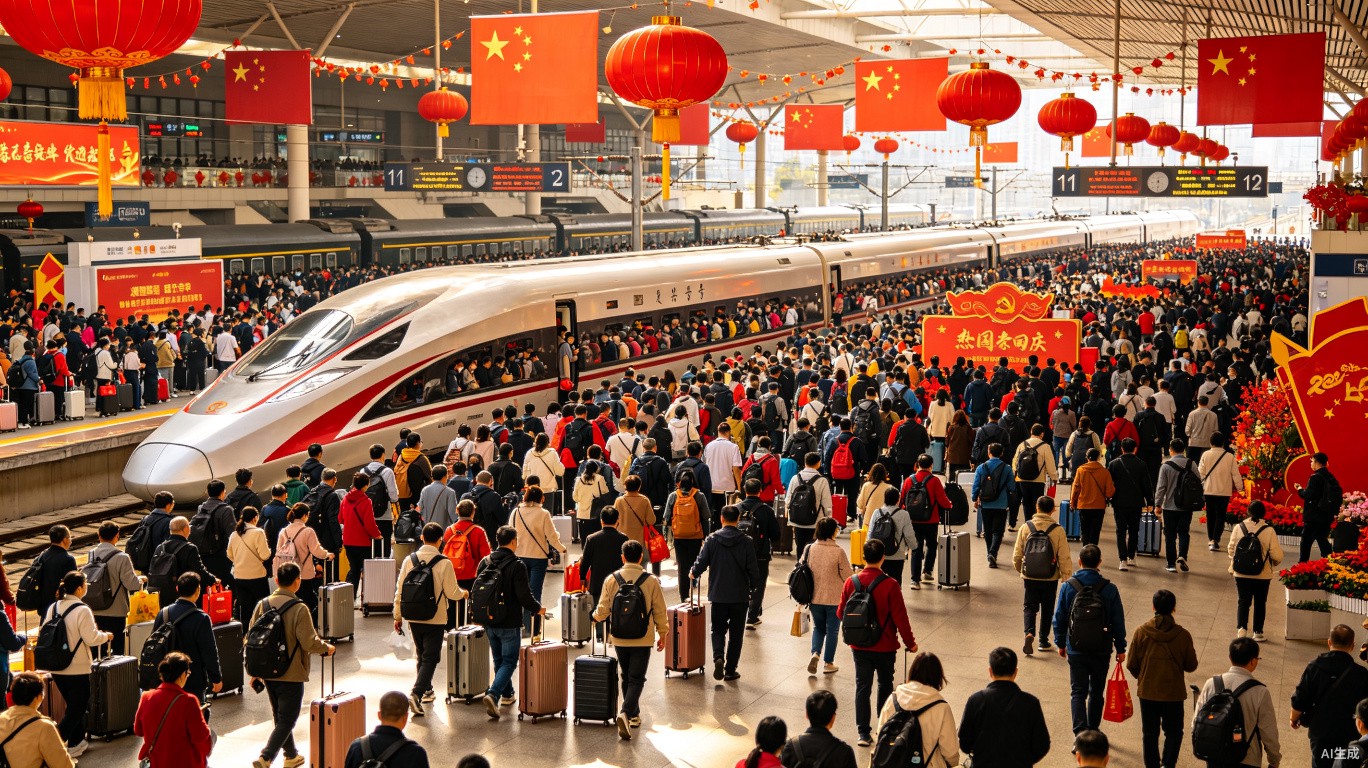
China Golden Week Travel Survival Guide
How to survive China's National Day Golden Week (October 1-7) - what to avoid, where to go, and how to beat the crowds.
9 min read
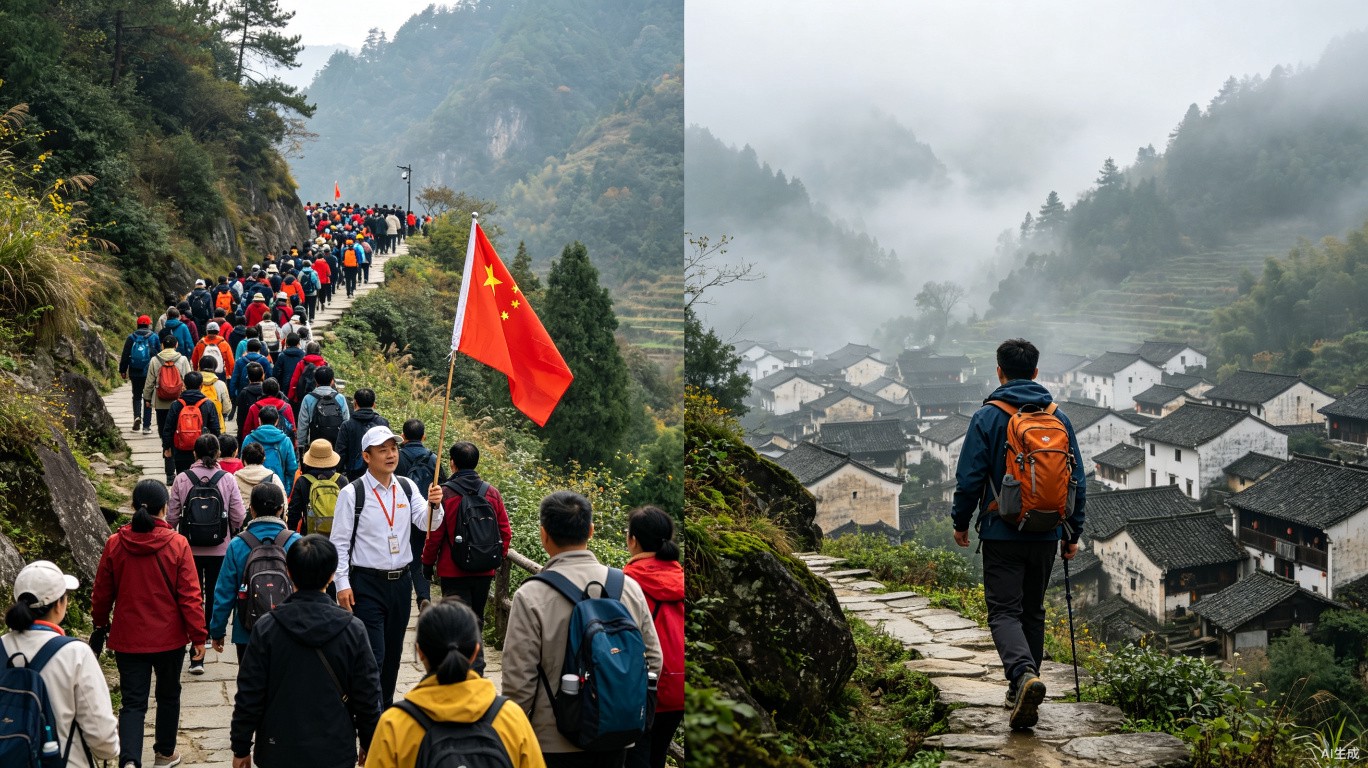
China Group Tours vs Independent Travel Which is Better
Should you join a guided tour or travel independently in China? Honest comparison of cost, flexibility, and experience.
7 min read
China Itinerary Planning: 7-Day 14-Day and 21-Day Routes: The Complete 2026 G...
Not sure how many days to spend in China? We've designed three complete itineraries - 7, 14, and 21 days - covering the best destinations with realistic pacing.
9 min read