
Hong Kong Macau 5 Day Itinerary
Hong Kong Macau 5 Day Itinerary: 2026 guide covers current prices, transport, payment apps, and what foreign visitors need to know.
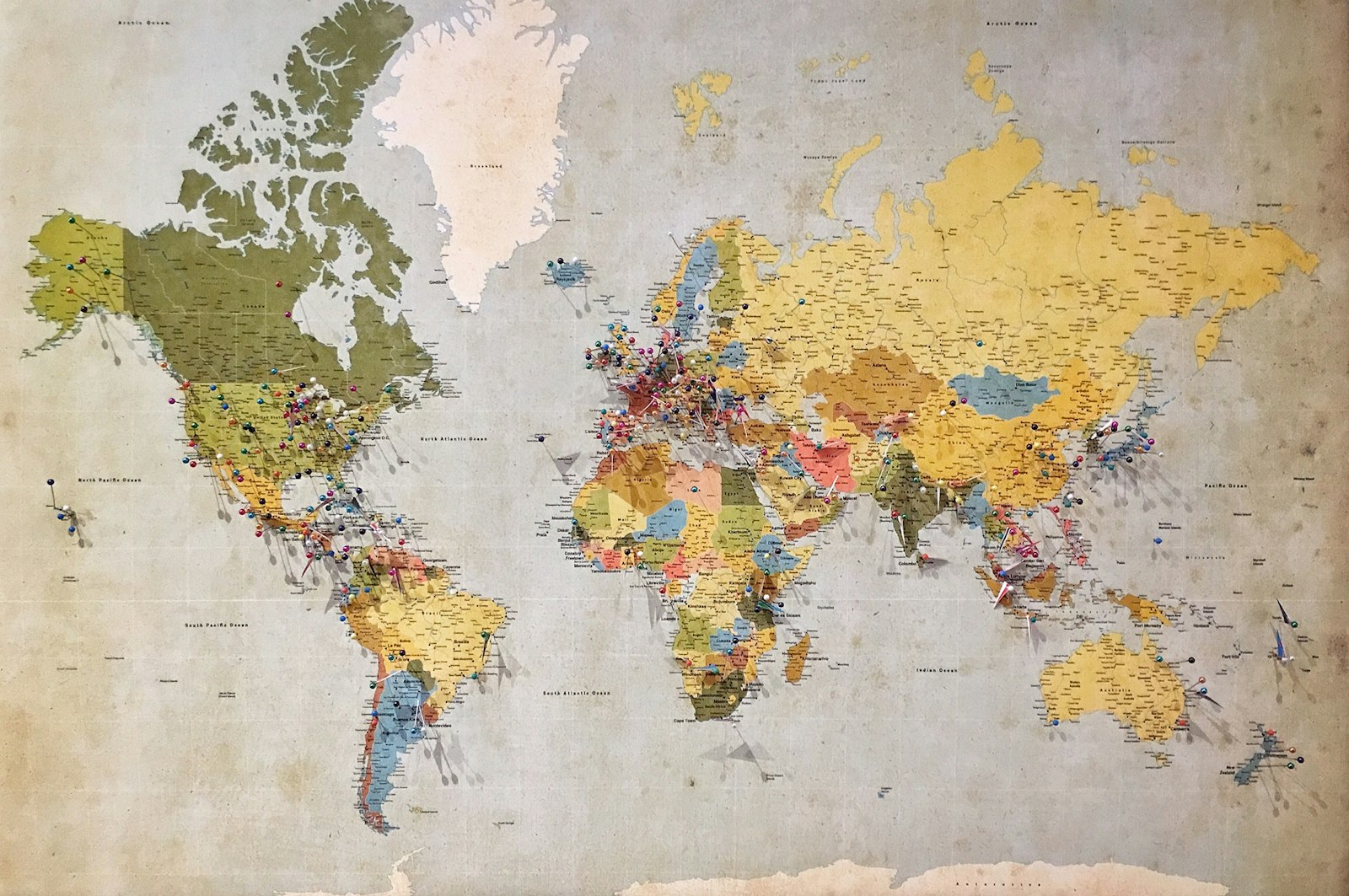
The cab driver laughed at me when I asked if I could see both Hong Kong and Macau in five days. He had that particular Hong Kong taxi driver energy —world-weary, efficient, and absolutely certain he knew better than me. “You can see them,” he said, switching to English for emphasis, “but you won’t see them.” He wasn’t wrong. But here’s the thing: if you plan it right, five days is enough to get the real taste of both cities —the neon chaos of Kowloon, the colonial stillness of Macau’s old town, a ferry ride that feels like a time machine between two worlds that somehow share the same sky.
I’ve done this route six times now, for friends, for family, and once just to prove to myself I could eat my way through both territories without touching a single tourist menu. This guide is what I wish someone had handed me before my first trip. It’s specific, it’s opinionated, and it will save you from the mistakes I made.
Quick answer
Yes, you can visit both Hong Kong and Macau in 5 days, but you need a tight schedule and one night in Macau to avoid backtracking. Most US, UK, and EU passport holders do not need a visa for either territory for stays under 30 days. Expect to spend roughly $600-$900 per person (excluding flights) for mid-range hotels, meals, ferries, and attractions. The best season is October to December, when humidity drops and skies clear.
The Short Version
Skip the Peak Tram —it’s a tourist trap with hour-long queues. Take a minibus to Victoria Peak instead. Spend exactly one day in Macau —the casinos are soulless, but the Portuguese quarter is genuinely beautiful. Eat at dai pai dong (street stalls) in Hong Kong, not the mall food courts. And for the love of everything, book your ferry tickets online three days in advance, or you’ll be stuck on a 7pm boat with a bunch of drunk businessmen.
How I Picked These
I’ve lived in Beijing for seven years, and I’ve traveled to Hong Kong and Macau more times than I can count. Some of these trips were solo research missions where I deliberately took the wrong turns. Others were dragging jet-lagged friends through the humidity. I talked to taxi drivers, hostel receptionists, a Portuguese-Macanese grandmother who ran a egg tart stall, and a ferry captain who let me stand on the bridge for five minutes. I also spent a full day in each city just walking without a map. The entries below are the places that survived that test —the ones I’d go back to even if nobody paid me to write about them.
Comparison Table
| Rank | Place | Best For | Approx Cost (USD) | Time Needed | When to Go |
|------|-------|----------|-------------------|-------------|------------|
| 1 | Victoria Peak (Hong Kong) | Skyline views | Free (bus $2) / Tram $12 | 2-3 hours | Late afternoon to sunset |
| 2 | Ruins of St. Paul’s (Macau) | History & photos | Free | 1 hour | Early morning (7am) |
| 3 | Temple Street Night Market (Hong Kong) | Street food & chaos | $5-15 for food | 2 hours | Evening (7-10pm) |
| 4 | Senado Square (Macau) | Portuguese architecture | Free | 1.5 hours | Late afternoon for golden light |
| 5 | Nan Lian Garden (Hong Kong) | Quiet escape from city | Free | 1.5 hours | Weekday mornings |
| 6 | Macau Tower | Bungee jump / views | $20 entry / $300 bungee | 2 hours | Clear day, midday |
| 7 | Man Mo Temple (Hong Kong) | Incense & old Hong Kong | Free | 30-45 min | Morning (opens 8am) |
| 8 | A-Ma Temple (Macau) | Oldest temple in Macau | Free | 45 min | Early morning |
| 9 | Star Ferry (Hong Kong) | Iconic harbor crossing | $0.50 | 10 min crossing | Sunset or night |
| 10 | Coloane Village (Macau) | Quiet Portuguese village | Free | 2-3 hours | Weekend afternoon |
Victoria Peak —The View That Makes You Forget the Crowds
I sat on the cold stone wall near the Peak Lookout for forty minutes, just watching the light change. The city below looked like a circuit board someone had spilled gold paint on. The tram had been a mistake —I waited 50 minutes in a line that snaked around three switchbacks. But the view? Worth every second of that wait.
The Peak is Hong Kong’s most famous viewpoint for a reason. The skyline punches up from the harbor like it’s trying to escape the earth. On a clear day, you can see all the way to the outlying islands. But here’s the thing nobody tells you: the best view isn’t from the Sky Terrace (which costs money and is always packed). It’s from the free walking trail that circles the peak. Takes about 40 minutes, and you get different angles the whole way.
📍 Central, Hong Kong Island —the peak itself is a neighborhood, not just a viewpoint
🎫 Free to walk the trail; Sky Terrace 118 is $12 (HKD 90) for adults
🕒 Peak Tram runs 7am-midnight; Sky Terrace 10am-11pm (opens 9am weekends)
🚇 Take bus 15 from Central Ferry Pier 8 (Exit A, Exchange Square) —$2.50, 35 minutes, way less queue than the tram. Or walk up from the Central-Mid-Levels escalator if you hate yourself.
⏰Late afternoon (4pm) to catch sunset. Weekdays are quieter. Avoid Saturday evenings.
💡 Insider tips: (1) The tram queue looks shorter than it is —it moves slow. (2) Bring a light jacket even in summer —the peak is windy. (3) The Peak Galleria mall has free air conditioning and clean bathrooms. (4) Don’t eat at the restaurants up here —overpriced and mediocre. (5) If it’s foggy, skip it entirely —you’ll see nothing but gray.
I met a retired British expat named Michael who’s been hiking the Peak trail every morning for 22 years. He pointed out his apartment building and said, “I still can’t believe I live here.”
Ruins of St. Paul’s —Macau’s Most Photographed Wall
The first time I saw it, I thought it was a movie set. A stone church facade standing alone against the sky, like someone forgot to build the rest of the building. The second time, I noticed the details —the carved Chinese characters hidden in the Christian iconography, the way the stone had been worn smooth by millions of hands. It’s a monument to Macau’s weird, beautiful history: Portuguese colonizers and Chinese merchants, Catholicism and ancestor worship, all carved into the same wall.
The Ruins are the most visited spot in Macau, and they deserve the attention. The facade is all that remains of a 17th-century Jesuit church that burned down in 1835. But the real magic is what’s behind it: the Museo de Arte Sacra (Museum of Sacred Art) in the crypt, which has a small but haunting collection of religious artifacts and a view of the city through the ruined window frames.
📍 Macau Peninsula, near the center of the historic district
🎫 Free —the museum is also free
🕒 The ruins are open 24/7 (it’s a public square). The museum is 9am-6pm, closed Tuesdays.
🚇 From the Macau Ferry Terminal, take bus 3 or 3X to “St. Paul’s” stop. Or walk 15 minutes through Senado Square —follow the crowd.
⏰Go at 7am. I’m serious. By 9am, it’s shoulder-to-shoulder with selfie sticks. At 7am, you’ll share it with a few elderly locals doing tai chi.
💡 Insider tips: (1) The best photo angle is from the small hill to the right, not straight on. (2) Don’t buy souvenirs from the stalls right in front —they’re marked up 200%. (3) The narrow street to the left (Rua da Tercena) has the best egg tarts in Macau —look for the shop with the line. (4) There’s a small hidden garden behind the museum with a great view.
I watched a Portuguese tourist cry when she saw it. She told me her grandmother had been baptized in the original church. I believed her.
Temple Street Night Market —Where Hong Kong Eats After Dark
The air smells like frying garlic, diesel exhaust, and something sweet I’ve never been able to identify. A man is selling watches that will break in three days. Next to him, another man is grilling squid on a stick. A fortune teller with a caged bird is reading someone’s future. This is Temple Street at 9pm, and it’s the most Hong Kong thing I’ve ever experienced.
This market is not for shopping —the goods are cheap knockoffs and you’ll regret buying them. It’s for the food, the noise, the chaos. The dai pai dong (street food stalls) here are legendary. Try the curry fish balls (spicy, bouncy, addictive), the stir-fried clams in black bean sauce, and the fried oyster omelette (it’s a texture thing —you’ll either love it or hate it).
📍 Jordan, Kowloon —runs along Temple Street between Jordan Road and Kansu Street
🎫 Free to enter; food costs $3-10 per dish (HKD 25-80)
🕒 6pm to 11pm daily, though some stalls start closing by 10pm
🚇 MTR Jordan Station, Exit A. Walk two blocks east. You’ll smell it before you see it.
⏰Go on a weeknight —weekends are packed with tourists and the prices go up. Best time is 8pm.
💡 Insider tips: (1) Sit at the stalls that have the most locals, not the most tourists. (2) Bring cash —some stalls take Octopus card but not all. (3) The fortune tellers are legitimately entertaining even if you don’t believe in it —$10 for a 5-minute reading. (4) Don’t eat the seafood that’s been sitting out —order it fresh from the tank. (5) There’s a public bathroom behind the Tin Hau Temple, but bring your own toilet paper.
I ate a bowl of wonton noodles so good I went back the next night. The old woman who made it didn’t speak English, but she smiled when I gave her a thumbs up.
Senado Square —Lisbon, But Make It Asian
The cobblestones are laid in waves, black and white, like the ocean froze mid-motion. The pastel-colored buildings have green shutters and wrought-iron balconies. A church bell rings in the distance. For a moment, you forget you’re in China. Then you smell the egg tarts and hear Cantonese being shouted from a pharmacy, and you remember: this is Macau, and nowhere else is like this.
Senado Square (Largo do Senado) is the heart of Macau’s historic center, a UNESCO World Heritage site that looks like it was transplanted from Lisbon and then slowly absorbed Chinese influences over 400 years. It’s a pedestrian square, which means you can just sit on the benches and watch the world go by. The buildings house everything from luxury watch stores to traditional Chinese medicine shops.
馃搿 Macau Peninsula, the center of the historic district
🎫 Free —it’s a public square
🕒 Always open, but the shops are 10am-10pm
🚇 From the Macau Ferry Terminal, take bus 3 to “Senado Square” stop. Or walk 20 minutes through the historic district.
⏰Late afternoon (4-5pm) for the golden light on the buildings. Weekdays are quieter.
💡 Insider tips: (1) The Leal Senado building (the municipal council) has a beautiful inner garden that most tourists miss —free entry. (2) The best egg tarts are at Lord Stow’s Bakery, a 5-minute walk away. (3) There’s a small Catholic church (St. Dominic’s) at the north end with a free museum of sacred art. (4) The square gets crowded with tour groups between 11am and 3pm —avoid those hours.
I sat next to a Portuguese-Macanese woman named Maria who was feeding pigeons. She told me her family had been in Macau since 1850. “We’re not Portuguese anymore,” she said. “We’re not Chinese either. We’re something else.”
Nan Lian Garden —The Quietest Place in Hong Kong
I needed a break from the noise. Hong Kong is loud —the MTR announcements, the construction, the constant beeping of trams. Nan Lian Garden is the opposite. It’s a Tang Dynasty-style garden in the middle of Kowloon, and the moment you step through the gate, the city disappears. The only sounds are water trickling over rocks and birds you can actually hear.
This garden was built in 2006, which sounds fake, but it’s designed with such precision that it feels ancient. The rocks are placed according to feng shui principles. The pine trees are pruned into perfect shapes. There’s a wooden pavilion where you can sit and watch koi fish swim in circles. It’s not a “must-see” in the tourist sense —it’s a “must-feel” for anyone who’s been overwhelmed by the city.
📍 Diamond Hill, Kowloon —adjacent to the Chi Lin Nunnery
🎫 Free
🕒 7am to 9pm daily (the nunnery closes at 6pm)
🚇 MTR Diamond Hill Station, Exit C2. Walk 5 minutes east. You’ll see the wooden gate.
⏰Weekday mornings (9-11am) are the quietest. Sundays are surprisingly peaceful too.
💡 Insider tips: (1) The vegetarian restaurant inside (Chi Lin Vegetarian) is excellent —$15 for a set lunch. (2) No photography allowed in the nunnery itself, but the garden is fine. (3) There’s a small teahouse where you can try traditional Chinese tea ceremony —$8 per person. (4) The garden connects to the nunnery through a covered walkway —don’t miss it.
I saw a businessman in a suit sitting on a bench, crying silently. Nobody bothered him. That’s the kind of place this is.
Macau Tower —For People Who Like Their Views With Adrenaline
I stood at the edge of the observation deck, looking down at the city 400 meters below. My legs felt like jelly. A man in a jumpsuit walked past me, clipped a cable to his harness, and stepped off the platform. He fell for five seconds before the bungee cord caught him. I watched him bounce three times before they lowered him to the ground. Then I went back inside and ordered a coffee.
The Macau Tower is not subtle. It’s a 338-meter tower with an observation deck, a revolving restaurant, and the world’s second-highest bungee jump (233 meters). If you’re an adrenaline junkie, this is your place. If you’re not, the observation deck still offers a spectacular 360-degree view of Macau, including the casinos, the Pearl River Delta, and on clear days, the Hong Kong skyline in the distance.
📍 Macau Peninsula, near the Outer Harbour Ferry Terminal
🎫 Observation deck: $20 (MOP 160). Bungee jump: $300 (MOP 2,488). Skywalk (walk around the rim): $100 (MOP 888).
🕒 10am to 9pm daily (last entry 8pm)
🚇 From the Macau Ferry Terminal, take the free shuttle bus to the tower (runs every 30 minutes). Or take bus 9A from Senado Square.
⏰Go on a clear day —check the weather forecast. Midday is best for visibility. Weekdays are less crowded.
💡 Insider tips: (1) Book the bungee jump online at least 3 days in advance —it sells out. (2) The observation deck has glass floors —not for the faint of heart. (3) The revolving restaurant is overpriced —skip it and eat at the food court downstairs. (4) Bring a jacket —it’s windy and cold up there.
I watched a 70-year-old Japanese woman do the bungee jump. She screamed the whole way down. Then she laughed for ten minutes straight.
Man Mo Temple —Incense, Smoke, and Old Hong Kong
The first thing you notice is the smell. Thick coils of incense hang from the ceiling, burning slowly, filling the temple with a sweet, woody smoke that clings to your clothes for hours. The second thing you notice is the silence. The temple is on Hollywood Road, one of the busiest streets in Central, but inside, the city fades to a distant hum.
Man Mo Temple is one of the oldest temples in Hong Kong, built in 1847. It’s dedicated to Man (the god of literature) and Mo (the god of war). The interior is dark and atmospheric, with giant incense coils that can burn for weeks. The statues are gilded and imposing. It’s small —you can see everything in 20 minutes —but it’s one of the few places in Hong Kong that feels genuinely old.
📍 Sheung Wan, Hong Kong Island —on Hollywood Road
🎫 Free (donations welcome)
🕒 8am to 6pm daily
🚇 MTR Sheung Wan Station, Exit A2. Walk up the hill on Hollywood Road for 10 minutes. You’ll see the red sign.
⏰Morning (8-10am) is the quietest. The incense smoke is thickest in the afternoon.
💡 Insider tips: (1) Don’t touch the incense coils —they’re sacred. (2) You can buy a small bundle of incense for $1 and make a wish. (3) The temple is surrounded by antique shops on Hollywood Road —worth browsing. (4) There’s a small side altar dedicated to the goddess of mercy —easy to miss.
I watched a young woman light incense and bow three times, her eyes closed. She was crying. I don’t know what she was praying for, but I hope she got it.
A-Ma Temple —Where Macau Got Its Name
According to legend, a goddess named A-Ma appeared to some fishermen on a junk boat, and the bay where she landed was named “A-Ma Gau” (Bay of A-Ma). The Portuguese heard it as “Macau.” That’s how the city got its name. The temple built in her honor is the oldest in Macau, dating back to 1488, and it’s still active today.
The temple complex is built into a hillside, with multiple pavilions connected by stone staircases. The incense smoke mixes with the sea breeze. The views of the harbor are beautiful. It’s less crowded than St. Paul’s, and in some ways, more authentic —this is where locals actually come to pray, not just take photos.
馃搿 Macau Peninsula, near the southern tip
🎫 Free
🕒 7am to 6pm daily
🚇 From Senado Square, walk south for 15 minutes along the waterfront. Or take bus 1, 2, or 5 to “A-Ma Temple” stop.
⏰Early morning (7-8am) to see the morning prayers. Weekdays are quiet.
💡 Insider tips: (1) The temple is divided into four sections —don’t miss the top pavilion with the harbor view. (2) There’s a small fortune-telling stall near the entrance —$5 for a reading. (3) The temple is next to the Maritime Museum (worth a visit if you have time). (4) Wear comfortable shoes —lots of stairs.
I met an old man who had been coming to this temple every morning for 40 years. He showed me how to light the incense properly. “Three sticks,” he said. “One for heaven, one for earth, one for your ancestors.”
Star Ferry —The Best 50 Cents You’ll Ever Spend
The boat smells like diesel and salt water. The wooden benches are worn smooth by a century of passengers. The engine vibrates through the floor. And then you step out onto the deck, and the Hong Kong skyline unfolds in front of you like a postcard come to life. The Star Ferry is not a tourist attraction. It’s a working ferry that’s been crossing Victoria Harbour since 1888. And it costs less than a dollar.
The ferry connects Tsim Sha Tsui (Kowloon) to Central and Wan Chai (Hong Kong Island). The ride takes 10 minutes. The upper deck costs $0.50 (HKD 4), the lower deck costs $0.40 (HKD 3.20). It’s the cheapest way to see the skyline, and arguably the best. The view from the water is different from the view from the Peak —closer, more intimate, more alive.
馃搿 Crosses Victoria Harbour between Tsim Sha Tsui and Central/Wan Chai
🎫 $0.50 (HKD 4) upper deck, $0.40 (HKD 3.20) lower deck
🕒 6:30am to 11:30pm daily, every 6-12 minutes
🚇 Tsim Sha Tsui Ferry Pier: MTR Tsim Sha Tsui Station, Exit E, walk 10 minutes to the waterfront. Central Ferry Pier: MTR Central Station, Exit A, walk 5 minutes.
⏰Sunset (5:30-6:30pm depending on season) for the best light. Night rides are also beautiful with the city lights.
💡 Insider tips: (1) Sit on the right side (going from Tsim Sha Tsui to Central) for the best skyline view. (2) Use Octopus card for quick boarding. (3) The upper deck is worth the extra 10 cents —better view and less crowded. (4) Avoid the 6pm rush hour —it’s packed with commuters.
I took the ferry at midnight once, after a long night of eating. The city was still glowing. A group of teenagers were singing on the deck. The ferryman didn’t care.
Coloane Village —Macau’s Best-Kept Secret
Most tourists never make it to Coloane. They stay on the Macau Peninsula or shuffle between the Cotai Strip casinos. That’s their loss. Coloane is a village on the southern island of Macau, and it feels like a different country. Pastel-colored Portuguese houses line narrow streets. A small beach (Hac Sa Beach) has black sand. The air smells like salt and baking bread.
The main attraction is the village itself —just walking around, getting lost, finding little alleys with laundry hanging from windows. There’s a small temple (Tam Kong Temple) dedicated to the god of fishermen. And there’s Lord Stow’s Bakery, the original location, where the egg tart was supposedly invented. The line is shorter here than in the city.
馃搿 Coloane Island, Macau —about 30 minutes from the Macau Peninsula
🎫 Free to explore; egg tarts $2 each (MOP 15)
🕒 The village is always open; shops are 10am-7pm
🚇 From the Macau Ferry Terminal, take bus 25 or 26A to “Coloane Village” stop. Or take a taxi ($15-20).
⏰Weekend afternoons are lively but not crowded. Weekdays are very quiet.
💡 Insider tips: (1) The egg tarts at Lord Stow’s are best eaten fresh —wait the 5 minutes for a hot batch. (2) Hac Sa Beach is not great for swimming (the water is murky) but good for a walk. (3) There’s a hiking trail (Coloane Trail) that takes you to a lighthouse with great views. (4) The Portuguese restaurant “Espaço Lisboa” has authentic bacalhau (salt cod).
I sat on a bench near the Tam Kong Temple, eating an egg tart that was still warm. A stray cat came and sat next to me. We shared the moment in silence.
FAQ summary
Hong Kong and Macau are separate Special Administrative Regions of China, each with their own immigration policies. Most Western passport holders (US, UK, EU, Australia, Canada) do not need a visa for stays under 30 days in either territory. The ferry between Hong Kong and Macau takes about 1 hour and costs $25-40 each way. The best time to visit is October to December for comfortable weather. You’ll need a power adapter (Type G, same as UK), and while English is widely spoken in Hong Kong, a translation app helps in Macau. WeChat Pay and Alipay are accepted almost everywhere, but carry some cash for street stalls.
FAQ
Q: Do I need a visa for Hong Kong and Macau?
A: Most US, UK, EU, Australian, and Canadian passport holders do not need a visa for stays under 30 days in either territory. If you’re traveling from mainland China, you’ll need both a Chinese visa and separate permits for Hong Kong and Macau.
Q: How do I get from Hong Kong to Macau?
A: The fastest way is the TurboJET or Cotai Water Jet ferry from the Hong Kong-Macau Ferry Terminal in Sheung Wan. It takes about 1 hour and costs $25-40 (HKD 200-320) each way. Book online 3 days in advance. There’s also the Hong Kong-Zhuhai-Macau Bridge bus (45 minutes, $10), but it’s less convenient for first-time visitors.
What currency do I need?
Hong Kong uses Hong Kong Dollars (HKD). Macau uses Macanese Pataca (MOP), but Hong Kong Dollars are accepted everywhere in Macau at a 1:1 rate (you’ll get change in MOP). Credit cards are widely accepted in hotels and restaurants, but street stalls and small shops prefer cash.
Is English widely spoken?
In Hong Kong, yes —most signs are bilingual, and English is common in hotels, restaurants, and transport. In Macau, less so —especially outside the tourist areas. Download Google Translate or Pleco before you go. You’ll also need a VPN if you want to access Google, WhatsApp, or social media in mainland China (but not in Hong Kong or Macau —they have their own internet).
What’s the best time of year to visit?
October to December is ideal —temperatures are 60-75掳F (15-24掳C), humidity is low, and skies are clear. Summer (June-August) is hot, humid, and rainy. Winter (January-February) is cool but pleasant. Typhoon season is June to October —check the forecast.
How do I get around Hong Kong and Macau?
Hong Kong has an excellent MTR subway system (use Octopus card). Macau is walkable in the historic center, but use buses or taxis for longer distances. Both cities have Uber-like apps: HK Taxi in Hong Kong, Macau Taxi in Macau.
What should I pack?
Comfortable walking shoes (you’ll do 15,000+ steps a day), a light jacket (for air conditioning and wind), an umbrella (sudden rain), a power adapter (Type G, UK-style), and a reusable water bottle (tap water is safe in Hong Kong, not in Macau).
The Honest Wrap-up
This itinerary is for people who want to see both cities without rushing themselves into a panic. It’s not for luxury travelers who want to stay in the Mandarin Oriental and never leave —you’ll be on your feet, eating street food, and taking public transport. It’s also not for people who want to gamble —I’ve included Macau’s casinos in the “skip” category because they’re all the same: gaudy, smoky, and designed to separate you from your money.
If I had one piece of advice for a friend about to book this trip, it would be this: slow down. Don’t try to see everything. Pick three things a day and do them well. Sit in a park for an hour. Eat something you can’t pronounce. Get lost on purpose. The best moments in Hong Kong and Macau aren’t on any itinerary —they’re the ones you stumble into when you stop looking at your phone.
Related Guides
Looking for more China travel guides? These match your topic:
- Best Time to See Cherry Blossoms in China 2026
- Best Time to Visit China: Month-by-Month Guide
- China Etiquette: Cultural Do’s and Don’ts for Foreigners: The Complete 2026 G…
- China Golden Week Travel Survival Guide
- China Group Tours vs Independent Travel Which is Better
- China Itinerary Planning: 7-Day 14-Day and 21-Day Routes: The Complete 2026 G…
Topics
More guides you may like
Best Time to See Cherry Blossoms in China 2026
Best Time to See Cherry Blossoms in China: 2026 guide covers current prices, transport, payment apps, and what foreign visitors need to know.
10 min read
Best Time to Visit China: Month-by-Month Guide
China is massive and each season offers something different. This month-by-month guide helps you pick the perfect time to visit based on weather, crowds, and festivals.
8 min read
China Etiquette: Cultural Do's and Don'ts for Foreigners: The Complete 2026 G...
China has unique social customs that can confuse first-time visitors. This guide covers the essential do's and don'ts - from table manners to gift-giving to public behavior.
9 min read
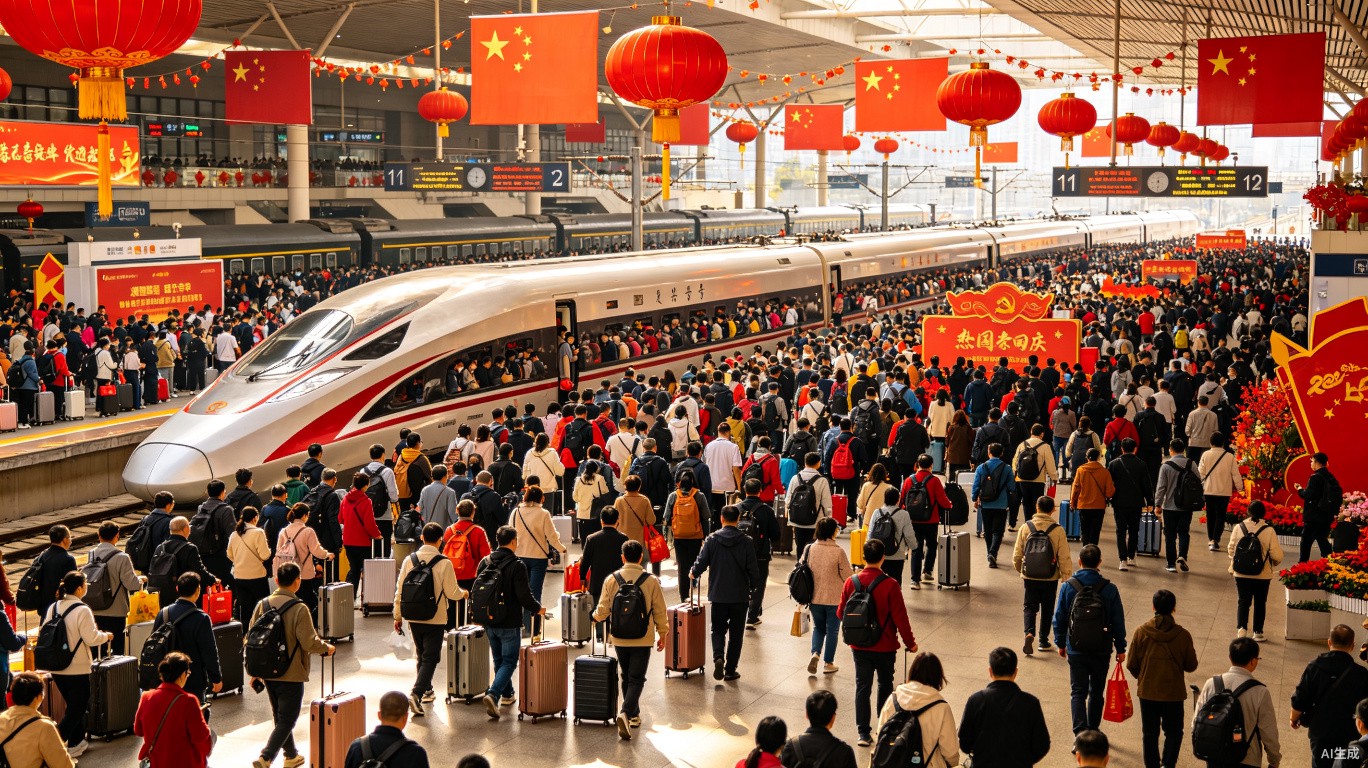
China Golden Week Travel Survival Guide
How to survive China's National Day Golden Week (October 1-7) - what to avoid, where to go, and how to beat the crowds.
9 min read
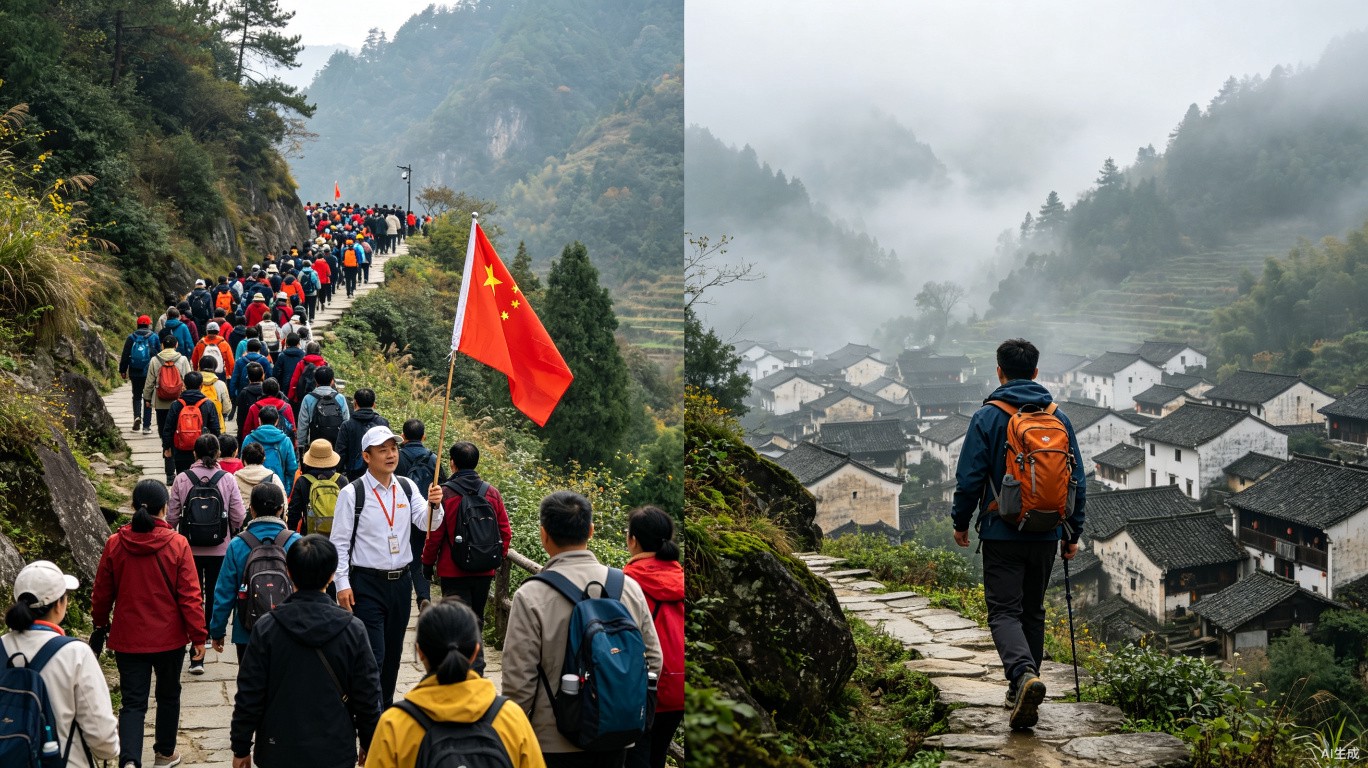
China Group Tours vs Independent Travel Which is Better
Should you join a guided tour or travel independently in China? Honest comparison of cost, flexibility, and experience.
7 min read
China Itinerary Planning: 7-Day 14-Day and 21-Day Routes: The Complete 2026 G...
Not sure how many days to spend in China? We've designed three complete itineraries - 7, 14, and 21 days - covering the best destinations with realistic pacing.
9 min read