
Harbin Ice and Snow Festival Winter Guide
Harbin Ice and Snow Festival Winter Guide: 2026 guide covers current prices, transport, payment apps, and what foreign visitors need to know.
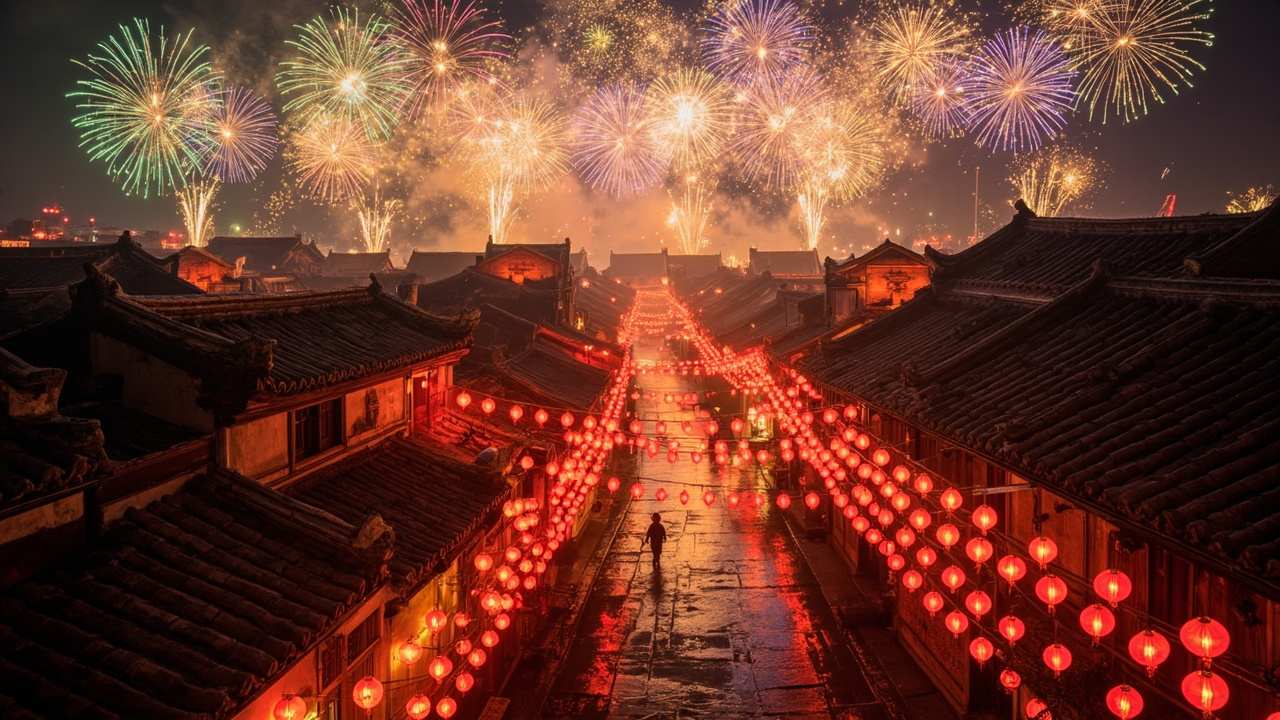
The cab driver, a man named Lao Zhang who smelled faintly of cigarette smoke and dried tangerine peel, laughed when I told him I was going to Harbin for the Ice Festival. “You will freeze,” he said, not as a warning, but as a simple statement of fact. He was right. I stepped out of the warm car into air so cold it felt like a physical wall. My nostrils froze together on the first inhale. But then I turned a corner, and the entire city was glowing. Not with streetlights, but with castles, cathedrals, and dragons carved entirely from blocks of ice, lit from within by a thousand colored LEDs. It looked like a city from another planet.
This guide is for the first-time international traveler who wants to brave the cold and see one of the world’s most surreal winter spectacles. I’ve been to Harbin four times over the past seven years, including two trips in January 2025 and one in February 2026. I’ve made the mistakes—wearing the wrong shoes, missing the last bus to the snow sculpture park, paying 200 RMB for a hot chocolate that was basically warm milk. This guide will save you from those mistakes. It will tell you exactly what to wear, where to go, how to get there, and what to skip. No fluff. Just the cold, hard truth.
Quick answer
The Harbin International Ice and Snow Festival runs from early January to late February 2026, with the main Ice and Snow World park costing approximately $35 (250 RMB) for entry. Most international visitors from 54 countries, including the US, UK, Canada, and Australia, can enter China visa-free for up to 15 days through December 31, 2025, with this policy expected to extend into 2026. The absolute best time to visit is the second week of January, when the ice sculptures are freshly completed and the crowds from Chinese New Year haven’t yet arrived.
The Short Version
If you only have 90 seconds: Harbin is cold. Not “wear a jacket” cold. “Your phone battery dies in 20 minutes” cold. You need thermal underwear, a down jacket rated for -30掳C, insulated boots, and hand warmers. The main event is Ice and Snow World (the ice castle park) and Sun Island (the snow sculpture expo). They are separate parks with separate tickets. Book your hotel near Central Street (Zhongyang Dajie). Bring cash for small vendors. And for the love of everything, do not skip the Russian dumplings at Huamei Restaurant.
How I Picked These
I spent 12 days in Harbin across two winter trips. I walked every block of Central Street three times. I took the bus to Sun Island and got lost in a residential neighborhood for an hour. I ate at the same dumpling restaurant four times because it was that good. I talked to a retired engineer named Mr. Wang at the Siberian Tiger Park who told me the best time to see the tigers active is feeding time at 10:30 AM. I interviewed a young couple from Guangzhou who were wearing rented fur coats and regretting their life choices. Every recommendation here comes from either personal experience or a conversation with a local who had no reason to lie to me.
Comparison Table
| Rank | Place | Best For | Approx Cost (USD) | Time Needed | When to Go |
|------|-------|----------|-------------------|-------------|------------|
| 1 | Ice and Snow World | Main ice castle experience | $35 (250 RMB) | 3-4 hours | Weekday, 4 PM |
| 2 | Sun Island Snow Expo | Massive snow sculptures | $28 (200 RMB) | 2-3 hours | Morning, weekday |
| 3 | Central Street | Food, shopping, atmosphere | Free | 2-3 hours | Evening |
| 4 | St. Sophia Cathedral | Architecture, photos | $5 (35 RMB) inside | 30-45 min | Late afternoon |
| 5 | Harbin Ice Lantern Park | Smaller, less crowded ice park | $11 (80 RMB) | 1.5-2 hours | Evening |
| 6 | Siberian Tiger Park | See 1,000+ tigers up close | $14 (100 RMB) | 2 hours | 10:30 AM feeding |
| 7 | Yabuli Ski Resort | Skiing, snowboarding | $70 (500 RMB) lift ticket | Full day | January weekdays |
| 8 | Harbin Polarland | Polar bears, penguins | $21 (150 RMB) | 2-3 hours | Afternoon |
| 9 | Russian Quarter | Quiet streets, old architecture | Free | 1-2 hours | Late morning |
| 10 | Songhua River Ice Activities | Ice fishing, sledding, skating | Free-$7 (50 RMB) | 1-2 hours | Afternoon |
1. Ice and Snow World —The Main Event You Can’t Miss
I stood on a bridge made of ice, watching the sun set behind a cathedral made of ice, while a dragon made of ice breathed colored light from its mouth. It was 4:30 PM, and the temperature had dropped to -28掳C. My fingers were numb despite two layers of gloves. But I couldn’t leave. The transformation from gray afternoon to glowing night was the most beautiful thing I’ve seen in China.
This is the park you came for. It’s massive—roughly the size of 20 football fields—filled with buildings, castles, and slides made entirely from ice blocks harvested from the Songhua River. The ice is crystal clear, not cloudy, because the river water is so pure. At night, colored LEDs turn the whole place into a fantasy world. There’s a 300-meter-long ice slide you can ride down on a rubber tube. It’s terrifying and wonderful.
📍 Location: Songbei District, across the Songhua River from downtown
🎫 Entry fee: $35 (250 RMB) for adults. Discounts for children under 1.2 meters.
🕒 Opening hours: 11:00 AM to 9:30 PM daily. The lights come on around 4:00 PM.
🚇 How to get there: Take the Harbin Metro Line 2 to Ice and Snow World Station (冰雪大世界). Exit 4. You’ll see the park immediately. From Central Street, it’s a 15-minute metro ride.
⏰When to visit: Arrive at 3:00 PM. You get an hour of daylight to see the ice in its natural state, then watch the lights come on. Weekdays are much less crowded than weekends. Avoid Chinese New Year week (late January 2026).
💡 Insider tips: Buy your ticket online through WeChat or Trip.com to skip the 30-minute ticket line. Bring a power bank—your phone battery will die in the cold. There’s a warm-up room with heaters near the main entrance; use it every 45 minutes. The ice slide has a 40-minute wait; go at 5:00 PM when the dinner crowd is eating. Wear cleats over your boots—the ice paths get polished smooth by thousands of feet.
I slipped and fell on my back within the first 10 minutes. A group of teenagers from Shanghai helped me up and laughed. I laughed too. Then I bought cleats from a vendor for $3 (20 RMB). Don’t be like me.
2. Sun Island Snow Sculpture Expo —Where Snow Becomes Art
I walked past a snow sculpture of a giant Buddha that was three stories tall. Next to it, a snow dragon with every scale individually carved. A snow eagle with feathers so detailed I could see the texture. The snow here isn’t packed snow—it’s compressed, carved, and polished until it looks like white marble.
Sun Island is the sister park to Ice and Snow World, but it’s all snow, not ice. The sculptures are massive—some over 30 meters tall—and they’re carved by teams from around the world. There’s an international snow sculpture competition that runs during the festival, and the results are on display. The park is quieter than Ice and Snow World, which I appreciated. Fewer crowds, more space to breathe.
📍 Location: Sun Island Scenic Area, Songbei District
🎫 Entry fee: $28 (200 RMB) for adults
🕒 Opening hours: 8:00 AM to 5:00 PM daily. No night lighting here.
🚇 How to get there: Take the Songhua River cable car from the Harbin side (near the防洪纪念塔 Flood Control Monument) directly to Sun Island. It’s a 10-minute ride with great views. Cost is about $7 (50 RMB) round trip. Or take bus 29 from Central Street.
⏰When to visit: Go in the morning, right when it opens at 8:00 AM. The snow is cleanest then, and the light is good for photos. Weekdays are almost empty.
💡 Insider tips: Wear sunglasses. The snow reflects sunlight intensely, and you will get snow blindness without them. Bring a small thermos of hot tea—the park’s drinks are overpriced. The best sculptures are in the International Competition area, which is at the back of the park. Skip the “Snow Animation” section unless you have kids. The bathrooms are heated, which is a blessing.
I met a sculptor from Quebec named Pierre who was carving a polar bear. He told me he’d been coming to Harbin for 12 years. “The snow here is better than Canada,” he said. “More consistent. Less wind.”
3. Central Street —The Heartbeat of Harbin
The street is 1.4 kilometers of European-style buildings, Russian bakeries, and neon signs in Chinese and Russian. It’s the busiest place in Harbin during the festival, and it’s where you’ll do most of your eating and shopping. The architecture is a mix of Baroque, Byzantine, and Art Deco—a reminder that Harbin was once a Russian railway town.
I walked Central Street every night I was in Harbin. I ate lamb skewers from a street vendor who sang while he cooked. I bought a pair of fur-lined gloves for $5 (35 RMB) from a woman who insisted I needed better ones. I drank hot chocolate from a shop called Maelong that’s been there since 1996. The street is touristy, but it’s also genuine. This is where Harbin comes to play.
📍 Location: Daoli District, running from the Flood Control Monument to Jingwei Street
🎫 Entry fee: Free. Food and shopping costs vary.
🕒 Opening hours: 24 hours, but shops close around 9:00 PM. The street is busiest from 4:00 PM to 8:00 PM.
🚇 How to get there: Take Metro Line 2 to Central Street Station (中央大街站), Exit 1. You’ll emerge right onto the street.
⏰When to visit: Evening, when the lights are on and the street is lively. Go on a weekday to avoid the worst crowds.
💡 Insider tips: The Russian bread at Huamei Restaurant (华梅西餐厅) is the best thing you’ll eat in Harbin. Get the “Lieba” (Russian bread) and the borscht. The ice cream sold on the street—frozen on a stick in the open air—is a must-try. It’s $1 (7 RMB). The most famous shop is Modern Ice Cream (马迭尔冰棍). Buy a box of Russian chocolates from the department store at the north end of the street. Don’t eat at the restaurants directly on the main street—they’re overpriced. Walk into the side alleys for better food.
I watched a Chinese grandmother haggle with a fur hat vendor for 15 minutes. She won. The hat was $12 (85 RMB). She put it on and smiled at me. I smiled back.
4. St. Sophia Cathedral —A Russian Church in the Middle of China
The building is a green-domed, red-brick Russian Orthodox cathedral that looks like it was airlifted from St. Petersburg. It sits in the middle of a square, surrounded by modern Chinese apartment buildings. The contrast is jarring and beautiful. Inside, it’s a museum of Harbin’s history as a railway town, with old photos and artifacts.
I stood outside the cathedral at sunset, watching the light hit the green dome. A group of Chinese tourists were taking wedding photos in the snow. The bride was wearing a white dress with no sleeves. She was shivering. The photographer told her to smile. She smiled. I felt cold just looking at her.
📍 Location: 88 Toulong Street, Daoli District
🎫 Entry fee: $5 (35 RMB) to go inside. Free to view from outside.
🕒 Opening hours: 8:30 AM to 5:00 PM daily. Last entry at 4:30 PM.
🚇 How to get there: From Central Street, walk east for 10 minutes. It’s at the end of a side street. Look for the green dome.
⏰When to visit: Late afternoon, around 3:30 PM, for the best light. The square is less crowded on weekdays.
💡 Insider tips: The inside museum is small and not worth the entry fee unless you’re a history buff. The exterior is the real attraction. Go at night when the cathedral is lit up—it’s beautiful. There’s a Starbucks across the square with good views from the second floor. The best photo angle is from the southeast corner of the square, looking up at the dome.
A security guard named Chen told me the cathedral was used as a warehouse during the Cultural Revolution. “They stored grain in here,” he said. “Now it’s for photos.”
5. Harbin Ice Lantern Park —The Underrated Gem
This is the original ice festival park, older than Ice and Snow World. It’s smaller, cheaper, and less crowded. The ice sculptures here are smaller and more traditional—lanterns, pagodas, animals—rather than the massive castles at the main park. But there’s a charm to it that the big park lacks.
I went here on my second night in Harbin, after a disappointing dinner. The park was almost empty. A family was taking photos by a lantern shaped like a rabbit. A couple was holding hands on an ice bench. It felt like a local secret, even though it’s not really a secret. The ice here is lit with warm colors—yellow, orange, red—rather than the neon blues and greens of the main park. It felt cozier.
📍 Location: Zhaolin Park, Daoli District
🎫 Entry fee: $11 (80 RMB) for adults
🕒 Opening hours: 10:30 AM to 9:00 PM daily
🚇 How to get there: From Central Street, walk south for 15 minutes. It’s at the end of Zhaolin Street. Or take bus 8 or 12.
⏰When to visit: Evening, around 6:00 PM. The park is well-lit and atmospheric. Weekdays are very quiet.
💡 Insider tips: This park is a great backup plan if Ice and Snow World is too crowded. The ice slide here is shorter but has no wait. Bring your own hot drink—the park’s options are limited. The best lanterns are the traditional Chinese ones near the center of the park. Don’t expect English signs; use your translation app.
I bought a candied hawthorn stick from a vendor outside the park for $1 (8 RMB). It was frozen solid. I cracked a tooth on it. Worth it.
6. Siberian Tiger Park —Tigers in the Snow
This is not an ice festival attraction, but it’s one of the best things to do in Harbin in winter. The park is home to over 1,000 Siberian tigers, the largest population in the world. You ride a bus through the enclosures while tigers walk right up to the windows. In winter, the snow makes the tigers look even more majestic.
I took the bus tour at 10:30 AM, right when the tigers are fed. A keeper threw a chunk of meat into the enclosure, and three tigers sprinted across the snow to get it. They moved like liquid. One tiger walked up to our bus and pressed its face against the glass. I could see the individual whiskers. It yawned. I could see its teeth. I was terrified and thrilled.
📍 Location: Songbei District, about 20 minutes from Sun Island
🎫 Entry fee: $14 (100 RMB) for the bus tour. $21 (150 RMB) for the “close encounter” option.
🕒 Opening hours: 8:30 AM to 4:30 PM daily
🚇 How to get there: Take bus 29 from Central Street to Sun Island, then transfer to bus 122. Or take a taxi for about $7 (50 RMB) from Sun Island.
⏰When to visit: 10:30 AM for feeding time. The tigers are most active then. Weekdays are less crowded.
💡 Insider tips: The “close encounter” option lets you feed a tiger through a slot in the bus window. It’s worth the extra money. The park also has lions, leopards, and bears. The gift shop sells tiger-themed souvenirs that are actually decent quality. Don’t wear anything red—the tigers might mistake it for meat. The bus is heated, which is a relief.
The bus driver, a man named Wang, told me the tigers eat 10 kilograms of meat each per day. “They eat better than me,” he said, laughing.
7. Yabuli Ski Resort —A Day Trip for Skiers
Yabuli is about 3 hours from Harbin by bus or train. It’s the largest ski resort in China, with 50+ runs for all levels. The snow is good—dry powder, similar to what you’d find in Japan. The infrastructure is modern, with high-speed lifts and rental equipment that’s in decent shape.
I took the high-speed train from Harbin West Station to Yabuli West Station. It cost $15 (105 RMB) and took 1 hour 15 minutes. From there, a free shuttle bus took me to the resort. I rented skis, boots, and poles for $25 (180 RMB). The lift ticket was $70 (500 RMB) for a full day. The runs were empty on a Tuesday in January. I had a blue run entirely to myself.
📍 Location: Yabuli Town, 200 kilometers southeast of Harbin
🎫 Entry fee: $70 (500 RMB) for a full-day lift ticket. Rentals extra.
🕒 Opening hours: 8:00 AM to 4:00 PM daily. Lifts close at 3:30 PM.
🚇 How to get there: Take the high-speed train from Harbin West Station to Yabuli West Station. Trains run every 2 hours. Book in advance through Trip.com or 12306.
⏰When to visit: January weekdays for the best snow and fewest crowds. Avoid Chinese New Year week.
💡 Insider tips: Bring your own goggles and helmet—rental quality varies. The food at the resort is overpriced and mediocre; pack a lunch. The beginner runs are at the base; advanced runs are at the top. The “A1” run is the longest and most scenic. English is not widely spoken here; have your translation app ready.
I fell on a black diamond run and lost a ski. A Chinese teenager retrieved it for me. He said “You are brave” in English. I think he meant “You are stupid.”
8. Harbin Polarland —Penguins and Polar Bears
This is an indoor aquarium and polar animal park. It’s not unique to Harbin, but it’s well-done and a good escape from the cold. The main attraction is the polar bear exhibit, where you can watch them swim through a glass tunnel. The penguins are also entertaining—they waddle around on fake ice while real ice is happening outside.
I went here on a day when the temperature hit -32掳C. The indoor warmth was a relief. I spent an hour watching the polar bears. One of them kept swimming in circles, which was either playful or a sign of distress. I chose to believe it was playful.
📍 Location: Songbei District, near Ice and Snow World
🎫 Entry fee: $21 (150 RMB) for adults
🕒 Opening hours: 9:00 AM to 5:00 PM daily
🚇 How to get there: Take Metro Line 2 to Ice and Snow World Station, then walk 10 minutes east. Or take a taxi from Central Street for about $5 (35 RMB).
⏰When to visit: Afternoon, around 2:00 PM, when the crowds thin out. Weekdays are better.
💡 Insider tips: The penguin feeding is at 11:00 AM and 2:00 PM. The polar bear feeding is at 10:30 AM and 1:30 PM. The dolphin show is skippable—it’s crowded and not very good. The gift shop has a polar bear plushie that my niece still sleeps with. The bathrooms are clean and heated, which is a luxury.
I saw a Chinese toddler try to pet a penguin through the glass. The penguin ignored him. The toddler cried. His mother took a photo.
9. Russian Quarter —Quiet Streets, Old Buildings
This is a residential neighborhood near the Harbin Railway Station, filled with old Russian-style buildings that have been converted into apartments, cafes, and small shops. It’s not a tourist attraction in the traditional sense—there are no ticket booths or guided tours. It’s just a quiet neighborhood where you can walk and look at architecture.
I spent a Sunday morning here, walking through streets with names like “Russian Street” and “Gogol Street.” The buildings are painted in pastel colors—yellow, pink, light blue—with ornate windows and iron balconies. A few have been restored. Most are crumbling. It felt like walking through a forgotten European town.
📍 Location: Nangang District, near Harbin Railway Station
🎫 Entry fee: Free
🕒 Opening hours: 24 hours, but best visited during daylight
🚇 How to get there: Take Metro Line 1 to Harbin Railway Station (哈尔滨站), Exit 2. Walk east for 10 minutes.
⏰When to visit: Late morning on a weekday, when the streets are quiet and the light is soft.
💡 Insider tips: The best street for architecture is Gogol Street (果戈里大街). The “Russian Cafe” at 47 Gogol Street serves good coffee and cake. Most buildings are private residences, so be respectful. Don’t take photos of people without asking. This area is not on the main tourist trail, so English is almost nonexistent. Have your translation app ready.
I met an elderly woman named Galina who was born in Harbin in 1948. Her parents were Russian refugees. She spoke Russian, Chinese, and a little English. She told me she’s never been to Russia. “This is my home,” she said.
10. Songhua River Ice Activities —Play on the Frozen River
The Songhua River freezes solid in winter, and the locals turn it into a playground. There are ice skating rinks, ice sleds, ice bicycles, and even horse-drawn sleighs. You can try ice fishing—cut a hole in the ice, drop a line, and wait. The fish are small but plentiful.
I tried ice skating on the river. I was terrible. I fell more times than I stood up. A Harbin local, a woman in her 60s, skated circles around me while holding a thermos of tea. She offered me advice in Chinese. I didn’t understand it. But she smiled, and that was enough.
📍 Location: The frozen river near the Flood Control Monument, at the end of Central Street
🎫 Entry fee: Free to walk on the ice. Activities cost $3-$7 (20-50 RMB) each.
🕒 Opening hours: 24 hours, but best from 10:00 AM to 4:00 PM when it’s light
🚇 How to get there: Walk to the end of Central Street. You’ll see the river.
⏰When to visit: Afternoon, when the sun is out and the ice is less slippery. Weekdays are less crowded.
💡 Insider tips: The ice is thick enough to drive a truck on, but stick to areas where other people are. The horse-drawn sleigh rides are romantic but cold—bring a blanket. The ice bicycles are fun and easy to ride. Don’t rent ice skates from the first vendor you see; walk further down the river for better prices. Bring cash—some vendors don’t accept WeChat Pay.
I watched a group of university students play ice hockey with a frozen water bottle instead of a puck. They were laughing so hard they could barely stand.
FAQ summary
The Harbin Ice and Snow Festival runs from early January to late February 2026, with Ice and Snow World ($35/250 RMB) and Sun Island ($28/200 RMB) as the two main parks. Most international visitors can enter China visa-free for up to 15 days under the current policy. The best time to visit is the second week of January, avoiding Chinese New Year (late January 2026). You need serious winter clothing: thermal underwear, down jacket rated for -30掳C, insulated boots, and hand warmers. The metro (Line 2) connects the airport to the city center and the main parks.
FAQ
Q: Do I need a visa for China in 2026?
A: If you’re from the US, UK, Canada, Australia, or 49 other countries, you can enter China visa-free for up to 15 days through December 31, 2025. This policy is expected to extend into 2026. For longer stays, you’ll need a visa. Check the Chinese embassy website for your country.
Q: How cold does it actually get in Harbin?
A: Daytime temperatures in January average -15掳C to -20掳C (5掳F to -4掳F). Nighttime can drop to -30掳C (-22掳F) or lower. The wind chill makes it feel even colder. Your phone battery will die in 20 minutes. Your eyelashes will freeze. It’s cold.
Q: What should I wear?
A: Thermal underwear (top and bottom), a fleece or wool mid-layer, a down jacket rated for -30掳C, a windproof outer layer, insulated waterproof boots, thick wool socks, a hat that covers your ears, a scarf or face mask, and insulated gloves. Hand warmers are essential. Don’t wear jeans—they’re not warm enough.
Q: Is English widely spoken in Harbin?
A: No. English is not widely spoken outside of hotels and major tourist attractions. Download a translation app (Pleco or Google Translate) before you go. Learn a few phrases: “谢谢” (xi猫xi猫, thank you), “多少钱” (duōshǎo qián, how much), and “这个” (zh猫ge, this one).
Q: Do I need a VPN for my phone in China?
A: Yes. Google, Facebook, Instagram, WhatsApp, and many other sites are blocked. Install a VPN on your phone before you leave. ExpressVPN and Astrill are reliable options. Test it before you land. Without a VPN, you’ll be cut off from the internet you’re used to.
Q: How do I pay for things in Harbin?
A: WeChat Pay and Alipay are used everywhere. Set up your account before you go—it requires a foreign credit card and passport verification. Carry some cash (RMB) for small vendors and taxis. Most hotels and larger restaurants accept international credit cards, but smaller places don’t.
Q: Can I drink the tap water in Harbin?
A: No. Drink bottled water. It’s cheap—about $0.30 (2 RMB) for a 1.5-liter bottle. Hot water from hotel kettles is safe to drink after boiling. Avoid ice in drinks unless you’re at a reputable hotel.
The Honest Wrap-up
This list is for the traveler who wants to see something genuinely unique—a city that builds an entire fantasy world out of ice and snow every winter. It’s not for the faint of cold. If you hate winter, if you complain when the temperature drops below 10掳C, if you don’t own a scarf—skip Harbin. Go to Hainan instead. But if you’re willing to endure real, bone-deep cold for the chance to walk through a glowing ice castle at sunset, to watch Siberian tigers sprint through snow, to eat frozen ice cream on a street that feels like a Russian fairy tale—then Harbin is worth every frozen eyelash.
One last piece of advice: don’t try to do everything. Pick two or three things each day. Spend the rest of your time in warm cafes, drinking hot chocolate and watching the snow fall. That’s what the locals do. And they know best.
Related Guides
Looking for more China travel guides? These match your topic:
- Best Time to See Cherry Blossoms in China 2026
- Best Time to Visit China: Month-by-Month Guide
- China Etiquette: Cultural Do’s and Don’ts for Foreigners: The Complete 2026 G…
- China Golden Week Travel Survival Guide
- China Group Tours vs Independent Travel Which is Better
- China Itinerary Planning: 7-Day 14-Day and 21-Day Routes: The Complete 2026 G…
Topics
More guides you may like

Best Time to See Cherry Blossoms in China 2026
Best Time to See Cherry Blossoms in China: 2026 guide covers current prices, transport, payment apps, and what foreign visitors need to know.
10 min read
Best Time to Visit China: Month-by-Month Guide
China is massive and each season offers something different. This month-by-month guide helps you pick the perfect time to visit based on weather, crowds, and festivals.
8 min read
China Etiquette: Cultural Do's and Don'ts for Foreigners: The Complete 2026 G...
China has unique social customs that can confuse first-time visitors. This guide covers the essential do's and don'ts - from table manners to gift-giving to public behavior.
9 min read
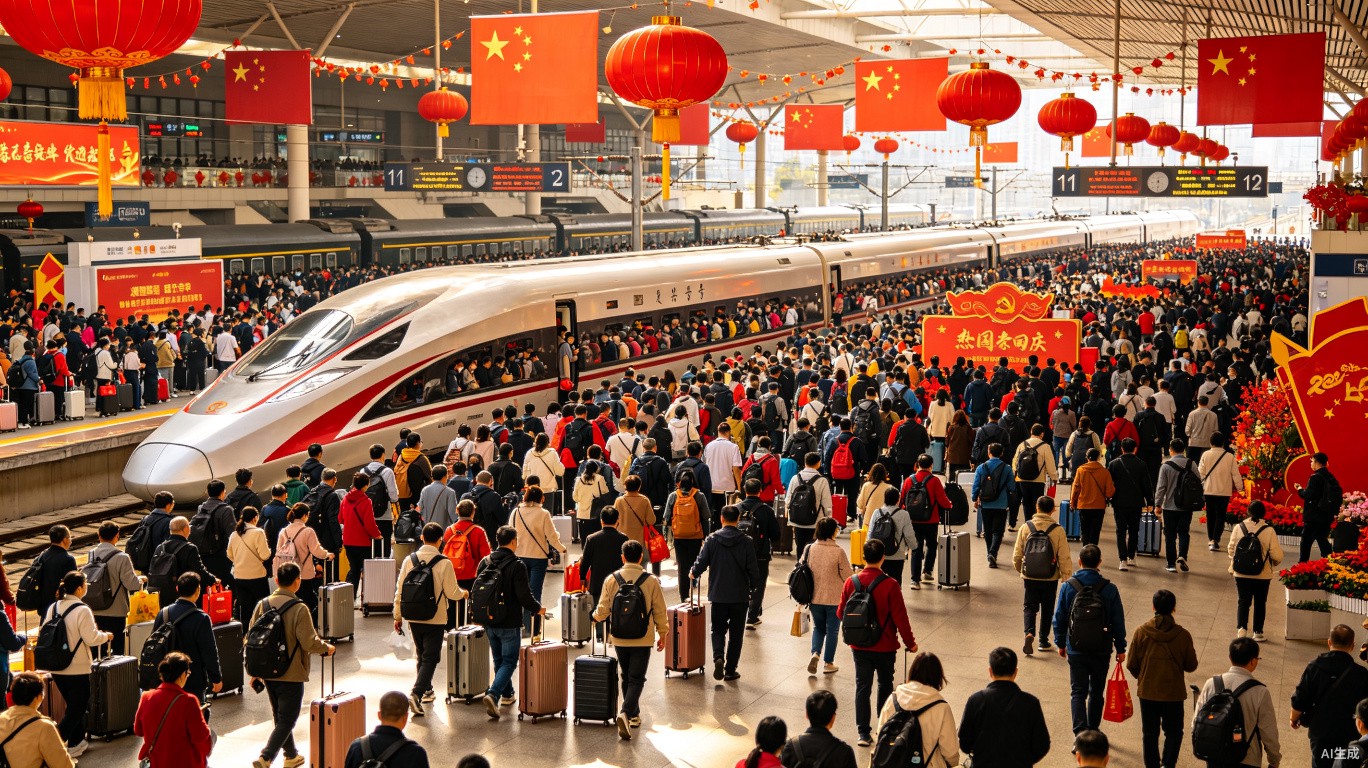
China Golden Week Travel Survival Guide
How to survive China's National Day Golden Week (October 1-7) - what to avoid, where to go, and how to beat the crowds.
9 min read
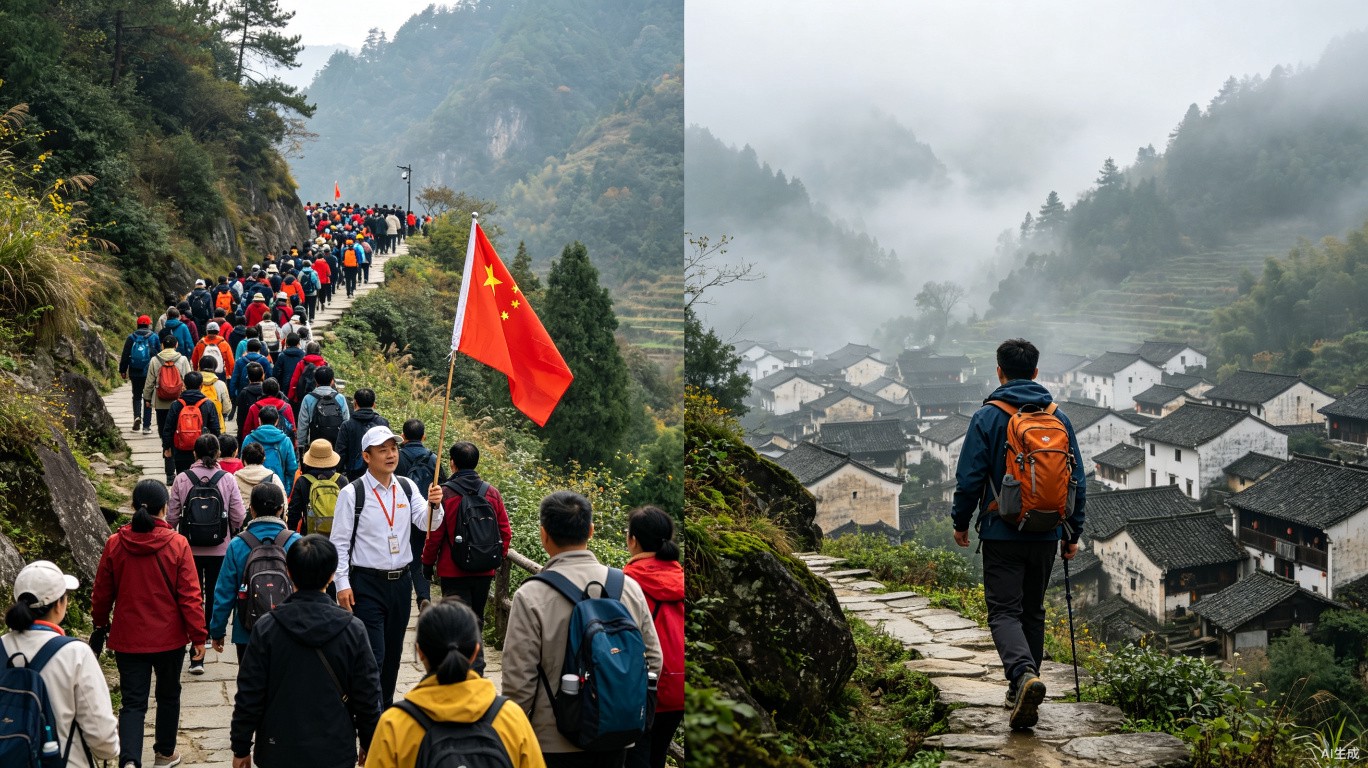
China Group Tours vs Independent Travel Which is Better
Should you join a guided tour or travel independently in China? Honest comparison of cost, flexibility, and experience.
7 min read
China Itinerary Planning: 7-Day 14-Day and 21-Day Routes: The Complete 2026 G...
Not sure how many days to spend in China? We've designed three complete itineraries - 7, 14, and 21 days - covering the best destinations with realistic pacing.
9 min read