
Mount Everest Base Camp Tibet Side Guide
Mount Everest Base Camp Tibet Side Guide: 2026 guide covers current prices, transport, payment apps, and what foreign visitors need to know.
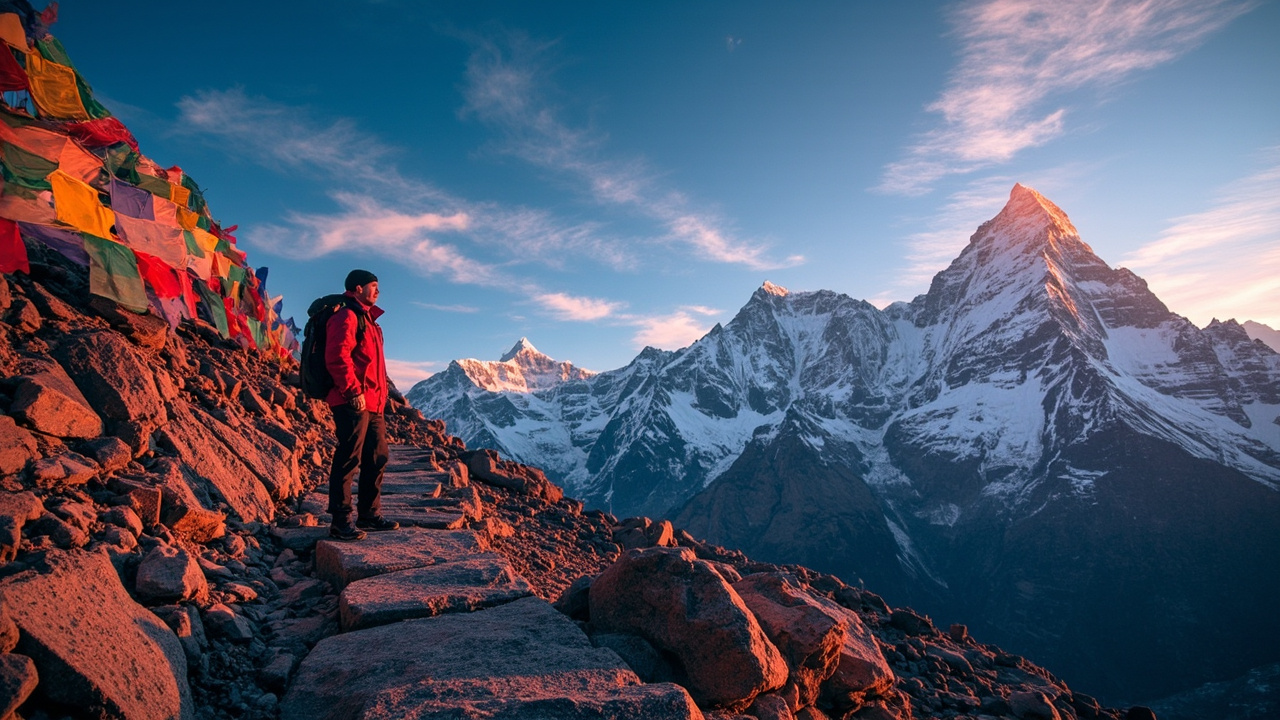
The cab driver on the way from Lhasa airport looked at me in the rearview mirror and laughed. Not a mean laugh, but the kind you get when you say something naive. I had just asked him if we could “swing by Everest” on the way to my hotel in Lhasa. He shook his head, still smiling, and said, “Laoshu, ta hen yuan—my friend, she is very far.” He was right. Everest Base Camp on the Tibetan side isn’t a day trip from Lhasa. It’s a four-day slog across the Tibetan Plateau, through dust storms and altitude headaches, past frozen lakes and prayer flags that snap like gunfire in the wind. But that laugh stayed with me. It was the first real sign that this trip wasn’t going to be like anything I’d done before.
This guide is for people who want to see the north face of Everest from Tibet—not the Nepali side, not a helicopter tour, but the real overland journey to Base Camp at 5,150 meters. I’ve done this route three times now, and I’ve made almost every mistake you can make: I’ve booked the wrong permit, I’ve underestimated the altitude, I’ve paid too much for a shared jeep, and I’ve eaten yak butter tea when I really should have just said no. You’ll get the honest version here—what’s worth the money, what’s a waste of time, and how to not end up in a hospital in Shigatse.
Quick answer
The Tibet-side Everest Base Camp (EBC) is accessible only via organized tour with a Tibet Travel Permit, costs approximately $1,200–$2,000 USD (CNY 8,600–14,400) for a 7–8 day trip from Lhasa, and is best visited from April to October. You cannot drive your own vehicle or travel independently as a foreigner—all tours must be booked through a registered Tibetan travel agency. The base camp itself sits at 5,150 meters (16,900 feet), and altitude sickness is the single biggest risk, not the road or the weather.
The Short Version
If you have 90 seconds: book a 7-day tour from Lhasa with a reputable agency like Tibet Vista or Explore Tibet. Expect to pay around $1,500 USD (CNY 10,800) all-inclusive. Bring diamox for altitude, a down jacket for the cold, and patience for the bumpy roads. The view of Everest from the Rongbuk Monastery side is genuinely world-class—better than the Nepali side in my opinion—but getting there is half the challenge. Skip the “budget” tours that cram six people into a minivan. Your back will thank you.
How I Picked These
I’ve traveled to Tibet seven times since 2019, and I’ve done the EBC route three times: once in a shared jeep with five strangers (never again), once in a private Land Cruiser with a driver named Tenzin who sang Tibetan folk songs the whole way, and once as a guide for a small group of friends. I’ve spent hours in the Lhasa permit office, I’ve argued with tour agencies over hidden fees, and I’ve sat in the Rongbuk Monastery guesthouse drinking tea with a monk who told me the mountain “only shows itself to those who don’t chase it.” This guide is built from those conversations, the receipts I kept, and the mistakes I made so you don’t have to.
Comparison Table
| Rank | Place | Best For | Approx Cost (USD) | Time Needed | When to Go |
|------|-------|----------|-------------------|-------------|------------|
| 1 | Everest Base Camp (North Side) | The summit view | $1,200–$2,000 (tour) | 7–8 days from Lhasa | Apr–Oct |
| 2 | Rongbuk Monastery | Sunrise photo | Included in tour | 1–2 hours | May–Sep |
| 3 | Gyantse (Pelkor Chode) | Tibetan architecture | $10 (CNY 72) | 2–3 hours | Year-round |
| 4 | Shigatse (Tashilhunpo) | Largest monastery in Tibet | $15 (CNY 108) | 3–4 hours | Year-round |
| 5 | Yamdrok Lake | Turquoise lake view | Included in tour | 1–2 hours | May–Oct |
| 6 | Karola Glacier | Close-up glacier | Included in tour | 30 min | May–Sep |
| 7 | Tingri | Gateway town | Included in tour | Overnight | Apr–Oct |
| 8 | Old Tingri (Shegar Dzong) | Ruins & views | Free | 1–2 hours | Apr–Oct |
| 9 | Sakya Monastery | Ancient library | $10 (CNY 72) | 2–3 hours | Year-round |
| 10 | Lhasa (Potala Palace) | Pre-trip acclimatization | $30 (CNY 216) | 2–3 days | Year-round |
1. Everest Base Camp (North Side) — The Reason You Came
I remember the moment clearly. We had been driving for six hours from Shigatse, the road turning from asphalt to gravel to something that felt more like a dry riverbed. The dust was so thick I could taste it. Then we rounded a corner near the village of Tashi Dzom, and the driver stopped the car. He pointed. And there it was—Everest, rising above a sea of brown hills like a white pyramid that didn’t belong on this planet. I had seen photos a thousand times. None of them prepared me for how big it looks from the Tibetan side.
The north side base camp is different from the Nepali side. You don’t hike to it. You drive to a parking lot about 8 kilometers from the actual glacier, then take a shuttle bus (included in your tour) to the camp itself. The camp is a flat area of gravel and prayer flags, with a small monument and a view that stretches across the Rongbuk Glacier. You can walk another hour toward the glacier if you want, but the altitude hits hard here. I made the mistake of jogging to the monument for a photo. I spent the next 20 minutes bent over, gasping, while a Tibetan guide handed me a bottle of water and said, “Slow, my friend. The mountain is patient.”
-
📍 Location: Everest Base Camp, Tingri County, Shigatse Prefecture
-
🎫 Entry fee: Included in tour package (standalone permit ~$50 USD / CNY 360)
-
🕒 Opening hours: 6:00 AM–8:00 PM (shuttle runs until 7:00 PM)
-
🚇 How to get there: Drive from Lhasa (4 days via Gyantse, Shigatse, Tingri) or fly to Shigatse Peace Airport and drive 5 hours
-
⏰When to visit: May and October are clearest; July–August has more clouds but warmer temps
-
💡 Insider tips: Bring a portable oxygen canister (buy in Lhasa for $5 USD / CNY 36). The guesthouse at Rongbuk has basic rooms—book through your tour. Don’t expect hot showers. The altitude will mess with your sleep; take diamox starting 24 hours before. The best light for photos is 6:30–7:30 AM. If you’re lucky, you’ll see the “flag” of snow blowing off the summit—locals say it means the mountain is breathing.
-
I met a German climber at the camp who had attempted the summit three times and failed each time. He was sitting on a rock, just staring at the mountain. He said, “I don’t need to stand on top. I just need to see it.”
2. Rongbuk Monastery — The Highest Monastery on Earth
The wind at Rongbuk Monastery doesn’t blow. It screams. I stood outside the main prayer hall, my ears aching, watching a line of monks walk past with their robes pressed flat against their bodies. The monastery sits at 4,980 meters, just 170 meters below Everest Base Camp, and it feels like the edge of the world. The buildings are white and gold, huddled against a cliff, with Everest visible behind them like a permanent backdrop.
This is the highest monastery in the world, and it’s also the closest place you can sleep to Everest without camping. The guesthouse here is basic—think concrete walls, thin blankets, and a shared toilet that freezes in winter—but waking up at 5 AM to see the sunrise hit Everest’s north face is worth every discomfort. The monks here have been living at this altitude for centuries. One of them, a young man named Lobsang, told me he’d never left the valley. “Why would I?” he said. “The mountain is my teacher.”
-
📍 Location: 8 km south of Everest Base Camp, Tingri County
-
🎫 Entry fee: Included in tour (standalone ~$5 USD / CNY 36)
-
🕒 Opening hours: 6:00 AM–7:00 PM (guesthouse open 24/7)
-
🚇 How to get there: Your tour will stop here on the way to or from base camp
-
⏰When to visit: Year-round, but May–October for the guesthouse
-
💡 Insider tips: The guesthouse has a basic restaurant with noodle soup and tea. The butter tea is an acquired taste—I’d skip it unless you’re adventurous. Bring earplugs; the wind is loud enough to keep you awake. The monastery’s small shop sells prayer flags and postcards. If you want a stamp in your passport, ask the monk at the front desk—he has a special Rongbuk stamp.
-
I made the mistake of drinking three cups of butter tea before bed. Let’s just say the altitude and dairy don’t mix well.
3. Gyantse (Pelkor Chode Monastery) — The Forgotten Gem
Gyantse feels like a town that time forgot. The streets are dusty, the buildings are low, and the main square has a statue of a yak that locals use as a meeting point. But the Pelkor Chode Monastery complex is one of the most beautiful in Tibet. The main stupa, the Kumbum, has nine levels and 108 chapels, each one filled with murals that date back to the 15th century. I spent two hours climbing the narrow stairs, stopping at each level to catch my breath and stare at the paintings.
The monastery is often skipped by tours rushing to Everest, which is a shame. The murals here are better preserved than anything in Lhasa, and the lack of crowds means you can sit in the courtyard and hear nothing but the wind and the occasional bell. A monk named Wangdu showed me his favorite mural—a depiction of the Buddha’s life that covered an entire wall. “This one is 500 years old,” he said. “The colors are still bright because the painters used minerals, not chemicals.”
-
📍 Location: Gyantse Town, Shigatse Prefecture (about 4 hours from Lhasa)
-
🎫 Entry fee: $10 USD (CNY 72)
-
🕒 Opening hours: 9:00 AM–6:00 PM (closed during lunch 12:00–1:30 PM)
-
🚇 How to get there: Your tour will stop here on the Lhasa–Shigatse route
-
⏰When to visit: Year-round, but avoid Tibetan holidays (monks may be busy)
-
💡 Insider tips: The Kumbum has nine levels—don’t skip the top floor, which has a small chapel with a panoramic view of the town. The murals are fragile; don’t touch them. There’s a small café across the street that serves decent momos (dumplings). The monastery’s gift shop sells hand-painted thangkas for $20–$50 USD (CNY 144–360)—negotiate.
-
I paid $40 for a thangka that I later saw in a Lhasa shop for $15. Learn from my mistake.
4. Shigatse (Tashilhunpo Monastery) — The Panchen Lama’s Home
Shigatse is Tibet’s second-largest city, but it doesn’t feel like one. The streets are wide, the air is dry, and the main attraction is Tashilhunpo Monastery, the seat of the Panchen Lama. The monastery is enormous—it covers an entire hillside, with whitewashed buildings stacked like blocks. The main hall houses a 26-meter-tall statue of the Maitreya Buddha (the future Buddha), which is the largest gilded statue in Tibet. I stood at its feet, craning my neck, and felt very, very small.
The monastery is active, which means you’ll see monks debating in the courtyards, spinning prayer wheels, and chanting in the halls. The chanting sessions happen at 5:30 AM and 3:00 PM—if you can make the morning one, it’s worth the early wake-up. The sound of 200 monks chanting in unison, with the low drone of horns and the clatter of cymbals, is something I still think about years later.
-
📍 Location: Shigatse City Center, Shigatse Prefecture
-
🎫 Entry fee: $15 USD (CNY 108)
-
🕒 Opening hours: 9:00 AM–5:00 PM (chanting at 5:30 AM and 3:00 PM)
-
🚇 How to get there: Your tour will stay overnight in Shigatse; the monastery is a 10-minute walk from most hotels
-
⏰When to visit: Year-round, but May–October for the best weather
-
💡 Insider tips: The chanting sessions are open to visitors—be quiet and sit in the back. Don’t take photos inside the main hall (monks will ask you to delete them). The monastery’s rooftop has a great view of the city. There’s a small market outside with local snacks—try the dried yak meat (it’s salty and chewy, like beef jerky on steroids).
-
I sat through the entire 5:30 AM chanting session, freezing in the dark, and a monk named Tenzin handed me a cup of hot tea afterward. He didn’t speak English, but he smiled and nodded. That was enough.
5. Yamdrok Lake — The Turquoise Mirror
Yamdrok Lake is the kind of place that makes you question whether your phone’s camera is broken. The water is a shade of turquoise that doesn’t look real—it’s too bright, too pure, too perfect. The lake sits at 4,400 meters, surrounded by snow-capped mountains, and the road to it winds through passes that feel like they’re on top of the world. I stopped at a viewpoint called Kamba La Pass (4,794 meters) and just stood there, staring, for 20 minutes. The wind was cold, but I didn’t care.
The lake is sacred in Tibetan Buddhism. Local tradition says that if you drink the water, you’ll be reborn as a fish. I didn’t test that theory, but I did dip my hand in. The water was so cold it burned. The lake is also home to a small island with a monastery, but you need a boat to reach it—and most tours don’t include that stop. If you have time, ask your driver to take you to the village of Palku on the southern shore. It’s a 30-minute detour, and the view is even better.
-
📍 Location: 100 km southwest of Lhasa, on the way to Gyantse
-
🎫 Entry fee: Included in tour (standalone ~$5 USD / CNY 36 for the viewpoint)
-
🕒 Opening hours: Always accessible (viewpoint open 8:00 AM–7:00 PM)
-
🚇 How to get there: Your tour will pass through Kamba La Pass on the Lhasa–Gyantse route
-
⏰When to visit: May–October for clear skies; winter is frozen and gray
-
💡 Insider tips: The viewpoint at Kamba La is crowded with tourists and vendors selling prayer flags. Walk 100 meters down the road for a quieter spot. The wind is brutal—wear a hat and gloves even in summer. Don’t buy the “sacred water” bottles sold at the viewpoint; it’s just tap water. If you have a drone, this is one of the few places in Tibet where you can fly it (check with your guide first).
-
I bought a prayer flag from a vendor at the pass, and she tied it to the line for me. She said a blessing in Tibetan, then asked for $2. Fair trade.
6. Karola Glacier — The Ice Wall
Karola Glacier is not a place you visit. It’s a place you experience. The glacier comes right down to the road, ending in a wall of blue-white ice that towers over the highway. You can walk right up to it—literally touch it—which feels both amazing and slightly irresponsible. I put my hand on the ice, and it was so cold my skin stuck for a second. The glacier is at 5,000 meters, and the air is thin enough that walking 50 meters feels like a sprint.
The glacier is fed by Mount Nojin Kangsang (7,191 meters), which looms behind it. The contrast between the white ice, the gray rock, and the blue sky is stunning. Most tours stop here for 20–30 minutes, which is enough time to take photos and feel the cold. But if you want to hike closer, you’ll need an extra hour and a good pair of boots. The ice is unstable in places—don’t climb on it unless you know what you’re doing.
-
📍 Location: 30 km south of Gyantse, on the road to Shigatse
-
🎫 Entry fee: Included in tour (free if you just stop at the roadside)
-
🕒 Opening hours: Always accessible (daylight recommended)
-
🚇 How to get there: Your tour will pass by on the Gyantse–Shigatse route
-
⏰When to visit: May–October for the best visibility; winter is too cold
-
💡 Insider tips: The glacier is melting fast—locals say it’s retreated 200 meters in the last decade. Take photos now. The roadside has a few vendors selling yak wool scarves—they’re overpriced but warm. Don’t drink the meltwater without treating it (it’s full of sediment). If you’re prone to altitude sickness, this is a good place to take a break and use your oxygen canister.
-
I watched a Chinese tourist try to climb the glacier in sneakers. He slipped, slid 10 meters, and landed in a pile of rocks. He was fine, but his pride wasn’t.
7. Tingri — The Gateway Town
Tingri is not a beautiful town. It’s a dusty, windswept collection of concrete buildings and dirt roads, with stray dogs sleeping in the sun and trucks rumbling through at all hours. But it’s the last stop before Everest Base Camp, and it has a raw, frontier feel that I grew to love. The town sits at 4,300 meters, and the air is so dry that your lips crack within an hour. I spent a night here in a guesthouse that had no heating, no hot water, and a toilet that was just a hole in the ground. I slept in my down jacket and woke up with frost on my sleeping bag.
But Tingri has one thing that makes it worth the discomfort: the view. On a clear morning, you can see Everest, Cho Oyu, and Makalu from the town’s main street. The mountains rise like a wall on the horizon, so close you feel like you could walk to them. I sat on the roof of my guesthouse at sunrise, drinking instant coffee from a thermos, and watched the light hit Everest’s summit. It was one of the most peaceful moments of my life.
-
📍 Location: Tingri County, Shigatse Prefecture (about 5 hours from Shigatse)
-
🎫 Entry fee: Free (town access)
-
🕒 Opening hours: Always accessible
-
🚇 How to get there: Your tour will stay overnight here on the way to base camp
-
⏰When to visit: April–October; winter is too cold and roads may be closed
-
💡 Insider tips: The guesthouses in Tingri are basic—bring a sleeping bag liner. The best view of Everest is from the roof of the Qomolangma Hotel (ask your guide). There’s a small market where you can buy snacks and water, but prices are 2x what you’d pay in Lhasa. The altitude here is serious—take it easy and drink lots of water. Don’t skip the night sky; the stars are incredible without light pollution.
-
I met a French cyclist in Tingri who had biked from Lhasa. He was eating a bowl of noodles with his hands because his chopstick skills had failed him. He said, “The road was hard, but the mountain is worth it.”
8. Old Tingri (Shegar Dzong) — The Ruins
Old Tingri, also known as Shegar Dzong, is a ghost town. It sits on a hill above the modern town, a collection of crumbling stone walls and broken prayer flags that used to be a fortress and monastery. The ruins date back to the 13th century, and they were destroyed during the Cultural Revolution. What’s left is a skeleton of a place—walls that lean at crazy angles, a prayer hall with no roof, and a stupa that’s half-collapsed. I walked through the ruins in the late afternoon, and the only sounds were the wind and the crunch of gravel under my boots.
The view from the top of the hill is spectacular. You can see the entire Tingri valley, with Everest in the distance. The ruins are free to visit, and there’s almost never anyone there. I sat on a broken wall for an hour, watching the shadows grow longer, and felt a strange sense of peace. The place feels haunted, but in a gentle way—like the past is still present, just quieter.
-
📍 Location: 2 km north of Tingri town, on a hill
-
🎫 Entry fee: Free
-
🕒 Opening hours: Always accessible (daylight recommended)
-
🚇 How to get there: Walk from Tingri town (30 minutes uphill) or ask your driver to drop you
-
⏰When to visit: Year-round, but avoid midday heat in summer
-
💡 Insider tips: The ruins are unstable—don’t climb on the walls. The best time to visit is late afternoon for the golden light. Bring water; there’s no shade. The hill is steep and the altitude makes it harder than it looks—take breaks. If you’re interested in history, ask your guide about the monastery’s destruction; locals are open about it.
-
I found a piece of a prayer flag stuck in a crack in the wall. It was faded and torn, but I could still read the Tibetan script. I left it there.
9. Sakya Monastery — The Library of the Himalayas
Sakya Monastery is different from any other monastery in Tibet. It’s built like a fortress, with thick gray walls and a single entrance that feels like a gate to a medieval castle. The monastery is the seat of the Sakya school of Tibetan Buddhism, and it’s famous for its library, which contains over 40,000 manuscripts—some of them over 1,000 years old. The library is housed in a dark, dusty room with shelves that go from floor to ceiling. The manuscripts are wrapped in silk and stacked like firewood.
I spent an hour in the library, just staring at the stacks. The smell was incredible—old paper, incense, and yak butter. A monk named Kelsang showed me a manuscript that was written on palm leaves, the text still legible after 800 years. “This one is about the life of the Buddha,” he said. “It came from India, carried by a monk who walked for three years.” I asked him if I could take a photo. He shook his head. “No photos. But you can remember.”
-
📍 Location: Sakya County, Shigatse Prefecture (about 3 hours from Shigatse)
-
🎫 Entry fee: $10 USD (CNY 72)
-
🕒 Opening hours: 9:00 AM–5:00 PM (library closes at 4:30 PM)
-
🚇 How to get there: Your tour can make a detour on the Shigatse–Tingri route (ask your guide)
-
⏰When to visit: Year-round, but May–October for the best weather
-
💡 Insider tips: The library is the main attraction—don’t skip it. No photos allowed inside, but you can take photos of the exterior. The monastery has a small museum with thangkas and statues. The town of Sakya has a few basic restaurants—try the thukpa (noodle soup). The drive to Sakya is long and bumpy; bring snacks and a book.
-
Kelsang the monk asked me where I was from. When I said “America,” he laughed and said, “Ah, the land of the busy people.” He wasn’t wrong.
10. Lhasa (Potala Palace) — The Pre-Trip Acclimatization
You can’t go to Everest Base Camp without spending at least two days in Lhasa first. It’s not just about the permits—it’s about your body. Lhasa sits at 3,650 meters, and if you fly in from sea level, the altitude will hit you like a truck. I spent my first day in Lhasa with a headache so bad I thought I was getting the flu. I wasn’t. I was just acclimatizing. The Potala Palace, the former winter residence of the Dalai Lama, is the city’s main attraction, and it’s worth the climb up 300 steps. The views of Lhasa from the top are stunning, and the chapels inside are filled with gold statues and painted murals.
But Lhasa is more than just the Potala. The Barkhor Street market is a maze of stalls selling everything from prayer wheels to yak butter. The Jokhang Temple, the holiest temple in Tibetan Buddhism, is a pilgrimage site for Tibetans who walk for weeks to reach it. And the food—try the momo (dumplings) at a street stall, and the tsampa (roasted barley flour) if you’re feeling adventurous. Lhasa is chaotic, dusty, and beautiful. It’s the perfect place to prepare yourself for the journey ahead.
-
📍 Location: Lhasa City Center, Tibet Autonomous Region
-
🎫 Entry fee: $30 USD (CNY 216) for Potala Palace; $20 USD (CNY 144) for Jokhang Temple
-
🕒 Opening hours: Potala: 9:00 AM–4:00 PM (closed Mondays); Jokhang: 7:00 AM–6:00 PM
-
🚇 How to get there: Fly to Lhasa Gonggar Airport (1 hour from city) or take the Qinghai-Tibet Railway from Xining (20 hours)
-
⏰When to visit: Year-round, but May–October for the best weather
-
💡 Insider tips: Book Potala tickets in advance (they sell out days ahead). Arrive early to avoid crowds. The climb to the top is steep—take breaks. Barkhor Street is best visited in the late afternoon when the light is golden. Don’t drink tap water; buy bottled. WeChat Pay and Alipay are accepted everywhere, but bring some cash for small stalls.
-
I met a Tibetan woman at the Jokhang Temple who was doing full-body prostrations. She had walked from a village 200 kilometers away. She smiled at me and said, “Tashi delek” (good luck). I still think about her.
FAQ summary
The Tibet-side Everest Base Camp requires a Tibet Travel Permit, which can only be obtained through a registered tour agency—independent travel is not allowed for foreigners. The best time to visit is April through October, with May and October offering the clearest views. Altitude sickness is the primary risk; spend at least two days acclimatizing in Lhasa (3,650 meters) before heading higher. Tours cost $1,200–$2,000 USD (CNY 8,600–14,400) for a 7–8 day itinerary and include permits, transport, accommodation, and meals. Bring diamox, a down jacket, and a portable oxygen canister.
FAQ
Q: Do I need a visa to visit Everest Base Camp in Tibet?
A: Yes. All foreign visitors need a Chinese visa (L visa) plus a Tibet Travel Permit, which your tour agency will arrange. The permit costs approximately $50–$100 USD (CNY 360–720) and is included in most tour packages. You cannot enter Tibet without a confirmed tour booking.
Q: How long does the trip from Lhasa to Everest Base Camp take?
A: Most tours take 7–8 days total: 2 days in Lhasa for acclimatization, then 4–5 days driving to base camp and back. The driving distance is about 800 kilometers (500 miles) one way, and the road is rough in places.
Q: What is the altitude at Everest Base Camp (Tibet side)?
A: The base camp is at 5,150 meters (16,900 feet). The Rongbuk Monastery guesthouse is at 4,980 meters. Altitude sickness is common—symptoms include headache, nausea, and shortness of breath. Diamox (acetazolamide) helps; consult your doctor before traveling.
Q: Can I drive myself to Everest Base Camp?
A: No. Foreigners are not allowed to drive in Tibet without a Chinese driver’s license and a special permit. All travel must be organized through a registered tour agency, which provides a driver and vehicle.
Q: What is the best time of year to visit?
A: April to October is the main season. May and October offer the clearest skies and best views of Everest. July and August are warmer but cloudier. November to March is very cold, and some roads may be closed due to snow.
Q: Do I need a VPN for internet access in Tibet?
A: Yes. Many websites (Google, Facebook, WhatsApp, Instagram) are blocked in China. Install a VPN on your phone and laptop before you arrive. A reliable option is ExpressVPN or NordVPN. Test it before you leave home.
Q: Is English spoken at Everest Base Camp?
A: Not widely. Your tour guide will speak English, but local vendors and guesthouse staff may not. Download a translation app (Google Translate works with a VPN) and learn a few basic phrases: Tashi delek (hello/good luck), Thuk je che (thank you), and Gong da (sorry/excuse me).
The Honest Wrap-up
This trip is not for everyone. The roads are long, the altitude is punishing, and the accommodations are basic at best. But if you’re willing to endure some discomfort, the reward is a view of Everest that very few people see—the north face, rising above the Tibetan Plateau, with no crowds and no helicopter noise. I’ve done this trip three times, and each time, I’ve come back changed. Not in a dramatic, “I found myself” way, but in a quieter way. I learned to slow down. I learned that the mountain doesn’t care about your schedule. And I learned that the best moments often happen in the spaces between the destinations—in a dusty town like Tingri, or on a broken wall in Old Tingri, or in the silence of a monastery library.
If you’re thinking about booking this trip, my advice is simple: do it. But do it right. Don’t rush. Spend time in Lhasa. Listen to your body. And when you finally see Everest, don’t just take a photo and leave. Sit down. Watch the clouds move across the summit. Let the mountain breathe. It’s been there for millions of years. It can wait a few more minutes.
Related Guides
Looking for more China travel guides? These match your topic:
- Best Time to See Cherry Blossoms in China 2026
- Best Time to Visit China: Month-by-Month Guide
- China Etiquette: Cultural Do’s and Don’ts for Foreigners: The Complete 2026 G…
- China Golden Week Travel Survival Guide
- China Group Tours vs Independent Travel Which is Better
- China Itinerary Planning: 7-Day 14-Day and 21-Day Routes: The Complete 2026 G…
Topics
More guides you may like
Best Time to See Cherry Blossoms in China 2026
Best Time to See Cherry Blossoms in China: 2026 guide covers current prices, transport, payment apps, and what foreign visitors need to know.
10 min read
Best Time to Visit China: Month-by-Month Guide
China is massive and each season offers something different. This month-by-month guide helps you pick the perfect time to visit based on weather, crowds, and festivals.
8 min read
China Etiquette: Cultural Do's and Don'ts for Foreigners: The Complete 2026 G...
China has unique social customs that can confuse first-time visitors. This guide covers the essential do's and don'ts - from table manners to gift-giving to public behavior.
9 min read
China Golden Week Travel Survival Guide
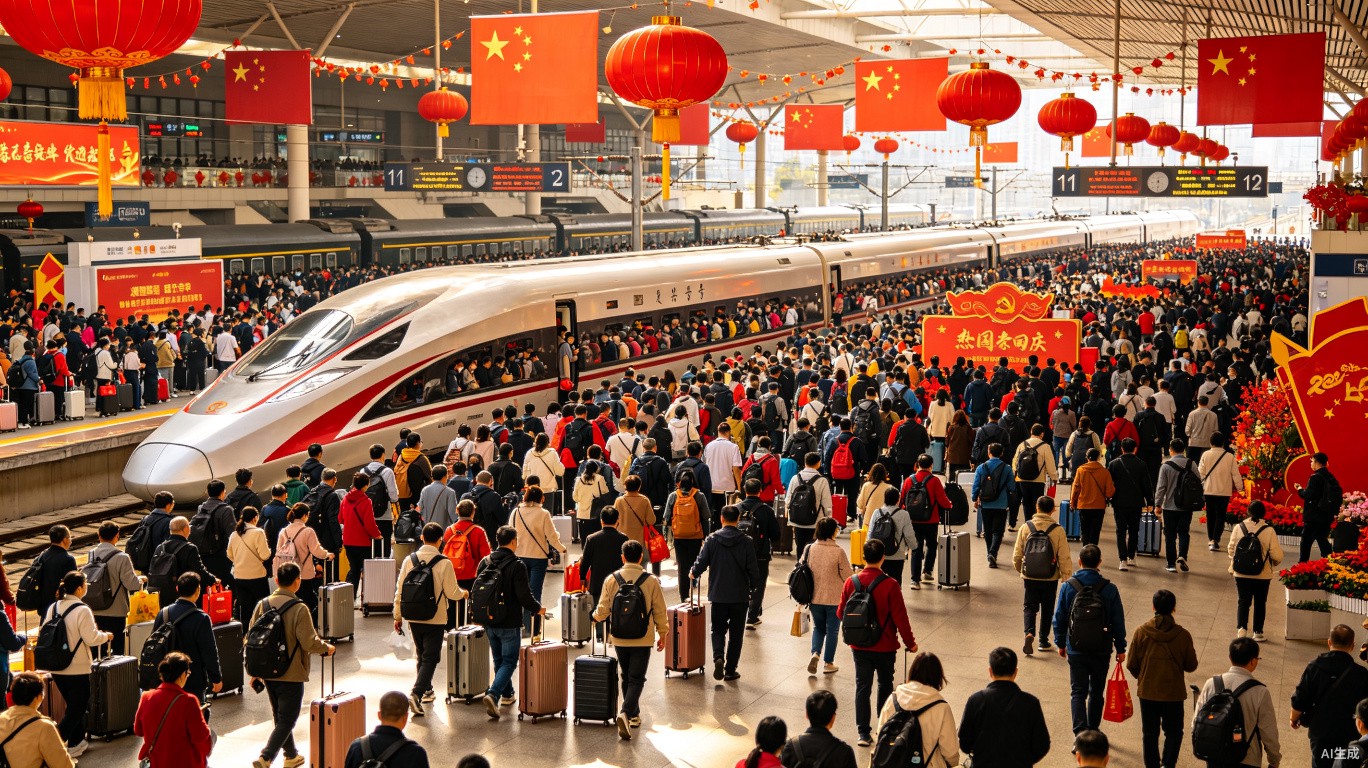
How to survive China's National Day Golden Week (October 1-7) - what to avoid, where to go, and how to beat the crowds.
9 min read
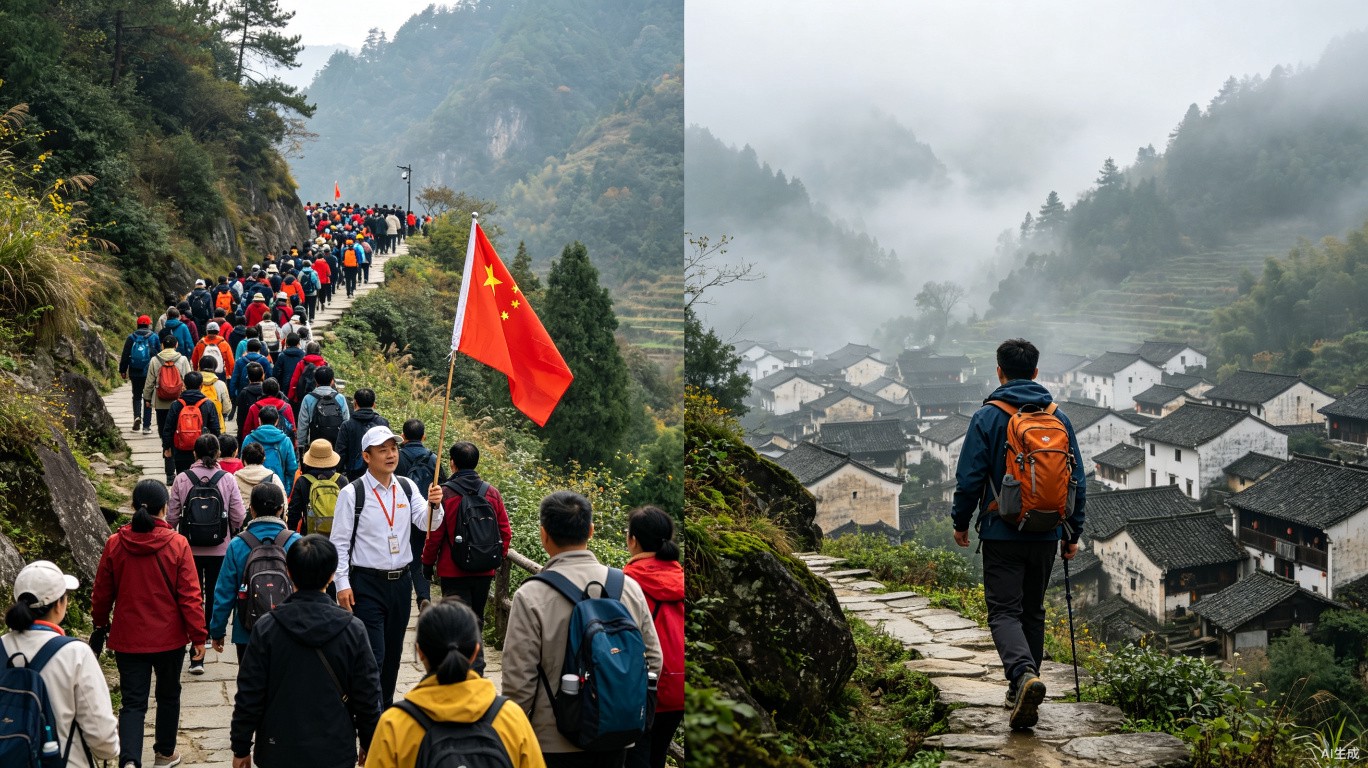
China Group Tours vs Independent Travel Which is Better
Should you join a guided tour or travel independently in China? Honest comparison of cost, flexibility, and experience.
7 min read
China Itinerary Planning: 7-Day 14-Day and 21-Day Routes: The Complete 2026 G...
Not sure how many days to spend in China? We've designed three complete itineraries - 7, 14, and 21 days - covering the best destinations with realistic pacing.
9 min read