
China 240 Hour Visa Free Transit
The rain was coming down sideways off the mountains when my train pulled into Guilin North Station.
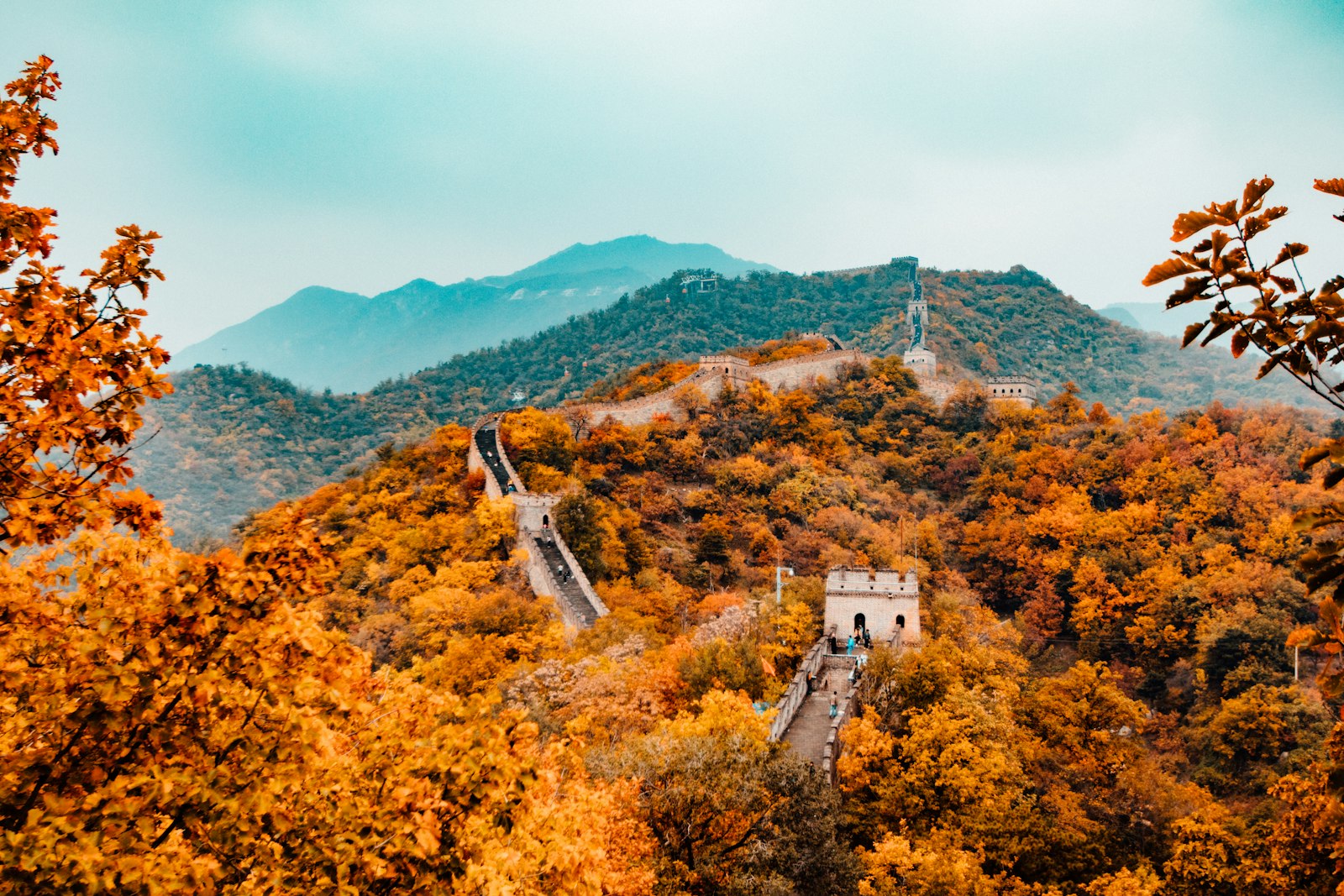
The rain was coming down sideways off the mountains when my train pulled into Guilin North Station. I’d been in China for two weeks by then, hopping between cities on the high-speed rail network, and I still hadn’t quite gotten used to the fact that I could just show up at a station, buy a ticket, and be 400 miles away by lunch. That trip was under the old 144-hour visa-free transit policy. Now, since December 2024, the window has stretched to 240 hours. That’s ten full days. Ten days to see the skylines, the karst peaks, the terracotta warriors, and the noodle shops without ever applying for a tourist visa.
This guide is for first-time visitors who want to use that policy without tripping over the paperwork. I’ve done the crossings, the train rides, and the registration forms. I’ll tell you exactly how the 240-hour rule works, which cities allow it, and how to plan a route that doesn’t accidentally break the rules and land you with a fine.
Quick answer
China’s 240-hour visa-free transit allows citizens of 54 countries to stay in China for up to 10 days without a visa, provided they are transiting through China to a third country or region. You must enter and exit through one of the 60 designated ports, and you cannot leave the approved provincial-level region during your stay. The policy costs nothing, requires no advance application, and is processed at the port of entry.
The Short Version
If you have 90 seconds, here’s the deal. The 240-hour visa-free transit is the best deal in international travel right now. You land in Beijing, Shanghai, or one of the other eligible cities, show your passport and your onward ticket to a third country, and they stamp you in for ten days. No visa fee. No embassy visit. No bank statements or hotel bookings printed in triplicate. The catch is that you must leave China to a different country than the one you came from, and you’re restricted to a specific region. Plan your route carefully, keep your onward ticket handy, and you’re golden.
How I Picked These
I’ve been living in Beijing for seven years and have made more than forty trips around the country. For this guide, I re-tested the transit policy myself in early 2026, flying into Shanghai and out of Guangzhou to see how the new 240-hour rules actually play out at the border. I also spoke with immigration officers (politely, after they stamped my passport), hostel receptionists, and a few bewildered first-time travelers who’d made mistakes I could learn from. The advice below comes from those conversations and from the specific, sometimes annoying, details of Chinese bureaucracy that you only learn by doing it wrong once.
Comparison Table
| Rank | Place | Best For | Approx Cost (USD) | Time Needed | When to Go |
|---|---|---|---|---|---|
| 1 | Beijing | First-timers, history | $15-25/day | 3-4 days | Apr-May, Sep-Oct |
| 2 | Shanghai | Modern China, urban exploration | $20-35/day | 2-3 days | Mar-May, Oct-Nov |
| 3 | Xi’an | Ancient history, Terracotta Warriors | $15-25/day | 2 days | Mar-May, Sep-Nov |
| 4 | Guilin & Yangshuo | Scenery, outdoor activities | $15-30/day | 2-3 days | Apr-Oct |
| 5 | Chengdu | Pandas, food, laid-back vibe | $15-25/day | 2-3 days | Mar-Jun, Sep-Nov |
| 6 | Guangzhou | Cantonese food, city life | $20-30/day | 1-2 days | Oct-Dec |
| 7 | Kunming | Mild weather, gateway to Yunnan | $15-20/day | 1-2 days | Year-round |
| 8 | Hangzhou | Lakeside beauty, tea culture | $20-30/day | 1-2 days | Mar-May, Sep-Nov |
| 9 | Zhangjiajie | Avatar mountains, hiking | $20-35/day | 2-3 days | Apr-Jun, Sep-Oct |
| 10 | Hong Kong (via transit) | Quick exit, city energy | $100+ (flight) | 1 day | Year-round |
Beijing — Where History Isn’t a Museum Piece
The first time I walked through Tiananmen Square toward the Forbidden City, a group of schoolchildren in matching yellow caps swarmed past me, and an old man flying a kite shaped like a centipede stood so still he might have been a statue. Beijing hits you like that. It’s enormous, imperial, and completely unbothered by your expectations.
The city works best as a three-day introduction to China. The Forbidden City alone needs half a day, and the Great Wall at Mutianyu (less crowded than Badaling) needs another full day. The hutong alleys around Shichahai are where the city actually breathes, and you should save an evening for wandering them.
📍 Location: Central Beijing, spread across Dongcheng and Xicheng districts 🎫 Entry fee: Forbidden City $10 (¥72); Great Wall at Mutianyu $6 (¥45) plus shuttle bus 🕒 Opening hours: Forbidden City Tue-Sun 8:30-17:00, closed Mondays; Great Wall 7:30-18:00 🚇 How to get there: For the Forbidden City, take Line 1 to Tiananmen East Station, Exit A, walk west 5 minutes. For Mutianyu, take a direct bus from Dongzhimen Station (Line 2, Exit B) ☀️ When to visit: April-May or September-October for clear skies. Go to the Great Wall on a weekday, and arrive by 8am to beat the tour groups 💡 Insider tips: Book Forbidden City tickets on the official WeChat mini-program at least a week ahead. They sell out. Bring your passport to the ticket office. The Mutianyu cable car saves you an hour of stair climbing.
I once watched a French couple argue for ten minutes about whether the Forbidden City’s roof tiles were more orange or more gold. They were both wrong. They’re a color called “imperial yellow,” and you’ll never see it anywhere else.
Shanghai — The City That Already Knew the Future
I arrived in Shanghai on a Tuesday night and went straight to the Bund. The skyline across the river looked like a science fiction movie that had been filmed without permission. Then I turned around and saw the colonial-era buildings behind me, all stone arches and brass lamps, and I understood the city’s whole trick. Shanghai doesn’t choose between old and new. It stacks them.
Two days here is enough to get the rhythm. Walk the Bund at sunset, cross into the former French Concession for coffee and plane trees, and take the maglev train to the airport just for the thrill of hitting 300 km/h on the ground.
📍 Location: Huangpu District for the Bund; former French Concession spans Xuhui and Luwan 🎫 Entry fee: Bund promenade free; Shanghai Tower observation deck $25 (¥180); Yu Garden $5 (¥40) 🕒 Opening hours: Yu Garden Tue-Sun 9:00-16:30, closed Mondays; Shanghai Tower 8:30-21:30 🚇 How to get there: Take Line 2 to East Nanjing Road Station, Exit 1, walk east 10 minutes to the Bund. The maglev train departs from Longyang Road Station (Line 2) ☀️ When to visit: March-May or October-November. Avoid July-August when the humidity makes the air feel like soup 💡 Insider tips: The Bund is spectacular at night but packed. Go at 6am instead, when the only people there are tai chi practitioners and a few confused joggers. For the French Concession, rent a shared bike and get lost. The metro is excellent but you’ll miss the city above ground.
I ate soup dumplings at a place called Jia Jia Tang Bao that a taxi driver insisted was the best in the city. He wasn’t wrong. The trick is to bite a small hole in the dumpling first, let the broth cool, then eat the whole thing in one go.
Xi’an — Where the Army Has Been Waiting 2,200 Years
The Terracotta Warriors are the kind of thing you think you understand from photos until you’re standing in front of Pit 1 and realize the building is the size of an aircraft hangar. The soldiers are in rows that stretch beyond what your eye can comfortably process. Some are missing heads. Some are missing arms. All of them are looking at you with the same expression, which is to say, no expression at all.
Xi’an deserves two days. One for the warriors, one for the old city wall and the Muslim Quarter, where the street food is so good it should probably be regulated. The city wall is best at sunset, when the light turns the bricks amber and the rental bikes come out.
📍 Location: Terracotta Warriors are in Lintong District, about 40 km east of central Xi’an 🎫 Entry fee: Terracotta Warriors $18 (¥120); City wall $7 (¥54); bike rental on the wall $4 (¥30) 🕒 Opening hours: Warriors 8:30-17:30 (Mar-Nov), 8:30-17:00 (Dec-Feb); City wall 8:00-22:00 🚇 How to get there: Take Metro Line 9 to Huaqingchi Station, then transfer to bus 602 or a taxi for the remaining 5 km. Or take the direct tourist bus from Xi’an Railway Station ☀️ When to visit: March-May and September-November. Go to the warriors right when the gates open to see them before the tour groups flood in 💡 Insider tips: The warriors are divided into three pits. Pit 1 is the famous one, but Pit 3 is smaller and more intimate. Hire a guide at the entrance or download a self-guided audio tour. The museum’s own guides are official and won’t try to sell you jade. Don’t buy souvenirs from the stalls outside the museum gates; the prices double once you’re inside the complex.
A guide named Mr. Wang told me that archaeologists are still digging in Pit 2 and expect to work there for another fifty years. He said it with the calm of a man who knows his grandson will inherit the job.
Guilin & Yangshuo — The Landscape That Made Chinese Paintings Famous
The first time I saw the karst peaks from the train window, I laughed out loud. They looked like someone had photoshopped mountains into the background of a rice paddy. The Chinese landscape paintings I’d seen in museums suddenly made sense. This is what they were trying to draw.
Base yourself in Yangshuo, a small town an hour from Guilin, and spend your days cycling through the countryside, floating down the Li River on a bamboo raft, and watching the light change on the peaks. It’s the most relaxed place on this list, and the one where you’re most likely to lose track of time.
📍 Location: Yangshuo County, about 65 km south of Guilin city 🎫 Entry fee: Li River bamboo raft $30-50 (¥200-350) depending on route; Yangshuo West Street free; cycling routes free 🕒 Opening hours: Bamboo rafts operate roughly 8:00-17:00, weather permitting; check river levels in summer 🚇 How to get there: Take the high-speed train to Yangshuo Station (not Guilin North), then a 30-minute bus or taxi to town. From Guilin, it’s a 1.5-hour drive or a scenic boat ride down the Li River ☀️ When to visit: April-October. The rice paddies are greenest in summer, and the light is best in the early morning. Weekends bring domestic tourists from Guangzhou, so aim for midweek 💡 Insider tips: The bamboo rafts on the Yulong River are quieter and more scenic than the crowded Li River rafts. Rent an e-bike for $8 (¥60) a day and explore the back roads. The “impression” light show by director Zhang Yimou is touristy but genuinely impressive, like a stadium-scale fireworks display with choreography. Skip the West Street souvenir shops and eat at the small restaurants on the side streets instead.
I rented a bike and got thoroughly lost in the rice paddies, then was rescued by a farmer who gestured for me to follow him to a village I hadn’t planned to visit. He refused to let me pay for the tea he served me, then waved me off like I was his own grandchild.
Chengdu — The City That Taught Me to Slow Down
Chengdu is the only city in China where I’ve seen people openly napping in parks at 2pm on a Tuesday. The pace here is different. The tea houses are always full, the hotpot is always simmering, and the pandas are always, always eating. I spent an entire afternoon watching two pandas methodically chew bamboo, and I don’t regret a single minute of it.
The Giant Panda Breeding Research Base is the main draw, but the city itself deserves a day of wandering. The teahouses in People’s Park are where locals go to gossip, play mahjong, and get their ears cleaned by old men with terrifyingly precise tools.
📍 Location: Panda Base is in Chenghua District, about 10 km north of the city center 🎫 Entry fee: Panda Base $7 (¥55); teahouse tea from $2 (¥15); Sichuan opera show $15-30 (¥100-200) 🕒 Opening hours: Panda Base 7:30-18:00 (Mar-Oct), 8:00-17:30 (Nov-Feb); pandas are most active in the morning 🚇 How to get there: Take Metro Line 3 to Panda Avenue Station, Exit B, then a 10-minute walk or shuttle bus to the entrance. For People’s Park, take Line 2 to People’s Park Station, Exit A ☀️ When to visit: March-June and September-November. Arrive at the panda base by 7:30am to see them active; by 10am they’re mostly asleep 💡 Insider tips: The panda base is huge and the crowds head straight for the newborns. Go to the older pandas first, then circle back. For hotpot, ask locals for a recommendation rather than picking the first place with an English menu. The Sichuan opera shows include a face-changing performance that happens so fast you’ll question your own eyesight. Book tickets online to avoid the tourist-trap prices at the door.
A retired teacher named Auntie Chen adopted me for an afternoon in People’s Park and insisted on teaching me mahjong. I lost every round. She found this absolutely hilarious and kept refilling my tea.
Guangzhou — The City That Eats Everything
Guangzhou is where I go when I want to remember that China is not just Beijing and Shanghai. It’s the capital of Cantonese culture, which means it has its own language, its own food, and its own attitude. The city feels more Southeast Asian than northern Chinese, more about commerce and food than politics and history.
You can see the highlights in a day and a half. The Chen Clan Ancestral Hall is a masterpiece of traditional architecture, and the Shamian Island district feels like a slice of colonial Europe that got misplaced in the tropics. But the real reason to come is the food. Dim sum here is not a brunch trend. It’s a way of life.
📍 Location: Yuexiu District for the old city; Liwan District for traditional food streets 🎫 Entry fee: Chen Clan Ancestral Hall $2 (¥10); Shamian Island free; Yuexiu Park free 🕒 Opening hours: Chen Clan Ancestral Hall 8:30-17:30, closed Mondays; most dim sum restaurants open 7:00-14:00 and again for dinner 🚇 How to get there: Take Metro Line 1 to Chen Clan Academy Station, Exit D, walk 2 minutes. For Shamian Island, take Line 1 to Huangsha Station, Exit D, walk 10 minutes across the bridge ☀️ When to visit: October-December is the most comfortable season. Summer is brutally hot and humid. Go to dim sum before 10am for the freshest carts 💡 Insider tips: Guangzhou is a major hub for the 240-hour visa-free policy, and the airport has dedicated transit counters. The city’s food streets, especially around Baohua Road, are where locals eat. Don’t be afraid of the “strange” items on the menu; the chicken feet are genuinely delicious. Learn to say “mai dan” (check, please) and you’ll impress every waiter in the city.
A dim sum chef at a restaurant in Liwan District told me that the secret to good har gow is the folding, not the filling. He showed me his hands, which were covered in tiny scars from decades of steam burns. Then he went back to folding dumplings with the speed of a machine.
Kunming — The City of Eternal Spring
Kunming is the kind of city that makes you wonder why you ever live anywhere with real winters. The temperature rarely strays outside the 15-25°C range, the flowers bloom year-round, and the air is thin enough to make you feel slightly drunk for the first day. It’s the gateway to Yunnan province, which is the most ethnically diverse and scenically varied part of China.
The city itself is pleasant but not spectacular. The real draw is using it as a base to explore the Stone Forest, a karst formation that looks like a petrified forest made of stone pillars. It’s about 90 minutes from the city and worth a full day.
📍 Location: Panlong District for the city center; Stone Forest is in Shilin Yi Autonomous County, 80 km southeast 🎫 Entry fee: Stone Forest $20 (¥140); Green Lake Park free; Yuantong Temple $1 (¥8) 🕒 Opening hours: Stone Forest 7:30-18:00; Green Lake Park open 24 hours 🚇 How to get there: For the Stone Forest, take a high-speed train from Kunming South Station (Metro Line 1) to Shilin Station, then a shuttle bus to the entrance. Total journey about 1.5 hours ☀️ When to visit: Year-round, but February-March is best for flowers and October-November for clear skies. Weekends bring domestic crowds to the Stone Forest 💡 Insider tips: Kunming’s altitude is about 1,900 meters, so drink extra water and take it easy on your first day. The local specialty is “crossing the bridge” noodles, named for a story about a wife who crossed a bridge daily to bring her husband soup. The Yunnan coffee scene is excellent if you need a caffeine fix. The Stone Forest is huge; take the electric shuttle to the back entrance and walk back toward the front to avoid the crowds.
I met a British couple in Kunming who had extended their 240-hour transit to the maximum and were using Kunming as their exit point to fly to Bangkok. They told me the immigration officer at the airport had been confused by their itinerary at first, then had simply shrugged and stamped them through.
Hangzhou — The Lake That Made Poets Cry
The first time I saw West Lake, I understood why Chinese poets have been writing about it for a thousand years. It’s not the biggest lake or the most dramatic. It’s just perfectly composed, like someone arranged the willows, the pagodas, and the distant hills specifically for maximum beauty. The mist that often hangs over the water only makes it better.
Hangzhou is an easy day trip from Shanghai, but it deserves at least one overnight. The lake itself can be walked in a few hours, but the surrounding tea plantations and the Lingyin Temple complex need their own time.
📍 Location: West Lake is in the center of Hangzhou; Longjing tea village is about 10 km southwest 🎫 Entry fee: West Lake free; Lingyin Temple $5 (¥40); boat rides on the lake $10-20 (¥70-140) 🕒 Opening hours: West Lake open 24 hours; Lingyin Temple 7:00-17:30; tea houses typically 9:00-21:00 🚇 How to get there: Take the high-speed train from Shanghai Hongqiao to Hangzhou East (about 1 hour), then Metro Line 1 to Longxiangqiao Station for West Lake. For Longjing village, take bus 27 from the city center ☀️ When to visit: March-May for spring blossoms and September-November for clear autumn light. The lake is beautiful in all seasons, but summer heat and winter chill can be uncomfortable 💡 Insider tips: Rent a boat with a driver for an hour-long tour of the lake; it’s the best way to see the islands and the bridges. The Longjing tea village is touristy, but the tea itself is genuine if you buy from the farms at the top of the hill. Walk the Su Causeway at sunrise, when the only people are joggers and fishermen. The “Impression West Lake” night show is unexpectedly moving, with performers appearing to walk on the water.
A tea farmer in Longjing village showed me how to properly brew Dragon Well tea, then told me that the best leaves never leave the village. She was right. The tea I bought from her was better than anything I’ve found in Beijing.
Zhangjiajie — The Mountains That Inspired Avatar
When James Cameron said the floating mountains in Avatar were inspired by Zhangjiajie, he wasn’t exaggerating. The sandstone pillars here rise hundreds of meters from the valley floor, often disappearing into clouds that make them look like they’re levitating. It’s the most surreal landscape I’ve seen in China, and possibly anywhere.
The park is enormous and requires at least two days to see properly. The glass bridge over the Grand Canyon is terrifying and worth every second. The Bailong Elevator, which climbs 326 meters up the side of a cliff, is an engineering marvel that feels like a theme park ride.
📍 Location: Wulingyuan District, about 35 km from Zhangjiajie city center 🎫 Entry fee: National Forest Park $35 (¥248) for a 4-day pass; glass bridge $20 (¥138); Bailong Elevator $10 (¥72) 🕒 Opening hours: Park gates open 7:00-18:00 (varies by season); glass bridge 8:00-17:00 🚇 How to get there: Take the high-speed train to Zhangjiajie West Station, then a shuttle bus or taxi to Wulingyuan. The park has multiple entrances; the Wulingyuan entrance is the most convenient ☀️ When to visit: April-June and September-October. The park is often foggy in the morning, which is actually the best time for photos. Avoid Chinese national holidays when the park becomes a sea of people 💡 Insider tips: The park’s shuttle buses are free but crowded; walk the trails between major viewpoints instead. The Yuanjiajie area has the most famous pillars, but the Tianzi Mountain area is less crowded and equally dramatic. Bring rain gear even in summer; the weather changes fast in the mountains. The cable car at Tianzi Mountain offers the best views of the pillars from above.
I got caught in a sudden thunderstorm on the Tianzi Mountain trail and took shelter in a small pavilion with a group of Chinese hikers. One of them, a retired army officer, shared his lunch with me and told me that the mountains are called the “Avatar Mountains” by local children now, which he found both amusing and slightly sad.
Hong Kong (via Transit) — The Easy Exit
If you’re transiting through China and need to exit to a third country, Hong Kong is the most convenient option. It’s technically a separate customs territory, which means flying from Beijing to Hong Kong and then on to your home country counts as transiting to a third destination. It’s a loophole that works perfectly within the 240-hour rules.
Hong Kong itself is worth a day or two. The skyline from Victoria Peak is one of the great urban views of the world, and the food is a glorious mashup of Cantonese and British colonial influences. The city feels different from mainland China, more international, more chaotic in a good way.
📍 Location: Hong Kong Island and Kowloon across the harbor 🎫 Entry fee: Victoria Peak tram $8 (¥55) round trip; Star Ferry $0.50 (¥4) one way; most museums $2-5 (¥15-35) 🕒 Opening hours: Victoria Peak tram 7:00-23:00; Star Ferry 6:30-23:30 🚇 How to get there: Fly from any mainland city with 240-hour transit eligibility to Hong Kong International Airport. From the airport, take the Airport Express train to Central Station (24 minutes) ☀️ When to visit: October-December is the most comfortable season. Summer is hot, humid, and prone to typhoons 💡 Insider tips: The Star Ferry across Victoria Harbour is the best value sightseeing in the world. Go to Victoria Peak at sunset to see both the daylight view and the neon skyline. Hong Kong has its own immigration rules, so you’ll need to clear customs separately from your mainland transit. The city is fully English-friendly, which makes it a good place to decompress before heading home.
I once spent a day in Hong Kong on a 12-hour layover and managed to eat four meals, ride the tram to the Peak, and still make my flight. The city rewards efficiency in a way that mainland China doesn’t.
FAQ summary
The 240-hour visa-free transit policy allows citizens of 54 countries to stay in China for up to 10 days without a visa, provided they enter through one of 60 designated ports and transit to a third country or region. Travelers must stay within the approved provincial-level region for their port of entry, and cannot leave China to return to their country of origin. The policy is free, requires no advance application, and is processed at the port of entry. Key documents include a passport valid for at least 6 months and an onward ticket to a third country.
FAQ
Q: Which countries are eligible for the 240-hour visa-free transit policy? A: Citizens of 54 countries, including the United States, Canada, the United Kingdom, Australia, most EU nations, and many others. Check the full list at the Chinese National Immigration Administration website before booking.
Q: Can I use the 240-hour visa-free transit if I’m flying from my home country to China and then back home? A: No. The policy requires you to transit through China to a third country or region. You cannot use it for a round trip that returns to your origin country. For example, a US citizen flying New York to Beijing to New York does not qualify, but New York to Beijing to Tokyo does.
Q: What happens if I overstay my 240-hour visa-free transit? A: You’ll face fines of approximately $100-500 (¥700-3,500) depending on the length of the overstay, and you may be detained while the situation is resolved. In serious cases, you could be banned from entering China for a period. Don’t risk it. Set a reminder on your phone.
Q: Do I need to book a hotel before arriving for the 240-hour visa-free transit? A: Yes, it’s strongly recommended. Immigration officers may ask for proof of accommodation. You can book a free-cancellation hotel and show the confirmation. You’ll also need to register your accommodation with the local police station within 24 hours of arrival, which most hotels will do for you automatically.
Q: Can I travel freely within China during my 240-hour visa-free transit? A: No. You’re restricted to the provincial-level region where you entered. For example, if you enter through Beijing, you can travel within Beijing, Tianjin, and Hebei province. If you enter through Shanghai, you can travel within Shanghai, Jiangsu, and Zhejiang. Check the specific regions for your port of entry.
Q: Is the 240-hour visa-free transit the same as the 144-hour policy? A: No. The 240-hour policy replaced the 144-hour policy in December 2024. The new policy extends the stay from 6 days to 10 days and adds more eligible ports and countries. The rules about transiting to a third country and staying within a specific region remain the same.
Q: Do I need a visa if I’m just transiting through China for a few hours? A: No. If you’re staying in the international transit area of an airport without clearing immigration, you don’t need any visa. The 240-hour visa-free transit only applies if you want to leave the airport and enter China proper.
The Honest Wrap-up
This list is for first-timers who want to see the big hits without the visa paperwork. It’s not for people who want to go deep into one region or who need to visit multiple far-flung corners of the country. The 240-hour policy is generous, but it’s not unlimited. You’re confined to a region, and you have to keep moving.
If you have ten days, pick one region and see it properly. Beijing and Xi’an are a classic combo. Shanghai and Hangzhou work well together. Guilin and Chengdu are a stretch but doable if you’re comfortable with trains. And if you’re nervous about the paperwork, remember that the immigration officers process thousands of these transit cases every day. They know the rules better than you do. Just have your documents ready, smile, and don’t argue.
The best piece of advice I can give you is to book your exit flight before you arrive. Not just because the rules require it, but because it forces you to commit to a plan. China rewards commitment. The country is vast, and the ten days will fly by. Make them count.
Topics
More guides you may like
Top 10 Bridges in China
China's bridges are engineering marvels spanning mountains, rivers, and seas. Here are 10 of the most spectacular, from ancient stone to modern steel.
8 min read

Top 10 Buddhist Sites in China
From the Leshan Giant Buddha to the Dunhuang Caves, these 10 Buddhist sites represent 2,000 years of China's spiritual heritage.
9 min read
Top 10 Day Trips from Beijing You Shouldn't Miss
Beijing is packed with history, but some of China's best experiences are just a few hours away. Here are 10 day trips that will transform your visit.
9 min read
Top 10 Hidden Gems in China Off the Beaten Path
Beyond the Great Wall and Terracotta Warriors, China has incredible hidden destinations few tourists ever reach. Here are 10 underrated gems worth the detour.
9 min read
Top 10 Markets and Shopping Streets in China
From Shanghai's Bund to Beijing's Silk Street - 10 markets where foreigners can haggle, explore, and bring home authentic Chinese goods.
9 min read
Top 10 Museums in China You Shouldn't Miss
China's museums span 5,000 years of civilization. These 10 - from the Palace Museum to Xi'an's terracotta gallery - are unmissable for culture lovers.
9 min read