
China Power Plug Adapter
The first time I plugged my laptop into a wall socket in China, there was a small pop and the smell of burnt plastic.
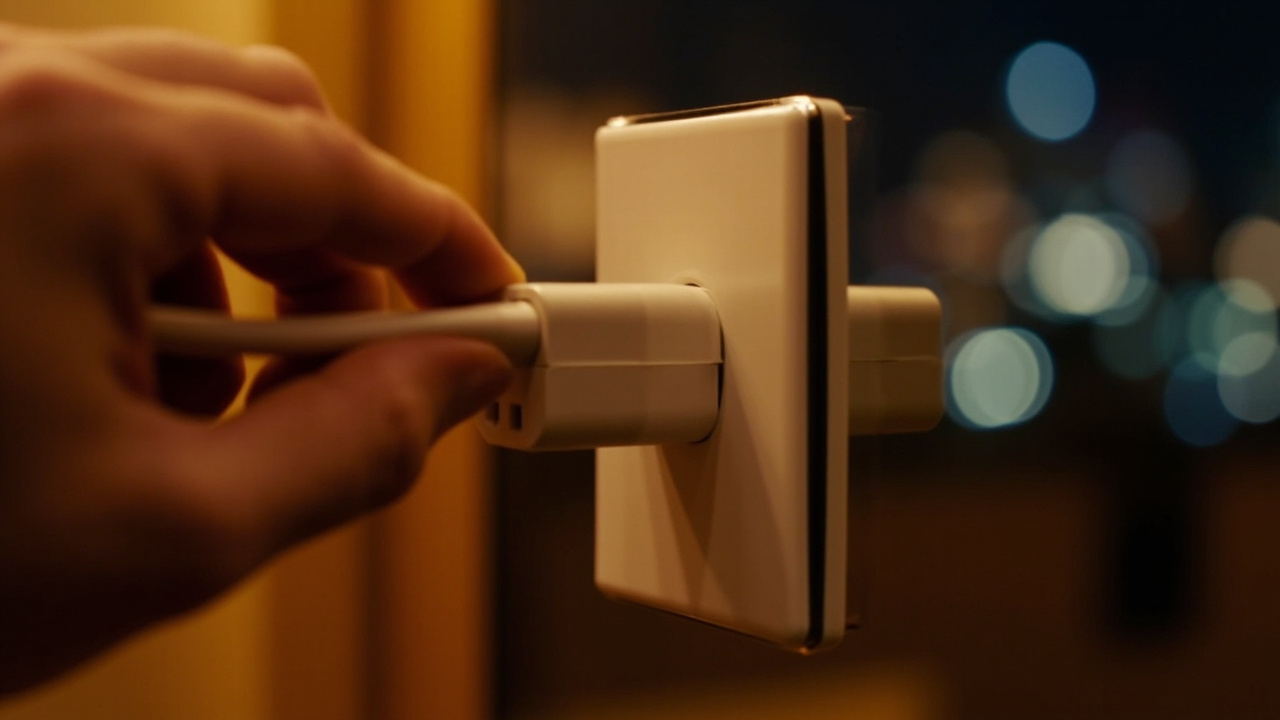
The first time I plugged my laptop into a wall socket in China, there was a small pop and the smell of burnt plastic. My MacBook charger survived, but the cheap adapter I’d bought at an airport kiosk in Bangkok didn’t. It was 11 PM in a Shanghai hotel room, I had a deadline the next morning, and I learned the hard way that China’s power situation has a few quirks that most travel blogs gloss over.
Since then, I’ve spent seven years living in Beijing and traveled through 40+ Chinese provinces. I’ve charged phones in yurt villages in Inner Mongolia, in sleeper trains crossing the Gobi Desert, and in high-rise apartments in Shenzhen. I’ve also watched countless tourists panic at the airport because they assumed China uses the same plugs as the US or Europe. It doesn’t.
Here’s what you actually need to know: China uses the Type A, Type I, and Type C sockets, but the voltage is 220V at 50Hz. Your US 110V devices will need a converter, not just an adapter. Your European devices will mostly be fine with just a plug change. And the universal adapter you bought for Europe might not fit the recessed sockets you’ll find in older Chinese buildings. This guide covers all of it, including what to buy before you leave, what to skip, and the one thing I wish someone had told me before my first trip.
Quick answer
China uses 220V electricity (50Hz) with Type A (two flat pins), Type I (three flat pins in a V-shape), and Type C (two round pins) sockets. Most modern hotel rooms have universal sockets that accept US, EU, and UK plugs, but you’ll still need a voltage converter for US 110V appliances like hair dryers and straighteners. Buy a universal adapter with surge protection before you fly, and check every device for its voltage rating before plugging anything in.
The Short Version
If you only remember three things: First, check the voltage label on every device. If it says “100-240V,” you just need a plug adapter (about $10). If it says “110V” only, you need a heavy voltage converter, not a cheap adapter. Second, buy a universal adapter with USB-C ports before you leave home — the ones sold at Chinese train stations are garbage and often fail within a week. Third, most hotels in tier-1 cities like Beijing and Shanghai have universal sockets built into the desk, but hostels and budget guesthouses in smaller cities often only have the recessed Chinese Type I socket that won’t accept your US plug at all.
How I Picked These
I’m not writing this from a research desk. I’ve plugged things into walls in every corner of this country, and I’ve made most of the mistakes you’re trying to avoid. I’ve fried a US-only hair straightener in a Chengdu hostel (the smell of burning keratin is unforgettable). I’ve watched a German tourist try to force his EU plug into a Chinese socket for five minutes before realizing it was recessed. I’ve also bought three different “universal” adapters from Chinese convenience stores that all stopped working within days. This guide is based on what I’ve learned through trial and error, plus conversations with electronics shop owners in Shenzhen’s Huaqiangbei market and hotel front desk staff across the country.
China Power Plug Adapter: What You Need to Know
The Voltage Question (This Is the Part Everyone Gets Wrong)
Most tourists obsess over plug shapes when the real problem is voltage. China runs on 220V at 50Hz. The US runs on 110V at 60Hz. If you plug a US-only device (rated 110V) into a Chinese socket with just a passive adapter, you will fry it. I’ve seen it happen with hair dryers, electric razors, and once with an expensive camera battery charger.
Here’s the simple check: look at the label on your device or its power brick. If it says “Input: 100-240V ~ 50/60Hz,” you’re fine with just a plug adapter. This covers most modern laptops, phone chargers, camera batteries, and even some hair dryers. If it says “Input: 110V” only, you need a step-down voltage converter (about $30-40, heavy, and annoying to carry). My advice: leave the US-only devices at home and buy a dual-voltage travel version instead.
China’s Three Socket Types (and Why It’s Confusing)
China officially uses three socket types, which is already more than most countries. You’ll encounter:
- Type A: Two flat parallel pins (same as US/Japan). Common in newer buildings and hotels.
- Type I: Three flat pins in a V-shape (same as Australia/New Zealand). This is the standard Chinese socket you’ll see in most homes and older buildings.
- Type C: Two round pins (same as most of Europe). Found in some newer sockets that accept multiple plug types.
The frustrating part is that many sockets are recessed into the wall. A universal adapter that works fine in your home country might be too bulky to fit into the recessed Chinese Type I socket. I’ve had this exact problem in guesthouses in Yunnan and Guizhou. The solution is to buy a compact adapter specifically designed for China, not a giant multi-country brick.
The Best Adapter to Buy Before You Fly
After years of testing, my recommendation is simple: buy a compact universal adapter with USB and USB-C ports. The specific brands I trust are:
- Ceptics World Travel Adapter Kit (about $25): Includes separate adapters for different regions, which means each piece is compact enough to fit recessed sockets. This is what I carry now.
- Anker PowerPort Cube (about $15): A small cube with US pins that folds out, plus USB ports. Works great for US travelers since it fits Type A sockets.
- Skross World Adapter (about $20): Popular with European travelers, includes Type I coverage.
Skip the cheap $5 adapters from Amazon with no brand name. I’ve had two of those fail mid-trip, and one actually melted in a socket in a Xi’an hostel. The extra $15 is worth not having a fire hazard in your hotel room.
What About Voltage Converters?
If you absolutely must bring a US-only device, you need a step-down converter that transforms 220V to 110V. These are heavy (2-3 pounds), expensive ($30-50), and generate heat. I’ve carried one exactly once, for a US-only CPAP machine, and I regretted the extra luggage weight the entire trip.
Better options: buy a dual-voltage travel hair dryer (most decent ones are already dual-voltage), or just use the hotel’s hair dryer. For straighteners, buy a dual-voltage one or go without — Chinese hotels almost never provide them. For anything with a motor (electric toothbrushes, shavers), check the label carefully. Many are dual-voltage, but some aren’t.
USB Charging Is Your Friend
Here’s the good news: China is one of the most USB-friendly countries I’ve traveled to. Most hotel rooms have USB ports built into the wall sockets. Trains have USB ports under the armrests (on newer high-speed trains, they’re between the seats). Even some long-distance buses have them now. If you’re charging phones, tablets, power banks, or cameras via USB, you’ll rarely need to worry about plug types at all.
My standard setup for China trips: one compact universal adapter for my laptop, a USB-C cable for my phone, and a power bank. That covers 95% of situations. I also bring a small USB wall charger (dual-voltage, of course) as backup.
Power Banks and Airport Security
China’s airports are strict about power banks. You can’t check them in luggage — they must go in your carry-on. The limit is 100Wh (about 27,000mAh) without special approval. I’ve seen travelers get stopped at security in Beijing and Shanghai for carrying oversized power banks. Check the label on yours before you fly.
Also note: China’s domestic flights sometimes have different rules than international ones. When in doubt, keep your power bank in your carry-on and be ready to show the security officer the capacity label.
Where You’ll Find Sockets (and Where You Won’t)
China is surprisingly well-covered when it comes to power outlets. High-speed trains have them at every seat pair. Most cafes and restaurants have sockets along the walls. Airports have charging stations. But there are gaps:
- Public parks and tourist sites: Often no sockets anywhere. Charge before you leave your hotel.
- Old buildings: Some heritage buildings (like traditional courtyard homes in Beijing’s hutongs) have very few sockets, and they’re often in awkward places.
- Night markets: Don’t expect to charge your phone while eating street food. Bring a power bank.
The VPN and Payment Angle (You’ll Need These Too)
While you’re sorting out power, don’t forget the other two things that will trip you up: internet access and payments. China blocks Google, WhatsApp, Instagram, and Facebook. You’ll need a VPN installed before you arrive — I recommend Astrill or ExpressVPN. For payments, China is almost cashless now. You’ll need Alipay or WeChat Pay set up on your phone before you arrive. Both apps accept international credit cards now, and you can set them up in about 15 minutes. Don’t skip this — many small vendors, even in Beijing, don’t accept cash anymore.
What About Hotel Sockets Specifically?
Here’s what you’ll actually find in Chinese hotels:
- Luxury hotels (5-star): Universal sockets that accept US, EU, UK, and Chinese plugs. Plus USB and USB-C ports. You might not even need your adapter.
- Mid-range hotels (3-4 star): Usually Type A and Type I sockets, sometimes with USB ports. Bring your adapter.
- Budget hotels and hostels: Type I sockets, often recessed. Sometimes only one socket in the room. Bring a compact adapter and a power strip if you have multiple devices.
- Traditional guesthouses (in places like Lijiang or Pingyao): Honestly unpredictable. I’ve stayed in beautifully restored courtyard guesthouses with exactly one socket in the entire room.
My tip: when booking, look at the room photos carefully for socket locations. If you’re unsure, email the hotel and ask. Most front desk staff can tell you what sockets are in the rooms.
The One Thing I Wish I Knew Before My First Trip
I wish someone had told me that Chinese sockets are often switched. There’s a small toggle switch next to many sockets that controls the power. If you plug something in and nothing happens, check the switch. I spent a confused 10 minutes in my first Beijing hotel room trying to charge my phone before realizing the socket was switched off. It sounds obvious, but when you’re jet-lagged at 2 AM, it’s not.
Also, the switches are sometimes on the wall near the door, controlling multiple sockets in the room. If you can’t get power to a socket, check for a master switch.
Comparison Table
| Adapter Type | Best For | Approx Cost (USD) | Voltage Handling | Where to Buy |
|---|---|---|---|---|
| Ceptics World Travel Kit | Most travelers | $25 | Adapter only (no conversion) | Amazon, before you fly |
| Anker PowerPort Cube | US travelers with USB devices | $15 | Adapter only | Amazon, before you fly |
| Skross World Adapter | European travelers | $20 | Adapter only | Amazon, before you fly |
| Compact China-only Adapter | Budget travelers | $8-12 | Adapter only | Amazon, before you fly |
| Step-down Voltage Converter | US-only appliances | $35-50 | Converts 220V to 110V | Amazon, before you fly |
| Hotel Universal Socket | No adapter needed | $0 | N/A | Built into hotel room |
FAQ summary
China uses 220V electricity with Type A, Type I, and Type C sockets. Most modern devices with “100-240V” input ratings only need a plug adapter, which costs $10-25 and should be purchased before traveling. US-only 110V devices require a heavy voltage converter or should be left at home. USB charging is widely available in hotels and on trains, making power banks and USB-C cables essential. China’s airports restrict power banks to 100Wh and require them in carry-on luggage. Many Chinese wall sockets have power switches that must be turned on before use.
FAQ
Q: Do I need a voltage converter for my US phone charger in China? A: No. Phone chargers from Apple, Samsung, and most major brands are dual-voltage (100-240V). You only need a plug adapter to fit the Chinese socket. Check the label on your charger to confirm it says “100-240V.”
Q: Will my US hair dryer work in China with just an adapter? A: No. Most US hair dryers are rated for 110V only. Plugging one into a Chinese 220V socket will fry it, possibly with a loud pop and burning smell. Buy a dual-voltage travel hair dryer or use the one provided by your hotel.
Q: Can I buy a plug adapter in China after I arrive? A: You can, but quality varies wildly. Convenience stores and train station kiosks sell cheap adapters that often fail within days. Electronics markets like Shenzhen’s Huaqiangbei have better options, but you’ll waste precious travel time hunting them down. Buy before you fly.
Q: What socket type does China use? A: China uses three types: Type A (two flat pins, same as US), Type I (three flat pins in a V-shape, same as Australia), and Type C (two round pins, same as Europe). Many modern sockets accept multiple plug types. Older buildings primarily use Type I.
Q: Do Chinese hotels provide adapters for foreign guests? A: Many mid-range and luxury hotels have universal sockets built into the room. Budget hotels and hostels usually don’t. You can ask the front desk, but don’t rely on it — bring your own compact adapter.
Q: Can I charge my laptop in China? A: Yes, if your laptop charger is dual-voltage (most are). You’ll need a plug adapter to fit the Chinese socket. High-speed trains have sockets under the armrests, and most cafes have wall sockets available.
Q: Is it safe to use Chinese power outlets? A: Yes, China’s electrical infrastructure is modern and reliable in cities. The main risks come from using incorrect adapters or plugging 110V devices into 220V sockets. Use a quality adapter and check voltage ratings, and you’ll be fine.
The Honest Wrap-up
This guide is for anyone who wants to arrive in China without the “my phone is dead and I can’t charge it” panic that hits so many first-time visitors. It’s also for the traveler who doesn’t want to learn about voltage differences by watching their expensive hair straightener smoke in a hotel bathroom. If you’re a digital nomad with a bag full of dual-voltage devices, you’ll breeze through this. If you’re a US traveler with a 110V-only curling iron, you need to make some decisions before you pack.
The final advice I’d give a friend heading to China: buy a compact universal adapter with USB-C ports, check every device’s voltage label, and leave anything that’s 110V-only at home. And when you get to your hotel room, look for the switch on the wall before you assume the socket is broken. Safe travels, and don’t forget your power bank.
Topics
More guides you may like

Top 10 Bridges in China
China's bridges are engineering marvels spanning mountains, rivers, and seas. Here are 10 of the most spectacular, from ancient stone to modern steel.
8 min read

Top 10 Buddhist Sites in China
From the Leshan Giant Buddha to the Dunhuang Caves, these 10 Buddhist sites represent 2,000 years of China's spiritual heritage.
9 min read

Top 10 Day Trips from Beijing You Shouldn't Miss
Beijing is packed with history, but some of China's best experiences are just a few hours away. Here are 10 day trips that will transform your visit.
9 min read

Top 10 Hidden Gems in China Off the Beaten Path
Beyond the Great Wall and Terracotta Warriors, China has incredible hidden destinations few tourists ever reach. Here are 10 underrated gems worth the detour.
9 min read

Top 10 Markets and Shopping Streets in China
From Shanghai's Bund to Beijing's Silk Street - 10 markets where foreigners can haggle, explore, and bring home authentic Chinese goods.
9 min read

Top 10 Museums in China You Shouldn't Miss
China's museums span 5,000 years of civilization. These 10 - from the Palace Museum to Xi'an's terracotta gallery - are unmissable for culture lovers.
9 min read