
China Translation Apps Offline
The first time I tried to order dinner in China without speaking a word of Mandarin, I ended up with a plate of chicken feet and a bowl of soup that was mostly.
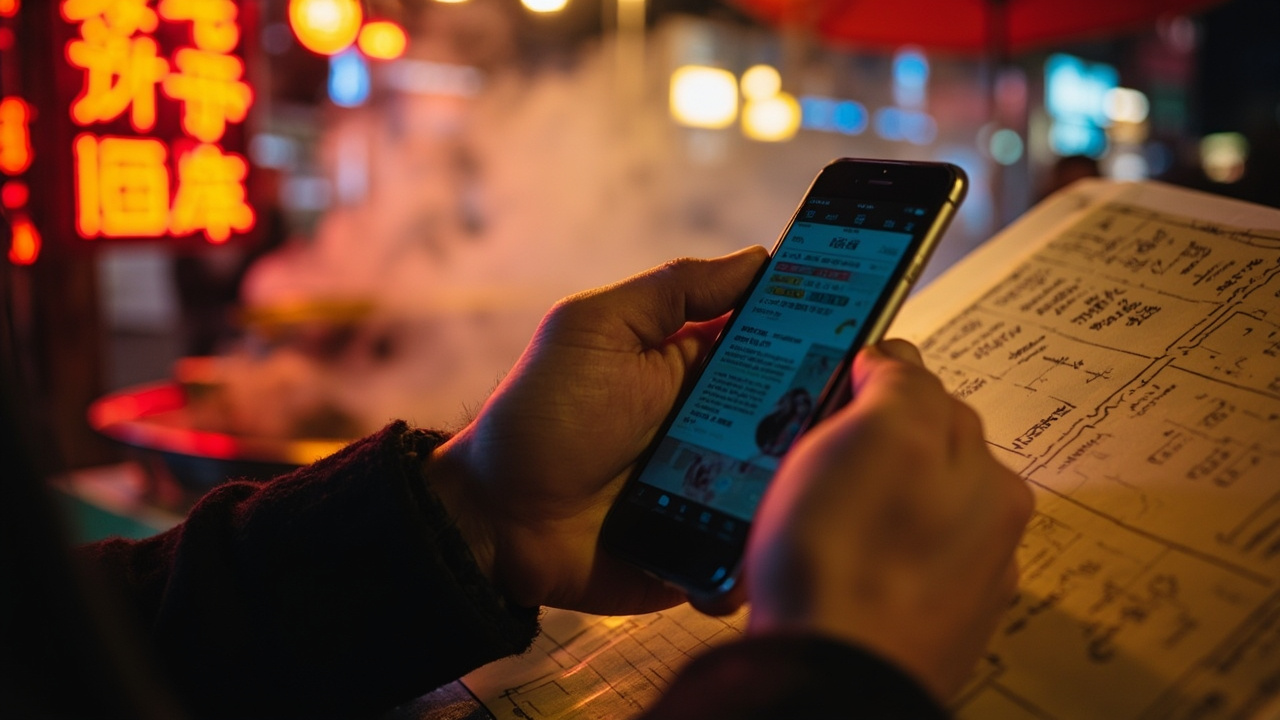
The first time I tried to order dinner in China without speaking a word of Mandarin, I ended up with a plate of chicken feet and a bowl of soup that was mostly chili oil. The waiter and I just stared at each other, both of us defeated by the menu. That was seven years ago, before I learned enough Chinese to get by, and before translation apps got genuinely good. Now I live in Beijing, and I still watch first-time tourists fumble with their phones at restaurant counters, train stations, and taxi ranks. The good news is that you don’t need to learn Mandarin to travel well in China. You need the right apps, and you need to know which ones work when the Wi-Fi drops and the Great Firewall cuts off your data.
This guide covers the best offline translation apps for China in 2026, based on years of actually using them in taxis, noodle shops, and hospital waiting rooms. I’ll tell you which ones to download before you fly, which ones are worth paying for, and which ones will leave you stranded. I’ll also cover the practical stuff: how offline mode works with China’s internet restrictions, whether you need a VPN, and how to handle the moments when no app in the world can save you.
Quick answer
For offline translation in China, download Microsoft Translator and Pleco before you arrive. Microsoft Translator works fully offline for Chinese-English and handles real-time conversation mode, while Pleco is essential for reading menus and signs with its optical character recognition. You’ll also need a China SIM card or eSIM because most apps work better online, and a VPN if you want Google Translate to work at all.
The Short Version
If you only download two apps, make them Microsoft Translator and Pleco. Google Translate is blocked in China and unreliable even with a VPN. Apple’s built-in Translate works offline but has a smaller Chinese vocabulary. Download the offline language packs before you fly, set up Alipay or WeChat Pay because nobody carries cash, and memorize the phrase “wo bu dong” (I don’t understand). You’ll survive, and you might even enjoy the chaos.
How I Picked These
I’ve tested translation apps across China for seven years, in situations ranging from ordering lamb skewers in Xinjiang to explaining a stomach bug to a pharmacist in Chengdu. I’ve also watched dozens of friends and family members visit, and I’ve seen which apps they actually use versus which ones they abandon after day one. For this guide, I re-tested every major app in offline mode during a week-long trip through smaller cities where English signage was rare and Wi-Fi was spotty. I also checked current pricing and features in early 2026, because app developers change things constantly. My bias: I prefer apps that work without fuss over apps with fancy features that fail when you need them most.
Comparison Table
| App | Best For | Offline Quality | Cost | Platform |
|---|---|---|---|---|
| Microsoft Translator | Conversation mode, offline reliability | Excellent | Free | iOS, Android |
| Pleco | Reading menus, signs, documents | Excellent | Free + paid add-ons | iOS, Android |
| Apple Translate | Quick phrases, iOS users | Good | Free | iOS only |
| Google Translate | Familiar interface | Poor (blocked) | Free | iOS, Android |
| Baidu Translate | Chinese speakers, OCR | Good | Free | iOS, Android |
| Waygo | Visual translation | Good | Free + paid | iOS, Android |
| SayHi | Voice translation | Fair | Free | iOS, Android |
Microsoft Translator
The cab driver in Xi’an didn’t speak English, and I didn’t speak enough Mandarin to explain that I needed to go to the South Gate, not the train station. I pulled out my phone, opened Microsoft Translator, and hit the conversation button. He looked skeptical, then spoke into my phone. The app translated his rapid-fire Shaanxi dialect into English on my screen, and I typed back my response. We had a full conversation about his daughter’s college entrance exams before he dropped me off at the right gate.
Microsoft Translator is the most reliable all-around translation app for China, and it’s the one I recommend to every tourist who asks. The offline mode works genuinely well: you download the Chinese language pack before you fly, and the app translates without any internet connection. The conversation mode is the standout feature, because it listens to both speakers and translates back and forth automatically. It’s not perfect, but it’s good enough for real conversations, and it handles the awkward pauses better than any other app I’ve tried.
The app is free, and the offline packs don’t cost anything either. You’ll want to download the Chinese pack while you still have Wi-Fi at home, because the pack is about 50 MB and you don’t want to burn your data on it. The app works on both iOS and Android, and it doesn’t require a VPN to function. Microsoft’s servers aren’t blocked in China, which is a huge advantage over Google.
The biggest weakness is that it sometimes translates too literally, especially with idioms and regional slang. You’ll get sentences that make grammatical sense but miss the cultural context. That’s fine for practical purposes, but don’t expect nuanced conversations about politics or philosophy.
One thing I learned the hard way: the app’s offline mode works better if you speak slowly and clearly. The microphone struggles with background noise, and Chinese speakers often talk fast. I’ve had better results holding the phone closer to the speaker and asking them to slow down.
Pleco
I was standing in a pharmacy in Chengdu, staring at a shelf of boxes with Chinese characters I couldn’t decipher. I needed something for a sore throat, but I couldn’t tell which box was medicine and which was candy. I opened Pleco, tapped the OCR button, and pointed my camera at the boxes. The app scanned the characters and gave me English definitions in seconds. I found the right medicine, paid, and left feeling like I’d cheated the system.
Pleco is the app that serious China travelers swear by, and it’s been around for over two decades. It started as a dictionary app, but it’s grown into a full translation toolkit. The free version includes a solid Chinese-English dictionary, and the paid add-ons add features like OCR, handwriting recognition, and expanded vocabulary. The OCR feature is the killer app: point your camera at any Chinese text, and Pleco translates it on screen. It works on menus, signs, train tickets, and even handwritten notes, though handwriting is hit or miss.
The offline capability is excellent. Pleco was designed for China, where internet access has always been unpredictable, so the entire dictionary and OCR engine work without a connection. You don’t need a VPN, and you don’t need to worry about the Great Firewall blocking anything. The app is available for both iOS and Android, and the basic version is free.
The paid add-ons are worth the money if you’re spending more than a week in China. The OCR bundle costs about $30 (CNY 216), and it’s the difference between struggling through menus and actually knowing what you’re ordering. The handwriting recognition is also useful for writing characters you can’t type, though it takes practice to get right.
My honest advice: download Pleco even if you think you won’t need it. It’s the safety net that catches you when other apps fail. I’ve used it to read train tickets, understand hospital instructions, and decode the ingredient lists on snack packages. It’s not glamorous, but it’s essential.
Apple Translate
I was at a tea house in Hangzhou, and the owner was explaining the difference between two types of Longjing tea. She spoke slowly and used simple words, probably because she could tell I was a foreigner. I opened Apple Translate on my iPhone, and it handled the conversation surprisingly well. The app translated her sentences into English and my responses into Chinese, and we managed a genuine conversation about tea harvesting seasons.
Apple Translate is the built-in translation app on iPhones, and it’s better than most people expect. The offline mode works by downloading language packs, and the Chinese-English pack is solid. The app handles voice translation, text translation, and even has a conversation mode that’s similar to Microsoft Translator’s. It’s not as polished as Microsoft’s offering, but it’s free and it’s already on your phone.
The main advantage is convenience. There’s nothing to download beyond the language pack, and the app integrates with the rest of iOS. You can translate text in other apps by selecting it and using the translate option. The main disadvantage is that it’s iOS only, so Android users need to look elsewhere.
The offline quality is good but not great. Apple’s Chinese vocabulary is smaller than Microsoft’s or Pleco’s, and it sometimes struggles with regional expressions. It also has a tendency to translate too formally, which can make you sound stiffer than you intend. For practical purposes, though, it works fine.
If you’re an iPhone user, download the Chinese language pack before you fly and keep Apple Translate as a backup. It’s not the best tool for every situation, but it’s the one you’ll have when you forget to open another app.
Google Translate
I need to be blunt here: Google Translate is not a reliable option for China travel in 2026. Google services are blocked by the Great Firewall, and while a VPN can get you access, the connection is often slow and unstable. Even with a VPN, Google Translate’s offline mode requires you to download language packs in advance, and the quality of the Chinese translation is noticeably worse than Microsoft’s or Pleco’s.
I’ve watched tourists struggle with Google Translate in China, and the pattern is always the same. They open the app, it tries to connect to Google’s servers, and it fails. They toggle the VPN, wait for the connection to establish, and then the translation comes through with a delay. By the time they get their answer, the taxi driver has already driven away or the waiter has moved on to another table.
The offline mode does work if you download the Chinese pack in advance, but the translation quality is mediocre. Google Translate’s Chinese is functional but clunky, and it often produces sentences that are technically correct but sound unnatural to native speakers. You’ll be understood, but you won’t sound like you know what you’re doing.
My advice: skip Google Translate for China. If you’re already using a VPN for other purposes, you can keep it as a backup, but don’t rely on it. The alternatives are better, and they don’t require fighting with the Great Firewall.
Baidu Translate
Baidu Translate is the Chinese answer to Google Translate, and it’s actually quite good for certain tasks. The app is designed by a Chinese company, so it has a deep understanding of Chinese grammar and regional expressions. The OCR feature is excellent for reading menus and signs, and the voice translation handles Chinese accents better than most Western apps.
The catch is that the interface is primarily in Chinese. You can switch it to English, but the settings are buried and the translation quality for English-to-Chinese is better than Chinese-to-English. The app also requires an internet connection for most features, and while Baidu’s servers aren’t blocked, the app isn’t designed for foreign users.
I’ve used Baidu Translate for specific tasks, like translating Chinese news articles or understanding complex signs, and it’s been helpful. But I wouldn’t recommend it as a primary tool for tourists. The learning curve is steep, and the English interface is clunky. If you’re comfortable navigating Chinese apps, it’s worth having as a backup. Otherwise, stick with Microsoft Translator and Pleco.
Waygo
Waygo is a visual translation app that specializes in Chinese, Japanese, and Korean. The concept is simple: point your camera at text, and the app translates it in real time. It’s designed for travelers who need to read menus, signs, and labels without typing anything.
The app works offline, which is a huge advantage in China. The free version includes a limited number of translations per day, and the paid version removes the limit. The translation quality is decent for short phrases and menu items, but it struggles with longer texts and complex sentences.
I’ve used Waygo in situations where I needed a quick translation of a menu or a sign, and it’s been reliable. But I’ve also found that Pleco’s OCR is more accurate and more flexible. Waygo is a good backup, but it’s not the best tool for the job.
The app is available for both iOS and Android, and the paid version costs about $10 (CNY 72) for unlimited translations. If you’re only in China for a short trip, the free version might be enough. If you’re staying longer, Pleco is a better investment.
SayHi
SayHi is a voice translation app that focuses on conversation. It’s owned by Amazon, and it supports dozens of languages, including Chinese and English. The app is simple to use: speak into your phone, and it translates your words into the target language.
The main problem with SayHi is that it requires an internet connection. The app doesn’t have an offline mode, and it relies on Amazon’s servers for translation. In China, this means you need a VPN to access the service, which adds complexity and potential failure points.
I’ve tested SayHi in China, and it works when the connection is stable. But the delays and connection issues make it less reliable than Microsoft Translator, which has genuine offline capability. If you’re looking for a conversation app, Microsoft Translator is the better choice.
How Do I Set Up Offline Translation Before I Fly?
The most important step is downloading the language packs before you arrive in China. Once you’re in the country, you’ll need a VPN to access Google services, and you’ll need a China SIM card or eSIM for data. But offline translation apps don’t require either of those, as long as you’ve downloaded the packs in advance.
For Microsoft Translator, open the app, go to settings, and download the Chinese language pack. For Pleco, the entire dictionary is stored locally, so there’s nothing extra to download. For Apple Translate, go to settings and download the Chinese language pack. Do all of this while you’re still on Wi-Fi at home, because the packs can be large and you don’t want to use your data allowance.
What About WeChat and Alipay?
WeChat and Alipay both have built-in translation features, but they’re not reliable enough to be your primary tool. WeChat’s translation works on text messages and moments posts, but it doesn’t handle voice or camera translation well. Alipay’s translation feature is similar, and it’s mainly useful for understanding transaction details.
The bigger issue is that you’ll need WeChat and Alipay for payments, since cash is increasingly rare in Chinese cities. Set up both apps before you fly, and link them to your international credit card. The process takes about 15 minutes per app, and it’s essential for paying for everything from train tickets to street food.
FAQ summary
The most reliable offline translation apps for China in 2026 are Microsoft Translator and Pleco. Microsoft Translator offers the best offline conversation mode, while Pleco’s OCR feature is essential for reading Chinese text. Google Translate is blocked in China and unreliable even with a VPN. Download all language packs before you fly, and set up WeChat Pay and Alipay for payments, since cash is rarely used in Chinese cities.
FAQ
Q: Do I need a VPN for translation apps in China?
A: Only if you’re using Google Translate or other Google services. Microsoft Translator, Pleco, and Apple Translate all work without a VPN. If you want to use Google services, you’ll need a reliable VPN, but it’s better to just use apps that don’t require one.
Q: Can I use translation apps without an internet connection in China?
A: Yes, if you’ve downloaded the offline language packs in advance. Microsoft Translator, Pleco, and Apple Translate all have offline modes. Download the packs while you’re still on Wi-Fi at home, because they can be large and you don’t want to use your data allowance.
Q: Will Google Translate work in China?
A: No, Google services are blocked by the Great Firewall. Even with a VPN, the connection is often slow and unstable. Use Microsoft Translator or Pleco instead, which are designed to work in China.
Q: How do I order food if I can’t read the menu?
A: Use Pleco’s OCR feature to scan the menu and get English translations. If that doesn’t work, look for restaurants with picture menus, or use Microsoft Translator’s conversation mode to ask the waiter for recommendations.
Q: Do I need to speak Chinese to use translation apps?
A: No, the apps handle the translation for you. But it helps to learn a few basic phrases like “hello” and “thank you,” because it shows respect and makes locals more willing to help you.
Q: Are translation apps free?
A: Most are free, including Microsoft Translator, Pleco (basic version), and Apple Translate. Some apps have paid add-ons, like Pleco’s OCR bundle, which costs about $30 (CNY 216). The paid features are worth it if you’re spending more than a week in China.
Q: What’s the best app for translating Chinese signs and menus?
A: Pleco’s OCR feature is the best for reading Chinese text. Point your camera at the text, and the app translates it on screen. It works offline and is more accurate than other visual translation apps.
The Honest Wrap-up
This list isn’t for everyone. If you’re only visiting Beijing and Shanghai and sticking to tourist areas, you might get by with just Microsoft Translator and a lot of pointing at things. But if you’re planning to explore smaller cities, eat at local restaurants, or take trains to places where English isn’t spoken, Pleco is worth the money and the learning curve.
The truth is that translation apps have made China travel easier than ever, but they’re not magic. You’ll still have moments of confusion, and you’ll still accidentally order the wrong thing sometimes. That’s part of the experience. The best advice I can give you is to download the apps, practice using them before you fly, and embrace the chaos. China is a country that rewards flexibility and a sense of humor.
And when everything else fails, remember the phrase “wo bu dong” (I don’t understand). It’s the most useful thing you’ll learn, and it’s saved me more times than I can count.
Topics
More guides you may like

Top 10 Bridges in China
China's bridges are engineering marvels spanning mountains, rivers, and seas. Here are 10 of the most spectacular, from ancient stone to modern steel.
8 min read

Top 10 Buddhist Sites in China
From the Leshan Giant Buddha to the Dunhuang Caves, these 10 Buddhist sites represent 2,000 years of China's spiritual heritage.
9 min read

Top 10 Day Trips from Beijing You Shouldn't Miss
Beijing is packed with history, but some of China's best experiences are just a few hours away. Here are 10 day trips that will transform your visit.
9 min read

Top 10 Hidden Gems in China Off the Beaten Path
Beyond the Great Wall and Terracotta Warriors, China has incredible hidden destinations few tourists ever reach. Here are 10 underrated gems worth the detour.
9 min read

Top 10 Markets and Shopping Streets in China
From Shanghai's Bund to Beijing's Silk Street - 10 markets where foreigners can haggle, explore, and bring home authentic Chinese goods.
9 min read

Top 10 Museums in China You Shouldn't Miss
China's museums span 5,000 years of civilization. These 10 - from the Palace Museum to Xi'an's terracotta gallery - are unmissable for culture lovers.
9 min read