
China Payment Apps Alipay WeChat
China Payment Apps Alipay WeChat
China Payment Apps Alipay WeChat
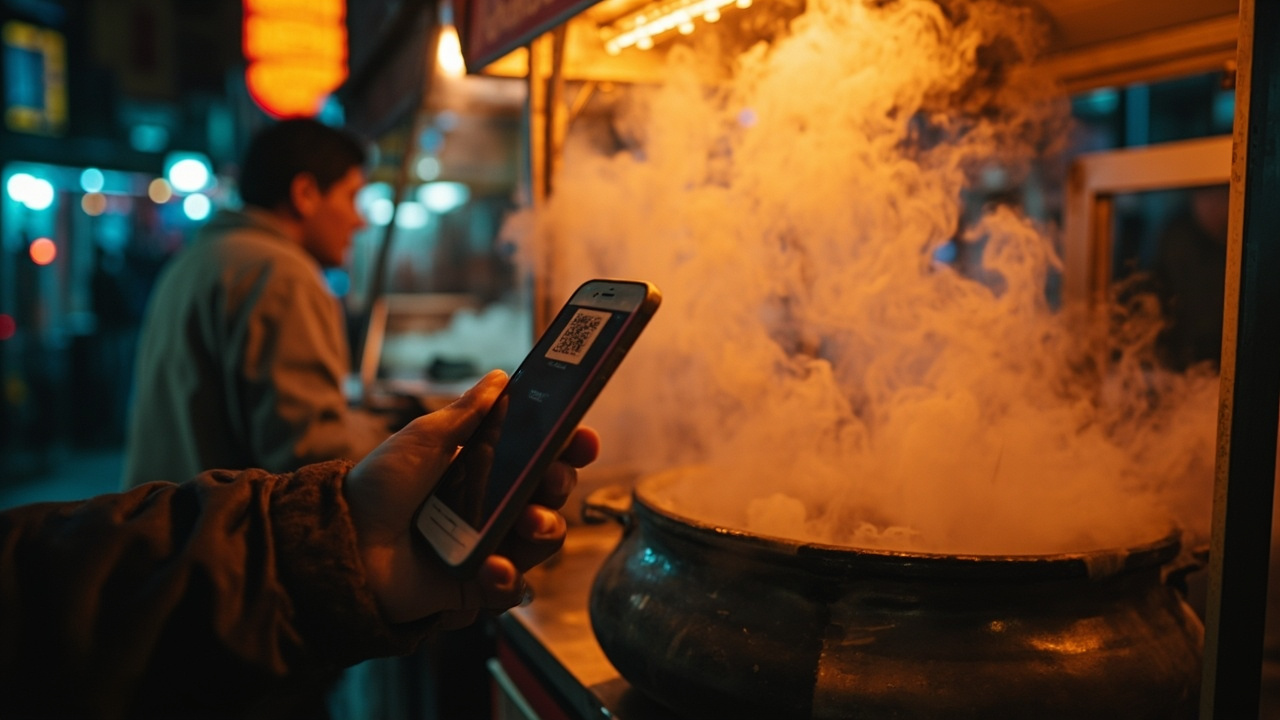
The woman at the noodle stall in Chengdu held up two fingers and pointed at my phone. I’d been standing there for a full minute, wallet open, cash in hand, feeling like an idiot. She didn’t want my yuan. She wanted me to scan the QR code taped to her cart. I didn’t have Alipay set up yet. My friend scanned for me, and the woman laughed — not unkindly — and handed me my bowl. That was day two of my first trip. By day four I’d figured out that in China, cash is technically legal tender and practically a museum piece. If you’re planning a first trip, this is the single most important thing to sort out before you land. Not the visa. Not the train tickets. Your phone. Get Alipay and WeChat Pay working and China opens up. Skip it and you’ll spend your whole trip asking strangers to pay for you.
Quick answer
International tourists can use Alipay and WeChat Pay in China by linking an overseas Visa, Mastercard, Amex, JCB, or Discover card directly in the app — no Chinese bank account required. Both apps work at the vast majority of vendors, from 7-Eleven to street food carts to high-speed rail ticket machines. Set both up before you fly, because verification can take a day or two and you don’t want to be doing it in a taxi queue at 11pm.
The Short Version
Download Alipay. Set it up. Link your card. Do the same with WeChat Pay as a backup. That’s it. Alipay is the more foreigner-friendly of the two and I’d start there. WeChat Pay is essential because some vendors only take it, and because WeChat is how everyone in China actually communicates. Fees are small (under 3% on most transactions, often waived under a threshold). You’ll still want 200–300 yuan cash as a just-in-case. Everything else is noise.
How I Picked These
This isn’t a list of places — it’s a list of things you need to know about two apps. I’ve been using Alipay and WeChat Pay since 2019, across maybe 40 trips through China, from Shenzhen to Harbin. I’ve paid for dumplings, a hospital visit, a bullet train ticket, a haircut, and one very ill-advised karaoke room in Kunming. I’ve also watched friends get stuck at ticket counters because they hadn’t set things up. What follows is what I actually do, cross-checked against the official 2026 rules and a few conversations with Chinese friends who work in fintech.
Comparison Table
| Rank | App | Best For | Setup Difficulty | Fees (approx) | When to Use |
|---|---|---|---|---|---|
| 1 | Alipay | Almost everything | Easy | Under 3% on transactions over ¥200, often waived | Default app for tourists |
| 2 | WeChat Pay | Vendors that only take WeChat; splitting bills with locals | Medium (needs a contact to verify sometimes) | Similar to Alipay | Backup + social |
| 3 | Cash (RMB) | Emergencies, temples, tiny villages | None | None | Backup only |
| 4 | International credit card (swiped) | Fancy hotels, airport duty-free | None | 1.5–3% foreign transaction fee | Rare outside hotels |
| 5 | Apple Pay / Google Pay | Almost nowhere in China | N/A | N/A | Don’t rely on it |
Alipay — the one you should set up first
I was in a taxi on the ring road in Beijing when I realized I’d left my wallet at the hostel. The driver, a guy named Liu who’d been telling me about his daughter’s college exams, didn’t blink. He just pointed at the QR code stuck to his dashboard. I scanned, typed in the fare, showed him the confirmation, and we kept talking about his daughter. That’s Alipay. It’s the app that made me stop carrying a wallet in China entirely.
Alipay (支付宝, Zhīfùbǎo) is run by Ant Group, affiliated with Alibaba. For foreign tourists it’s the friendliest option because the international version of the app has an English interface, accepts foreign cards directly, and doesn’t require a Chinese phone number to sign up — you can use your home number. The app also bundles DiDi (ride-hailing), train tickets, translation, and a mini metro map, which means you can survive a whole trip inside one app.
Setup: download Alipay from your app store, register with your home phone number, then go to “Account” → “Bank Cards” → add your Visa, Mastercard, Amex, JCB, Discover, or Diners Club. You’ll need to complete identity verification with a passport photo. This usually takes minutes but can take up to 48 hours, so do it before you fly.
📱 Where it works: Everywhere. Convenience stores, metro ticket machines, high-speed rail counters, taxi drivers, street vendors, temples, hospitals, vending machines.
💳 Fees: Transactions under ¥200 (about $28) are typically fee-free. Above that, expect roughly 3%. Your home bank may add a foreign transaction fee on top.
⏰ Setup time: 10 minutes if verification is instant, up to 2 days if not.
💡 Insider tips for foreign visitors: Turn on “Pay” in the app before you arrive so the QR scanner is one tap away. Screenshot your payment QR if you’ll be somewhere without signal. You can also use Alipay to top up a DiDi balance, which saves you from entering card details twice.
The first time I paid for a ¥4 (about $0.55) bottle of water with Alipay, the cashier looked at me like I’d grown a second head. By the third time, she just nodded. That’s the whole experience in miniature.
WeChat Pay — the one you also need
WeChat is the app that runs China. It’s WhatsApp, Instagram, your bank, your calendar, and your payment terminal in one. If you’re meeting a Chinese friend for dinner, they’ll send the location on WeChat. If you’re splitting a bill, they’ll send a WeChat red packet. If a small vendor only takes one payment method, it’s usually WeChat Pay.
The catch: setting up WeChat Pay as a foreigner is slightly more annoying than Alipay. You need to link a foreign card, and sometimes WeChat asks for a Chinese friend to verify you (they send a code to your contact). If you don’t know anyone in China, this can be a wall. The workaround is to set up Alipay first, use it for a week, and then try WeChat Pay — often the verification requirement relaxes once you’ve been active. Or ask your hostel receptionist to help; they do this for guests constantly.
📱 Where it works: Slightly fewer places than Alipay, but the overlap is huge. Some tiny vendors only take WeChat.
💳 Fees: Similar to Alipay — small percentage on larger transactions, often waived on small ones.
⏰ Setup time: 15 minutes if verification is smooth, potentially days if you need a contact to verify.
💡 Insider tips: WeChat is also how you’ll communicate with hotels, tour guides, and taxi drivers. Set up a profile photo and a recognizable name before your trip. If a vendor says “no Alipay, WeChat only,” don’t argue — just open WeChat.
I once tried to pay for a bowl of noodles in a tiny village outside Guilin with cash. The owner, an older woman, shook her head and pointed at her WeChat QR. I didn’t have WeChat Pay set up yet. A teenager at the next table scanned for me, I gave him cash, and he WeChat-transferred the owner. That’s how China works. The system is social.
How to set up both apps before you fly
Do this at home, on wifi, with your passport nearby.
- Download Alipay and WeChat from your app store.
- Register Alipay with your home phone number. Complete identity verification with a passport photo.
- Add your credit card in Alipay under “Bank Cards.”
- Register WeChat with your home phone number. Set a profile photo.
- In WeChat, go to “Me” → “Services” → “Wallet” and add your card. If it asks for a Chinese verifier, skip for now and try again after a few days of using Alipay.
- Test a small transaction if you can — some people buy a ¥1 item from a vending machine after landing just to confirm it works.
Also worth doing: install a VPN before you arrive if you want access to Google, Instagram, WhatsApp, or Gmail. Most VPNs are blocked from Chinese app stores, so you can’t download them once you’re there. See our China SIM card and internet guide for the full setup.
What about cash and cards?
Cash still works. It’s legal tender. But in practice, many small vendors don’t keep change, and some will look mildly inconvenienced if you hand them a ¥100 note for a ¥6 purchase. I keep 200–300 yuan (about $28–42) on me for temples, rural areas, and the occasional taxi driver whose QR code isn’t working.
International credit cards swiped directly work at big hotels, airport duty-free, and some department stores. Everywhere else, expect to be told “Alipay or WeChat.” Don’t fight it.
Apple Pay and Google Pay? Basically useless in China. Don’t rely on them.
The QR code thing, explained
There are two ways QR payments work in China, and it’s worth knowing the difference.
You scan them: You open Alipay or WeChat, tap “Scan,” point at the vendor’s QR code (usually a printed square on the counter or a sticker on the cart), type in the amount, and confirm. This is what happens at 90% of vendors.
They scan you: You open your payment QR (in Alipay, tap “Pay/Collect”), and the cashier scans it with a handheld device. This is common at convenience stores and supermarkets.
Both are fast once you’ve done it twice. The first time feels weird. The fifth time feels normal. The twentieth time you’ll wonder why the rest of the world is still swiping plastic.
Is it safe?
Yes, mostly. Alipay and WeChat Pay are regulated by the People’s Bank of China and have strong fraud protection. You can set a payment password, enable fingerprint or face unlock, and freeze your account instantly if your phone is stolen.
The bigger risk is your phone itself. Don’t leave it on restaurant tables. Don’t hand it to strangers to “scan for you” unless you’re watching them. And keep your screen locked — a thief with your unlocked phone and Alipay open can drain your linked card quickly.
I’ve never had a payment issue in seven years of traveling here. I have had a friend lose a phone in a Shanghai nightclub. Different problem.
What if I’m only in China for 3 days?
Still set up Alipay. Three days of asking strangers to pay for you is exhausting for everyone. Alipay takes 10 minutes. Do it on the plane.
If you’re doing a short layover under the 240-hour visa-free transit scheme, you might only need Alipay for a meal and a taxi. That’s still worth the setup.
Do I need a Chinese phone number?
No. Both apps work with a foreign number. You’ll want a data plan or eSIM for internet access — see our SIM card guide — but the number itself can be your home one.
A Chinese number helps for some services (DiDi driver calls, restaurant reservations), but it’s not required for payments.
The one mistake I see tourists make
They wait until they’re standing at a ticket counter or a noodle stall to set things up. Then the wifi is slow, the verification is pending, and the queue behind them is growing. Set up both apps the week before you fly. Test them once. Then forget about them and enjoy the trip.
FAQ summary
International tourists can use Alipay and WeChat Pay in China by linking an overseas Visa, Mastercard, Amex, JCB, or Discover card directly in the app — no Chinese bank account or phone number is required. Alipay is the easier of the two to set up and works almost everywhere; WeChat Pay is a useful backup and is sometimes the only option at small vendors. Fees are typically under 3% on transactions over ¥200 (about $28) and often waived below that. Set both up before you fly, keep 200–300 yuan in cash as backup, and install a VPN before arrival if you need Google or WhatsApp.
FAQ
Q: Can I use Alipay or WeChat Pay with a foreign credit card in 2026? A: Yes. Both apps accept international Visa, Mastercard, Amex, JCB, and Discover cards linked directly in the app. No Chinese bank account is required. Setup takes 10–15 minutes if verification goes smoothly.
Q: Do I need a Chinese phone number to use Alipay or WeChat Pay? A: No. Both apps work with a foreign phone number. You’ll want a data plan or eSIM for internet access while in China, but the number itself can be your home one.
Q: What are the fees for using Alipay with a foreign card? A: Transactions under ¥200 (about $28) are typically fee-free. Above that, expect roughly 3% from Alipay or WeChat, plus any foreign transaction fee your home bank charges (usually 1.5–3%).
Q: Is cash still accepted in China? A: Yes, legally. But many small vendors don’t keep change and some will look inconvenienced if you pay a ¥6 item with a ¥100 note. Keep 200–300 yuan (about $28–42) for temples, rural areas, and emergencies.
Q: What if I can’t get WeChat Pay verified before my trip? A: Set up Alipay first and use it for a few days. WeChat’s verification requirement often relaxes once you’ve been active. Or ask your hotel or hostel receptionist to help — they do this for foreign guests regularly.
Q: Can I use Apple Pay or Google Pay in China? A: Almost nowhere. Don’t rely on them. Alipay and WeChat Pay are the two that matter.
Q: Do I need a VPN to use Alipay or WeChat Pay? A: No. Both apps work fine on Chinese networks without a VPN. You’ll want a VPN for Google, Gmail, Instagram, and WhatsApp — install it before you fly, since VPN apps are blocked from Chinese app stores.
The Honest Wrap-up
If you’re a first-time visitor to China, this guide is for you. If you’ve been here before and already have Alipay humming, you probably skipped to the FAQ and that’s fine. The one thing I’d tell a friend about to book the flight: set up Alipay the week before you leave, not the night before. Do it on your couch, with a cup of coffee, while your passport is in the drawer. Then land in Beijing or Shanghai, scan your first QR code at the airport convenience store, and feel that small click of “oh, this is going to be fine.” Everything else — the trains, the food, the temples — gets easier from there. And if you’re still sorting out the bigger picture, our top places to visit in China and high-speed rail guide are good next reads.
More guides you may like

Top 10 Bridges in China
China's bridges are engineering marvels spanning mountains, rivers, and seas. Here are 10 of the most spectacular, from ancient stone to modern steel.
8 min read

Top 10 Buddhist Sites in China
From the Leshan Giant Buddha to the Dunhuang Caves, these 10 Buddhist sites represent 2,000 years of China's spiritual heritage.
9 min read

Top 10 Day Trips from Beijing You Shouldn't Miss
Beijing is packed with history, but some of China's best experiences are just a few hours away. Here are 10 day trips that will transform your visit.
9 min read

Top 10 Hidden Gems in China Off the Beaten Path
Beyond the Great Wall and Terracotta Warriors, China has incredible hidden destinations few tourists ever reach. Here are 10 underrated gems worth the detour.
9 min read

Top 10 Markets and Shopping Streets in China
From Shanghai's Bund to Beijing's Silk Street - 10 markets where foreigners can haggle, explore, and bring home authentic Chinese goods.
9 min read

Top 10 Museums in China You Shouldn't Miss
China's museums span 5,000 years of civilization. These 10 - from the Palace Museum to Xi'an's terracotta gallery - are unmissable for culture lovers.
9 min read