
China Mountain Trekking Guide
TODO: Extract from article (100-160 chars)
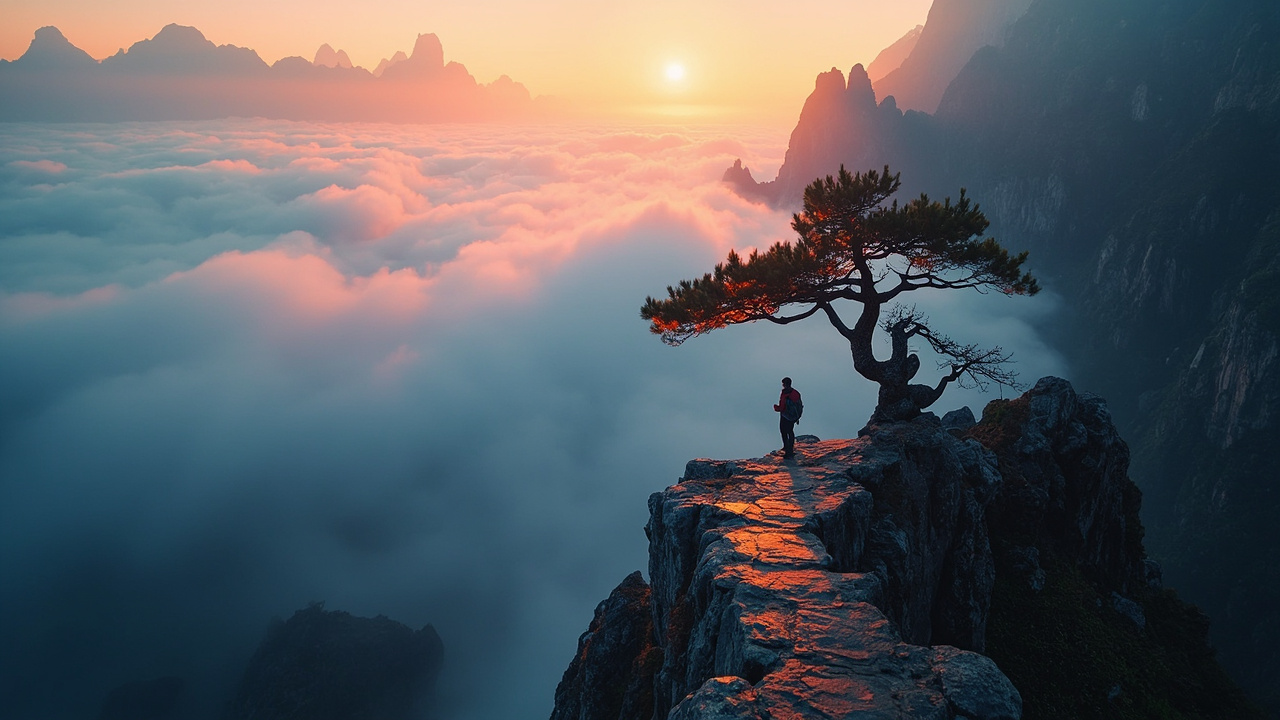
The cab driver on the way out of Chengdu looked at my trekking poles sticking out of my backpack and asked, in broken English, “Mountain? Which mountain?” When I said Emei, he laughed and pointed at his own knees. “I go one time. Ten years ago. Knees still angry.” That was my introduction to how the Chinese themselves treat their sacred peaks, with a mix of reverence and absolute terror. I’ve now spent seven years living in Beijing and made over forty trips across this country, and I still think the mountains are the best thing China does. The cities are overwhelming in the best way, but the mountains, they get under your skin differently.
This guide is for first-time visitors who want to see a side of China that doesn’t involve selfie sticks and tour groups. I’ve trekked most of the routes below, sometimes twice, and I’ve made enough mistakes so you don’t have to. You’ll get specific directions, honest opinions on which mountains are worth your time, and the kind of practical details that guidebooks often skip.
Quick answer
China offers some of the world’s most spectacular mountain trekking, from the Buddhist pilgrimage trails of Emei to the otherworldly sandstone pillars of Zhangjiajie. Most visitors can enter visa-free for up to 30 days under the 2025-2026 visa-free policies for 40+ countries, and a typical 3-5 day trek costs between $150-400 USD (1,100-2,900 CNY) including transport, entry fees, and mountain lodging. The best trekking season is April-June and September-October, when temperatures are moderate and skies are clearest.
The Short Version
If you only have 90 seconds, here’s the deal. Huangshan and Zhangjiajie are the two you’ve seen in photos, and they’re both worth the hype, but they’re crowded. Emei is the most culturally rich trek if you can handle 50 kilometers of stone steps. Tiger Leaping Gorge is the best pure hiking experience, and it’s cheap. The Great Wall at Jiankou is the most raw and adventurous option near Beijing. Skip Huashan unless you love crowds and adrenaline. Don’t skip the smaller ones like Wuyishan or Fanjingshan if you have time. Bring cash for mountain temples, download Alipay before you arrive, and pack for rain even in summer.
How I Picked These
I’ve trekked every mountain on this list at least once since moving to China in 2019. Some I’ve done multiple times, like Huangshan in winter and again in autumn, because the experience changes completely with the season. I’ve gotten lost on the back side of Emei, nearly blown off a ridge at Jiankou, and sat through a thunderstorm in a Zhangjiajie shelter with three Chinese college students who shared their instant noodles. I’ve also talked to countless local trekkers, temple monks, and guesthouse owners about their favorite routes. This list reflects what I’d actually recommend to a friend visiting China for the first time, not what looks good on Instagram.
Comparison Table
| Rank | Place | Best For | Approx Cost (USD) | Time Needed | When to Go |
|---|---|---|---|---|---|
| 1 | Huangshan | Iconic scenery, sunrise | $150-250 | 2-3 days | Apr-May, Sep-Nov |
| 2 | Tiger Leaping Gorge | Pure trekking, budget | $80-150 | 2-3 days | Mar-Jun, Sep-Nov |
| 3 | Zhangjiajie | Otherworldly landscapes | $200-350 | 3-4 days | Apr-Jun, Sep-Oct |
| 4 | Emei Shan | Culture, pilgrimage | $120-200 | 2-3 days | Apr-Jun, Sep-Oct |
| 5 | Jiankou Great Wall | Wild hiking, adventure | $50-100 | 1-2 days | Apr-Jun, Sep-Oct |
| 6 | Wuyishan | Tea country, gentle trails | $100-180 | 2 days | Mar-May, Oct-Nov |
| 7 | Fanjingshan | Remote, spiritual | $150-250 | 2 days | May-Oct |
| 8 | Huashan | Thrill seekers | $100-200 | 1-2 days | Apr-Oct |
| 9 | Yuanyang Rice Terraces | Photography, culture | $80-150 | 2-3 days | Nov-Mar |
| 10 | Changbai Shan | Volcano lake, border | $200-300 | 2-3 days | Jun-Sep |
Huangshan 鈥?The Mountain That Made Painters Give Up
I remember standing at Bright Summit Peak at 5:47 AM, watching the clouds below me turn pink, then orange, then gold. A Chinese man next to me, probably seventy years old, was crying. Not dramatically, just tears running down his face while he photographed the sunrise with a phone that looked older than my first smartphone. He told me he’d waited forty years to see this. I understood why.
Huangshan is the mountain that Chinese landscape painters have been trying to capture for a thousand years, and they all failed. The granite peaks punch through a sea of clouds that shifts constantly, and the famous “welcoming pines” grow sideways out of sheer cliff faces like they’re defying gravity out of spite. It’s not a wilderness experience, the paths are paved and crowded, but it’s one of the most beautiful places I’ve ever been.
📍 Location: Huangshan City, southern Anhui Province. The scenic area is about 60km from Huangshan North Station.
🎫 Entry fee: $30 USD (220 CNY) for the scenic area. Cable cars are an additional $15-20 USD (110-150 CNY) each way.
🕒 Opening hours: 6:00 AM to 5:30 PM daily, year-round. Winter hours are shorter, and some peaks close during severe weather.
🚕 How to get there: Take the high-speed train to Huangshan North Station (from Shanghai, about 3 hours). From there, take the tourist bus to the Tangkou town entrance (about 50 minutes). There are two cable car entrances, the Yungu and Yuping. For the classic route, go up Yungu cable car, trek across the top, and come down Yuping.
📅 When to visit: October and November for the clearest skies and autumn colors. April-May for fresh greenery and fewer crowds. Avoid Chinese national holidays at all costs. Weekdays are significantly quieter than weekends.
💡 Insider tips:
- Book mountain-top hotels months in advance, they sell out. The cheapest dorm beds are around $80 USD (600 CNY) per night.
- Bring your own food. Mountain restaurants charge $15-20 USD (110-150 CNY) for a simple meal.
- The sunrise viewing spots fill up by 4:30 AM. Go early or watch from your hotel balcony.
- Winter is stunning but brutal, temperatures drop to -10掳C (14掳F) with wind chill.
- The “West Sea Grand Canyon” section is the most spectacular and least crowded part.
I ate the worst dumplings of my life at a mountain-top stall for $12 USD (88 CNY), and I’d do it again just for the view from the plastic table.
Tiger Leaping Gorge 鈥?The Hike That Feels Like a Secret
The first time I did this trek, I met a Dutch couple who had been traveling for eight months. They told me Tiger Leaping Gorge was the best hike they’d done anywhere, including Nepal and Patagonia. I thought they were exaggerating. They weren’t.
This is the trek I recommend to every friend who visits China. It’s not the most famous mountain on this list, but it’s the best pure hiking experience. You walk along a cliff path high above the Jinsha River, which thunders through the deepest gorge in the world. The path is cut into the mountainside, with the snow-capped Haba Snow Mountain on one side and the river hundreds of meters below on the other. It’s challenging enough to feel like an achievement, but not so hard that you need technical skills.
📍 Location: Between Qiaotou and Daju towns, in northwest Yunnan Province, about 2 hours from Lijiang.
🎫 Entry fee: $13 USD (100 CNY) for the gorge entrance ticket. The hike itself is free once you’re in.
🕒 Opening hours: The trail is always open, but guesthouses along the route operate from roughly March to November.
🚕 How to get there: From Lijiang, take a bus to Qiaotou town (about 2 hours, $5-8 USD / 40-60 CNY). Start the trek from Qiaotou and walk the full 22km (14 miles) over two days, staying at guesthouses along the way. Finish at Tina’s Guesthouse, where you can catch a bus back to Lijiang.
📅 When to visit: March-June and September-November for the best weather. July-August is rainy and can have landslides. December-February is cold but clear, with snow on the peaks.
💡 Insider tips:
- The “28 Bends” section near the start is the hardest part. Take it slow, it’s only about an hour of steep climbing.
- Stay at the Halfway Guesthouse, it has the best views and the food is surprisingly good.
- The high trail is the one you want. The low road along the river is just a road.
- Bring cash, some guesthouses don’t take cards or mobile payment.
- The waterfall section after the Halfway Guesthouse is slippery when wet. Take your time.
A guesthouse owner named Mama gave me a bowl of yak butter tea and told me stories about the 1996 earthquake that killed 300 people in the gorge. She pointed at a scar on the mountain and said, “That’s where the mountain fell.”
Zhangjiajie 鈥?The Floating Mountains Are Real
I’ll be honest, I was skeptical about Zhangjiajie. The photos look like something from a fantasy movie, because they literally are, James Cameron has admitted the floating mountains in Avatar were inspired by these pillars. I expected disappointment. Instead, I spent three days wandering through a landscape that made me question whether I was still on Earth.
The sandstone pillars rise hundreds of meters straight up from the forest floor, covered in vegetation that clings to vertical rock faces. Between them, mist moves like it’s alive, sometimes revealing a pillar that wasn’t there a minute ago. It’s the only place I’ve been where I genuinely couldn’t tell if what I was seeing was real.
📍 Location: Zhangjiajie National Forest Park, northwestern Hunan Province. The park is about 40 minutes from Zhangjiajie city.
🎫 Entry fee: $33 USD (245 CNY) for a 4-day pass. The Bailong Elevator, the world’s tallest outdoor elevator, costs an additional $18 USD (130 CNY) round trip.
🕒 Opening hours: 7:00 AM to 6:00 PM daily, year-round. Some areas close during extreme weather.
🚕 How to get there: Fly or take the high-speed train to Zhangjiajie. From the city, take bus line 1 or a taxi to the park entrance (about 40 minutes). The park has multiple entrances, but the main one at Wulingyuan is the most convenient.
📅 When to visit: April-June and September-October for clear views. July-August is hot and crowded. Winter can be magical with snow, but some paths close.
💡 Insider tips:
- The park is huge, bigger than you think. Plan at least two full days.
- The Yuanjiajie area has the Avatar pillars, but the Tianzi Mountain area is equally spectacular and less crowded.
- Take the cable car up and the elevator down, or vice versa. The views from both are worth it.
- The glass bridge at Zhangjiajie Grand Canyon is terrifying and crowded. Skip it unless you really want the thrill.
- Stay in Wulingyuan town, not Zhangjiajie city, to be closer to the park entrance.
I shared a shelter with three Chinese students during a sudden thunderstorm. One of them, a computer science major from Guangzhou, told me he’d come here every year since he was a child. “It resets my brain,” he said.
Emei Shan 鈥?The Pilgrim’s Stairmaster
The monk at the Qingyin Pavilion looked at my hiking boots and said something in Chinese that I didn’t understand. When I asked him to repeat it, he switched to English: “You will feel your legs tomorrow.” He wasn’t wrong. Emei Shan is 50 kilometers of stone steps that climb 3,099 meters (10,167 feet) from the base to the Golden Summit. It’s not a technical climb, but it’s a brutal physical test.
What makes it worth the pain is the culture. This is one of the four sacred Buddhist mountains of China, and the trail is lined with temples that have been there for centuries. Monks in gray robes walk past you, pilgrims with incense and prayer beads climb slowly, and the air smells like incense and wet stone. At the summit, the golden statue of Samantabhadra glows in the sunrise, and if you’re lucky, you’ll see the “Buddha’s light,” a rainbow halo that appears around your shadow in the clouds below.
📍 Location: Emeishan City, about 150km southwest of Chengdu, Sichuan Province.
🎫 Entry fee: $22 USD (160 CNY) for the scenic area. The cable car to the summit is an additional $15 USD (110 CNY) each way.
🕒 Opening hours: The mountain is open 24 hours, but most temples close their gates by 8 PM. The cable car runs from 7 AM to 6 PM.
🚕 How to get there: From Chengdu East Station, take the high-speed train to Emeishan Station (about 1 hour, $10-15 USD / 75-110 CNY). From there, take bus 5A or a taxi to the Baoguo Temple entrance (about 20 minutes).
📅 When to visit: April-June and September-October. The summit can be cold even in summer, bring layers. Winter has snow and ice on the steps, which is beautiful but treacherous.
💡 Insider tips:
- Most people take the bus partway up and only hike the last section. If you want the full experience, start from the base, but plan for 2-3 days.
- Stay overnight at a temple on the mountain. The rooms are basic but clean, and the experience is unforgettable. Around $15-25 USD (110-180 CNY) per night including meals.
- The monkeys are aggressive. Don’t carry plastic bags, they’ll snatch them. Keep your backpack zipped and don’t make eye contact.
- The Golden Summit sunrise is the moment everyone comes for. Arrive the night before and stay at the Jinding Hotel or a temple near the top.
- Bring your own toilet paper. Mountain toilets rarely have it.
I watched a group of elderly Chinese pilgrims, all over seventy, climb past me like I was standing still. One of them patted my shoulder and said, “Young man, too slow.” I had no response.
Jiankou Great Wall 鈥?The Wall That Time Forgot
The first time I climbed the unrestored section of the Great Wall at Jiankou, I nearly turned back after ten minutes. The wall is crumbling, the steps are uneven, and in some places, you’re walking along a ridge with drops on both sides. But I kept going, and by the time I reached the watchtower at the top, I understood why people become obsessed with this place.
Unlike the restored sections at Badaling or Mutianyu, Jiankou looks like the wall actually is: an ancient fortification that’s been fighting the elements for 600 years. The bricks are loose, trees grow through the structure, and in some sections, the wall has collapsed entirely, leaving a path that requires scrambling. It’s not a trek for everyone, but if you want to feel like you’ve actually walked on history, this is the place.
📍 Location: Huairou District, about 80km north of Beijing. The most popular starting points are Xizhazi Village and the “Nine Eyes” watchtower.
🎫 Entry fee: Free. The wall itself has no entrance fee, but you may need to pay for parking or a local guide. Some areas charge a small environmental fee of about $3-5 USD (20-40 CNY).
🕒 Opening hours: Always open, but it’s not safe to hike at night. Start early and plan to be off the wall by sunset.
🚕 How to get there: From Beijing, take a taxi or private car to Xizhazi Village (about 2 hours, $40-60 USD / 300-450 CNY). You can also take bus 916 from Dongzhimen to Huairou, then transfer to a local bus or taxi. The last stretch is on rough roads, so a private car is worth the cost.
📅 When to visit: April-June and September-October for the best weather. July-August is hot and humid. Winter is beautiful with snow but the wind on the ridge is brutal.
💡 Insider tips:
- Hire a local guide for your first time. The wall is easy to get lost on, and some sections are genuinely dangerous. Guides cost about $30-50 USD (220-370 CNY) for a day.
- The classic route is from Xizhazi to the “Nine Eyes” watchtower and back, about 4-5 hours.
- Bring gloves. You’ll be using your hands on some sections.
- The “Wild Great Wall” is not maintained. There are no railings, no safety nets, and no one to help if you fall. Don’t attempt it in bad weather.
- The best section for beginners is from Jiankou to Mutianyu, which takes about 4 hours and ends at the restored section where you can take a cable car down.
My guide, a local farmer named Old Wang, showed me his family’s ancestral tablet in a watchtower. His great-great-grandfather had been stationed there, guarding the wall against invaders who never came.
Wuyishan 鈥?Where Tea Grows on Cliffs
I didn’t expect to fall in love with Wuyishan. I went because I’d heard the tea was good, and I stayed because the landscape turned out to be one of the most peaceful places I’ve found in China. The mountains here aren’t dramatic peaks, they’re rounded green hills cut by a river that winds through a valley of tea plantations.
The hiking is gentle compared to the other mountains on this list, but that’s not the point. The point is walking through tea fields where the famous Da Hong Pao (Big Red Robe) oolong grows on cliff faces, stopping at small farmhouses for a cup of tea that costs more per gram than gold, and watching the mist roll through the valley in the morning.
📍 Location: Wuyishan National Park, northwestern Fujian Province, about 4 hours by high-speed train from Shanghai.
🎫 Entry fee: $22 USD (160 CNY) for a 3-day pass. Boat rides on the Nine Bend River cost an additional $15 USD (110 CNY).
🕒 Opening hours: 7:00 AM to 6:00 PM daily, year-round.
🚕 How to get there: Take the high-speed train to Wuyishan North Station (from Shanghai, about 4 hours). From there, take a taxi or bus to the park entrance (about 30 minutes).
📅 When to visit: March-May for the spring tea harvest, when the valley smells incredible. October-November for autumn colors. Summer is hot and humid.
💡 Insider tips:
- The best hike is the one to the top of Tianyou Peak, which gives you a panoramic view of the river valley. It’s about 2 hours round trip.
- Don’t miss the Da Hong Pao mother trees, the original tea plants that are over 350 years old.
- The Nine Bend River boat ride is worth the money. It takes about 90 minutes and gives you a completely different perspective.
- Try the local tea. You can buy it from the farmhouses along the trail, and it’s much cheaper than in the cities.
- The area around the park has excellent food, especially the local bamboo shoots and river fish.
I sat on a rock above the river drinking tea with a farmer who couldn’t speak English. We communicated through a translation app and hand gestures, and he refused to let me pay for the tea. “Friends,” he said, pointing at me and then at himself.
Fanjingshan 鈥?The Mountain in the Clouds
Fanjingshan is the kind of place that makes you believe in magic, even if you don’t believe in anything. This remote mountain in Guizhou Province is a UNESCO World Heritage site, and it’s home to two temples perched on a narrow rock pinnacle that looks like it was placed there by a divine hand. The climb to the top involves nearly vertical staircases and a section where you squeeze through a narrow crack in the rock.
The mountain is often shrouded in clouds, which is both a blessing and a curse. On a clear day, you can see for hundreds of kilometers. On a cloudy day, you might not see anything at all. But even when the clouds roll in, there’s something mystical about walking through a landscape that’s completely white, with only the sound of wind and temple bells.
📍 Location: Tongren City, northeastern Guizhou Province. The mountain is about 2 hours from Tongren city center.
🎫 Entry fee: $15 USD (110 CNY) for the scenic area. The cable car costs an additional $25 USD (180 CNY) round trip.
🕒 Opening hours: 7:00 AM to 6:00 PM daily, year-round. The summit may close during heavy rain or fog.
🚕 How to get there: Take the high-speed train to Tongren South Station (from Guiyang, about 2 hours). From there, take a taxi or bus to the scenic area entrance (about 1.5 hours). The last stretch is on winding mountain roads.
📅 When to visit: May-October for the best weather. The mountain is famous for its “sea of clouds,” which is most common in the morning and after rain.
💡 Insider tips:
- The climb to the top is not for the faint of heart. The last section involves climbing nearly vertical staircases with chains for support.
- Go early. The cable car line gets long by mid-morning, and the summit can get crowded.
- The Red Clouds Golden Summit is the most iconic spot, but the Old Golden Summit is less crowded and has its own charm.
- Bring warm clothes even in summer. The summit is often 10-15掳C (50-59掳F) cooler than the base.
- The mountain is sacred to both Buddhism and Taoism, so you’ll see pilgrims from both traditions.
I met a monk at the temple on the summit who had been living there for 15 years. He told me he’d only been down the mountain twice in that time. “The mountain is my monastery,” he said.
Huashan 鈥?The Most Terrifying Hike in China
I have a confession to make: I almost didn’t do the plank walk at Huashan. I stood at the entrance, looking at the narrow wooden boards bolted to a vertical cliff face, with nothing but a harness and a chain between me and a 2,000-meter drop. I watched a Chinese woman in her sixties clip her harness on and walk across like she was strolling down a sidewalk. I followed her. I’m still not sure I made the right decision.
Huashan is famous for being one of the most dangerous hikes in the world, and while the plank walk is the most notorious section, the whole mountain is a test of nerve. The paths are carved into sheer cliffs, the stairs are nearly vertical, and the views are absolutely worth the terror. It’s not for everyone, but if you’re an adrenaline junkie, this is your mountain.
📍 Location: Huayin City, about 120km east of Xi’an, Shaanxi Province.
🎫 Entry fee: $22 USD (160 CNY) for the scenic area. Cable cars cost an additional $20-30 USD (150-220 CNY) each way, depending on which one you take.
🕒 Opening hours: 24 hours, but the plank walk is only open from 8 AM to 5 PM. Night hiking is popular for sunrise viewing.
🚕 How to get there: From Xi’an North Station, take the high-speed train to Huashan North Station (about 30 minutes, $10-15 USD / 75-110 CNY). From there, take a free shuttle bus to the scenic area entrance.
📅 When to visit: April-October for the best weather. Avoid Chinese holidays, the mountain gets dangerously crowded.
💡 Insider tips:
- The plank walk is not for everyone. If you’re scared of heights, skip it and enjoy the other peaks.
- Night hiking is popular because you can watch the sunrise from the East Peak. Bring a headlamp and warm clothes.
- The West Peak cable car is the longest and most spectacular, but it’s also the most expensive.
- There are five peaks, and the full circuit takes about 6-8 hours. Plan your route in advance.
- The mountain is covered in red ribbons and padlocks that couples leave as symbols of their love. It’s a local tradition.
I watched a Chinese couple get engaged on the plank walk, with the groom-to-be down on one knee on a wooden board suspended over a 2,000-meter drop. She said yes. I’m not sure I would have been able to speak.
Yuanyang Rice Terraces 鈥?The Stairway to Heaven
The first time I saw the Yuanyang rice terraces at sunrise, I thought someone had spilled a box of mirrors across the mountainside. The terraces, carved into the hills over 1,300 years by the Hani people, catch the light in ways that make the whole landscape shimmer. In the early morning, when the sky turns pink and gold, the water in the terraces reflects every color.
This isn’t a traditional trek in the sense of climbing a mountain. Instead, you walk along the ridges between the terraces, through villages that have been here for centuries, and past farmers who still work the fields the same way their ancestors did. It’s a cultural experience as much as a physical one, and it’s one of the most photogenic places I’ve ever been.
📍 Location: Yuanyang County, southern Yunnan Province, about 6 hours by bus from Kunming.
🎫 Entry fee: $15 USD (110 CNY) for a multi-day pass that covers the main viewpoints.
🕒 Opening hours: The viewpoints are open 24 hours, but the best light is at sunrise and sunset.
🚕 How to get there: From Kunming South Station, take the high-speed train to Jianshui (about 2 hours), then take a bus to Yuanyang (about 3 hours). The last stretch is on winding mountain roads.
📅 When to visit: November-March, when the terraces are flooded and reflect the sky. This is the only time of year you’ll see the “mirror” effect. The rest of the year, the terraces are planted with rice.
💡 Insider tips:
- The best viewpoints are at Duoyishu for sunrise and Bada for sunset. Get there early, the platforms fill up.
- Stay in a village guesthouse rather than the town of Yuanyang. The experience is much more authentic.
- The Hani people are incredibly welcoming. If you’re invited into someone’s home, accept. You’ll get the best food of your trip.
- Bring a good camera and a tripod. The light changes quickly, and you’ll want to capture it.
- The terraces are steep, and the paths between them can be slippery. Wear good shoes.
I stayed with a Hani family who fed me a dinner of river fish, wild mushrooms, and rice wine that they made themselves. The grandmother, who was 87, laughed at my attempts to use chopsticks and insisted on feeding me with her own.
Changbai Shan 鈥?The Border Mountain
Changbai Shan sits on the border between China and North Korea, and the centerpiece is Tianchi, a crater lake that’s one of the deepest in the world. The lake is so sacred to both Koreans and Chinese that people make pilgrimages here just to see it. The problem is, the lake is often hidden by clouds, and visitors sometimes make the long journey only to see nothing but fog.
I got lucky. On my first visit, the clouds parted for about twenty minutes, revealing a lake so blue it looked like it had been painted. A Chinese tourist next to me started crying. “I’ve been here five times,” she said. “This is the first time I’ve seen it.”
📍 Location: Changbai Mountain National Nature Reserve, southeastern Jilin Province, near the North Korean border.
🎫 Entry fee: $30 USD (220 CNY) for the scenic area. The shuttle bus to the summit costs an additional $25 USD (180 CNY).
🕒 Opening hours: 7:00 AM to 5:00 PM daily, but the summit may close due to weather at any time.
🚕 How to get there: Take the high-speed train to Changbaishan Station (from Changchun, about 2.5 hours). From there, take a taxi or bus to the scenic area entrance (about 30 minutes).
📅 When to visit: June-September for the best chance of clear weather. The lake is frozen until June, and the summit is accessible only from June to October.
💡 Insider tips:
- Check the weather forecast before you go. If it’s cloudy, you might not see the lake.
- The summit is at 2,744 meters (9,003 feet), and the altitude can affect you. Take it slow.
- The shuttle bus ride to the summit is an experience in itself, with switchbacks that will make you queasy.
- The area around the mountain has hot springs where you can soak after your visit.
- The border with North Korea is just a few kilometers away. Don’t wander off the marked paths.
I met a Korean-Chinese woman who had brought her elderly mother to see the lake. Her mother had grown up in North Korea and had never seen the Chinese side. She stood at the edge of the lake, looking across the border, and didn’t say anything for a long time.
FAQ summary
China’s mountain trekking scene offers something for every level, from the gentle tea trails of Wuyishan to the terrifying plank walk at Huashan. The best overall experiences for first-time visitors are Huangshan for iconic scenery, Tiger Leaping Gorge for pure hiking, and Emei Shan for cultural immersion. Most international visitors can enter China visa-free for up to 30 days under current policies, and a typical trek costs $100-300 USD (730-2,200 CNY) including transport, entry fees, and lodging. The best season is generally April-June and September-October, with the key exception of Yuanyang’s rice terraces, which are best seen from November to March.
FAQ
Q: Do I need a visa to trek in China? A: Citizens of 40+ countries, including the US, UK, Canada, Australia, and most of Europe, can enter China visa-free for up to 30 days for tourism under the 2025-2026 policies. Check the latest visa-free transit rules before booking, as policies can change.
Q: How much does a mountain trek in China cost? A: Budget $100-300 USD (730-2,200 CNY) per trek, including transport, entry fees, and basic lodging. The cheapest option is Tiger Leaping Gorge at around $80-150 USD, while Huangshan with mountain-top hotels can run $200-300 USD.
Q: Do I need to book mountain accommodation in advance? A: Yes, especially for Huangshan and Emei Shan, where mountain-top hotels and temple stays sell out weeks ahead. Book at least 2-4 weeks in advance during peak season. For Tiger Leaping Gorge, you can usually find a bed on the day, but weekends fill up.
Q: Is it safe to trek alone in China? A: Generally yes. The main risks are weather-related, not crime-related. Stick to marked trails, check weather forecasts, and avoid hiking in heavy rain or fog. For remote areas like Jiankou and Changbai Shan, consider hiring a local guide.
Q: What should I pack for a mountain trek in China? A: Bring layers, a waterproof jacket, good hiking shoes, a headlamp, and your own toilet paper. Download Alipay and WeChat Pay before you arrive, and consider getting a Chinese SIM card for maps and translation apps.
Q: Do I need to speak Chinese to trek in China? A: No, but it helps. Most mountain areas have limited English signage, and locals rarely speak English. Download a translation app like Pleco or Google Translate before you go, and learn a few basic phrases like “where is the toilet” and “how much.”
Q: What’s the best time of year for mountain trekking in China? A: April-June and September-October are the best months for most mountains. Summer is hot and rainy in the south, and winter brings snow and ice to northern peaks. The exception is Yuanyang’s rice terraces, which are best from November to March.
The Honest Wrap-up
This list isn’t for everyone. If you want luxury and comfort, skip the mountain treks and stick to the cities. If you want to see China the way it’s been experienced for centuries, through sweat and sore legs and moments of absolute wonder, then pick one or two of these mountains and go. My advice to a friend about to book the flight: don’t try to do too much. One mountain, properly experienced, is worth more than five rushed through. And bring good shoes, your knees will thank you.
More guides you may like
Top 10 Bridges in China
China's bridges are engineering marvels spanning mountains, rivers, and seas. Here are 10 of the most spectacular, from ancient stone to modern steel.
8 min read

Top 10 Buddhist Sites in China
From the Leshan Giant Buddha to the Dunhuang Caves, these 10 Buddhist sites represent 2,000 years of China's spiritual heritage.
9 min read
Top 10 Day Trips from Beijing You Shouldn't Miss
Beijing is packed with history, but some of China's best experiences are just a few hours away. Here are 10 day trips that will transform your visit.
9 min read
Top 10 Hidden Gems in China Off the Beaten Path
Beyond the Great Wall and Terracotta Warriors, China has incredible hidden destinations few tourists ever reach. Here are 10 underrated gems worth the detour.
9 min read
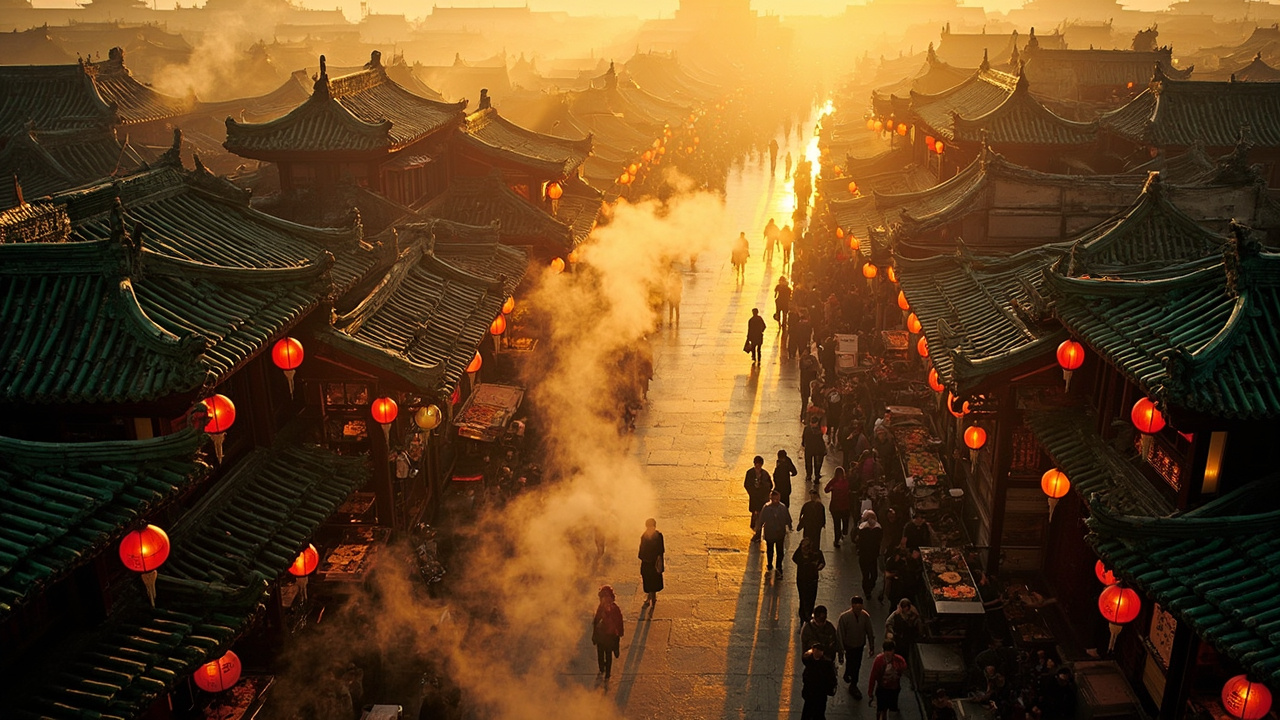
Top 10 Markets and Shopping Streets in China
From Shanghai's Bund to Beijing's Silk Street - 10 markets where foreigners can haggle, explore, and bring home authentic Chinese goods.
9 min read
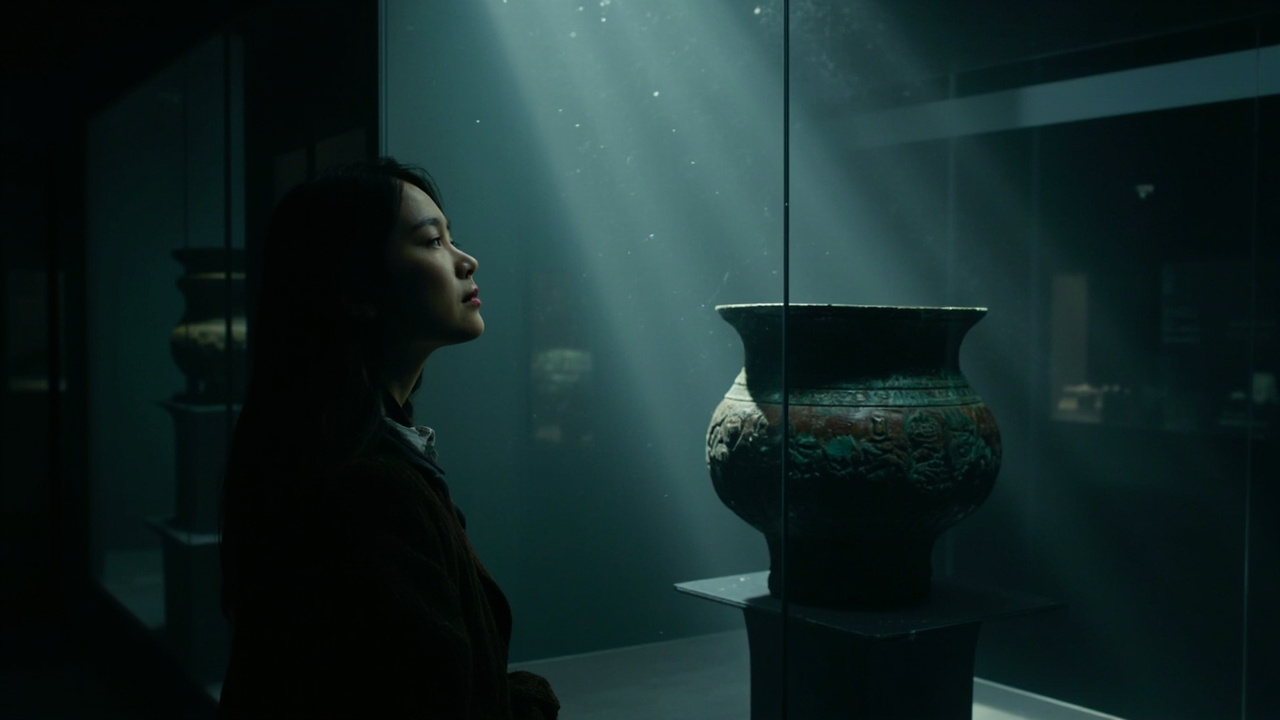
Top 10 Museums in China You Shouldn't Miss
China's museums span 5,000 years of civilization. These 10 - from the Palace Museum to Xi'an's terracotta gallery - are unmissable for culture lovers.
9 min read