
China Sustainable Travel Guide
TODO: Extract from article (100-160 chars)
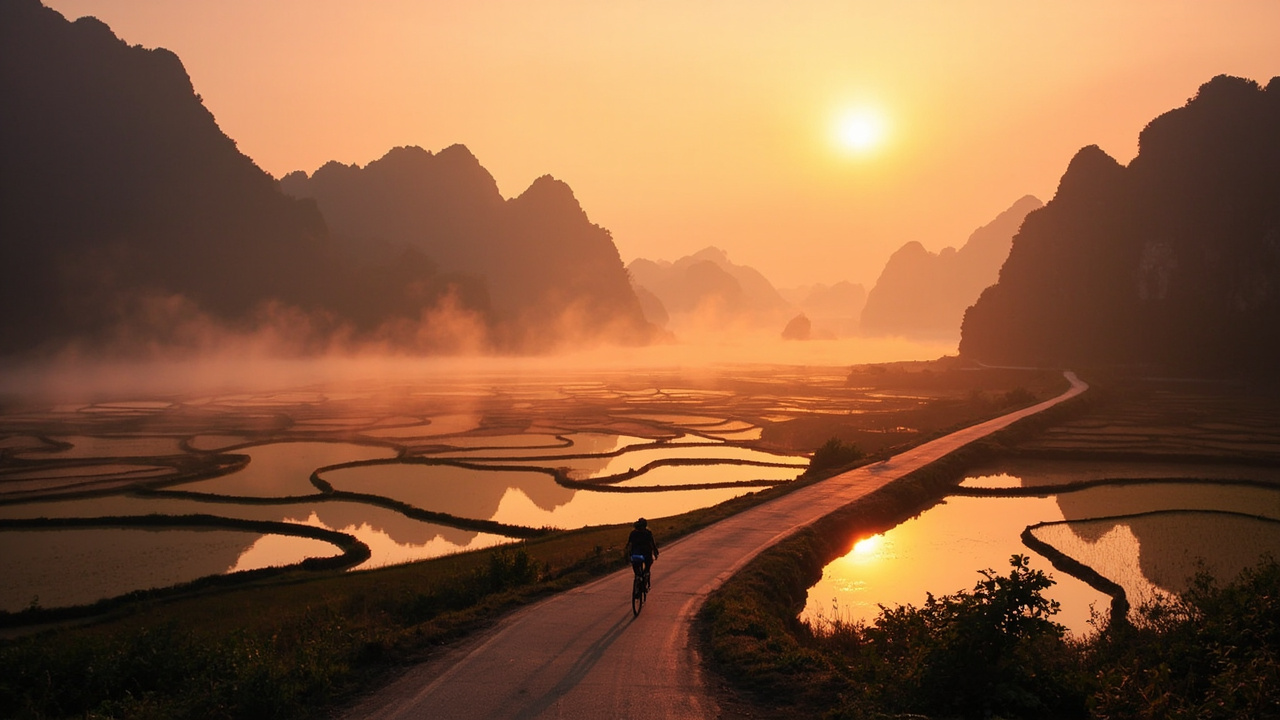
The first time I really understood what sustainable travel in China could mean wasn’t in a national park. It was in a tiny village called Huanggang, tucked into the folds of the Wuyi Mountains. I had gone to see the famous “rafting on bamboo” photos, but I ended up spending three hours at a local tea farmer’s table. She didn’t speak English, my translation app was glitching, but we communicated through the shared language of a really good cup of oolong. She showed me the moss-covered stone path behind her house that her family had used for four centuries. No turnstiles, no souvenir stalls. Just a way of life that had been sustainable because it had to be.
That trip changed how I travel in China. The country is vast, ancient, and often overwhelming, and the instinct is to hit the big-ticket icons: the Great Wall, the Terracotta Warriors, the Shanghai skyline. And you should see those things. But the China that stays with you is often found in the quieter spaces, the places where tourism dollars actually help preserve traditions rather than bulldoze them. This guide is about finding that balance. It’s about how to see the extraordinary sights without contributing to the crowds that are slowly wearing them down, and how to spend your money in ways that genuinely benefit local communities.
You’ll get my honest take on ten destinations that offer a more thoughtful way to experience China, practical advice on how to get there without a tour bus, and the insider details that make the difference between a trip and a memory.
Quick answer
For a first trip to China that prioritizes sustainability, the best strategy is to combine iconic sights with lesser-known, community-based destinations. This means visiting the Great Wall at a restored but less-crowded section like Jinshanling, and spending time in rural areas like the terraced rice fields of Longji or the ancient villages of Huizhou. You can do this without a tour group by using the excellent high-speed rail network and local buses, and you’ll need a VPN and mobile payment apps set up before you arrive. The 240-hour visa-free transit policy is still in effect for many nationalities in 2026, which is a great starting point for planning a two-week itinerary.
The Short Version
Don’t try to see all of China in one trip; you’ll just see crowds and train stations. Pick a region and go deep. Spend your money on local guesthouses, family-run restaurants, and experiences like tea tastings or calligraphy classes, not just on entrance fees to major sites. The most sustainable thing you can do is slow down. Travel by high-speed rail instead of flying where possible, carry a reusable water bottle and your own chopsticks, and learn to say “no plastic bag” (bu yao su liao dai). The places you’ll remember aren’t the ones you checked off a list, but the ones where you actually connected with a person or a place.
How I Picked These
I’ve been based in Beijing for seven years and have made over 40 trips around the country, often with a notebook and a very patient wife in tow. For this guide, I didn’t just look at tourism board websites. I talked to hostel owners in Yunnan, a UNESCO consultant in Fujian, and a farmer in Guizhou who was trying to keep his son from moving to the city. I looked for places that have a genuine story of preservation, whether that’s ecological, cultural, or architectural. I also considered practical logistics; a place can be the most sustainable spot on earth, but if it takes three days to reach, it’s not a viable option for a first-time visitor. My picks balance authenticity with accessibility, and all of them are places I would send my own friends.
Comparison Table
| Rank | Place | Best For | Approx Cost (USD) | Time Needed | When to Go |
|---|---|---|---|---|---|
| 1 | Jinshanling Great Wall | Hiking & fewer crowds | $20 entry + transport | Full day | Apr-May, Sep-Oct |
| 2 | Longji Rice Terraces | Stunning landscapes & minority culture | $15 entry + lodging | 2 days | May-Jun, Sep-Oct |
| 3 | Hongcun Ancient Village | Ink-wash painting scenery | $15 entry | Half day | Mar-Apr, Oct-Nov |
| 4 | Chengdu Panda Base | Seeing pandas up close | $7 entry | Half day | Mornings, weekdays |
| 5 | Yangshuo Countryside | Cycling & rock climbing | Free (rentals extra) | 2-3 days | Apr-Oct |
| 6 | Pingyao Ancient City | Ming/Qing dynasty architecture | $20 combined ticket | 1-2 days | Apr-May, Sep-Oct |
| 7 | Xishuangbanna | Tropical rainforest & Dai culture | $30+ for attractions | 3-4 days | Nov-Feb |
| 8 | Huashan Mountain | Thrilling cliff-side hiking | $25 entry + cable car | 1-2 days | Mar-Oct |
| 9 | Hangzhou’s West Lake | Classical gardens & tea plantations | Free (lake), $10+ for sites | 2 days | Mar-Apr, Sep-Nov |
| 10 | Zhangjiajie National Forest Park | Otherworldly sandstone pillars | $30 entry + transport | 2 days | Apr-Jun, Sep-Oct |
Jinshanling Great Wall — The Wall Without the Wall-to-Wall Crowds
The bus dropped me at Jinshanling on a Tuesday morning, and for the first hour, I genuinely thought I had the whole wall to myself. The only sound was the wind whipping through the crenellations and the crunch of my own boots on the uneven stone. I’ve stood on the restored sections at Badaling and Mutianyu, and they’re fine, but they feel like a theme park. Jinshanling feels like a ruin, which is exactly what a 600-year-old fortification should feel like.
This section is special because it’s a mix of restored and “wild” wall, meaning you can see the original brickwork and the crumbling watchtowers that have been left to the elements. It’s a photographer’s dream and a hiker’s paradise. The walk from Jinshanling to Simatai is about 10 kilometers and takes 3-4 hours, and it’s the most rewarding stretch of the wall I’ve done.
- 馃搷 Location: Luanping County, Chengde, Hebei Province (about 150km northeast of Beijing)
- 馃帿 Entry fee: ~$20 (¥140) for the Jinshanling section. The hike to Simatai West is included.
- 馃晲 Opening hours: 8:00 AM - 5:00 PM (last entry around 4:00 PM). The wall is open year-round, but some sections can be icy in winter.
- 馃殕 How to get there: The easiest way is to hire a private car with a driver from Beijing (about $100-150 round trip), which you can arrange through your hotel. The more budget-friendly option is to take a bus from Beijing’s Dongzhimen Bus Station to Miyun, then transfer to a local bus to Jinshanling. It’s a hassle, but it works. For a detailed guide on getting out of the city, check out my Beijing travel guide.
- 鈴?When to visit: Go in April-May or September-October for clear skies and comfortable temperatures. Weekdays are significantly quieter than weekends, when Beijingers flock here for their own escape.
- 馃挕 Insider tips: Bring your own water and snacks; there are a few vendors at the entrance, but nothing on the wall itself. Wear hiking boots with good grip; the unrestored sections are uneven and can be slippery. If you’re not up for the full hike, you can take a cable car up and walk down. And don’t be afraid to climb into the watchtowers; the views from the top are worth the crumbling stairs. I met a retired history teacher from Tianjin on the wall who spent two hours explaining the difference between Ming and Han dynasty construction techniques. My Mandarin is passable, but even without it, his passion was universal.
Longji Rice Terraces — The Hills That Breathe
I arrived at the Longji (Dragon’s Backbone) Rice Terraces in the rain. The clouds were so low I couldn’t see the top of the hill, and I genuinely wondered if I’d made a mistake. Then the next morning, I woke up at 5:30 AM to watch the sunrise from my guesthouse balcony. As the light crept over the mountains, the terraces revealed themselves like a giant green amphitheater carved into the earth. The water in the flooded paddies reflected the sky, and I understood why the Zhuang and Yao people who built these over 700 years ago consider them sacred.
This is not a place you visit; it’s a place you live in for a day or two. The terraces are still actively farmed, which is what makes them sustainable. Your tourist dollars support the farmers who maintain this incredible landscape.
- 馃搷 Location: Longsheng County, Guilin, Guangxi Province (about 2 hours from Guilin)
- 馃帿 Entry fee: ~$15 (¥100) per person. This covers the entire scenic area.
- 馃晲 Opening hours: The area is open 24 hours, but the ticket office is staffed from 7:00 AM to 7:00 PM.
- 馃殕 How to get there: Take a high-speed train from Guilin North Station to Longsheng (about 30 minutes), then a local bus or taxi to the Ping’an or Dazhai village entrances. From the entrance, you can either hike up or take a shuttle bus. If you’re coming from Guilin, my Guilin travel guide has more details.
- 鈴?When to visit: The terraces are flooded for planting in May and June, which creates the most spectacular mirror-like reflections. They’re a vibrant green in July and August, and turn a golden yellow before the harvest in late September and October.
- 馃挕 Insider tips: Stay overnight in a guesthouse in Ping’an or Dazhai village. The experience of falling asleep to the sound of frogs and waking up to the mist is worth the basic accommodations. Hire a local woman to carry your luggage up the steep steps; it’s a legitimate source of income for them and will save your back. Try the local bamboo rice, which is cooked inside a bamboo tube over an open fire. The Yao women are famous for their incredibly long hair; they only cut it once in their lives. I bought a small handmade bracelet from a woman who was 86 years old and had hair that touched the ground. She laughed at my attempt to speak her language, but her smile was universal.
Hongcun Ancient Village — A Living Painting
I first saw Hongcun in a photograph that looked like an ink-wash painting, with the ancient houses reflecting perfectly in a crescent-shaped pond. I was sure it was a trick of the light or heavy Photoshop. It wasn’t. The village, which dates back to the Ming Dynasty, is a masterpiece of feng shui design, with a network of water channels that flow through every household. It’s also a UNESCO World Heritage Site, famous as a filming location for the movie “Crouching Tiger, Hidden Dragon.”
What makes Hongcun special is that it’s not a museum. People still live here, running tea shops, carving wood, and hanging their laundry out to dry above the centuries-old stone streets. It’s a delicate balance between preserving the past and living in the present.
- 馃搷 Location: Yi County, Huangshan, Anhui Province (about 1 hour from Huangshan city)
- 馃帿 Entry fee: ~$15 (¥104) per person. This includes access to the main ancestral halls and residences.
- 馃晲 Opening hours: The village is open 24 hours, but the individual houses are typically open from 8:00 AM to 5:30 PM.
- 馃殕 How to get there: Take a high-speed train to Huangshan North Station, then a bus or taxi to Hongcun (about 1 hour). You can also combine it with a trip to the nearby Xidi village.
- 鈴?When to visit: March-April is beautiful with the rapeseed flowers in bloom, and October-November offers crisp air and clear skies. The village is most magical in the early morning before the tour groups arrive.
- 馃挕 Insider tips: Get there before 8:00 AM to see the village without the crowds. The reflection in the South Lake is best in the morning when the water is still. Hire a local guide for an hour; they can explain the intricate carvings on the buildings that you’d otherwise miss. Try the local specialty, “mao tofu,” which is a fermented tofu that’s an acquired taste. I had a conversation with a woodcarver who had been practicing his craft for 40 years. He showed me a piece he was working on that would take him six months to complete. He was worried that the younger generation wasn’t learning the skill, but he was hopeful that tourism was creating a new appreciation for it.
Chengdu Panda Base — The Morning Rush
The alarm went off at 5:30 AM, and I questioned my life choices. But by 7:30 AM, I was standing in a crowd of people, all of us holding our phones aloft, watching a giant panda nonchalantly munching on bamboo. It was absurd and wonderful. The Chengdu Research Base of Giant Panda Breeding is not a zoo in the traditional sense; it’s a research facility that has successfully bred over 200 pandas, and it’s the best place in the world to see them.
The key is to go early. Pandas are most active in the morning when they’re fed, and by 10 AM, when the temperature rises, they tend to nap. The base is also home to red pandas, which are equally adorable and often overlooked.
- 馃搷 Location: Chenghua District, Chengdu, Sichuan Province (about 30 minutes from the city center)
- 馃帿 Entry fee: ~$7 (¥55) per person. This is one of the best-value attractions in China.
- 馃晲 Opening hours: 7:30 AM - 6:00 PM (last entry at 5:00 PM). The pandas are most active from 8:00 AM to 10:00 AM.
- 馃殕 How to get there: Take the Metro Line 3 to Panda Avenue Station (Exit B), then it’s a short taxi ride or a 15-minute walk to the entrance. Or, take a taxi directly from the city center; it’s about a 30-minute ride.
- 鈴?When to visit: Weekdays are much quieter than weekends. Go in the spring or autumn for the most comfortable weather. If you’re visiting Chengdu, this is a must-do.
- 馃挕 Insider tips: Don’t just stay at the first enclosure you see; walk to the back of the base where the younger pandas are often more active. The panda “kindergarten” is where you’ll see them climbing trees and play-fighting. Bring your own water and snacks. And be prepared for crowds; this is one of the most popular attractions in China. I saw a young Chinese couple taking a selfie with a panda that was completely ignoring them, and the sheer absurdity of the moment made me laugh out loud.
Yangshuo Countryside — Cycling Through a Karst Dream
The first time I cycled through the Yangshuo countryside, I nearly crashed my bike because I was staring at the karst mountains instead of the road. They rise out of the flat farmland like giant green teeth, and the landscape is so surreal it feels like you’re inside a video game. This is the China you’ve seen in paintings, but it’s real.
The best way to experience it is on two wheels. You can rent a bicycle for a few dollars a day and explore the network of small roads and paths that wind through the rice paddies, past villages, and along the Yulong River. It’s a sustainable way to travel, and it gets you off the main tourist trail.
- 馃搷 Location: Yangshuo County, Guilin, Guangxi Province (about 1.5 hours from Guilin)
- 馃帿 Entry fee: Free to explore the countryside. Some attractions like the Yulong River rafting cost extra (~$30-50 per raft).
- 馃晲 Opening hours: The countryside is always open, but it’s best to cycle in the morning or late afternoon to avoid the midday heat.
- 馃殕 How to get there: Take a high-speed train from Guilin to Yangshuo Station, then a bus or taxi to the town center (about 40 minutes). From the town, you can rent a bike and head out.
- 鈴?When to visit: April to October offers the best weather. The rice paddies are green from June to September, and the rapeseed flowers bloom in March-April.
- 馃挕 Insider tips: Rent an e-bike if you’re not a confident cyclist; the hills can be challenging. Head towards the town of Fuli, which is known for its traditional fans. Take a break at one of the many riverside cafes and just watch the world go by. The bamboo rafting on the Yulong River is a more peaceful alternative to the crowded Li River cruise. I got hopelessly lost trying to find a “secret” viewpoint a local had told me about. I ended up in a village where a farmer offered me a chair and a cup of tea while he fixed his tractor. I never found the viewpoint, but that hour in his yard was better than any photo I could have taken.
Pingyao Ancient City — A Step Back in Time
Walking through the gates of Pingyao is like stepping onto a movie set. The city walls, which are over 600 years old, enclose a perfectly preserved Ming and Qing dynasty town, complete with traditional courtyard houses, ancient banks, and narrow alleyways. It’s a bit touristy, sure, but it’s also genuine. Pingyao was one of China’s financial centers in the 19th century, and its history is written in its architecture.
What makes Pingyao sustainable is that it’s a living city. People live and work within the walls, and the tourism economy supports the preservation of the buildings. It’s a fine line, but for now, it’s working.
- 馃搷 Location: Pingyao County, Shanxi Province (about 1.5 hours from Taiyuan)
- 馃帿 Entry fee: ~$20 (¥130) for a combined ticket that gives you access to all the major sites inside the city. You can walk the streets for free.
- 馃晲 Opening hours: The city is open 24 hours, but the individual sites are typically open from 8:00 AM to 6:00 PM.
- 馃殕 How to get there: Take a high-speed train to Pingyao Ancient City Station, then a short taxi or bus ride to the city walls.
- 鈴?When to visit: April-May and September-October offer the best weather. The city is particularly atmospheric in the winter when it’s less crowded and sometimes dusted with snow.
- 馃挕 Insider tips: Stay in a traditional courtyard guesthouse inside the city walls; it’s an experience in itself. Climb the city walls at sunset for a panoramic view. Try the local specialty, “pingyao beef,” which is a cured beef that’s been made here for centuries. Don’t miss the Rishengchang Draft Bank, which is considered the first bank in China. I had dinner in a family-run restaurant where the owner’s grandmother was sitting in the corner, shelling peas and watching the customers. She didn’t say a word, but her presence made the meal feel like a family gathering.
Xishuangbanna — The Tropical South
Xishuangbanna feels like a different country from the rest of China. Located in Yunnan Province, bordering Laos and Myanmar, it’s a tropical region with a distinct Dai ethnic culture, Buddhist temples, and lush rainforest. The main city, Jinghong, is a laid-back place where you’re more likely to hear the local Dai language than Mandarin on the streets.
The region is a haven for eco-tourism, with several nature reserves and national parks. The challenge is to visit them in a way that supports conservation rather than exploitation. It’s a delicate balance, but there are some excellent community-based tourism initiatives here.
- 馃搷 Location: Xishuangbanna Dai Autonomous Prefecture, Yunnan Province
- 馃帿 Entry fee: Varies by attraction. The Wild Elephant Valley is ~$10 (¥70), and the tropical botanical garden is ~$15 (¥100).
- 馃晲 Opening hours: Most attractions are open from 8:00 AM to 6:00 PM.
- 馃殕 How to get there: Fly into Xishuangbanna Gasa International Airport from major cities like Kunming or Chengdu. From Jinghong, you can take local buses to the various attractions.
- 鈴?When to visit: November to February is the dry season, offering the most comfortable temperatures. The Water Splashing Festival in April is a unique cultural experience, but it’s also the busiest time of year.
- 馃挕 Insider tips: Take a cooking class to learn about Dai cuisine, which is distinct from other Chinese food. Visit a Dai village to learn about their traditions, like the bamboo houses and the peacock dance. Hire a local guide for a trek into the rainforest; they can point out medicinal plants and wildlife you’d otherwise miss. Be respectful when visiting Buddhist temples; dress modestly and remove your shoes before entering. I took a boat trip on the Lancang River (the upper Mekong) and saw a group of women washing clothes on the banks, their laughter echoing across the water. It was a reminder that this is a place where life is lived close to the river.
Huashan Mountain — The Most Dangerous Hike in the World
Huashan is not for the faint of heart. It’s one of China’s five sacred Taoist mountains, and it’s famous for its sheer cliffs and the plank walk that clings to the side of the mountain. It’s also, for my money, one of the most exhilarating experiences you can have in China. The sense of accomplishment when you reach the summit is immense.
The mountain is a test of physical and mental endurance, but it’s also a place of incredible natural beauty. The sunrise from the East Peak is a moment you’ll never forget. The key is to be prepared and to respect the mountain.
- 馃搷 Location: Huayin City, Shaanxi Province (about 2 hours from Xi’an)
- 馃帿 Entry fee:
$25 (¥180) for the mountain entrance. Cable cars are extra ($30-40 one way). - 馃晲 Opening hours: The mountain is open 24 hours, but the cable cars operate from 7:00 AM to 7:00 PM.
- 馃殕 How to get there: Take a high-speed train to Huashan North Station, then a free shuttle bus to the visitor center. From there, you can take a cable car or start hiking.
- 鈴?When to visit: March to October offers the best weather. Avoid weekends and public holidays when the mountain is packed. If you want to see the sunrise, you’ll need to hike at night or stay in a hostel on the mountain.
- 馃挕 Insider tips: If you’re not an experienced hiker, take the cable car up and hike down. The plank walk is not for everyone; it’s a narrow wooden path bolted to the cliff face, and you’re attached to a safety line. Wear gloves for the steep sections where you’ll be using chains. Bring plenty of water and high-energy snacks. I made the mistake of hiking up in the middle of the day in July. It was brutally hot, and I ran out of water. A group of Chinese students shared their watermelon with me at the summit, and it was the most delicious thing I’ve ever eaten.
Hangzhou’s West Lake — A Classical Poem
Hangzhou’s West Lake is the most famous lake in China, and for good reason. It’s been a source of inspiration for poets and painters for over a thousand years, and its beauty is both natural and man-made. The causeways, pagodas, and gardens are designed to create a series of perfect views, like a scroll painting that you can walk through.
The lake itself is free to enjoy, which makes it accessible to everyone. The challenge is to see it without being overwhelmed by the crowds. The secret is to get off the main path and explore the quieter corners.
- 馃搷 Location: Xihu District, Hangzhou, Zhejiang Province
- 馃帿 Entry fee: Free to walk around the lake. Some sites, like the Leifeng Pagoda and the Lingyin Temple, have separate entrance fees (~$10-15 each).
- 馃晲 Opening hours: The lake is open 24 hours. The individual sites are typically open from 8:00 AM to 5:30 PM.
- 馃殕 How to get there: Take the high-speed train to Hangzhou East Station, then the metro to Longxiangqiao Station (Line 1) or Fengqi Road Station (Line 1). The lake is a short walk from either station.
- 鈴?When to visit: March-April is beautiful with the peach blossoms and willows in bloom. September-November offers clear skies and comfortable temperatures. The lake is most magical in the early morning before the crowds arrive.
- 馃挕 Insider tips: Rent a private boat for an hour to see the lake from the water; it’s a different perspective entirely. Walk the Su Causeway at sunrise for the best views. Visit the China National Tea Museum in the nearby hills to learn about Longjing tea, and take a walk through the tea plantations. Try “West Lake vinegar fish,” a local specialty that’s both sweet and sour. I sat on a bench by the lake for an hour, watching an elderly man practice calligraphy with a giant brush and water on the stone pavement. His characters would evaporate within minutes, a beautiful metaphor for the impermanence of art.
Zhangjiajie National Forest Park — The Avatar Mountains
Zhangjiajie is the place that inspired the floating mountains in the movie “Avatar,” and when you see the towering sandstone pillars rising out of the mist, you’ll understand why. It’s a landscape that defies belief, and it’s one of China’s most spectacular national parks. The park is vast, and it can be overwhelming, but with a little planning, you can experience its beauty without feeling like you’re in a cattle herd.
The park is a UNESCO World Heritage Site, and there’s a real effort to manage the crowds and protect the fragile ecosystem. The key is to use the park’s shuttle bus system and to hike the less-traveled trails.
- 馃搷 Location: Wulingyuan District, Zhangjiajie, Hunan Province
- 馃帿 Entry fee: ~$30 (¥225) for a four-day pass. This is excellent value.
- 馃晲 Opening hours: The park is open from 7:00 AM to 6:00 PM (hours vary by season).
- 馃殕 How to get there: Fly into Zhangjiajie Hehua International Airport, then take a bus or taxi to the Wulingyuan entrance (about 40 minutes). There’s also a high-speed train station in Zhangjiajie.
- 鈴?When to visit: April-June and September-October offer the best weather. The park is often shrouded in mist, which adds to the atmosphere but can obscure the views. Go on a weekday to avoid the biggest crowds.
- 馃挕 Insider tips: Stay in the town of Wulingyuan at the park’s entrance so you can get in early. Take the Bailong Elevator, the tallest outdoor elevator in the world, for a quick way to the top, but be prepared for a long wait. Hike the Golden Whip Stream, a relatively flat trail that follows a crystal-clear stream through the pillars; it’s one of the most beautiful walks in the park. The “Avatar Hallelujah Mountain” viewpoint is worth the crowds, but the real magic is found on the quieter trails. I got caught in a sudden downpour on the Golden Whip Stream trail and took shelter under a rock overhang with a group of hikers from Guangzhou. We shared our snacks and laughed at our soaked clothes, a moment of shared humanity in a truly otherworldly place.
FAQ summary
For a sustainable first trip to China in 2026, focus on combining iconic sights with lesser-known destinations, using high-speed rail and local transport, and staying in locally-owned guesthouses. The 240-hour visa-free transit policy is a good option for many nationalities, but you must have your onward ticket and hotel bookings ready. Mobile payment apps like Alipay and WeChat Pay are essential, as is a VPN for accessing international websites. The best time to visit is spring (April-May) or autumn (September-October) to avoid the summer heat and crowds.
FAQ
Q: Do I need a visa to visit China in 2026? A: It depends on your nationality. Many countries are eligible for the 240-hour visa-free transit policy, which allows you to stay in China for up to 10 days if you’re transiting to a third country. For longer stays, you’ll need to apply for a tourist visa (L visa) at your nearest Chinese embassy or consulate. Check the latest regulations before you book your flights.
Q: Is it easy to get around China without speaking Mandarin? A: Yes, it’s easier than you might think. In major cities and tourist areas, you’ll find English signage and some English speakers. For everything else, I recommend downloading a translation app like Google Translate (which works offline) or Pleco. You’ll also need a VPN to access Google services, so set that up before you arrive.
Q: Do I need cash, or can I use my credit card? A: China is largely a cashless society, and you’ll need to use mobile payment apps like Alipay or WeChat Pay for almost everything. You can link your international credit card to these apps, but you’ll need to set them up before you arrive. It’s also wise to carry some cash as a backup for small purchases or emergencies.
Q: What’s the best way to get between cities? A: The high-speed rail network is excellent, and it’s my preferred way to travel. It’s fast, comfortable, and more sustainable than flying. You can book tickets online through the official 12306 website or through third-party apps like Trip.com. For a full guide, check out my China train travel guide.
Q: Is it safe to travel in China as a solo traveler? A: Yes, China is generally very safe for solo travelers. Violent crime is rare, and the main issues you’ll face are petty scams and pickpocketing in crowded tourist areas. Just use common sense, keep your valuables secure, and be aware of your surroundings.
Q: What should I pack for a sustainable trip to China? A: Pack light and bring a reusable water bottle (there are water dispensers in many train stations and hotels), a set of reusable chopsticks, and a small shopping bag to avoid plastic bags. You’ll also want comfortable walking shoes, a power bank, and a universal adapter for your electronics.
Q: How do I avoid the crowds at major tourist attractions? A: The best strategy is to go early. Most tour groups arrive between 9 AM and 11 AM, so getting to the attraction at opening time gives you a window of relative peace. Weekdays are also significantly quieter than weekends. And consider visiting less-famous but equally impressive alternatives, like Jinshanling instead of Badaling for the Great Wall.
The Honest Wrap-up
This list is for the traveler who wants to see the China that’s on the postcards, but also wants to understand the country that exists behind them. It’s for the person who is willing to trade a little convenience for a lot of authenticity. It’s not for the traveler who wants to tick off ten cities in ten days; that’s a recipe for burnout and disappointment. My final piece of advice is this: pick two or three regions and give them the time they deserve. And when you’re there, put down your phone. Talk to the people. Try the food you can’t pronounce. Get lost. The sustainable travel you’ll find in China isn’t just about protecting the environment; it’s about protecting the connections that make travel worthwhile. And those connections are what you’ll remember long after you’ve forgotten the entrance fees and the train times.
More guides you may like
Top 10 Bridges in China
China's bridges are engineering marvels spanning mountains, rivers, and seas. Here are 10 of the most spectacular, from ancient stone to modern steel.
8 min read

Top 10 Buddhist Sites in China
From the Leshan Giant Buddha to the Dunhuang Caves, these 10 Buddhist sites represent 2,000 years of China's spiritual heritage.
9 min read
Top 10 Day Trips from Beijing You Shouldn't Miss
Beijing is packed with history, but some of China's best experiences are just a few hours away. Here are 10 day trips that will transform your visit.
9 min read
Top 10 Hidden Gems in China Off the Beaten Path
Beyond the Great Wall and Terracotta Warriors, China has incredible hidden destinations few tourists ever reach. Here are 10 underrated gems worth the detour.
9 min read
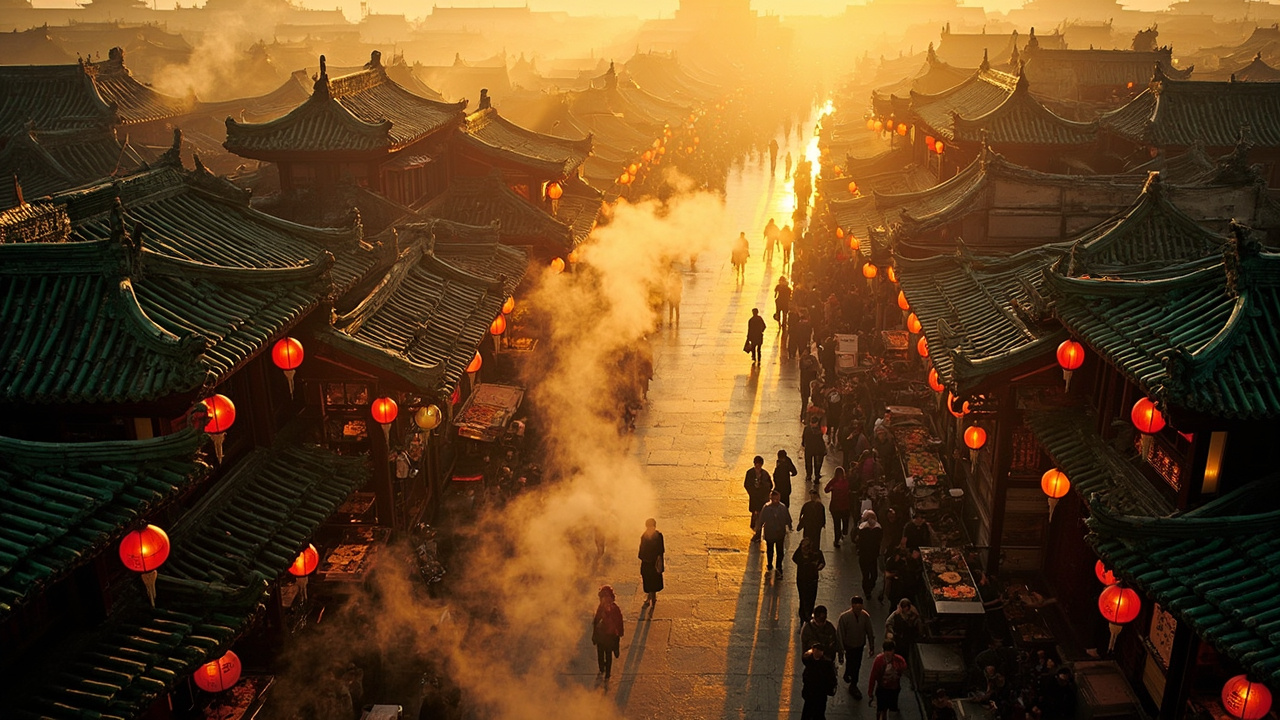
Top 10 Markets and Shopping Streets in China
From Shanghai's Bund to Beijing's Silk Street - 10 markets where foreigners can haggle, explore, and bring home authentic Chinese goods.
9 min read
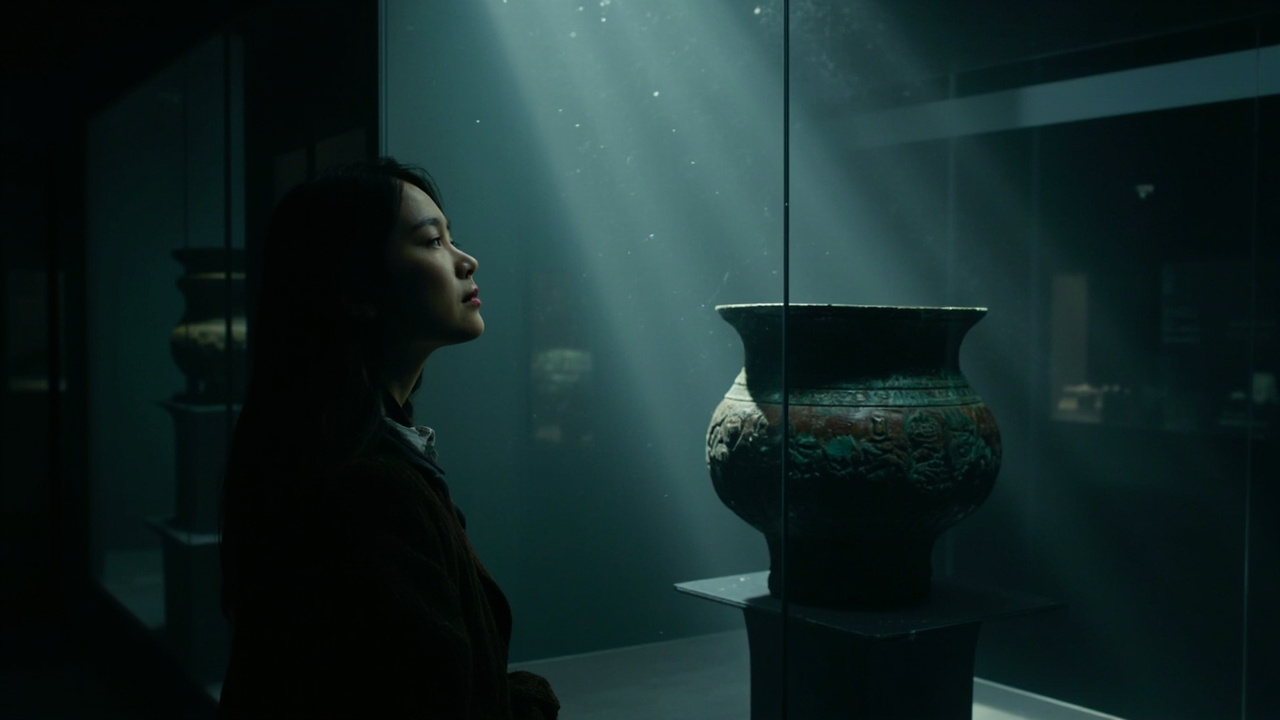
Top 10 Museums in China You Shouldn't Miss
China's museums span 5,000 years of civilization. These 10 - from the Palace Museum to Xi'an's terracotta gallery - are unmissable for culture lovers.
9 min read