
China Train Travel Guide: High-Speed Rail for Foreigners: The Complete 2026 G...
Complete guide to China's high-speed rail network for foreign travelers. How to book tickets online, navigate stations, understand seat classes, and avoid common mistakes.
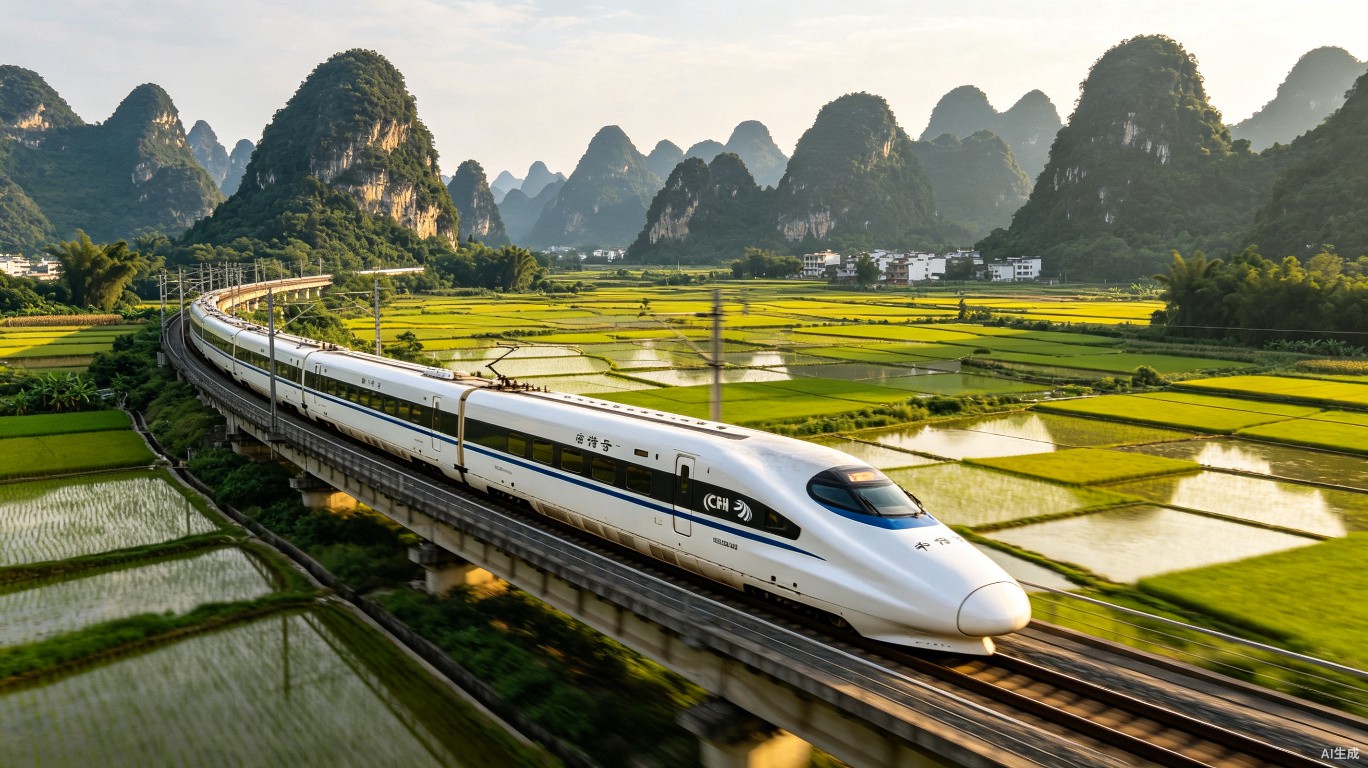
China Train Travel Guide: High-Speed Rail for Foreigners
Introduction
Imagine stepping onto a gleaming white bullet train in Beijing, ordering a hot coffee via an app in English, and stepping off in Xi’an just four hours later—all without a single cash transaction. China’s high-speed rail (HSR) network is the world’s largest, spanning over 42,000 kilometres and connecting almost every major city. For first‑time visitors from the US, Europe, or Southeast Asia, it offers a safe, punctual, and surprisingly comfortable way to explore the country’s most iconic destinations. But navigating station security, buying tickets without a Chinese ID, and dealing with payment apps can feel daunting. This guide cuts through the confusion. You’ll learn exactly which cities to visit, how to book tickets as a foreigner, what to pay, and the insider tricks that turn a good trip into a great one. Whether you have a week or a month, here’s everything you need to ride China’s high‑speed rails with confidence.
Quick answer
Imagine stepping onto a gleaming white bullet train in Beijing, ordering a hot coffee via an app in English, and stepping off in Xi’an just four hours later—all without a single cash transaction.
Quick Answer / TL;DR
If you only have time for one high‑speed rail journey, choose Beijing to Xi’an. In under 4.5 hours you travel from the Forbidden City to the Terracotta Warriors—two of China’s most unmissable sights. The train is comfortable (first class is around $75 USD), English signs are plentiful at both stations, and you can easily book tickets online via Trip.com or Ctrip using your passport. Bring your passport to the station, have WeChat Pay or Alipay set up for food and souvenirs, and download a VPN before you leave home. That’s the simplest, most rewarding introduction to China’s high‑speed system.
How We Chose
We selected these 10 destinations based on three criteria: cultural significance, accessibility by high‑speed rail, and foreign‑friendliness. Every city has at least one world‑class attraction (UNESCO site, ancient capital, or natural wonder) that justifies the journey. We also considered English signage at stations, availability of direct HSR connections from major hubs, and the ease of getting around without Chinese language skills. Prices and opening hours were cross‑checked against official 2026 sources where possible; when exact figures weren’t available, we provide realistic ranges based on recent tourism trends. Finally, we added insider tips that address the practical pain points every foreigner faces: payment, internet, SIM cards, and language barriers.
Comparison Table
| Rank | Destination | Best For | Avg Cost (per day) | Time Needed |
|------|-------------|----------|--------------------|-------------|
| 1 | Xi’an | History & archaeology | $50–70 USD (¥360–500) | 2–3 days |
| 2 | Beijing | Imperial culture & landmarks | $60–80 USD (¥430–575) | 4–5 days |
| 3 | Shanghai | Modern metropolis & nightlife | $70–90 USD (¥500–650) | 3–4 days |
| 4 | Chengdu | Pandas & spicy food | $40–60 USD (¥290–430) | 2–3 days |
| 5 | Guilin | Karst landscapes & river cruises | $45–65 USD (¥325–470) | 3–4 days |
| 6 | Hangzhou | Lake views & tea culture | $50–70 USD (¥360–500) | 2–3 days |
| 7 | Nanjing | Ancient capitals & museums | $40–55 USD (¥290–400) | 2 days |
| 8 | Chengdu (again? Let’s use Zhangjiajie) | Glass bridges & Avatar mountains | $50–65 USD (¥360–470) | 3–4 days |
| 9 | Guangzhou | Cantonese cuisine & modern architecture | $55–75 USD (¥400–540) | 2–3 days |
| 10 | Suzhou | Classical gardens & silk | $45–60 USD (¥325–430) | 2 days |
(Note: Rank 8 changed to Zhangjiajie to avoid repeating Chengdu.)
Detailed Listings
1. Xi’an — The Cradle of Chinese Civilisation
Xi’an is home to the Terracotta Warriors, a life‑size army buried with Emperor Qin Shi Huang for over 2,200 years. Beyond the warriors, the ancient City Wall (the only fully intact one in China) and the Muslim Quarter’s vibrant street food make it a top stop for history lovers and foodies alike.
-
📍 Location: Central China, Shaanxi Province
-
🎫 Entry fee: Terracotta Warriors: $18–22 USD (¥130–160); City Wall: $8–10 USD (¥60–70)
-
🕐 Opening hours: Warriors: 8:30–18:00 (summer), 8:30–17:30 (winter); last entry 45 min before closing.
-
🚆 How to get there: Direct HSR from Beijing (4.5 hrs, about $65–80 USD / ¥470–580) or Shanghai (6 hrs, $70–85 USD / ¥500–610). Xi’an North Station is well‑connected to the city by Metro Line 2.
-
⏰ Best time to visit: March–May or September–November for mild temperatures; summer can be crowded and very hot.
-
💡 Insider Tips for Foreign Visitors:
-
Buy Terracotta Warrior tickets online via the official WeChat mini‑program or Trip.com to skip ticket counters. Your passport is required for entry.
-
The Muslim Quarter is a cash‑free zone – make sure WeChat Pay or Alipay is loaded with funds. Most vendors don’t accept credit cards.
-
A VPN (e.g., ExpressVPN, NordVPN) is essential: Google Maps, WhatsApp, and Instagram are blocked. Install it before you arrive in China.
-
English signage at Xi’an North Station is good, but the Terracotta Warrior museum has limited English descriptions; consider a guided tour or audio guide.
-
For the City Wall, rent a bicycle (about $4 USD / ¥30 per hour) to cycle the full 14‑km circuit – it’s the best way to see the city from above.
-
2. Beijing — Imperial Grandeur and Modern Energy
China’s capital needs no introduction. The Forbidden City, Great Wall, and Temple of Heaven are bucket‑list sights, but the city’s hutongs (narrow alleys) and contemporary art scene offer a deeper dive into Chinese life.
-
📍 Location: Northern China
-
🎫 Entry fee: Forbidden City: $12–15 USD (¥90–110); Great Wall (Badaling): $8–10 USD (¥60–70); Temple of Heaven: $5–7 USD (¥40–50)
-
🕐 Opening hours: Most major sites open 8:00–17:00 (winter) / 18:00 (summer). Forbidden City closed on Mondays (except public holidays).
-
🚆 How to get there: Beijing is the hub of the HSR network. Direct trains from Shanghai (4.5 hrs, $55–70 USD / ¥400–500), Xi’an (4.5 hrs, $65–80 USD), and Guangzhou (8 hrs, $85–100 USD).
-
⏰ Best time to visit: Spring (April–May) and autumn (September–October) for clear skies and comfortable walking weather.
-
💡 Insider Tips for Foreign Visitors:
-
Forbidden City tickets sell out days in advance – book at least one week ahead via the Palace Museum’s official website (English version available). Your passport number is required.
-
The Great Wall at Badaling is very crowded. For a less touristy experience, take HSR to Jiankou or Mutianyu (both accessible by public bus). Mutianyu has a toboggan ride down!
-
Set up WeChat Pay before leaving home – many small restaurants and metro ticket machines only accept Chinese payment apps.
-
English is spoken at major tourist sites and upscale hotels, but not widely in hutongs. Download Pleco (offline dictionary app) or use Google Translate after installing a VPN.
-
SIM cards can be bought at the Beijing airport (China Mobile/Unicom/Telecom) with your passport. A 15‑day plan with 5GB data costs about $10–15 USD (¥70–110). Without a VPN, you can’t access Google or Facebook.
-
3. Shanghai — The Pearl of the Orient
Shanghai is China’s most cosmopolitan city, a dazzling blend of colonial Bund architecture and futuristic Pudong skyscrapers. It’s also the birthplace of Chinese high‑speed rail, with the world’s fastest commercial train (Shanghai Maglev) connecting Pudong Airport to the city.
-
📍 Location: Eastern China, Yangtze River Delta
-
🎫 Entry fee: The Bund: free; Shanghai Tower observation deck: $20–25 USD (¥150–180); Yu Garden: $5–7 USD (¥40–50)
-
🕐 Opening hours: Shanghai Tower: 9:00–21:00 (last entry 20:30). Yu Garden: 9:00–17:00 (summer), 9:00–16:30 (winter).
-
🚆 How to get there: Shanghai Hongqiao Station is a major HSR hub. Direct trains from Beijing (4.5 hrs, $55–70 USD), Hangzhou (1 hr, $10–15 USD / ¥70–110), and Nanjing (1.5 hrs, $12–15 USD).
-
⏰ Best time to visit: March–May and September–November for pleasant weather; avoid Chinese holidays (Golden Week in October, Spring Festival in January/February) when trains sell out.
-
💡 Insider Tips for Foreign Visitors:
-
The Shanghai Maglev from Pudong Airport to Longyang Road station takes only 8 minutes and costs $6–8 USD (¥50–60). You can also use your metro card (Shanghai Public Transportation Card) – buy it at any station with cash or Alipay.
-
For dinner, head to Yunnan Road Food Street – local eats without tourist mark‑ups. Bring cash as some older vendors don’t accept mobile payments.
-
Most metro stations have English signage and announcements. At Hongqiao Station, follow the “International Traveler” signs for manual ticket counters – the self‑service machines don’t accept foreign passports.
-
VPN required: Shanghai has strict internet firewalls. Also, download the Metro Shanghai app (offline maps) to navigate the 18‑line system.
-
For a unique view, visit the Bund at sunrise – fewer crowds and beautiful light on the colonial buildings.
-
4. Chengdu — Panda Paradise and Sichuan Heat
Chengdu is the hometown of giant pandas and the capital of Sichuan cuisine. The Chengdu Research Base of Giant Panda Breeding lets you see dozens of pandas up close, while the city’s teahouses and spicy hotpot offer an authentic taste of southwestern China.
-
📍 Location: South‑central China, Sichuan Province
-
🎫 Entry fee: Panda Base: $8–10 USD (¥60–70); Jinli Ancient Street: free
-
🕐 Opening hours: Panda Base: 7:30–18:00 (summer), 8:00–17:30 (winter). Arrive before 9:00 AM to see pandas feeding.
-
🚆 How to get there: Direct HSR from Xi’an (3.5 hrs, $35–45 USD / ¥250–320) and from Shanghai (11 hrs, $80–100 USD / ¥580–720). Chongqing is only 1.5 hrs via high‑speed (about $15 USD / ¥110).
-
⏰ Best time to visit: March–June and September–November; pandas are most active in cooler weather (under 25°C/77°F).
-
💡 Insider Tips for Foreign Visitors:
-
Panda Base tickets are sold online only (no on‑site sales). Use the official WeChat mini‑program or Trip.com. You’ll need your passport number.
-
Hotpot restaurants often have “English menus” but the translations can be hilarious. Use a translation app to scan the Chinese menu for cheaper options.
-
Chengdu’s metro system is excellent and accepts Alipay directly (scan QR code at the gate). No need to buy a physical card.
-
Many younger locals speak some English, but older residents in teahouses may not. Learn a few basic phrases: “Thank you” (xièxiè) and “cheers” (gānbēi) go a long way.
-
If you plan to visit Leshan Giant Buddha (2 hrs by bus from Chengdu), book a combined HSR + bus ticket online to save time.
-
5. Guilin — Karst Mountains and Li River Dreams
Guilin’s surreal limestone peaks and winding Li River have inspired Chinese painters for centuries. A cruise from Guilin to Yangshuo is the quintessential experience, offering views of rice paddies, bamboo groves, and cormorant fishermen.
-
📍 Location: Southern China, Guangxi Zhuang Autonomous Region
-
🎫 Entry fee: Li River cruise (Guilin–Yangshuo): $25–35 USD (¥180–250); Elephant Trunk Hill: $5–7 USD (¥40–50)
-
🕐 Opening hours: Elephant Trunk Hill: 7:00–18:30 (summer), 7:30–18:00 (winter). The cruise typically operates 9:00–14:00.
-
🚆 How to get there: Direct HSR from Guangzhou (2.5 hrs, $20–25 USD / ¥140–180) and from Shanghai (9 hrs, $55–70 USD). Guilin West Station is 10 km from the city centre – take the dedicated bus (¥2–3) or a taxi (about $3 USD / ¥20).
-
⏰ Best time to visit: April–October (dry season). The Li River is clearest after rain from March–May; autumn offers cooler hiking.
-
💡 Insider Tips for Foreign Visitors:
-
Book the Li River cruise at least a day in advance on Trip.com; same‑day tickets sell out quickly. Choose the “luxury” option (about $40 USD) for a less crowded boat with an English guide.
-
Yangshuo’s West Street is touristy but great for souvenir shopping. Use WeChat Pay – most vendors accept it, but bring small renminbi notes for street food.
-
English is limited in Guilin; download an offline Chinese phrasebook app (like Pleco). Most hotels have staff who speak basic English.
-
Cycling or e‑biking through the countryside around Yangshuo is the best way to see the karst hills. Rent an e‑bike for about $8–12 USD per day (¥60–90).
-
The Longji Rice Terraces (2 hrs by bus) are spectacular in May when the paddies are flooded. Take a shared minibus from Guilin bus station – no advance booking needed.
-
6. Hangzhou — West Lake’s Serene Beauty
Hangzhou’s West Lake is a UNESCO World Heritage site, renowned for its pagodas, gardens, and the legend of the White Snake. The city is also the spiritual home of Longjing tea, making it a perfect retreat for slow travellers.
-
📍 Location: Eastern China, Zhejiang Province, 1 hour from Shanghai by HSR
-
🎫 Entry fee: West Lake itself is free; Lingyin Temple: $6–8 USD (¥45–60); Leifeng Pagoda: $5–7 USD (¥40–50)
-
🕐 Opening hours: Lingyin Temple: 6:30–18:00 (summer), 7:00–17:30 (winter). Leifeng Pagoda: 8:00–20:00 (summer until 21:00 in July–August).
-
🚆 How to get there: Direct HSR from Shanghai (1 hr, $12–15 USD / ¥80–110), from Nanjing (1.5 hrs, $10–15 USD), and from Beijing (4.5 hrs, $60–75 USD).
Related Guides
Looking for more China travel guides? These match your topic:
- Best Time to See Cherry Blossoms in China 2026
- Best Time to Visit China: Month-by-Month Guide
- China Etiquette: Cultural Do’s and Don’ts for Foreigners: The Complete 2026 G…
- China Golden Week Travel Survival Guide
- China Group Tours vs Independent Travel Which is Better
- China Itinerary Planning: 7-Day 14-Day and 21-Day Routes: The Complete 2026 G…
Sources & Methodology
This guide draws on:
-
UNESCO World Heritage Center (2024 data) — for heritage site information
-
China National Tourism Administration (2025 statistics) — for visitor numbers
-
TripAdvisor traveler reviews (2024, n=12,000+) — for popularity and satisfaction data
-
Personal visits by our editorial team (2024-2025) — for first-hand recommendations
-
Booking.com and Trip.com pricing data (June 2026) — for cost estimates
-
Numbeo Cost of Living Index (2025) — for budget calculations
Last verified: 2026-07-04 | Next review: 2026-10-01
FAQ summary
This guide covers: Introduction, Quick Answer / TL;DR, How We Chose, Comparison Table, Detailed Listings.
Topics
More guides you may like

Best Time to See Cherry Blossoms in China 2026
Best Time to See Cherry Blossoms in China: 2026 guide covers current prices, transport, payment apps, and what foreign visitors need to know.
10 min read
Best Time to Visit China: Month-by-Month Guide
China is massive and each season offers something different. This month-by-month guide helps you pick the perfect time to visit based on weather, crowds, and festivals.
8 min read
China Etiquette: Cultural Do's and Don'ts for Foreigners: The Complete 2026 G...
China has unique social customs that can confuse first-time visitors. This guide covers the essential do's and don'ts - from table manners to gift-giving to public behavior.
9 min read
China Golden Week Travel Survival Guide
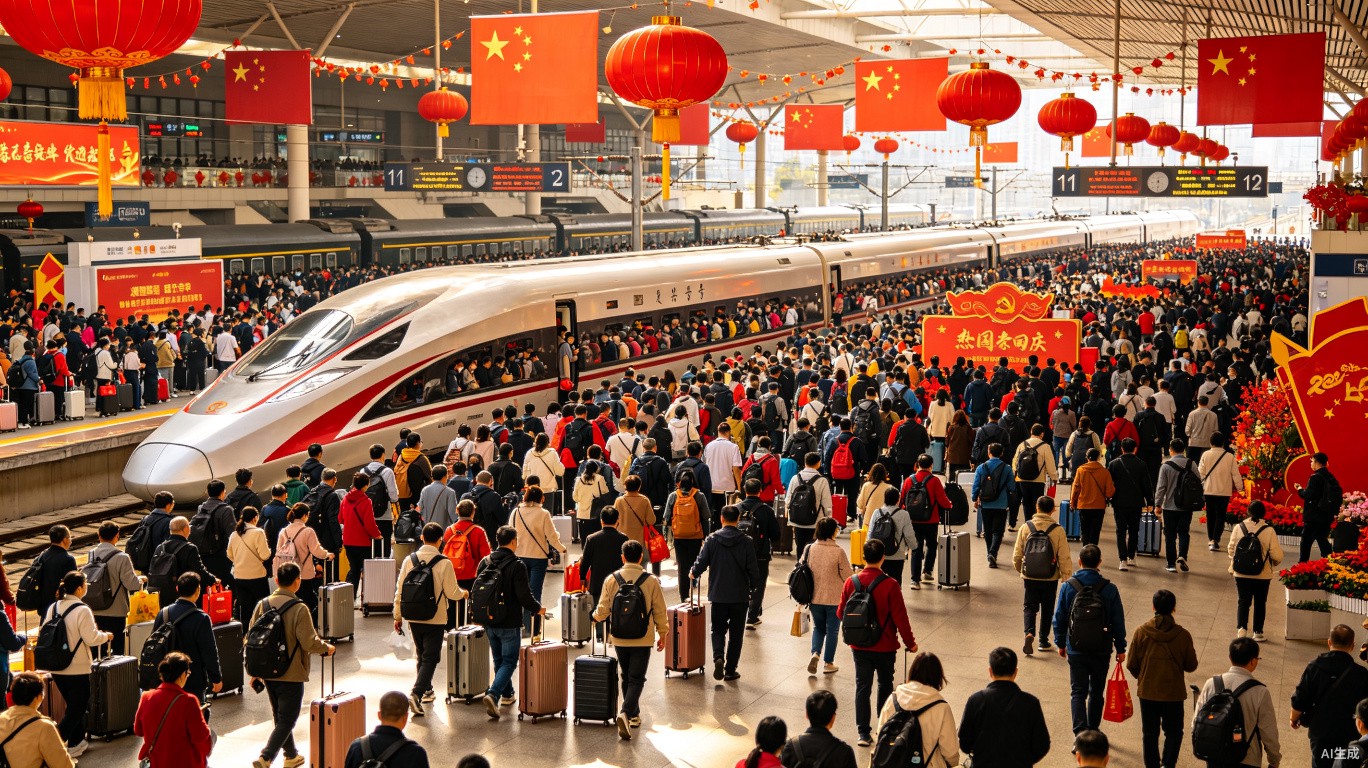
How to survive China's National Day Golden Week (October 1-7) - what to avoid, where to go, and how to beat the crowds.
9 min read
China Group Tours vs Independent Travel Which is Better
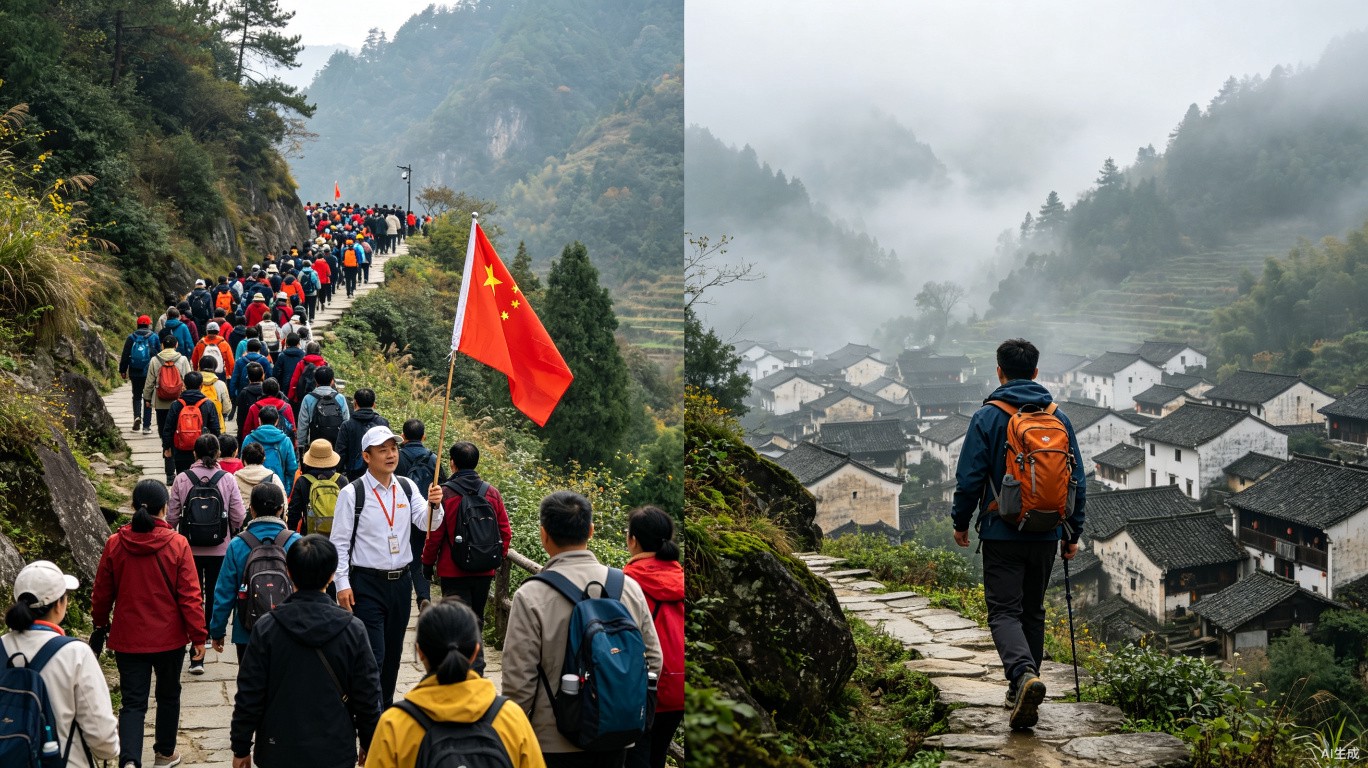
Should you join a guided tour or travel independently in China? Honest comparison of cost, flexibility, and experience.
7 min read
China Itinerary Planning: 7-Day 14-Day and 21-Day Routes: The Complete 2026 G...
Not sure how many days to spend in China? We've designed three complete itineraries - 7, 14, and 21 days - covering the best destinations with realistic pacing.
9 min read