
Beijing Shanghai Highlights
TODO: Extract from article (100-160 chars)
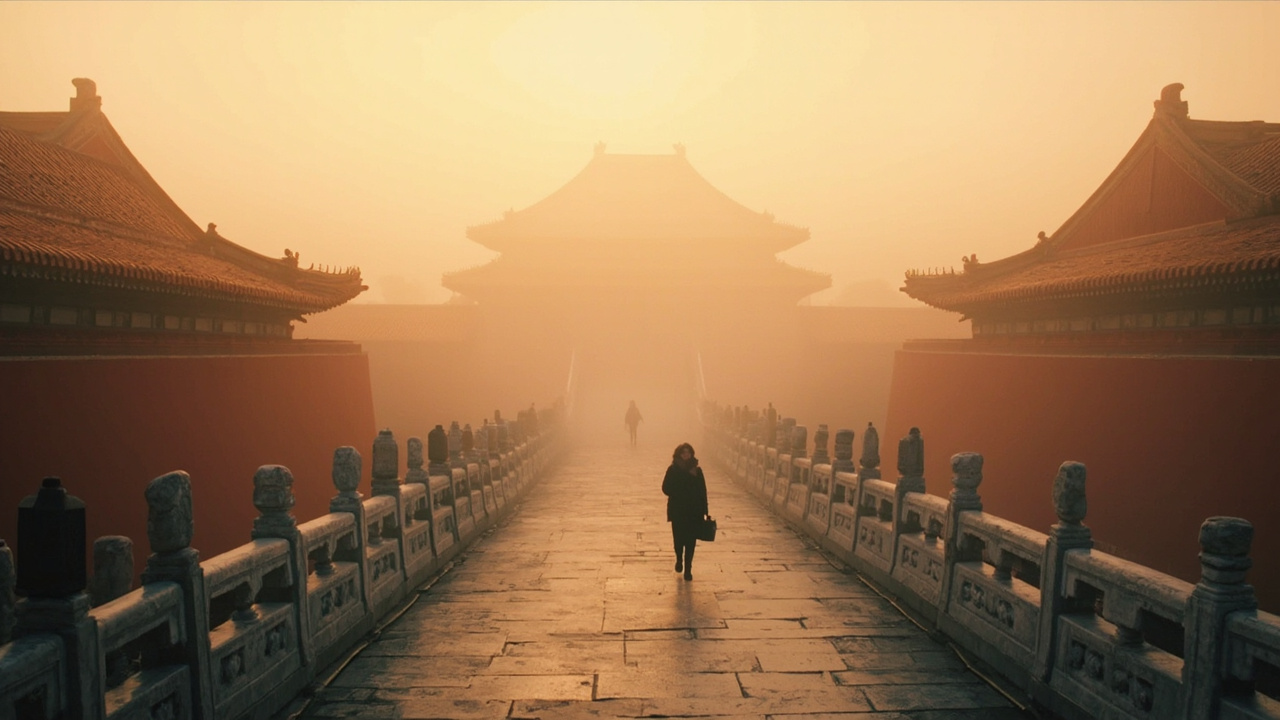
The cab driver in Beijing looked at my phone screen, then back at me, then laughed. Not a mean laugh, but the kind you get when you’ve asked something slightly ridiculous. I’d typed “Forbidden City” into the translation app and showed it to him, but I’d done it wrong, and the app was reading it back as “Forbidden Palace of the Emperor’s Ghost.” He corrected it, we drove through the gray winter light past the watchtowers, and I remember thinking: this is the moment I’ve been waiting seven years to see through a first-timer’s eyes.
Beijing and Shanghai aren’t just two cities. They’re the two poles of modern China, and for most first-time visitors, they’re the entire trip. Beijing is the weight of history, the Forbidden City’s red walls, the Great Wall snaking over mountains you can see from space. Shanghai is the future arriving early, the Bund’s colonial facades facing a skyline that didn’t exist twenty years ago. Together they give you a country in one week.
I’ve lived in Beijing since 2019 and traveled through China more than forty times. This guide is the one I’d hand to a friend before they booked their flight. It covers the ten places I’d actually take them, not the ones that look good on Instagram but disappoint in person. You’ll get exact prices, station names, exit numbers, and the honest truth about what’s worth your jet-lagged hours.
Quick answer
For most first-time visitors, Beijing and Shanghai are the essential China trip, and you can see the highlights of both in 7–10 days. As of 2026, citizens of 54 countries including the US, UK, Canada, and Australia can enter China visa-free for up to 30 days for tourism, so check if you qualify before applying for a visa. Budget roughly $150–250 per day for a comfortable trip including hotels, food, transport, and entry fees, and plan for spring (April–May) or autumn (September–October) when the weather is kindest.
The Short Version
Beijing is history. Shanghai is money. Don’t try to love them equally. Spend four days in Beijing for the Forbidden City, the Great Wall at Mutianyu, and the hutongs, then take the 4.5-hour high-speed train to Shanghai for three days of the Bund, the French Concession, and the best food you’ll eat in China. Skip the Summer Palace if you’re short on time. Don’t skip the dumplings. And for the love of everything, set up Alipay before you land, because China doesn’t do cash the way you think it does.
How I Picked These
I’ve walked every one of these places multiple times, in every season, with visiting parents, with skeptical journalist friends, and alone with a notebook. I’ve gotten lost in the hutongs, paid tourist prices at the Jade Buddha Temple, and stood in the rain on the Bund wondering why I ever doubted it. I also asked taxi drivers, hostel receptionists, and a retired history teacher I met at a tea house what they’d show a foreign friend. Their answers shaped this list more than any guidebook. These are the places that survive contact with reality.
Comparison Table
| Rank | Place | Best For | Approx Cost (USD) | Time Needed | When to Go |
|---|---|---|---|---|---|
| 1 | The Great Wall at Mutianyu | The iconic experience | $40–60 (¥290–430) | Full day | Apr–May, Sep–Oct |
| 2 | The Forbidden City | Imperial history | $10 (¥70) | 3–4 hours | Weekday mornings |
| 3 | The Bund, Shanghai | Skyline views | Free | 2 hours | Sunset |
| 4 | Temple of Heaven | Local life & architecture | $5 (¥35) | 2–3 hours | Early morning |
| 5 | Yu Garden & Old City | Classical gardens | $5 (¥40) | 2–3 hours | Weekday mornings |
| 6 | Summer Palace | Lakeside grandeur | $8 (¥60) | Half day | Spring/autumn |
| 7 | Tiananmen Square | Political heart | Free | 1 hour | Early morning |
| 8 | French Concession | Cafés & street life | Free | Half day | Late afternoon |
| 9 | 798 Art District | Contemporary art | Free | 3 hours | Weekends |
| 10 | Shanghai Museum | Artifacts & history | Free | 2–3 hours | Weekday afternoons |
The Great Wall at Mutianyu — The One That Doesn’t Disappoint
The first time I took the cable car up at Mutianyu, a woman next to me was crying. Not from fear, though the cable car does sway a bit. She was crying because she’d waited forty years to see this, ever since her father showed her a National Geographic article in 1985. I think about that whenever someone asks which section of the Wall to visit.
Badaling is the one everyone’s heard of, and it’s a zoo. Mutianyu is the one I actually take people to. It’s about 70 kilometers northeast of Beijing, less crowded, and the restored section runs for over 2 kilometers along the ridgeline with 22 watchtowers. The forest below is thick enough that in summer you can’t see the valley floor.
The wall here was first built in the mid-6th century and rebuilt under the Ming dynasty in the 1400s. The brickwork is original in places, and you can see where mortar has crumbled and been patched over centuries. Walking west from Tower 14, the crowds thin out dramatically, and by Tower 20 you might have the Wall to yourself.
📍 Location: Huairou District, about 70 km northeast of central Beijing 🎫 Entry fee: $6 (¥40) for the wall itself; cable car round trip $18 (¥120) or toboggan down $15 (¥100) 🕒 Opening hours: 7:30 AM–6:00 PM (summer), 8:00 AM–5:00 PM (winter) 🚕 Getting there: Take a Didi or taxi from central Beijing, about 1.5 hours, $50–70 (¥350–500). Or book a private driver through your hotel. There’s also a direct bus from Dongzhimen Station, but it’s slow and confusing. 📅 When to visit: Go on a weekday. Arrive by 8:00 AM to beat the tour groups. October is spectacular when the leaves turn. 💡 Insider tips: Take the cable car up but walk down through the forest path if your knees allow. The toboggan ride down is genuinely fun and worth the extra money. Bring water and snacks, because the prices at the top are criminal. The watchtowers have no restrooms, so use the ones at the base before you go up.
I once met a retired math teacher from Manchester at Tower 19 who told me he’d proposed to his wife at Badaling in 1998 and was now making amends by seeing the “good one.” They were holding hands like teenagers.
The Forbidden City — 900 Buildings and a Million Selfie Sticks
The first time you walk through the Meridian Gate, you’ll understand why emperors made ambassadors wait here for days. The scale is designed to intimidate, and it still works. The courtyard alone could hold several football fields, and the crowds in high season make the whole thing feel like a very slow, very ornate mosh pit.
The Forbidden City was the imperial palace for 500 years, from the Ming dynasty through the end of the Qing in 1912. It has 980 surviving buildings and over 8,700 rooms. The numbers are so absurd they stop meaning anything, but walking through the Hall of Supreme Harmony, where emperors held court, still gives me chills after seven years.
You’ll need to book tickets in advance through the official WeChat mini-program or website, and you’ll need your passport number. Same-day tickets rarely exist in peak season. The audio guide is worth the $5 (¥35), but the real trick is hiring one of the official guides at the entrance for about $30 (¥200) for two hours. They know stories the audio guide doesn’t tell.
📍 Location: Dongcheng District, north of Tiananmen Square 🎫 Entry fee: $10 (¥70) April–October, $6 (¥40) November–March 🕒 Opening hours: 8:30 AM–5:00 PM (last entry 4:10 PM), closed Mondays 🚕 Getting there: Take Subway Line 1 to Tiananmen East Station, Exit B, walk north through Tiananmen Square. You’ll pass through security checks, so bring your passport. 📅 When to visit: Weekday mornings right at 8:30 AM. The crowds arrive by 10 AM and don’t leave until closing. 💡 Insider tips: Enter from the east gate (Donghuamen) to skip the main security line at Tiananmen. The western palaces (Cining Gong area) are much quieter and have a lovely garden. The museum’s ceramics collection in the Hall of Literary Brilliance is world-class and almost empty. Bring your own water; the vendors inside charge triple.
I once watched a French couple spend twenty minutes photographing a single bronze crane, and I understood. When you’ve seen a thousand Chinese palaces in books, standing in front of the real one makes you want to slow everything down.
The Bund, Shanghai — Where Old Shanghai Meets the Future
I have a theory about the Bund: it’s the only place in China where you can stand still for ten minutes and genuinely feel the country’s entire modern history happening around you. On your left, the colonial banks and trading houses from the 1920s, all granite columns and Art Deco flourishes. On your right, the Pudong skyline, where the Oriental Pearl Tower and the Shanghai Tower look like they’re competing to see who can be more absurd.
The Bund is a 1.5-kilometer waterfront promenade along the Huangpu River. It’s free, it’s open 24 hours, and it’s best at sunset when the Pudong lights come on and the old buildings glow gold. The crowds are relentless in summer, but there’s a trick: walk to the northern end near the Waibaidu Bridge, where the crowds thin out and you can actually lean on the railing without fighting for space.
The history here is complicated. These buildings were built by British, French, and American banks during the treaty port era, when Shanghai was effectively run by foreigners. Walking along the Bund, you’re seeing the physical remains of that colonial period, now repurposed as luxury hotels and restaurants. The contrast with Pudong’s towers is the whole story of modern China in one view.
📍 Location: Zhongshan East 1st Road, Huangpu District, Shanghai 🎫 Entry fee: Free 🕒 Opening hours: 24 hours 🚕 Getting there: Take Metro Line 2 or 10 to East Nanjing Road Station, Exit 1, walk east for 10 minutes. Or take Line 12 to Tiantong Road Station and walk south. 📅 When to visit: Sunset is the money shot. Come at 5 PM in winter, 6:30 PM in summer, and watch the lights come on. 💡 Insider tips: The Peace Hotel’s jazz bar on the ground floor is pricey but worth one drink, just to sit in a room where the 1930s never ended. The Bund Sightseeing Tunnel is a tourist trap, skip it. Cross the river on the ferry from the Bund to Pudong for $0.30 (¥2), the best value in Shanghai. The second-floor terrace of the Shanghai Bund IFC Mall has a free viewing platform that’s less crowded than the main promenade.
I was there on a rainy Tuesday in March once, and the whole promenade was empty except for an old man flying a kite shaped like a dragon. He told me he’d been doing it for twenty years, and that the buildings across the river used to be rice paddies when he was a boy.
Temple of Heaven — Where Beijingers Come to Play
The Temple of Heaven is where I go when I need to remember why I love Beijing. The main hall, the Hall of Prayer for Good Harvests, is the iconic blue-roofed building you’ve seen in photos. But the real magic happens in the surrounding park, where every morning hundreds of locals gather to practice tai chi, play Chinese chess, sing opera, and dance.
The temple complex was built in 1420 during the Ming dynasty, and it’s where emperors came to pray for good harvests. The architecture is mathematically precise, designed to represent the relationship between heaven and earth. The circular Hall of Prayer sits on a three-tiered marble terrace, and the entire structure is held together without a single nail.
But honestly, the architecture is secondary. The park is where Beijing lives. On any given morning you’ll see a man writing calligraphy on the stone pavement with a giant water brush, a group of women practicing fan dancing, and at least one person walking a bird in a cage, which is apparently still a thing.
📍 Location: Tiantan Road, Dongcheng District, Beijing 🎫 Entry fee: $5 (¥35) for the main buildings, $2 (¥15) for the park only 🕒 Opening hours: 6:00 AM–10:00 PM (park), 8:00 AM–5:30 PM (buildings) 🚕 Getting there: Take Subway Line 5 to Tiantan Dongmen Station, Exit A, and you’re at the east gate. The south gate is more dramatic for photos. 📅 When to visit: Go at 7 AM to see the morning activities. The buildings open at 8 AM, so time it to see the park first, then the halls. 💡 Insider tips: The Echo Wall and the Circular Mound Altar are where the acoustics get weird, and you can whisper to someone 50 meters away. The cypress trees in the park are over 600 years old, and some are older than the temple itself. The rose garden in the northwest corner is free and lovely in May and June. If you see a group doing something that looks like slow-motion martial arts, just stand quietly and watch; they won’t mind.
An old woman once corrected my tai chi posture in the park, then spent twenty minutes teaching me the basic moves. She didn’t speak a word of English, and I didn’t speak enough Mandarin, but we communicated anyway. That’s Beijing.
Yu Garden and Old City, Shanghai — A Classical Garden in a Modern Maze
Yu Garden is what happens when a Ming dynasty official’s family decides to build a private garden and doesn’t stop for twenty years. It’s small by Chinese garden standards, but it’s packed with rockeries, koi ponds, pavilions, and the kind of intricate detail that rewards slow walking. The garden was built between 1559 and 1577, and it survived the Taiping Rebellion, the Japanese occupation, and the Cultural Revolution, which is more than you can say for most things in Shanghai.
The garden itself takes about an hour to walk through properly. The Exquisite Jade Rock, a 3.3-meter limestone boulder that’s over 1,000 years old, is the centerpiece. It’s riddled with holes, and locals will tell you it was meant to be the centerpiece of an emperor’s garden before it ended up here.
The surrounding Old City area is a maze of narrow lanes, traditional shophouses, and the famous Yu Garden Bazaar. It’s touristy, yes, but it’s also where you’ll find the best xiaolongbao (soup dumplings) in Shanghai at Nanxiang Steamed Bun Restaurant, which has been operating since 1900.
📍 Location: 218 Anren Street, Huangpu District, Shanghai 🎫 Entry fee: $5 (¥40) April–June and September–November, $4 (¥30) other months 🕒 Opening hours: 9:00 AM–4:30 PM, last entry at 4:00 PM 🚕 Getting there: Take Metro Line 10 to Yuyuan Garden Station, Exit 1, walk 5 minutes. Follow the signs; you can’t miss the crowds. 📅 When to visit: Weekday mornings before 10 AM. The bazaar gets packed by noon, especially on weekends. 💡 Insider tips: The xiaolongbao at Nanxiang are famous for a reason, but the line can be 30 minutes. Go upstairs to the sit-down restaurant instead of the takeaway window. The Nine-Turn Bridge next to the garden is for walking, not for taking photos from, and it’s always crowded. The City God Temple just south of the garden is worth a quick visit and has a great vegetarian restaurant. Buy your souvenirs in the side alleys, not the main bazaar, where prices are 50% higher.
I brought my mother here in 2023, and she spent an hour trying to photograph a koi fish that kept posing for her. She still talks about it. The garden does that to people.
Summer Palace — Beijing’s Grandest Mistake
The Summer Palace is beautiful, and I’m going to tell you to skip it if you’re short on time. That’s not because it isn’t worth seeing. It’s because it’s a half-day commitment, it’s 15 kilometers from central Beijing, and if you only have seven days, you should spend that time in the hutongs or at the Great Wall instead. But if you have a spare day, it’s one of the most beautiful places in China.
The palace was built in 1750 as a retreat for the Qianlong Emperor’s mother, then rebuilt in 1888 after the British and French destroyed it during the Second Opium War. The centerpiece is Kunming Lake, which covers three-quarters of the complex, and the Long Corridor, a 728-meter covered walkway decorated with over 14,000 paintings. The Marble Boat at the western end was built by Empress Dowager Cixi with money meant for the navy, which tells you everything about why the Qing dynasty collapsed.
The lake is the real attraction. In summer, you can rent a dragon boat and paddle across to the islands. In winter, when the lake freezes, locals come out to ice skate. The Seventeen-Arch Bridge on the eastern shore is the best photo spot, especially at sunrise.
📍 Location: Haidian District, Beijing, 15 km northwest of central Beijing 🎫 Entry fee: $8 (¥60) for the main entrance, $12 (¥90) for the combined ticket including the buildings 🕒 Opening hours: 6:30 AM–6:00 PM (summer), 7:00 AM–5:00 PM (winter) 🚕 Getting there: Take Subway Line 4 to Beigongmen Station, Exit D, walk 5 minutes to the north gate. The east gate is more scenic for first entry. 📅 When to visit: Spring (April–May) when the flowers are out, or autumn (October) when the lake reflects the fall colors. Weekday mornings are quietest. 💡 Insider tips: The Suzhou Street shopping area inside the complex is a reconstruction of a Qing dynasty shopping street and is mostly a tourist trap. The Long Corridor is best in the morning when the light filters through the painted beams. Rent a boat on the lake; it’s the best way to see the palace from the water. The back hills are much quieter than the lakeside areas and have some lovely temples.
I once spent an afternoon here with a Chinese friend who told me her grandmother used to come here as a young woman in the 1950s, when the lake was still used for fishing. Now it’s a UNESCO World Heritage Site. She wasn’t sure if that was progress or not.
Tiananmen Square — The Political Heart of Modern China
Tiananmen Square is the largest public square in the world, and it’s also one of the most politically charged spaces on the planet. For first-time visitors, it’s a place to see, to walk through, and to understand, even if the history is complicated. The square has been the site of some of China’s most significant moments, both celebratory and otherwise.
You’ll need to pass through security to enter the square, and you’ll need your passport. The queues can be long, especially in peak season, but they move quickly. The square itself is flanked by the Great Hall of the People on the west, the National Museum of China on the east, and the Monument to the People’s Heroes in the center. The flag-raising ceremony at sunrise is genuinely moving, even if you’re not usually the type for patriotic displays.
The National Museum of China, on the eastern side, is free and worth a visit if you have time. It covers Chinese history from the Peking Man to the present day, and the ancient artifacts collection is among the best in the world. The museum requires advance booking through its WeChat mini-program.
📍 Location: Dongcheng District, Beijing, south of the Forbidden City 🎫 Entry fee: Free, but passport required for security 🕒 Opening hours: 5:00 AM–10:00 PM, but expect security checks at all entrances 🚕 Getting there: Take Subway Line 1 to Tiananmen East or West Station. The square is between the two stations. 📅 When to visit: Early morning for the flag-raising ceremony, or late afternoon when the crowds thin out. Avoid national holidays when the square is packed. 💡 Insider tips: The security check lines are shortest at the east and west entrances. You can’t bring large bags into the square, so leave them at your hotel. The underground passage to the Forbidden City is on the north side of the square. The National Museum is free but requires advance booking, so plan ahead.
I was here on October 1, 2019, for the 70th anniversary celebrations, and the atmosphere was electric. A group of students from Xinjiang asked me to take their photo in front of the monument. They were so proud, and I understood why.
French Concession, Shanghai — The Most European Place in China
The French Concession is where Shanghai goes to relax. This former French colonial district is now a leafy maze of tree-lined streets, Art Deco apartments, boutique shops, and some of the best cafés in Asia. It’s the antidote to the Bund’s grandeur and the skyscraper canyons of Pudong.
The area was under French control from 1849 to 1943, and the architecture reflects that history. The plane trees that line the streets were planted by the French, and they create a canopy that makes summer walking bearable. The former residences of Sun Yat-sen and Zhou Enlai are here, along with countless restored lane houses that now house galleries and restaurants.
The best way to explore is to simply walk. Start at Wukang Road, which is the most photographed street in Shanghai, and wander east. The area around Fuxing Park is particularly lovely, with its rose garden and the old men who still practice tai chi there every morning. The former Jewish quarter, near Huoshan Park, is a quieter but equally fascinating corner of the district.
📍 Location: Xuhui and Huangpu districts, Shanghai, roughly bounded by Huaihai Road and the former French border 🎫 Entry fee: Free 🕒 Opening hours: 24 hours, but shops and cafés typically open 10 AM–10 PM 🚕 Getting there: Take Metro Line 10 or 12 to Shaanxi South Road Station, Exit 4, and walk south. Or take Line 1 to Hengshan Road Station. 📅 When to visit: Late afternoon, when the light filters through the plane trees and the cafés fill up. Weekends are busy but lively. 💡 Insider tips: The best coffee in Shanghai is in the French Concession, and the competition is fierce. Try Manner Coffee for a cheap flat white or OPS for something more experimental. The lane houses on Wukang Road are mostly private residences, so don’t go wandering into courtyards. The Shanghai Library on Huaihai Road has a lovely reading room that’s open to the public. The former residence of Sun Yat-sen at 7 Xiangshan Road is worth a visit for the period furniture alone.
I once spent an entire afternoon in a café on Anfu Road, watching the parade of Shanghai’s fashionable young people walk past. A barista told me that Anfu Road used to be where the city’s artists lived, before the rents went up. Now it’s where the artists’ landlords live.
798 Art District, Beijing — Where the Factory Became a Canvas
The 798 Art District is what happens when a 1950s military electronics factory complex gets abandoned, discovered by artists in the early 2000s, and turned into one of Asia’s most important contemporary art hubs. The Bauhaus-style factory buildings, with their distinctive sawtooth roofs and exposed brick, now house over 200 galleries, studios, and design shops.
The district is named after the 798 factory that once occupied the site, part of a larger military industrial complex built with Soviet assistance in the 1950s. The buildings are a fascinating mix of industrial architecture and contemporary art, and walking through feels like stepping into a different Beijing, one that’s a world away from the hutongs and the imperial palaces.
The art here ranges from world-class to glorified souvenir shop, so be selective. The UCCA Center for Contemporary Art is the anchor institution and consistently hosts excellent exhibitions. The Pace Gallery and the Faurschou Foundation are also worth checking. The rest is a mix of smaller galleries and shops selling everything from original paintings to mass-produced Mao figurines.
📍 Location: 4 Jiuxianqiao Road, Chaoyang District, Beijing 🎫 Entry fee: Free for the district; individual galleries charge $5–15 (¥35–100) for special exhibitions 🕒 Opening hours: Most galleries open 10 AM–6 PM, closed Mondays 🚕 Getting there: Take Subway Line 14 to Jiangtai Station, Exit C, walk 15 minutes. Or take a Didi from central Beijing, about $8 (¥55). 📅 When to visit: Weekends are liveliest, but weekday afternoons are better for actually seeing the art without crowds. 💡 Insider tips: The best galleries are the ones tucked away in the side courtyards, not the ones facing the main drag. The 798 Coffee on the main street has decent coffee but tourist prices; walk two blocks to the independent cafés for better value. The district is huge, so wear comfortable shoes. The old factory machinery scattered around the district makes for great photo backdrops.
I met a painter here who’d moved to Beijing from Sichuan in 2008. He told me he’d watched the district transform from a struggling artist colony to a tourist destination, and he wasn’t sure if that was a good thing. He still has his studio here, but he’s thinking about moving to a cheaper city.
Shanghai Museum — The Free One That Beats the Paid Ones
The Shanghai Museum is the best free museum in China, and it’s not close. The collection focuses on ancient Chinese art, with particular strengths in bronzes, ceramics, calligraphy, and paintings. The building itself, with its round top and square base, is meant to represent the ancient Chinese belief that heaven is round and the earth is square.
The museum moved to its new location in the People’s Square area in 1996, and it’s been a highlight of Shanghai ever since. The bronze collection is among the finest in the world, with pieces dating back over 3,000 years. The ceramics gallery traces the development of Chinese pottery from the Neolithic period through the Qing dynasty, and it’s impossible to walk through without stopping to stare at the Song dynasty pieces.
The museum is free, but you’ll need to book a timed entry ticket in advance through its official WeChat mini-program. The booking opens seven days in advance, and slots fill up quickly on weekends. Bring your passport to collect your ticket.
📍 Location: 201 Renmin Avenue, Huangpu District, Shanghai, in People’s Square 🎫 Entry fee: Free, but advance booking required 🕒 Opening hours: 9:00 AM–5:00 PM, last entry at 4:00 PM, closed Mondays 🚕 Getting there: Take Metro Line 1, 2, or 8 to People’s Square Station, Exit 1, walk 5 minutes. The museum is on the south side of the square. 📅 When to visit: Weekday afternoons are quietest. The museum is air-conditioned, making it a great escape from Shanghai’s summer heat. 💡 Insider tips: The calligraphy gallery on the third floor is often overlooked but contains some of the most important works in Chinese art history. The museum’s audio guide is free and worth getting. The gift shop has excellent reproductions of the bronzes at reasonable prices. The museum café is overpriced; eat before you come or wait until you leave.
I once spent three hours in the bronze gallery and only made it through half the collection. A security guard took pity on me and pointed out his favorite piece, a Shang dynasty wine vessel that he said reminded him of his grandfather’s teapot.
FAQ summary
For first-time visitors to China, the essential takeaway is that Beijing and Shanghai together offer the best introduction to the country, and you can see the highlights of both in 7–10 days. The high-speed rail connection between the two cities takes about 4.5 hours and costs roughly $80 (¥553) for a second-class seat, making it the best way to travel between them. As of 2026, citizens of 54 countries can enter China visa-free for up to 30 days for tourism, and you’ll need to set up Alipay or WeChat Pay before you arrive, as cash and international credit cards are rarely accepted.
FAQ
Q: Do I need a visa to visit China as a tourist in 2026? A: Citizens of 54 countries, including the US, UK, Canada, Australia, and most of Europe, can enter China visa-free for up to 30 days for tourism. Check the latest policy before you book, as the rules have been changing, and always carry your passport with you.
Q: How do I get from Beijing to Shanghai? A: The high-speed train takes about 4.5 hours and costs roughly $80 (¥553) for a second-class seat. Book through the official China Railway app or through a travel agent. Flights take 2.5 hours but add airport time and are often delayed.
Q: Is it safe to travel in China as a tourist? A: China is extremely safe for tourists. Violent crime against foreigners is rare, and the main risks are petty scams and pickpocketing in crowded tourist areas. The bigger challenge is the language barrier, so download a translation app before you go.
Q: Can I use my credit card in China? A: Not reliably. China is a cashless society, and most places only accept Alipay or WeChat Pay. Set up Alipay before you arrive and link it to your international credit card. Some ATMs accept foreign cards, but they’re becoming rarer.
Q: Do I need a VPN for internet access in China? A: Yes. Google, Facebook, Instagram, WhatsApp, and many other Western services are blocked in China. Install a reliable VPN on your phone and laptop before you arrive, and make sure it works before you land.
Q: Is English widely spoken in Beijing and Shanghai? A: In tourist areas, hotels, and upscale restaurants, yes. Everywhere else, no. Download a translation app like Google Translate (with the Chinese language pack downloaded for offline use) or Pleco, and learn a few basic phrases.
Q: What’s the best time of year to visit Beijing and Shanghai? A: April–May and September–October are ideal, with mild temperatures and low humidity. July and August are hot and crowded, and December–February can be cold, especially in Beijing. Avoid the first week of October, when the entire country is on holiday.
The Honest Wrap-up
This list is for the first-time visitor who wants to see the icons without feeling like they’re on a conveyor belt. It’s not for the deep traveler who’s already been to China and wants to go off the beaten path, and it’s not for the person who only has three days and needs to pick one city (choose Beijing, by the way). If you have a week to ten days, this itinerary will give you the China you came to see, with enough breathing room to wander and make your own discoveries. My final advice: don’t try to do everything. Pick the things that genuinely excite you, leave the rest for next time, and spend at least one afternoon doing absolutely nothing but sitting in a park and watching the world go by. That’s the China you’ll remember.
More guides you may like
Top 10 Bridges in China
China's bridges are engineering marvels spanning mountains, rivers, and seas. Here are 10 of the most spectacular, from ancient stone to modern steel.
8 min read

Top 10 Buddhist Sites in China
From the Leshan Giant Buddha to the Dunhuang Caves, these 10 Buddhist sites represent 2,000 years of China's spiritual heritage.
9 min read
Top 10 Day Trips from Beijing You Shouldn't Miss
Beijing is packed with history, but some of China's best experiences are just a few hours away. Here are 10 day trips that will transform your visit.
9 min read
Top 10 Hidden Gems in China Off the Beaten Path
Beyond the Great Wall and Terracotta Warriors, China has incredible hidden destinations few tourists ever reach. Here are 10 underrated gems worth the detour.
9 min read
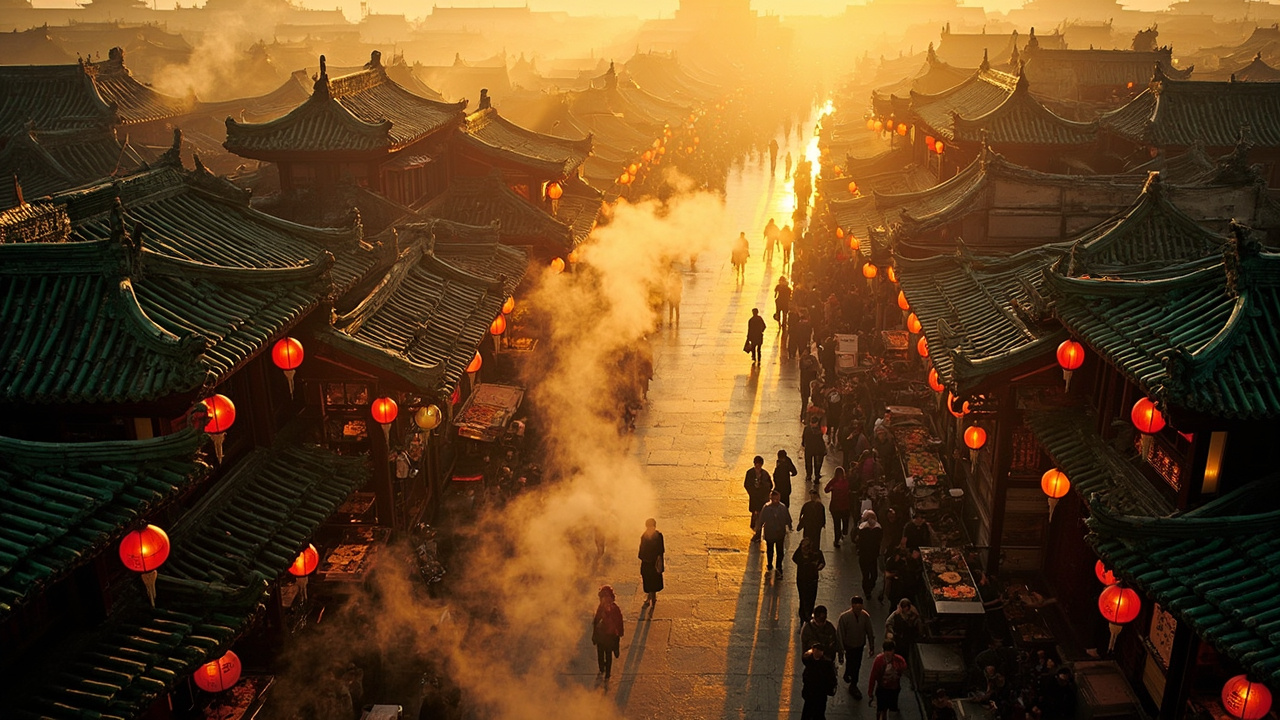
Top 10 Markets and Shopping Streets in China
From Shanghai's Bund to Beijing's Silk Street - 10 markets where foreigners can haggle, explore, and bring home authentic Chinese goods.
9 min read
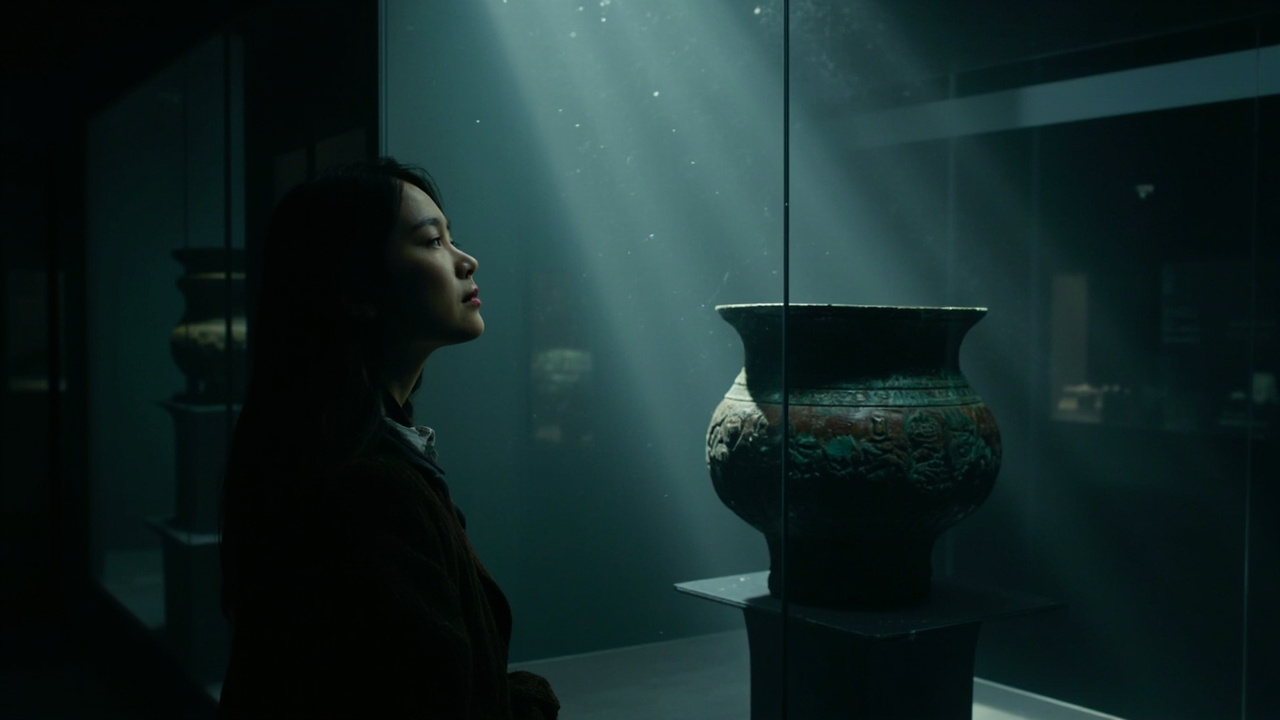
Top 10 Museums in China You Shouldn't Miss
China's museums span 5,000 years of civilization. These 10 - from the Palace Museum to Xi'an's terracotta gallery - are unmissable for culture lovers.
9 min read