
China Tipping in Restaurants
TODO: Extract from article (100-160 chars)
China Tipping in Restaurants
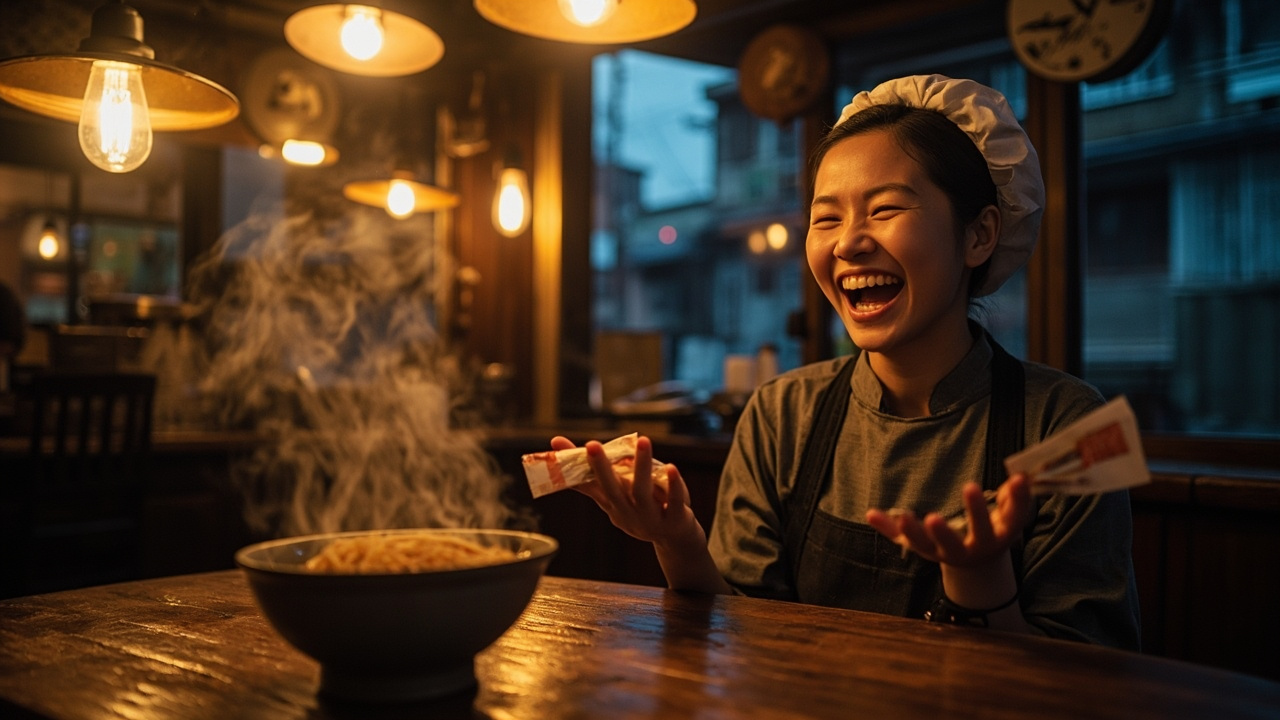
The waitress chased me down the sidewalk outside a noodle shop in Chengdu, waving my 20-yuan note like it was on fire. I’d left it on the table as a tip. She thought I’d forgotten my change. I tried to explain, in terrible Mandarin, that it was for her. She pushed it back into my hand, laughed, and said “bú yòng, bú yòng” — no need, no need. That was year one of living in China. I’ve had some version of that scene play out maybe thirty times since, in Beijing, Xi’an, Guangzhou, a tiny town in Yunnan where nobody spoke a word of English and I ended up drawing a picture of a bowl on a napkin to order lunch.
So let me save you the awkward sidewalk chase.
Tipping in China is genuinely different from almost anywhere else you’ve traveled. Not “different” in the sense that people prefer a little more, the way it varies between, say, Germany and the US. Different in the sense that the entire social contract around money-for-service works on a different logic. Restaurants, taxis, hotels, tour guides — each has its own unwritten rule, and getting it wrong won’t ruin your trip, but it will make you feel like a clueless foreigner at exactly the moment you’re trying to be polite.
This guide is what I wish someone had handed me before my first meal in Beijing. I’ll cover restaurants in detail, then the adjacent situations where the rules flip — because they do, and that’s where most first-timers get caught out. By the end you’ll know exactly when to leave money, when to absolutely not, and how to handle the gray zones without offending anyone.
Quick answer
Do not tip in Chinese restaurants. Tipping is not expected, not customary, and in many sit-down restaurants it will be politely refused or cause confusion — service charges are already built into the bill or simply not part of the pricing model. The one exception is high-end international hotels and foreigner-oriented fine dining in cities like Shanghai and Beijing, where a 10% tip is increasingly accepted but still optional. For everything else — noodles, hotpot, dumplings, street stalls — pay the bill, say thank you, and walk out.
The Short Version
Don’t tip in restaurants. Full stop. The price on the menu is the price you pay, service included. Leaving cash on the table will usually get you chased down the street. The exceptions are narrow: upscale hotel restaurants, some foreign-managed fine dining, and private tour guides or drivers (where a tip is appreciated but never demanded). If you’re unsure, don’t tip. You will never offend a Chinese server by not tipping. You might mildly confuse them by trying.
How I Picked These
This isn’t a list of places — it’s a list of situations, drawn from seven years of eating my way across China and roughly forty trips outside Beijing. I’ve paid bills in everything from a 6-yuan (about $0.85) breakfast stall in Xi’an to a 2,000-yuan ($280) tasting menu in Shanghai. I’ve asked restaurant owners, hotel concierges, and a very patient taxi driver named Liu why nobody tips. I’ve also made every mistake in this article personally, usually more than once. The rules below are what I’ve landed on after watching how locals actually behave, not what a tourism brochure claims.
Comparison Table
| Situation | Tip? | Typical Amount | Notes |
|---|---|---|---|
| Local restaurant / noodle shop | No | $0 | Cash left on table often refused |
| Mid-range Chinese restaurant | No | $0 | Service included in price |
| Hotpot / BBQ / chain restaurant | No | $0 | Sometimes a per-person seat fee (¥5–10) |
| High-end hotel restaurant | Optional | 10% | More common in Shanghai/Beijing |
| Foreign-managed fine dining | Optional | 10–15% | Check if service charge already added |
| Street food / night market | No | $0 | Round up only if you don’t want change |
| Taxi / Didi | No | $0 | Round up to nearest ¥1–5 max |
| Hotel bellhop / housekeeping | Rare | ¥10–20 ($1.50–3) | Not expected, appreciated |
| Private tour guide | Yes | ¥50–100/day ($7–14) | More for multi-day or excellent service |
| Private driver | Yes | ¥30–50/day ($4–7) | Often shared with guide |
Why China Doesn’t Tip — The Actual Reason
Here’s the thing nobody tells you: it’s not that Chinese people are stingy or that service workers don’t want extra money. It’s structural. In China, restaurant staff are paid a wage by their employer — not a tipped minimum wage the way servers are in the US. The menu price is designed to cover food, labor, rent, and profit. Service is baked in. When you leave extra money, you’re not topping up a sub-minimum wage; you’re introducing a variable the system wasn’t built around.
There’s also a cultural layer. In much of Chinese dining culture, the host pays for everything — the whole table, the whole meal. Leaving a few coins for the server can read as either pity or a subtle insult, as if you’re saying the restaurant doesn’t pay its people properly. That’s why the waitress in Chengdu chased me down. She wasn’t being modest. She was genuinely puzzled.
The one place this breaks down is foreign-facing hospitality. International hotel chains, expat-heavy brunch spots, and high-end restaurants that cater to Western tourists have started accepting tips because their customers expect to give them. But even there, it’s optional. Nobody will chase you if you don’t.
The Seat Fee and Tea Charge Nobody Warns You About
Before you decide whether to tip, understand what’s already on your bill. Many Chinese restaurants charge a per-person seat fee (茶位费, cháwèi fèi) — usually ¥5–10 ($0.70–1.40) — that covers tea, utensils, and sometimes a small snack. Some higher-end places add a 10% service charge automatically, especially in hotels. If you see either of these on the receipt, that’s your “tip.” Adding more on top is redundant.
I once spent ten minutes at a Cantonese restaurant in Guangzhou trying to figure out why my bill was ¥18 higher than the food total, convinced I’d been overcharged. It was three seat fees and a tea charge. The waiter was very patient. I was not at my best.
How to Pay — Cash, WeChat, Alipay
Most restaurants in cities now expect mobile payment. Set up Alipay or WeChat Pay before you arrive — you can link an international Visa or Mastercard, and it works at nearly every restaurant, from chains to tiny family spots. Cash still works and is legally required to be accepted, but you’ll get sighs and fumbled change.
When you pay by phone, there’s no tipping interface. You scan a QR code, enter the exact amount, and confirm. No tip screen, no suggested percentages, no awkward “18%, 20%, 25%” buttons. It’s honestly one of the most relaxing parts of eating in China.
The Gray Zones — Where It Gets Complicated
Fine dining in Shanghai’s Bund or Beijing’s Sanlitun: a 10% tip is increasingly normal, especially at restaurants with a large foreign clientele. Nobody will be offended either way.
Hotel restaurants: check the bill. If a 10–15% service charge is already there, you’re done. If not, a 10% tip is fine but not required.
Private tour guides and drivers: this is the one category where tipping is genuinely appreciated. A guide who spent eight hours with you, navigated ticket queues, and translated a tricky pharmacy visit deserves ¥50–100 ($7–14). Drivers usually get ¥30–50 ($4–7). Cash is best; WeChat red packets also work.
Hotel housekeeping: ¥10–20 ($1.50–3) per day is a nice gesture, left on the pillow or nightstand. Not expected. Bellhops who carry bags: ¥10–20. Again, not expected.
What About Tipping in Hong Kong and Macau?
Different rules entirely. Hong Kong has a tipping culture closer to the UK — 10% is standard at sit-down restaurants, and many places add it automatically. Macau is similar. If your China trip includes either, mentally switch modes when you cross the border.
The Mistake I Made (So You Don’t Have To)
My first month in Beijing, I tipped a taxi driver ¥20 on a ¥35 fare because I’d read somewhere that rounding up was polite. He looked at the note, looked at me, and handed back ¥15 with a small shake of his head. Not rude. Just — no. The correct move is to pay the exact fare, or round up to the nearest ¥1 if you’re paying cash and don’t want coins. That’s it.
FAQ summary
Tipping in Chinese restaurants is not customary and is often refused — the menu price already includes service, and staff are paid wages rather than relying on tips. The main exceptions are high-end hotel restaurants and foreign-managed fine dining in major cities, where an optional 10% tip is increasingly accepted, plus private tour guides and drivers, where ¥50–100 ($7–14) per day is appreciated. For taxis, street food, and everyday restaurants, pay the exact amount and don’t leave extra. Setting up Alipay or WeChat Pay removes any tipping interface entirely, which makes the whole question moot.
FAQ
Q: Do you tip in restaurants in China? A: No. Tipping is not expected or customary in Chinese restaurants, and staff will often refuse it or seem confused. The price on the menu is the full price, service included. The only exceptions are upscale hotel restaurants and foreign-oriented fine dining, where a 10% tip is optional.
Q: Is it rude to tip in China? A: It’s not exactly rude, but it can be awkward. Leaving cash on the table often prompts staff to chase you down thinking you forgot your change. In some contexts it can read as pity or as a comment on wages. The safest move is simply not to tip.
Q: How much should I tip a tour guide in China? A: ¥50–100 ($7–14) per day for a private guide is a reasonable range, more for multi-day trips or exceptional service. Drivers typically get ¥30–50 ($4–7) per day. Cash is preferred, though WeChat red packets are also fine.
Q: Do I need cash for restaurants in China? A: Rarely. Most restaurants, from chains to small family spots, expect WeChat Pay or Alipay. Set these up before you arrive by linking an international card. Cash is legally accepted but often inconvenient — bring a small amount as backup.
Q: Is there a service charge at Chinese restaurants? A: Some higher-end restaurants, especially in hotels, add a 10% service charge automatically. Many mid-range and casual places charge a per-person seat fee (茶位费) of ¥5–10 ($0.70–1.40) that covers tea and utensils. If either appears on your bill, that’s your service cost — no tip needed.
Q: Should I tip in Hong Kong or Macau? A: Yes, differently. Hong Kong and Macau follow a more Western tipping norm — 10% at sit-down restaurants is standard, and many places add it automatically. If your trip includes either, switch your habits at the border.
Q: What about tipping hotel staff in China? A: Not expected, but appreciated. ¥10–20 ($1.50–3) per day for housekeeping and the same for a bellhop who carries your bags is a nice gesture. Nobody will be offended if you skip it.
The Honest Wrap-up
This guide is for the traveler who wants to do the right thing and is worried about getting it wrong. If you’re the type who tips 25% at home out of habit and anxiety, China will feel strange for about two days, and then liberating. If you’re the type who resents tipping culture entirely, you’ll love it here.
One last thing: the absence of tipping doesn’t mean service is cold. It means the relationship is different. Your server isn’t performing for a tip — they’re doing their job, and the warmth you get (and you will get it, especially at small family restaurants) is genuine, not transactional. Say 谢谢 (xièxiè) when you leave. That’s the tip that actually lands.
More guides you may like

Top 10 Bridges in China
China's bridges are engineering marvels spanning mountains, rivers, and seas. Here are 10 of the most spectacular, from ancient stone to modern steel.
8 min read

Top 10 Buddhist Sites in China
From the Leshan Giant Buddha to the Dunhuang Caves, these 10 Buddhist sites represent 2,000 years of China's spiritual heritage.
9 min read

Top 10 Day Trips from Beijing You Shouldn't Miss
Beijing is packed with history, but some of China's best experiences are just a few hours away. Here are 10 day trips that will transform your visit.
9 min read

Top 10 Hidden Gems in China Off the Beaten Path
Beyond the Great Wall and Terracotta Warriors, China has incredible hidden destinations few tourists ever reach. Here are 10 underrated gems worth the detour.
9 min read

Top 10 Markets and Shopping Streets in China
From Shanghai's Bund to Beijing's Silk Street - 10 markets where foreigners can haggle, explore, and bring home authentic Chinese goods.
9 min read

Top 10 Museums in China You Shouldn't Miss
China's museums span 5,000 years of civilization. These 10 - from the Palace Museum to Xi'an's terracotta gallery - are unmissable for culture lovers.
9 min read