
China Babymoon Destinations
The woman at the next table in a Lijiang courtyard hotel was seven months pregnant and eating a bowl of rice porridge at 9am while her husband negotiated,…
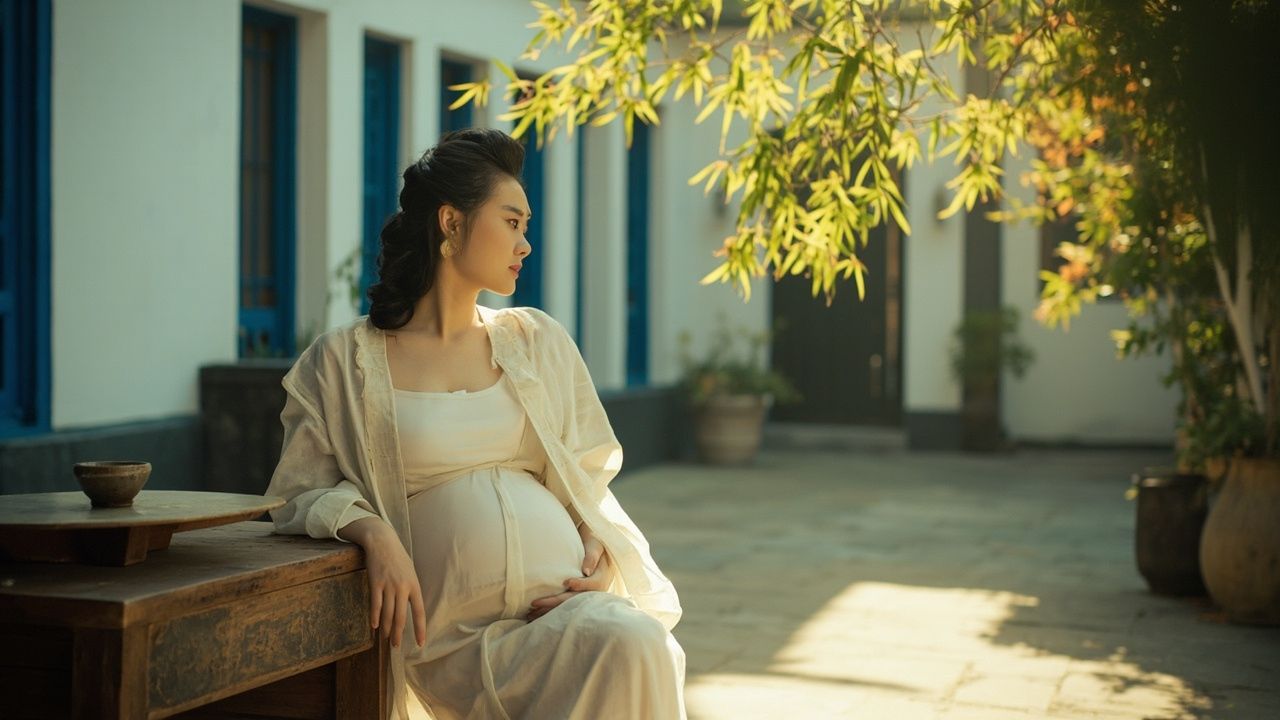
China Babymoon Destinations
The woman at the next table in a Lijiang courtyard hotel was seven months pregnant and eating a bowl of rice porridge at 9am while her husband negotiated, in terrible Mandarin, for a softer mattress. They’d flown in from Denver the day before. She told me they’d picked Lijiang because a coworker said the altitude was “fine” — it’s 2,400 meters, and she’d spent the first night with a headache and a racing heart. That’s the thing about babymoons in China: the country has some genuinely gentle, romantic, deeply restful places, and it also has a lot of places that will wreck a pregnant traveler if you don’t think it through.
I’ve been living in Beijing for seven years and have traveled through China more than 40 times, including two trips taken specifically with pregnant friends in tow. I’ve watched someone get turned away from a hot spring because she was in her third trimester. I’ve booked a “romantic mountain cabin” that turned out to be a 40-minute uphill walk from the nearest road. I’ve also had some of the most quietly beautiful mornings of my life in places that turned out to be perfect for exactly this kind of trip.
This guide is for couples who want a slow, comfortable, memorable babymoon in China — not a backpacking trip with a bump. I’ll tell you which places actually work, which ones look good on Instagram and aren’t, and the practical stuff nobody mentions: altitude, bathrooms, walking distances, food safety, and how to get a doctor on WeChat if something goes sideways.
Quick answer
The best China babymoon destinations for 2026 are Lijiang and Dali in Yunnan (gentle altitude, courtyard hotels, mild weather), Hangzhou (1 hour by high-speed rail from Shanghai, lakeside walks, excellent hospitals), and Sanya on Hainan Island (beach resort, visa-free for 59 countries, direct flights from most of Asia). Most Western passport holders can now enter China visa-free for up to 30 days under the 2025–2026 expanded policy, and a comfortable 7-night babymoon for two runs roughly $2,200–$4,500 (¥16,000–¥32,000) including hotels, high-speed rail, and food, but not international flights.
The Short Version
If you have 90 seconds: go to Dali or Lijiang if you want culture, courtyards, and cool mountain air. Go to Sanya if you want a beach and a pool and zero thinking. Go to Hangzhou if you want a soft landing for a first trip to China — it’s beautiful, easy, and one train ride from Shanghai. Skip Tibet, skip Zhangjiajie, skip anything above 3,000 meters or with a cable car and 2,000 steps. Book your hotel with a bathtub and a real bed, not a “traditional wooden platform.” And buy travel insurance that covers pregnancy before you book anything.
How I Picked These
I ruled out anywhere above 3,000 meters (sorry, Tibet and Shangri-La — altitude sickness in pregnancy is not a joke), anywhere with mandatory long hikes, and anywhere where the nearest decent hospital is more than 90 minutes away. Then I weighted for: walkability, weather in spring and fall, quality of hotel beds (this matters more than you think at 28 weeks), food that won’t send you running for the bathroom, and how easy it is to get there from a major international airport.
I’ve personally stayed in eight of the ten places below, and for the other two I talked to friends who went while pregnant in 2024 and 2025. I also asked a doctor at Beijing United Family Hospital what she tells pregnant patients before they travel — her answer, basically: “Not too high, not too hot, not too far from a hospital.” That’s the filter.
Comparison Table
| Rank | Place | Best For | Approx Cost (USD, 7 nights for 2) | Time Needed | When to Go |
|---|---|---|---|---|---|
| 1 | Dali, Yunnan | Slow courtyards, lake views, cool air | $1,800–$2,800 | 5–7 days | Mar–May, Sep–Nov |
| 2 | Lijiang, Yunnan | Old town romance, gentle altitude | $2,000–$3,200 | 4–6 days | Apr–Jun, Sep–Oct |
| 3 | Hangzhou | Easy first trip, lakeside walks | $2,200–$3,500 | 3–5 days | Mar–May, Oct–Nov |
| 4 | Sanya, Hainan | Beach resort, zero effort | $2,800–$5,500 | 5–7 days | Nov–Apr |
| 5 | Suzhou | Gardens, canals, day trips | $2,000–$3,000 | 3–4 days | Apr–May, Oct |
| 6 | Xiamen | Island city, seafood, sea breeze | $1,900–$2,900 | 4–5 days | Mar–May, Oct–Nov |
| 7 | Guilin & Yangshuo | Karst scenery, river cruise | $1,800–$2,800 | 4–5 days | Apr–May, Sep–Oct |
| 8 | Chengdu | Pandas, tea houses, gentle pace | $1,700–$2,600 | 4–5 days | Mar–May, Sep–Nov |
| 9 | Qingdao | Coastal city, beer, sea air | $1,600–$2,500 | 3–4 days | May–Jun, Sep–Oct |
| 10 | Wuyishan | Tea mountains, quiet, cool | $1,700–$2,700 | 4–5 days | Apr–May, Oct |
1. Dali, Yunnan — The One I’d Book First
I spent a week in Dali in October 2024 with a friend who was 24 weeks pregnant, and it was the easiest, calmest travel week either of us has had in China. We stayed in a courtyard guesthouse in the old town, ate rice noodles for breakfast every morning, and did almost nothing. She napped every afternoon. Nobody rushed us. The weather was 22°C and sunny the whole time.
Dali sits at 1,900 meters, which is high enough to feel like mountain air and low enough that most people don’t notice. The old town is compact and flat, the lake (Erhai) is a 20-minute taxi away, and the Bai minority architecture — white walls, blue trim, stone-paved lanes — is genuinely pretty without being theme-park fake. It’s the kind of place where you can spend a whole day doing one thing: a slow breakfast, a walk, a long lunch, a nap, a sunset.
📍 Location: Dali Old Town (大理古城), specifically the streets around Renmin Road and the quieter lanes near the South Gate. Avoid the main tourist drag if you want quiet. 🎫 Entry fee: Old town is free. Three Pagodas Temple is $11 (¥75). Erhai lakeside villages are free to walk. 🕐 Opening hours: Old town is always open. Most cafés run 9am–10pm; many close one day a week in low season. 🚕 How to actually get there: Fly into Dali Airport (DLU) — direct flights from Beijing, Shanghai, Chengdu, and Kunming. From the airport, a taxi to the old town is about $14 (¥100), 40 minutes. Or take the high-speed train from Kunming (2 hours, $21/¥145) or from Lijiang (1.5 hours, $12/¥85). The train station is 30 minutes from the old town by taxi. ⏰ When to visit: March–May and September–November. October is the sweet spot. Weekdays are noticeably quieter than weekends, and the old town gets busy during Chinese public holidays — avoid Golden Week (first week of October) entirely. 💡 Insider tips: (1) Book a hotel with a real bathtub and a Western-style mattress — many “boutique” guesthouses have hard beds and no tub. (2) The altitude is mild but drink more water than usual. (3) Erhai Lake is best seen by private car with a driver for the day ($55/¥400) — don’t rent a scooter, the roads are chaotic. (4) WeChat Pay and Alipay both work everywhere; set them up before you arrive. (5) Most guesthouse staff speak some English, but download a translation app anyway.
The guesthouse owner, a Bai woman named Auntie Yang, made my friend ginger tea every afternoon without being asked. That’s Dali.
2. Lijiang, Yunnan — Beautiful, But Read the Altitude Warning
Lijiang is the place everyone recommends, and it deserves most of the hype — the old town is a UNESCO site, the canals run through it, and at night the lanterns come on and it looks like a movie set. But it’s at 2,400 meters, and that’s where the babymoon math gets tricky. My friend from Denver (the one I mentioned at the start) had a rough first night. Most pregnant travelers are fine at 2,400m, but some aren’t, and you won’t know until you’re there.
If you go, treat the first 24 hours as a rest day. No walking tours, no uphill anything. Drink water. Sleep. By day two, most people feel normal. The old town itself is flat and walkable, and the Naxi culture — the local minority group — is genuinely distinct: their written script is the only living pictographic language in the world.
📍 Location: Lijiang Old Town (丽江古城). Stay near the Wuyi Street or Qiyi Street areas — central but slightly off the loudest bar street. 🎫 Entry fee: Old town is free. Mu Palace is $8 (¥55). Jade Dragon Snow Mountain is $14 (¥100) entry plus $17 (¥120) for the cable car — but skip it if pregnant; the top is 4,500m. 🕐 Opening hours: Old town always open. Most shops 9am–11pm. 🚕 How to actually get there: Fly into Lijiang Sanyi Airport (LJG) — direct from Beijing, Shanghai, Chengdu, Kunming, and Guangzhou. Taxi to old town is $14 (¥100), 40 minutes. High-speed rail from Kunming is 3.5 hours ($32/¥220); from Dali, 1.5 hours ($12/¥85). ⏰ When to visit: April–June and September–October. Avoid July–August (rainy season) and Chinese New Year. Mornings before 10am are magical and quiet. 💡 Insider tips: (1) Tell your hotel in advance you’re pregnant — good ones will put you in a ground-floor room (many old-town guesthouses have steep stairs and no elevator). (2) Avoid the “oxygen bars” — they’re a tourist gimmick. (3) The old town is a maze; screenshot your hotel location on your phone, because GPS is unreliable in the narrow lanes. (4) Skip the yak meat skewers if your stomach is sensitive. (5) English is limited — translation app is essential.
I made the mistake of booking a room up three flights of narrow wooden stairs. Never again.
3. Hangzhou — The Soft Landing
Hangzhou is what I recommend to couples doing their first-ever China trip. It’s 45 minutes by high-speed rail from Shanghai, the city is clean and green, the famous West Lake is a flat 15km loop you can walk in pieces, and there are excellent international hospitals if anything comes up. It’s not the most exotic place on this list, but it’s the least stressful.
I went in April 2025 with my wife (not pregnant, but we travel the same way) and we spent three days doing almost nothing but walking the lake, drinking Longjing tea, and eating. The tea fields at Longjing Village are a 20-minute taxi from the lake, gently hilly, and beautiful in spring.
📍 Location: West Lake (西湖) area, specifically the north shore near Broken Bridge and the quieter west shore near Yanggong Causeway. 🎫 Entry fee: West Lake is free. Lingyin Temple is $11 (¥75). Longjing tea village is free. 🕐 Opening hours: Lake always open. Lingyin Temple 7am–6pm (last entry 5:30pm). 🚕 How to actually get there: High-speed rail from Shanghai Hongqiao to Hangzhou East Station, 45–60 minutes, $11–$16 (¥80–¥115). From Hangzhou East, Metro Line 1 to Longxiangqiao, then a 15-minute walk to the lake. Or taxi, $9 (¥65). ⏰ When to visit: Late March–May (tea season) and October–November. Weekdays are much quieter. Avoid weekends if you can — the lake gets crowded with domestic tourists. 💡 Insider tips: (1) Rent a boat on the lake for an hour ($22/¥160) — much better than the big ferries. (2) Longjing tea is expensive and often fake; buy from a licensed shop, not a roadside vendor. (3) The city has excellent hospitals — Sir Run Run Shaw Hospital has English-speaking staff. (4) Alipay works on the metro. (5) This is the easiest place on this list for non-Chinese speakers.
The tea farmer we met, Mr. Chen, insisted we try three grades of Longjing and refused to let us pay for the first cup. That’s the kind of thing that happens in Hangzhou.
4. Sanya, Hainan — The Beach, No Thinking Required
Sanya is China’s beach resort. It’s on Hainan Island, at the southern tip, and it’s warm year-round. If you want a babymoon that’s 90% pool and 10% walking, this is it. The big resorts (Yalong Bay, Haitang Bay) are polished, have English-speaking staff, and are used to foreign guests. Hainan is also visa-free for citizens of 59 countries for up to 30 days — one of the easiest entry points into China.
I’m not going to pretend Sanya is culturally rich. It isn’t. It’s a beach destination with good hotels and decent seafood. But if you’re 30 weeks pregnant and want to lie by a pool and read, it’s perfect.
📍 Location: Yalong Bay (亚龙湾) for the classic resort strip, or Haitang Bay (海棠湾) for newer, quieter, more upscale resorts. 🎫 Entry fee: Beaches are free. Some resort beaches are private. 🕐 Opening hours: Beaches open 24 hours; most resort pools 7am–10pm. 🚕 How to actually get there: Fly into Sanya Phoenix International Airport (SYX) — direct flights from Beijing, Shanghai, Guangzhou, Chengdu, Hong Kong, Singapore, and Seoul. From the airport, taxi to Yalong Bay is $14 (¥100), 40 minutes; to Haitang Bay, $22 (¥160), 50 minutes. ⏰ When to visit: November–April. Avoid Chinese New Year (prices triple) and summer (too hot and humid). 💡 Insider tips: (1) The visa-free policy for Hainan is separate from the mainland visa-free policy — check your passport country’s eligibility before booking. (2) Book a resort with a doctor on call; the big ones have one. (3) The seafood market in downtown Sanya is fun but chaotic — go with a hotel-arranged guide if you’re nervous. (4) Sunscreen is expensive on the island; bring your own. (5) Most resort staff speak English; outside the resorts, less so.
We ate at a beach shack in Yalong Bay where the owner grilled prawns on a charcoal fire and charged us $8 for a plate that would cost $40 in Shanghai.
5. Suzhou — Gardens and Canals, 30 Minutes from Shanghai
Suzhou is the classic Chinese garden city, and it’s a 25-minute high-speed train from Shanghai. The gardens are small, flat, and beautiful — perfect for slow walking. The canals in the old town are quiet and photogenic. It’s a good 3-day add-on to a Shanghai trip, or a standalone babymoon if you want something gentle and cultured.
The Humble Administrator’s Garden is the famous one, but I actually prefer the smaller Master of the Nets Garden — it’s quieter and you can sit down.
📍 Location: Old town (Gusu District), near Pingjiang Road and the Master of the Nets Garden. 🎫 Entry fee: Humble Administrator’s Garden $11 (¥80); Master of the Nets Garden $5 (¥40); Pingjiang Road free. 🕐 Opening hours: Gardens 7:30am–5:30pm (last entry 5pm). Closed Mondays at some gardens — check ahead. 🚕 How to actually get there: High-speed rail from Shanghai Hongqiao to Suzhou Station, 25–35 minutes, $6–$9 (¥45–¥65). From Suzhou Station, Metro Line 4 to Beisita, then walk 10 minutes. ⏰ When to visit: April–May and October. Weekdays only if possible — gardens get packed on weekends. 💡 Insider tips: (1) Buy garden tickets on the official WeChat mini-program, not from touts at the gate. (2) Pingjiang Road is best at 8am before the crowds. (3) The Suzhou Museum (designed by I.M. Pei) is free and worth an hour. (4) English signage is good in gardens. (5) Suzhou is a good base for day trips to Tongli or Zhouzhuang water towns.
A woman selling lotus seeds on Pingjiang Road gave me a free handful when I asked how to eat them. I still don’t know if I did it right.
6. Xiamen — The Island City Nobody Talks About Enough
Xiamen is a coastal city in Fujian, on an island, with sea breeze, colonial-era architecture on Gulangyu Island, and some of the best seafood in China. It’s warm, walkable, and much less touristy than Sanya. The pace is slow. The food is excellent. It’s a genuinely underrated babymoon destination.
Gulangyu Island is car-free, which means you walk everywhere — but it’s small and flat, so that’s fine. The old colonial villas are beautiful and slightly crumbling in a romantic way.
📍 Location: Siming District, specifically around Zhongshan Road and the ferry terminal to Gulangyu. 🎫 Entry fee: Gulangyu ferry $5 (¥35) round trip; island entry $14 (¥100). Nanputuo Temple free. 🕐 Opening hours: Ferry 5:30am–midnight. Most attractions 8am–6pm. 🚕 How to actually get there: Fly into Xiamen Gaoqi International Airport (XMN) — direct from Beijing, Shanghai, Guangzhou, Chengdu, Hong Kong, Singapore. Taxi to the ferry terminal is $9 (¥65), 25 minutes. High-speed rail from Shanghai is 5.5 hours ($80/¥550); from Shenzhen, 3.5 hours ($55/¥380). ⏰ When to visit: March–May and October–November. Summer is hot and typhoon season runs July–September. 💡 Insider tips: (1) Gulangyu ferry tickets sell out — book on the official WeChat account 2–3 days ahead. (2) The island has no cars, so pack light. (3) Seafood is best at the small restaurants near the Eighth Market, not the tourist strip. (4) English is limited outside hotels. (5) Bring mosquito repellent — the island has mosquitoes year-round.
I got mildly lost on Gulangyu and ended up at a tiny teahouse where an old man played erhu for an hour while I drank tieguanyin. Best wrong turn of the trip.
7. Guilin & Yangshuo — The Postcard Scenery
The karst mountains around Guilin and Yangshuo are the scenery on the back of the ¥20 note. They’re genuinely spectacular. The Li River cruise from Guilin to Yangshuo is the classic experience, and it’s comfortable — you sit on a boat for 4 hours and look at mountains. For a pregnant traveler, that’s ideal.
Yangshuo itself is a small town with a walkable center and lots of cafés. The countryside around it is best seen by car or e-bike (skip the e-bike if pregnant — the roads are busy).
📍 Location: Yangshuo town center, or the quieter Yulong River area 15 minutes outside town. 🎫 Entry fee: Li River cruise $32–$55 (¥230–¥400) depending on boat class. Yulong River bamboo raft $32 (¥230) — but skip if pregnant; it’s bumpy. 🕐 Opening hours: Cruises depart 9am–11am. Town always open. 🚕 How to actually get there: Fly into Guilin Liangjiang International Airport (KWL) — direct from Beijing, Shanghai, Guangzhou, Chengdu. From Guilin, high-speed rail to Yangshuo is 30 minutes ($4/¥30). Or take the Li River cruise directly from Guilin to Yangshuo (4 hours). ⏰ When to visit: April–May and September–October. Avoid July–August (rainy) and Chinese holidays. 💡 Insider tips: (1) Book the 4-star cruise, not the 3-star — the difference in comfort is worth the $15. (2) Sit on the top deck, but bring a hat. (3) Yangshuo’s West Street is touristy; the side streets are better. (4) The countryside is best seen by private car ($55/¥400 for a half day). (5) English is decent in Yangshuo, limited in Guilin.
Our boat captain, Mr. Li, pointed out every mountain with a name and told us which ones looked like which animal. He was right about most of them.
8. Chengdu — Pandas, Tea Houses, and Very Good Food
Chengdu is the capital of Sichuan, home of pandas, and one of the most relaxed big cities in China. The pace is slow, the tea houses are wonderful, and the food is — well, spicy. If you’re pregnant and sensitive to spice, tell every restaurant “bú yào là” (不要辣, no spice) and they’ll accommodate you. The pandas are the main draw, and the Chengdu Research Base of Giant Panda Breeding is genuinely worth a morning.
I’ve been to Chengdu four times and it’s the city I’d most want to live in after Beijing. It’s green, walkable in the center, and the people are unusually friendly.
📍 Location: Jinjiang District, near Chunxi Road and the Wide and Narrow Alleys (Kuanzhai Xiangzi). 🎫 Entry fee: Panda Base $8 (¥55). Wenshu Monastery free. People’s Park free. 🕐 Opening hours: Panda Base 7:30am–6pm (go at 7:30am — pandas are active in the morning). Tea houses 9am–11pm. 🚕 How to actually get there: Fly into Chengdu Tianfu International Airport (TFU) or Shuangliu (CTU) — direct from most major cities. Metro Line 3 to Panda Avenue for the panda base. Taxi from city center to panda base is $9 (¥65), 30 minutes. ⏰ When to visit: March–May and September–November. Avoid summer (hot and humid) and winter (gray). 💡 Insider tips: (1) Get to the panda base by 7:30am — by 10am they’re asleep. (2) Book panda base tickets on the official WeChat account. (3) The tea houses in People’s Park are the real Chengdu — sit for two hours, nobody will rush you. (4) Sichuan food is spicy; ask for “wēi là” (微辣, mildly spicy) or “bú là” (不辣, not spicy). (5) English is limited outside hotels and the panda base.
A tea house waiter in People’s Park refilled my cup six times without ever asking if I wanted more. That’s the Chengdu way.
9. Qingdao — The Coastal City with German Bones
Qingdao is a port city in Shandong with a weird and wonderful history — it was a German concession from 1898 to 1914, and the old town still has Bavarian-style architecture, cobblestone streets, and a brewery (Tsingtao) that the Germans founded. It’s on the sea, the air is clean, and the pace is slow. It’s a good 3–4 day babymoon, especially in late spring.
The old town (around St. Michael’s Cathedral) is hilly but walkable. The seaside promenade is flat and long. The beer is excellent (and, obviously, off-limits if you’re pregnant — but your partner will be happy).
📍 Location: Shinan District, around the old town and Badaguan (Eight Great Passes) scenic area. 🎫 Entry fee: Most of the old town is free. St. Michael’s Cathedral $1.50 (¥10). Tsingtao Brewery Museum $8 (¥55). 🕐 Opening hours: Cathedral 8am–5pm. Brewery museum 8:30am–5:30pm. 🚕 How to actually get there: Fly into Qingdao Jiaodong International Airport (TAO) — direct from Beijing, Shanghai, Guangzhou, Seoul, Tokyo. High-speed rail from Beijing is 3 hours ($45/¥310); from Shanghai, 4.5 hours ($65/¥450). Metro Line 3 connects the airport to the city. ⏰ When to visit: May–June and September–October. Summer is crowded with domestic beach tourists. 💡 Insider tips: (1) The old town is hilly — wear flat shoes. (2) Seafood is excellent but go to a reputable restaurant, not a street stall. (3) The Badaguan area is a quiet, leafy neighborhood perfect for slow walks. (4) English is limited. (5) The beer is cheap and good; your partner will thank you.
We ate clams steamed in beer at a tiny restaurant near the cathedral, and the owner’s daughter practiced her English on us for an hour.
10. Wuyishan — The Quiet Tea Mountains
Wuyishan is in Fujian, in the north of the province, and it’s where some of China’s best tea (rock oolong, da hong pao) is grown. The scenery is dramatic — vertical rock cliffs, a slow river, bamboo forests — and the pace is very slow. It’s not a famous international destination, which is exactly why it’s good. You’ll be one of very few foreign tourists.
The main scenic area has a flat riverside walk and a bamboo raft trip down the Nine-Bend River. The raft is gentle (skip if you’re in the third trimester, but fine earlier). The tea villages in the surrounding hills are quiet and beautiful.
📍 Location: Wuyishan Scenic Area, and the nearby Xiamei and Xingcun tea villages. 🎫 Entry fee: Scenic area $20 (¥140) for a 2-day pass. Bamboo raft $18 (¥130). 🕐 Opening hours: Scenic area 6:30am–6pm. Tea villages always open. 🚕 How to actually get there: High-speed rail to Wuyishan North Station from Shanghai (3.5 hours, $55/¥380), Xiamen (2.5 hours, $40/¥280), or Fuzhou (1.5 hours, $25/¥170). From the station, taxi to the scenic area is $9 (¥65), 20 minutes. ⏰ When to visit: April–May (tea harvest) and October. Summer is hot and humid. 💡 Insider tips: (1) The tea villages are the real draw — stay in one, not in the town. (2) Buy tea directly from farmers; it’s cheaper and better than the tourist shops. (3) The raft trip is gentle but book ahead in peak season. (4) English is very limited — translation app essential. (5) Bring cash for small tea purchases; not all farmers take WeChat Pay.
A tea farmer named Mr. Wu poured us nine rounds of oolong in one sitting and explained each one. By round six I’d stopped taking notes and just drank.
FAQ summary
For most first-time visitors planning a China babymoon in 2026, the safest and most comfortable choices are Dali, Lijiang, Hangzhou, and Sanya — all under 2,500 meters, all with good hotels and reasonable access to hospitals. Most Western passport holders can enter China visa-free for up to 30 days under the current policy, and Hainan Island has its own 30-day visa-free scheme for 59 countries. Budget roughly $2,200–$4,500 (¥16,000–¥32,000) for a 7-night trip for two, excluding international flights. Avoid Tibet, Shangri-La, and anything above 3,000 meters, and buy travel insurance that explicitly covers pregnancy before you book.
FAQ
Q: Is it safe to travel to China while pregnant? A: Yes, for most uncomplicated pregnancies, as long as you avoid high altitude (above 3,000m), extreme heat, and long, bumpy journeys. Check with your doctor before booking, and buy travel insurance that covers pregnancy — many standard policies exclude it.
Q: Do I need a visa for China in 2026? A: Most Western passport holders (including US, UK, Canada, Australia, and most EU countries) can now enter China visa-free for up to 30 days under the expanded 2025–2026 policy. Hainan Island has a separate 30-day visa-free scheme for 59 countries. Check the latest rules before you book, since policies change.
Q: Which babymoon destination in China has the best hospitals? A: Hangzhou, Shanghai, and Beijing have the best international hospitals with English-speaking staff (Beijing United Family, Shanghai United Family, Sir Run Run Shaw in Hangzhou). Sanya’s big resorts have doctors on call. Dali and Lijiang have decent local hospitals but limited English.
Q: What’s the best time of year for a China babymoon? A: April–May and September–October are ideal almost everywhere on this list — mild weather, low humidity, and fewer domestic tourists. Avoid Chinese public holidays (especially Golden Week in early October and Chinese New Year), when prices triple and crowds are overwhelming.
Q: How much does a 7-night China babymoon cost for two? A: Roughly $2,200–$4,500 (¥16,000–¥32,000) for two people, including mid-range to upscale hotels, high-speed rail, food, and local transport, but not international flights. Sanya is at the higher end; Chengdu and Qingdao at the lower end.
Q: Can I use WeChat Pay and Alipay as a foreigner? A: Yes — both now accept international credit cards (Visa, Mastercard, Amex) for foreign tourists. Set them up before you arrive, since many small vendors no longer take cash. You’ll need to verify your identity with your passport.
Q: Do I need a VPN in China? A: Yes, if you want to use Google, WhatsApp, Instagram, or Gmail. Download and set up a reputable VPN before you arrive — they’re hard to install once you’re inside China. WeChat, Alipay, and most Chinese apps work fine without one.
The Honest Wrap-up
This list is for couples who want a slow, comfortable, romantic trip — not an adventure. If you’re the kind of traveler who needs to summit something or see five cities in a week, this isn’t for you. If you want to sit in a courtyard in Dali with a book and a bowl of noodles and not move for three hours, you’re in the right place.
One last piece of advice: book your hotel before your flights. The best courtyard guesthouses in Dali and Lijiang fill up months ahead for spring and fall, and the good rooms — ground floor, bathtub, quiet side — go first. Tell them you’re pregnant when you book. The good ones will take care of you.
More guides you may like
Top 10 Bridges in China
China's bridges are engineering marvels spanning mountains, rivers, and seas. Here are 10 of the most spectacular, from ancient stone to modern steel.
8 min read

Top 10 Buddhist Sites in China
From the Leshan Giant Buddha to the Dunhuang Caves, these 10 Buddhist sites represent 2,000 years of China's spiritual heritage.
9 min read

Top 10 Day Trips from Beijing You Shouldn't Miss
Beijing is packed with history, but some of China's best experiences are just a few hours away. Here are 10 day trips that will transform your visit.
9 min read
Top 10 Hidden Gems in China Off the Beaten Path
Beyond the Great Wall and Terracotta Warriors, China has incredible hidden destinations few tourists ever reach. Here are 10 underrated gems worth the detour.
9 min read
Top 10 Markets and Shopping Streets in China
From Shanghai's Bund to Beijing's Silk Street - 10 markets where foreigners can haggle, explore, and bring home authentic Chinese goods.
9 min read
Top 10 Museums in China You Shouldn't Miss
China's museums span 5,000 years of civilization. These 10 - from the Palace Museum to Xi'an's terracotta gallery - are unmissable for culture lovers.
9 min read