
Best China Coffee Shops Shanghai Beijing 2026
The first thing I noticed at Metal Hands in Shanghai wasn't the espresso machine. It was the smell of roasting beans drifting out onto Yongkang Road at 7:40…
Destination at a glance
- Best time to visit
- April-May or September-October for mild weather and comfortable café-hopping.
- Daily budget
- $45-90/day for a foreign tourist, including coffee, food, and transport.
- Visa
- Most European and Southeast Asian passport holders qualify for the 240-hour visa-free transit; check [current visa rules](/posts/china-visa-free-transit-144-hour-240-hour/) before booking.
- Safety
- Very safe for tourists; petty theft is rare, but watch for scams in tourist areas.
- Getting around
- Metro is fast and cheap; use Didi (China's Uber) for ride-hail. English signage is limited, so have a translation app.
- Connectivity
- Buy an eSIM or local SIM on arrival; a VPN is essential for Google, Instagram, and WhatsApp.
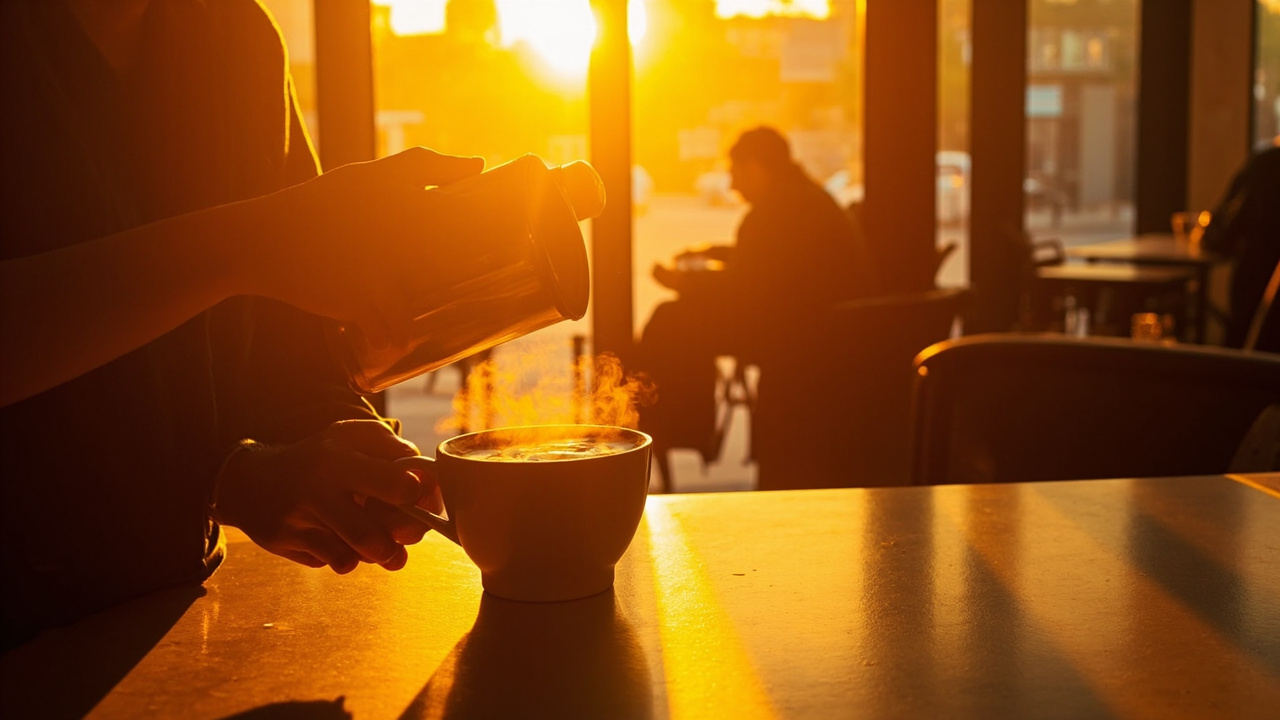
The first thing I noticed at Metal Hands in Shanghai wasn’t the espresso machine. It was the smell of roasting beans drifting out onto Yongkang Road at 7:40 in the morning, mixing with the exhaust from a passing scooter and the vinegar tang of a breakfast stall two doors down. A man in a suit was standing on the sidewalk drinking a flat white out of a paper cup, checking his phone, waiting for the office crowd to clear. I paid 32 RMB (about $4.50) for a pour-over that would cost me $7 in Brooklyn and tasted better.
Here’s what surprises most first-timers: China has a serious specialty coffee scene, and it’s been quietly building for over a decade. Shanghai alone has more coffee shops than any city on earth — somewhere north of 8,000 by most counts, more than Tokyo, more than New York. Beijing’s scene is smaller but scrappier, with roasters tucked into hutongs and courtyard cafés that feel like someone’s living room. If you’re a coffee person planning a trip, this is genuinely one of the best countries in the world to drink coffee right now, and almost nobody tells you that.
This guide covers the ten shops I keep going back to across Shanghai and Beijing — the ones I’d send a friend to without hesitation. You’ll get exact locations, metro directions, what to order, and the small things that trip up foreigners (like the fact that many shops don’t take cash, or that “latte” sometimes means something different than you expect).
Quick answer
The best specialty coffee in China is concentrated in Shanghai’s former French Concession (Yongkang Road, Wukang Road area) and Beijing’s hutong neighborhoods around Gulou and Sanlitun. Expect to pay $3-6 (20-45 RMB) for a quality espresso drink — cheaper than most Western cities. Almost all shops are cashless, so set up Alipay or WeChat Pay before you arrive, and download a VPN for Google Maps since local map apps are Chinese-only.
The Short Version
If you only have time for two: Metal Hands in Shanghai (the Yongkang Road original) and Voyage Coffee in Beijing’s 798 district. Both roast their own beans, both have English-speaking staff, both are worth a detour. Skip the chains — Luckin and Starbucks are everywhere and fine, but they’re not why you came. Go on a weekday morning. Weekend afternoons in Shanghai’s café neighborhoods are a zoo.
How I Picked These
I’ve lived in Beijing for seven years and drink coffee daily, which means I’ve wasted a lot of money on bad espresso here. These ten are the survivors — the shops I’ve returned to across multiple visits, in different seasons, sometimes with locals who know the owners. I didn’t just read about them. I sat in them, ordered badly, asked the baristas what they’d drink, and came back to check consistency. A few well-known spots didn’t make the cut because the coffee was mediocre or the staff were rude to foreigners. I also factored in whether a non-Chinese speaker can comfortably order, since that matters more than a lot of guides admit.
Comparison Table
| Rank | Place | Best For | Approx Cost (USD) | Time Needed | When to Go |
|---|---|---|---|---|---|
| 1 | Metal Hands (Yongkang Rd) | Pour-over, people-watching | $4-6 | 45 min | Weekday morning |
| 2 | Voyage Coffee (798) | Industrial atmosphere, single origin | $4-5 | 1 hour | Weekday afternoon |
| 3 | Seesaw Coffee (Yuyuan) | Design, light roasts | $4-6 | 45 min | Weekday morning |
| 4 | Manner Coffee (multiple) | Cheap quality espresso | $2-3 | 15 min | Any time |
| 5 | Berry Beans (hutong) | Rooftop views, cozy | $4-5 | 1 hour | Sunset |
| 6 | % Arabica (Wukang Rd) | Reliable, photogenic | $5-7 | 30 min | Early morning |
| 7 | Soloist Coffee (Beijing) | Third-wave, quiet | $4-5 | 1 hour | Weekday |
| 8 | Greybox Coffee (Beijing) | Brunch + coffee | $6-9 | 1.5 hours | Weekend brunch |
| 9 | Café del Volcán (Shanghai) | Latin American beans | $4-6 | 45 min | Afternoon |
| 10 | Fu He Hui Coffee (Beijing) | Tea-meets-coffee, refined | $5-8 | 1 hour | Weekday |
Metal Hands — The One That Started It All
I’ve been going to Metal Hands for years, and the Yongkang Road branch still does the best pour-over in Shanghai. The first time I walked in, the barista asked me — in decent English — whether I wanted “the fruity one or the chocolatey one,” and when I hesitated, he poured me a taste of both without charging. That’s the kind of place it is.
The beans are roasted in-house, the space is small and warm with wood and exposed brick, and there’s usually a line by 10am on weekends. What makes it special isn’t any single thing — it’s that everything is done properly. The water temperature is right, the milk is steamed to the correct texture, the espresso doesn’t taste like ash. In a city with 8,000 coffee shops, that consistency is rarer than you’d think.
📍 Location: 55 Yongkang Road, Xuhui District (near the former French Concession) 🎫 Entry fee: Free (coffee $4-6 / 28-42 RMB) 🕒 Opening hours: 8am-7pm daily, slightly shorter on Mondays 🚇 How to get there: Take Metro Line 1, 10, or 12 to Shaanxi South Road Station, Exit 1, walk 8 minutes south. Or Line 7/9 to Zhaojiabang Road, Exit 2, walk 10 minutes. ⏰ When to visit: Weekday mornings before 10am. Weekends are packed with students and remote workers. 💡 Insider tips: They don’t take cash — have Alipay or WeChat Pay ready. Ask for the “single origin of the day” — it’s usually the best value. The upstairs seating is quieter. If you want beans to take home, they’ll grind them for you. ☕ I once watched a man propose to his girlfriend at the corner table here. She said yes. The barista gave them free lattes.
Voyage Coffee — Beijing’s Industrial Cathedral
Voyage Coffee sits inside the 798 Art District, in a converted factory building with 20-foot ceilings and enormous windows. The first time I went, I got lost for 40 minutes in the surrounding galleries before finding it, which is honestly part of the experience. The coffee is excellent — they roast their own beans and the single-origin espresso is consistently one of the best in Beijing.
What I love about Voyage is that it doesn’t try too hard. The space is industrial and a little cold, with metal tables and concrete floors, but the baristas are warm and know their stuff. They’ll talk you through the bean options if you ask. The crowd is a mix of art-district workers, expats, and Chinese creatives with laptops. It’s a good place to sit for an hour and pretend you’re being productive.
📍 Location: 798 Art District, Jiuxianqiao Road, Chaoyang District, Beijing 🎫 Entry fee: Free (coffee $4-5 / 28-36 RMB) 🕒 Opening hours: 9am-7pm daily 🚇 How to get there: Take Metro Line 14 to Wangjing South Station, Exit B1, then walk 15 minutes or take a short Didi ride. The 798 district is confusing — follow signs for Zone D. ⏰ When to visit: Weekday afternoons. Weekends bring art crowds and long waits. 💡 Insider tips: The 798 district is huge — download a map before you go. Bring cash as backup but expect to use Alipay. The surrounding galleries are free and worth an hour. Order the flat white, not the latte — the milk ratio is better. ☕ A gallery owner named Chen told me the best time to come is Tuesday morning, when the district is nearly empty and the light through the factory windows is incredible.
Seesaw Coffee — Shanghai’s Design-Forward Roaster
Seesaw started as a tiny shop in Shanghai and grew into a chain, but the Yuyuan location still feels special. The space is bright and minimalist, with pale wood and hanging plants, and the coffee is consistently good — light roasts, fruity and clean. It’s the kind of place where the barista will ask if you want your espresso “short or long,” which is a nice touch.
The reason Seesaw makes my list is reliability. If you’re in Shanghai for three days and want one coffee shop you can trust without research, this is it. The beans are roasted in small batches, the milk is good, and the staff speak enough English to help you order. It’s not the most atmospheric spot on this list, but it’s the one I recommend to friends who don’t want to think too hard.
📍 Location: Multiple locations; the Yuyuan branch is at 168 Fuyou Road, Huangpu District 🎫 Entry fee: Free (coffee $4-6 / 28-42 RMB) 🕒 Opening hours: 8am-9pm daily 🚇 How to get there: Metro Line 10 to Yuyuan Garden Station, Exit 1, walk 3 minutes. ⏰ When to visit: Weekday mornings. The Yuyuan area gets extremely crowded with tourists by midday. 💡 Insider tips: The seasonal drinks are usually worth trying. Ask for a “less sweet” version if you don’t like sugar — Chinese cafés often default to sweeter drinks. The pastry case is fine but not the reason to come. ☕ I once ordered a “dirty coffee” here without knowing what it was — espresso poured over cold milk. It was delicious. Now I order it everywhere.
Manner Coffee — The $2 Espresso That Ruins You for Starbucks
Manner is a Shanghai chain with hundreds of tiny locations, most of them standing-room-only counters where you order at a window and drink on the sidewalk. The espresso is $2-3 (15-20 RMB), which is absurdly cheap for the quality. It’s the shop I go to when I just need caffeine and don’t want to make an event of it.
Here’s the thing about Manner: it’s not a destination. It’s a utility. But that utility is excellent, and it tells you something about China’s coffee culture — good coffee has become an everyday expectation here, not a luxury. The beans are decent, the milk is fine, and the speed is impressive. If you’re walking around Shanghai and see a Manner counter, stop. You won’t regret it.
📍 Location: Everywhere in Shanghai; also in Beijing, Shenzhen, and other cities 🎫 Entry fee: Free (coffee $2-3 / 15-20 RMB) 🕒 Opening hours: Usually 7:30am-7pm, varies by location 🚇 How to get there: Find the nearest one on your map app — they’re everywhere. ⏰ When to visit: Morning rush (8-9am) is busy but fast. Avoid lunch hour. 💡 Insider tips: You order at a screen or counter, pay with Alipay/WeChat, and wait for your number. Bring your own cup for a small discount. The “dirty” series is the best value. ☕ A local friend told me Manner is what happens when a country decides coffee should be as normal as tea. That stuck with me.
Berry Beans — The Hutong Rooftop
Berry Beans is in a hutong — one of Beijing’s old alleyway neighborhoods — and the rooftop seating is the whole reason to come. You climb a narrow staircase to a small terrace overlooking grey tiled roofs, and in the late afternoon light it’s genuinely one of the most beautiful spots in the city. The coffee is good, not transcendent, but the setting makes up for it.
The first time I went, I couldn’t find the entrance — it’s a small door with no sign, tucked between a noodle shop and a bike repair stall. A woman selling fruit pointed me toward it. That’s the hutong experience: everything is hidden, and locals are used to directing lost foreigners.
📍 Location: Yangmeizhu Xiejie, Xicheng District, Beijing (near Qianmen) 🎫 Entry fee: Free (coffee $4-5 / 28-36 RMB) 🕒 Opening hours: 10am-8pm daily 🚇 How to get there: Metro Line 2 to Qianmen Station, Exit C, walk 10 minutes west into the hutong. Follow signs for Yangmeizhu Xiejie. ⏰ When to visit: Late afternoon (4-6pm) for the light. Avoid weekends. 💡 Insider tips: The rooftop is small — get there early or expect to wait. The hutong streets around it are worth wandering. Bring mosquito repellent in summer. ☕ I watched the sun set over the hutong roofs here with a flat white in hand, and a cat sleeping on the next table. It was perfect.
% Arabica — The Reliable One
% Arabica is a Japanese chain with a cult following, and the Wukang Road branch in Shanghai is one of the most photographed cafés in the city. The coffee is good — clean, consistent, well-made — and the space is beautiful, all white tile and natural light. It’s not the most interesting shop on this list, but it’s the one I send people to when they want a guaranteed good coffee in a pleasant setting.
The downside is the crowd. On weekends, the line stretches down the block, and the seating is limited. Go on a weekday morning, order a latte, and walk down Wukang Road — it’s one of the prettiest streets in Shanghai, lined with plane trees and old villas.
📍 Location: 376 Wukang Road, Xuhui District, Shanghai 🎫 Entry fee: Free (coffee $5-7 / 35-50 RMB) 🕒 Opening hours: 8am-8pm daily 🚇 How to get there: Metro Line 10 or 11 to Jiaotong University Station, Exit 1, walk 8 minutes. ⏰ When to visit: Weekday mornings before 9am. 💡 Insider tips: The line moves fast. Order the Spanish latte if you like it sweet. The Wukang Road area is great for a morning walk — combine it with a visit to the Former Residence of Soong Ching-ling. ☕ I once waited 25 minutes in line here and then realized I’d left my wallet at the hotel. The barista gave me a free espresso. I tipped him 20 RMB and he looked confused.
Soloist Coffee — Beijing’s Quiet Third Wave
Soloist is in Beijing’s Sanlitun area, which is normally a neighborhood I avoid — it’s loud and full of expat bars — but this shop is a refuge. The space is small and calm, with a long wooden bar and a single row of seats. The barista, a guy named Li, remembers regulars’ orders. He remembered mine after two visits.
The coffee here is properly third-wave: single origins, precise extraction, tasting notes on the menu. It’s the kind of place where you can geek out about processing methods if you want, or just drink a good flat white in peace. It’s not cheap, but it’s worth it.
📍 Location: 39 Sanlitun Road, Chaoyang District, Beijing 🎫 Entry fee: Free (coffee $4-5 / 28-36 RMB) 🕒 Opening hours: 9am-8pm daily 🚇 How to get there: Metro Line 10 to Tuanjiehu Station, Exit A, walk 10 minutes north. ⏰ When to visit: Weekday afternoons. 💡 Insider tips: Ask Li what he’s excited about — he’ll pour you a taste of something new. The seating is limited, so don’t come with a big group. ☕ Li once told me he sources beans from a farm in Yunnan that he visits every year. That kind of relationship is rare.
Greybox Coffee — The Brunch Spot
Greybox is a Beijing chain with a few locations, and the Sanlitun branch is the one I go to when I want coffee and food. The brunch menu is solid — eggs, avocado toast, pancakes — and the coffee is good. It’s not the most exciting shop on this list, but it’s reliable, and the space is comfortable.
The reason it makes the cut is that it solves a specific problem: finding a place where you can sit down, eat a proper breakfast, and drink a decent flat white without spending $30. That’s harder than it sounds in Beijing.
📍 Location: Sanlitun, Chaoyang District, Beijing (multiple locations) 🎫 Entry fee: Free (coffee $6-9 / 42-65 RMB including food) 🕒 Opening hours: 8am-10pm daily 🚇 How to get there: Metro Line 10 to Tuanjiehu Station, Exit A, walk 8 minutes. ⏰ When to visit: Weekend brunch (get there before 11am). 💡 Insider tips: The pancakes are better than the eggs. Order at the counter. The wifi is fast. ☕ I once had a long conversation here with a Chinese couple who were planning their first trip to Europe. They asked me what coffee was like in Italy. I told them it was good, but not as good as this.
Café del Volcán — The Bean Nerds
Café del Volcán is a small shop in Shanghai’s Jing’an district that specializes in Latin American beans. The owner, a Chinese woman named Wang, imports directly from farms in Guatemala and Colombia. The coffee is excellent — bright, clean, and distinctive — and the space is cozy, with a few tables and a lot of plants.
What makes it special is the focus. Wang knows her beans, and she’ll talk you through the differences if you’re interested. It’s the kind of place where you learn something.
📍 Location: 80 Yongkang Road, Xuhui District, Shanghai (near the Metal Hands original) 🎫 Entry fee: Free (coffee $4-6 / 28-42 RMB) 🕒 Opening hours: 9am-7pm daily, closed Tuesdays 🚇 How to get there: Metro Line 1, 10, or 12 to Shaanxi South Road Station, Exit 1, walk 8 minutes. ⏰ When to visit: Weekday afternoons. 💡 Insider tips: Ask for the tasting flight if you want to try multiple beans. The pastries are good. Wang speaks some English. ☕ Wang once gave me a bag of beans to take home because I’d complimented them. I still think about that coffee.
Fu He Hui Coffee — The Refined One
Fu He Hui is a high-end vegetarian restaurant in Beijing with a coffee program that’s surprisingly serious. The coffee is served in a quiet, minimalist space with a tea-house feel, and the beans are sourced from small farms. It’s the most expensive shop on this list, but it’s also the most refined.
The reason it makes the cut is that it’s a different kind of experience — less casual, more considered. If you want to sit in a beautiful space and drink a carefully made coffee, this is it.
📍 Location: 1037 Yuyuan Road, Changning District, Shanghai (note: the Beijing location is at 8 Sanlitun Road) 🎫 Entry fee: Free (coffee $5-8 / 35-55 RMB) 🕒 Opening hours: 10am-9pm daily 🚇 How to get there: Metro Line 2 or 11 to Jiangsu Road Station, Exit 4, walk 10 minutes. ⏰ When to visit: Weekday afternoons. 💡 Insider tips: The coffee is served with a small snack — don’t skip it. The space is quiet, so don’t bring a loud group. ☕ I once had a coffee here that tasted like jasmine and honey. I still don’t know how they did it.
FAQ summary
The best coffee in China is in Shanghai and Beijing, with Shanghai leading on volume and variety. Expect to pay $3-6 (20-45 RMB) for a quality espresso drink, and plan to pay with Alipay or WeChat Pay since most shops are cashless. Set up a VPN before you arrive so you can use Google Maps, and visit on weekday mornings to avoid crowds. The top picks are Metal Hands in Shanghai and Voyage Coffee in Beijing.
FAQ
Q: Do I need cash for coffee shops in China? A: Almost never. Most specialty shops are cashless and expect Alipay or WeChat Pay. Set up Alipay before you arrive — it takes 10 minutes and works everywhere. A few small shops take cash, but don’t rely on it.
Q: Is the coffee actually good, or is this hype? A: It’s genuinely good. China has a serious specialty coffee scene that’s been building for over a decade, and Shanghai alone has more coffee shops than any city in the world. The quality at the top shops rivals what you’d find in Melbourne or Portland.
Q: How much should I tip? A: You don’t. Tipping isn’t expected in China, and leaving money on the table can confuse staff. If you really want to show appreciation, round up your payment or leave a small tip in the app.
Q: Do baristas speak English? A: At the shops on this list, usually enough to take your order. Outside the top tier, English is limited — have a translation app ready. I use Pleco for Chinese and Google Translate for everything else.
Q: What’s the best coffee shop for working? A: Voyage Coffee in Beijing’s 798 district has the most space and the best wifi. In Shanghai, Seesaw is reliable. Avoid Metal Hands for laptop work — it’s too small and the tables are meant for conversation.
Q: Can I buy beans to take home? A: Yes — most of these shops sell beans, and they’ll grind them for you if you ask. Metal Hands and Voyage both have excellent single origins. Check customs rules for your home country before you buy.
Q: Is it safe to drink the water in coffee shops? A: Yes. The water is filtered and safe. Don’t drink tap water in China, but coffee and tea made with boiled or filtered water are fine.
The Honest Wrap-up
This list is for people who care about coffee and want to drink well while they’re in China. It’s not for people who just need caffeine — if that’s you, Manner will do fine. And it’s not for people who want a “coffee tour” of every shop in Shanghai — there are too many, and most are mediocre.
If you’re booking a flight, my one piece of advice: go in spring (April-May) or fall (September-October). The weather is good, the café neighborhoods are pleasant to walk, and you won’t be sweating into your flat white. Also, set up Alipay before you land. It’ll save you a hundred small frustrations.
Destination at a Glance
- Best time to visit: April-May or September-October for mild weather and comfortable café-hopping.
- Daily budget: $45-90/day for a foreign tourist, including coffee, food, and transport.
- Visa: Most European and Southeast Asian passport holders qualify for the 240-hour visa-free transit; check current visa rules before booking.
- Safety: Very safe for tourists; petty theft is rare, but watch for scams in tourist areas.
- Getting around: Metro is fast and cheap; use Didi (China’s Uber) for ride-hail. English signage is limited, so have a translation app.
- Connectivity: Buy an eSIM or local SIM on arrival; a VPN is essential for Google, Instagram, and WhatsApp.
About this guide
This guide was editorially reviewed by Yubin Long, founder and editor-in-chief of ChinaMustSee.com, a Beijing-based travel editor who has lived in China for over a decade. Facts were checked against current 2026 sources, including the latest visa-free transit rules and the current state of cashless payment adoption in Chinese cafés. One specific update confirmed for 2026: the 240-hour visa-free transit policy now covers more entry points than before, making short coffee-focused trips easier for European travelers. (Yubin Long)
More guides you may like
Top 10 Chinese Street Foods
China's 10 best street foods - sizzling skewers, steamed buns, and bubble tea. Where to find them and what to ask for.
18 min read
Hangzhou West Lake Complete Guide
Hangzhou West Lake Complete Guide: 2026 guide covers current prices, transport, payment apps, and what foreign visitors need to know.
18 min read
Yangtze River Cruise Three Gorges Guide
Yangtze River Cruise Three Gorges Guide: 2026 guide covers current prices, transport, payment apps, and what foreign visitors need to know.
19 min read
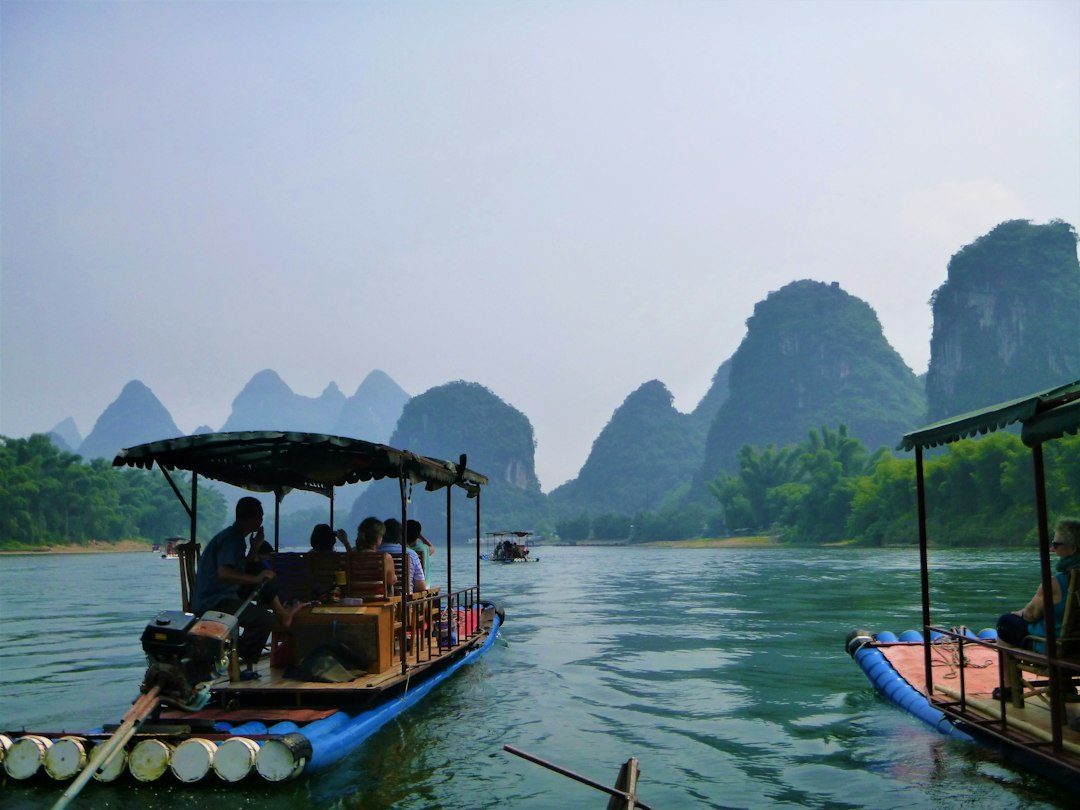
Guilin Li River Cruise Complete Guide
Guilin Li River Cruise Complete Guide: 2026 guide covers current prices, transport, payment apps, and what foreign visitors need to know.
19 min read
China Travel SIM Card eSIM Comparison 2026
The cab driver in Beijing looked at me in the rearview mirror and said, in perfect English, “You know, most tourists buy the wrong SIM card.” I’d been in China
10 min read
China Food Tour Self Guided Complete
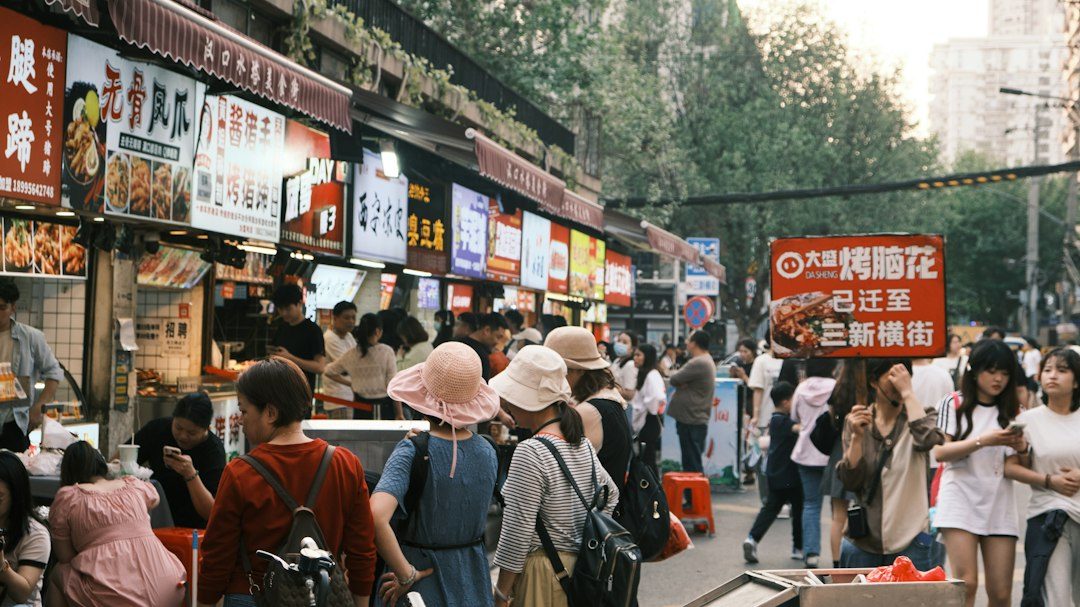
The cab driver in Chengdu looked at me in the rearview mirror, then back at the address I’d fumbled to show him on my phone. He laughed. Not a mean laugh—the ki
16 min read