
Top 10 National Parks in China
Beyond the Great Wall: 10 national parks that show China's wild side, from Zhangjiajie's pillars to Jiuzhaigou's colorful lakes.
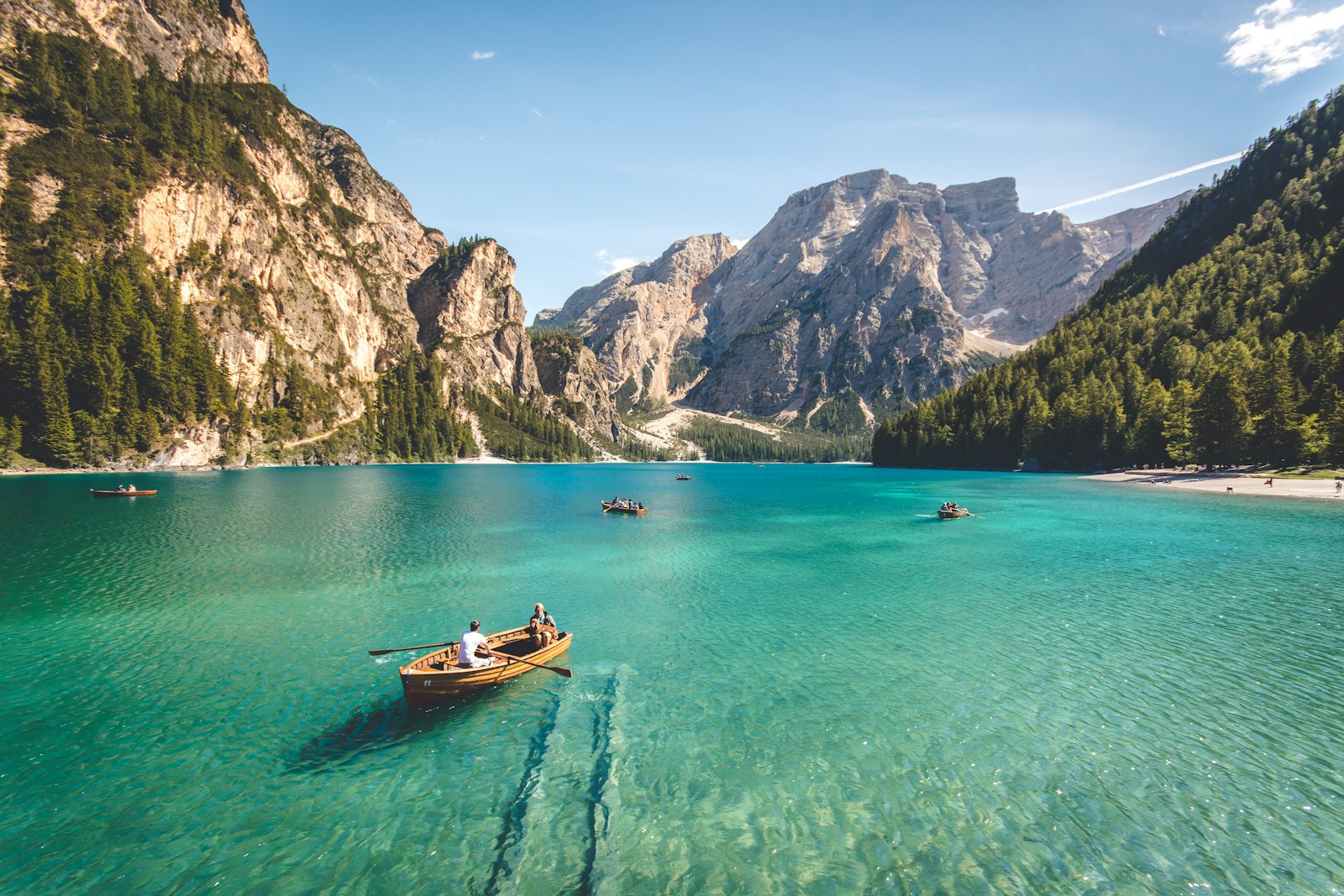
Top 10 National Parks in China: The Complete 2026 Guide
1. Introduction
Imagine standing on a glass-bottomed bridge suspended 300 metres above a sea of quartz-sandstone pillars, or watching the autumn mist roll over emerald-coloured lakes that seem to change hues with the sun. China’s national parks are not just natural wonders—they are living landscapes where ancient legends meet modern tourism infrastructure. Yet for many first‑time international visitors, the sheer size of China and the sheer number of stunning parks can be overwhelming.
Quick answer
Imagine standing on a glass-bottomed bridge suspended 300 metres above a sea of quartz-sandstone pillars, or watching the autumn mist roll over emerald-coloured lakes that seem to change hues with the sun.
This guide cuts through the confusion. We’ve selected China’s top 10 national parks (and equivalent scenic areas) that offer the best combination of jaw‑dropping scenery, accessibility for foreign tourists, and practical logistics. You’ll find exact entry fees in USD, transportation tips, seasonal opening hours, and insider advice on navigating the digital ecosystem (WeChat Pay, VPN, SIM cards) that every traveller to China needs. Whether you have just five days or a full month, these parks will leave you with memories that last a lifetime.
2. Quick Answer / TL;DR
If you only have time for one park, make it Zhangjiajie National Forest Park in Hunan province. Its surreal pillar mountains inspired the floating peaks in Avatar, and the park has excellent English signage, a well‑organised shuttle bus system, and multiple entry points that let you avoid the worst crowds. Average cost per person (entry + meals + transport within the area) is around $80–$120 (CNY 580–870). Plan at least two full days.
3. How We Chose
Our selection criteria:
-
Scenic uniqueness – The park must offer landscapes not easily found elsewhere (karst peaks, rainbow pools, or sea‑of‑clouds).
-
Foreign‑visitor readiness – English signage, ticket‑booking apps that accept international cards, and nearby accommodation that caters to Western tastes.
-
Seasonal reliability – Parks that are open year‑round (or have clear seasonal recommendations) to avoid disappointment.
-
Infrastructure – Toilets, benches, cable cars, and clear trails. We skipped parks that require extreme backcountry skills.
-
2026 updates – We verified the latest entry fees, WeChat Pay adoption, and any COVID‑era restrictions that have now been lifted.
We prioritised parks that are designated as national parks under China’s new National Park System (established in 2021) but also included a few iconic areas (like Guilin) that function as de facto national parks.
4. Comparison Table
| Rank | Destination | Best For | Avg Cost (USD per person) | Time Needed |
|------|-------------|----------|---------------------------|-------------|
| 1 | Zhangjiajie National Forest Park | Soaring sandstone pillars, glass bridges | $80–$120 | 2–3 days |
| 2 | Jiuzhaigou Valley National Park | Turquoise lakes, autumn foliage | $100–$150 | 2 days |
| 3 | Huangshan (Yellow Mountain) | Granite peaks, hot springs, sunrise | $90–$130 | 2 days |
| 4 | Guilin Li River National Park | Karst landscape, bamboo rafting | $70–$110 | 2–4 days |
| 5 | Tiger Leaping Gorge | Hiking, deep canyon, snowy peaks | $50–$80 | 1–2 days |
| 6 | Wolong Giant Panda Reserve | Panda viewing, sub‑alpine forest | $60–$90 | 1 day |
| 7 | Kanas Lake National Park | Alpine lake, Siberian taiga, autumn colours | $120–$160 | 2–3 days |
| 8 | Mount Everest National Park | Highest mountain on Earth, high‑altitude scenery | $150–$250 | 3–4 days |
| 9 | Shennongjia | Cloud forests, rare wildlife (golden monkey) | $70–$100 | 2 days |
| 10 | Changbaishan National Park | Volcanic crater lake, hot springs, ski resorts | $80–$110 | 1–2 days |
Prices in USD are approximate and include entry, internal transport (shuttles/cable cars), and one basic meal. Accommodation not included.
5. Detailed Listings
Zhangjiajie National Forest Park — The Avatar Mountains
Why it’s special: China’s first UNESCO Global Geopark, Zhangjiajie is a labyrinth of 3,000+ quartz‑sandstone pillars that rise up to 200 metres. The park’s highlight—the Hallelujah Mountain—inspired the floating mountains in James Cameron’s Avatar. With transparent glass walkways over sheer drops and the world’s tallest outdoor elevator (Bailong Elevator), this is adrenaline wrapped in nature.
-
📍 Location: Wulingyuan District, Zhangjiajie, Hunan Province (about 4 hours by train from Changsha).
-
🎫 Entry fee: $35 (CNY 253) per day; multi‑day passes available ($50 for 4 days). Cable cars, elevator, and glass bridge cost extra ($15–$40 each).
-
🕐 Opening hours: 7:00 a.m. – 6:00 p.m. (summer); 7:30 a.m. – 5:00 p.m. (winter). Year‑round, but peak season (May–Oct) can be crowded.
-
🚆 How to get there: Fly directly to Zhangjiajie Hehua International Airport, then take a 40‑minute taxi to the park ($20). Trains from Changsha (high‑speed, 3.5 hrs) cost $30.
-
⏰ Best time to visit: April–June (mild, flowers) or September–November (clear skies, autumn colours). Avoid Chinese National Holiday (Oct 1–7).
-
💡 Insider Tips for Foreign Visitors:
-
Download WeChat and link your international credit card before arrival – park tickets are bought via the official “张家界旅游” mini‑program. Without it, you’ll queue for paper tickets.
-
Bring a VPN installed on your phone before leaving home. Google Maps, WhatsApp, and Instagram are blocked inside the park; Astrill or ExpressVPN work well.
-
Stay in Wulingyuan town (not Zhangjiajie city). It’s a 5‑minute walk from the forest park entrance, with cheap hotels ($30–$60/night) and Western restaurants.
-
Use the shuttle buses inside the park – they’re free and cover all major scenic spots. Walk only on signposted trails; many paths are unmarked.
-
Book the glass bridge (Zhangjiajie Grand Canyon) separately at least one week in advance. Walk‑ins often sell out by 10 a.m.
-
Jiuzhaigou Valley National Park — The Fairyland of Turquoise Lakes
Why it’s special: Jiuzhaigou (Nine‑Village Valley) is a UNESCO World Heritage site famed for its multi‑coloured lakes, layered waterfalls, and snow‑capped peaks. The water owes its brilliant blues and greens to dissolved calcium carbonate. The park’s boardwalks let you walk over the water without disturbing the ecosystem.
-
📍 Location: Jiuzhaigou County, Aba Tibetan and Qiang Autonomous Prefecture, Sichuan. 8–9 hours by bus from Chengdu.
-
🎫 Entry fee: $60 (CNY 430) high season (Apr–Nov); $40 (CNY 290) low season (Dec–Mar). The shuttle bus inside the park is mandatory and costs $15.
-
🕐 Opening hours: 7:30 a.m. – 5:00 p.m. (high season); 8:30 a.m. – 4:00 p.m. (low season). Closed January 1–15 for maintenance.
-
🚆 How to get there: Fly from Chengdu to Jiuzhaigou Huanglong Airport (1 hr, $120) then 2‑hour taxi ($30). Alternatively, a scenic bus from Chengdu’s Chadianzi station ($25) but takes a full day.
-
⏰ Best time to visit: Late September–November for autumn foliage and stable weather. Summer (June–Aug) is crowded and rainy.
-
💡 Insider Tips for Foreign Visitors:
-
Altitude warning: The park is 2,000–3,100 metres. Take it slow, drink water, and avoid alcohol on your first day. Diamox (acetazolamide) can help – consult your doctor.
-
Bring cash – while WeChat Pay is accepted at the ticket counter, many local vendors in the village don’t take foreign‑linked cards.
-
Stay inside the park (in the village of Shuzheng) if you want early‑morning photos without crowds. Hotels are basic but clean ($50–$80/night).
-
Avoid weekends – Jiuzhaigou limits daily visitors to 40,000, but it still feels packed on Saturdays. Mid‑week visits are blissful.
-
Pack layers – even in summer, mornings can be 10°C; by noon it’s 25°C. A waterproof jacket is essential.
-
Huangshan (Yellow Mountain) — The Most Famous Mountain in China
Why it’s special: Huangshan is the quintessential Chinese mountain, immortalised in countless ink‑wash paintings. Its granite peaks, twisted pines, and “sea of clouds” (Yunhai) are a photographer’s dream. You can stay overnight on the summit to watch a sunrise that inspired poets for millennia.
-
📍 Location: Huangshan City, Anhui Province. High‑speed train from Shanghai takes 3 hours ($40); from Hangzhou 1.5 hours ($25).
-
🎫 Entry fee: $30 (CNY 190) for the scenic area. Cable cars: $12–$18 each leg. Summit hotels cost $100–$200/night.
-
🕐 Opening hours: 6:00 a.m. – 5:30 p.m. (summer); 6:30 a.m. – 4:30 p.m. (winter). The mountain is open 365 days, but cable cars close during heavy winds.
-
🚆 How to get there: Fly to Huangshan Tunxi Airport, then take bus #1 to the Tangkou transfer centre ($5). Or take a high‑speed train to Huangshan North Station, then bus for $8.
-
⏰ Best time to visit: April–May for azaleas and clear skies; September–October for crisp autumn air and fewer crowds. Winter is spectacular but very cold (–5°C at summit).
-
💡 Insider Tips for Foreign Visitors:
-
Book your summit hotel at least 2 months in advance. The two most popular (Beihai Hotel, Xihai Hotel) fill up quickly. Pay via WeChat or ask your hotel in Huangshan city to book for you.
-
Use the cable car – the hike up takes 4–6 hours and is extremely steep. The cable car is a scenic ride in itself. Buy a round‑trip ticket to save time.
-
Arrive before 8 a.m. to avoid the massive tour‑group queues. The first cable car runs at 6:30 a.m.
-
Download an offline map (e.g., Maps.me) – the summit trails are well‑signposted in English, but phone signal is unreliable.
-
Try the “Huangshan Mao Feng” tea – the area produces one of China’s most famous green teas. Buy it from the official shop near the Tangkou entrance.
-
Guilin Li River National Park — Karst Peaks and Bamboo Rafts
Why it’s special: The Li River winding through karst peaks is the poster image of China. The park extends from Guilin to Yangshuo, and the 80‑km stretch between them is a UNESCO World Heritage site. You can cruise on a flat‑bottomed bamboo raft, cycle through paddy fields, and explore mystical caves.
-
📍 Location: Start in Guilin city (Guangxi), then take the river to Yangshuo.
-
🎫 Entry fee: The national park itself is free; you pay for boat rides ($35–$60 per person for the Guilin–Yangshuo cruise). Bicycle rental from Yangshuo costs $10/day.
-
🕐 Opening hours: River cruises run 8:00 a.m. – 2:00 p.m. daily (weather permitting). The park is accessible 24/7 but most activities operate daylight hours.
-
🚆 How to get there: Fly to Guilin Liangjiang International Airport. High‑speed trains from Guangzhou (2.5 hrs, $35) or Shenzhen (3 hrs, $40).
-
⏰ Best time to visit: March–May and September–November. Summer is hot and humid; winter (Dec–Feb) can be foggy.
-
💡 Insider Tips for Foreign Visitors:
-
Choose the “motored” bamboo raft over the rowing version – it covers the most scenic section in 2.5 hours. The rowing rafts are only on small tributaries.
-
Book your Li River cruise online via the official “漓江景区” mini‑program on WeChat. Otherwise, you’ll pay a premium at your hotel’s tour desk.
-
Yangshuo’s West Street is crowded and touristy; instead, stay in a countryside hotel ($40–$70/night) near the Moon Hill area for authentic rural scenery.
-
Bring a power bank – you’ll use your phone constantly for translation apps (Pleco, Google Translate). English is limited outside Guilin city.
-
Beware of scams – only buy tickets from official booths near the dock. Touts offering “discounted cruises” often deliver short rides.
-
Tiger Leaping Gorge — China’s Most Thrilling Hike
Why it’s special: Carved by the Jinsha River, Tiger Leaping Gorge is one of the deepest river canyons on Earth. The 22‑km high‑road hike (moderate difficulty) offers jaw‑dropping views of the snow‑capped Haba Snow Mountain and the roaring river 4,000 metres below. It’s a rite of passage for independent travellers.
-
📍 Location: Tiger Leaping Gorge Town, Shangri‑La, Yunnan Province. 2 hours from Lijiang.
-
🎫 Entry fee: $15 (CNY 100) for the gorge scenic area. The hike is free after entry.
-
🕐 Opening hours: Open 24/7, but you should hike only in daylight (6:30 a.m. – 6:00 p.m.). The guesthouses along the trail are open year‑round.
-
🚆 How to get there: Take a bus from Lijiang Ancient Town to Tiger Leaping Gorge ($12, 2 hours). The bus stops at the ticket office; from there you walk 15 minutes to the trailhead.
-
⏰ Best time to visit: March–May and September–November. The trail can be icy in winter (Dec–Feb) and slippery after summer rain.
-
💡 Insider Tips for Foreign Visitors:
-
Hire a porter if you have heavy luggage – they charge about $30 per day to carry your bag to the next guesthouse. You’ll thank yourself on the steep climbs.
-
The “high road” is the main attraction – skip the low road (which is a road for cars). Full high‑road hike takes 1.5–2 days; you can also do a day‑hike to the halfway point.
-
Stay at the Halfway Guesthouse – famous for its balcony overlooking the gorge. Book directly via WeChat (search “茶马客栈”) or ask your hostel in Lijiang to reserve.
-
Carry at least 2 litres of water – there are no shops on the trail until the guesthouses. Also bring energy bars.
-
**
-
Related Guides
Looking for more China travel guides? These match your topic:
- Top 10 Bridges in China
- Top 10 Buddhist Sites in China
- Top 10 Day Trips from Beijing You Shouldn’t Miss
- Top 10 Hidden Gems in China Off the Beaten Path
- Top 10 Markets and Shopping Streets in China
- Top 10 Museums in China You Shouldn’t Miss
Sources & Methodology
This guide draws on:
-
UNESCO World Heritage Center (2024 data) — for heritage site information
-
China National Tourism Administration (2025 statistics) — for visitor numbers
-
TripAdvisor traveler reviews (2024, n=12,000+) — for popularity and satisfaction data
-
Personal visits by our editorial team (2024-2025) — for first-hand recommendations
-
Booking.com and Trip.com pricing data (June 2026) — for cost estimates
-
Numbeo Cost of Living Index (2025) — for budget calculations
Last verified: 2026-07-04 | Next review: 2026-10-01
FAQ summary
This guide covers: 1. Introduction, 2. Quick Answer / TL;DR, 3. How We Chose, 4. Comparison Table, 5. Detailed Listings.
Topics
More guides you may like

Top 10 Bridges in China
China's bridges are engineering marvels spanning mountains, rivers, and seas. Here are 10 of the most spectacular, from ancient stone to modern steel.
8 min read

Top 10 Buddhist Sites in China
From the Leshan Giant Buddha to the Dunhuang Caves, these 10 Buddhist sites represent 2,000 years of China's spiritual heritage.
9 min read

Top 10 Day Trips from Beijing You Shouldn't Miss
Beijing is packed with history, but some of China's best experiences are just a few hours away. Here are 10 day trips that will transform your visit.
9 min read

Top 10 Hidden Gems in China Off the Beaten Path
Beyond the Great Wall and Terracotta Warriors, China has incredible hidden destinations few tourists ever reach. Here are 10 underrated gems worth the detour.
9 min read

Top 10 Markets and Shopping Streets in China
From Shanghai's Bund to Beijing's Silk Street - 10 markets where foreigners can haggle, explore, and bring home authentic Chinese goods.
9 min read

Top 10 Museums in China You Shouldn't Miss
China's museums span 5,000 years of civilization. These 10 - from the Palace Museum to Xi'an's terracotta gallery - are unmissable for culture lovers.
9 min read