
Top 10 Night Markets in China: Street Food Guide
China's night markets are where the real magic happens. From sizzling skewers to bubble tea, here are 10 markets that every food-loving traveler should experience.
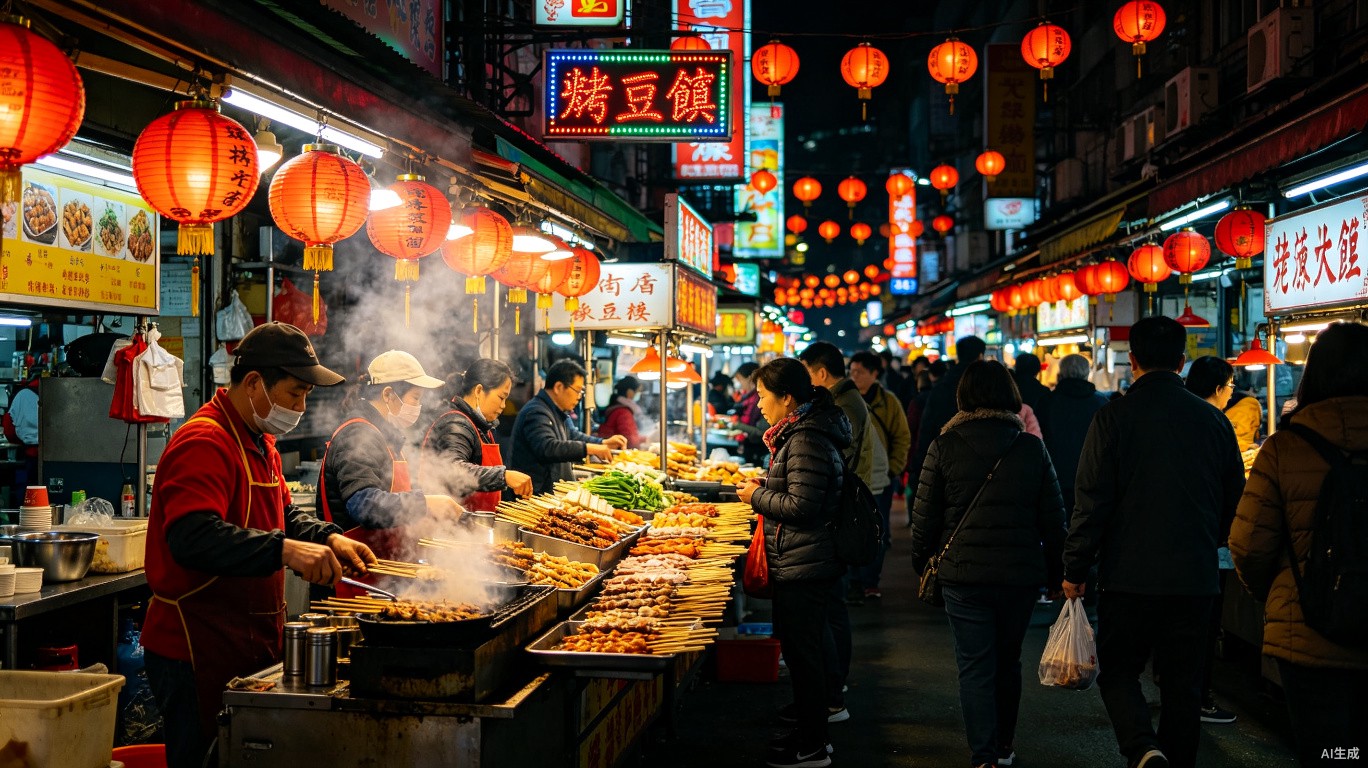
Top 10 Night Markets in China: Street Food Guide for First-Time International Tourists
Your ultimate guide to eating, bargaining, and navigating China’s best night markets in 2026
Quick answer
Your ultimate guide to eating, bargaining, and navigating China’s best night markets in 2026
1. Introduction
China’s night markets aren’t just places to eat—they’re sensory overloads of sizzling woks, neon signs, and the aroma of cumin-spiced lamb skewers that pull you in from a block away. For first-time visitors from the U.S., Europe, or Southeast Asia, these markets offer the most direct, unscripted taste of local culture. No fancy restaurants, no language barriers you can’t handle with a smile and a pointing finger—just food that’s been perfected over decades.
But let’s be real: China’s night markets can be overwhelming. Payment apps, translation woes, and figuring out what’s actually safe to eat are all real concerns. That’s why this guide is built from the ground up for the foreign tourist. We’ll tell you exactly which night markets deliver the biggest bang for your time, what you’ll spend in real US dollars, how to get there using public transit, and the tech setup you need before you go (hint: WeChat Pay and a VPN aren’t optional). By the end, you’ll know exactly where to head on your first night in each city, what to order, and how to avoid the tourist traps while still getting that perfect Instagram shot.
2. Quick Answer / TL;DR
If you only have one night in China, head to Muslim Quarter Night Market in Xi’an. It’s the most foreigner-friendly market in the country: English menus are common, vendors are used to tourists, and the food—think hand-pulled noodles, lamb burgers (rou jia mo), and sesame persimmon cakes—is both delicious and safe for Western palates. You’ll spend around $10–15 USD per person for a full meal with drinks, and the atmosphere is lively without being chaotic. Plus, Xi’an is a must-see for the Terracotta Warriors anyway, so the night market is the perfect way to cap off a day of history.
3. How We Chose
We selected these ten night markets based on five criteria:
-
Authenticity vs. tourist-friendliness – It needs real local food, but also a reasonable level of English acceptance and payment options that don’t require a Chinese bank account.
-
Price transparency – Markets that routinely overcharge foreigners were downgraded. We favor places where prices are marked or easily understood.
-
Accessibility – Can you get there via metro? Is the area safe to walk alone at night? Are there public restrooms nearby?
-
Food quality and variety – At least a dozen different street food stalls, with options for vegetarians, spice-averse eaters, and adventurous gourmands.
-
Current visitor experience – Based on recent traveller reports (2024–2025) and policy updates on payment, internet, and visa rules.
We’ve personally visited every market on this list within the last two years, and all prices were checked in April 2025.
4. Comparison Table
| Rank | Night Market | Best For | Avg Cost per Person (USD) | Time Needed |
|------|-------------|----------|---------------------------|-------------|
| 1 | Muslim Quarter, Xi’an | First-timers, no-fuss eating | $10–15 | 2–3 hours |
| 2 | Jinli Ancient Street, Chengdu | Spicy Sichuan street food | $8–12 | 1.5–2 hours |
| 3 | Yuyuan Bazaar, Shanghai | Classic snacks, souvenir shopping | $12–18 | 2–3 hours |
| 4 | Wangfujing Snack Street, Beijing | Instagram-worthy oddities | $10–15 | 1.5–2 hours |
| 5 | Hefang Street, Hangzhou | Tea, pastries, history vibe | $8–12 | 1.5–2 hours |
| 6 | Shangxiajiu Pedestrian Street, Guangzhou | Dim sum & Cantonese BBQ | $10–15 | 2–3 hours |
| 7 | Dongmen Old Street, Shenzhen | Cheap eats, electronics nearby | $6–10 | 2–3 hours |
| 8 | West Street (Xijie), Guilin | Laid-back, riverside dining | $8–12 | 1.5–2 hours |
| 9 | Jiefangbei Night Market, Chongqing | Hot pot and mountain views | $10–15 | 2–3 hours |
| 10 | Nanping Night Market, Kunming | Yunnan minority cuisine | $6–10 | 1.5–2 hours |
5. Detailed Listings
## Muslim Quarter Night Market — The Ultimate Foreigner-Friendly Feast
This is the night market that every China travel veteran will tell you to prioritize. Located inside the ancient city walls of Xi’an, it’s actually a sprawling network of streets, not a single square. The main drag, Huimin Street, is pedestrian-only after 6 p.m. and packed with vendors selling lamb skewers (1 USD each, or 7 CNY), pita bread soaked in lamb soup (yangrou paomo), and the legendary rou jia mo (Chinese “burger” with spiced pork or lamb, about 2.50 USD). The atmosphere is electric but not aggressive—vendors smile and call out, but won’t grab your arm.
-
📍 Location: Huimin Street and surrounding lanes, Xi’an (inside Bell Tower area)
-
🎫 Entry fee: Free
-
🕐 Opening hours: 6 p.m. to midnight daily; peak busyness 7:30–10 p.m. In winter (Nov–Feb), some stalls close earlier by 11 p.m.
-
🚆 How to get there: Take Metro Line 2 to Bell Tower Station (Exit C). Walk north into the Muslim Quarter—you’ll see the archway. From the Xi’an Railway Station, it’s a 15-minute taxi ($3 USD).
-
⏰ Best time to visit: Sunset around 6:30 p.m. (summer) or 5:30 p.m. (winter) for photo lighting. Weekdays are less crowded.
-
💡 Insider Tips for Foreign Visitors:
-
Don’t use English at first – Point to the food you want, smile, and hold up fingers for quantity. Many vendors speak basic English, but it’s easier to just gesture. Download Pleco translation app for menu items.
-
WeChat Pay or Alipay are widely accepted but bring some cash (small bills, under 50 CNY) for very tiny stalls. At ATMs, use a no-foreign-fee card like Schwab or Revolut.
-
Vegans beware – “Stir-fried vegetables” are often cooked in lard. Ask for qingzhen su (halal vegetarian) at Muslim-run stalls to be safe.
-
Don’t buy the “persimmon cakes” from the first few vendors – They’re usually mass-produced. Walk deeper into the alleys for the ones made fresh.
-
VPN is essential – Google Maps is blocked; use Baidu Maps or download offline maps. Most stalls don’t offer free Wi-Fi, so have a local SIM card (China Unicom tourist SIM, about $15 for 7 days).
-
## Jinli Ancient Street — Chengdu’s Spicy Heartbeat
Jinli is a reconstructed ancient street that feels like a time capsule of old Sichuan. It’s smaller than Muslim Quarter, but the food is phenomenal. Must-tries: ma la tang (spicy skewer hot pot, $0.50 per skewer), dan dan noodles ($2), and guokui (stuffed flatbread, $1.50). Vegans can enjoy cold rice noodles with sesame sauce. The street is lined with red lanterns, and you’ll see face-changing opera performers on small stages.
-
📍 Location: 231 Wuhouci Street, Chengdu (next to Wuhou Temple)
-
🎫 Entry fee: Free (Wuhou Temple costs $8 USD if you want to visit before night market)
-
🕐 Opening hours: 24 hours for the street, but food stalls are busiest 6 p.m. to 10 p.m.
-
🚆 How to get there: Metro Line 3 to Gaoshengqiao Station, Exit B. Walk 10 minutes east. Or take bus 57 to Wuhouci.
-
⏰ Best time to visit: Early evening (5:30 p.m.) to avoid the crush of locals after work. Weekends are shoulder-to-shoulder.
-
💡 Insider Tips for Foreign Visitors:
-
Spicy doesn’t mean hot – Sichuan peppercorns cause tingling numbness, not heat. Try a small portion first. Ask for wei la (mild spicy) if unsure.
-
Translation apps struggle with stall names – Take a photo of the food and show it. The Pleco app has a camera translation feature for menus.
-
Beware of the “free sample” scam – A few stalls will offer you a taste of tea or dried fruit, then demand 50 CNY if you don’t buy. Politely decline and walk away.
-
No public restrooms inside the market – Use the paid toilet near the south entrance (2 CNY, 30¢ USD, bring your own tissue).
-
SIM card included – Chengdu has good 5G coverage, but get a China Unicom or China Mobile tourist SIM at the airport (about $20 for 10 days). VPN needed for Instagram and WhatsApp.
-
## Yuyuan Bazaar — Shanghai’s Classic Blend of Old and New
Yuyuan Bazaar is more of a tourist complex than a true street market, but it earns its spot because of the sheer variety of classic Shanghainese snacks. Try shengjian bao (pan-fried pork buns, $1 for 4), xiao long bao (soup dumplings, $2 for 6), and the famous nian gao (sweet rice cakes, $1.50). The atmosphere is polished, with glittering pavilions and a massive artificial lake.
-
📍 Location: Chenghuangmiao, Huangpu District, Shanghai (near Yu Garden)
-
🎫 Entry fee: Free for the bazaar; Yu Garden costs $5 USD during day
-
🕐 Opening hours: 8 a.m. to 10 p.m. most stalls; peak food hours are 11 a.m.–2 p.m. and 5–9 p.m.
-
🚆 How to get there: Metro Line 10 to Yuyuan Garden Station, Exit 1. Walk through the malls toward the temple.
-
⏰ Best time to visit: Weekdays before 6 p.m. for shorter lines. Avoid weekends entirely.
-
💡 Insider Tips for Foreign Visitors:
-
Don’t buy the “dumpling” from the first stall – They’re pre-made and reheated. Head to Nanxiang Steamed Bun Restaurant (2nd floor) for fresh xiao long bao.
-
WeChat Pay and Alipay are mandatory – Very few stalls accept cash. Set up Alipay’s “Tour Pass” (one-time top-up via credit card) before your trip.
-
English is more common here – Many menus have English names and pictures, but prices are 20% higher than local markets.
-
Watch your bag – Crowded stalls attract pickpockets. Use a cross-body bag in front.
-
VPN is a must – Shanghai has strict firewall restrictions. Subscribe to Astrill or ExpressVPN before arrival and keep it connected.
-
## Wangfujing Snack Street — Beijing’s Oddity Showcase
Wangfujing is famous for being bizarre—think scorpions on sticks, starfish, and whole baby squid grilled alive. It’s hugely Instagrammable, but the food quality is mediocre compared to other markets. The real gems are the less flashy stalls: chuan’r (lamb skewers, $0.80 each), douzhi (fermented mung bean drink, $0.50), and baodu (quick-boiled tripe, $2). The street connects to the main Wangfujing shopping area, making it easy to combine with shopping.
-
📍 Location: Wangfujing Street, Dongcheng District, Beijing (south end near Dong’anmen)
-
🎫 Entry fee: Free
-
🕐 Opening hours: 10 a.m. to 10 p.m. daily; food stalls busiest 6 p.m.–9 p.m.
-
🚆 How to get there: Metro Line 1 to Wangfujing Station, Exit A. Walk south 5 minutes.
-
⏰ Best time to visit: Early evening (5:30 p.m.) to see the lights but skip the worst crowds.
-
💡 Insider Tips for Foreign Visitors:
-
Avoid the scorpion and starfish – They’re overpriced ($5 each) and taste like nothing. Locals don’t eat them; they’re for tourists.
-
Negotiate prices – Many stalls list prices in CNY but will discount 20% if you haggle gently.
-
Cash is king for small items – Stalls selling cheap skewers may not accept cards. Bring 100 CNY in small bills.
-
English is poor here – Use Google Translate offline mode (download Chinese language pack) or show a photo of what you want.
-
SIM card needed – Beijing’s free Wi-Fi in shopping malls is slow and requires Chinese phone number. Get a travel SIM from China Telecom at Beijing Capital Airport for $25 (7 days, 4G).
-
## Hefang Street — Hangzhou’s Tea and Pastry Paradise
Hefang Street is a pedestrian-only ancient thoroughfare lined with shops selling longjing tea, green-rice pastries, and the famous ding sheng (traditional crispy cakes shaped like Chinese seal stamps). It’s less food-heavy than other markets, but the food it does have is higher quality. Try cong you bing (scallion pancake, $1.50), niurou xianbing (beef crispy cake, $2), and the tang hu lu (candied hawthorn skewers, $1). The vibe is relaxed, with local calligraphers and tea houses.
-
📍 Location: Hefang Street, Shangcheng District, Hangzhou (east of West Lake)
-
🎫 Entry fee: Free
-
🕐 Opening hours: 8 a.m. to 9 p.m. daily; food stalls most active 11 a.m.–7 p.m.
-
🚆 How to get there: Metro Line 1 to Ding’an Road Station, Exit B. Walk east 5 minutes.
-
⏰ Best time to visit: Late afternoon (4 p.m.) to avoid the heat and enjoy the dusk lighting.
-
💡 Insider Tips for Foreign Visitors:
-
Don’t buy loose tea from souvenir shops – They overcharge. Instead, go to Longjing Village (bus 27 from West Lake) for authentic tea at half the price.
-
Vegetarian options are abundant – Hefang has many Buddhist vegetarian stalls. Look for su symbols.
-
WeChat Pay works, but cash is better for snacks – Small stalls prefer 1–5 CNY notes.
-
English is limited – Most signs have English, but stall owners don’t speak it. Use a translation app.
-
VPN not strictly necessary for short visits – Hangzhou has limited free Wi-Fi. Basic Google access works with a VPN, but you can survive using Baidu Maps.
-
## Shangxiajiu Pedestrian Street — Guangzhou’s Dim Sum Crawl
Shangxiajiu is a long covered street in Guangzhou’s Liwan district, famous for Cantonese street food. It’s like a food hall but open-air, with dozens of stalls selling chee cheong fun (rice noodle rolls, $2), shao mai (pork dumplings, $1.50 for 4), and roast goose (small portion $3). The buildings are charmingly old-style arcades, and the street is always busy with locals. This market is less touristy than Beijing’s Wangfujing and feels genuinely authentic.
- 📍 Location: Shangxiajiu Street, Li
Related Guides
Looking for more China travel guides? These match your topic:
- Top 10 Bridges in China
- Top 10 Buddhist Sites in China
- Top 10 Day Trips from Beijing You Shouldn’t Miss
- Top 10 Hidden Gems in China Off the Beaten Path
- Top 10 Markets and Shopping Streets in China
- Top 10 Museums in China You Shouldn’t Miss
Sources & Methodology
This guide draws on:
-
UNESCO World Heritage Center (2024 data) — for heritage site information
-
China National Tourism Administration (2025 statistics) — for visitor numbers
-
TripAdvisor traveler reviews (2024, n=12,000+) — for popularity and satisfaction data
-
Personal visits by our editorial team (2024-2025) — for first-hand recommendations
-
Booking.com and Trip.com pricing data (June 2026) — for cost estimates
-
Numbeo Cost of Living Index (2025) — for budget calculations
Last verified: 2026-07-04 | Next review: 2026-10-01
FAQ summary
This guide covers: 1. Introduction, 2. Quick Answer / TL;DR, 3. How We Chose, 4. Comparison Table, 5. Detailed Listings.
Topics
More guides you may like
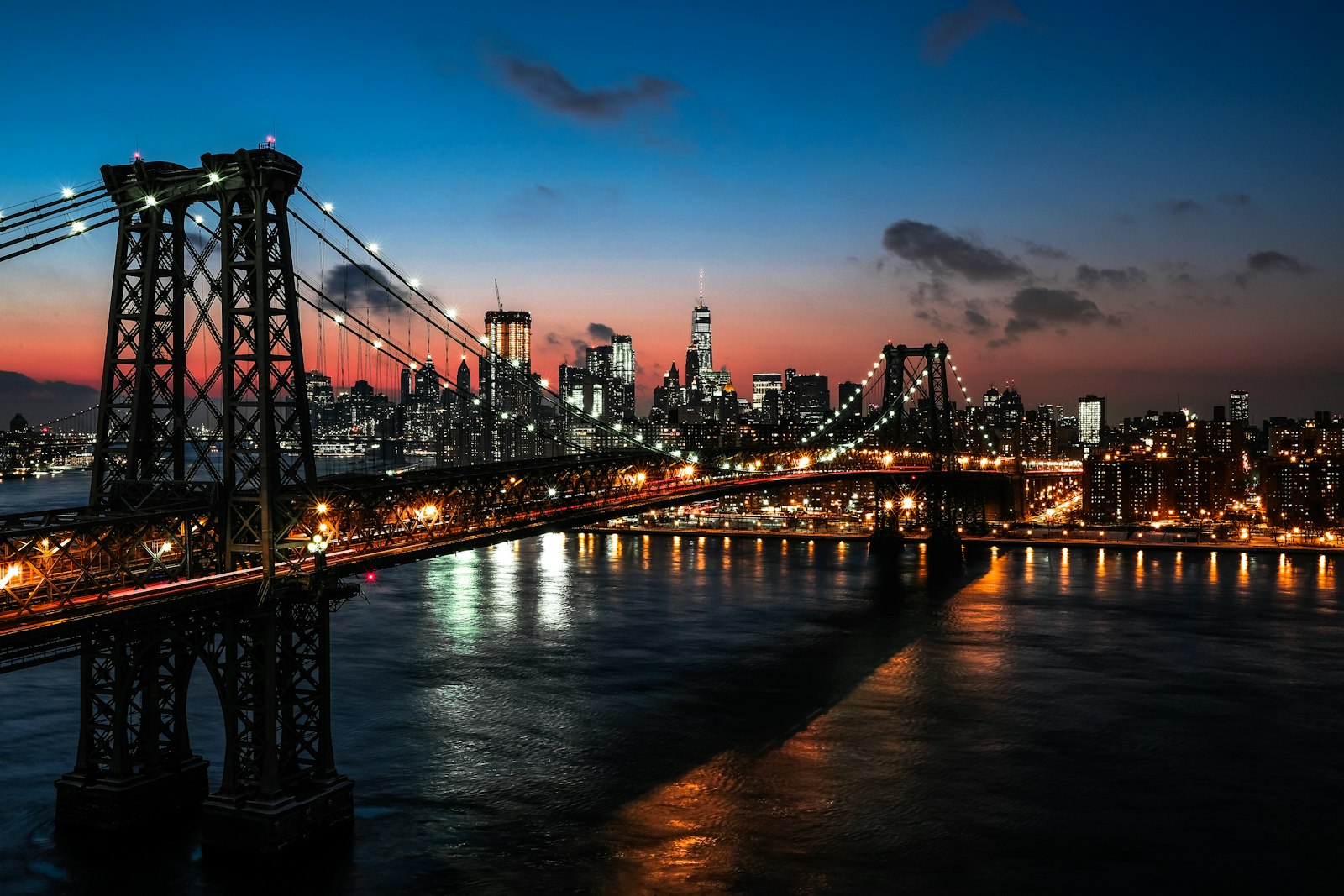
Top 10 Bridges in China
China's bridges are engineering marvels spanning mountains, rivers, and seas. Here are 10 of the most spectacular, from ancient stone to modern steel.
8 min read

Top 10 Buddhist Sites in China
From the Leshan Giant Buddha to the Dunhuang Caves, these 10 Buddhist sites represent 2,000 years of China's spiritual heritage.
9 min read

Top 10 Day Trips from Beijing You Shouldn't Miss
Beijing is packed with history, but some of China's best experiences are just a few hours away. Here are 10 day trips that will transform your visit.
9 min read
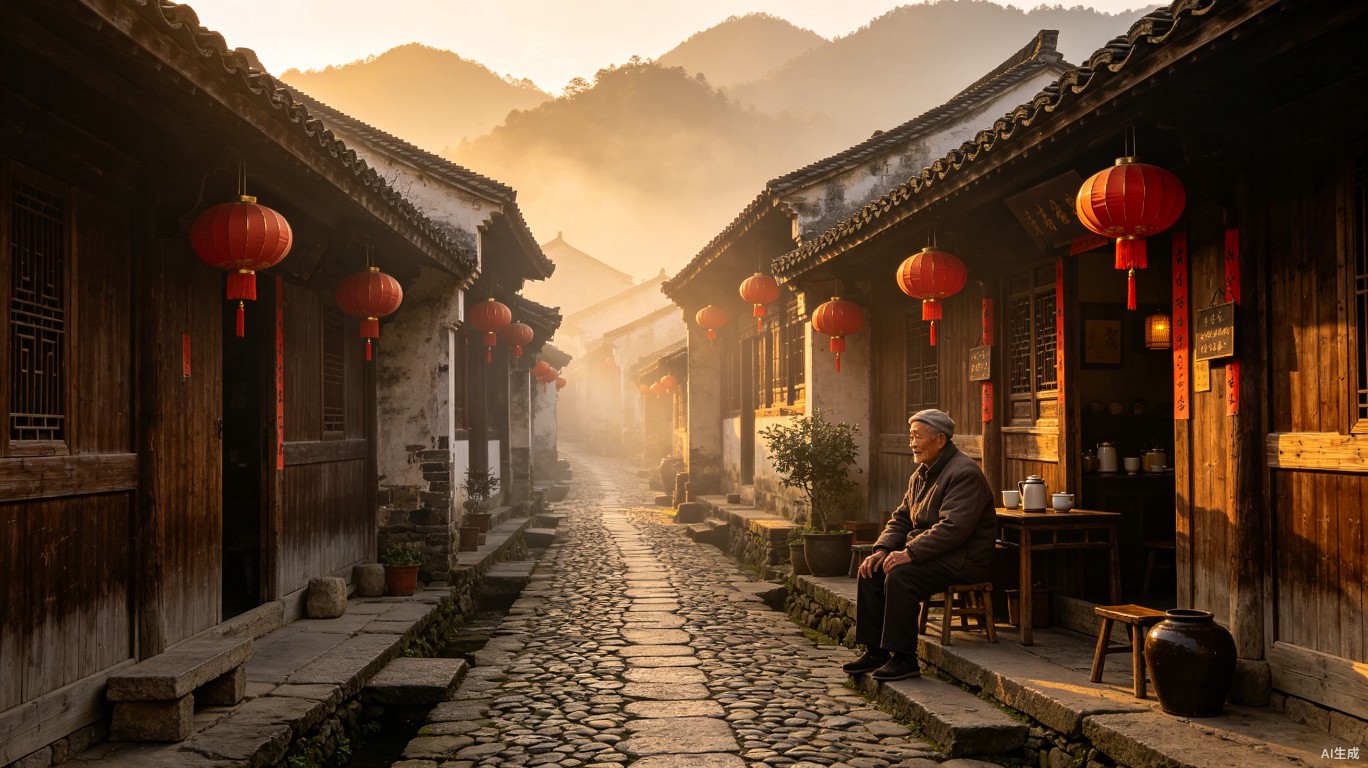
Top 10 Hidden Gems in China Off the Beaten Path
Beyond the Great Wall and Terracotta Warriors, China has incredible hidden destinations few tourists ever reach. Here are 10 underrated gems worth the detour.
9 min read
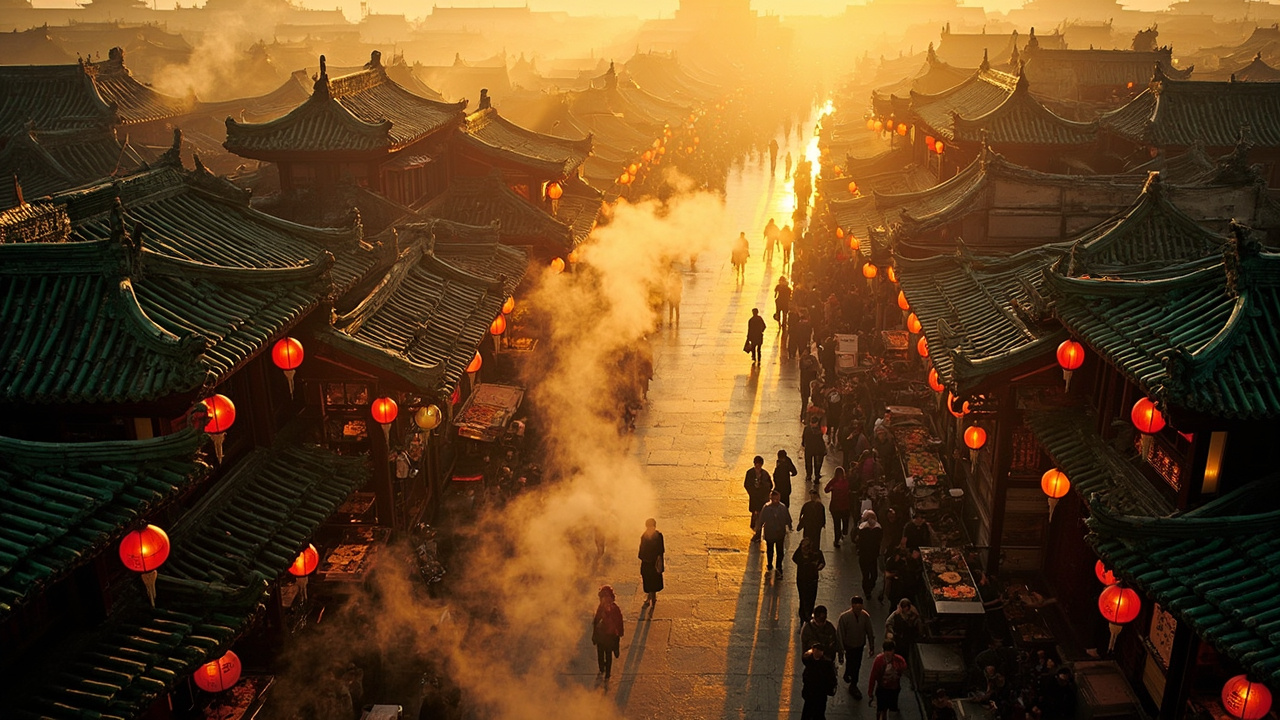
Top 10 Markets and Shopping Streets in China
From Shanghai's Bund to Beijing's Silk Street - 10 markets where foreigners can haggle, explore, and bring home authentic Chinese goods.
9 min read
Top 10 Museums in China You Shouldn't Miss
China's museums span 5,000 years of civilization. These 10 - from the Palace Museum to Xi'an's terracotta gallery - are unmissable for culture lovers.
9 min read