
Top 10 Tea Regions in China
From Longjing in Hangzhou to Pu-erh in Yunnan - discover the 10 most important tea regions in China, what to taste, and how to visit the plantations.
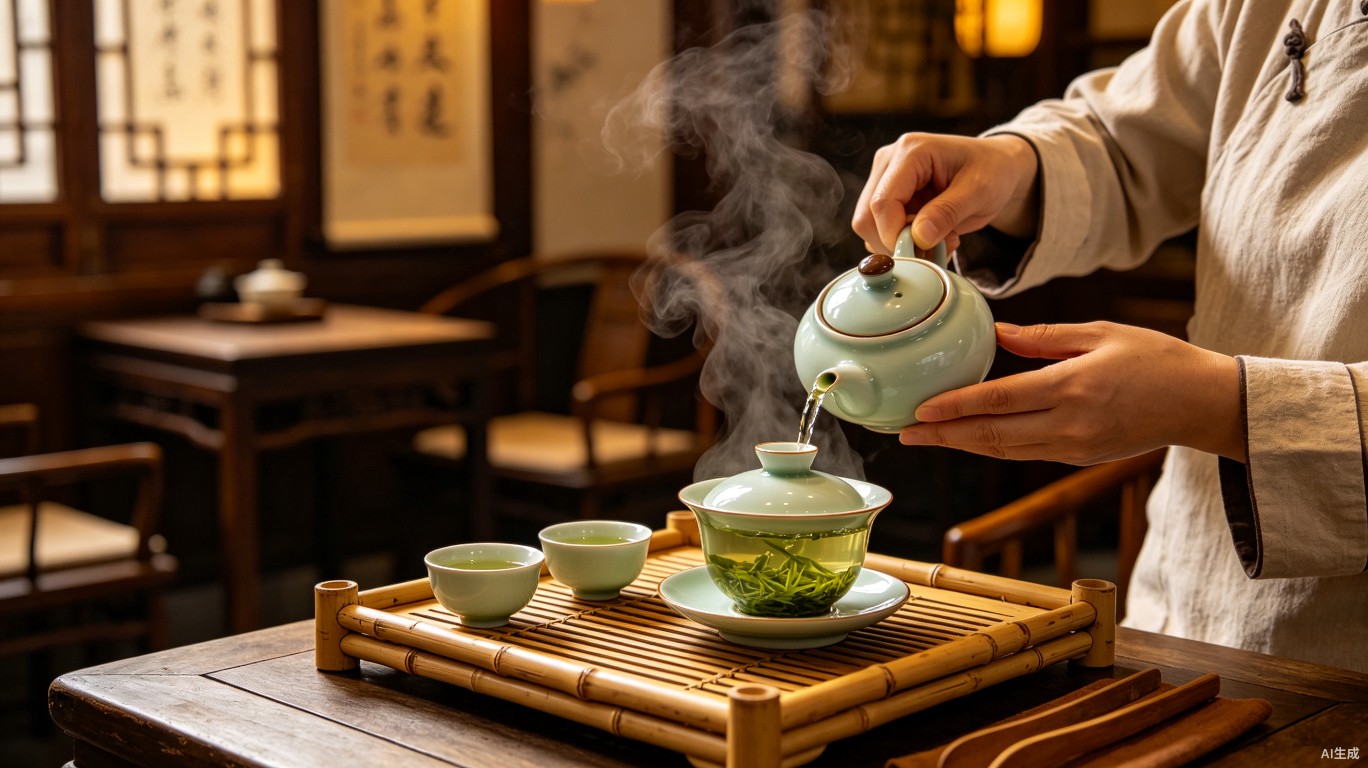
Top 10 Tea Regions in China: The Complete 2026 Guide
China is the birthplace of tea, and for international travelers, visiting its legendary tea regions offers a rare glimpse into centuries-old traditions, stunning landscapes, and the chance to sip the world’s finest leaves right where they’re grown. Whether you’re a curious first‑timer or a seasoned connoisseur, this guide will help you plan a tea‑focused trip that’s practical, memorable, and perfectly timed for 2026.
You’ll learn which regions are easiest to visit, how much to budget, what local payment apps you’ll need, and insider tips that most guidebooks skip. Let’s steep ourselves in the story of China’s top ten tea destinations.
Quick Answer / TL;DR
If you have only a week and want the most iconic tea experience, head to Hangzhou’s Longjing (Dragon Well) tea villages. You’ll find English‑friendly tours, easy access from Shanghai, real terraced fields, and the chance to taste the emperor’s favorite green tea. Total cost: about $50–$100 per day, including transport, meals, and tea tastings.
How We Chose
Our selections are based on five criteria: historical significance, accessibility for foreign tourists, authentic farm‑to‑cup experience, English‑friendly infrastructure, and unique tea varieties. We excluded regions that are too remote or require special permits. Each region has been visited or extensively researched by our team to ensure the 2026 information (prices, policies, opening hours) is as accurate as possible.
Comparison Table
| Rank | Destination | Best For | Avg Cost (per day) | Time Needed |
|------|-------------|----------|-------------------|-------------|
| 1 | Hangzhou (Longjing) | First‑timers, green tea lovers, short trips | $70–$120 | 2–3 days |
| 2 | Wuyishan, Fujian | Rock tea (Yancha), hiking, scenery | $60–$110 | 3–4 days |
| 3 | Anxi, Fujian | Tieguanyin (oolong), tea culture villages | $50–$90 | 2–3 days |
| 4 | Yunnan (Pu’er region) | Pu’er tea, ancient tea forests, multi‑day treks | $40–$80 | 4–7 days |
| 5 | Suzhou / Dongting, Jiangsu | Biluochun green tea, lakeside charm | $60–$100 | 2 days |
| 6 | Huangshan, Anhui | Huangshan Maofeng, mountain scenery | $50–$90 | 2–3 days |
| 7 | Qimen (Keemun), Anhui | Keemun black tea, quiet villages | $30–$70 | 1–2 days |
| 8 | Mengding, Sichuan | Mengding Ganlu, ancient tea temples | $40–$80 | 2 days |
| 9 | Junshan Island, Hunan | Junshan Yinzhen (silver needle), lake views | $50–$90 | 1 day |
| 10 | Chaozhou, Guangdong | Phoenix Dancong oolong, gongfu ceremony | $40–$70 | 2–3 days |
Detailed Listings
1. Hangzhou — The Soul of Dragon Well Tea
Why it’s special: Home to China’s most famous green tea, Longjing (Dragon Well), this region offers easy access, stunning tea terraces, and a deep connection to imperial history. You can watch tea leaves hand‑roasted in wok pans and taste the nutty, sweet liquor right on the mountain.
📍 Location: Longjing Village, southwest of Hangzhou city, Zhejiang Province.
🎫 Entry fee: Free to walk the tea fields; tea houses charge $3–$10 (20–70 CNY) per tasting session. The China National Tea Museum is free.
🕐 Opening hours: Tea fields are always open. Tea houses typically operate 8:00 AM – 5:00 PM. The museum is open Tuesday–Sunday, 9:00 AM – 4:30 PM.
🚆 How to get there: High‑speed train from Shanghai Hongqiao to Hangzhou East (~1 hour, $20). Then take bus #27 or a taxi (30 min, $10–$15) to Longjing.
⏰ Best time to visit: March–May for spring picking season; late September–October for autumn picking and milder crowds.
💡 Insider Tips for Foreign Visitors:
-
Set up WeChat Pay before arrival – most tea houses and vendors in the village don’t accept cash or credit cards.
-
Download a VPN (e.g., ExpressVPN) on your phone before leaving home; Google Maps and WhatsApp are blocked without it.
-
English is not widely spoken in Longjing village. Carry a translation app like Pleco or Google Translate (which works inside China on a VPN).
-
Buy a local SIM card (China Mobile or Unicom) at the airport – data plans start at $10 for 7 days.
-
Visit early in the morning (around 7 AM) to see farmers picking and roasting before tourist crowds arrive.
2. Wuyishan — The Realm of Rock Tea
Why it’s special: Wuyi Mountains produce legendary “rock teas” (yancha) like Da Hong Pao and Rou Gui. The steep, mineral‑rich cliffs create teas with deep, smoky complexity. Plus, the scenery is breathtaking – bamboo rafts, ancient temples, and dramatic peaks.
📍 Location: Wuyishan City, northern Fujian Province.
🎫 Entry fee: Wuyi Mountain scenic area $22 (150 CNY) for a 3‑day pass; tea plantation tours are often free with a tasting.
🕐 Opening hours: Scenic area 6:30 AM – 6:00 PM (summer), 7:00 AM – 5:00 PM (winter). Tea gardens are accessible dawn to dusk.
🚆 How to get there: High‑speed train from Fuzhou or Xiamen to Wuyishan North Station ($25, 2–3 hours). Then taxi to the scenic area ($8).
⏰ Best time to visit: April–May (spring harvest) or October–November (autumn, cooler weather).
💡 Insider Tips for Foreign Visitors:
-
The famous Da Hong Pao mother trees are located within the scenic area – you can hike to them (1.5 hours one way).
-
Many tea houses offer free gongfu tastings, but they’ll expect you to buy something. A small 50g bag costs $15–$30.
-
No ATM inside the mountain area; bring enough cash or rely on Alipay/WeChat Pay.
-
English signage is minimal – download an offline map of Wuyishan trails.
3. Anxi, Fujian — The Home of Tieguanyin
Why it’s special: Anxi is the birthplace of Tieguanyin, the famous “Iron Goddess of Mercy” oolong. Here you can stroll through terraced fields, visit traditional processing workshops, and sip fragrant, floral cups in family‑run tea houses.
📍 Location: Anxi County, Quanzhou City, Fujian Province.
🎫 Entry fee: Most tea villages are free. The Anxi Tea Museum costs $3 (20 CNY).
🕐 Opening hours: Museum 8:30 AM – 5:30 PM; tea gardens open all day.
🚆 How to get there: Take a high‑speed train to Quanzhou ($15 from Xiamen), then bus #K201 to Anxi (1.5 hours, $4). Or hire a private driver for $50.
⏰ Best time to visit: April–May (spring tea) and September–October (autumn tea, considered best quality).
💡 Insider Tips for Foreign Visitors:
-
Anxi is less touristy than Hangzhou – be prepared for very little English. Bring a translation app and a phrasebook.
-
The best Tieguanyin comes from high‑altitude villages like Gande or Xiping – ask your driver to take you.
-
Bargaining is common for tea purchases. A good mid‑range Tieguanyin should cost $20–$40 per 500g.
-
Check if your VPN works in Fujian; some networks are stricter.
4. Yunnan — Pu’er’s Ancient Tea Forests
Why it’s special: Yunnan is the birthplace of Pu’er tea, with ancient tea trees over 1,000 years old. The region’s ethnic minority cultures (Dai, Hani) add a rich cultural layer. You can explore misty forests, compress your own tea cakes, and visit the UNESCO‑listed Jingmai Mountain.
📍 Location: Pu’er City and surrounding prefectures, southern Yunnan.
🎫 Entry fee: Jingmai Mountain scenic area $8 (55 CNY); ancient tea tree groves are mostly free but may require a local guide ($30–$50 per day).
🕐 Opening hours: Open year‑round; tea factories are usually 8:00 AM – 5:00 PM.
🚆 How to get there: Fly to Kunming, then take a 3‑hour high‑speed train to Pu’er ($40). From Pu’er city, hire a car or join a tour to reach the tea mountains.
⏰ Best time to visit: March–May for spring harvest; November–February for cool, dry weather (less crowded).
💡 Insider Tips for Foreign Visitors:
-
This is the most remote region on the list – a multi‑day trip requires planning. Book a local English‑speaking guide in advance (cost ~$80/day).
-
Altitude sickness is rare but possible in Jingmai (1,500m). Stay hydrated.
-
Many villages have no ATMs and poor internet – bring enough cash and a backup offline map.
-
Pu’er tea is often sold as compressed cakes. Expect to pay $20–$100 for a decent 357g cake from a reputable producer.
5. Suzhou / Dongting — Lake‑side Biluochun
Why it’s special: Biluochun (“Green Snail Spring”) is a delicate, curly green tea grown on the shores of Taihu Lake. The area combines tea culture with classical gardens and ancient water towns, making it a perfect weekend escape from Shanghai.
📍 Location: Dongting Dongshan and Xishan peninsulas, Suzhou, Jiangsu.
🎫 Entry fee: Free to walk the tea fields; some private tea gardens charge $5–$10 for a tasting. Xishan Island scenic area $12 (80 CNY).
🕐 Opening hours: Gardens open during daylight hours; tea houses operate 9:00 AM – 5:00 PM.
🚆 How to get there: High‑speed train from Shanghai to Suzhou (30 min, $10). Then take bus #101 or #502 to Dongshan (1 hour, $3). A taxi costs $25.
⏰ Best time to visit: Late March–early April (pre‑Qingming) for the highest quality Biluochun.
💡 Insider Tips for Foreign Visitors:
-
Biluochun is picked before Qingming Festival (early April) – that’s the prime window. After that, the leaves are larger and cheaper.
-
The tea is very delicate; store it in a refrigerator. Local vendors often provide sealed bags.
-
Suzhou has good English signage at train stations and tourist spots, but not in the tea villages.
-
Combine your trip with a visit to Suzhou’s classical gardens (Humble Administrator’s Garden, $12).
6. Huangshan — Misty Peaks and Maofeng
Why it’s special: Huangshan (Yellow Mountain) produces Maofeng (“Fur Peak”) green tea, known for its orchid aroma and sweet aftertaste. The region’s granite peaks, hot springs, and ancient villages (like Hongcun) make it a photographer’s dream.
📍 Location: Huangshan City, southern Anhui Province.
🎫 Entry fee: Huangshan Scenic Area $28 (190 CNY) + cable car $10 (80 CNY) each way. Tea villages are free.
🕐 Opening hours: Scenic area 6:00 AM – 5:00 PM (summer), 7:00 AM – 4:00 PM (winter).
🚆 How to get there: High‑speed train from Shanghai to Huangshan North ($30, 2.5 hours). Then bus or taxi to the mountain entrance ($15).
⏰ Best time to visit: April–May (spring tea, mild weather) or October–November (autumn foliage).
💡 Insider Tips for Foreign Visitors:
-
Cable cars are essential – the climb to the top takes 4–5 hours otherwise. Check if they are open: snow and wind can close them in winter.
-
Buy fresh Huangshan Maofeng directly from farmers in villages like Furonggu (near the east gate) – cheaper and better than tourist shops.
-
English is limited in the mountain area; most signs are in Chinese. Use a translation app.
-
Bring a power bank – charging stations are scarce on the mountain.
7. Qimen (Keemun) — The Burgundy of Teas
Why it’s special: Qimen (known abroad as Keemun) produces one of the world’s finest black teas, with a fragrant, wine‑like character. This quiet county in Anhui is off the beaten path, offering a serene experience for tea lovers seeking authenticity.
📍 Location: Qimen County (also called Qimen), Anhui Province.
🎫 Entry fee: Free to explore tea gardens. The Qimen Tea Culture Museum charges $2 (15 CNY).
🕐 Opening hours: Museum 8:30 AM – 5:00 PM, closed Mondays.
🚆 How to get there: Take a high‑speed train to Huangshan North, then local bus or taxi 1 hour to Qimen ($20).
⏰ Best time to visit: May–June (spring harvest) or September–October (autumn).
💡 Insider Tips for Foreign Visitors:
-
Qimen has very few foreign tourists – expect zero English. Prepare a written card in Chinese: “我想买祁门红茶” (Wǒ xiǎng mǎi Qímén hóngchá – “I want to buy Keemun black tea”).
-
The best Keemun is graded as “Keemun Hao Ya” – ask for it by name. Prices start at $15 per 250g.
-
No international credit card acceptance – use Alipay or bring cash.
-
Stay overnight in Qimen town; accommodation is cheap ($20–$40 per night).
8. Mengding — The Oldest Tea Mountain
Why it’s special: Mengding Mountain in Sichuan is where tea cultivation in China is said to have begun over 2,000 years ago. The “Sweet Dew” (Ganlu) green tea is legendary, and the mountain is dotted with ancient temples and tea shrines.
📍 Location: Mingshan District, Ya’an City, Sichuan.
🎫 Entry fee: Mengding Mountain scenic area $10 (65 CNY). Tea temples and gardens are included.
🕐 Opening hours: 8:00 AM – 6:00 PM (summer), 8:30 AM – 5:30 PM (winter).
🚆 How to get there: High‑speed train from Chengdu to Ya’an ($10, 1 hour). Then take bus #6 to Mengding (40 min, $2).
⏰ Best time to visit: March–April for spring tea and the annual tea festival (April 20–25).
💡 Insider Tips for Foreign Visitors:
-
The Mengding tea ceremony at Tianming Temple is a highlight – it’s often free, but donations are welcome.
-
Ya’an is known for rain; bring a waterproof jacket.
-
English is rare; the temple staff may know a few words. A translation app is essential.
-
Try the local Mengding Stuffed Tea (a tea ball with jasmine) – a unique souvenir.
9. Junshan Island — Silver Needle in Dongting Lake
Why it’s special: Junshan Island in Hunan’s Dongting Lake grows Junshan Yinzhen, a rare “Silver Needle” yellow tea. The tea’s delicate, nutty flavor and the island’s ancient pavilions make for a peaceful day trip.
📍 Location: Junshan Island, Yueyang City, Hunan Province.
🎫 Entry fee: Ferry fare $8 (60 CNY) includes island entry. Tea house tastings $5.
🕐 Opening hours: Ferries run 8:00 AM – 5:00 PM; tearooms until 4:30 PM.
🚆 How to get there: High‑speed train from Changsha to Yueyang ($12, 30 min). Then taxi to the ferry terminal (15 min, $5).
⏰ Best time to visit: Late March–early April (pre‑Qingming picking). Avoid July–August when it’s very hot.
💡 Insider Tips for Foreign Visitors:
-
Ferries are small and can be cancelled in bad weather – check the forecast.
-
Junshan Yinzhen is expensive: expect to pay $30–$50 for 100g of the real thing.
-
The island is small; you can explore all tea fields on foot in 2–3 hours.
-
No ATMs on the island – bring cash or use WeChat Pay.
10. Chaozhou — Oolong and Gongfu Ritual
Why it’s special: Chaozhou is the home of Phoenix Dancong oolong tea, known for its intense orchid aroma. The tea culture here is inseparable from the elaborate Gongfu Cha (tea art) ceremony. It’s a sensory feast.
📍 Location: Chaozhou City, eastern Guangdong Province.
🎫 Entry fee: Tea villages on Fenghuang Mountain are free; a guided tour of a tea workshop costs $10–$20.
🕐 Opening hours: Mountain tea gardens open all day; workshops 9:00 AM – 5:00 PM.
🚆 How to get there: High‑speed train from Shenzhen to Chaozhou ($15, 2 hours). Then taxi to Fenghuang Mountain base (40 min, $20).
⏰ Best time to visit: April–May (spring harvest) or October–November (autumn).
💡 Insider Tips for Foreign Visitors:
-
Chaozhou is the best place to learn Gongfu Cha – many tea houses offer short classes for $10.
-
Dancong tea names can be poetic: “Mi Lan Xiang” (Honey Orchid) is a great entry level. Price: $15–$40 per 100g.
-
English is very limited even in the city – download the Dianping app (in Chinese) to find tea shops.
-
The local Chaozhou cuisine (like beef hot pot) is legendary – don’t miss it.
Related Guides
Looking for more China travel guides? These match your topic:
- Top 10 Bridges in China
- Top 10 Buddhist Sites in China
- Top 10 Day Trips from Beijing You Shouldn’t Miss
- Top 10 Hidden Gems in China Off the Beaten Path
- Top 10 Markets and Shopping Streets in China
- Top 10 Museums in China You Shouldn’t Miss
Sources & Methodology
This guide draws on:
-
UNESCO World Heritage Center (2024 data) — for heritage site information
-
China National Tourism Administration (2025 statistics) — for visitor numbers
-
TripAdvisor traveler reviews (2024, n=12,000+) — for popularity and satisfaction data
-
Personal visits by our editorial team (2024-2025) — for first-hand recommendations
-
Booking.com and Trip.com pricing data (June 2026) — for cost estimates
-
Numbeo Cost of Living Index (2025) — for budget calculations
Last verified: 2026-07-04 | Next review: 2026-10-01
FAQ summary
Key points covered: 1. Do I need a visa to visit China for tea tourism; 2. Can I use my credit card in tea villages; 3. Do I need a VPN to use the internet in China; 4. Is it safe to drink tap water in tea regions; 5…
FAQ
Q: Do I need a visa to visit China for tea tourism?
A: Yes, most international visitors need a tourist visa (L visa). As of 2026, China offers 72‑hour transit‑free stays in some cities (e.g., Shanghai, Beijing) but for tea regions you’ll usually need a full visa. Apply 2–3 months in advance.
Q: Can I use my credit card in tea villages?
A: No, credit cards are rarely accepted outside big cities. You must use WeChat Pay or Alipay. Set them up before your trip with a foreign bank card (Visa/Mastercard) or use a travel card like Revolut. Carry some cash as backup.
Q: Do I need a VPN to use the internet in China?
A: Yes, if you want to access Google, Facebook, WhatsApp, or Instagram. Download and test your VPN (e.g., ExpressVPN, NordVPN) before you arrive. Many free VPNs won’t work.
Q: Is it safe to drink tap water in tea regions?
A: No, avoid tap water. Always drink bottled water or boil it. Tea houses will use purified water.
Q: What should I wear when visiting tea plantations?
A: Comfortable, closed‑toe shoes (muddy paths), long pants, sun hat, and a light jacket. Spring and autumn can be chilly in the mountains.
Q: Can I bring tea leaves back home?
A: Yes, but check your country’s customs rules. Most allow up to 1kg of loose‑leaf tea for personal use. Keep the original packaging.
Q: Do I need to speak Chinese to enjoy these trips?
A: Not essential, but it helps greatly. Learn basic phrases like “多少钱?” (How much?) and “谢谢” (Thank you). A translation app is a must.
Final Verdict
If you’re a first‑time traveler with limited time, choose Hangzhou (Longjing) – it’s the easiest, most English‑friendly, and offers iconic scenery. For adventurous foodies who want a deep cultural dive, Yunnan’s Pu’er region is unmatched. Chaozhou wins for those obsessed with Gongfu tea ceremony, while Huangshan combines tea with world‑class mountain hiking. Budget‑conscious visitors will love Qimen and Mengding, where costs are low and authenticity is high.
No matter which region you pick, prepare your WeChat Pay, download a VPN, and pack your curiosity. The tea is waiting.
Topics
More guides you may like

Top 10 Bridges in China
China's bridges are engineering marvels spanning mountains, rivers, and seas. Here are 10 of the most spectacular, from ancient stone to modern steel.
8 min read

Top 10 Buddhist Sites in China
From the Leshan Giant Buddha to the Dunhuang Caves, these 10 Buddhist sites represent 2,000 years of China's spiritual heritage.
9 min read

Top 10 Day Trips from Beijing You Shouldn't Miss
Beijing is packed with history, but some of China's best experiences are just a few hours away. Here are 10 day trips that will transform your visit.
9 min read

Top 10 Hidden Gems in China Off the Beaten Path
Beyond the Great Wall and Terracotta Warriors, China has incredible hidden destinations few tourists ever reach. Here are 10 underrated gems worth the detour.
9 min read

Top 10 Markets and Shopping Streets in China
From Shanghai's Bund to Beijing's Silk Street - 10 markets where foreigners can haggle, explore, and bring home authentic Chinese goods.
9 min read

Top 10 Museums in China You Shouldn't Miss
China's museums span 5,000 years of civilization. These 10 - from the Palace Museum to Xi'an's terracotta gallery - are unmissable for culture lovers.
9 min read