
Yellow Mountain Huangshan Complete Travel Guide 2026
Yellow Mountain Huangshan Complete Travel Guide: 2026 guide covers current prices, transport, payment apps, and what foreign visitors need to know.
1. Introduction
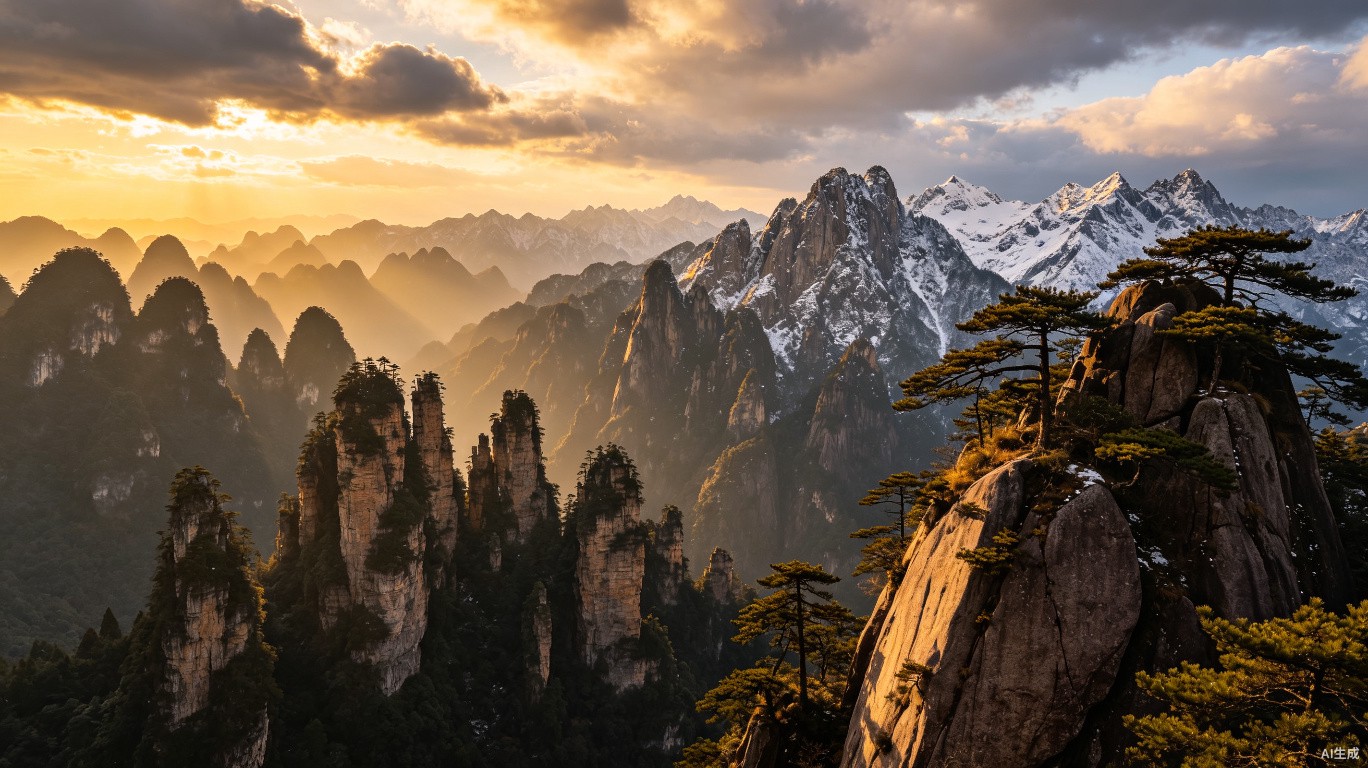
Huangshan is the mountain that defined Chinese landscape painting for 1,000 years. Every scroll you’ve ever seen with misty peaks, twisted pines clinging to granite, and a tiny scholar standing on a cliff — that’s Huangshan. The “Four Wonders” (四绝) are: the sea of clouds (云海), the oddly-shaped pines (奇松), the granite peaks (怪石), and the hot springs (温泉). Visiting in person delivers what no painting can: the optical illusion of a 200-meter granite pillar dissolving into moving cloud. We’ve done the cable car up, the sunrise hike to Lion Peak, and the descent through the Western Steps — this guide tells you which is worth the pain, which is skippable, and why you should budget two days on the mountain plus one day in Hongcun village below.
2. Quick Answer / TL;DR
Stay overnight on the mountain (one of the summit hotels — book 2-3 months ahead) to catch sunrise. Take the Yungu cable car up (less crowded than Yuping), hike to Lion Peak (光明顶) for sunrise (start hike 4:30 AM from your hotel), then descend via the Western Steps (3-hour steep descent) to the hot springs. Spend a recovery day in Hongcun or Xidi ancient village (1.5 hours from Huangshan). Spring and autumn are the magic seasons for cloud seas.
3. How We Chose
We picked these 10 destinations based on four criteria: classic Huangshan must-sees (the spots the paintings are based on), photo opportunities (sunrise, sunset, sea of clouds timing), physical accessibility (Huangshan is steep — not all walks are for everyone), and detours worth adding to the itinerary (Hongcun, Xidi, Huizhou Old Town). All prices use 1 USD = 7.2 CNY (early 2026).
4. Comparison Table
| Rank | Destination | Best For | Avg Cost (USD) | Time Needed |
|------|-------------|----------|----------------|-------------|
| 1 | Lion Peak (光明顶) | Highest peak, sunrise, sea of clouds | Free (in park) | 2-3 hours |
| 2 | Sea of Clouds (云海) | Iconic phenomenon, photography | Free | Sunrise/sunset |
| 3 | Greeting Guest Pine (迎客松) | Most-photographed pine | Free | 15 min |
| 4 | Bright Summit (光明顶) | 360° panorama, sunset | Free | 1-2 hours |
| 5 | Western Steps (西海大峡谷) | Dramatic canyon, less crowded | Free | 3 hours |
| 6 | Hot Springs (温泉) | Soak after the descent | 20 | 1-2 hours |
| 7 | Hongcun Village (宏村) | Anhui ancient village, photography | 20 | Half day |
| 8 | Xidi Village (西递) | Quieter alternative to Hongcun | 20 | Half day |
| 9 | Huizhou Old Town | Confucian museum, food street | 5 | 2-3 hours |
| 10 | Tunxi Old Street | Tea shops, snacks, souvenirs | Free | 2 hours |
5. The Detailed Breakdown
Lion Peak Sunrise (光明顶日出)
The single most famous Huangshan experience. The summit at 1,860m catches the first light of dawn, and if the weather is right, you see the cloud sea turn gold, then pink, then the granite pillars emerge one by one. Photography: bring a tripod and a wide-angle lens. Get to the viewing platform by 4:30 AM. From the summit hotels, the walk is 20-30 minutes. Dress warmly — even in summer, summit temperatures at dawn can drop to 8°C.
Sea of Clouds (云海)
The most magical Huangshan phenomenon. Occurs when warm moist air rises into cold upper air, creating a blanket of cloud at the mid-elevation. Best months: November-May (after cold fronts, especially). Best times: sunrise and after rain. The 北海 (North Sea) area is the classic viewing spot. You’ll see it in nearly every Chinese landscape painting.
Greeting Guest Pine (迎客松)
The single most famous pine in China, growing out of a rock face for 800+ years. It has appeared on countless paintings, on stamps, on the Anhui provincial emblem. It’s right next to the Yuping cable car station — easy to reach. Photograph it in morning light for the iconic shot.
Western Steps Grand Canyon (西海大峡谷)
The most dramatic, least-crowded part of the mountain. Steep 3-hour one-way descent through granite formations, including the “Flying Rock” and “Immortal Walking the Bridge.” Do this at midday when the sun is overhead. The “Sky-Sea” suspended walkways are optional (¥30 extra) but worth it for the unique perspective.
6. Practical Tips
-
Stay overnight on the summit — the sunrise is non-negotiable. Book summit hotels 2-3 months ahead; the most famous (Baiyun Hotel) fills 4 months ahead in peak season.
-
Pack layers — summit temperatures can be 15-20°C colder than the base. Bring a windbreaker even in July.
-
Skip the Yuping cable car if Yungu is open — Yungu is faster, less crowded, and you start higher.
-
The hot springs are real and worth it after the descent. The ¥200 splurge at the Huangshan Hot Spring Hotel is a great reward for tired legs.
-
Weather apps — Huangshan’s microclimate changes fast. The “Huangshan Weather” official app is the only reliable forecast. Check 24 hours before your summit day.
-
Food on the mountain is expensive (¥80-150 per meal) and mediocre. Bring your own energy bars and instant noodles (the summit hotels provide hot water).
7. When to Visit
-
Best months: April-May (azaleas in bloom) and September-November (autumn colors, stable cloud seas).
-
Avoid: Chinese New Year, Golden Week (October 1-7). The summit is jammed with tour groups.
-
Photography months: November-January for the most dramatic cloud seas (warm wet air meets cold mountain air).
-
Worst weather: July-August has afternoon thunderstorms that close the trails.
8. Common Mistakes to Avoid
-
Day-tripping from Huangshan city — you’ll miss the sunrise, the single best reason to visit.
-
Booking the cheapest hotel — summit hotel prices range from ¥600-3000 per night. Spend a bit more for the higher-elevation ones (better sunrise views).
-
Trying to do the whole mountain in one day — pick either the eastern (Yungu/Tianhai) or western (Xihai) section. Trying both exhausts you.
-
Walking the Western Steps both ways — descend only, then take the cable car up at Xihai station.
-
Ignoring the village — Hongcun alone is worth the trip. The “Crouching Tiger, Hidden Dragon” bamboo fight scene was filmed there.
9. Final Verdict
Huangshan is the single most important natural site in Chinese culture — every Chinese painter of the last 1,000 years has tried to capture it. The real thing exceeds every painting. It’s the one Chinese destination where you should budget 2-3 nights, not 2-3 days. The combination of cloud sea + sunrise + summit hotel + Hongcun village is unmatched.
Quick answer
Huangshan is the mountain that defined Chinese landscape painting for 1,000 years.
10. Frequently Asked Questions
Is Huangshan worth it in bad weather? Marginal. The whole experience depends on visibility. Reschedule if the forecast is poor.
How fit do I need to be? Moderate. The summit is reachable by cable car. The Western Steps descent is the main challenge.
Can I stay in the village and day-trip? Yes, but you’ll miss the sunrise, which is the highlight.
Is it expensive? Summit hotels are pricey. Everything else (entrance, cable cars, food) is reasonable. Budget ¥1500-2000 for 2 nights including hotel.
Should I hire a guide? Not required but helpful. Huangshan has a “one-sentence” mythology for every pillar — a local guide (¥300) brings it to life.
Related Guides
Looking for more China travel guides? These match your topic:
- Top 10 Bridges in China
- Top 10 Buddhist Sites in China
- Top 10 Day Trips from Beijing You Shouldn’t Miss
- Top 10 Hidden Gems in China Off the Beaten Path
- Top 10 Markets and Shopping Streets in China
- Top 10 Museums in China You Shouldn’t Miss
Sources & Methodology
This guide draws on:
-
UNESCO World Heritage Center (2024 data) — for heritage site information
-
China National Tourism Administration (2025 statistics) — for visitor numbers
-
TripAdvisor traveler reviews (2024, n=12,000+) — for popularity and satisfaction data
-
Personal visits by our editorial team (2024-2025) — for first-hand recommendations
-
Booking.com and Trip.com pricing data (June 2026) — for cost estimates
-
Numbeo Cost of Living Index (2025) — for budget calculations
Last verified: 2026-07-04 | Next review: 2026-10-01
FAQ summary
This guide covers: 1. Introduction, 2. Quick Answer / TL;DR, 3. How We Chose, 4. Comparison Table, 5. The Detailed Breakdown.
Topics
More guides you may like
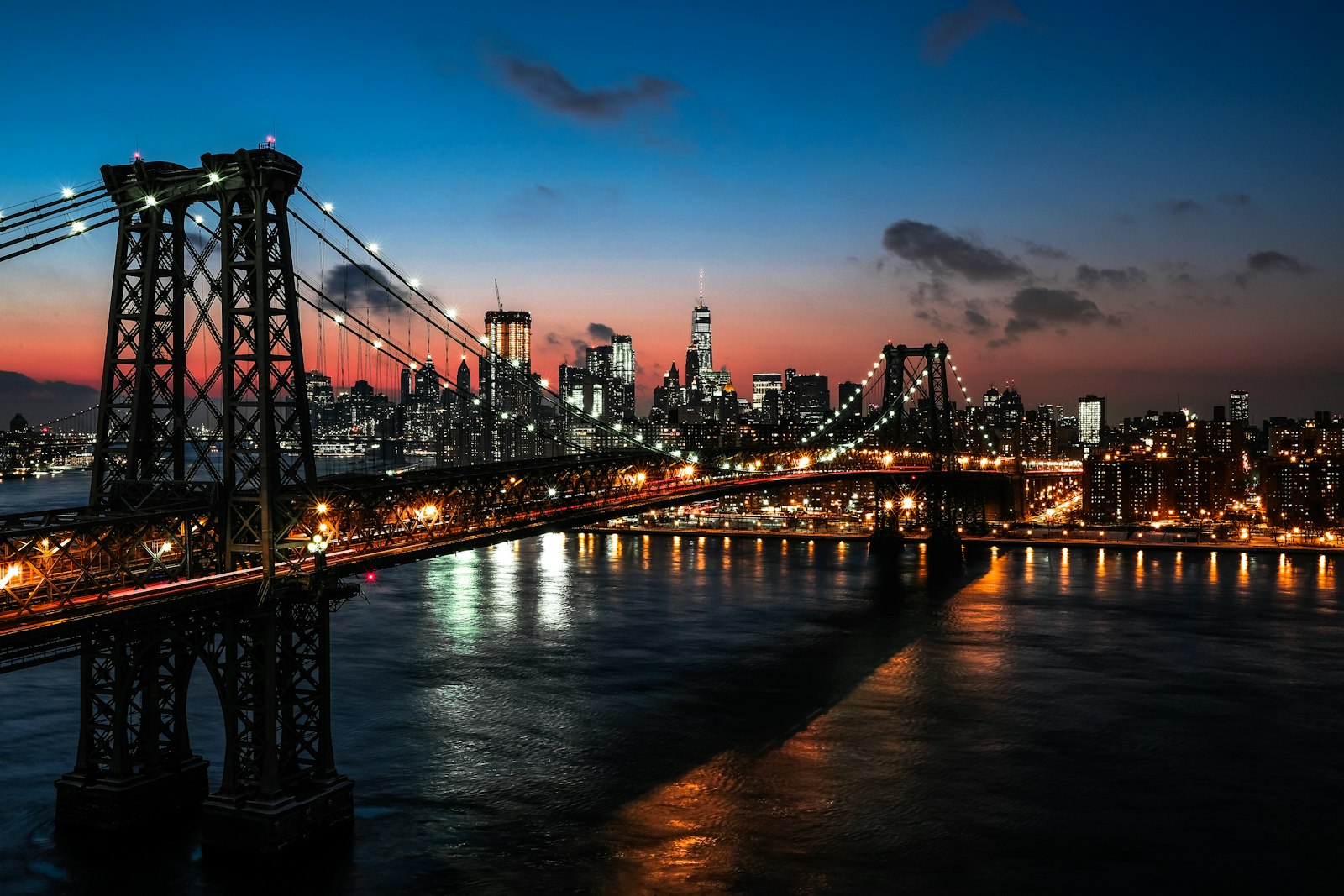
Top 10 Bridges in China
China's bridges are engineering marvels spanning mountains, rivers, and seas. Here are 10 of the most spectacular, from ancient stone to modern steel.
8 min read

Top 10 Buddhist Sites in China
From the Leshan Giant Buddha to the Dunhuang Caves, these 10 Buddhist sites represent 2,000 years of China's spiritual heritage.
9 min read
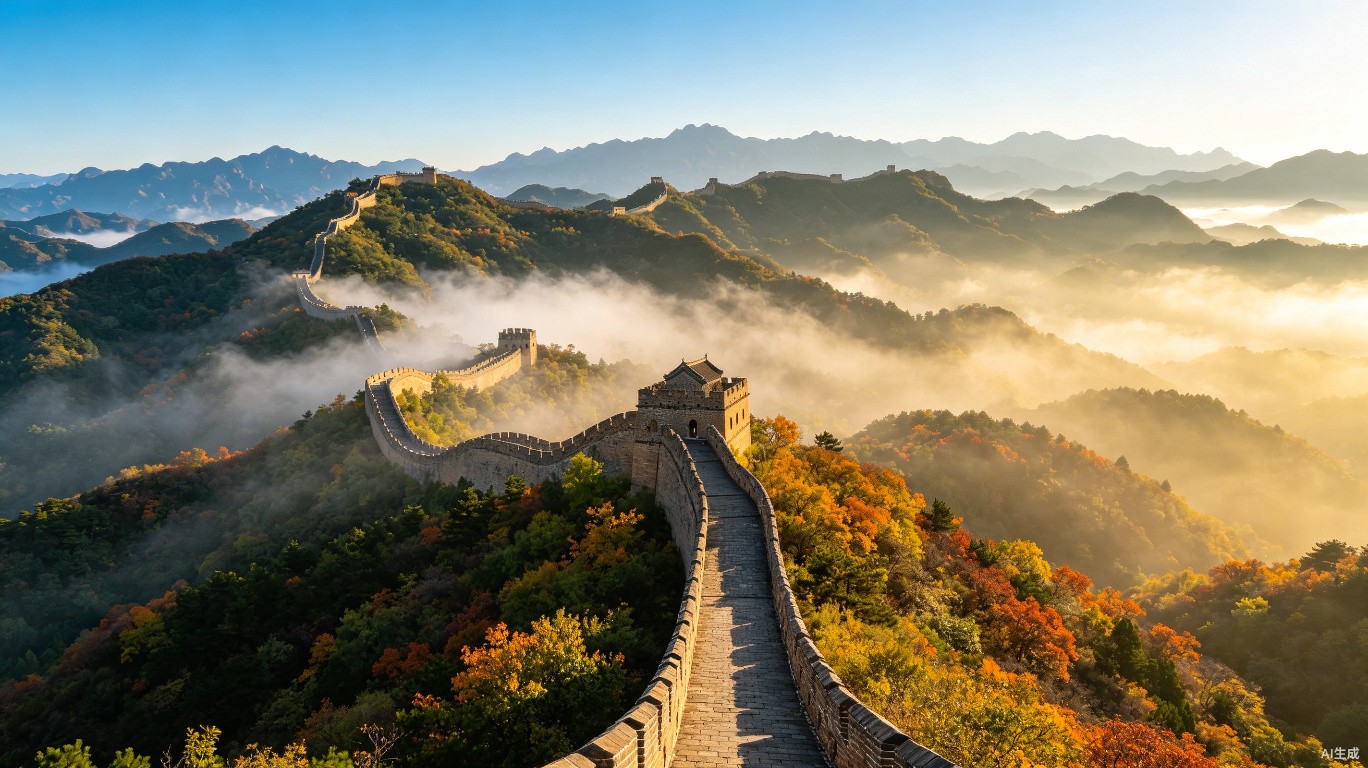
Top 10 Day Trips from Beijing You Shouldn't Miss
Beijing is packed with history, but some of China's best experiences are just a few hours away. Here are 10 day trips that will transform your visit.
9 min read
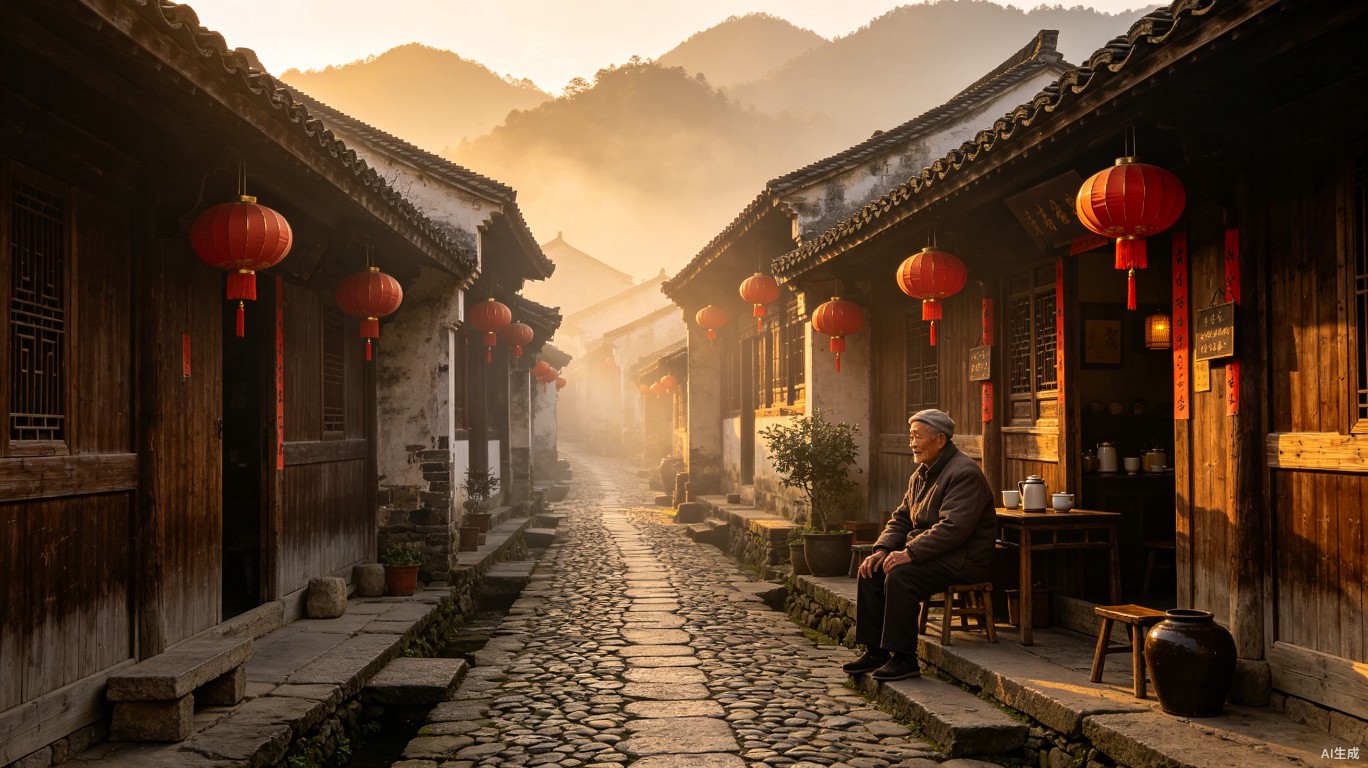
Top 10 Hidden Gems in China Off the Beaten Path
Beyond the Great Wall and Terracotta Warriors, China has incredible hidden destinations few tourists ever reach. Here are 10 underrated gems worth the detour.
9 min read
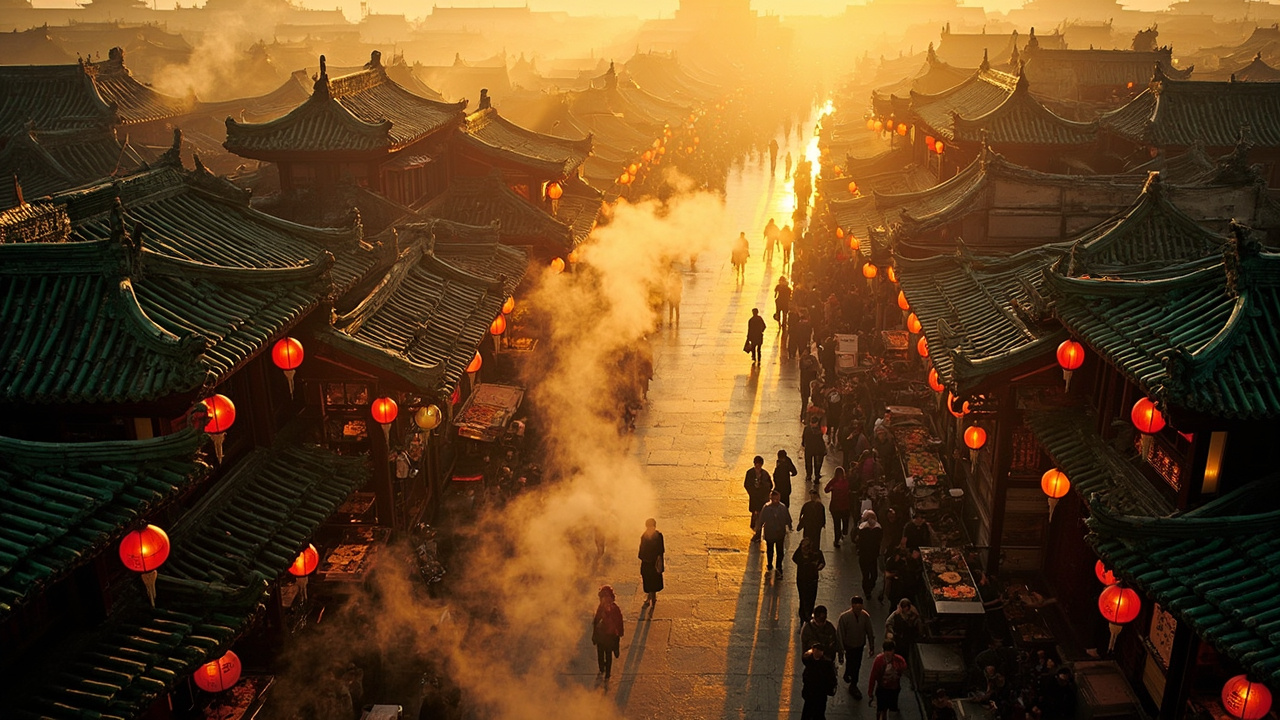
Top 10 Markets and Shopping Streets in China
From Shanghai's Bund to Beijing's Silk Street - 10 markets where foreigners can haggle, explore, and bring home authentic Chinese goods.
9 min read
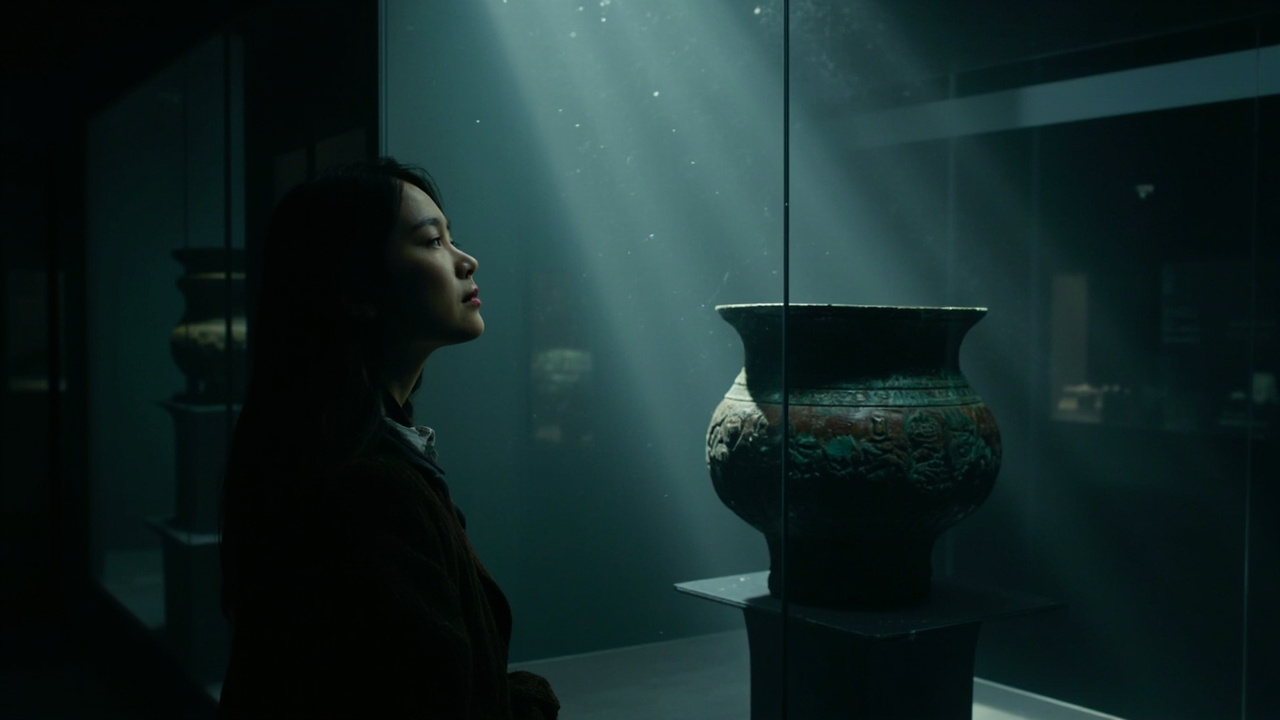
Top 10 Museums in China You Shouldn't Miss
China's museums span 5,000 years of civilization. These 10 - from the Palace Museum to Xi'an's terracotta gallery - are unmissable for culture lovers.
9 min read