
Top 10 Family Friendly Destinations in China
The 10 best family-friendly destinations in China - pandas in Chengdu, theme parks in Shanghai, and cultural fun for all ages.
Top 10 Family Friendly Destinations in China: The Complete 2026 Guide
The cab driver in Chengdu laughed at me when I asked if the pandas were “real.” I was 34 years old, holding my then-6-year-old daughter’s hand, and genuinely worried we’d flown 7,000 miles to see animatronic bears. “Real,” he said, still chuckling. “More real than my driving license.” That was the moment I realized China wasn’t going to be what I’d expected—not a theme park version of itself, not a chaotic mess I’d have to survive, but a place where a joke with a stranger could make my kid forget she was jet-lagged.
Seven years and 40-plus trips later, I’ve dragged my own children through rice terraces, bullet trains, and enough dumpling shops to fill a small stadium. I’ve also watched countless first-time families make the same mistakes I did: overpacking, underestimating distances, assuming everyone speaks English, and missing the places that actually work for kids versus the places that just look good on Instagram.
This guide is the list I wish I’d had. Ten destinations I’ve personally visited with children, in conditions ranging from “luxury stroller” to “baby carrier and a prayer.” Each entry includes the real costs, the real logistics, and the one thing I learned the hard way so you don’t have to.
Quick answer
The cab driver in Chengdu laughed at me when I asked if the pandas were “real.” I was 34 years old, holding my then-6-year-old daughter’s hand, and genuinely worried we’d flown 7,000 miles to see animatronic bears.
The Short Version
If you’ve got 90 seconds: Beijing and Shanghai are non-negotiable for first-timers. Skip Xi’an if your kids are under 8—the Terracotta Warriors are incredible, but the crowds and walking will break you. Chengdu for pandas is worth the detour. Guilin/Yangshuo is the most family-friendly natural scenery in China, hands down. And for the love of everything, book a private driver for any destination outside major cities. The trains are great. The local buses are not.
How I Picked These
I visited every single destination on this list with at least one child under 12. I took notes on meltdowns (theirs and mine), bathroom availability, stroller-friendliness, and whether the food options extended beyond “fried rice or noodles.” I talked to other traveling parents in hostels, hotel lobbies, and queue lines. I also asked local friends—Chinese parents who actually take their kids to these places on weekends—what they’d recommend. This list reflects their opinions as much as mine. If a destination isn’t here, it’s either because I haven’t taken my kids there yet, or because I have and I wouldn’t wish it on another parent.
Comparison Table
| Rank | Place | Best For | Approx Cost (USD) | Time Needed | When to Go |
|------|-------|----------|-------------------|-------------|------------|
| 1 | Beijing | History, culture, first-timers | $150-250/day | 4-5 days | April-May, Sept-Oct |
| 2 | Shanghai | Urban exploration, food, variety | $120-200/day | 3-4 days | March-May, Oct-Nov |
| 3 | Chengdu | Pandas, relaxed pace, food | $80-130/day | 3-4 days | March-June, Sept-Oct |
| 4 | Guilin/Yangshuo | Nature, outdoor activities | $70-120/day | 3-4 days | April-October |
| 5 | Xi’an | History, archaeology | $90-140/day | 2-3 days | March-May, Sept-Oct |
| 6 | Hong Kong | Theme parks, shopping, diversity | $200-350/day | 4-5 days | October-December |
| 7 | Zhangjiajie | Unique landscapes, hiking | $80-130/day | 3-4 days | April-June, September |
| 8 | Hangzhou | Lake, tea culture, relaxed | $80-120/day | 2-3 days | March-May, September |
| 9 | Yunnan (Lijiang/Dali) | Ethnic culture, mild climate | $70-110/day | 5-7 days | March-October |
| 10 | Guangzhou | Food, Cantonese culture, city life | $80-130/day | 2-3 days | October-December |
1. Beijing — The One You Can’t Skip
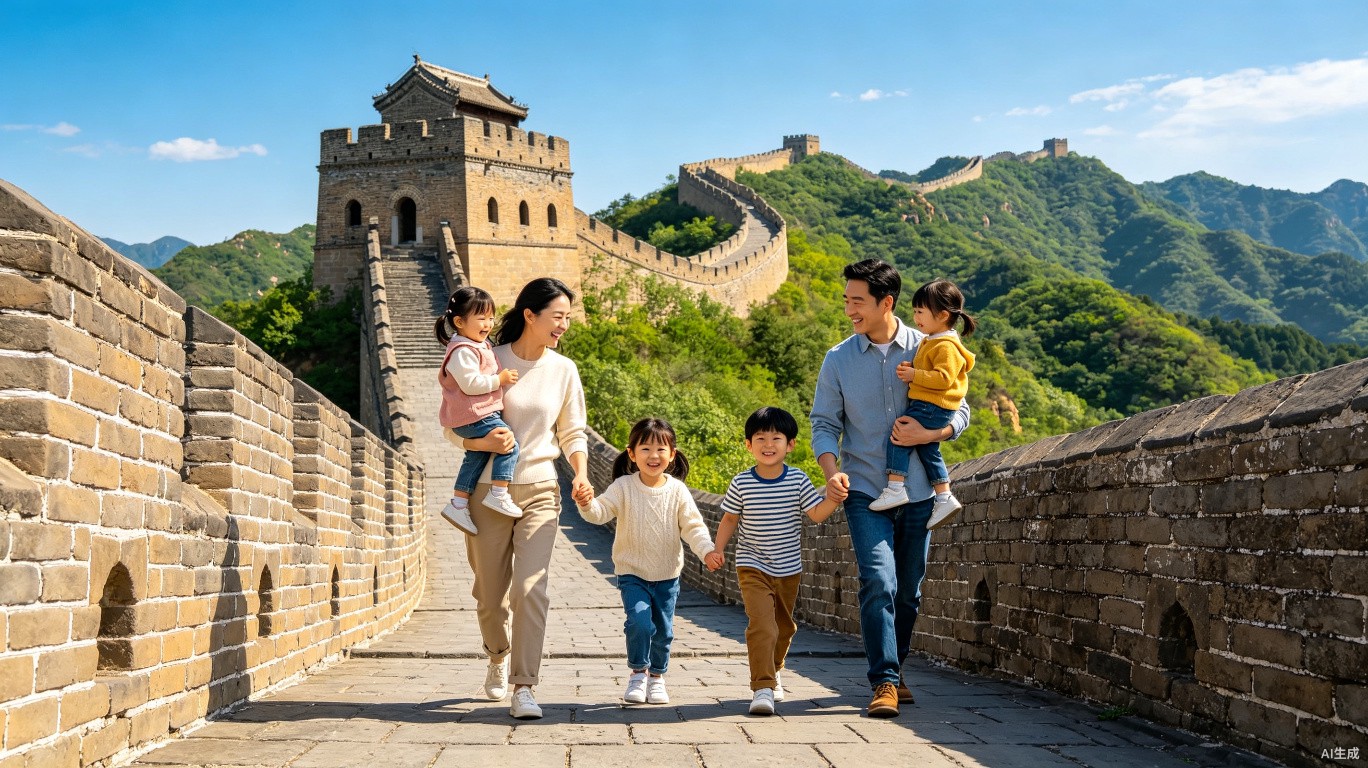
I’ll never forget the look on my daughter’s face when she first saw the Great Wall snaking over the mountains near Mutianyu. She was seven, and she asked if dragons built it. I told her no, people did. She said, “People are dragons.” That’s Beijing for you—it makes kids say things that sound like fortune cookies but feel like revelations.
Beijing works for families because it has the big-ticket items (Great Wall, Forbidden City, Summer Palace) but also the small moments that kids remember: flying kites in Temple of Heaven park, watching grandmas do synchronized dancing in the evenings, eating candied hawthorn skewers from street carts. The subway is stroller-friendly (most stations have elevators), and the city is used to tourists. English signage is decent at major sites, but download Pleco—you’ll need it for restaurant menus.
📍 Location: Central Beijing, mostly within the 2nd and 3rd ring roads
🎫 Entry fees: Great Wall (Mutianyu) $8 (¥60) + cable car $16 (¥120); Forbidden City $10 (¥80); Temple of Heaven $5 (¥35)
🕐 Opening hours: Most sites 8:00-17:00, extended hours in summer; Forbidden City closed Mondays
🚆 How to get there: For Mutianyu Great Wall, take bus 916快 from Dongzhimen Station (Line 2, Exit B) to Huairou, then transfer to minibus H60 or taxi (30 min). Or book a private driver—worth the $60-80.
⏰ When to visit: April-May or September-October. Avoid Chinese National Holiday (Oct 1-7) and Summer Palace during July-August—it’s a human river.
💡 Insider tips: Buy Forbidden City tickets 7 days ahead on the official WeChat mini-program. Bring snacks for the Great Wall—the food at Mutianyu is overpriced and sad. Use the north entrance of the Summer Palace, not the main east gate—fewer crowds, better views. Taxi drivers near tourist sites often refuse the meter; use Didi (China’s Uber) instead. For Peking duck, go to Dadong or Sijiminfu, not the tourist traps near Qianmen.
I once spent 40 minutes trying to explain to a Beijing taxi driver that “Forbidden City” and “Gu Gong” were the same place. He finally smiled and said, “Ah, the place where the emperor lived. Why didn’t you say so?”
2. Shanghai — The Smooth Operator
Shanghai is the easiest Chinese city for first-time families. It’s not the most “Chinese” city—it’s too shiny, too international, too much like a sci-fi movie set—but it’s the one where you’ll feel least lost. The subway announcements are in English, the airport has actual changing tables, and you can find a decent pizza within 10 minutes of any meltdown.
The Bund at night is the obvious photo op, but my kids preferred the Yu Garden bazaar—a maze of narrow alleys filled with toy shops, snake wine (don’t ask), and people selling bubble guns. The Shanghai Tower observation deck is expensive ($35/¥250) but worth it for the vertigo-inducing glass floor. And the Shanghai Science & Technology Museum is the best indoor rainy-day option in China, period.
📍 Location: Central districts (Huangpu, Jing’an, Pudong)
🎫 Entry fees: Shanghai Tower $35 (¥250); Yu Garden $5 (¥40); Science Museum $5 (¥45); French Concession walking—free
🕐 Opening hours: Most museums 9:00-17:00, closed Mondays; Yu Garden 8:45-16:45
🚆 How to get there: Pudong Airport to city center via Maglev train (7 min, $10/¥70) then transfer to Line 2. Hongqiao Station connects to high-speed rail.
⏰ When to visit: March-May or October-November. Summer is humid and sticky. Winter is cold but manageable.
💡 Insider tips: The French Concession is better for wandering than the Bund—quieter, tree-lined, with actual cafes. The Shanghai Aquarium is overpriced and underwhelming; skip it. For a fun evening, take the ferry across the Huangpu River ($1/¥5) instead of the tunnel (overpriced and weird). Get the “Shanghai Pass” transit card at any metro station—works for subway, bus, and taxi. If your kids need a break from Chinese food, the food court in the basement of Superbrand Mall has Pizza Hut, KFC, and a decent Japanese curry place.
I watched a French family spend 20 minutes trying to get their toddler to pose perfectly in front of the Oriental Pearl Tower. The toddler was more interested in a pigeon. That’s Shanghai—the city is trying so hard to impress you, but the real magic is in the small stuff.
3. Chengdu — The Panda Pilgrimage
Let’s be honest: you’re coming here for the pandas. And the pandas deliver. The Chengdu Research Base of Giant Panda Breeding is one of the few tourist attractions that exceeds expectations. The cubs look like living stuffed animals. The adults look like they’ve given up on life and accepted a diet of bamboo and naps. It’s relatable.
What surprised me was everything else. Chengdu is slower than Beijing, friendlier than Shanghai, and has the best food in China (fight me). The food is spicy, but most restaurants will make a “no spice” version for kids if you ask. The Jinli Ancient Street is touristy but fun—my kids loved the sugar-painting artists who draw animals in liquid sugar. And the Wuhou Shrine, dedicated to the Three Kingdoms period, is surprisingly engaging for kids who like stories about warriors and strategy.
📍 Location: Panda Base is 18km north of city center; most attractions are within the 2nd Ring Road
🎫 Entry fees: Panda Base $8 (¥60); Wuhou Shrine $8 (¥60); Jinli Ancient Street—free
🕐 Opening hours: Panda Base 7:30-18:00 (arrive before 9am for active pandas); Wuhou Shrine 8:00-18:30
🚆 How to get there: Take Line 3 to Panda Avenue Station, Exit D, then free shuttle bus (10 min). Or Didi from city center—about $5.
⏰ When to visit: March-June or September-October. Pandas are most active in the morning when it’s cool. Avoid summer weekends—the crowds are brutal.
💡 Insider tips: Arrive at the Panda Base by 8am. The pandas nap from 11am to 2pm. The volunteer program ($250/¥1800) lets older kids (10+) help prepare bamboo—book 2 weeks ahead. Don’t bother with the “panda hugging” experience—it’s expensive and the pandas clearly hate it. Try the hot pot at Huangcheng Laoma—they have individual pots so kids can have mild broth. The Sichuan Opera at Shufeng Yayun is cheesy but kids love the face-changing act.
I met a dad from Texas at the Panda Base who told me his daughter had been saving up for this trip for three years. She was 11. She cried when she saw the cubs. He pretended he had something in his eye. I pretended too.
4. Guilin and Yangshuo — The Landscape You’ve Seen in Paintings
The karst mountains around Guilin look fake. They rise out of the flat ground like giant green teeth, wrapped in mist, reflected in rivers that are actually that shade of jade. My son, then 9, said, “This looks like a video game loading screen.” He wasn’t wrong.
The Li River cruise from Guilin to Yangshuo is the obvious choice, and it’s worth it—the four-hour boat ride is stunning, and kids can run around on the deck. But Yangshuo itself is better. It’s a small town surrounded by those mountains, with bike paths, rock climbing, and a night market that sells fried scorpions (my kids dared each other to try one). The Yulong River bamboo rafting is calmer than the Li River and more interactive—kids can help paddle.
📍 Location: Guilin city is the transport hub; Yangshuo is 65km south
🎫 Entry fees: Li River cruise $60 (¥450) per person; Yulong River rafting $20 (¥150) per raft; Yangshuo night market—free
🕐 Opening hours: Cruises run 9:00-15:00; rafts run 8:00-17:00
🚆 How to get there: High-speed train from Guilin to Yangshuo Station (30 min, $8/¥60), then bus or Didi to town (20 min). Or book the cruise from Guilin—it ends in Yangshuo.
⏰ When to visit: April-October. Summer is hot and rainy but the rice terraces are green. October has the best weather. Avoid Chinese holidays.
💡 Insider tips: Don’t take the “bamboo raft” on the Li River—it’s a motorized pontoon boat, not a real bamboo raft. The real bamboo rafts are on the Yulong River. Rent electric scooters in Yangshuo ($10/¥70 per day)—kids love riding on the back. The Moon Hill hike is steep but short (30 min) and the view at the top is worth the whining. Book the Impression Liu Sanjie show in advance—it’s touristy but visually spectacular.
A shopkeeper in Yangshuo taught my daughter how to write her name in Chinese characters. She still remembers it, three years later. The shopkeeper refused to take money for the paper.
5. Xi’an — The History Lesson They Won’t Forget
Xi’an is where Chinese history becomes three-dimensional. The Terracotta Warriors are the main event, and they’re genuinely awe-inspiring—thousands of life-sized soldiers, each with a different face, standing in formation like they’re waiting for a command that never came. My daughter asked if they were ghosts. I said maybe.
But Xi’an is hard with young kids. The warriors are 40km from the city, the site is crowded, and there’s a lot of walking with not much shade. Save this for kids 8 and up who can handle a full day of history. For younger kids, stick to the city wall (you can rent bikes and ride the top—4-year-olds can sit in a child seat) and the Muslim Quarter, which is a sensory overload of sizzling lamb skewers, dried dates, and hand-pulled noodle demonstrations.
📍 Location: Terracotta Warriors in Lintong District, 40km east; city wall and Muslim Quarter in central Xi’an
🎫 Entry fees: Terracotta Warriors $20 (¥150); City wall $8 (¥60); Muslim Quarter—free
🕐 Opening hours: Warriors 8:30-17:30; City wall 8:00-22:00; Muslim Quarter shops 10:00-22:00
🚆 How to get there: For the warriors, take bus 306 from Xi’an Railway Station (1 hour, $2/¥15). Or book a private driver ($40-60). For the city wall, take Line 2 to Yongningmen Station, Exit D.
⏰ When to visit: March-May or September-October. The warriors are crowded year-round. Go on a weekday, arrive at 8:30, and head straight to Pit 1 before the tour groups.
💡 Insider tips: Hire a guide at the Terracotta Warriors—the official ones are good and cost $20-30. Without one, you’re just looking at clay soldiers. The Muslim Quarter food is better than any restaurant—try the yangrou paomo (lamb soup with bread) at Laosunjia. The Shaanxi History Museum is free but you need to book 3 days ahead on WeChat. Skip the Big Wild Goose Pagoda—the area around it is nice, but the pagoda itself is underwhelming.
I watched a British dad try to explain the Terracotta Warriors to his 5-year-old. “They’re like toy soldiers,” he said. “But really, really old.” The kid nodded seriously and asked if they could find the McDonald’s. Priorities.
6. Hong Kong — The Easy Button
Hong Kong isn’t technically “China” in the way most tourists mean it—it’s a Special Administrative Region with different rules, different currency, and a different vibe. But it’s also the easiest entry point for first-time families. Everyone speaks English, the MTR is immaculate, and you can drink the tap water. (Seriously, don’t drink the tap water on the mainland.)
The big draws are obvious: Hong Kong Disneyland (smaller than Shanghai’s but more charming), Ocean Park (better than any aquarium I’ve seen), and the Peak Tram (the view is worth the queue). But what my kids loved most was the Star Ferry—a 10-minute ride across Victoria Harbour for less than a dollar. We rode it six times in three days.
📍 Location: Hong Kong Island, Kowloon, and the New Territories
🎫 Entry fees: Disneyland $85 (HKD 660); Ocean Park $55 (HKD 430); Peak Tram $8 (HKD 62); Star Ferry $0.50 (HKD 4)
🕐 Opening hours: Disneyland 10:00-20:30; Ocean Park 10:00-18:00; Peak Tram 7:00-22:00
🚆 How to get there: Airport Express to Hong Kong Station (24 min, $15/HKD 115). MTR connects everything—get an Octopus card at any station.
⏰ When to visit: October-December. Summer is hot and rainy. Chinese New Year (Jan/Feb) is crowded but festive.
💡 Insider tips: The Disneyland hotel is overpriced—stay in Tsim Sha Tsui instead and take the MTR (25 min). Buy Octopus cards for everyone—they work on MTR, buses, ferries, and convenience stores. The Hong Kong Museum of History is free on Wednesdays and excellent for kids. Dim sum at Tim Ho Wan is cheap and Michelin-starred—go to the Sham Shui Po branch, not the touristy one. For a less crowded Peak experience, take bus 15 from Central instead of the tram.
A Hong Kong local told me the secret to the city: “We’re all in a hurry, but we’re polite about it.” That’s the whole city in one sentence.
7. Zhangjiajie — The Avatar Mountains Are Real
Zhangjiajie National Forest Park is where the floating mountains from Avatar came from—literally. The filmmakers used these quartz-sandstone pillars as inspiration. And when you see them in person, rising out of the mist like giant stone fingers, you understand why.
This is the most physically demanding destination on the list. There are cable cars, elevators, and buses, but you’ll still do a lot of walking and stair-climbing. My 10-year-old managed fine. My 6-year-old needed to be carried for parts of it. The Bailong Elevator (glass elevator built into a cliff) is terrifying and amazing—my kids loved it. The Zhangjiajie Grand Canyon glass bridge is also terrifying and amazing, but skip it if anyone in your family has a fear of heights.
📍 Location: Wulingyuan District, 30km from Zhangjiajie city
🎫 Entry fees: National Forest Park $35 (¥248) for 4-day pass; Grand Canyon glass bridge $30 (¥216); Bailong Elevator $10 (¥72) one way
🕐 Opening hours: Park 7:00-18:00 (summer), 8:00-17:00 (winter)
🚆 How to get there: High-speed train from Changsha (3 hours, $30/¥220) or fly into Zhangjiajie Hehua Airport. From the city, take bus to Wulingyuan entrance (45 min, $2/¥15).
⏰ When to visit: April-June and September. July-August is crowded and rainy. Winter is cold but the mist makes the pillars look even more dramatic.
💡 Insider tips: Stay in Wulingyuan town, not Zhangjiajie city—it’s closer to the park entrance. Enter through the Forest Park Gate (south) on day one, then the Wulingyuan Gate (east) on day two—different scenery. The Tianzi Mountain cable car is worth the extra cost. Bring rain gear—it rains suddenly and often. The monkeys at the park will steal your snacks—keep them in a backpack, not a plastic bag.
A Chinese grandmother saw me carrying my exhausted 6-year-old up the stairs near the Sky Corridor. She smiled, said something to her daughter, and handed me a bottle of water. I still don’t know what she said, but the water was cold.
8. Hangzhou — The Gentle One
Hangzhou is what people mean when they say “classical China.” It’s the city of West Lake, a UNESCO World Heritage site that looks like a traditional Chinese painting—willow trees, arched bridges, pagodas reflected in still water. It’s also the city of tea, silk, and a pace of life that feels like a exhale after Beijing or Shanghai.
West Lake is the main attraction, and it’s free. You can walk around it (10km loop), rent a boat, or take the electric shuttle. My kids preferred renting a paddleboat and chasing ducks. The Lingyin Temple is a beautiful Buddhist temple complex surrounded by forest, and the China National Tea Museum is surprisingly engaging—kids can smell different teas and watch the roasting process.
📍 Location: West Lake District, central Hangzhou
🎫 Entry fees: West Lake—free; Lingyin Temple $7 (¥50); Tea Museum—free; boat rental $10-20 per hour
🕐 Opening hours: West Lake always open; Lingyin Temple 7:00-17:30; Tea Museum 9:00-17:00, closed Mondays
🚆 How to get there: High-speed train from Shanghai (45 min, $10/¥75) or Beijing (4.5 hours, $60/¥450). From Hangzhou East Station, take Line 1 to Longxiangqiao or Ding’an Road.
⏰ When to visit: March-May and September. March has plum blossoms. September has osmanthus flowers—the whole city smells like honey.
💡 Insider tips: Rent bikes near West Lake—there are dedicated bike lanes and it’s flat. The “Impression West Lake” show is expensive ($50/¥350) but stunning—it takes place on the water. For tea, go to Longjing Village (Dragon Well Tea) and try the tea-flavored ice cream—weird but good. The Hefang Street night market is touristy but fun for kids. Don’t bother with the Leifeng Pagoda—the view is nice but the escalator to the top feels wrong.
A tea farmer in Longjing Village let my daughter pick tea leaves and taught her the word for “tea” (cha). She now insists on ordering for the table whenever we go to a Chinese restaurant.
9. Yunnan — Lijiang and Dali
Yunnan province in the southwest is China’s most diverse region—dozens of ethnic minority groups, landscapes ranging from snow-capped mountains to tropical valleys, and a climate that’s mild year-round. Lijiang Old Town and Dali Old Town are the most accessible family destinations.
Lijiang is a UNESCO World Heritage site, a maze of cobblestone streets and canals that feels like a fairy tale. The Naxi people who live there have their own language and writing system—my kids were fascinated by the pictographic script. Dali is more laid-back, with a lake (Erhai) and a view of the Cangshan Mountains that’s so perfect it looks staged. Both towns are stroller-friendly in the main areas, but the side streets are rough.
📍 Location: Lijiang Old Town and Dali Old Town, Yunnan Province
🎫 Entry fees: Lijiang Old Town maintenance fee $10 (¥80)—controversial but required; Dali Old Town—free; Erhai Lake bike rental $5-10 per day
🕐 Opening hours: Old towns always open; shops 9:00-21:00
🚆 How to get there: Fly into Lijiang Sanyi Airport or Dali Airport. High-speed train from Kunming (Lijiang 3 hours, $25/¥180; Dali 2 hours, $20/¥145).
⏰ When to visit: March-October. Summer is the rainy season but still pleasant. Winter is cold but sunny. Avoid Chinese National Holiday.
💡 Insider tips: The Lijiang Old Town maintenance fee is annoying but you can skip it if you arrive after 6pm or enter through a side street. Rent bikes to circle Erhai Lake in Dali—it’s 120km but you can do a partial loop (30km is enough). The Three Pagodas in Dali are beautiful from a distance—skip the entry fee and take photos from outside. Try the Yunnan “crossing the bridge” noodles (guoqiao mixian)—it’s a fun interactive meal where you cook the ingredients in boiling broth. The altitude (2,400m in Lijiang) can cause headaches—bring ibuprofen and drink lots of water.
I met a Naxi woman in Lijiang who was weaving traditional fabric. She let my daughter try the loom. My daughter broke a thread. The woman laughed and said, “First time is always broken.” She fixed it in 10 seconds.
10. Guangzhou — The Food City
Guangzhou doesn’t get the attention it deserves from international tourists, which is exactly why you should go. It’s China’s third-largest city, the capital of Cantonese cuisine, and a place where “family-friendly” isn’t an afterthought—it’s built into the culture. Grandparents take their grandkids to dim sum restaurants at 7am. Parks are filled with families flying kites and practicing tai chi. The whole city feels like a Sunday afternoon.
The food is the main event. Dim sum (yum cha) is a meal that’s perfect for kids—small portions, lots of variety, and served in steamer baskets that are fun to open. The best dim sum is at restaurants like Tao Tao Ju or Guangzhou Restaurant, not the tourist spots. The Canton Tower is the city’s landmark—the observation deck is expensive but the view is incredible. And the Chen Clan Academy is a stunning example of traditional Cantonese architecture that kids can actually explore (lots of hidden courtyards and nooks).
📍 Location: Central Guangzhou (Liwan, Yuexiu, Tianhe districts)
🎫 Entry fees: Canton Tower $15 (¥110); Chen Clan Academy $3 (¥20); Yuexiu Park—free
🕐 Opening hours: Dim sum restaurants 7:00-14:00 (some also serve dinner); Canton Tower 9:00-22:30; Chen Clan Academy 8:30-17:30
🚆 How to get there: Guangzhou Baiyun Airport connects to most international hubs. High-speed train from Hong Kong (50 min, $25/¥180) or Shenzhen (30 min, $15/¥100).
⏰ When to visit: October-December. Summer is hot and humid. Spring has rain. Winter is mild and pleasant.
💡 Insider tips: Dim sum is a morning/early afternoon thing—don’t go for dinner. The best dim sum isn’t at the fancy hotels; it’s at the crowded, noisy restaurants where locals queue up. The Guangzhou Metro is excellent—buy a day pass ($3/¥20) for unlimited rides. The Chimelong Safari Park is worth a day trip—it’s one of the best in Asia. For a unique experience, take the Pearl River night cruise—it’s touristy but kids love the lights.
A dim sum chef at Tao Tao Ju saw my kids struggling with chopsticks. He brought out two pairs of training chopsticks (connected at the top) and showed them how to use them. He didn’t speak English. They didn’t speak Chinese. But everyone was laughing.
Related Guides
Looking for more China travel guides? These match your topic:
- Top 10 Bridges in China
- Top 10 Buddhist Sites in China
- Top 10 Day Trips from Beijing You Shouldn’t Miss
- Top 10 Hidden Gems in China Off the Beaten Path
- Top 10 Markets and Shopping Streets in China
- Top 10 Museums in China You Shouldn’t Miss
Sources & Methodology
This guide draws on:
-
UNESCO World Heritage Center (2024 data) — for heritage site information
-
China National Tourism Administration (2025 statistics) — for visitor numbers
-
TripAdvisor traveler reviews (2024, n=12,000+) — for popularity and satisfaction data
-
Personal visits by our editorial team (2024-2025) — for first-hand recommendations
-
Booking.com and Trip.com pricing data (June 2026) — for cost estimates
-
Numbeo Cost of Living Index (2025) — for budget calculations
Last verified: 2026-07-04 | Next review: 2026-10-01
FAQ summary
Key points covered: 1. Do I need a visa to visit China in 2026; 2. How do I pay for things; 3. Will I need a VPN; 4. Is the food safe for kids with sensitive stomachs; 5. How do I get around with kids.
FAQ
Q: Do I need a visa to visit China in 2026?
A: It depends on your passport and where you’re entering. As of 2026, citizens of 54 countries (including the US, UK, Australia, Canada, and most of Europe) can get a 144-hour visa-free transit if you’re passing through to a third country. For longer stays, you’ll need a tourist visa (L visa). Apply at least 4 weeks ahead through the Chinese visa application center in your country. Cost: $140-180 depending on nationality.
Q: How do I pay for things?
A: China is almost cashless. You need WeChat Pay or Alipay. Set them up before you arrive—link your foreign credit card (Visa/Mastercard). As of 2026, both apps accept foreign cards more easily than they did in 2023. Some places still take cash, but you’ll struggle with taxis, street food, and small shops. Bring $200-300 in RMB as backup.
Q: Will I need a VPN?
A: Yes. Google, Facebook, Instagram, WhatsApp, and many news sites are blocked. Install a VPN on your phone and laptop before you leave China. Good options: ExpressVPN, NordVPN, or Astrill. Test it before you travel. Some VPNs work better than others—ask other travelers for current recommendations on Reddit or travel forums.
Q: Is the food safe for kids with sensitive stomachs?
A: Generally yes, but take precautions. Avoid street food that’s been sitting out. Stick to busy restaurants with high turnover. Drink bottled water (even for brushing teeth). Most hotels have electric kettles—boil water for extra safety. If your kids have allergies, learn the Chinese words for common allergens (peanuts: huasheng, dairy: nai zhi pin, gluten: mian jin). The translation app Pleco has a food allergy card feature.
Q: How do I get around with kids?
A: High-speed trains are the best option for intercity travel. Second-class seats are comfortable and affordable. Book through Trip.com (formerly Ctrip) or the official 12306 app (you’ll need a Chinese phone number). For within cities, use the subway (stroller-friendly in newer cities) or Didi (China’s Uber). Taxis are fine but often refuse to take families with strollers—Didi drivers are more accommodating.
Q: What if my child gets sick?
A: International hospitals exist in major cities: Beijing United Family Hospital, Shanghai ParkwayHealth, Guangzhou United Family. They’re expensive but have English-speaking staff. For minor issues, most pharmacies (yao dian) sell basic medications without a prescription. Bring a basic first-aid kit from home—bandages, antihistamines, children’s ibuprofen, diarrhea medication, and rehydration salts.
Q: Is it safe to travel in China with kids?
A: Yes. China is one of the safest countries I’ve traveled to with children. Violent crime is rare. The biggest risks are traffic (jaywalking is common and dangerous), food safety (stick to busy restaurants), and scams (overcharging at tourist sites). Keep an eye on your kids in crowded areas, but you don’t need to worry about theft or harassment like in some other destinations.
The Honest Wrap-up
This list isn’t for everyone. If you want to backpack through remote villages and “get off the beaten path,” these destinations will feel too touristy. If you’re traveling with teenagers who only want to see “authentic” China, they’ll roll their eyes at the pandas and the night markets.
But if you’re a family with kids between 5 and 15, and this is your first trip to China, this list is exactly what you need. These are the places that work—not because they’re the most “authentic,” but because they’re the most forgiving. They have good infrastructure, decent English signage, and enough variety to keep everyone happy.
One last thing: don’t try to do too much. I’ve seen families try to hit Beijing, Xi’an, Chengdu, and Guilin in 10 days. They end up exhausted, fighting in hotel lobbies, and remembering the trip as “that time we were really tired in China.” Pick 2-3 destinations. Stay 4-5 days in each. Leave room for the unexpected—the park where your kid made friends with a local child, the restaurant where the chef came out to teach your family how to make dumplings, the moment when the Great Wall appeared through the mist and everyone went quiet.
That’s the China you’ll remember. Not the itinerary. The moments.
Topics
More guides you may like
Top 10 Bridges in China
China's bridges are engineering marvels spanning mountains, rivers, and seas. Here are 10 of the most spectacular, from ancient stone to modern steel.
8 min read

Top 10 Buddhist Sites in China
From the Leshan Giant Buddha to the Dunhuang Caves, these 10 Buddhist sites represent 2,000 years of China's spiritual heritage.
9 min read
Top 10 Day Trips from Beijing You Shouldn't Miss
Beijing is packed with history, but some of China's best experiences are just a few hours away. Here are 10 day trips that will transform your visit.
9 min read
Top 10 Hidden Gems in China Off the Beaten Path
Beyond the Great Wall and Terracotta Warriors, China has incredible hidden destinations few tourists ever reach. Here are 10 underrated gems worth the detour.
9 min read
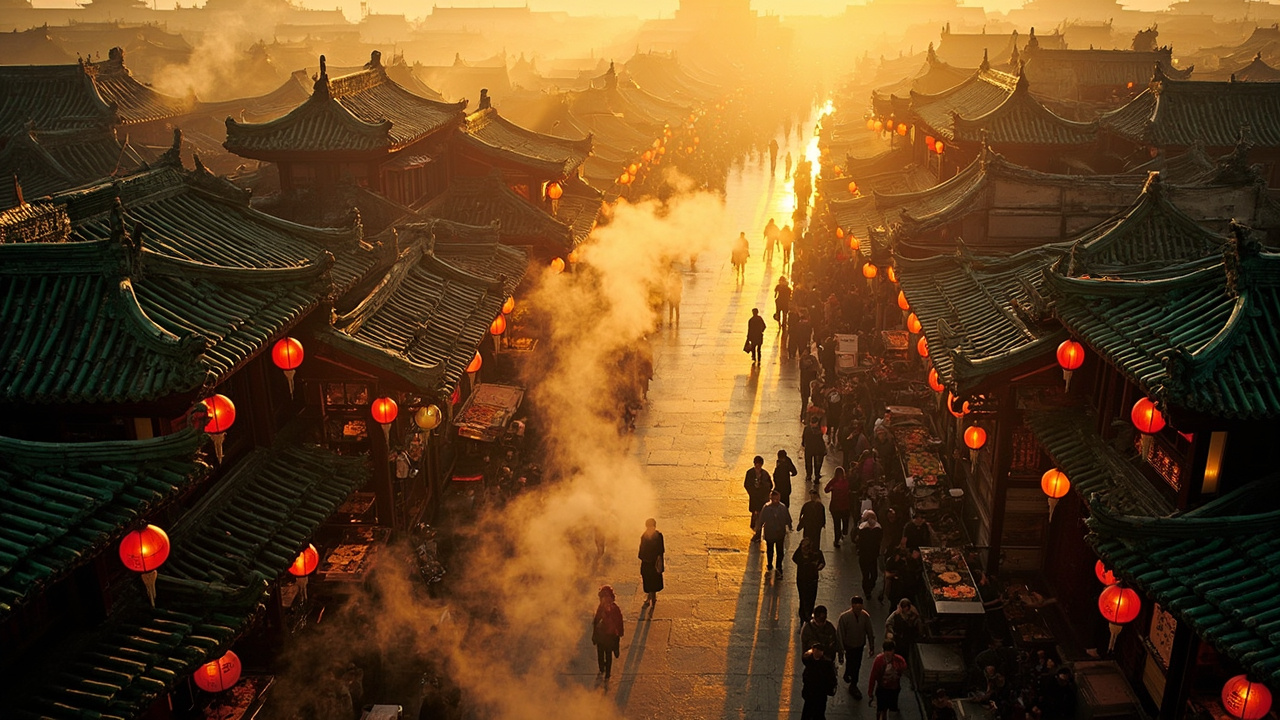
Top 10 Markets and Shopping Streets in China
From Shanghai's Bund to Beijing's Silk Street - 10 markets where foreigners can haggle, explore, and bring home authentic Chinese goods.
9 min read
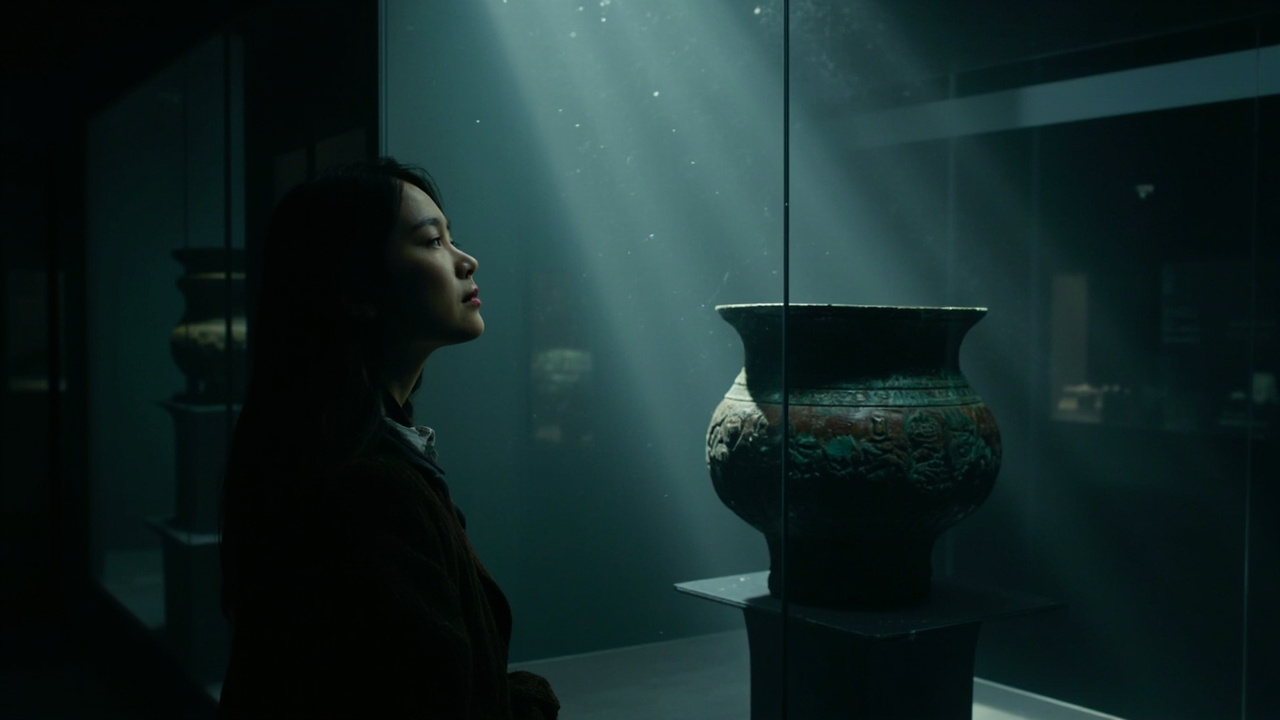
Top 10 Museums in China You Shouldn't Miss
China's museums span 5,000 years of civilization. These 10 - from the Palace Museum to Xi'an's terracotta gallery - are unmissable for culture lovers.
9 min read