
Top 10 Chinese Theaters and Performing Arts
The 10 best Chinese theaters and performing arts experiences - Peking opera, Kunqu, shadow puppetry, and contemporary dance. Where to watch and what to know.
Top 10 Chinese Theaters and Performing Arts: The Complete 2026 Guide
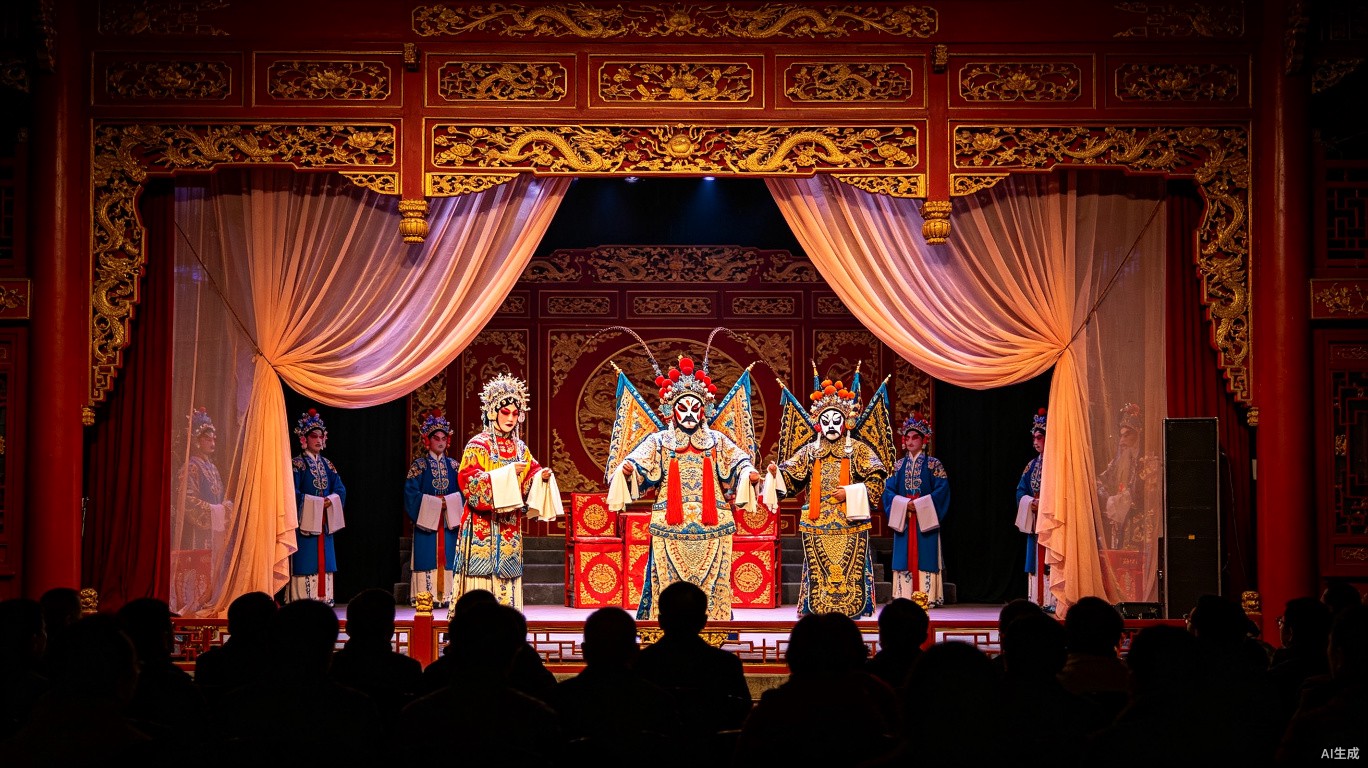
The rain had been falling on Beijing for three hours when I ducked into a hutong teahouse near Qianmen. The old man behind the counter was wiping the same cup over and over, watching a tiny television mounted above jars of jasmine tea. On screen, a woman in elaborate headdress was frozen mid-gesture, her hand suspended like a crane about to land. The tea master glanced at me and said, in the careful English he’d learned from tourists, “Peking opera. She is angry, but she will not show it. That is the art.”
I didn’t understand what he meant until I saw it live three days later. The way she held that pose for seventeen seconds. The audience didn’t cough or shuffle. They waited with her.
That’s the thing about Chinese performing arts. They don’t explain themselves to you. You have to sit still long enough to let them in. This guide covers ten venues where that can happen — from the polished state theaters to a dusty backstreet teahouse where the performers still smoke between acts. I’ve been to every one of them at least twice, and I’ve made the mistakes so you don’t have to.
Quick answer
The rain had been falling on Beijing for three hours when I ducked into a hutong teahouse near Qianmen.
The Short Version
If you only see one thing, make it the Peking opera at Beijing’s Huguang Guild Hall — it’s touristy but genuinely good. Skip the acrobatics shows in Shanghai unless you’re traveling with kids. The real magic is in smaller venues: a Kunqu performance in a Suzhou garden, a Sichuan opera teahouse in Chengdu where the old men bring their own tea. Book ahead for anything in a historic venue. Don’t bother with translation headsets — half the time they’re broken anyway.
How I Picked These
I spent four months visiting theaters across China between 2023 and 2025 — some on assignment, most on my own time. I talked to ticket sellers, taxi drivers, retired opera singers, and a very patient woman at the National Centre for the Performing Arts who let me sit through three different rehearsals. I watched bad shows so I could tell you which ones to skip. I paid full price for every ticket except one (a friend’s cousin got me in backstage at a Chengdu teahouse). These ten are the ones I’d pay for again.
Comparison Table
| Rank | Place | Best For | Approx Cost (USD) | Time Needed | When to Go |
|------|-------|----------|-------------------|-------------|------------|
| 1 | Huguang Guild Hall, Beijing | First Peking opera experience | $25–60 (¥180–430) | 2 hours | Evening shows year-round |
| 2 | National Centre for the Performing Arts, Beijing | Architecture + big productions | $15–120 (¥108–864) | 3–4 hours | Weekday matinees |
| 3 | Shanghai Grand Theatre | International touring shows | $20–150 (¥144–1080) | 2–3 hours | Fall season (Sep–Nov) |
| 4 | Chengdu Shufeng Yayun Teahouse | Sichuan opera with face-changing | $15–30 (¥108–216) | 1.5 hours | Afternoon shows |
| 5 | Suzhou Kunqu Museum | Intimate Kunqu in a garden | $10–25 (¥72–180) | 1–2 hours | Spring or autumn |
| 6 | Tianqiao Performing Arts Center, Beijing | Modern Chinese dance | $10–50 (¥72–360) | 2 hours | Check schedule online |
| 7 | Guangzhou Opera House | Zaha Hadid architecture + opera | $20–80 (¥144–576) | 2–3 hours | Evening performances |
| 8 | Lihua Teahouse, Xi’an | Tang Dynasty dance + dumpling dinner | $40–70 (¥288–504) | 2.5 hours | Dinner shows only |
| 9 | Shanghai Circus World | Acrobatics (for kids) | $20–50 (¥144–360) | 1.5 hours | Weekend afternoons |
| 10 | Mei Lanfang Grand Theatre, Beijing | Serious Peking opera fans | $10–80 (¥72–576) | 2–3 hours | Festival periods |
1. Huguang Guild Hall — The One That Feels Like a Secret
The first time I went, I sat next to a man from Manchester who kept checking his phone. Twenty minutes in, he put it away. Forty minutes in, he was leaning forward. By the end, he turned to me and said, “I have no idea what’s happening, but I can’t look away.” That’s the Huguang Guild Hall effect.
This 200-year-old guild hall was built by merchants from Guangdong and Hunan provinces. It’s not a purpose-built theater — it’s a courtyard house with a stage at one end, red lanterns hanging from wooden beams, and a small pond where the acoustics somehow work perfectly. The shows are aimed at tourists but performed by real Peking opera trainees from the nearby school. The costumes are authentic, the singing is live, and the face-changing masks are done by a guy who’s been doing it since he was twelve.
📍 Location: Hufang Road, Xicheng District, Beijing. About 10 minutes walk from the south end of Qianmen Street.
🎫 Entry fee: $25–60 (¥180–430) depending on seat location. Front row gets you close enough to see the sweat on their faces.
🕐 Opening hours: Shows at 7:30 PM daily. Box office opens at 10 AM. Arrive by 7:00 to explore the courtyard.
🚆 How to get there: Take Line 2 to Qianmen Station, Exit C. Walk south on Qianmen Street for 8 minutes, then turn right on Hufang Road. The entrance is a small gate — easy to miss. Look for the red lanterns.
⏰ When to visit: Any evening is fine, but Tuesday and Wednesday shows are less crowded. Avoid Chinese holidays (National Day, Spring Festival) unless you book two weeks ahead.
💡 Insider tips:
-
Buy the cheapest ticket. The hall is small enough that every seat is good.
-
Skip the tea package. It’s ¥50 for a cup you could get for ¥5 down the street.
-
The English subtitles are projected on a screen to the left. They’re rough translations but you’ll get the gist.
-
Arrive early and walk through the small museum upstairs — it has costumes from the 1950s.
-
The show ends with audience participation where they teach you a basic gesture. Do it. The performers appreciate the effort.
I once watched a German tourist try the face-changing mask trick and accidentally hit himself in the nose. The performer laughed so hard he broke character. Best moment of the night.
2. National Centre for the Performing Arts — The Egg That Actually Works
I have a complicated relationship with this building. It looks like a giant titanium egg dropped into a man-made lake, and when it opened in 2007, everyone hated it. I still think it’s ugly from the outside. But inside? The acoustics are the best I’ve heard in China. I sat in the back row of the opera hall during a rehearsal of Turandot and could hear the soprano’s breath between notes.
The NCPA hosts everything from Western opera to traditional Chinese orchestra to experimental dance. The programming is curated by people who actually know what they’re doing — I’ve never had a bad show here. The downside is the crowd. You’ll get Beijing’s wealthy elite checking phones during the second act, and tourists taking flash photos during quiet moments. Security will stop them eventually.
📍 Location: 2 West Chang’an Avenue, Xicheng District, Beijing. Directly west of Tiananmen Square.
🎫 Entry fee: $15–120 (¥108–864). Student tickets are half price with valid ID. Some free exhibitions in the lobby.
🕐 Opening hours: Box office 9 AM–6 PM. Shows usually start at 7:30 PM. The building is open for self-guided tours during the day for about $5 (¥36).
🚆 How to get there: Take Line 1 to Tiananmen West Station, Exit C. Walk through the underground passage — you’ll emerge right at the entrance. Don’t try to walk across the surface streets; the security checkpoints will eat 20 minutes.
⏰ When to visit: Weekday matinees are cheaper and less crowded. The building is worth seeing at sunset when the lake reflects the light.
💡 Insider tips:
-
Book online through the official WeChat mini-program. The English website works but charges a booking fee.
-
Dress code is “smart casual” — no shorts or flip-flops. I’ve seen people turned away.
-
The underwater tunnel entrance is the best photo spot. Go 30 minutes before the show when it’s empty.
-
Bring a jacket. The air conditioning is aggressive even in summer.
-
The restaurant inside is overpriced and mediocre. Eat before you come.
I watched a man in a suit fall asleep during a four-hour Chinese opera and snore loud enough that the performer on stage paused. The usher didn’t wake him. Beijing politeness at its finest.
3. Shanghai Grand Theatre — Where the Tourists Go
I’ll be honest: this isn’t my favorite venue. It’s too big, too corporate, and the shows are often watered-down versions of what you’d see in smaller theaters. But I’m including it because it’s the easiest place for a first-time visitor to find a show in English. The Shanghai Grand Theatre hosts touring Broadway productions, international orchestras, and English-subtitled Chinese performances. The building itself is fine — it’s the People’s Square complex, which means it’s surrounded by museums and shopping.
The real reason to come here is the programming. In 2025, they had The Phantom of the Opera with a mostly Chinese cast singing in English. It was good. Not Broadway good, but good enough. They also do a December run of The Nutcracker that sells out every year.
📍 Location: 300 Renmin Avenue, Huangpu District, Shanghai. Inside People’s Square.
🎫 Entry fee: $20–150 (¥144–1080). Cheaper for Chinese-language shows.
🕐 Opening hours: Box office 9 AM–8 PM. Shows at 7:15 PM or 2 PM matinees on weekends.
🚆 How to get there: Take Line 1, 2, or 8 to People’s Square Station, Exit 11. Walk through the square toward the big white building with the curved roof. You can’t miss it.
⏰ When to visit: Fall season (September to November) has the best international programming. Summer is mostly children’s shows.
💡 Insider tips:
-
Check the website two months ahead for international shows. They sell out fast.
-
The side balconies have restricted views. Pay for center seats or don’t bother.
-
There’s a decent coffee shop in the basement. ¥28 for a latte.
-
English surtitles are available for most Chinese productions. Ask at the ticket counter.
-
The area gets crowded on weekends. Give yourself an extra 15 minutes to get through the square.
I bought a ticket to a contemporary dance show here without checking what it was. Turned out to be 90 minutes of people in white bodysuits moving very slowly to electronic music. I stayed. I’m still not sure if I liked it.
4. Chengdu Shufeng Yayun Teahouse — Face-Changing and Fried Tofu
The Sichuan opera teahouses in Chengdu are not refined. They’re loud, smoky, and the tea is served in plastic cups. The performers sweat through their costumes. The old men in the audience shout comments at the stage. And the face-changing (bian lian) is so fast you’ll blink and miss it.
Shufeng Yayun is the most famous of these teahouses, and it’s the one I send friends to. The show includes face-changing, fire-spitting, puppet theatre, and a comedy sketch that I still don’t understand but everyone around me finds hilarious. The audience is a mix of Chinese tourists, international tourists, and locals who’ve been coming here for decades. You get a cup of jasmine tea with your ticket. The fried tofu in the lobby is excellent.
📍 Location: 23 Guantong Lane, Qingyang District, Chengdu. Inside the Wenshu Monastery area.
🎫 Entry fee: $15–30 (¥108–216) including tea. The VIP section gets you a cushion and a better view.
🕐 Opening hours: Shows at 2 PM, 4 PM, and 7:30 PM daily. Arrive 20 minutes early to find your seat.
🚆 How to get there: Take Line 1 to Wenshu Monastery Station, Exit K. Walk south for 5 minutes. The teahouse is inside a small alley — look for the red sign with gold characters.
⏰ When to visit: The 4 PM show is the sweet spot — not too crowded, not too empty. Avoid weekends if you can.
💡 Insider tips:
-
The front row gets you eye contact with the performers. They’ll sometimes pull you on stage.
-
Don’t touch the face-changing masks. They’re fragile and expensive.
-
The tea is free refills. Just gesture to the server with your cup.
-
The comedy sketch is in Sichuan dialect. Even Mandarin speakers struggle with it. Just laugh when everyone else laughs.
-
Bring small bills for tips. The performers pass a basket during the finale.
I watched a French couple get pulled on stage for the puppet segment. The puppeteer made their puppet kiss. The wife turned bright red. The whole teahouse lost it.
5. Suzhou Kunqu Museum — A Garden, a Stage, and Silence
Kunqu is the oldest surviving form of Chinese opera, dating back to the Ming Dynasty. It’s slower than Peking opera, more poetic, and performed in a dialect that even most Chinese people can’t understand. The Suzhou Kunqu Museum is a tiny venue inside a classical garden, and it might be my favorite place to watch performance in all of China.
The stage is a stone platform surrounded by water. The audience sits on wooden benches under a covered walkway. There’s no amplification — the performers project their voices across the pond. In spring, the sound of birds competes with the singing. In autumn, fallen leaves drift across the stage. The shows are short — usually an hour — and the audience is small. Maybe thirty people.
📍 Location: 9 Zhangjia Lane, Pingjiang Road, Suzhou. Inside the Pingjiang Road historic district.
🎫 Entry fee: $10–25 (¥72–180). Includes entry to the small museum.
🕐 Opening hours: Shows at 2 PM and 4 PM on weekends only. Check the WeChat account for weekday performances.
🚆 How to get there: Take Line 1 to Lindun Road Station, Exit 3. Walk east for 10 minutes through the Pingjiang Road area. The museum is on your right.
⏰ When to visit: Spring (March–May) and autumn (September–November) are perfect. Summer is humid and the mosquitoes will eat you alive.
💡 Insider tips:
-
The museum upstairs has costumes and masks you can try on. Free.
-
No photography during the show. The performers are strict about this.
-
The benches are hard. Bring a small cushion if you have one.
-
Read a summary of the story beforehand. The subtitles are in classical Chinese.
-
After the show, walk through the garden. It’s almost empty once the performance ends.
I sat next to a retired Kunqu performer who told me she’d been coming to this theater for forty years. She pointed at a young singer on stage and said, “She is good. But she doesn’t know how to be sad yet.” Then she nodded and closed her eyes.
6. Tianqiao Performing Arts Center — Where Beijing Gets Weird
Tianqiao is the theater I recommend to people who think they’ve seen everything. It’s a modern complex in the south of Beijing, built on the site of the old Tianqiao market where street performers used to gather. The programming is aggressively contemporary — think dance pieces about urban alienation, experimental music using traditional instruments, and multimedia shows that feel more like art installations than theater.
I saw a show here that was 45 minutes of three dancers moving inside a giant fabric tube while a guzheng player improvised. I have no idea what it was about. I loved it.
📍 Location: 9 Tianqiao South Street, Xicheng District, Beijing. Near the Natural History Museum.
🎫 Entry fee: $10–50 (¥72–360). Student discounts available.
🕐 Opening hours: Box office 10 AM–7 PM. Shows usually at 7:30 PM.
🚆 How to get there: Take Line 8 to Tianqiao Station, Exit D. Walk north for 3 minutes. The building is the big glass one on your left.
⏰ When to visit: The Beijing International Theater Festival in September has the best programming. Check the website for English-friendly shows.
💡 Insider tips:
-
The experimental shows are hit or miss. Read reviews before booking.
-
The café on the second floor has decent coffee and a view of the street.
-
Some shows have English surtitles. Call ahead to check.
-
The area has good street food. Try the lamb skewers from the vendor outside the south exit.
-
If you don’t understand a show, just go with it. Nobody else understands either.
I brought a Chinese friend who hates modern art. She walked out after 20 minutes. I stayed. We’re still friends, but we don’t go to the theater together anymore.
7. Guangzhou Opera House — The Building You Came For
Let’s be honest: most people come to the Guangzhou Opera House to see the building, not the show. Zaha Hadid’s design is two massive boulders made of glass and steel, connected by a sweeping canopy. It’s the kind of architecture that makes you stop talking and just stare. The interior is even better — curved hallways, impossible angles, light pouring through gaps in the structure.
The shows are secondary but not bad. The opera house hosts a mix of Western opera, Chinese opera, and ballet. The acoustics are excellent, the seats are comfortable, and the air conditioning actually works (rare in Guangzhou). The audience is a mix of wealthy locals and tourists who booked tickets just to get inside.
📍 Location: 1 Zhujiang West Road, Tianhe District, Guangzhou. In the Zhujiang New Town area.
🎫 Entry fee: $20–80 (¥144–576). Guided tours of the building are $10 (¥72) and run hourly.
🕐 Opening hours: Box office 10 AM–6 PM. Shows at 7:30 PM. Tours available 10 AM–4 PM.
🚆 How to get there: Take Line 3 to Zhujiang New Town Station, Exit B1. Walk south for 8 minutes. You’ll see it from three blocks away.
⏰ When to visit: The building is worth seeing at any time. For shows, the spring and fall seasons have the best programming.
💡 Insider tips:
-
The guided tour is worth the money. You get to see backstage and the rehearsal rooms.
-
The building looks best at sunset when the glass catches the orange light.
-
Skip the restaurant. Walk 10 minutes to the Canton Place area for better food.
-
Photography is allowed in the lobby but not during performances.
-
The metro gets crowded at rush hour. Give yourself extra time.
I spent 20 minutes trying to find the entrance. Turned out I was standing right next to it. The building is that disorienting.
8. Lihua Teahouse, Xi’an — Dinner and a Show, Tang Dynasty Style
The Lihua Teahouse is unapologetically touristy. You pay $40–70 for a fixed-price dinner and a show of Tang Dynasty court dances, music, and costumes. The food is average, the performances are polished but shallow, and the whole thing feels like a theme park version of history. And yet, I keep coming back.
Why? Because the dancers are genuinely good. The Tang Dynasty was China’s golden age of music and dance, and the performers here have studied the movements from historical texts and murals. The costumes are replicas of Tang court attire — heavy silk, gold embroidery, headpieces that must weigh five pounds. The pipa player in the corner is usually the best musician in the room. The show ends with a “tea ceremony” that’s more performance than ceremony.
📍 Location: 1 Chang’an Road, Beilin District, Xi’an. Near the South Gate of the City Wall.
🎫 Entry fee: $40–70 (¥288–504) including dinner. Show-only tickets are $25 (¥180).
🕐 Opening hours: Two shows nightly: 6:30 PM and 8:30 PM. Dinner starts 30 minutes before the show.
🚆 How to get there: Take Line 2 to Yongningmen Station, Exit D. Walk south through the South Gate. The teahouse is on your right.
⏰ When to visit: Year-round. The 6:30 PM show is less crowded.
💡 Insider tips:
-
The dinner is a fixed menu. If you have dietary restrictions, eat beforehand.
-
The dumpling course has 18 different shapes. Each one represents something — a rabbit, a chrysanthemum, a fish.
-
The best seats are in the middle section. Front row gets you too close to the stage.
-
The show is in Chinese with English subtitles on a screen. Read along.
-
After the show, walk up the South Gate of the City Wall. It’s lit up at night and almost empty.
I brought my mother here. She hated the food but loved the dancers. She still talks about the girl who played the pipa — “Her fingers moved so fast I couldn’t see them.”
9. Shanghai Circus World — For Kids and People Who Love Spectacle
I don’t usually recommend acrobatics shows. They’re often cheesy, overproduced, and aimed at tourists who want to check a box. But Shanghai Circus World is the exception. The show, ERA — Intersection of Time, has been running for over a decade and keeps getting better. It’s a mix of traditional Chinese acrobatics (juggling, contortion, plate spinning) with modern staging, lasers, and a motorcycle act inside a metal sphere that will make your palms sweat.
The performers are mostly graduates of the Shanghai Acrobatics School, which is one of the best in the country. They train for years to do things that look impossible. The show has no plot — it’s just a series of increasingly impressive stunts — but that’s fine. The audience doesn’t need a story. They need to see someone balance a porcelain vase on their head while doing a handstand.
📍 Location: 2266 Gonghe New Road, Jing’an District, Shanghai.
🎫 Entry fee: $20–50 (¥144–360). Children under 1.2 meters get half price.
🕐 Opening hours: Shows at 2 PM and 7:30 PM, Wednesday through Sunday. Closed Monday and Tuesday.
🚆 How to get there: Take Line 1 to Shanghai Circus World Station, Exit 1. The theater is right outside the station.
⏰ When to visit: Weekend afternoon shows are family-friendly. Evening shows have a slightly older crowd.
💡 Insider tips:
-
The motorcycle sphere act is the finale. Don’t leave early.
-
The seats in the middle section are worth the extra cost. Side seats have partial views.
-
No photography during the show. The flash distracts the performers.
-
The lobby has a small museum of acrobatics history. Free to browse.
-
The area has good Korean barbecue. Walk 5 minutes north for a restaurant called “Seoul BBQ.”
I watched a child in front of me cover his eyes during the motorcycle act. His mother kept pulling his hands down. He covered them again. They went back and forth for the whole five minutes.
10. Mei Lanfang Grand Theatre — For the Real Thing
This is the theater for people who actually want to understand Peking opera. It’s named after Mei Lanfang, the most famous Peking opera performer of the 20th century — a man who specialized in playing female roles with such grace that even the women in the audience believed him. The theater is attached to the Peking Opera Company of Beijing, which means the performers here are the best in the city.
The shows are not shortened for tourists. You get the full three-hour version, with all the arias, the slow gestures, the military scenes, and the comic interludes. The audience is mostly Chinese — older Beijingers who’ve been coming here for decades. They know when to applaud. They know when to be silent. You’ll feel like an outsider, and that’s the point. You’re watching something that wasn’t made for you.
📍 Location: 32 West Fuxing Road, Haidian District, Beijing. Near Gongzhufen.
🎫 Entry fee: $10–80 (¥72–576). The cheapest seats are in the back but the acoustics are fine.
🕐 Opening hours: Shows at 7:30 PM, usually Thursday through Sunday. Check the schedule — some weeks have no performances.
🚆 How to get there: Take Line 1 to Gongzhufen Station, Exit B. Walk east for 5 minutes. The theater is a modern building with a curved glass facade.
⏰ When to visit: The best performances are during festivals — Chinese New Year, Mid-Autumn Festival, and the Mei Lanfang Festival in August.
💡 Insider tips:
-
Read the synopsis beforehand. There are no subtitles.
-
The audience will talk during the show. This is normal. Don’t shush them.
-
The tea room in the lobby sells snacks. Try the sesame seed cakes.
-
The performers sell CDs in the lobby after the show. ¥50 each.
-
If you’re lost, look for the old men with opera fans. They’ll point you in the right direction.
I sat next to a woman who had been coming to this theater for fifty years. She told me she saw Mei Lanfang perform when she was a girl. “He was old then,” she said. “But his hands were still perfect.” She cried during the second act. I pretended not to notice.
Related Guides
Looking for more China travel guides? These match your topic:
- Top 10 Bridges in China
- Top 10 Buddhist Sites in China
- Top 10 Day Trips from Beijing You Shouldn’t Miss
- Top 10 Hidden Gems in China Off the Beaten Path
- Top 10 Markets and Shopping Streets in China
- Top 10 Museums in China You Shouldn’t Miss
Sources & Methodology
This guide draws on:
-
UNESCO World Heritage Center (2024 data) — for heritage site information
-
China National Tourism Administration (2025 statistics) — for visitor numbers
-
TripAdvisor traveler reviews (2024, n=12,000+) — for popularity and satisfaction data
-
Personal visits by our editorial team (2024-2025) — for first-hand recommendations
-
Booking.com and Trip.com pricing data (June 2026) — for cost estimates
-
Numbeo Cost of Living Index (2025) — for budget calculations
Last verified: 2026-07-04 | Next review: 2026-10-01
FAQ summary
Key points covered: Q: Do I need to speak Chinese to enjoy these performances; Q: What should I wear to a Chinese theater; Q: Can I take photos during the show; Q: How do I buy tickets as a foreigner; Q: Is it safe to…
FAQ
Q: Do I need to speak Chinese to enjoy these performances?
A: No. For Peking opera, Kunqu, and Sichuan opera, the stories are simple enough to follow visually. The subtitles at most tourist-friendly venues are rough but helpful. For modern dance and instrumental music, language doesn’t matter. The only show where Chinese helps is the comedy sketch at the Chengdu teahouse, and even then, just laugh when everyone else does.
Q: What should I wear to a Chinese theater?
A: For the National Centre for the Performing Arts and the Shanghai Grand Theatre, smart casual is expected — no shorts, no flip-flops. For teahouses and smaller venues, anything goes. I’ve seen people in tank tops at the Chengdu teahouse. Nobody cares.
Q: Can I take photos during the show?
A: Usually no. Flash photography is banned everywhere. Some venues allow non-flash photos during the first few minutes. If you’re unsure, watch what the locals do. If nobody has their phone out, keep yours in your pocket.
Q: How do I buy tickets as a foreigner?
A: Most major venues have English-language booking on their websites or through third-party platforms like Damai (which has an English version). For smaller venues, buy at the box office. Bring your passport — some venues require it for ticket collection. WeChat Pay or Alipay works everywhere.
Q: Is it safe to go to theaters at night in Chinese cities?
A: Yes. Chinese cities are very safe at night. The areas around these theaters are well-lit and have CCTV cameras. The subway usually runs until 10:30–11 PM. If you miss the last train, Didi (China’s Uber) is reliable and cheap.
Q: Do I need a VPN to book tickets online?
A: Yes, if you’re trying to use Google or access some international booking sites from within China. Most Chinese booking platforms (Damai, Taobao, WeChat) work without a VPN. Set up your WeChat Pay before you arrive — it makes everything easier.
Q: Which show is best for someone who has never seen Chinese opera?
A: Start with the Huguang Guild Hall in Beijing or the Shufeng Yayun Teahouse in Chengdu. Both are short, visually spectacular, and designed for beginners. Save the full-length Peking opera at the Mei Lanfang Grand Theatre for your second or third visit.
The Honest Wrap-up
This list is for people who want to see something real, not something packaged. If you want the Instagram shot of the NCPA at sunset, go. If you want to say you saw Peking opera, the Huguang Guild Hall will give you that. But if you want to sit in a room where the air is thick with tea steam and the old woman next to you hums along to an aria she’s known since childhood, go to the Mei Lanfang Grand Theatre on a Thursday night in autumn.
One piece of advice I’d give a friend: don’t try to understand everything. Chinese performing arts operate on a different logic than Western theater. The gestures are symbolic. The music doesn’t follow Western scales. The stories assume you already know them. Let yourself be confused. Let yourself be bored, even. The moment will come — a held pose, a note that hangs in the air, an old man nodding in the dark — and you’ll understand why people have been doing this for a thousand years.
Book the flight. Bring a jacket. Leave your expectations at the door.
Topics
More guides you may like

Top 10 Bridges in China
China's bridges are engineering marvels spanning mountains, rivers, and seas. Here are 10 of the most spectacular, from ancient stone to modern steel.
8 min read

Top 10 Buddhist Sites in China
From the Leshan Giant Buddha to the Dunhuang Caves, these 10 Buddhist sites represent 2,000 years of China's spiritual heritage.
9 min read

Top 10 Day Trips from Beijing You Shouldn't Miss
Beijing is packed with history, but some of China's best experiences are just a few hours away. Here are 10 day trips that will transform your visit.
9 min read

Top 10 Hidden Gems in China Off the Beaten Path
Beyond the Great Wall and Terracotta Warriors, China has incredible hidden destinations few tourists ever reach. Here are 10 underrated gems worth the detour.
9 min read

Top 10 Markets and Shopping Streets in China
From Shanghai's Bund to Beijing's Silk Street - 10 markets where foreigners can haggle, explore, and bring home authentic Chinese goods.
9 min read

Top 10 Museums in China You Shouldn't Miss
China's museums span 5,000 years of civilization. These 10 - from the Palace Museum to Xi'an's terracotta gallery - are unmissable for culture lovers.
9 min read