
Top 10 Train Journeys in China
Top 10 Train Journeys in China: 2026 guide covers current prices, transport, payment apps, and what foreign visitors need to know.
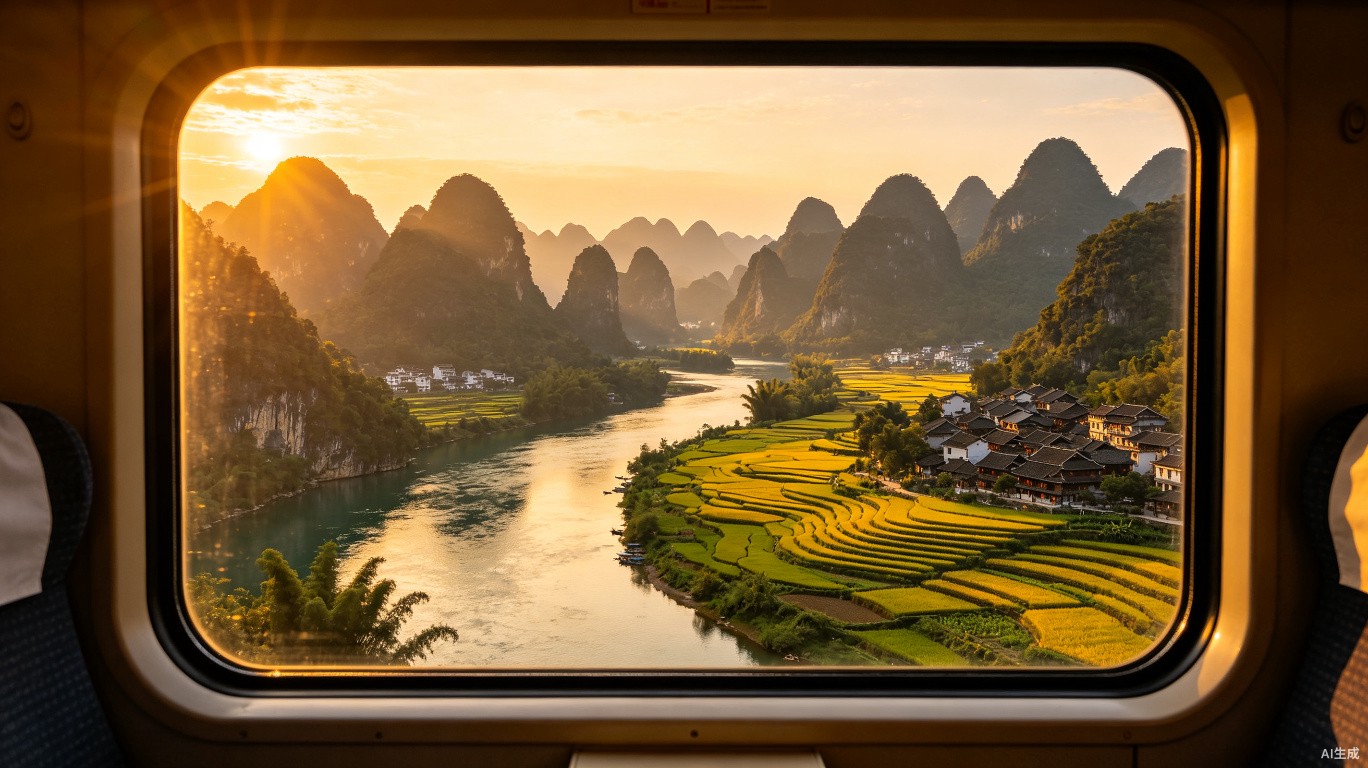
The cab driver laughed at me when I asked if the train from Beijing to Lhasa was comfortable. Not a mean laugh — the kind you get when you’ve asked something so naive it’s funny. “You’ll see,” he said, and dropped me at Beijing West Station with a grin. Twenty-four hours later, I was staring at the Tibetan Plateau through a window streaked with frost, the air in the carriage so thin I could feel my heartbeat in my ears. I hadn’t slept. I didn’t care.
That was my first long-haul train in China, and it rewired something in my brain. The trains here aren’t just transport — they’re the closest thing to time travel you’ll find without a DeLorean. One minute you’re in a neon-lit megacity, the next you’re rolling through rice terraces that haven’t changed in centuries. You share instant noodles with strangers who become friends for eight hours, then vanish forever. The landscape shifts outside your window like a slow-motion documentary.
This guide covers the ten train journeys I’d send my own friends on. Not the scenic ones in brochures — the ones where you’ll actually feel something. Prices are rough (2026 estimates, China’s economy moves fast), and I’ve included the practical details that’ll keep you from standing on the wrong platform at 2 AM. Which I’ve done. Twice.
The Short Version
If you only have 90 seconds: Book the Chengdu-to-Lhasa train for the most insane scenery of your life. Skip the Shanghai Maglev unless you’re a train nerd. The Beijing-to-Shanghai high-speed is impressive but boring — do it only if you need to get between those cities. The real magic is in the slow trains through Yunnan and the overnight sleeper from Xi’an to Guilin. Bring snacks. Download offline maps. And for god’s sake, book a soft sleeper, not hard seat.
How I Picked These
I’ve ridden every single train on this list — most of them multiple times, in different seasons, sometimes on accident because I got on the wrong one. I’ve sat next to farmers heading home for Spring Festival, backpackers who couldn’t read the departure board, and a retired engineer from Zhengzhou who explained the entire high-speed rail system in broken English over eight cups of tea. I talked to ticket agents, hostel owners, and the old women who sell sunflower seeds on station platforms. This list is what survived that filtering: routes that deliver something you can’t get from a plane, a bus, or a screenshot on Instagram.
Comparison Table
| Rank | Journey | Best For | Approx Cost (USD) | Time Needed | When to Go |
|------|---------|----------|-------------------|-------------|------------|
| 1 | Chengdu → Lhasa | Life-changing scenery | $80–150 (¥570–1070) | 36 hours | May–Oct |
| 2 | Xi’an → Guilin (overnight) | Sleeper train experience | $45–90 (¥320–640) | 12–14 hours | Mar–May, Sep–Nov |
| 3 | Beijing → Shanghai (high-speed) | Speed and efficiency | $80–120 (¥570–855) | 4.5 hours | Year-round |
| 4 | Kunming → Dali (old line) | Rural Yunnan landscape | $15–30 (¥107–215) | 5–7 hours | Mar–Jun, Sep–Nov |
| 5 | Shanghai → Huangshan | Mountains rising from mist | $30–60 (¥215–430) | 3–4 hours | Apr–May, Oct–Nov |
| 6 | Lhasa → Xigazê | Tibetan plateau emptiness | $10–20 (¥70–140) | 3 hours | May–Oct |
| 7 | Guangzhou → Shenzhen | Modern China in miniature | $10–20 (¥70–140) | 1 hour | Year-round |
| 8 | Harbin → Mohe | Deep winter, China’s Arctic | $40–80 (¥285–570) | 16–18 hours | Dec–Feb |
| 9 | Chengdu → Kunming (slow train) | Mountain tunnels and bridges | $25–50 (¥178–355) | 8–10 hours | Mar–Jun, Sep–Nov |
| 10 | Beijing → Hohhot | Grasslands and Genghis Khan | $30–60 (¥215–430) | 2.5 hours | Jun–Sep |
1. Chengdu → Lhasa — The Roof of the World, on Wheels
I woke up at 4 AM somewhere near the Tanggula Pass. The train had slowed to a crawl, and outside the window, the sky was doing something I’d never seen — a deep violet bleeding into orange, with the snow peaks catching light before the sun had even risen. The carriage was dead quiet. Everyone was looking out their windows. A Tibetan woman across the aisle was whispering something under her breath. I didn’t take a photo. Some moments don’t translate.
This is the highest railway in the world, climbing to over 5,000 meters (16,400 feet). You’ll cross permafrost, pass herds of Tibetan antelope, and watch the landscape turn from green Sichuan hills to the brown-and-gold emptiness of the plateau. The train has oxygen pumps built into each carriage — you’ll still feel the altitude, but you won’t pass out.
-
📍 Location: Beijing West Station → Lhasa Station
-
🎫 Entry fee: $80–150 (¥570–1070) for hard sleeper; soft sleeper more comfortable but books out weeks in advance
-
🕐 Duration: 36 hours (one of the longest non-stop train rides in the world)
-
🚆 Getting there: Take subway Line 7 or 9 to Beijing West Station. Enter through the main hall, find the Lhasa platform (usually Track 8 or 9). Check the board — they change platforms last-minute sometimes.
-
⏰ When to visit: May through October for clearest views. Winter is brutal — the plateau gets snowed in and the scenery turns monochrome.
-
💡 Insider tips:
-
Bring your own food. The dining car serves passable noodles but runs out of options by hour 20.
-
Get a lower bunk in soft sleeper — the upper bunks feel claustrophobic after 36 hours.
-
The Tibet Travel Permit is required for foreign tourists. Your tour operator or hostel can arrange it, but start 2–3 weeks before.
-
Download movies and podcasts. The internet cuts out for hours at a time through the plateau.
-
Talk to your compartment mates. I shared mine with a monk who taught me how to say “thank you” in Tibetan (thu-je-che).
-
I ate instant noodles with a family from Golmud who kept refilling my thermos with their own tea. They refused to let me pay for anything. That’s the kind of train this is.
2. Xi’an → Guilin (Overnight Sleeper) — Falling Asleep in History, Waking Up in a Painting
The hard seat carriages on this train smell like sunflower seeds and diesel and fifty people who haven’t showered in two days. I loved it. The overnight sleeper from Xi’an to Guilin is the most romantic train ride I’ve taken in China — and I mean that in the messy, real way, not the Instagram way. You board in the ancient capital of the Terracotta Warriors, eat a sad station-bought dinner, and wake up to limestone karsts rising out of mist like something from a scroll painting.
The route crosses from the dry, flat loess plateau of Shaanxi into the wet, green chaos of Guangxi. You’ll pass through tunnels that go on for so long your ears pop, and when you come out the other side, the world has changed color.
-
📍 Location: Xi’an Station → Guilin Station (not Guilin West — that’s farther out)
-
🎫 Entry fee: $45–90 (¥320–640) for a soft sleeper bunk
-
🕐 Duration: 12–14 hours (departs around 8 PM, arrives around 9 AM)
-
🚆 Getting there: Xi’an Station is on subway Line 1 and Line 4. Enter from the south square — the north square is under construction until late 2026.
-
⏰ When to visit: March to May for spring green, September to November for clear skies. Summer is monsoon season — the karsts look amazing in rain but you’ll get soaked.
-
💡 Insider tips:
-
Book soft sleeper (four bunks per compartment, door that closes). Hard sleeper is six open bunks and no privacy.
-
Bring earplugs and an eye mask. The train is not quiet, and the corridor lights stay on all night.
-
The dining car closes by 9 PM. Eat before you board or bring noodles.
-
Get off at Guilin Station, not Guilin West — West is 30 minutes from the city center and there’s nothing around it.
-
If you’re flexible, take the train to Yangshuo instead — it’s a smaller station closer to the karsts, but the train only runs a few times a day.
-
I missed my stop once on this route because I fell asleep reading. Woke up in a town called Liuzhou, which smells like snail noodles. Had to catch a bus back. Don’t be me.
3. Beijing → Shanghai (High-Speed) — The Bullet Train That Changed China
Let me be honest: this is the most boring train on the list. It’s also the most impressive. The G-series trains between Beijing and Shanghai hit 350 km/h (217 mph) and cover 1,318 kilometers (819 miles) in under five hours. The ride is so smooth you can balance a coffee on the fold-down tray without spilling a drop. I’ve done it. It’s unsettling.
The scenery is mostly flat farmland and industrial outskirts. You’ll see a lot of solar panels and high-voltage power lines. But the experience itself — the efficiency, the cleanliness, the sheer absurdity of moving that fast on the ground — is worth doing once. It’s the closest thing to teleportation I’ve experienced.
-
📍 Location: Beijing South Station → Shanghai Hongqiao Station
-
🎫 Entry fee: $80–120 (¥570–855) for second class; $130–180 (¥925–1280) for first class
-
🕐 Duration: 4.5–5 hours
-
🚆 Getting there: Beijing South is on subway Lines 4 and 14. Shanghai Hongqiao connects to Lines 2, 10, and 17. Both stations are enormous — give yourself 30 minutes to find your platform.
-
⏰ When to visit: Year-round. The trains run in any weather. Avoid Chinese New Year and National Day (October 1–7) unless you enjoy standing-room-only.
-
💡 Insider tips:
-
First class is worth the upgrade for the wider seats and fewer people. Second class is fine for a 5-hour trip.
-
Buy your ticket on Trip.com or 12306 (the official app) at least 3 days in advance. Same-day tickets sell out.
-
The dining car has hot meals — braised pork rice, beef noodles, that kind of thing. It’s not great, but it’s better than airplane food.
-
Download the “Railway 12306” app in English. It’s clunky but it works.
-
If you’re tall (over 185 cm / 6’1”), book an aisle seat. The window seats have limited legroom.
-
I sat next to a woman who commuted Beijing–Shanghai every week for work. She had a pillow, a sleep mask, and a routine. She was asleep before we left the station.
4. Kunming → Dali (Old Line) — The Slow Train Through Rural Yunnan
The high-speed train from Kunming to Dali takes two hours. The old train takes six. Take the old train.
This is the route that shows you the Yunnan that hasn’t been paved over yet. You’ll pass through villages where farmers still use water buffalo, terraced fields cut into hillsides at impossible angles, and tunnels that open onto sudden views of the Erhai Lake. The train stops at stations so small they’re just concrete platforms with a sign and a dog sleeping in the sun. The carriages are old, the air conditioning is unreliable, and the windows are permanently streaked with dust. It’s perfect.
-
📍 Location: Kunming Station → Dali Station
-
🎫 Entry fee: $15–30 (¥107–215) for a hard seat
-
🕐 Duration: 5–7 hours depending on the specific train
-
🚆 Getting there: Kunming Station is on subway Line 1. Dali Station is about 30 minutes from the old town by bus (¥3) or taxi (¥40–60).
-
⏰ When to visit: March to June for spring flowers, September to November for harvest colors. Summer is rainy and winter is cold in the carriages.
-
💡 Insider tips:
-
Bring a jacket. The old trains don’t have great climate control, and the mountain tunnels get chilly.
-
Sit on the right side of the train (facing the direction of travel) for the best lake views.
-
The toilets are squat-style and get rough by hour four. Use the station bathroom before boarding.
-
Buy sunflower seeds or dried mango from vendors who board at small stations — they’re cheaper than the dining car.
-
Don’t expect English announcements. Have your destination written in Chinese on your phone.
-
A farmer got on at a station I couldn’t pronounce, carrying a basket of live chickens. He sat next to me and offered me one. I politely declined. He laughed and gave me an apple instead.
5. Shanghai → Huangshan — Into the Mist
The train from Shanghai to Huangshan feels like entering a different country. You leave the flat, gray sprawl of the Yangtze River Delta and gradually the land starts to wrinkle. By the time you reach Huangshan City, the mountains are visible on the horizon — not sharp peaks but soft, rounded shapes that disappear into clouds. The train tracks follow river valleys for the last hour, and if you’re lucky, you’ll catch the mist settling between the hills like something out of a Tang Dynasty poem.
The mountain itself — Yellow Mountain, one of China’s most famous — is the destination. But the approach by train is half the experience. The high-speed line opened in 2018 and cut the journey from 12 hours to 3. It’s a good trade-off.
-
📍 Location: Shanghai Hongqiao Station → Huangshan North Station
-
🎫 Entry fee: $30–60 (¥215–430) for second class
-
🕐 Duration: 3–4 hours
-
🚆 Getting there: From Huangshan North, take the tourist bus (¥30) to the mountain’s eastern entrance at Yungu Temple. The bus takes about an hour.
-
⏰ When to visit: April–May for spring greenery and moderate crowds. October–November for autumn colors and clear skies. Avoid Chinese holidays at all costs — the mountain gets gridlocked.
-
💡 Insider tips:
-
Book accommodation on the mountain if you want sunrise. It’s expensive ($150+/night) but worth it.
-
Bring rain gear. The mountain creates its own weather — it can be sunny at the base and raining at the summit.
-
The cable car up the mountain costs $15 (¥100) one way. The hike is 3–4 hours and brutal. Take the cable car up, hike down.
-
The “Welcome Pine” is overrated and surrounded by selfie sticks. Skip it and walk to the less crowded western steps.
-
English signage is decent at the mountain but poor on the train. Have your phone charged.
-
I watched a Japanese couple on the train spend the entire journey photographing the mist through the window. They barely spoke. They didn’t need to.
6. Lhasa → Xigazê — The Quietest Train in China
This train runs through the emptiest landscape I’ve ever seen. For three hours, you cross the Tibetan Plateau with nothing but brown earth, white snow peaks, and the occasional herd of yaks. The sky is so big it feels like you’re looking at it from space. The train is quiet — not because people aren’t talking, but because the silence of the plateau seeps through the windows. You can hear your own breathing.
Xigazê is Tibet’s second city, home to the Tashilhunpo Monastery and the Panchen Lama’s seat of power. Most tourists skip it for Lhasa. That’s a mistake.
-
📍 Location: Lhasa Station → Xigazê Station
-
🎫 Entry fee: $10–20 (¥70–140) for a hard seat
-
🕐 Duration: 3 hours
-
🚆 Getting there: Lhasa Station is about 20 minutes from the city center by taxi (¥30–40). The station is modern and well-organized.
-
⏰ When to visit: May to October. The train runs year-round but winter views are limited by snow and shorter daylight.
-
💡 Insider tips:
-
Acclimate in Lhasa for at least 2 days before taking this train. Xigazê is at 3,800 meters (12,500 feet).
-
Bring snacks and water — the dining car on this route is minimal.
-
The train doesn’t have oxygen pumps like the Chengdu–Lhasa route. If you’re prone to altitude sickness, bring medication.
-
The best views are on the left side of the train (facing Xigazê) — you’ll see the Nyenchen Tanglha mountains.
-
Xigazê has fewer English speakers than Lhasa. Have your accommodation address written in Chinese.
-
A Tibetan teenager on the train asked to see my camera. She showed me photos of her family’s yak herd. She was 16 and spoke three languages. I felt inadequate.
7. Guangzhou → Shenzhen — The Future, Now
This is the shortest train on the list — one hour from downtown Guangzhou to downtown Shenzhen. It’s also the most futuristic. The trains run every 10–15 minutes, the stations are spotless, and the ride is so smooth you forget you’re moving. You pass through the Pearl River Delta, which is basically one continuous city of 70 million people. Factories, apartment towers, neon signs in Cantonese and English. It’s not beautiful in the traditional sense, but it’s awe-inspiring in its scale.
Shenzhen is worth the trip for the sheer energy of the place. Forty years ago it was a fishing village. Now it’s a global tech hub with more skyscrapers than New York.
-
📍 Location: Guangzhou South Station → Shenzhen North Station (or Futian Station)
-
🎫 Entry fee: $10–20 (¥70–140) for second class
-
🕐 Duration: 1 hour
-
🚆 Getting there: Guangzhou South is on subway Lines 2, 7, and 22. Shenzhen North connects to Lines 4, 5, and 6. Both stations are enormous — give yourself time.
-
⏰ When to visit: Year-round. Avoid the August heat if you can — it’s humid and miserable.
-
💡 Insider tips:
-
Futian Station is closer to Shenzhen’s city center than Shenzhen North. Check which station your destination is near.
-
The trains have WiFi but it requires a Chinese phone number to log in. Get a SIM card at the airport.
-
Buy your ticket on WeChat or Trip.com — the station queues can be long.
-
If you have time, take the metro from Shenzhen to the border crossing at Lo Wu and walk into Hong Kong.
-
The station food in Guangzhou South is surprisingly good. Try the rice rolls (cheung fun) from the chain shop near Gate 14.
-
I once took this train just to eat at a dim sum place in Shenzhen that a friend recommended. The round trip cost less than the meal. Worth it.
8. Harbin → Mohe — Into the Ice
This is the train you take if you want to feel cold. Real cold. The kind that hurts your teeth. Harbin in winter is already brutal — minus 30°C (-22°F) is normal. But Mohe, China’s northernmost town, sits at the border with Russia, and in January the temperature can drop below minus 50°C (-58°F). The train takes 16 hours through the frozen forests of Heilongjiang province. The windows frost over from the inside. The heating in the carriages works, barely.
I took this train in February. The landscape outside was white and black — snow and birch trees. No other colors. For hours. It was the most meditative experience of my life.
-
📍 Location: Harbin Station → Mohe Station
-
🎫 Entry fee: $40–80 (¥285–570) for a soft sleeper
-
🕐 Duration: 16–18 hours (overnight)
-
🚆 Getting there: Harbin Station is on subway Line 1. Mohe Station is a 20-minute taxi ride from the town center (¥30–50).
-
⏰ When to visit: December to February for the full winter experience. The train runs year-round but summer is just a regular forest.
-
💡 Insider tips:
-
Dress in layers — thermal base, fleece, down jacket, windproof shell. The station platforms are exposed.
-
Bring hand warmers and a thermos. Hot tea is survival gear.
-
The toilet pipes freeze in extreme cold. Use the station bathroom before boarding.
-
Book soft sleeper — the hard sleeper carriages are drafty.
-
Mohe has very little English. Download Pleco (a translation app) and have key phrases ready.
-
The train broke down for two hours outside Mohe because the tracks were iced over. No one complained. We just sat there, wrapped in blankets, watching our breath freeze in the air.
9. Chengdu → Kunming (Slow Train) — Through the Mountains
The high-speed train from Chengdu to Kunning takes four hours. The slow train takes nine. Take the slow train. It winds through the mountains of southern Sichuan and northern Yunnan, crossing bridges over deep river gorges and passing through tunnels so long you lose track of time. The landscape changes from the red earth of Sichuan to the green hills of Yunnan, and the train climbs and drops so much your ears pop.
This is not a comfortable train. The seats are hard, the air conditioning is unreliable, and the dining car serves noodles that taste like cardboard. But the views — the views are worth every discomfort.
-
📍 Location: Chengdu Station → Kunming Station
-
🎫 Entry fee: $25–50 (¥178–355) for a hard seat
-
🕐 Duration: 8–10 hours
-
🚆 Getting there: Chengdu Station is on subway Line 1 and Line 7. Kunming Station connects to subway Line 1.
-
⏰ When to visit: March to June for spring, September to November for autumn. Summer is rainy and the views can be obscured.
-
💡 Insider tips:
-
Bring a cushion. The hard seats are genuinely hard.
-
Sit on the left side of the train (facing Kunming) for the best mountain views.
-
The train stops at small stations where vendors sell snacks — try the grilled tofu at Panzhihua station.
-
Don’t expect WiFi or reliable cell service in the tunnels.
-
If you get motion sickness, take medication beforehand. The winding track through the mountains is relentless.
-
I shared a compartment with a woman who was taking her mother to Kunming for a hospital appointment. She offered me homemade pickled vegetables. They were the best thing I ate that week.
Quick answer
The cab driver laughed at me when I asked if the train from Beijing to Lhasa was comfortable. Not a mean laugh — the kind you get when you’ve asked something so naive it’s funny.
10. Beijing → Hohhot — Out to the Grasslands
Two and a half hours from Beijing, and the world changes completely. The high-speed train to Hohhot cuts through the Great Wall at Badaling (you’ll see it from the window if you’re paying attention) and then opens onto the Inner Mongolian grasslands. Flat, endless, yellow-green in summer, brown in winter. The sky gets bigger. The air gets drier. You can feel the space.
Hohhot itself is a strange mix — Chinese and Mongolian culture, Buddhist temples next to karaoke bars, old men in traditional robes walking past KFC. The grasslands outside the city are the main draw. You can stay in a yurt, eat roasted lamb, and watch the stars without any light pollution.
-
📍 Location: Beijing Qinghe Station → Hohhot East Station
-
🎫 Entry fee: $30–60 (¥215–430) for second class
-
🕐 Duration: 2.5 hours
-
🚆 Getting there: Beijing Qinghe is on subway Line 13 and Line 15 (Changping Line). Hohhot East is about 20 minutes from the city center by taxi (¥30–40).
-
⏰ When to visit: June to September for green grasslands. Winter is bleak and cold.
-
💡 Insider tips:
-
The Great Wall section you pass is Mutianyu, not Badaling. It’s visible for about 30 seconds — have your camera ready.
-
Try the Mongolian hotpot in Hohhot. It’s different from Sichuan hotpot — lamb-based broth, fewer spices, more dairy.
-
The grasslands are a 1–2 hour drive from the city. Book a tour or hire a driver through your hostel.
-
English is limited in Hohhot. Have your destination written in Chinese.
-
If you’re vegetarian, the grasslands will be challenging. The local diet is heavy on meat and dairy.
-
I met a Mongolian herder at a grassland guesthouse who taught me how to ride a horse without a saddle. I fell off three times. He laughed every time.
FAQ
Q: Do I need a visa to travel by train in China?
A: Most nationalities need a tourist visa (L-visa) to enter China. As of 2026, citizens of several countries (including France, Germany, Malaysia, Singapore, and others) can enter visa-free for up to 15 days under the transit policy. Check the latest rules on the Chinese embassy website for your country. The train itself doesn’t require additional permits, except for Tibet (see below).
Q: How do I buy train tickets as a foreigner?
A: Use the official 12306 app (available in English) or Trip.com. You’ll need your passport number. Tickets go on sale 15 days in advance for most routes. For popular trains (Chengdu–Lhasa, overnight sleepers), book as early as possible. You can also buy at station ticket counters, but expect queues and limited English.
Q: Can I use my phone on Chinese trains?
A: Yes, but you need a Chinese SIM card (available at airports for $10–30) and a VPN if you want to access Google, Facebook, Instagram, or WhatsApp. Most high-speed trains have free WiFi, but it requires a Chinese phone number to log in. Download offline maps (Maps.me or Google Maps offline) before you arrive.
Q: What’s the difference between hard seat, hard sleeper, and soft sleeper?
A: Hard seat is exactly what it sounds like — a bench seat, usually crowded, fine for short trips. Hard sleeper is an open carriage with six bunks (three tiers), no door, thin mattress. Soft sleeper is four bunks per compartment with a door, thicker mattress, slightly more space. For overnight trips, soft sleeper is worth the extra money. For day trips under 4 hours, second class on high-speed trains is fine.
Q: Is it safe to travel alone by train in China?
A: Yes. Chinese trains are extremely safe — theft is rare, and stations have heavy security with bag checks and ID verification. Women traveling alone should take normal precautions (avoid empty carriages late at night, keep valuables close), but I’ve never felt unsafe on any Chinese train. The bigger risk is getting on the wrong train or missing your stop.
Q: What should I bring for a long train journey?
A: Snacks (instant noodles, fruit, crackers), a reusable water bottle (hot water is available in every carriage), toilet paper (most train bathrooms run out), earplugs and an eye mask, a power bank (outlets are available but limited), and a book or downloaded entertainment. For Tibet trains, bring altitude sickness medication and warm clothes.
Q: Do I need a special permit for the Tibet train?
A: Yes. Foreign tourists need a Tibet Travel Permit to enter the Tibet Autonomous Region. You cannot buy this yourself — it must be arranged through a licensed tour operator or travel agency. Start the process 2–3 weeks before your trip. The permit is checked at the train station before boarding the Chengdu–Lhasa route. Without it, you will not be allowed on the train.
The Honest Wrap-up
This list is for travelers who want to see China from the ground, not from 30,000 feet. It’s for people who don’t mind uncomfortable seats, strange smells, and conversations with strangers who don’t speak your language. These trains will test your patience, your bladder, and your ability to eat with chopsticks while the carriage sways. They’ll also give you moments you can’t get anywhere else — a sunrise over the Tibetan Plateau, a shared bowl of noodles with a family from Golmud, the sudden realization that you’ve crossed half a continent on a single track.
If you want luxury, take a plane. If you want convenience, take the high-speed train between major cities. But if you want to understand China — really understand it — take the slow train. Take the overnight sleeper. Take the one that stops at stations nobody’s heard of. That’s where the real China lives.
And bring snacks. You’ll thank me later.
FAQ summary
This guide covers: 1. Chengdu → Lhasa — The Roof of the World, on Wheels, 2. Xi’an → Guilin (Overnight Sleeper) — Falling Asleep in History, Waking Up in a Painting, 3. Beijing → Shanghai (High-Speed) — The Bullet Tra…
Related Guides
Looking for more China travel guides? These match your topic:
Topics
More guides you may like
Top 10 Bridges in China
China's bridges are engineering marvels spanning mountains, rivers, and seas. Here are 10 of the most spectacular, from ancient stone to modern steel.
8 min read

Top 10 Buddhist Sites in China
From the Leshan Giant Buddha to the Dunhuang Caves, these 10 Buddhist sites represent 2,000 years of China's spiritual heritage.
9 min read
Top 10 Day Trips from Beijing You Shouldn't Miss
Beijing is packed with history, but some of China's best experiences are just a few hours away. Here are 10 day trips that will transform your visit.
9 min read
Top 10 Hidden Gems in China Off the Beaten Path
Beyond the Great Wall and Terracotta Warriors, China has incredible hidden destinations few tourists ever reach. Here are 10 underrated gems worth the detour.
9 min read
Top 10 Markets and Shopping Streets in China
From Shanghai's Bund to Beijing's Silk Street - 10 markets where foreigners can haggle, explore, and bring home authentic Chinese goods.
9 min read
Top 10 Museums in China You Shouldn't Miss
China's museums span 5,000 years of civilization. These 10 - from the Palace Museum to Xi'an's terracotta gallery - are unmissable for culture lovers.
9 min read