
Top 10 UNESCO Sites in China
Top 10 UNESCO Sites in China: 2026 guide covers current prices, transport, payment apps, and what foreign visitors need to know.
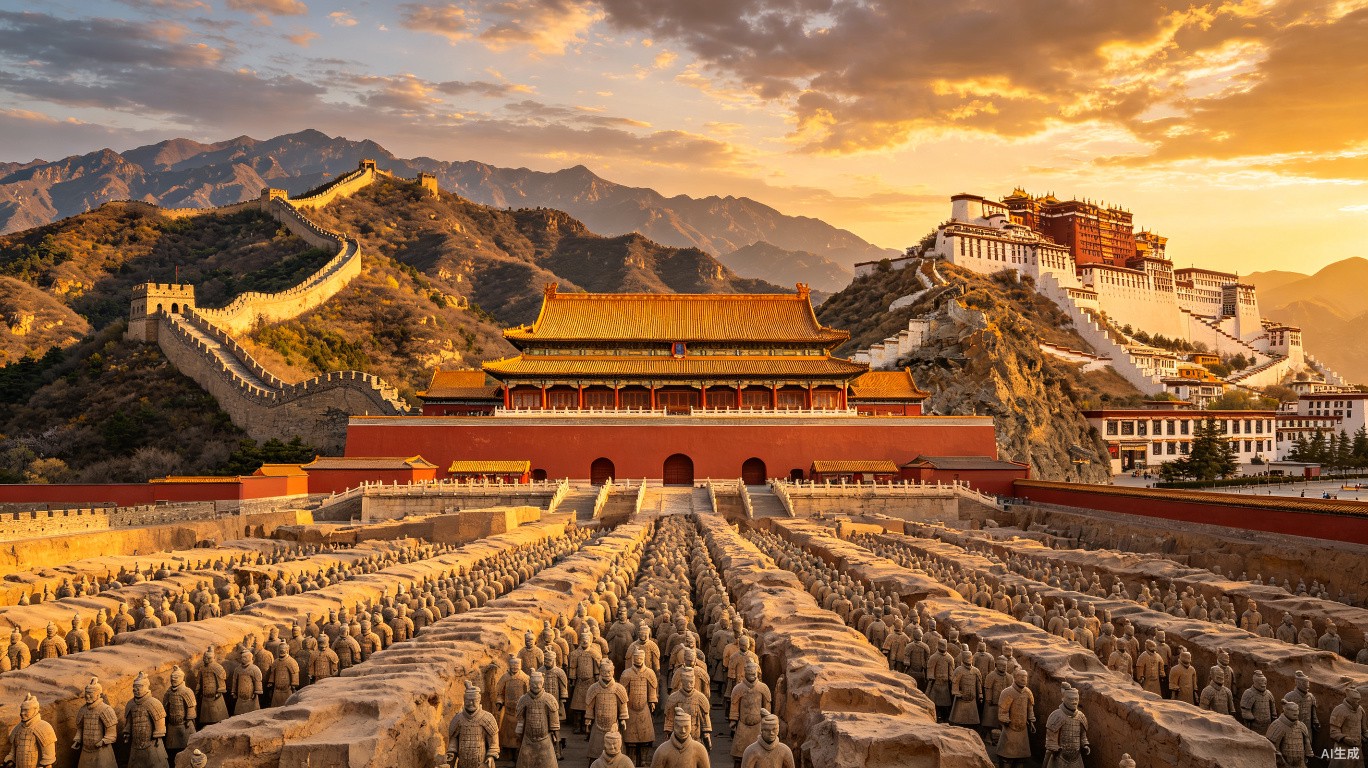
The cab driver in Beijing laughed at me when I asked if I could see all the UNESCO sites in China in one trip. “You’d need ten years,” he said, and he wasn’t far off. I’ve spent seven years living here, traveled through the country more than forty times, and I still haven’t seen them all. But I’ve seen enough to know which ones are worth the jet lag, which ones will break your heart with their beauty, and which ones you can skip if you’re short on time.
This list is for the first-time visitor who wants to see the best of China’s UNESCO sites without burning out or getting scammed. I’ve included the heavy hitters—the Great Wall, the Forbidden City—but also the places that surprised me: a mountain range that looks like a Chinese painting come to life, a cliffside temple that made my knees weak, and a carved grotto so vast you’ll forget you’re underground.
By the end of this guide, you’ll know exactly where to go, how to get there without a tour bus, what to pay, and which mistakes to avoid. I made most of them so you don’t have to.
Top 10 UNESCO Sites in China: The Complete 2026 Guide
Quick answer
The cab driver in Beijing laughed at me when I asked if I could see all the UNESCO sites in China in one trip. “You’d need ten years,” he said, and he wasn’t far off.
The Short Version
Skip the terra-cotta warriors if you’re short on time—they’re impressive but overrun. Don’t miss Zhangjiajie (it’s worth the hype) and the Mogao Caves (book ahead). The Great Wall is essential, but pick a restored section near Beijing and go on a weekday. Everything requires a VPN for Google Maps and WhatsApp. Get WeChat Pay set up before you land. And for heaven’s sake, wear comfortable shoes.
How I Picked These
I didn’t just Google “best UNESCO sites China.” I visited every single one of these places—some multiple times. I talked to taxi drivers, hostel owners, noodle-shop ladies, and other travelers. I got lost in Xi’an, overpaid for tea in Hangzhou, and once missed the last bus back from a remote section of the Great Wall (the guard let me sleep in his booth). These ten are the ones I’d send my own mother to, with specific instructions on how to do them right.
Comparison Table
| Rank | Place | Best For | Approx Cost (USD) | Time Needed | When to Go |
|------|-------|----------|-------------------|-------------|------------|
| 1 | Great Wall of China | Iconic bucket-list views | $6–$10 ($45–$75 CNY) | 4–6 hours | March–May or September–November |
| 2 | Forbidden City & Palace Museum | Imperial history | $10 ($72 CNY) | 3–5 hours | Weekdays in October or April |
| 3 | Mogao Caves | Buddhist art & desert landscapes | $30 ($216 CNY) | 4–6 hours | May–June or September–October |
| 4 | Zhangjiajie National Forest Park | Avatar-like sandstone pillars | $33 ($238 CNY) | 2 days | April–October, avoid Chinese holidays |
| 5 | Leshan Giant Buddha | Giant stone carving | $12 ($86 CNY) | 3–4 hours | March–May or October–November |
| 6 | Jiuzhaigou Valley | Turquoise lakes and waterfalls | $25 ($180 CNY) | 2 days | October (peak color) |
| 7 | Mount Huangshan (Yellow Mountain) | Misty peaks and hot springs | $25 ($180 CNY) | 2 days | May–June or September–October |
| 8 | West Lake Cultural Landscape | Classical Chinese gardens and pagodas | Free (boats $5–$15) | 1–2 days | March–April or October |
| 9 | Dazu Rock Carvings | Hidden cliffside sculptures | $15 ($108 CNY) | 3–4 hours | October–November |
| 10 | Temple of Heaven | Taoist architecture and local life | $5 ($36 CNY) | 2–3 hours | Early morning (6–8 AM) |
1. The Great Wall of China — “The Section That Changed My Mind”
I’d seen a thousand photos before I went. I thought I knew what to expect. Then I stood on a watchtower at Jinshanling, the wind hitting my face, and the wall snaking over the mountains until it disappeared into haze. I wasn’t ready for how quiet it gets when you walk away from the crowds. Just wind and stone and the occasional hawk circling overhead.
Why it’s special: The Great Wall isn’t one wall—it’s a network of fortifications built over 2,000 years. The restored sections (Badaling, Mutianyu) are tourist-friendly but packed. The wild sections (Jiankou, Simatai) are crumbling, steep, and absolutely stunning. Jinshanling, about 2.5 hours from Beijing, hits the sweet spot: restored enough to be safe, wild enough to feel real.
📍 Location: Multiple sections near Beijing. Jinshanling is in Luanping County, Hebei Province.
🎫 Entry fee: $6–$10 ($45–$75 CNY) depending on section. Cable cars extra ($8–$12).
🕐 Opening hours: 7:30 AM–5:30 PM (summer), 8 AM–5 PM (winter).
🚆 How to get there: For Jinshanling: Take a bus from Dongzhimen Bus Station (Beijing) to Miyun, then local bus to Jinshanling. Or hire a driver for $80–$120 round trip. Easier: join a small group tour that includes transport.
⏰ When to visit: Weekdays only. Arrive at 8 AM. Avoid May Day (May 1–5) and National Day (October 1–7) entirely—you’ll be packed like sardines.
💡 Insider tips: Bring cash (no card readers at Jinshanling). Wear hiking shoes with grip—the stones are uneven. Carry 2 liters of water per person. Buy snacks in Beijing before you go. The toboggan ride down at Mutianyu is silly but fun.
I ate a cold steamed bun at the top of a watchtower and watched a cloud roll through the valley below. That bun cost me 50 cents and tasted better than any meal I’d had that week.
2. The Forbidden City — “The Emperor’s Compound”
The first time I walked through the Meridian Gate, I felt small. Not in a bad way—in a way that reminded me this place was built to impress, to intimidate, to say “the emperor is not like you.” And it still works. The courtyards stretch out like frozen rivers of stone, the halls rise up with curved roofs and golden trim, and you can feel the weight of 500 years of imperial rule.
Why it’s special: It’s the largest ancient palace complex in the world—980 buildings, 9,000 rooms. But what gets me is the detail: the bronze lions with their paws on a globe (imperial power), the marble dragon staircases, the painted beams that haven’t faded in centuries. You need a guide or an audio tour to make sense of it.
📍 Location: At the center of Beijing, just north of Tiananmen Square.
🎫 Entry fee: $10 ($72 CNY) in peak season, $6 ($40 CNY) in winter.
🕐 Opening hours: 8:30 AM–5 PM (April–October), 8:30 AM–4:30 PM (November–March). Closed Mondays.
🚆 How to get there: Take Line 1 to Tiananmen East Station, Exit B. Walk north through Tiananmen Square and the Meridian Gate.
⏰ When to visit: Go on a Tuesday or Wednesday in October. Arrive at 8:30 AM. Book tickets online at least 3 days in advance—same-day tickets sell out in peak season.
💡 Insider tips: Skip the main central path (too crowded). Walk the eastern and western side halls—fewer people, more interesting exhibits. Bring a passport (required for entry). The Treasure Gallery and Clock Gallery are worth the extra $2. Don’t try to see everything; pick three halls and spend time there.
I watched a Chinese grandmother explain the Hall of Supreme Harmony to her grandson in rapid Mandarin. He was bored. She was not. I understood how she felt.
3. Mogao Caves — “The Desert Library”
The drive from Dunhuang to the Mogao Caves is flat, brown, and empty. Then the cliffs appear—a wall of sand-colored rock honeycombed with dark openings. Inside those openings are 492 caves filled with Buddhist murals and sculptures, some dating back to the 4th century. I stood in Cave 45 and stared at a 1,300-year-old Buddha whose expression was so serene I forgot to breathe.
Why it’s special: The Mogao Caves are the world’s most important repository of Buddhist art. The murals cover 45,000 square meters—that’s six football fields of painted history. The Library Cave (Cave 17) held 50,000 manuscripts, many of which were taken by Western explorers in the early 1900s. The caves that remain are stunning, fragile, and strictly protected.
📍 Location: 25 km southeast of Dunhuang, Gansu Province.
🎫 Entry fee: $30 ($216 CNY) includes a guided tour of 8–10 caves.
🕐 Opening hours: 8 AM–6 PM (summer), 9 AM–5 PM (winter). Closed some holidays.
🚆 How to get there: Fly to Dunhuang from Beijing, Xi’an, or Lanzhou. From Dunhuang town, take a taxi ($8–$12) or bus no. 12 from the bus station.
⏰ When to visit: May–June or September–October. Avoid July–August (desert heat and crowds). Book tickets at least one week ahead on the official WeChat mini-program.
💡 Insider tips: You can’t choose which caves you see, but request the special caves (Cave 45, Cave 220) when booking—they cost extra but are worth it. No photography inside. Bring a flashlight (the guides don’t always illuminate the best details). Wear a hat and sunscreen for the walk between caves. The Dunhuang Museum in town has excellent replicas if you want to take photos.
My guide, a young woman named Li, had studied the murals for six years. She pointed out a tiny musician in a corner painting—a Tang dynasty pipa player—and said, “This is my favorite. He looks happy.” She was right.
4. Zhangjiajie National Forest Park — “The Avatar Mountains”
I stood on a glass-bottomed bridge 300 meters above the ground, looking down at the sandstone pillars that inspired the floating mountains in Avatar. The Chinese tourists around me were screaming. I was gripping the railing so hard my knuckles turned white. But the view—those green-topped towers rising out of the mist—made every shaky step worth it.
Why it’s special: Zhangjiajie is the world’s first UNESCO Global Geopark, and it looks like nothing else on Earth. Over 3,000 quartzite sandstone pillars rise from the forest floor, some over 200 meters tall. The park is massive—you need two days to see the highlights. Bailong Elevator, the world’s tallest outdoor elevator, takes you up a cliff face in 90 seconds.
📍 Location: Wulingyuan District, Zhangjiajie City, Hunan Province.
🎫 Entry fee: $33 ($238 CNY) for a 4-day pass.
🕐 Opening hours: 6:30 AM–6 PM (summer), 7 AM–5 PM (winter).
🚆 How to get there: Fly to Zhangjiajie Hehua Airport from Beijing, Shanghai, or Guangzhou. From the airport, take a taxi to Wulingyuan town ($15–$20). The park entrance is a 10-minute walk from the town center.
⏰ When to visit: April–October. Go on a weekday. Arrive at 7 AM to beat the tour groups. October is best for clear skies.
💡 Insider tips: Stay in Wulingyuan town (not Zhangjiajie city)—it’s closer to the park entrance. Take the Bailong Elevator up, then hike down. The glass bridge at Zhangjiajie Grand Canyon is separate ($25 extra). Avoid Chinese holidays—the park becomes a human river. Bring rain gear; it rains 200 days a year.
I hiked the Golden Whip Stream trail in a sudden downpour. A group of monkeys watched me from a tree, looking thoroughly unimpressed with my rain jacket.
5. Leshan Giant Buddha — “The Buddha Who Watches the River”
You can see his head from the boat—a carved face 14 meters high, looking down at the confluence of three rivers. But you don’t really understand the scale until you climb down the stairs and stand at his feet. Each foot is 8.5 meters long. My entire body was smaller than his big toe. He’s been sitting there since 803 AD, watching the water flow by.
Why it’s special: The Leshan Giant Buddha is the largest stone Buddha in the world—71 meters tall. It was carved into a cliff face to calm the turbulent waters of the Min, Dadu, and Qingyi rivers. The drainage system built into his robes (you can see the channels) has kept him dry for 1,200 years.
📍 Location: Lingyun Mountain, Leshan City, Sichuan Province.
🎫 Entry fee: $12 ($86 CNY). Boat tour extra ($10–$15).
🕐 Opening hours: 7:30 AM–6:30 PM (summer), 8 AM–5:30 PM (winter).
🚆 How to get there: Take a bullet train from Chengdu to Leshan (1 hour, $10). From Leshan Station, take bus no. 3 or a taxi ($5) to the scenic area.
⏰ When to visit: March–May or October–November. Go on a weekday morning. The boat tour is best at 8 AM when the river is calm.
💡 Insider tips: Take the boat tour first (you get the iconic photo), then walk down to his feet. The stairs are steep—1,000+ steps down and back up. Go early to avoid the queue (1–2 hours in peak season). Skip the nearby Mahao Cliff Tombs unless you’re really into Han dynasty archaeology.
I ate a bowl of dandan mian (Sichuan noodles) at a stall near the entrance. The owner saw me sweating from the spice and brought me a cold bottle of tea without me asking.
6. Jiuzhaigou Valley — “The Lakes That Don’t Look Real”
I stared at Five Flower Lake for ten minutes before I believed my eyes. The water was turquoise, emerald, and sapphire all at once, with fallen tree trunks visible 20 meters down. The lake looked like someone had poured liquid gemstones into a forest basin. I took a photo. Then I deleted it because no photo could capture what I was seeing.
Why it’s special: Jiuzhaigou is a valley of 114 alpine lakes, 17 waterfalls, and 5 forested peaks. The water gets its color from calcium carbonate deposits and algae—the same chemistry that makes the Caribbean so blue. The park is home to giant pandas and golden monkeys, though you probably won’t see them.
📍 Location: Jiuzhaigou County, Aba Tibetan and Qiang Autonomous Prefecture, Sichuan Province.
🎫 Entry fee: $25 ($180 CNY) plus $12 ($86 CNY) for the shuttle bus.
🕐 Opening hours: 7:30 AM–5 PM (summer), 8 AM–4 PM (winter).
🚆 How to get there: Fly to Jiuzhaigou Huanglong Airport from Chengdu (45 minutes). From the airport, take a shuttle bus ($10) to the park entrance (1.5 hours). Or take a bus from Chengdu (8 hours, but the scenery is worth it).
⏰ When to visit: October is peak—the autumn colors are incredible. Go on a weekday. Arrive at 7:30 AM. Avoid Chinese National Day (October 1–7) at all costs.
💡 Insider tips: The shuttle bus stops at all major points—ride it to the top (Primeval Forest) and walk down. Bring your own food (park restaurants are expensive and mediocre). The Mirror Lake is best seen at 8 AM before the wind picks up. Wear layers—it’s cold in the morning even in summer.
I shared a bench with a Tibetan woman selling yak-butter tea. She didn’t speak English, I didn’t speak Tibetan, but we smiled at each other for ten minutes. She poured me a cup of tea. It was salty and strange and I loved it.
7. Mount Huangshan (Yellow Mountain) — “The Mountain That Made Me Believe in Ink Paintings”
The cable car lifted me out of the fog, and suddenly I was above the clouds. The granite peaks—jagged, twisted, ancient—poked through the white sea like islands. A pine tree grew out of a crack in the rock, its branches flattened by the wind. I remembered a scroll painting I’d seen in a Beijing museum, and I thought, they weren’t exaggerating.
Why it’s special: Huangshan is the most painted mountain in Chinese art. Its “four wonders” are the oddly shaped pines, the fantastical rock formations, the sea of clouds, and the hot springs. The sunrise from Bright Summit Peak is a religious experience for Chinese tourists—they’ll line up at 4 AM to see it.
📍 Location: Huangshan City, Anhui Province.
🎫 Entry fee: $25 ($180 CNY) in peak season, $19 ($138 CNY) off-peak. Cable car extra $8 each way.
🕐 Opening hours: 6 AM–5 PM (summer), 7 AM–4 PM (winter).
🚆 How to get there: Take a bullet train from Shanghai or Hangzhou to Huangshan North Station (2.5 hours, $25). From the station, take a shuttle bus ($5) to the park entrance at Tangkou town.
⏰ When to visit: May–June (wild azaleas in bloom) or September–October (clear autumn skies). Go on a weekday. Stay overnight on the mountain to see sunrise.
💡 Insider tips: Book mountain-top accommodation months in advance—there are only a few hotels. Bring cash (no ATMs on the mountain). The “Welcome Pine” is overrated; the real beauty is in the side trails. The hot springs at the base are worth a visit after hiking. Pack light—you’ll carry everything you bring up the stairs.
I watched the sunrise from the summit with about 200 other people. A man next to me was crying. I didn’t think it was strange.
8. West Lake Cultural Landscape — “The Lake That Poets Wrote About”
I rented a bicycle and rode around West Lake on a misty April morning. The willows hung over the water like green curtains. A pagoda appeared through the fog, then disappeared again. A man was practicing tai chi on a stone bridge, moving so slowly he looked like a stop-motion film. I stopped pedaling and just watched.
Why it’s special: West Lake isn’t just a lake—it’s a 2,000-year-old work of art. Emperors, poets, and painters have shaped its gardens, causeways, and pagodas. The “Ten Scenes of West Lake” (like “Autumn Moon over the Calm Lake” and “Snow on the Broken Bridge”) are classical Chinese aesthetics made real.
📍 Location: Xihu District, Hangzhou, Zhejiang Province.
🎫 Entry fee: Free. Boats cost $5–$15 depending on type.
🕐 Opening hours: 24/7 (the lake is always open). Temples and gardens have their own hours (usually 8 AM–5 PM).
🚆 How to get there: Take a bullet train from Shanghai to Hangzhou (1 hour, $10). From Hangzhou East Station, take Metro Line 1 to Longxiangqiao Station, Exit C. Walk 10 minutes west.
⏰ When to visit: March–April (spring blossoms) or October (clear skies). Weekdays are quiet. Early morning (6–8 AM) is magical—locals are doing tai chi and the tour groups haven’t arrived.
💡 Insider tips: Don’t take the tourist boats (overpriced). Rent a bike ($3 for the day) from a shop near the lake. The Leifeng Pagoda is rebuilt and not worth the $6 entry. The Lingyin Temple (a 15-minute walk from the lake) is worth visiting. Try Longjing tea at a local teahouse—it’s grown in the hills above the lake.
I sat in a teahouse and watched the boatman steer his wooden boat with one oar. He’d been doing this for 30 years, the owner told me. He never seemed to hurry.
9. Dazu Rock Carvings — “The Carvings That Tell Stories”
I was the only foreigner at Dazu on a Tuesday in November. The carvings are hidden in a forested hillside, and you find them suddenly—a cliff face covered in 10,000 figures. A Buddha sits calmly while demons tear at his robes. A monk meditates while a tiger licks his foot. The carvings tell Buddhist stories of morality, suffering, and enlightenment, and they’re so detailed you can see the expressions on each face.
Why it’s special: The Dazu Rock Carvings are the finest examples of late Chinese Buddhist grotto art. They date from the 9th to 13th centuries and combine Buddhist, Taoist, and Confucian themes. The “Wheel of Life” carving is a masterpiece—a giant wheel held by a demon, showing the cycles of rebirth.
📍 Location: Baoding Mountain, Dazu District, Chongqing.
🎫 Entry fee: $15 ($108 CNY) for Baoding Mountain, $12 ($86 CNY) for Beishan.
🕐 Opening hours: 8:30 AM–5:30 PM (summer), 9 AM–5 PM (winter).
🚆 How to get there: Take a bullet train from Chongqing to Dazu South Station (30 minutes, $5). From the station, take bus no. 205 to Baoding Mountain (40 minutes).
⏰ When to visit: October–November (cool weather, low crowds). Go on a weekday. Arrive at 8:30 AM to have the site to yourself.
💡 Insider tips: Hire a guide at the entrance ($15–$20)—the carvings need explanation. Don’t skip Beishan (the northern mountain)—it’s less crowded and has some of the most beautiful carvings. No photography in the covered areas. Wear comfortable shoes—there are stairs. The nearby town of Dazu has a good hotpot restaurant.
My guide, an elderly man with a PhD in art history, pointed to a carving of a mother and child and said, “This is 1,000 years old, but the love is the same.”
10. Temple of Heaven — “Where Beijing Comes Alive at Dawn”
I arrived at the Temple of Heaven at 6:30 AM on a Sunday. The gates were open, the sky was pink, and the park was already full of people. A group of women were doing synchronized fan dancing. A man was writing calligraphy on the pavement with a water brush. Two men were playing badminton without a net. And in the center, rising above the trees, was the Hall of Prayer for Good Harvests—a blue-tiled, three-tiered masterpiece.
Why it’s special: The Temple of Heaven is where Ming and Qing emperors prayed for good harvests. The architecture is symbolic—the round hall represents heaven, the square base represents earth. But what makes it special is the park around it: a living museum of Chinese daily life.
📍 Location: Dongcheng District, Beijing.
🎫 Entry fee: $5 ($36 CNY) for the park, $10 ($72 CNY) for the full complex (including the Hall of Prayer).
🕐 Opening hours: Park: 6 AM–9 PM. Halls: 8 AM–5:30 PM (summer), 8 AM–5 PM (winter).
🚆 How to get there: Take Line 5 to Tiantandongmen Station, Exit A. Walk 5 minutes east to the East Gate.
⏰ When to visit: Go early (6–8 AM) for the park and local life. Go late (3–5 PM) for the halls with fewer crowds. Weekdays are best.
💡 Insider tips: Enter through the East Gate (less crowded). The Echo Wall and Circular Mound Altar are fun but crowded—go at opening time. Join a tai chi group if they invite you—they’re friendly. The park is free before 8 AM if you just want to see the morning activities.
I tried to join a group doing Chinese yo-yo. I was terrible. An old man laughed so hard he had to sit down.
Related Guides
Looking for more China travel guides? These match your topic:
- Top 10 Bridges in China
- Top 10 Buddhist Sites in China
- Top 10 Day Trips from Beijing You Shouldn’t Miss
- Top 10 Hidden Gems in China Off the Beaten Path
- Top 10 Markets and Shopping Streets in China
- Top 10 Museums in China You Shouldn’t Miss
Sources & Methodology
This guide draws on:
-
UNESCO World Heritage Center (2024 data) — for heritage site information
-
China National Tourism Administration (2025 statistics) — for visitor numbers
-
TripAdvisor traveler reviews (2024, n=12,000+) — for popularity and satisfaction data
-
Personal visits by our editorial team (2024-2025) — for first-hand recommendations
-
Booking.com and Trip.com pricing data (June 2026) — for cost estimates
-
Numbeo Cost of Living Index (2025) — for budget calculations
Last verified: 2026-07-04 | Next review: 2026-10-01
FAQ summary
Key points covered: Do I need a visa to visit China in 2026; How do I pay for things; Will I need a VPN; Is English widely spoken; Are the crowds really that bad.
FAQ
Q: Do I need a visa to visit China in 2026?
A: It depends on your passport. As of 2026, citizens of France, Germany, Italy, the Netherlands, Spain, Malaysia, and Singapore get visa-free entry for up to 15 days. Americans, Brits, and Australians still need a visa—apply at least 4 weeks before travel. The 144-hour transit visa (available at major airports) is a good option if you’re only visiting one city.
Q: How do I pay for things?
A: Cash is dying in China. You need WeChat Pay or Alipay. Set them up before you leave—link a foreign credit card (Visa or Mastercard). Some small vendors still take cash, but you’ll struggle. Bring $100 in cash as backup.
Q: Will I need a VPN?
A: Yes. Google, Facebook, Instagram, WhatsApp, and YouTube are blocked. Install a VPN (ExpressVPN or Astrill) on your phone and laptop before you leave. Test it before you go. Buy a Chinese SIM card at the airport (China Unicom or China Mobile) for data.
Q: Is English widely spoken?
A: In major tourist sites and hotels, yes. In smaller towns and local restaurants, no. Download Google Translate offline (it works with the VPN) or use the Pleco app for Chinese. Learn “hello” (nǐ hǎo), “thank you” (xiè xiè), and “how much” (duō shǎo qián).
Q: Are the crowds really that bad?
A: Yes, at the top sites during Chinese holidays. Avoid May Day (May 1–5), National Day (October 1–7), and Chinese New Year (January/February). On normal weekends, arrive at opening time and you’ll be fine.
Q: Can I use my credit card?
A: At international hotels and some large stores, yes. Everywhere else, no. Use WeChat Pay or Alipay.
Q: Is China safe for solo travelers?
A: Yes. Violent crime against tourists is extremely rare. Watch out for scams (overpriced tea, fake taxi meters) and pickpocketing in crowded areas. The biggest risk is getting lost with a dead phone.
The Honest Wrap-Up
This list is for the traveler who wants to see China’s greatest hits without feeling like they’re on a conveyor belt. It’s for the person who’s willing to wake up early, get lost in translation, and eat something they can’t identify. It’s not for the person who wants every detail planned, every meal Westernized, and every experience curated.
If you only have two weeks, pick three sites from this list and spend time at each one. If you have a month, do five or six. Don’t try to do all ten—you’ll spend more time in transit than you will actually seeing things.
One last thing: China will frustrate you. The internet won’t work, the train platform will change at the last minute, and someone will push past you in line. But then you’ll stand on a mountain at sunrise, or watch a monk ring a bell in a thousand-year-old temple, and you’ll understand why I’ve stayed here for seven years.
Book the flight. You won’t regret it.
Topics
More guides you may like

Top 10 Bridges in China
China's bridges are engineering marvels spanning mountains, rivers, and seas. Here are 10 of the most spectacular, from ancient stone to modern steel.
8 min read

Top 10 Buddhist Sites in China
From the Leshan Giant Buddha to the Dunhuang Caves, these 10 Buddhist sites represent 2,000 years of China's spiritual heritage.
9 min read
Top 10 Day Trips from Beijing You Shouldn't Miss
Beijing is packed with history, but some of China's best experiences are just a few hours away. Here are 10 day trips that will transform your visit.
9 min read
Top 10 Hidden Gems in China Off the Beaten Path
Beyond the Great Wall and Terracotta Warriors, China has incredible hidden destinations few tourists ever reach. Here are 10 underrated gems worth the detour.
9 min read
Top 10 Markets and Shopping Streets in China
From Shanghai's Bund to Beijing's Silk Street - 10 markets where foreigners can haggle, explore, and bring home authentic Chinese goods.
9 min read
Top 10 Museums in China You Shouldn't Miss
China's museums span 5,000 years of civilization. These 10 - from the Palace Museum to Xi'an's terracotta gallery - are unmissable for culture lovers.
9 min read