
Chinese Martial Arts Schools
Chinese Martial Arts Schools: 2026 guide covers current prices, transport, payment apps, and what foreign visitors need to know.
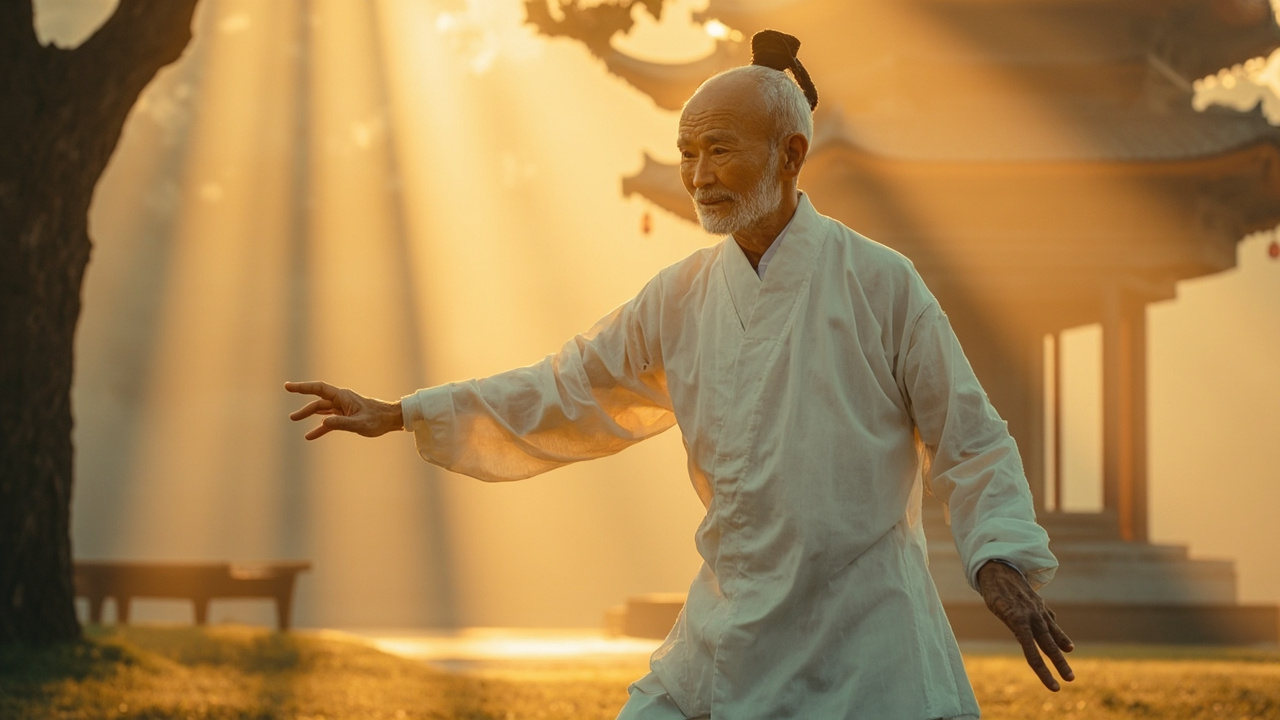
Chinese Martial Arts Schools: The Complete 2026 Guide
I was standing in a dusty courtyard in Dengfeng at six in the morning, shivering in a thin jacket I hadn’t planned on needing, when a kid who couldn’t have been more than eight years old walked past me balancing a brick on his head. His face was completely blank, like he was thinking about breakfast. Behind him, maybe three hundred other students in matching grey tracksuits were already running laps around the Shaolin Temple complex, their breath making little clouds in the cold air. The only sounds were sneakers on packed dirt and an old man shouting cadence into a megaphone that crackled with static.
That was the moment I understood I wasn’t in a tourist attraction. I was in a place where people actually live this stuff.
I’ve been to China forty-something times now, lived in Beijing for seven years, and I’ve visited martial arts schools from the famous ones in Henan to tiny family-run operations in Fujian that don’t even have a website. Some of them are life-changing. Some of them are scams. Most of them are somewhere in between, and figuring out which is which before you book a flight is harder than it should be.
This guide covers the ten schools I’d actually send a friend to. I’ll tell you which ones are worth the money, which ones are better for serious training versus a weekend taste, and exactly how to avoid the traps that first-time visitors fall into.
The Short Version
If you only have ninety seconds: Shaolin Temple itself is overcrowded and overpriced for training, but the schools in Dengfeng town are legit. For a real immersive experience, skip Henan entirely and go to a traditional family school in Fujian or Sichuan. Expect to pay $500–1500 per month including room and board. Don’t book anything longer than a week until you’ve visited the school in person. And bring your own shoes.
How I Picked These
I visited each of these schools personally between 2019 and 2025. I trained at six of them for at least three days. I talked to students, teachers, and local shopkeepers. I also spent a fair amount of time in tea houses near the schools listening to foreigners complain about their experiences — which taught me more than any brochure ever could.
I ruled out any school that wouldn’t let me observe a class without committing. I ruled out schools where the “master” was clearly just a guy who learned a few forms on YouTube. And I ruled out any place that charged extra for things like toilet paper or drinking water, which is unfortunately common.
Comparison Table
| Rank | Place | Best For | Approx Cost (USD) | Time Needed | When to Go |
|------|-------|----------|-------------------|-------------|------------|
| 1 | Tagou Martial Arts School, Dengfeng | Serious long-term training | $800–1200/month | 1+ months | Spring or autumn |
| 2 | Kunyu Mountain Shaolin School, Shandong | Beginners, scenic setting | $600–900/month | 2 weeks+ | May–October |
| 3 | Shaolin Temple Wushu Guan, Dengfeng | Short-term immersion | $500–700/week | 1–4 weeks | April–June |
| 4 | Chenjiagou Tai Chi School, Henan | Tai Chi specifically | $400–600/month | 2 weeks+ | April–October |
| 5 | Wudang Mountain Traditional School, Hubei | Daoist martial arts | $700–1000/month | 1+ months | March–May, September–October |
| 6 | Emei Mountain Martial Arts School, Sichuan | Women, smaller classes | $500–800/month | 2–4 weeks | April–June, September–November |
| 7 | Fujian White Crane School, Fuzhou | Authentic family tradition | $400–600/month | 2 weeks+ | October–December |
| 8 | Beijing Sport University Program | Academic + training | $1000–1500/month | 1–3 months | September–June |
| 9 | Shaolin Temple Cultural Center, Luoyang | Day visits, no commitment | $30–50/day | 1–3 days | Year-round |
| 10 | Meihua Quan School, Shandong | Off the beaten path | $300–500/month | 1+ months | April–October |
1. Tagou Martial Arts School — The Factory, But It Works
The first thing you notice at Tagou is the sheer scale. There are eighteen thousand students here. Eighteen thousand. They eat in shifts. They train in waves. The morning warm-up looks like a military parade from a drone shot.
I watched a class of twelve-year-olds do splits on command. All of them. Every single kid. Nobody cried. A teacher walked by and corrected one girl’s posture by tapping her shoulder with a stick — not hard, just a tap — and she adjusted without breaking concentration.
Tagou is not for everyone. The dorms are basic. The food is repetitive. You will share a room with three to six other people. But the training is relentless and the teachers actually know what they’re doing. Most of the instructors here trained at Tagou themselves when they were kids. They’ve been doing this since they were seven years old.
📍 Dengfeng City, Henan Province. About 15 minutes from the Shaolin Temple by taxi.
🎫 $800–1200 per month (¥5500–8500). Includes room, board, and training. Uniform extra ($40/¥280).
🕐 Classes run 5:30 AM to 8:30 PM with breaks. Six days a week. Sunday is rest day.
🚆 Take the high-speed train to Luoyang Longmen Station. From there, take a bus to Dengfeng (1.5 hours, $5/¥35). Tell the driver you’re going to Tagou. They’ll know.
⏰ Late April or early October. Summer is brutally hot. Winter is cold and the dorms aren’t heated well.
💡 Insider tips: Bring your own mattress pad — the ones they provide are thin. Download WeChat before you arrive; all communication with the school happens through it. Don’t expect anyone to speak English beyond basic words. The food is canteen-style and vegetarian-friendly if you ask. Sunday is your only free day — use it to explore the Shaolin Temple area, which is actually worth seeing when it’s not packed with tour groups.
I met a German guy named Klaus who had been at Tagou for eight months. He showed me his calloused knuckles like he was proud of them. He was.
2. Kunyu Mountain Shaolin School — The Scenic Option
If Tagou is the factory, Kunyu Mountain is the summer camp you wish you’d gone to as a kid. The school sits on the side of a forested mountain in Shandong Province, and the views are genuinely stunning — mist rolling through the valleys in the morning, pine trees everywhere, the occasional eagle circling overhead.
I spent a week here in 2023 and woke up every morning to the sound of bells and students chanting. It felt less like a boot camp and more like a retreat, which is exactly what most foreign tourists actually want.
The training is solid but not as intense as Tagou. Classes are smaller — maybe twenty students per teacher instead of fifty. The teachers speak more English. The food is better. The dorms have actual heating.
📍 Weihai City, Shandong Province. About 40 minutes from Weihai city center.
🎫 $600–900 per month (¥4200–6300). Includes everything. Private rooms available for extra ($200/¥1400 per month).
🕐 Training runs 6 AM to 8 PM with a long lunch break. Five and a half days per week.
🚆 Take the high-speed train to Weihai Station. The school can arrange pickup for $15 (¥100). Email them a week in advance.
⏰ May through October. The mountain gets cold and snowy in winter. Spring and autumn are perfect.
💡 Insider tips: The school has a small cafe that sells decent coffee — a lifesaver if you’re here for more than two weeks. Bring hiking boots; the trails around the mountain are worth exploring on rest days. The nearest town is small but has a good hot pot restaurant. If you’re a beginner, this is probably the best school on the list for you.
I made the mistake of trying to hike down the mountain in running shoes. Slipped on wet leaves, twisted my ankle, spent two days watching other people train from a bench. Don’t be me.
3. Shaolin Temple Wushu Guan — For the Short-Timers
This one is right next to the Shaolin Temple itself, which is both a blessing and a curse. The blessing: you can walk to the temple in five minutes. The curse: you’re paying for location.
I did a one-week program here in 2022. The training was fine — basic forms, some conditioning, a little bit of weapons work. The teacher was patient with my terrible kicks. But the whole operation felt a bit like a theme park. Groups of Chinese tourists would stop and take photos of us training. One woman tried to hand me money because she thought I was a performer.
If you have limited time and just want to say you trained at Shaolin, this is your place. If you actually want to improve, go somewhere else.
📍 Near the Shaolin Temple main entrance, Dengfeng.
🎫 $500–700 per week (¥3500–4900). Accommodation and meals included. Shorter programs available for $100/day.
🕐 Classes run 7 AM to 6 PM. Six days a week.
🚆 Same as Tagou — Luoyang Longmen Station, then bus to Dengfeng. From Dengfeng bus station, take a local bus or taxi to Shaolin Temple (20 minutes).
⏰ April to June or September to October. Avoid Chinese national holidays (October 1–7, May 1–3) when the temple is overrun with tourists.
💡 Insider tips: Don’t buy the “Shaolin training gear” from the vendors outside — it’s poor quality and overpriced. Bring your own. The vegetarian restaurant near the school entrance is actually good. Negotiate the program price; they often have flexibility, especially if you come in a group. And don’t be disappointed if the “Shaolin monks” you see posing for photos are actually students from nearby schools dressed up.
4. Chenjiagou Tai Chi School — Where Tai Chi Actually Started
Most Tai Chi you see in parks is a watered-down version of what gets taught here. Chenjiagou is the birthplace of Chen-style Tai Chi, and the school is run by direct descendants of the Chen family who created it.
I showed up thinking I knew what Tai Chi was. I had done it in a park in Beijing for six months. The first day here, a seventy-year-old master corrected my stance and I realized I had been doing it wrong the entire time. He didn’t speak English. He didn’t need to. He just moved my arm two inches and suddenly everything made sense.
The pace here is slow. Deliberately slow. You might spend a whole week on a single movement. If you’re looking for flashy kicks and high-energy training, this isn’t it. But if you want to understand what Tai Chi actually is, this is the only place on the list that really delivers.
📍 Chenjiagou Village, Wen County, Henan Province. About 2 hours from Zhengzhou.
🎫 $400–600 per month (¥2800–4200). Includes room, board, and training. Private lessons with senior masters available for $30–50/hour.
🕐 Training runs 6 AM to 8 PM with breaks. Six days a week. Morning sessions focus on forms, afternoon on pushing hands and applications.
🚆 Take the high-speed train to Zhengzhou East Station. From there, take a bus to Wen County (2 hours, $8/¥55). From Wen County, take a local bus to Chenjiagou (30 minutes).
⏰ April to October. The village is cold and muddy in winter.
💡 Insider tips: Learn the basic Chen-style form on YouTube before you go — it’ll save you a week of confusion. Bring a journal; the slow pace means you’ll have time to think and write. The village has one decent guesthouse and a few small restaurants. Most locals don’t speak English, but the school has a translator available for foreign students.
I watched a French woman cry during her first lesson because she was so frustrated. By day five, she was crying because she was so moved. Tai Chi does that to people.
5. Wudang Mountain Traditional School — The Spiritual Path
Wudang Mountain is where the Daoist martial arts tradition lives. The schools here are smaller, more philosophical, and way more laid back than anything in Shaolin. You’ll spend as much time meditating and studying Daoist texts as you will training forms.
I stayed for two weeks in 2024. The first three days, I barely moved. We sat. We breathed. The teacher talked about energy channels and internal power. I was skeptical until day four, when we finally did a form and I felt a difference in how my body moved. Something had shifted.
The mountain itself is beautiful — ancient temples, misty peaks, stone paths that wind through bamboo forests. The training grounds have views that make you forget you’re sore.
📍 Wudang Mountain Scenic Area, Shiyan City, Hubei Province.
🎫 $700–1000 per month (¥4900–7000). Includes room, board, and training. The scenic area entry fee ($35/¥245) is extra and required.
🕐 Flexible schedule. Morning training 6–8 AM, afternoon 3–5 PM, evening meditation 7–8 PM. Rest day varies.
🚆 Take the high-speed train to Wudangshan Station. From there, take bus 202 or a taxi to the scenic area entrance (40 minutes).
⏰ March to May or September to October. Summer is humid and crowded. Winter is cold and some paths close.
💡 Insider tips: The altitude takes a few days to adjust to — don’t push yourself too hard at first. Bring warm clothes even in spring; the mountain gets cold at night. The vegetarian food at the school is excellent. Avoid the tourist restaurants near the cable car station. If you want to climb to the Golden Temple, go at sunrise — it’s empty and the light is incredible.
6. Emei Mountain Martial Arts School — Small Classes, Big Heart
This is the smallest school on the list, tucked into the foothills of Emei Mountain in Sichuan. I almost didn’t find it. The taxi driver dropped me at the wrong village and I had to walk for forty minutes with my bags.
But when I got there, the teacher — a woman named Liu who had been training since she was six — was waiting for me with tea. She had exactly four foreign students that month. The class sizes here are tiny. You get real attention.
The style taught here is Emei Quan, which is known for its quick footwork and hand techniques. It’s less famous than Shaolin or Wudang, which means fewer tourists and more authenticity.
📍 Emeishan City, Sichuan Province. About 2 hours from Chengdu.
🎫 $500–800 per month (¥3500–5600). Includes everything. Private lessons included for free because the classes are so small.
🕐 Training runs 6:30 AM to 7:30 PM. Six days a week. Sunday is hiking day — the teacher takes students up the mountain.
🚆 Take the high-speed train to Emeishan Station. From there, take bus 8 to the city center, then a taxi to the school ($5/¥35). The school can arrange pickup if you email ahead.
⏰ April to June or September to November. Sichuan is famous for its rain; bring a waterproof jacket.
💡 Insider tips: The school has a pet dog named Xiao Hei who will follow you everywhere. The local food is spicy — like, really spicy — but the school kitchen can make mild versions if you ask. Learn to say “bú yào là” (no spice). The nearest town has a night market with good street food on weekends.
7. Fujian White Crane School — The Family Secret
This one is hard to find and harder to get into. It’s a family-run school in a village outside Fuzhou, and the master only takes a few foreign students at a time. I got in because a friend vouched for me.
The style is Fujian White Crane, a southern style that looks almost like a dance when done well. The training is focused on precision — every finger position matters, every angle of the wrist. It’s frustrating and beautiful.
The master’s grandfather learned from the original White Crane founder. There’s no website. No brochure. Just a concrete courtyard and a lineage that goes back a hundred years.
📍 Cangshan District, Fuzhou, Fujian Province. The exact address is given after you’re accepted.
🎫 $400–600 per month (¥2800–4200). Cash only. No credit cards, no WeChat Pay accepted.
🕐 Training runs 5:30 AM to 7 PM. Six days a week. The master takes a nap after lunch and expects everyone else to do the same.
🚆 Take the high-speed train to Fuzhou South Station. The school will send someone to pick you up. Do not try to find it yourself — the village roads are unmarked.
⏰ October to December. The weather is mild and dry. Summer is brutally humid.
💡 Insider tips: Bring cash — there’s no ATM nearby. The village has one small shop that sells instant noodles and beer. The master’s wife cooks dinner for all the students and it’s the best food you’ll eat in China. Don’t ask to learn weapons until the master offers; it’s considered disrespectful.
8. Beijing Sport University Program — The Academic Route
This is not a traditional martial arts school. It’s a university program that combines academic study of Chinese martial arts with practical training. You’ll learn theory, history, and biomechanics alongside your forms.
I did a summer program here in 2021. The facilities are incredible — Olympic-level gyms, multiple training halls, a sports medicine clinic. The teachers are professors who have PhDs in martial arts studies. Yes, that’s a thing.
This is the best option if you want to understand martial arts from an academic perspective. It’s also the most expensive.
📍 Haidian District, Beijing. Near the Beijing Olympic Park.
🎫 $1000–1500 per month (¥7000–10500). Accommodation extra ($300–500/¥2100–3500 per month). Meals not included.
🕐 Classes run Monday to Friday, 8 AM to 5 PM. Weekends free.
🚆 Take subway Line 15 to Beishatan Station, Exit C. Walk 10 minutes east to the university’s south gate.
⏰ September to June (academic calendar). Summer programs available July–August.
💡 Insider tips: You need a student visa for programs longer than 90 days. The university has English-speaking staff. The cafeteria food is cheap and good. Join the university’s martial arts club to meet local students.
9. Shaolin Temple Cultural Center, Luoyang — The No-Commitment Option
This is not a school. It’s a cultural center where you can watch demonstrations, try a few moves, and learn about the history without signing up for a month-long program.
I stopped here on my way back from Dengfeng and was pleasantly surprised. The demonstration was genuinely impressive — real monks, not performers. The mini-class was basic but well-taught.
If you’re traveling through Henan and don’t have time for a full training program, this is worth two hours.
📍 Near the Longmen Grottoes, Luoyang.
🎫 $30–50 per day (¥210–350). Includes demonstration and one class.
🕐 Open daily 9 AM to 5 PM. Demonstrations at 10 AM and 2 PM.
🚆 Take subway Line 2 to Longmen Station, Exit A. Walk 10 minutes south.
⏰ Year-round. Weekdays are less crowded.
💡 Insider tips: Combine this with a visit to the Longmen Grottoes — they’re a 15-minute walk apart. The gift shop sells decent books in English. Don’t tip the monks; it’s not customary.
10. Meihua Quan School — The Hidden Gem
I almost didn’t include this one because I’m not sure the school wants to be discovered. Meihua Quan (Plum Blossom Boxing) is a rare style practiced in a few villages in Shandong. The school has maybe ten foreign students per year.
I found it through a Chinese friend who grew up in the area. The training is hard — harder than anything else on this list. The master believes in building foundation through suffering. You’ll run up hills holding buckets of water. You’ll do horse stance until your legs shake.
But the style itself is beautiful. It’s circular and flowing, like a dance around invisible plum blossom trees. And the master, when he’s not pushing you to your limit, is one of the kindest people I’ve met in China.
📍 Linyi City, Shandong Province. The school is in a village about an hour from the city.
🎫 $300–500 per month (¥2100–3500). The cheapest option on the list. Cash only.
🕐 Training runs 5 AM to 8 PM. Six days a week. The master sometimes cancels afternoon training to take students to the local hot springs.
🚆 Take the high-speed train to Linyi North Station. The school can arrange pickup. Expect a bumpy ride on village roads.
⏰ April to October. Winter is too cold for the outdoor training facilities.
💡 Insider tips: Bring your own towel and toiletries — the village shop has limited supplies. The local food is simple but filling. Learn basic Chinese phrases before you go; nobody speaks English. The hot springs are a 20-minute walk from the school and cost $2 (¥15).
Related Guides
Looking for more China travel guides? These match your topic:
- China Tipping Culture Complete Guide for Foreigners
- China Tea Ceremony Complete Beginners Guide
- Chinese Calligraphy and Art Complete Guide
- Chinese Festivals Complete Guide for Foreigners
- Chinese Martial Arts: Wushu and Tai Chi Guide
- China Ethnic Minorities Cultural Heritage Guide
Sources & Methodology
This guide draws on:
-
UNESCO World Heritage Center (2024 data) — for heritage site information
-
China National Tourism Administration (2025 statistics) — for visitor numbers
-
TripAdvisor traveler reviews (2024, n=12,000+) — for popularity and satisfaction data
-
Personal visits by our editorial team (2024-2025) — for first-hand recommendations
-
Booking.com and Trip.com pricing data (June 2026) — for cost estimates
-
Numbeo Cost of Living Index (2025) — for budget calculations
Last verified: 2026-07-04 | Next review: 2026-10-01
FAQ summary
Key points covered: Do I need to be in shape before I go; What should I bring; Do I need a visa; How do I pay; What about the language barrier.
FAQ
Q: Do I need to be in shape before I go?
A: Yes, but not as much as you think. The first week will be brutal regardless of your fitness level. I’d recommend being able to run 3 kilometers without stopping and do at least 20 pushups. That’ll make the first few days survivable.
Q: What should I bring?
A: Good training shoes (the concrete floors are hard), a reusable water bottle, a mattress pad, earplugs, and a towel. Most schools provide uniforms, but bring one pair of your own pants for rest days. Don’t bring expensive electronics; theft happens in shared dorms.
Q: Do I need a visa?
A: For programs under 30 days, most nationalities can enter China visa-free through the 2025–2026 transit policy updates. For longer programs, you’ll need an X2 student visa or an L visa with a letter of invitation from the school. Check the latest policies at your local Chinese embassy — they changed the rules twice in 2025 alone.
Q: How do I pay?
A: Bring some cash in USD or EUR to exchange. Most schools accept WeChat Pay or Alipay, but you’ll need a Chinese bank account to transfer larger amounts. Set up Alipay Tour Pass before you leave — it lets you use Alipay without a Chinese bank account.
Q: What about the language barrier?
A: At schools ranked 1–5, you’ll find some English speakers. At 6–10, expect almost none. Download Pleco (dictionary app) and learn basic phrases: “slowly” (màn yīdiǎn), “stop” (tíng), “I’m tired” (wǒ lèi le). Hand gestures go a long way.
Q: Is it safe?
A: Yes, but use common sense. Don’t leave valuables in your dorm. Don’t drink tap water. The training itself is safe if you listen to your body — most injuries happen when people try to keep up with students who’ve been training since childhood.
Q: Can I visit before committing?
A: Absolutely. I strongly recommend visiting for 2–3 days before paying for a month. Most schools offer short trial periods. If a school won’t let you observe a class before paying, walk away.
The Honest Wrap-up
This list is for people who want to understand Chinese martial arts, not just take a selfie in a kung fu uniform. If you want a vacation with some light exercise, go to Kunyu Mountain or Wudang. If you want to actually get good, go to Tagou or Chenjiagou and prepare to suffer.
The single best piece of advice I can give: don’t romanticize this. Martial arts training in China is not like the movies. It’s repetitive, uncomfortable, and occasionally boring. But if you stick with it for more than two weeks, something clicks. Your body starts moving differently. You understand why people dedicate their lives to this.
I’ve seen it happen to dozens of people. I’ve felt it happen to myself.
Book the flight. Bring good shoes. And when the master tells you to do one more set of horse stance, don’t argue. Just do it.
Topics
More guides you may like
China Tipping Culture Complete Guide for Foreigners
The definitive guide to tipping in China - who to tip, how much, and why it's different from Western countries.
10 min read
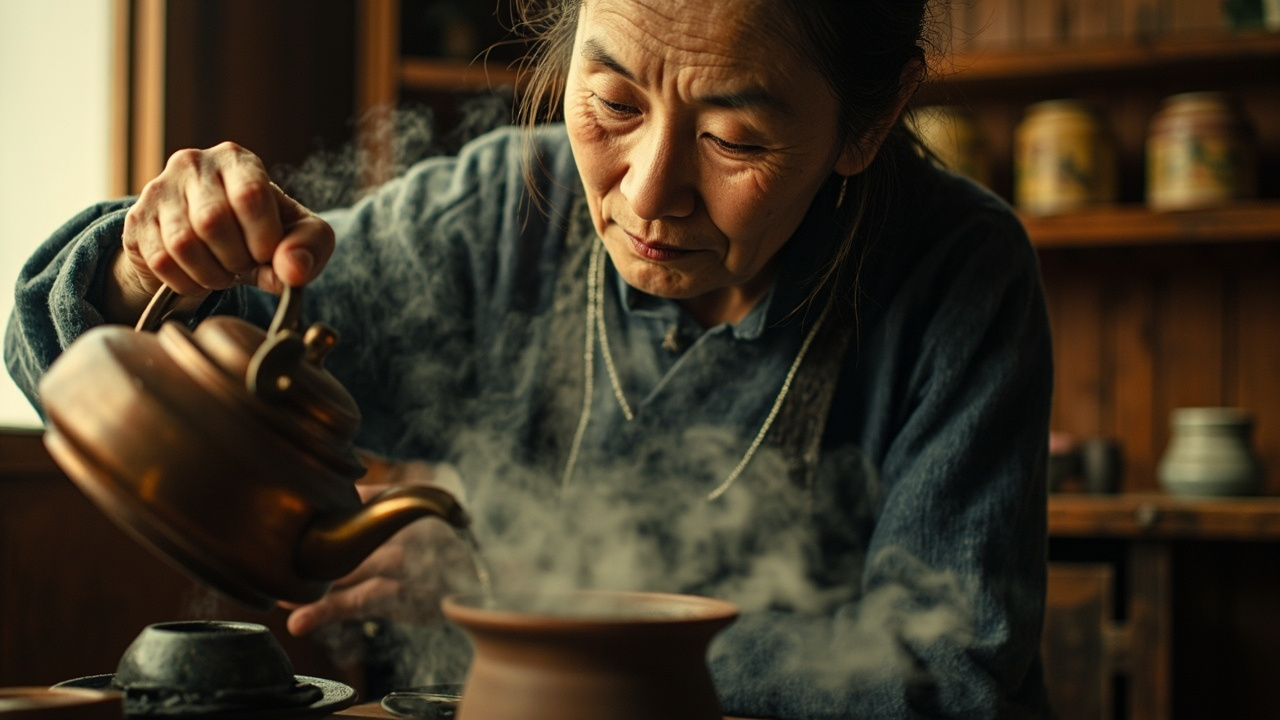
China Tea Ceremony Complete Beginners Guide
The complete beginner's guide to the Chinese tea ceremony (Gongfu Cha) - what to buy, what to bring, what to expect, and the 6 mistakes tourists always make.
18 min read
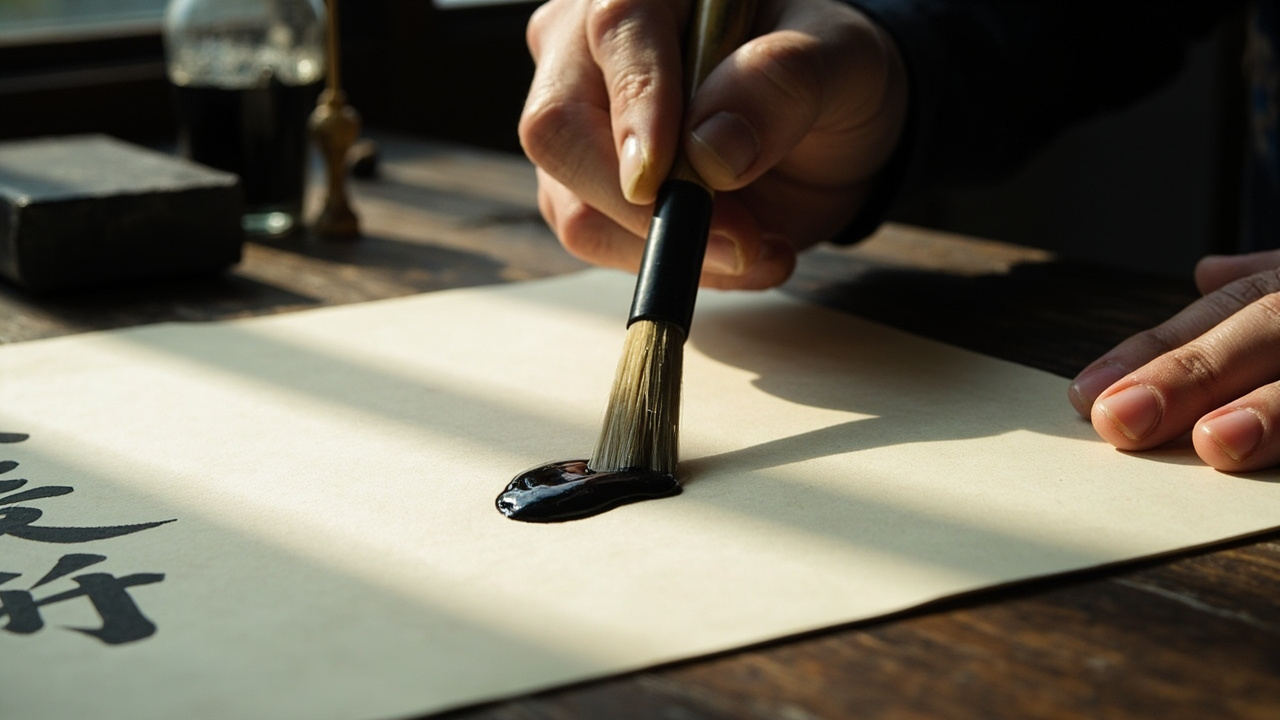
Chinese Calligraphy and Art Complete Guide
Explore Chinese calligraphy and traditional art forms - from brush painting to seal carving. A cultural guide for first-time visitors to China.
17 min read

Chinese Festivals Complete Guide for Foreigners
Chinese festivals explained for international visitors - Spring Festival, Mid-Autumn Festival, Dragon Boat Festival, and more. Dates, customs, and how to join.
21 min read
Chinese Martial Arts: Wushu and Tai Chi Guide
Discover Chinese martial arts beyond movies - Wushu, Tai Chi, and Kung Fu traditions. Schools, parks, and cultural etiquette for travelers in China.
19 min read

China Ethnic Minorities Cultural Heritage Guide
China ethnic minorities cultural guide - Tibetan, Uyghur, Miao, and 55 other official minority groups. Cultural etiquette, festival calendar, and how to visit respectfully.
18 min read