
Romantic Destinations in China
Romantic Destinations in China: 2026 guide covers current prices, transport, payment apps, and what foreign visitors need to know.
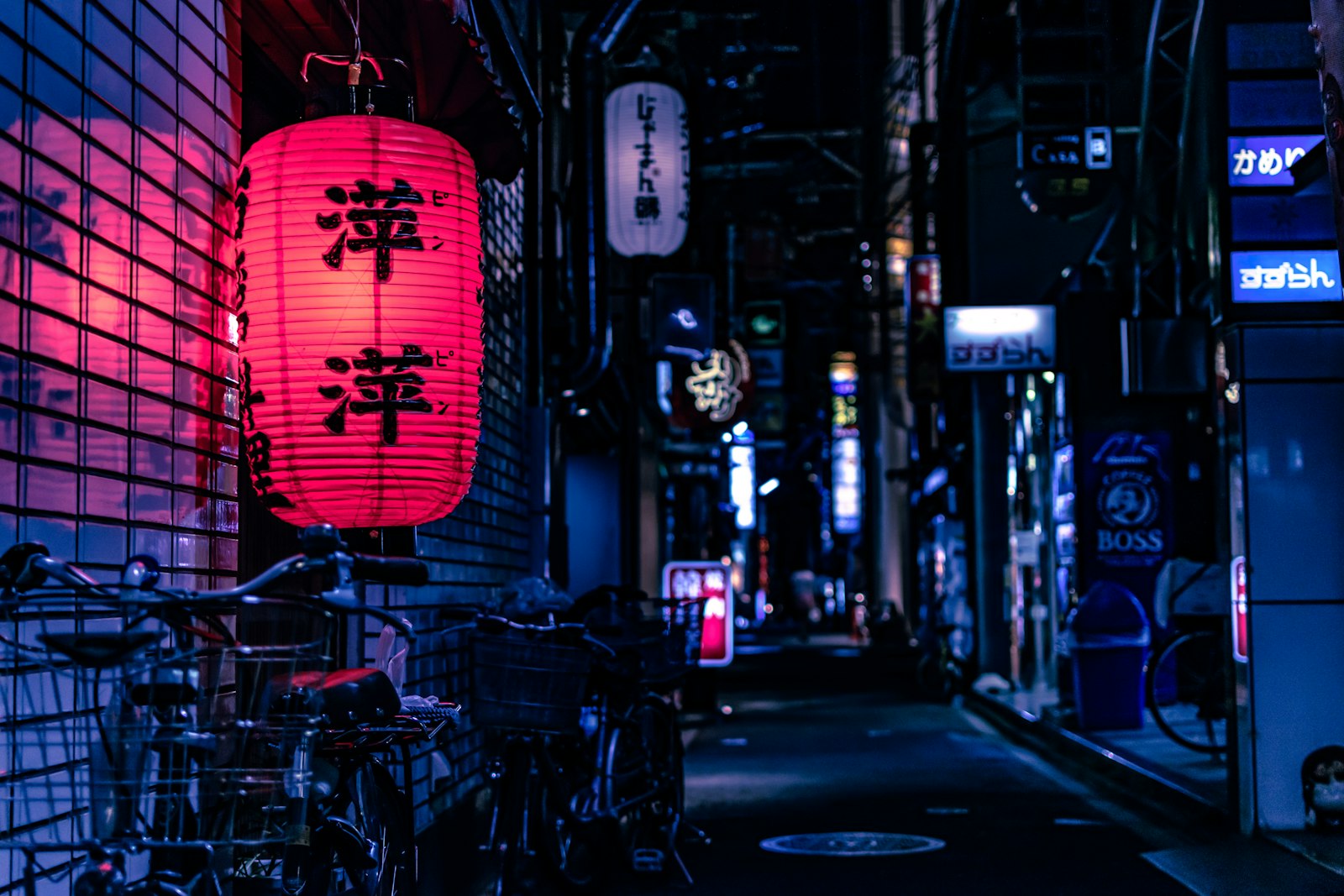
The cab driver in Shanghai laughed at me when I asked if he’d ever taken a couple to Zhujiajiao for a romantic weekend. “Romantic?” he said, switching to English. “You want romantic, you go to Hangzhou. You want to sit in traffic for three hours, you go to Zhujiajiao.” He wasn’t wrong. But he also wasn’t entirely right. Because “romantic” in China doesn’t mean candlelit dinners and rose petals on the bed. It means mist rising off a lake at 6 a.m. while a man plays a bamboo flute on a pavilion. It means getting lost in a hutong at dusk, the smell of chuan’r smoke pulling you toward a tiny courtyard restaurant. It means sitting on a train, watching the karst mountains slide past the window, your partner asleep on your shoulder.
Quick answer
The cab driver in Shanghai laughed at me when I asked if he’d ever taken a couple to Zhujiajiao for a romantic weekend. “Romantic?” he said, switching to English. “You want romantic, you go to Hangzhou.
I’ve spent seven years in Beijing and traveled through China more than 40 times. I’ve had the perfect picnic interrupted by a dust storm. I’ve booked a “lake-view room” that overlooked a construction site. I’ve also stood on the Great Wall with zero other tourists, the snow falling so quietly I could hear my own heartbeat. This guide is for the couple who wants the real thing—not the Instagram backdrop, but the memory that sticks.
The Short Version
Skip the Bund. Skip the Forbidden City on a weekend. Go to Yangshuo for the landscape, Lijiang for the atmosphere, and Suzhou for the gardens. Spend money on a good hotel in Hangzhou, not on a fancy dinner. Bring a translation app and cash for street food. And whatever you do, don’t try to see everything. Three places, five days each, is better than ten places in fourteen days. Trust me on this.
How I Picked These
I visited every destination on this list in the past two years. I took trains, buses, and the occasional terrifying taxi ride. I talked to hotel owners, hostel receptionists, and a retired English teacher in Chengdu who insisted on buying me tea. I also made plenty of mistakes—overpaid for a boat ride in Guilin, showed up to a closed temple in Dali, got food poisoning in Xi’an—so you don’t have to. These are the places where I thought: I’d bring someone I love here.
Comparison Table
| Rank | Place | Best For | Approx Cost (USD) per day (per couple) | Time Needed | When to Go |
|------|-------|----------|----------------------------------------|-------------|------------|
| 1 | Yangshuo | Landscape, outdoor activities | $80–120 | 4–5 days | Mar–May, Sep–Nov |
| 2 | Hangzhou | Lake views, tea culture | $100–150 | 3–4 days | Apr–Jun, Oct–Nov |
| 3 | Lijiang Old Town | Atmosphere, nightlife | $70–100 | 3–4 days | Mar–May, Sep–Oct |
| 4 | Suzhou | Classical gardens, canals | $80–120 | 2–3 days | Mar–May, Sep–Nov |
| 5 | Dali | Relaxation, cycling | $60–90 | 4–5 days | Mar–May, Oct–Nov |
| 6 | Guilin | River scenery | $70–100 | 2–3 days | Apr–Oct |
| 7 | Chengdu | Food, pandas | $60–90 | 3–4 days | Mar–Jun, Sep–Nov |
| 8 | Jiuzhaigou | Nature, hiking | $100–150 | 3–4 days | Sep–Nov |
| 9 | Shanghai French Concession | Urban romance, bars | $120–180 | 2–3 days | Mar–May, Sep–Nov |
| 10 | Beijing (Mutianyu Great Wall) | Iconic experience | $100–150 | 2–3 days | Apr–Jun, Sep–Oct |
1. Yangshuo — The Landscape That Makes You Forget Your Phone
I was cycling past a rice paddy when a woman in a conical hat waved at me from her field. She held up a bunch of pomelos, gestured for me to take one. I didn’t speak Mandarin well enough to say no gracefully. So I took it, and we sat on a stone wall, eating pomelos in the shadow of those impossible karst peaks. That’s Yangshuo. The landscape is so absurdly beautiful—these jagged green towers rising out of flat farmland—that you’ll stop reaching for your camera after day one. It’s just there. You get used to beauty.
Why it’s special: There’s no “main attraction” here. You rent a scooter or a bicycle, pick a direction, and ride. The Li River cuts through the valley, and you can swim in it if you’re brave enough (I was not, in March). The town itself is touristy, but the countryside is not. Head to Moon Hill for a hike, or take a bamboo raft from Yangdi to Xingping. That’s the stretch you see on the 20 yuan note.
-
📍 Location: Yangshuo County, Guilin prefecture. The town center is around West Street.
-
🎫 Entry fee: Free for the town and countryside. Bamboo rafting: $25–40 (¥180–290) per person. Moon Hill: $3 (¥20).
-
🕐 Opening hours: 24/7 for the town and countryside. Moon Hill: 7:30 a.m.–6:30 p.m.
-
🚆 How to get there: Take the high-speed train from Guilin to Yangshuo Station (40 minutes, $15/¥110). From the station, take bus #1 or a taxi (15 minutes, $5/¥35) to the town center. If you’re coming from Guilin city, you can also take a direct bus from the Guilin Bus Station (1.5 hours, $8/¥55).
-
⏰ When to visit: March to May for the rice paddies in green. September to November for cooler weather and harvest season. Avoid Chinese National Holiday (Oct 1–7) at all costs.
-
💡 Insider tips:
-
Rent a scooter from a shop on Pantao Road, not West Street. You’ll pay half the price.
-
The best view of the Li River is from the top of Xianggong Mountain at sunrise. It’s a 20-minute climb. Go on a weekday.
-
English is limited outside the main tourist areas. Download Pleco and offline Mandarin phrases.
-
WeChat Pay is accepted everywhere, but keep ¥200–300 in cash for rural vendors.
-
Buy a SIM card at the Guilin airport. China Unicom has the best rural coverage here.
-
-
I ate river snail noodles at a stall near the bus station and spent the next hour trying to explain to my girlfriend that “it smells worse than it tastes” was actually a compliment.
2. Hangzhou — The Lake That Poets Wrote About
I watched the rain come sideways off the hills around West Lake for an hour before it stopped. Then the mist lifted, and the lake turned the color of jade. A woman in a silk dress walked past with an umbrella, and I thought: This is the most Chinese painting I’ve ever seen. Hangzhou is the city that Chinese poets have been writing about for a thousand years, and the reason is simple: West Lake. It’s not a natural lake—it’s been shaped by human hands over centuries, with islands, causeways, and pavilions placed deliberately to create the perfect view at every turn.
Why it’s special: Walk the Su Causeway in the early morning, before the tour buses arrive. Rent a rowboat (not a motorboat) and let the boatman take you to the islands. Have tea at the Dragon Well tea plantation, where you can watch the leaves being hand-roasted in giant woks. The city itself is modern and clean, with good food and a metro system that’s easy to navigate. But the lake is the reason you’re here.
-
📍 Location: West Lake District. The main lake area is around Hubin Road and the Broken Bridge.
-
🎫 Entry fee: Free for the lake and most areas. Lingyin Temple: $6 (¥45). Leifeng Pagoda: $6 (¥45). Boat rentals: $8–15 (¥55–110) per hour.
-
🕐 Opening hours: The lake is 24/7. Lingyin Temple: 7:00 a.m.–5:30 p.m. (closes earlier in winter).
-
🚆 How to get there: Take the high-speed train from Shanghai Hongqiao to Hangzhou East (1 hour, $20/¥145). From there, take Metro Line 1 to Longxiangqiao Station (20 minutes, $0.50/¥4). Exit C, walk 10 minutes east to the lake.
-
⏰ When to visit: April to June for the spring blooms. October to November for the autumn colors. Weekdays are much quieter. Avoid weekends and holidays.
-
💡 Insider tips:
-
The best tea is not at the tourist tea houses near the lake. Go to the Meijiawu village in the hills, where the farmers will serve you a pot for $3 (¥20).
-
Rent a bicycle from the public bike stations (you need Alipay with a deposit). It’s the best way to circle the lake.
-
The Impression West Lake show is overpriced and crowded. Skip it.
-
English is widely spoken at hotels and tourist sites. Not so much at local restaurants.
-
The Longjing tea fields are free to walk through. The museum is also free.
-
-
I met a retired calligraphy teacher near the Broken Bridge who offered to write my name in Chinese for $1 (¥7). I still have the paper. It’s wrong, but I love it.
3. Lijiang Old Town — The One That’s Actually Still Alive
I was skeptical about Lijiang. I’d read the reviews: “too touristy,” “commercialized,” “a theme park.” And yes, the main square at noon is a chaos of selfie sticks and tour groups. But I walked 10 minutes off the main street, down a narrow alley where the canals run alongside the stone houses, and I found a courtyard with a single plum tree in bloom. An old woman was grinding rice flour by hand. Nobody else was there. Lijiang is like that—the tourist version is on the surface, but the real city is underneath.
Why it’s special: The Naxi minority culture is still alive here. You can hear their music in the evenings—a haunting mix of flutes and bells. The canals that run through the old town were designed so that every house has water access. At night, the red lanterns come on, and the bars along Sifang Street fill with travelers. It’s loud, it’s messy, and it’s wonderful.
-
📍 Location: Dayan Old Town, Lijiang, Yunnan Province.
-
🎫 Entry fee: $0 (¥0) for the old town itself. The “maintenance fee” of $12 (¥80) was abolished in 2019. Some attractions inside cost $3–5 (¥20–35).
-
🕐 Opening hours: 24/7. Shops open 9 a.m.–10 p.m. Bars till late.
-
🚆 How to get there: Fly into Lijiang Sanyi Airport (direct flights from Shanghai, Beijing, Chengdu). From the airport, take the airport bus ($3/¥20) to the city center, then walk 10 minutes to the old town. Alternatively, take a high-speed train from Kunming (3 hours, $35/¥250).
-
⏰ When to visit: March to May for the flowers. September to October for the clearest skies. Avoid August (rainy season).
-
💡 Insider tips:
-
Stay in a guesthouse in the old town, not a hotel outside. The courtyard atmosphere is the whole point.
-
The Black Dragon Pool Park has the best view of Jade Dragon Snow Mountain reflected in the water. Go at sunrise.
-
Buy a Naxi music CD from a street performer, not a shop. The real ones are better.
-
English is limited. Learn “duo shao qian?” (how much?) and use a calculator for bargaining.
-
The food is spicy here. Ask for “bu la” (not spicy) if you can’t handle it.
-
-
I tried yak butter tea at a Naxi restaurant and spent the next 10 minutes trying not to gag. My host laughed and brought me regular tea.
4. Suzhou — The Gardens That Think They’re Paintings
I sat in the Humble Administrator’s Garden for two hours, watching the light change across a single lotus pond. A Chinese couple next to me was having a quiet argument. An old man was practicing tai chi on a stone bridge. A cat was asleep on a bench. I felt like I was inside a scroll painting, except the painting had Wi-Fi and a coffee shop around the corner. Suzhou’s classical gardens are not parks—they are three-dimensional poems, designed to evoke specific moods through the arrangement of rocks, water, and plants.
Why it’s special: The gardens are the main event, but the water towns around Suzhou—Tongli, Zhouzhuang—are worth a day trip. The Grand Canal runs through the city, and you can take a boat ride through the old neighborhoods. The silk market is also excellent, if you’re into that.
-
📍 Location: Gusu District, Suzhou, Jiangsu Province.
-
🎫 Entry fee: Humble Administrator’s Garden: $11 (¥80). Lingering Garden: $8 (¥55). Master of the Nets Garden: $6 (¥45).
-
🕐 Opening hours: 7:30 a.m.–5:30 p.m. (closes earlier in winter). Check each garden’s website for exact times.
-
🚆 How to get there: Take the high-speed train from Shanghai to Suzhou Station (25 minutes, $8/¥55). From there, take Metro Line 4 to Beisita Station (15 minutes, $0.50/¥4). Exit 1, walk 10 minutes east to the Humble Administrator’s Garden.
-
⏰ When to visit: March to May for the spring blooms. September to November for the autumn colors. Weekdays are much quieter.
-
💡 Insider tips:
-
Visit the Master of the Nets Garden in the evening for the “Night Tour” performance. It’s a small, intimate show.
-
The Suzhou Museum (free, designed by I.M. Pei) is next to the Humble Administrator’s Garden. Book tickets online a week in advance.
-
The best xiaolongbao (soup dumplings) are at the Songhelou restaurant on Guanqian Street. Go at 11 a.m. to avoid the lunch rush.
-
English is fine at tourist sites. Less so at local markets.
-
Rent a boat on the Grand Canal at night. The lights on the bridges are beautiful.
-
-
I got lost in the alleyways behind the garden and found a tiny dumpling shop run by a grandmother who didn’t speak a word of English but served the best soup dumplings of my life.
5. Dali — The Place You Go to Do Nothing
I spent an entire afternoon sitting on the roof of my guesthouse in Dali, watching the clouds move over Erhai Lake. I read a book. I took a nap. I ate a banana. That was the day. Dali is not a destination for “doing things.” It’s a destination for being somewhere. The old town is small, with a central square and a few streets of shops and restaurants. The real attraction is the lake, which you can cycle around in a day (about 50 miles/80 km). The mountains behind the town are dotted with temples and villages.
Why it’s special: The Bai minority culture is strong here. You can see their traditional houses with painted walls and courtyards. The food is different—try the “crossing-the-bridge noodles” and the grilled fish from the lake. The pace of life is slow. People come here for a week and stay for a month.
-
📍 Location: Dali Old Town, Dali Bai Autonomous Prefecture, Yunnan Province.
-
🎫 Entry fee: Free for the old town. Erhai Lake Park: $6 (¥45). Cangshan Mountain cable car: $25–40 (¥180–290) depending on the route.
-
🕐 Opening hours: 24/7 for the town. Erhai Lake Park: 8 a.m.–6 p.m. Cable car: 8:30 a.m.–5 p.m.
-
🚆 How to get there: Fly into Dali Airport (direct flights from Kunming, Chengdu, Shanghai). From the airport, take the airport bus ($3/¥20) to the old town. Alternatively, take a high-speed train from Kunming (2 hours, $25/¥180).
-
⏰ When to visit: March to May for the best weather. October to November for the autumn colors. Avoid July and August (rainy season).
-
💡 Insider tips:
-
Rent a bicycle from a shop on Renmin Road. The lake loop is mostly flat and well-paved.
-
The Three Pagodas are overpriced and crowded. You can see them from the road for free.
-
The best coffee in Dali is at a tiny shop called “The Bakery” near the south gate. The owner is an Australian expat.
-
English is limited. Bring a translation app.
-
The night market on Huguo Road has excellent street food. Try the grilled mushrooms.
-
-
I met a French couple who had been living in Dali for three years. They ran a small guesthouse. “We came for two weeks,” they said. “That was 2019.”
6. Guilin — The Postcard That Comes to Life
I took the Li River cruise from Guilin to Yangshuo, and for the first hour, I was disappointed. The river was brown, the sky was gray, and the boat was packed with Chinese tour groups. Then we rounded a bend, and the karst peaks appeared. Not gradually—suddenly, like a curtain had been pulled back. The water turned green. The mist lifted. I stood on the deck for the next three hours, not saying a word. Guilin is the postcard. But the postcard doesn’t tell you about the smell of the river, the sound of the boat engine, or the way the light hits the peaks at 4 p.m.
Why it’s special: The Li River cruise is the main attraction, but the city itself has a few gems. The Reed Flute Cave is a tourist trap, but the Seven Star Park has a good zoo and a nice walk. The real magic is in the countryside around the city.
-
📍 Location: Guilin city center, Guangxi Zhuang Autonomous Region.
-
🎫 Entry fee: Li River cruise: $50–80 (¥360–580) per person. Reed Flute Cave: $15 (¥110). Seven Star Park: $8 (¥55).
-
🕐 Opening hours: Li River cruises depart 8–10 a.m. daily. Reed Flute Cave: 8 a.m.–6 p.m. Seven Star Park: 7 a.m.–7 p.m.
-
🚆 How to get there: Fly into Guilin Liangjiang International Airport (direct flights from Shanghai, Beijing, Chengdu, Hong Kong). From the airport, take the airport bus ($4/¥25) to the city center. Alternatively, take a high-speed train from Guangzhou (2.5 hours, $30/¥220).
-
⏰ When to visit: April to October for the best weather. September and October are the clearest. Avoid May (rainy season).
-
💡 Insider tips:
-
Book the Li River cruise through your hotel, not a street vendor. You’ll pay the same price but get a better boat.
-
The best view of the city is from the top of Diecai Mountain at sunset.
-
English is limited. Learn “zhe ge duo shao qian?” (how much is this?).
-
The local specialty is Guilin rice noodles. Eat them at a street stall, not a restaurant.
-
WeChat Pay is king here. Cash is accepted but not preferred.
-
-
I overpaid for a “private” boat tour that turned out to be a group tour with 40 other people. But the scenery was so good I didn’t care.
7. Chengdu — The City of Food and Pandas
I went to the Panda Base at 7 a.m., thinking I’d beat the crowds. The crowds were already there. But then I saw a baby panda roll off a platform and land in a bush, and the entire crowd gasped and laughed at the same time. Chengdu is the city that makes you feel good. The food is incredible—spicy, numbing, addictive. The people are friendly. The pace is relaxed. And the pandas are, objectively, the most ridiculous animals on earth.
Why it’s special: The food scene is the main draw. Go to the Jinli Ancient Street for street food, or the Kuanzhai Alley for a more upscale experience. The Sichuan opera with the face-changing performance is worth seeing. The Leshan Giant Buddha (a day trip) is impressive but crowded.
-
📍 Location: Chengdu city center, Sichuan Province.
-
🎫 Entry fee: Panda Base: $10 (¥70). Jinli Ancient Street: free. Kuanzhai Alley: free. Leshan Giant Buddha: $12 (¥90).
-
🕐 Opening hours: Panda Base: 7:30 a.m.–6 p.m. (arrive before 9 a.m. for active pandas). Jinli: 9 a.m.–10 p.m. Kuanzhai: 9 a.m.–10 p.m.
-
🚆 How to get there: Fly into Chengdu Tianfu International Airport (direct flights from most major cities). From the airport, take Metro Line 18 to the city center (45 minutes, $2/¥15). Alternatively, take a high-speed train from Xi’an (3.5 hours, $40/¥290).
-
⏰ When to visit: March to June for the best weather. September to November for the autumn colors. Avoid August (hot and humid).
-
💡 Insider tips:
-
Book the Panda Base tickets online in advance. The queue can be 2 hours long on weekends.
-
The best Sichuan hotpot is at a chain called “HaiDiLao.” It’s not the most authentic, but it’s the most foreigner-friendly.
-
Learn “bu yao tai la” (not too spicy). The local level of spice will destroy you.
-
English is limited outside tourist areas. Use a translation app for menus.
-
The Leshan Giant Buddha is best visited on a weekday. The queue for the stairs can be 3 hours on weekends.
-
-
I ate a piece of mapo tofu that was so spicy I cried. The waiter brought me a glass of milk. I drank it. I cried again.
8. Jiuzhaigou — The Fairy Tale That’s Real
I stood at the edge of Five Flower Lake and couldn’t move. The water was so clear I could see the bottom, 20 meters down. The colors—turquoise, emerald, sapphire—shifted as the clouds moved overhead. I’d seen photos. I’d read the descriptions. Nothing prepared me for the actual color of that water. Jiuzhaigou is a national park in Sichuan, a series of lakes and waterfalls that look like they were designed by a Hollywood art director. Except they’re real.
Why it’s special: The lakes are the main attraction, but the waterfalls (Nuorilang, Pearl Shoal) are equally impressive. The park is huge, and you’ll need a full day to see it all. The shuttle bus system is efficient. The altitude is high (2,000–4,500 meters), so take it easy on the first day.
-
📍 Location: Jiuzhaigou County, Sichuan Province. About 5 hours from Chengdu by bus.
-
🎫 Entry fee: $30 (¥220) for the park entrance + $12 (¥90) for the shuttle bus. This is a government-set price.
-
🕐 Opening hours: 7:30 a.m.–5:30 p.m. (closes earlier in winter). The park is open year-round, but winter is very cold.
-
🚆 How to get there: Fly into Jiuzhaigou Huanglong Airport (direct flights from Chengdu, Beijing, Shanghai). From the airport, take a shuttle bus ($10/¥70) to the park entrance (1.5 hours). Alternatively, take a bus from Chengdu (8 hours, $20/¥145).
-
⏰ When to visit: September to November for the autumn colors. This is the peak season. June to August for the green season (rainy). Avoid winter unless you like snow.
-
💡 Insider tips:
-
Book tickets online at least a week in advance. The park limits daily visitors to 40,000.
-
Bring a waterproof jacket. It rains suddenly and often.
-
The altitude can cause headaches. Take it slow on the first day.
-
English is limited. The park has English signs, but the shuttle bus announcements are in Mandarin.
-
The food inside the park is overpriced and bad. Bring your own lunch.
-
-
I slipped on a wet boardwalk and fell into a bush. A group of Chinese tourists helped me up, laughing. I laughed too. The view from the bush was actually better.
9. Shanghai French Concession — The Urban Romance
I was walking down Wukang Road at dusk when the plane trees filtered the last light into a green haze. A couple was arguing on a bench. A dog was running through a café’s outdoor seating. A woman in a cheongsam was taking photos of a vintage car. Shanghai’s French Concession is not romantic in the traditional sense. It’s romantic in the sense that you can walk for hours, discover a tiny bar, a hidden garden, a bookstore with a cat, and feel like you’re in a Wong Kar-wai film.
Why it’s special: The architecture is a mix of Art Deco and traditional Chinese styles. The tree-lined streets are perfect for walking. The cafés and bars are excellent. The Bund is fine for a photo, but the French Concession is where you’ll want to spend your evenings.
-
📍 Location: The French Concession covers the area between Huaihai Road and Fuxing Road, from Xintiandi to the former French Park.
-
🎫 Entry fee: Free. Cafés and bars: $5–15 (¥35–110) per drink.
-
🕐 Opening hours: 24/7. Most shops and cafés open 10 a.m.–10 p.m.
-
🚆 How to get there: Take Metro Line 10 to Xintiandi Station (Exit 6). Walk 5 minutes south to Fuxing Park. Or take Line 1 to South Huangpi Road Station (Exit 1).
-
⏰ When to visit: March to May for the spring blooms. September to November for the autumn colors. Weekdays are quieter.
-
💡 Insider tips:
-
The best coffee in Shanghai is at “Manner Coffee” on Nanchang Road. A latte is $3 (¥20).
-
The Fuxing Park at 7 a.m. is full of locals doing tai chi, dancing, and playing mahjong.
-
For a romantic dinner, try “Commune Social” on Jiangguo Road. Book a week in advance.
-
English is widely spoken here. You’ll have no problems.
-
WeChat Pay and Alipay are accepted everywhere. Cash is rare.
-
-
I spent an hour in a tiny bookstore on Shaoxing Road, talking to the owner about Chinese poetry. He gave me a book of Li Bai’s poems as a gift. I still can’t read it.
10. Beijing (Mutianyu Great Wall) — The One You Have to Do
I stood on the Mutianyu section of the Great Wall at 7 a.m., the only person on the entire stretch. The mist was thick, and the wall disappeared into the gray. I could hear birds. I could hear my own breathing. I could hear the wind. And I thought: This is why people come to China. The Great Wall is a cliché. It’s on every list. It’s crowded, touristy, and overpriced. But if you go to the right section, at the right time, it becomes something else entirely.
Why it’s special: Mutianyu is less crowded than Badaling, more restored than Jiankou. The cable car takes you up, and you can walk for miles in either direction. The watchtowers are perfect for picnics. The view is, objectively, one of the most impressive things you’ll ever see.
-
📍 Location: Mutianyu, Huairou District, Beijing. About 70 km (45 miles) north of the city center.
-
🎫 Entry fee: $8 (¥55) for the wall. Cable car: $15 (¥110) round trip. Toboggan ride down: $15 (¥110).
-
🕐 Opening hours: 7:30 a.m.–5:30 p.m. (summer), 8 a.m.–4:30 p.m. (winter).
-
🚆 How to get there: Take the Beijing Subway to Dongzhimen Station (Line 2 or 13). Exit B, walk to the Dongzhimen Bus Hub, and take Bus 916 Express to Huairou (1 hour, $2/¥15). From Huairou, take a local bus or taxi to Mutianyu (30 minutes, $8/¥55). Alternatively, book a private driver ($50–80/¥360–580 round trip).
-
⏰ When to visit: April to June for the spring blooms. September to October for the autumn colors. Go on a weekday. Arrive at 7:30 a.m. to beat the crowds.
-
💡 Insider tips:
-
The toboggan ride down is worth every dollar. It’s fast, it’s fun, and it’s the best way to descend.
-
Bring water and snacks. The food at the base is overpriced and terrible.
-
Wear good shoes. The steps are uneven.
-
English is limited at the site. The signs are bilingual.
-
Book your tickets online in advance. The queue at the ticket office can be 30 minutes long.
-
-
I took the toboggan down and almost crashed into a German tourist who had stopped to take a photo. We laughed about it over beer at the bottom.
FAQ
Q: Do I need a visa for China in 2026?
A: As of 2026, citizens of 54 countries (including the US, UK, Canada, Australia, and most EU nations) can enter China visa-free for up to 15 days if they’re on a transit or tour. For longer stays, you’ll need a tourist visa (L visa). Apply at your nearest Chinese embassy or visa center. The process takes 4–7 working days. Cost: $140–180 (¥1,000–1,300).
Q: Is it safe to travel in China as a couple?
A: Yes. China is one of the safest countries for tourists. Violent crime is rare. The biggest risks are pickpocketing in crowded areas (like the Bund or West Street) and scams (overpriced tea ceremonies, fake “private tours”). Keep your phone in your front pocket and your wallet in a zipped bag. You’ll be fine.
Q: Do I need a VPN for internet access?
A: Yes. China blocks Google, Instagram, Facebook, WhatsApp, and most Western social media. Install a VPN on your phone and laptop before you arrive. Popular options: ExpressVPN, NordVPN, or Astrill. Test it before you leave. Some VPNs don’t work in China. Buy a local SIM card (China Unicom or China Mobile) at the airport for data.
Q: How do I pay for things?
A: WeChat Pay and Alipay are the standard. Set them up on your phone before you travel. You’ll need to link a foreign credit card (Visa, Mastercard) or a prepaid travel card. Cash is accepted but not preferred. ATMs are everywhere. Keep ¥200–300 in cash for street food and small vendors.
Q: Is English widely spoken?
A: In major cities and tourist sites, yes. In smaller towns, no. Learn a few phrases: “ni hao” (hello), “xie xie” (thank you), “duo shao qian?” (how much?), and “zhe ge” (this one). Download the Pleco app for translation. Google Translate works with the VPN.
Q: What’s the best way to get between cities?
A: High-speed trains. They’re fast, clean, and affordable. Book tickets on the 12306 app (download it and register before you travel) or through a travel agent. The second-class seats are fine. The first-class seats are worth the extra $10–20 for longer journeys.
Q: Is the food safe to eat?
A: Yes. Street food is generally safe, but use common sense: eat where locals are eating, avoid anything that looks like it’s been sitting out for hours, and wash your hands. The tap water is not drinkable. Buy bottled water everywhere.
The Honest Wrap-up
This list is for the couple who wants to see the real China—the one that exists between the tour buses and the selfie sticks. It’s for the people who are willing to wake up early, get lost, and eat something they can’t identify. It’s not for the couple who wants a five-star resort and a pool. China doesn’t do “easy romance” well. It does “messy, beautiful, unforgettable” romance.
My final advice: Pick three places from this list. Spend five days in each. Don’t try to see everything. And when you’re sitting on a train, watching the karst mountains slide past the window, your partner asleep on your shoulder, you’ll understand why I wrote this guide.
Related Guides
Looking for more China travel guides? These match your topic:
Topics
More guides you may like

Top 10 Bridges in China
China's bridges are engineering marvels spanning mountains, rivers, and seas. Here are 10 of the most spectacular, from ancient stone to modern steel.
8 min read

Top 10 Buddhist Sites in China
From the Leshan Giant Buddha to the Dunhuang Caves, these 10 Buddhist sites represent 2,000 years of China's spiritual heritage.
9 min read
Top 10 Day Trips from Beijing You Shouldn't Miss
Beijing is packed with history, but some of China's best experiences are just a few hours away. Here are 10 day trips that will transform your visit.
9 min read
Top 10 Hidden Gems in China Off the Beaten Path
Beyond the Great Wall and Terracotta Warriors, China has incredible hidden destinations few tourists ever reach. Here are 10 underrated gems worth the detour.
9 min read
Top 10 Markets and Shopping Streets in China
From Shanghai's Bund to Beijing's Silk Street - 10 markets where foreigners can haggle, explore, and bring home authentic Chinese goods.
9 min read
Top 10 Museums in China You Shouldn't Miss
China's museums span 5,000 years of civilization. These 10 - from the Palace Museum to Xi'an's terracotta gallery - are unmissable for culture lovers.
9 min read