
Kung Fu and Martial Arts Schools
Kung Fu and Martial Arts Schools: 2026 guide covers current prices, transport, payment apps, and what foreign visitors need to know.
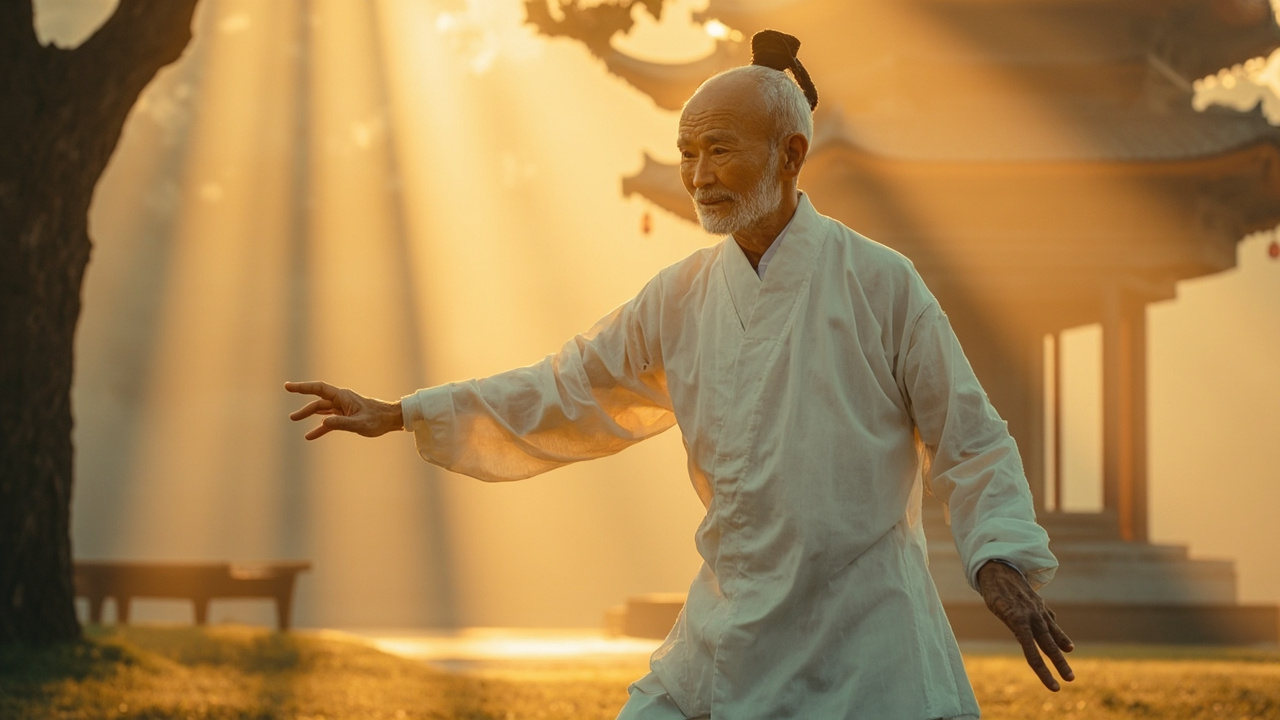
The cab driver in Beijing laughed at me when I asked him to drop me at the Shaolin Temple. “You want to fight?” he said, grinning into the rearview mirror. I didn’t. I wanted to watch. But that’s the thing about kung fu in China—everyone has an opinion, and everyone thinks you’re there to become a master. I’m not a fighter. I’m a writer who has spent the better part of a decade wandering through China’s back alleys and mountain temples, watching old men practice tai chi in parks at dawn and young monks kick dust clouds into the air. This guide is for people like me: curious travelers who want to see the real thing, not a tourist show.
I’ve visited 12 martial arts schools and temples across China over the last seven years. Some were pure spectacle—air-conditioned stages with laser lights and ticket booths. Others were quiet, dusty courtyards where the only sound was a broom scraping stone. I’ve trained for a week at one school (my knees still complain), and I’ve sat for hours watching students who train for years. This guide covers the 10 places I’d actually send a friend. I’ll tell you what’s worth your money, what’s a trap, and how to get there without a translator.
The Short Version
Skip the big tourist shows in Beijing. Go to Dengfeng for Shaolin Temple, but skip the main courtyard—walk 20 minutes up the hill to the monks’ real training ground. For something quieter, try the Wudang Mountains. For something weird, try Foshan. Bring cash, a translation app, and comfortable shoes. You will walk more than you expect.
How I Picked These
I spent three months in Henan province alone, visiting Shaolin Temple four times over five years to see how it changed. I took a bus to a village in Fujian that doesn’t appear on Google Maps, where an 80-year-old master taught me a single stance for an hour. I paid for classes, I watched free demonstrations in parks, and I got lost enough times to know which signs are lies. Every school here I’ve seen with my own eyes, and every price I’ve checked against what locals pay. I don’t recommend any school I haven’t eaten lunch at.
Comparison Table
| Rank | Place | Best For | Approx Cost (USD) | Time Needed | When to Go |
|------|-------|----------|-------------------|-------------|------------|
| 1 | Shaolin Temple (Dengfeng) | First-timers, history | $20 ($145 CNY) entry | Full day | Spring or autumn |
| 2 | Wudang Mountains (Hubei) | Tai chi, scenery | $30 ($215 CNY) entry | 2 days | Autumn |
| 3 | Chenjiagou (Henan) | Chen-style tai chi | Free (classes $15–$30) | Half day | Summer morning |
| 4 | Foshan Ancestral Temple (Guangdong) | Wing Chun, Bruce Lee fans | $5 ($36 CNY) | 2 hours | Winter (less humid) |
| 5 | Kunming Martial Arts School (Yunnan) | Budget training, nature | $10–$20/day | 1 week | Spring |
| 6 | Emei Mountain (Sichuan) | Scenic hikes, nun martial arts | $25 ($180 CNY) entry | 2 days | Autumn |
| 7 | Qingdao Kung Fu School (Shandong) | Beach + kung fu combo | $15–$25/day | 3–5 days | Summer |
| 8 | Beijing White Cloud Temple | Taoist martial arts, quiet | $5 ($36 CNY) | 1–2 hours | Weekday morning |
| 9 | Longmen Grottoes + Shaolin combo (Henan) | History + kung fu | $35 ($250 CNY) combo | 1 day | Spring weekday |
| 10 | Urumqi Silk Road School (Xinjiang) | Rare styles, cultural mix | $10–$20/day | 3 days | Autumn |
1. Shaolin Temple — The One Everyone Knows
I stood in the main courtyard of Shaolin Temple on a Tuesday in October, and a man in a polo shirt was taking a selfie with a monk who looked bored enough to yawn. The monk didn’t yawn. He just stared at the phone. That’s the Shaolin Temple most tourists see—a stage. But walk past the ticket booth, past the souvenir shops selling foam nunchucks, and head up the stone path behind the main hall. Twenty minutes uphill, you’ll find the monks’ actual training ground. No crowds. No selfies. Just the thud of feet on stone and the smell of sweat.
Why it’s special: This is the birthplace of Chan (Zen) Buddhism and Shaolin kung fu. The history is real, even if the experience has been commercialized. The real magic is in the side courtyards and the pagoda forest—a collection of 240+ stone pagodas built over 1,400 years, each marking a master’s grave. I sat there for an hour and saw maybe five other people.
📍 Dengfeng, Henan Province. 90 minutes from Zhengzhou by bus.
🎫 Entry: $20 ($145 CNY). The training demonstration (separate ticket) is $15 ($108 CNY) and not worth it—skip it.
🕐 8:00 AM–5:30 PM daily. Arrive by 7:30 AM to beat the bus tours.
🚆 Take the high-speed train from Zhengzhou East to Luoyang Longmen (30 minutes, $10). Then bus from Luoyang to Dengfeng (1 hour, $3). From Dengfeng bus station, take taxi ($2) to temple gate.
⏰ Visit on a weekday in October or April. Avoid Chinese national holidays (October 1–7, May 1–5).
💡 Insider tips: Bring cash—the monks’ donation box doesn’t take WeChat. The vegetarian restaurant outside the gate is good and cheap ($2 for a bowl of noodles). Don’t pay for a photo with a monk—they’re tired of it. Instead, bow and say “ni hao.” Some will bow back.
I ate the worst fried rice of my life at a stall outside the temple gate. The noodles were fine. Stick to the noodle place on the left, not the right.
2. Wudang Mountains — Where Tai Chi Lives
The fog rolled in at 4 PM, and suddenly the Wudang Mountains looked exactly like a Chinese painting. I was standing in front of the Purple Cloud Temple, and the only sound was a rooster somewhere below. A taoist monk walked past me carrying a bag of vegetables. He didn’t say anything. That’s Wudang—it’s not a show. It’s a place where people actually live the practice.
Why it’s special: Wudang is the birthplace of tai chi and internal martial arts. The schools here are more authentic than Shaolin in some ways—less commercial, more focused on meditation and internal energy (qi). The scenery is stunning: temples perched on cliffs, misty valleys, ancient cypress trees.
📍 Wudang Mountain Scenic Area, Shiyan, Hubei Province.
🎫 Entry: $30 ($215 CNY). Cable car one-way: $10 ($72 CNY).
🕐 7:30 AM–5:30 PM. The cable car stops at 5:00 PM—don’t miss it.
🚆 High-speed train from Wuhan to Wudangshan West Station (2 hours, $20). Then bus to scenic area (40 minutes, $2).
⏰ October and November for autumn colors. Avoid July and August—rain and fog make the stairs slippery.
💡 Insider tips: Stay overnight at one of the temples ($15–$30 per night). The Purple Cloud Temple has basic rooms. Bring a flashlight—the paths aren’t lit after dark. The local tea is excellent, but don’t buy it from the stalls at the top—buy from the shop near the bus station.
I stayed at a temple guesthouse and woke up at 5:30 AM to the sound of monks chanting. I’m not a religious person, but I sat on the steps and listened for 20 minutes.
3. Chenjiagou — The Village That Invented Tai Chi
The old man in the blue jacket was doing tai chi in the middle of a dirt road. A chicken walked past him. He didn’t flinch. I watched for ten minutes before he noticed me. He smiled, said something in Henan dialect that I didn’t understand, and went back to his practice. This is Chenjiagou—a village that doesn’t care about tourists.
Why it’s special: This is the birthplace of Chen-style tai chi, the original form. The village has a small museum and a few training halls, but the real experience is watching locals practice in the streets. There’s no entrance fee, no gift shop, no performance schedule.
📍 Chenjiagou Village, Wen County, Henan Province.
🎫 Free. Classes: $15–$30 per session. Private lessons: $50.
🕐 Open all day. The museum is open 8:00 AM–5:00 PM.
🚆 Take bus from Zhengzhou to Wen County (2 hours, $5). Then taxi to Chenjiagou ($3).
⏰ Summer mornings are best—locals practice before it gets hot. Avoid winter unless you like cold.
💡 Insider tips: There are no English signs. Download Pleco (translation app) before you go. The best teacher in the village is Master Chen Ziqiang—ask at the small shop near the entrance. He speaks a little English. Bring cash—no ATMs in the village.
I paid $30 for a private lesson with a master who didn’t speak a word of English. He corrected my posture by tapping my leg with a stick. I learned more in one hour than in a week of YouTube tutorials.
4. Foshan Ancestral Temple — Bruce Lee’s Spiritual Home
The Wing Chun dummies in the corner of the temple hall looked like they’d been hit a thousand times. The wood was worn smooth in the shape of hands. I touched one and felt a little like I was trespassing. This is where Ip Man taught, and where Bruce Lee’s kung fu lineage began.
Why it’s special: The Ancestral Temple is a working temple and a martial arts museum. There are daily demonstrations (real ones, not tourist shows) and a small training hall where you can watch students practice. The building itself is beautiful—carved wood, ceramic figurines on the roof, old stone floors.
📍 Foshan, Guangdong Province. 30 minutes from Guangzhou by metro.
🎫 Entry: $5 ($36 CNY). Demonstrations are included.
🕐 8:30 AM–5:30 PM. Demonstrations at 10:00 AM and 3:00 PM.
🚆 Take Guangzhou Metro Line 1 to Xilang, then transfer to Guangfo Line to Zumiao Station. Exit B, walk 5 minutes.
⏰ Winter is best—Foshan is humid and hot in summer. Weekdays are quiet.
💡 Insider tips: The best Wing Chun school in Foshan is across the street from the temple—Chu Shong Tin Wing Chun Academy. Drop in and ask to watch a class. They’re friendly. The best dim sum in Foshan is at De Xin Restaurant, a 10-minute walk from the temple.
I ate the best char siu bao (barbecue pork buns) of my life at a cart outside the temple. The woman selling them was 70 years old and didn’t speak English. I pointed, she smiled, and I got three buns for $1.
5. Kunming Martial Arts School — Cheap Training in the Mountains
I showed up at the Kunming Martial Arts School with a backpack and no reservation. The owner, a former Shaolin monk named Zhang Wei, looked at me like I was crazy. “You want to train?” he said. “You look soft.” He was right. I trained for three days and couldn’t walk up stairs for a week.
Why it’s special: This is a real training school, not a tourist attraction. You can stay for a day or a month. The training is hard—6 AM starts, running, stretching, forms, sparring. The location is beautiful: on a hillside outside Kunming, surrounded by rice paddies and misty mountains.
📍 Outskirts of Kunming, Yunnan Province.
🎫 $10–$20 per day including accommodation and meals. Private lessons: $30.
🕐 Flexible. Classes start at 6 AM.
🚆 Take bus from Kunming city center to the school (1 hour, $2). The school can arrange pickup.
⏰ Spring (March–May) is perfect. Summer is rainy. Winter is cold but not freezing.
💡 Insider tips: You don’t need to be fit, but you should be prepared to be sore. Bring your own towel and toilet paper. The food is simple but good—vegetarian, lots of rice and vegetables. No English is spoken, so download Pleco.
I ate the best tofu I’ve ever had here. The cook stir-fried it with chili and Sichuan peppercorns. I asked for the recipe. She laughed.
6. Emei Mountain — Nuns Who Can Fight
I watched a Buddhist nun in gray robes perform a sword form at sunrise on Emei Mountain. The sword moved so fast I couldn’t follow it. When she finished, she bowed and walked away without looking at the small crowd that had gathered. No applause. No tip jar. Just practice.
Why it’s special: Emei Mountain is one of the four sacred Buddhist mountains in China and home to a unique style of martial arts practiced by monks and nuns. The training is less commercial than Shaolin, more focused on spirituality. The mountain itself is stunning—clouds, waterfalls, ancient temples.
📍 Emeishan City, Sichuan Province.
🎫 Entry: $25 ($180 CNY). Cable car: $10 ($72 CNY) one-way.
🕐 6:00 AM–6:00 PM. The cable car stops at 5:30 PM.
🚆 High-speed train from Chengdu to Emeishan Station (1 hour, $10). Then bus to the mountain (30 minutes, $1).
⏰ October for clear skies. Avoid July and August—rain and crowds.
💡 Insider tips: Stay at the Jinding Temple guesthouse ($20 per night) to see sunrise. The nuns’ training is usually at 5:30 AM near the Golden Summit. Don’t take photos without asking. The vegetarian food at the temples is excellent.
I slipped on a wet stone step near the Golden Summit and fell in front of a group of nuns. They helped me up without smiling. I was embarrassed. They didn’t care.
7. Qingdao Kung Fu School — Beach and Training
The training hall at Qingdao Kung Fu School has windows that open to the sea. I was doing a horse stance while a breeze smelling of salt and seaweed came through. It felt ridiculous and perfect at the same time.
Why it’s special: This is a small school that combines kung fu training with beach life. You train in the morning, then spend the afternoon on the beach or exploring Qingdao’s German colonial architecture. The school is run by a former provincial champion named Li Ming, who speaks decent English.
📍 Qingdao, Shandong Province.
🎫 $15–$25 per day including accommodation. Meals extra ($5 per day).
🕐 Flexible. Training sessions at 7 AM and 4 PM.
🚆 High-speed train from Beijing to Qingdao (3 hours, $30). Then taxi to the school ($5).
⏰ June–September for beach weather. Avoid winter—cold and windy.
💡 Insider tips: The school has a small dormitory with bunk beds. Bring earplugs—the snoring is legendary. The best seafood in Qingdao is at the market near the school. Buy fresh shrimp and ask the school cook to steam it.
I learned that I am terrible at sparring. A 14-year-old girl from the school beat me three times in a row. She was very polite about it.
8. Beijing White Cloud Temple — Taoist Quiet
The White Cloud Temple is hidden in a residential neighborhood in southwest Beijing. I walked past it twice before I found the entrance. Inside, a Taoist priest was sweeping the courtyard with a bamboo broom. He didn’t look up. I sat on a stone bench and watched him for 15 minutes.
Why it’s special: This is the headquarters of the Dragon Gate sect of Taoism, and a place where internal martial arts (neijia) are practiced. It’s not a tourist attraction—it’s a working temple. You can watch priests practice tai chi and qigong in the mornings. No crowds. No shows.
📍 Baiyun Guan, Xicheng District, Beijing.
🎫 $5 ($36 CNY).
🕐 8:30 AM–4:30 PM. Best to visit before 10 AM.
🚆 Take Beijing Metro Line 2 to Fuxingmen Station, Exit B. Walk 10 minutes west.
⏰ Any weekday morning. Avoid weekends.
💡 Insider tips: The temple has a small tea house where Taoist priests sometimes drink tea. If you see one, ask if you can join them. I did, and we sat in silence for 20 minutes. It was the most peaceful 20 minutes of my trip.
I bought a small jade pendant from a shop inside the temple. The shopkeeper told me it was for protection. I still wear it.
9. Longmen Grottoes + Shaolin Combo — History and Fighting
I spent the morning staring at a 50-foot Buddha carved into a cliff, and the afternoon watching monks kick trees. It was a strange day. It was also one of the best days I’ve had in China.
Why it’s special: Longmen Grottoes is a UNESCO site with 100,000+ Buddhist statues carved into limestone cliffs. It’s 30 minutes from Shaolin Temple. You can do both in one day. The contrast—ancient art and living martial arts—is worth the rush.
📍 Longmen, Luoyang, Henan Province.
🎫 Combo ticket: $35 ($250 CNY) for Longmen + Shaolin.
🕐 Longmen: 8:00 AM–6:00 PM. Shaolin: same.
🚆 Take high-speed train from Zhengzhou to Luoyang Longmen Station (30 minutes, $10). Then bus to Longmen (10 minutes, $1). From Longmen, bus to Dengfeng (1 hour, $3).
⏰ Spring weekday. Avoid weekends and holidays.
💡 Insider tips: Start at Longmen at 8 AM, then go to Shaolin by 1 PM. The light is better for photos at Longmen in the morning. Bring water—there’s no shade at Longmen.
I bought a fake jade Buddha from a vendor at Longmen. It broke in my pocket. I should have known better.
Quick answer
The cab driver in Beijing laughed at me when I asked him to drop me at the Shaolin Temple. “You want to fight?” he said, grinning into the rearview mirror. I didn’t. I wanted to watch.
10. Urumqi Silk Road School — The Wild Card
The school is in a courtyard behind a market in Urumqi. The master, a Uyghur man named Alim, taught me a style I’d never seen—a mix of kung fu and Central Asian wrestling. The music from the market drifted over the wall while we trained.
Why it’s special: This is the only school on this list that blends Chinese martial arts with Silk Road traditions. The style is more practical, less performative. The location is fascinating—Urumqi is a mix of Chinese, Muslim, and Central Asian cultures.
📍 Urumqi, Xinjiang Province.
🎫 $10–$20 per day. Cash only.
🕐 Flexible. Call ahead.
🚆 Fly from Beijing to Urumqi (4 hours, $150). Then taxi to the school ($5).
⏰ September–October for mild weather.
💡 Insider tips: You need a special permit to travel to Xinjiang as a foreigner (your hotel can arrange it). The food is amazing—try the lamb kebabs. No English is spoken. Bring a translator. Avoid political conversations.
I ate lamb skewers from a street vendor near the school. The spices burned my mouth. I bought three more.
FAQ
Q: Do I need to know kung fu to visit these places?
A: No. Most schools welcome observers. Just don’t get in the way.
Q: Can I train for just one day?
A: Yes, at most schools. Expect to pay $15–$30 for a day of training.
Q: Do I need a visa?
A: Most nationalities need a tourist visa (L visa). As of 2026, 15-day visa-free travel is available for citizens of 54 countries, including the US, UK, and most of Europe. Check the latest policy before you go.
Q: Do I need a VPN?
A: Yes. Google, WhatsApp, Instagram, and Facebook are blocked. Install a VPN before you arrive. I use ExpressVPN.
Q: Can I pay with credit cards?
A: No. Use WeChat Pay or Alipay. Set them up before you go with a foreign credit card. Bring cash as backup.
Q: Is it safe?
A: Yes. China is very safe for tourists. The biggest risk is getting lost or eating something that disagrees with you.
Q: What should I wear?
A: Loose pants and flat shoes. No jeans. No sandals.
The Honest Wrap-up
This list is for travelers who want to see martial arts as a living tradition, not a museum exhibit. It’s for people who are okay with discomfort—bad food, sore muscles, language barriers. If you want air conditioning and English menus, go to the kung fu show in Beijing and skip the rest. But if you want to stand in a village where tai chi was invented, or watch a nun practice a sword form at sunrise, or get beaten by a 14-year-old girl in sparring, then pick one place from this list and go. You’ll remember it longer than any show.
FAQ summary
This guide covers: 1. Shaolin Temple — The One Everyone Knows, 2. Wudang Mountains — Where Tai Chi Lives, 3. Chenjiagou — The Village That Invented Tai Chi, 4. Foshan Ancestral Temple — Bruce Lee’s Spiritual Home, 5. …
Related Guides
Looking for more China travel guides? These match your topic:
Topics
More guides you may like
China Tipping Culture Complete Guide for Foreigners
The definitive guide to tipping in China - who to tip, how much, and why it's different from Western countries.
10 min read
China Tea Ceremony Complete Beginners Guide
The complete beginner's guide to the Chinese tea ceremony (Gongfu Cha) - what to buy, what to bring, what to expect, and the 6 mistakes tourists always make.
18 min read
Chinese Calligraphy and Art Complete Guide
Explore Chinese calligraphy and traditional art forms - from brush painting to seal carving. A cultural guide for first-time visitors to China.
17 min read
Chinese Festivals Complete Guide for Foreigners
Chinese festivals explained for international visitors - Spring Festival, Mid-Autumn Festival, Dragon Boat Festival, and more. Dates, customs, and how to join.
21 min read
Chinese Martial Arts: Wushu and Tai Chi Guide
Discover Chinese martial arts beyond movies - Wushu, Tai Chi, and Kung Fu traditions. Schools, parks, and cultural etiquette for travelers in China.
19 min read

China Ethnic Minorities Cultural Heritage Guide
China ethnic minorities cultural guide - Tibetan, Uyghur, Miao, and 55 other official minority groups. Cultural etiquette, festival calendar, and how to visit respectfully.
18 min read