
Top 10 Things to Do in Guilin
Top 10 Things to Do in Guilin: 2026 guide covers current prices, transport, payment apps, and what foreign visitors need to know.
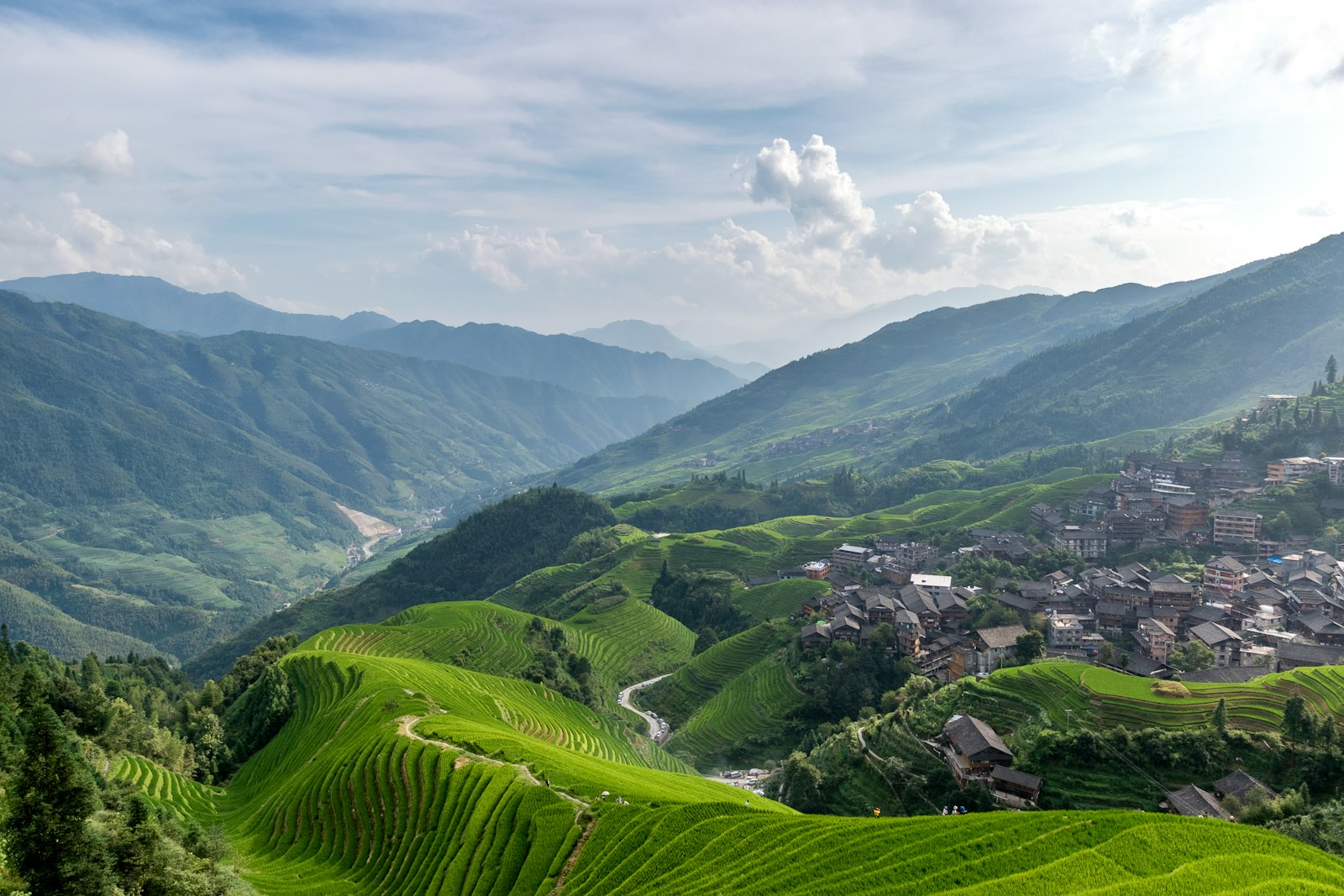
I watched the rain come off the Li River sideways for forty minutes before it stopped. I was crouched under a stone pavilion near the Seven-Star Park entrance, sharing the dry spot with an old man who was feeding sunflower seeds to a stray cat. He didn’t seem to notice the rain. When it cleared, steam rose off the limestone peaks like the whole city was breathing. That was my first hour in Guilin, and I knew immediately why every Chinese painter I’d met in Beijing had told me to come south.
Guilin is one of those rare places that actually looks like its photographs. The karst peaks rise abruptly from flat plains, the Li River bends through valleys that haven’t changed much since Tang Dynasty poets wrote about them. But the city itself is a real, functioning Chinese city—not a theme park. There are noodle shops with plastic stools, chaotic traffic circles, and old men playing chess under banyan trees. The tourist stuff is here, but so is daily life.
This guide covers the ten things I’d tell a friend who’s coming to Guilin for the first time. I’ve spent about six weeks total in the area across three trips, the most recent in late 2025. I’ve made the mistakes so you don’t have to.
The Short Version
If you have 90 seconds: The Li River cruise to Yangshuo is the single best thing you can do. Skip the Reed Flute Cave if you’ve seen any cave before. Eat Guilin rice noodles at least three times. Don’t stay in Guilin city longer than one night—get to Yangshuo. Bring cash for small shops. The weather is unpredictable, so pack for rain even in October.
How I Picked These
I spent three weeks in Guilin and Yangshuo across two trips—one in 2019, one in late 2025. I took the Li River cruise, rented an e-bike in Yangshuo, hiked Longji Rice Terraces, and ate my way through every market I could find. I talked to hostel staff, taxi drivers, and a retired English teacher named Mr. Chen who corrected my Mandarin pronunciation for free while we shared a table at a noodle shop. These ten entries are the places I’d go back to. A few popular spots didn’t make the list because they felt too commercial or too crowded.
Comparison Table
| Rank | Place | Best For | Approx Cost (USD) | Time Needed | When to Go |
|------|-------|----------|-------------------|-------------|------------|
| 1 | Li River Cruise | Scenery, photography | $55-80 (¥400-580) | 4-5 hours | Oct-Nov, Apr-May |
| 2 | Yangshuo West Street | Nightlife, food | Free (food ¥30-100) | 2-3 hours | Evening, any season |
| 3 | Longji Rice Terraces | Hiking, culture | $12 (¥85) + transport | Full day | May-Oct |
| 4 | Xianggong Mountain | Sunrise views | $8 (¥60) | 2-3 hours | Sunrise, clear weather |
| 5 | Elephant Trunk Hill | Iconic photo | $10 (¥70) | 1 hour | Early morning |
| 6 | Seven-Star Park | Walking, pandas | $9 (¥65) | 2-3 hours | Weekday mornings |
| 7 | Yulong River Bamboo Rafting | Relaxation, nature | $25-40 (¥180-290) | 1.5-2 hours | Weekday mornings |
| 8 | Guilin Rice Noodle Shops | Food | $2-4 (¥15-30) | 20 min | Breakfast |
| 9 | Fubo Hill | City views, history | $8 (¥55) | 1-1.5 hours | Late afternoon |
| 10 | Moon Hill | Hiking, views | $4 (¥30) | 1.5-2 hours | Early morning |
1. Li River Cruise to Yangshuo — The One You Can’t Skip
The boat left at 9:30 AM from the Zhujiang Pier, and within twenty minutes I’d stopped taking photos. Not because there was nothing to see—because there was too much. Every bend in the river revealed another karst peak, another water buffalo standing chest-deep in the shallows, another fisherman on a bamboo raft. I put my phone down and just watched for an hour.
This is the trip that made Guilin famous, and it deserves the reputation. The four-hour cruise takes you through the heart of the karst landscape, past the peaks that appear on the 20 yuan note. The boats are comfortable—enclosed lower deck with air conditioning, open upper deck for photos. Lunch is included, but it’s basic: rice, vegetables, a piece of fish. Bring snacks.
📍 Departure: Zhujiang Pier or Mopanshan Pier, both about 30 minutes from Guilin city center
🎫 Cost: $55-80 (¥400-580) depending on boat class. Book through your hotel or a travel agency.
🕐 Duration: 4-5 hours, usually 9:30 AM - 2:00 PM
🚆 Getting there: Take a taxi from Guilin city center (30 min, about ¥60). No metro.
⏰ Best time: October-November for clear skies. April-May for green hills. Avoid July-August heat and crowds.
💡 Insider tips:
-
Book the VIP section on the upper deck for better views and fewer people
-
Bring a light jacket even in summer—the river breeze gets cold
-
The boat drops you in Yangshuo, so pack a small bag for overnight
-
Don’t eat the included lunch; buy rice noodles at the morning market instead
-
Sit on the left side of the boat for the best photo angles
I met a German couple on my boat who had booked the wrong direction—they thought the boat went to Guilin, not from Guilin. They ended up spending the day in Yangshuo anyway and said it was the best mistake they’d made.
2. Yangshuo West Street — Loud, Bright, and Worth It
West Street at 9 PM is sensory overload. Red lanterns hang between buildings, music spills out of every bar, and the smell of grilled squid and sugar-roasted chestnuts fills the air. It’s touristy as hell. But it’s also fun.
I don’t usually recommend places this commercial, but West Street works because it’s honest about what it is. Nobody’s pretending this is authentic ancient China. It’s a party street for travelers, and the energy is infectious. You’ll find everything from $2 beer to live music to shops selling bamboo flutes and Mao memorabilia. The food stalls along the side streets are better than the restaurants on the main strip.
📍 Location: Yangshuo town center, about 1 hour from Guilin by bus
🎫 Cost: Free to enter. Budget ¥50-150 for food and drinks.
🕐 Hours: Shops open 10 AM-11 PM. Bars stay open until 2 AM.
🚆 Getting there: From Guilin, take the high-speed train to Yangshuo Station (30 min, ¥30). Then take bus #1 or a taxi (20 min, ¥20) to town.
⏰ Best time: Evening, 7 PM onwards. Weekdays are less crowded.
💡 Insider tips:
-
Eat at the stalls on the small street behind the main KFC, not on West Street itself
-
Bargain at souvenir shops—start at 50% of asking price
-
The bars on the river side are quieter and have better views
-
Watch out for scooters on the pedestrian street after dark
-
Cash is preferred at smaller stalls
I watched a French guy try to bargain for a jade bracelet using only hand gestures. The shopkeeper laughed and gave him a discount anyway.
3. Longji Rice Terraces — The Hike That Rewrites Your Lungs
The bus from Guilin took two and a half hours, winding up into the mountains until my ears popped. When we stopped, I got out into air that smelled like wet earth and pine. The rice terraces stretched across the hillsides in curves that looked like a giant’s fingerprint.
Longji—“Dragon’s Backbone”—is about 80 kilometers from Guilin, and it’s worth the journey. The Zhuang and Yao minority villages here have farmed these slopes for 700 years. In May and June, the terraces are flooded with water that reflects the sky. In October, they turn gold before harvest. The hike from the bottom village to the top viewpoint takes about an hour, and you’ll pass through working farms where chickens scratch in the dirt and old women sell sugarcane juice.
📍 Location: Longsheng County, 80 km northwest of Guilin
🎫 Cost: ¥85 ($12) entry fee. Additional ¥20-40 for local guides.
🕐 Hours: Park open 7 AM-6 PM. Villages are accessible 24/7.
🚆 Getting there: Take a bus from Guilin Bus Station to Longsheng (2.5 hours, ¥50). Then a minibus to the village entrance (30 min, ¥20).
⏰ Best time: May-June for flooded terraces, October for harvest gold. Avoid Chinese holidays.
💡 Insider tips:
-
Stay overnight in a village guesthouse—the sunrise is worth the cold shower
-
Hire a local guide from the village, not from the ticket office
-
Wear hiking shoes. The stone steps are uneven and slippery when wet
-
Bring cash—there are no ATMs in the villages
-
Try the bamboo rice, cooked inside a bamboo tube over an open fire
My guesthouse host, a Zhuang woman named A-Yi, showed me how to pick tea leaves from the bushes behind her house. I was terrible at it. She laughed and gave me a cup of the finished product anyway.
4. Xianggong Mountain — Sunrise Worth the Alarm
The wake-up call came at 4:30 AM. I groaned, but twenty minutes later I was on the back of a scooter, holding onto a local driver named Xiao Li as we sped through dark countryside. The climb took 20 minutes—stone steps lit only by my phone flashlight. At the top, I joined about thirty other people on a viewing platform, all of us shivering in the pre-dawn cold.
Then the sun came up over the Li River, and I forgot about being tired. The karst peaks emerged from the mist one by one, like islands rising from a white sea. The river curved through the valley below, catching the first light. This is the view that’s on every postcard, and it’s better in person.
📍 Location: Yangshuo County, about 30 minutes from Yangshuo town
🎫 Cost: ¥60 ($8) entry fee
🕐 Hours: Open from 5 AM (unofficial—locals open the gate). Best to arrive by 5:30 AM.
🚆 Getting there: Rent an e-bike from Yangshuo (30 min) or hire a scooter driver (¥50 round trip). No public transport.
⏰ Best time: October-November for clear skies. Go on a weekday to avoid crowds.
💡 Insider tips:
-
Check the weather forecast—if it’s cloudy, skip it
-
Bring a headlamp or phone flashlight for the climb
-
The platform gets crowded; arrive early to claim a spot
-
There’s a small shop at the top selling hot tea and instant noodles
-
Don’t bother with the second viewing platform—the first one is better
A Chinese photographer next to me had driven four hours from Nanning just for this sunrise. He showed me his camera settings, and I still managed to overexpose every shot.
5. Elephant Trunk Hill — Quick, Iconic, and Fine
I almost skipped this one. Every travel blog calls it a “must-see,” and I’m suspicious of anything that gets that label. But I went anyway, and I’m glad I did—not because it’s amazing, but because it’s the one landmark everyone will ask about.
The hill looks like an elephant drinking from the river, trunk submerged. It’s a natural formation, and it’s genuinely impressive for about five minutes. The park around it is pleasant—there’s a temple, some gardens, and a bridge with good photo angles. But you don’t need more than an hour here. Go, take your photo, and move on.
📍 Location: Binjiang Road, Xiangshan District, Guilin city center
🎫 Cost: ¥70 ($10) entry fee
🕐 Hours: 7 AM-6:30 PM (summer), 7:30 AM-6 PM (winter)
🚆 Getting there: Take bus #2 or #23 to Xiangshan Park stop. Or walk from the city center (15 min).
⏰ Best time: Early morning (8 AM) before the tour buses arrive.
💡 Insider tips:
-
The best photo angle is from the bridge on the south side, not from the main viewing area
-
You can see the elephant from outside the park for free, but the view is partially blocked
-
The park has a small zoo with a sad-looking bear—skip it
-
Combine this with Fubo Hill in the same morning
I overheard a tour guide tell her group that the elephant was turned to stone for stealing peaches from the gods. I don’t know if that’s true, but it’s a better story than the official one.
6. Seven-Star Park — Where Locals Actually Go
This is Guilin’s largest park, and on a Saturday morning it’s full of families, tai chi groups, and couples taking wedding photos. The park has seven karst peaks arranged like the Big Dipper—hence the name. It also has a zoo, a cave, and a small panda enclosure.
I spent three hours here and barely scratched the surface. The main draw is the Camel Hill, a rock formation that actually looks like a camel, and the Flower Bridge, a covered stone bridge from the Song Dynasty. But the real pleasure is just walking. The paths wind through bamboo groves and past ponds full of koi. There’s a tea house near the east gate where you can sit and watch the world go by.
📍 Location: Qixing Road, Qixing District, Guilin
🎫 Cost: ¥65 ($9) entry fee. Zoo is extra ¥30.
🕐 Hours: 6 AM-7 PM (summer), 6:30 AM-6:30 PM (winter)
🚆 Getting there: Take bus #10, #14, or #24 to Qixing Park stop. Or walk from the city center (25 min).
⏰ Best time: Weekday mornings, 8-10 AM. Weekends are crowded.
💡 Insider tips:
-
Enter through the south gate—it’s less crowded than the main gate
-
The zoo is depressing; don’t pay extra for it
-
The cave tour is optional and not as good as the one at Reed Flute Cave
-
Bring bread for the koi fish in the main pond
-
The park is huge; rent a bike inside if you want to cover more ground
I watched an old man practice calligraphy on the ground with a brush dipped in water. He wrote a poem about the Li River, then watched it evaporate in the sun.
7. Yulong River Bamboo Rafting — The Quiet Alternative
The Li River cruise is spectacular, but it’s not peaceful. You’re on a big boat with a hundred other people. The Yulong River is the opposite. Here, you sit on a bamboo raft—actually bamboo, lashed together—and float down a shallow river through rice paddies and small villages. The only sounds are the water and the birds.
I did the shorter route from Yulong Bridge to Gongnong Bridge, about 90 minutes. The raft is propelled by a boatman with a long pole, and the water is so clear you can see the bottom. You’ll pass women washing clothes on the banks, water buffalo cooling off, and kids jumping off rocks into the river. It’s the closest thing to the Guilin of a hundred years ago.
📍 Location: Yulong River, Yangshuo County. Multiple boarding points.
🎫 Cost: ¥180-290 ($25-40) depending on route length
🕐 Duration: 1.5-2 hours
🚆 Getting there: Rent an e-bike from Yangshuo town and follow the river south (20 min). Or take a taxi (¥40).
⏰ Best time: Weekday mornings, 8-10 AM. Afternoons are hot and crowded.
💡 Insider tips:
-
Book the route from Yulong Bridge—it’s the most scenic section
-
Bring a waterproof bag for your phone and wallet
-
Tip your boatman ¥10-20 if he lets you steer the raft
-
Don’t wear sandals you care about—your feet will get wet
-
The raft has a small umbrella for shade, but bring sunscreen anyway
My boatman, a wiry man in his sixties, sang a folk song about a fisherman who fell in love with a river spirit. He said his grandfather taught him the song. I didn’t understand the words, but I got the feeling.
8. Guilin Rice Noodle Shops — The Breakfast You’ll Crave
The best meal I had in Guilin cost ¥12. It was a bowl of mifen—rice noodles in a pork bone broth, topped with pickled vegetables, peanuts, and chili oil. I ate it standing up at a counter in a shop with no English menu and three plastic stools. The owner, a woman in her fifties, saw me struggling with the menu and just pointed at what the customer next to me was eating. Good call.
Guilin rice noodles are the city’s signature dish, and they’re nothing like the versions you get overseas. The noodles are thin and slippery, the broth is rich but not heavy, and the toppings vary by shop. Some places add beef, some add pork, some add a mysterious brown sauce that I never identified. Eat them for breakfast, like the locals do.
📍 Location: Everywhere. The best shops are on side streets, not main roads.
🎫 Cost: ¥12-30 ($2-4) per bowl
🕐 Hours: Most shops open 6 AM-2 PM. Some stay open for dinner.
🚆 Getting there: Walk around the neighborhoods near Ronghu Lake or Zhengyang Pedestrian Street.
⏰ Best time: Breakfast, 7-9 AM, when the broth is freshest.
💡 Insider tips:
-
Look for shops with a long line of locals—that’s how you find the good ones
-
Don’t add too much chili oil at first; you can always add more
-
The proper way to eat: mix everything together, then slurp loudly
-
Cash only at most small shops
-
If you see “Laoyou Mifen” on the menu, order it—it’s the sour-spicy version
Mr. Chen, the retired English teacher I mentioned earlier, taught me the word for “refill” in Chinese. I used it three times at the same shop. The owner laughed every time.
9. Fubo Hill — The Overlooked View
Most tourists go to Elephant Trunk Hill and leave. They miss Fubo Hill, which is a ten-minute walk away and has a better view. The hill rises 60 meters above the Li River, and the climb to the top takes about fifteen minutes. The reward is a panoramic view of the city, the river, and the surrounding karst peaks.
The hill also has a cave at its base, where a 5-meter-tall statue of the Buddha was carved into the rock during the Tang Dynasty. There’s a sword-testing stone nearby—a rock with a vertical crack that legend says was made by a general testing his blade. I don’t know about the sword, but the cave is cool and damp, a good place to escape the afternoon heat.
📍 Location: Fubo Road, Xiufeng District, Guilin
🎫 Cost: ¥55 ($8) entry fee
🕐 Hours: 7 AM-6:30 PM (summer), 7:30 AM-6 PM (winter)
🚆 Getting there: Walk from Elephant Trunk Hill (10 min north along the river). Or take bus #2 to Fubo Shan stop.
⏰ Best time: Late afternoon, 4-5 PM, for golden light on the river.
💡 Insider tips:
-
The climb is steep but short—take breaks if needed
-
The cave has a small spring inside; locals used to drink from it
-
Combine this with Elephant Trunk Hill for a half-day walk
-
The view from the top is better than the one from Diecai Hill
-
There’s a small museum about Guilin’s history near the entrance
I met a Canadian couple at the top who had been following a guidebook from 2019. They were confused about half the prices. I told them to download the Dianping app for current info.
Quick answer
I watched the rain come off the Li River sideways for forty minutes before it stopped.
10. Moon Hill — The One That Tests Your Legs
Moon Hill is a karst peak with a natural arch near the top that looks like a crescent moon. It’s about 8 kilometers south of Yangshuo, and it’s a proper hike—380 meters of elevation gain, mostly steep stone steps. I’m not a serious hiker, and I made it to the top in about 40 minutes, sweating and cursing.
The view from the arch is worth the effort. You can see the entire Yulong River valley spread out below, with rice paddies and villages and more karst peaks in the distance. The arch itself is about 50 meters wide, and you can walk through it to the other side. There’s a second viewpoint beyond the arch that most people miss—another 10 minutes of climbing, but the crowd thins out completely.
📍 Location: Moon Hill Scenic Area, Yangshuo County
🎫 Cost: ¥30 ($4) entry fee
🕐 Hours: 7 AM-6 PM
🚆 Getting there: Rent an e-bike from Yangshuo (25 min south). Or take bus #3 from Yangshuo bus station (20 min, ¥5).
⏰ Best time: Early morning, 7-8 AM, before the heat and crowds.
💡 Insider tips:
-
Bring at least 1 liter of water—there’s no shop on the hill
-
Wear proper shoes, not flip-flops. The steps are uneven.
-
The vendors at the bottom sell cold coconuts for ¥15—buy one after the hike
-
Don’t bother with the “Moon Hill” sign at the base; the real view is at the top
-
If you’re afraid of heights, the arch can be unnerving—stay in the middle
A Dutch backpacker passed me on the way up, jogging. I let him pass. Some people are built for this. I’m built for rice noodles.
FAQ
Q: Do I need a visa to visit Guilin in 2026?
A: As of early 2026, China offers 144-hour visa-free transit for citizens of 54 countries, including the US, UK, Canada, Australia, and most EU nations. You can enter through Guilin Liangjiang International Airport and stay in the Guilin area for up to 6 days. Check the latest policy on the Chinese embassy website before booking—rules change.
Q: Is English widely spoken in Guilin?
A: In hotels, major tourist sites, and Yangshuo’s West Street, you’ll find some English. In local restaurants, markets, and bus stations, almost none. Download the Pleco translation app and the Google Translate app (with Chinese offline pack) before you go. You’ll need them.
Q: How do I pay for things in Guilin?
A: WeChat Pay and Alipay are accepted everywhere in cities. But small food stalls and village shops are cash-only. Bring ¥500-1000 in small bills. ATMs are common in Guilin city and Yangshuo town but rare in the countryside. Set up WeChat Pay with a foreign credit card before you leave—it’s harder to do once you’re in China.
Q: Do I need a VPN for my phone?
A: Yes. The Chinese government blocks Google, Gmail, Instagram, Facebook, WhatsApp, and many news sites. Install a reliable VPN on your phone before you arrive. I use Astrill or ExpressVPN. Test it before you land. Without a VPN, you’ll be cut off from most of the internet you’re used to.
Q: How do I get from Guilin to Yangshuo?
A: The fastest way is the high-speed train from Guilin Station to Yangshuo Station (30 minutes, ¥30). From Yangshuo Station, take bus #1 or a taxi to town (20 minutes, ¥20). The Li River cruise is the scenic option—it takes 4-5 hours and drops you in Yangshuo. Buses also run from Guilin Bus Station (1.5 hours, ¥25).
Q: Is the air quality bad in Guilin?
A: Guilin has much better air than Beijing or Shanghai. The karst geography and surrounding green space keep pollution levels moderate. On rainy days, the air is genuinely clean. On still summer days, there can be some haze, but it’s rarely at hazardous levels. I’ve never worn a mask here.
Q: What should I pack for Guilin?
A: Light layers, a waterproof jacket, comfortable walking shoes, sunscreen, insect repellent, and a travel umbrella. The weather is unpredictable year-round. Even in summer, a sudden rainstorm can drop the temperature by 10 degrees. In winter (December-February), it’s cold and damp—bring a warm coat.
The Honest Wrap-up
This list is for the traveler who wants to see the famous stuff and eat a bowl of noodles from a plastic stool. It’s for the person who’s willing to wake up at 4:30 AM for a sunrise and spend an afternoon just walking. It’s not for luxury travelers—there are nice hotels, but the best experiences here involve sweat, dirt, and street food.
If I had to give one piece of advice to a friend about to book a flight to Guilin: stay in Yangshuo, not Guilin city. The city is fine for a day, but Yangshuo is where the landscape opens up, where you can rent an e-bike and get lost between rice paddies, where the river is close enough to touch. Give yourself at least four days in the area. Two for the Li River and Yangshuo, one for Longji, one for wandering.
And eat the noodles. Eat them every chance you get.
FAQ summary
This guide covers: 1. Li River Cruise to Yangshuo — The One You Can’t Skip, 2. Yangshuo West Street — Loud, Bright, and Worth It, 3. Longji Rice Terraces — The Hike That Rewrites Your Lungs, 4. Xianggong Mountain — Su…
Related Guides
Looking for more China travel guides? These match your topic:
Topics
More guides you may like
Top 10 Bridges in China
China's bridges are engineering marvels spanning mountains, rivers, and seas. Here are 10 of the most spectacular, from ancient stone to modern steel.
8 min read

Top 10 Buddhist Sites in China
From the Leshan Giant Buddha to the Dunhuang Caves, these 10 Buddhist sites represent 2,000 years of China's spiritual heritage.
9 min read

Top 10 Day Trips from Beijing You Shouldn't Miss
Beijing is packed with history, but some of China's best experiences are just a few hours away. Here are 10 day trips that will transform your visit.
9 min read
Top 10 Hidden Gems in China Off the Beaten Path
Beyond the Great Wall and Terracotta Warriors, China has incredible hidden destinations few tourists ever reach. Here are 10 underrated gems worth the detour.
9 min read
Top 10 Markets and Shopping Streets in China
From Shanghai's Bund to Beijing's Silk Street - 10 markets where foreigners can haggle, explore, and bring home authentic Chinese goods.
9 min read
Top 10 Museums in China You Shouldn't Miss
China's museums span 5,000 years of civilization. These 10 - from the Palace Museum to Xi'an's terracotta gallery - are unmissable for culture lovers.
9 min read