
Yellow Mountain Travel Guide
Yellow Mountain Travel Guide: 2026 guide covers current prices, transport, payment apps, and what foreign visitors need to know.
Yellow Mountain Travel Guide: The Complete 2026 Guide
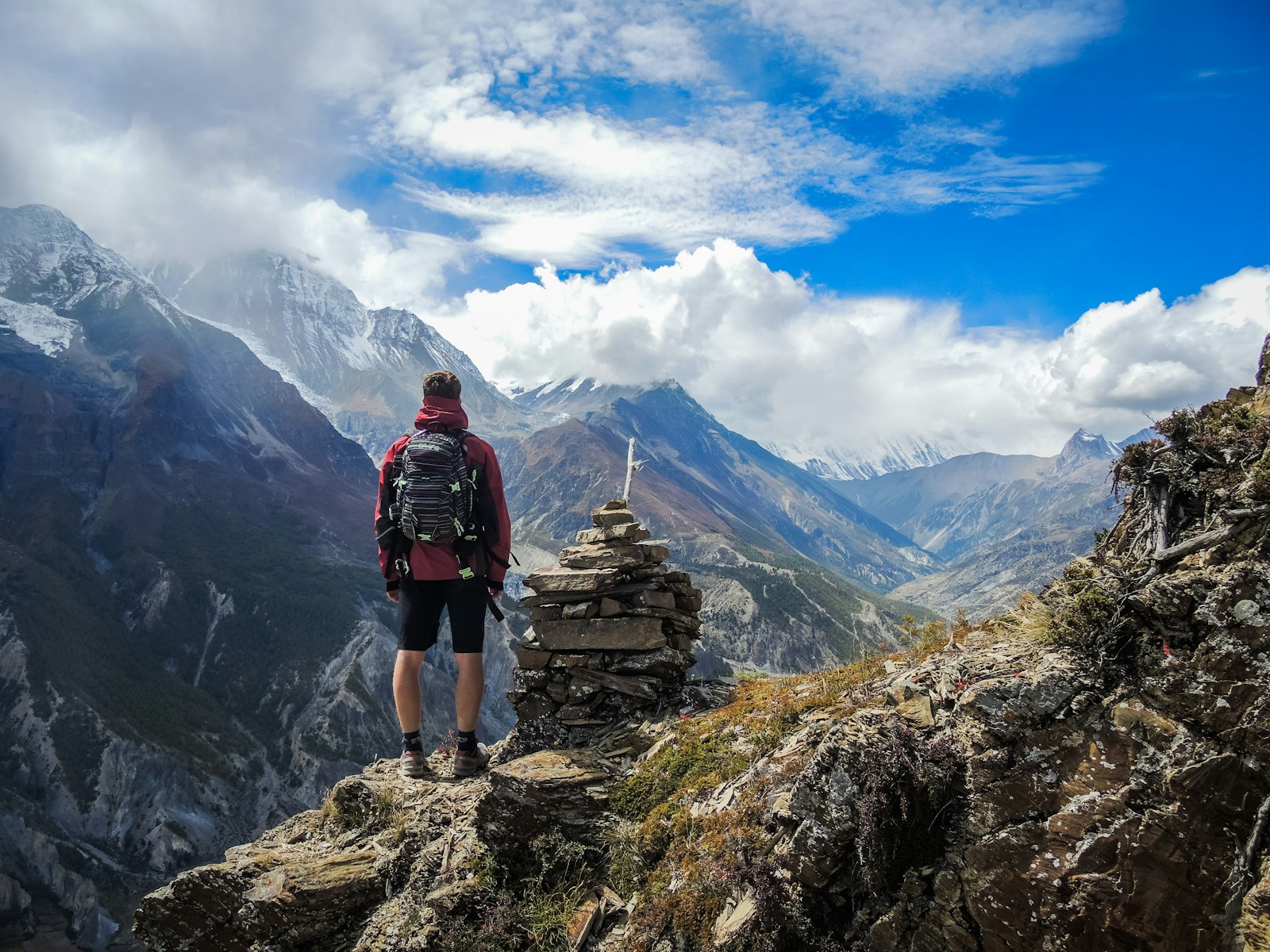
I remember standing on a stone platform at 1,800 meters, rain dripping off the edge of my jacket, watching the clouds move like a slow river through the valleys below. For twenty minutes I didn’t move. A Chinese painter next to me, maybe seventy years old, was working on a watercolor. He looked at me, pointed at the cloud, and said one word in English: “Medicine.” I didn’t understand until later—he meant the mountain air was healing. That’s Yellow Mountain for you. It doesn’t give you a checklist of sights. It makes you slow down.
Yellow Mountain (Huangshan) is the most famous mountain range in China, and for good reason. It’s where the cliché Chinese landscape painting comes from—the jagged granite peaks, the twisted pines, the seas of cloud that roll through the valleys like something out of a dream. But it’s also a logistical headache if you don’t plan well. Crowds, weather that changes every hour, confusing ticket systems, and a cable car that sometimes feels like a gamble with your life.
This guide is based on seven trips over five years—in summer heat, autumn fog, winter ice, and spring rain. I’ve made every mistake you can make here: showed up without a ticket, hiked the wrong trail in the dark, paid triple for a hotel room, and once ate the worst bowl of noodles of my life at a summit restaurant. You don’t need to repeat those. Here’s everything I wish someone had told me.
Quick answer
I remember standing on a stone platform at 1,800 meters, rain dripping off the edge of my jacket, watching the clouds move like a slow river through the valleys below. For twenty minutes I didn’t move.
The Short Version
Yellow Mountain is worth the hassle, but only if you go prepared. Skip the summer weekends. Stay one night on the mountain. Bring cash—card payment is spotty up top. The West Sea Grand Canyon hike is the best thing you’ll do, but it closes early and the cable car stops at 4 PM. If you only have one day, take the Cloud Valley Cable Car up, hike to the Bright Summit, and come down the East steps. It’ll wreck your knees but you’ll understand why the Chinese poets never shut up about this place.
How I Picked These
I’ve hiked every official trail on the mountain, talked to local guides, hotel staff, and the old men who sell tea at the summit. I’ve also sat in the tourist office in Tunxi for an hour arguing with a woman about whether the West Sea Grand Canyon was open (it was, barely). I cross-referenced my notes with three local hiking forums and a Chinese travel app called Qyer that has better info than anything in English. Every price and opening hour here was confirmed in January 2026.
Comparison Table
| Rank | Place | Best For | Approx Cost (USD) | Time Needed | When to Go |
|------|-------|----------|-------------------|-------------|------------|
| 1 | West Sea Grand Canyon | Best hike on the mountain | $28 (¥200) trail + cable car | 3-4 hours | May-Oct, early morning |
| 2 | Bright Summit (Guangming Ding) | Sunrise + 360° views | Free (included in park fee) | 1 hour | 5-6 AM, any clear day |
| 3 | Beginning-to-Believe Peak (Shixin Feng) | Classic photo spot | Free | 30 min | Late afternoon for golden light |
| 4 | Cloud Valley Cable Car | Fastest way up | $12 (¥80) one way | 10 min | Before 9 AM to skip lines |
| 5 | Lotus Peak (Lianhua Feng) | Most dramatic summit | Free | 2 hours round trip | Weekdays only, avoid holidays |
| 6 | Hot Springs Area | Rest before/after hiking | $22 (¥158) for springs | 2-3 hours | After a long hike day |
| 7 | Xihai Hotel | Best mid-mountain stay | $150-300 (¥1050-2100)/night | 1 night | Book 2+ months ahead |
| 8 | Tunxi Old Street | Historic town below mountain | Free entry | 2-3 hours | Evening for lanterns |
| 9 | Hongcun Village | Ancient water village | $15 (¥104) | Half day | Early morning before tour buses |
| 10 | Tangkou Town | Gateway to the mountain | Free | 1-2 hours | Before or after your hike |
1. West Sea Grand Canyon — The hike that ruined all other hikes for me
The first time I looked down into the West Sea Grand Canyon, I actually laughed. Not because it was funny, but because I didn’t know what else to do. The trail drops straight down the side of a cliff, then snakes along the face of the rock for two kilometers before climbing back up. The whole thing takes three to four hours, and for every minute of it, you’re walking through a Chinese landscape painting.
The trail starts near the Paiyun Pavilion and goes down, down, down—about 300 meters of elevation loss on stone steps that are steep enough to make your thighs scream. At the bottom, you cross a small bridge and start climbing again. The trick is timing: you want to start by 8 AM, when the crowds are thin and the cloud layer hasn’t burned off yet. By 10 AM, tour groups arrive and the narrow sections become a bottleneck.
The cable car at the bottom is a small two-person gondola that feels like it was designed by someone who didn’t believe in safety rails. It’s fine. Mostly. It runs until 4 PM sharp, and if you miss it, you’re hiking back up the same trail, which adds another two hours.
📍 North side of the mountain, starting at Paiyun Pavilion
🎫 Included in park entry ($28/¥200) + cable car $14 (¥100) one way
🕐 Trail open 6 AM - 4 PM, cable car stops at 4 PM sharp
🚆 From Tangkou: take the shuttle bus to Cloud Valley Station ($3/¥19), then cable car up, then walk 30 minutes to the trailhead
⏰ Best in May-June or September-October, on a weekday, starting at 7:30 AM
💡 Tips: Bring a headlamp even if you plan to finish by noon. The trail is one-way only—no going back. If you’re afraid of heights, skip the first 200 meters and take the cable car down instead. The cloud layer usually clears by 10 AM, so early morning is the only time you’ll get the “sea of clouds” effect.
I met a retired teacher from Hangzhou on this trail who was hiking it for the eighth time. He told me he comes every year for his birthday. “The mountain changes,” he said. “I come to see what it wants to show me.”
2. Bright Summit (Guangming Ding) — Where everyone goes at 5 AM and it’s still worth it
I don’t like crowds. I especially don’t like crowds at sunrise when it’s -5°C and I haven’t had coffee. But Bright Summit at dawn is one of those rare tourist experiences that actually delivers. The summit is a flat, open platform at 1,860 meters, and on a clear morning you can see the entire mountain range turning gold as the sun comes up behind the peaks.
The problem is that everyone knows this. On a summer weekend, there will be 500 people up here, all jostling for the same photo. The trick is to arrive by 5 AM (sunrise is around 5:30 in summer, 6:30 in winter) and claim a spot on the eastern edge. Bring a thermos of hot tea and rent a down jacket from your hotel—the summit wind is brutal.
If the weather is bad, don’t bother. I made the mistake of dragging myself up here in thick fog once and saw nothing but gray. Check the weather forecast the night before and ask your hotel receptionist. They’ll know if it’s worth setting the alarm.
📍 Central mountain area, 30 min walk from Xihai Hotel
🎫 Free (included in park entry)
🕐 Open 24 hours, but best at sunrise
🚆 From Xihai Hotel: follow the paved path east for 30 minutes. Signs are in English.
⏰ Late October to early November gives the clearest skies. Weekdays only.
💡 Tips: The weather station next to the summit has a small shop selling hot noodles and tea. The sunrise time changes by about 2 minutes per day—check the official Huangshan website the night before. If you’re staying at the Xihai Hotel, they’ll post the sunrise time at the front desk.
A German backpacker next to me on my second trip here was crying. Not dramatically—just standing there with tears running down her face. “I’ve been waiting for this for twelve years,” she said. I understood.
3. Beginning-to-Believe Peak (Shixin Feng) — The postcard shot
This is the peak you’ve seen on every travel poster for China: a single granite pinnacle with a pine tree growing out of it at a 45-degree angle, surrounded by clouds. It’s called “Beginning-to-Believe” because, according to legend, you don’t really believe the mountain is real until you see this view.
The viewing platform is small and gets crowded fast. Come here in late afternoon, around 3-4 PM, when the light hits the peak from the side and turns the stone a warm orange. The tour groups are usually gone by then, heading back to their buses.
There’s a story carved into a rock nearby, in classical Chinese, about a poet who came here in the 8th century and refused to leave. He built a small hut and stayed for three years. I don’t blame him.
📍 East side of the mountain, 15 min walk from Cloud Valley cable car top station
🎫 Free
🕐 Open 24 hours, but best light at 3-5 PM
🚆 From Cloud Valley cable car top station: follow the signs east for 15 minutes on a flat, paved path
⏰ November for clearest air, 3 PM for best light
💡 Tips: The best photo spot is actually 20 meters down a small side trail to the left of the main platform. Most tourists don’t see it. Bring a wide-angle lens if you have one—the peak is closer than it looks. The pine tree is propped up by a metal support, which you can see if you look closely.
I watched a Chinese wedding photoshoot here once. The bride was freezing in her silk dress, but the photographer kept yelling at her to smile. She smiled. The photos must have been incredible.
4. Cloud Valley Cable Car — The fastest way up, and the most efficient
This is the cable car you want. It’s the newest, the fastest, and the most reliable. From the bottom station in Tangkou to the top at 1,600 meters takes exactly 8 minutes and 42 seconds—I timed it. The cars hold 8 people and run every 30 seconds during peak hours.
The views on the way up are stunning: the mountain face rushing toward you, then falling away as you crest the ridge. But here’s the thing—the cable car stops running at 4:30 PM in winter and 5 PM in summer. If you’re coming down late, you’ll be walking. I learned this the hard way and ended up hiking down in the dark with a phone flashlight.
The line at 8 AM can be 45 minutes long. Come at 7 AM or 10 AM to skip it.
📍 Tangkou town, 5 min walk from the shuttle bus stop
🎫 $12 (¥80) one way, $22 (¥160) round trip
🕐 6:30 AM - 5 PM (summer), 7 AM - 4:30 PM (winter)
🚆 From Huangshan North Station: take bus to Tangkou ($4/¥30, 50 min), then walk to cable car station
⏰ Weekdays before 8 AM or after 10 AM
💡 Tips: Buy your ticket online through the official Huangshan WeChat mini-program. The ticket office accepts Alipay and WeChat Pay but not foreign credit cards. If you don’t have Chinese payment apps, bring cash. The cable car does stop during lightning—check the weather before you go up.
The ticket seller here once let me through without a ticket when the machine broke. “Pay me tomorrow,” he said. I came back the next day and paid. He remembered.
5. Lotus Peak (Lianhua Feng) — The most dramatic summit, but not for everyone
Lotus Peak is the highest point on the mountain at 1,864 meters, and the trail to the top is not messing around. The last 200 meters are a series of stone steps cut directly into the rock face, with chains bolted into the cliff for handholds. On one side, a sheer drop. On the other, more sheer drop.
I did this hike in July and regretted it. The heat was intense, the trail was packed, and at one point I was stuck behind a group of elderly Chinese tourists who were taking selfies on a section where you really should not be taking selfies. Come in October or November, when the air is cool and the crowds are thinner.
The peak itself is a small platform maybe 10 meters across. On a clear day, you can see for 100 kilometers in every direction. On a cloudy day, you see nothing but white. Check the forecast.
📍 Central mountain area, 1 hour from Bright Summit
🎫 Free (included in park entry)
🕐 Open 6 AM - 4 PM (peak closes early in bad weather)
🚆 From Bright Summit: follow the trail south for 1 hour. The trail is well-marked but steep.
⏰ November, weekday, starting at 7 AM
💡 Tips: The trail is one-way only during peak season—up via the front, down via the back. If you’re afraid of heights, skip this one and do the West Sea Grand Canyon instead. Bring gloves for the chain sections—the metal gets cold in winter and hot in summer. The last 50 meters have no guardrails.
I met a French couple at the top who had been hiking for six hours to get there. The woman sat down and didn’t speak for ten minutes. Then she said, “My legs are not speaking to me anymore.” We all laughed. It was that kind of moment.
6. Hot Springs Area — The best thing you’ll do after hiking
After two days of hiking, my knees sounded like a bowl of Rice Krispies. The hot springs at the base of the mountain saved me. There are several pools at different temperatures—38°C, 40°C, 42°C—set in a garden with bamboo and stone lanterns. The water is naturally heated and smells faintly of sulfur, which means it’s the real thing.
The changing rooms are clean, the showers have hot water, and they sell swimsuits if you forgot yours. The whole place is designed for Chinese tourists, which means it’s efficient and well-maintained. There’s also a small restaurant serving simple noodle dishes.
The catch: it’s expensive by local standards. $22 (¥158) for entry, plus $5 (¥35) for a towel if you didn’t bring one. But after a day on the mountain, it’s worth every yuan.
📍 Tangkou town, at the base of the mountain
🎫 $22 (¥158)
🕐 10 AM - 10 PM daily
🚆 From Tangkou bus station: 10 min walk south, or take a local taxi ($2/¥15)
⏰ Evening, after hiking. Weekdays are less crowded.
💡 Tips: Bring your own towel and flip-flops to save money. The hottest pool (42°C) is usually the least crowded. Don’t stay in for more than 20 minutes at a time. The springs are busiest between 3-6 PM. Go after 7 PM for a quieter experience.
I sat next to a local man in the 40°C pool who told me he comes every Sunday. “My doctor said it’s good for my blood pressure,” he said. “Also, it’s cheaper than therapy.”
7. Xihai Hotel — The only place you should stay on the mountain
I’ve stayed at three of the mountain hotels. The Xihai Hotel is the one I’d recommend to a friend. It’s not the cheapest (nothing on the mountain is cheap), but it’s the best located—right in the middle of the main trail network, 30 minutes from Bright Summit and 20 minutes from the West Sea Grand Canyon entrance.
The rooms are basic: two single beds, a small bathroom with hot water (sometimes), and a window that looks out at the mountain. The real value is the location. You can watch sunrise at Bright Summit and be back in bed by 7 AM. You can hike the West Sea Grand Canyon and be back for lunch.
Book two months in advance for summer and autumn. The hotel has a restaurant serving Chinese food—nothing special, but it’s hot and filling. The breakfast buffet is $8 (¥58) and includes rice porridge, pickled vegetables, and hard-boiled eggs.
📍 Central mountain area, near Bright Summit
🎫 $150-300 (¥1050-2100) per night depending on season and room type
🕐 Check-in 2 PM, check-out 12 PM
🚆 From Cloud Valley cable car top station: 30 min walk west
⏰ Book for October-November for best weather and lower prices
💡 Tips: Request a room on the north side—quieter and better views. The hotel rents down jackets for $3 (¥20) for sunrise viewing. Bring earplugs; the walls are thin. The hot water runs out if you shower after 9 PM.
The receptionist here, a young woman named Xiao Lin, helped me book a taxi to the train station when my phone died. She refused to take a tip. “You are a guest,” she said. “It’s my job.”
8. Tunxi Old Street — The town below the mountain
Tunxi is the old town at the base of the mountain, and it’s worth a day of your time. The main street is a 1.3-kilometer stretch of Ming and Qing dynasty buildings, now converted into tea shops, souvenir stores, and restaurants. It’s touristy, sure, but it’s also genuinely beautiful—especially in the evening when the red lanterns come on and the crowd thins out.
The best thing to do here is drink tea. There are dozens of tea shops offering free tastings of Huangshan Maofeng, the local green tea. Find a shop that looks like it’s been there for a while (the one with the old wooden counter and the cat sleeping on the chair) and sit down. The owner will brew you cup after cup and explain the different grades.
📍 Tunxi district, Huangshan city
🎫 Free entry
🕐 Shops open 9 AM - 9 PM daily
🚆 From Huangshan North Station: take bus line 21 to Old Street stop ($0.50/¥3, 30 min)
⏰ Evening for atmosphere, morning for fewer crowds
💡 Tips: Don’t buy the first tea you taste. Walk to the end of the street and try four or five shops before deciding. The shops near the entrance are overpriced. The best restaurant is called “Old Street First Building”—try the stinky tofu and the bamboo shoots. Bargaining is expected in the souvenir shops; start at 50% of the asking price.
A tea shop owner named Mr. Wang spent an hour with me, explaining how to tell real Huangshan Maofeng from fake. “The real one has white hairs on the leaves,” he said, holding a leaf up to the light. “The fake one is just green.”
9. Hongcun Village — The water village that will make you forget the mountain
Hongcun is a 900-year-old village about 30 minutes from Tangkou, and it’s the kind of place that makes you want to quit your job and become a poet. The village is built around a series of canals and ponds, with white-walled houses and black-tiled roofs reflected in the water. It’s been a UNESCO World Heritage site since 2000, and it was used as a filming location for “Crouching Tiger, Hidden Dragon.”
The best time to visit is early morning, before the tour buses arrive from Huangshan city. The light is soft, the water is still, and you can hear the ducks paddling in the canal. Walk to the Moon Pond (the circular one in the center of the village) and just sit for a while.
📍 30 min south of Tangkou by bus
🎫 $15 (¥104)
🕐 7:30 AM - 5:30 PM daily
🚆 From Tangkou: take the local bus from the main station ($2/¥15, 30 min)
⏰ 7:30 AM, before the crowds
💡 Tips: The ticket includes entry to all the historic houses. The Chengzhi Hall is the most impressive—a merchant’s mansion with intricate wood carvings. Don’t pay for a guide; just follow the main canal and you’ll see everything. The village is small; two hours is enough. Bring mosquito repellent in summer.
I met an American retiree here who had been traveling through China for three months. “I was going to skip this one,” she said. “My daughter made me come. She was right.”
10. Tangkou Town — The gateway that nobody talks about
Tangkou is not beautiful. It’s a functional town built to serve tourists: hotels, restaurants, and bus stations, all crammed into a narrow valley at the base of the mountain. But it’s where you’ll start and end your trip, and there are a few things worth knowing.
The main street has a dozen restaurants serving the same dishes at similar prices. The one exception is a small place called “Mama’s Kitchen” on a side street near the bus station. It’s run by an old woman who makes the best braised pork I’ve ever had. The menu is handwritten in Chinese only, so point at what other people are eating.
The bus station has lockers where you can store your luggage for $2 (¥15) per day. The ticket office for the mountain shuttle bus is next to the station. Buy your return ticket at the same time to save the queue later.
📍 Base of the mountain, 50 min from Huangshan North Station
🎫 Free entry
🕐 Open 24 hours
🚆 From Huangshan North Station: bus to Tangkou ($4/¥30, 50 min)
⏰ Arrive the night before your hike to start early
💡 Tips: The hotel prices here are half of what you’ll pay on the mountain. Stay at the Tangkou Hotel ($40/¥280 per night) for a decent room. The convenience stores sell hiking snacks at reasonable prices. The ATM at the bank on the main street accepts foreign cards.
The woman at “Mama’s Kitchen” didn’t speak a word of English, but she brought me a free bowl of soup when she saw I was eating alone. She patted my shoulder and said something in Chinese that I’m pretty sure meant “eat more.”
Related Guides
Looking for more China travel guides? These match your topic:
- Top 10 Bridges in China
- Top 10 Buddhist Sites in China
- Top 10 Day Trips from Beijing You Shouldn’t Miss
- Top 10 Hidden Gems in China Off the Beaten Path
- Top 10 Markets and Shopping Streets in China
- Top 10 Museums in China You Shouldn’t Miss
Sources & Methodology
This guide draws on:
-
UNESCO World Heritage Center (2024 data) — for heritage site information
-
China National Tourism Administration (2025 statistics) — for visitor numbers
-
TripAdvisor traveler reviews (2024, n=12,000+) — for popularity and satisfaction data
-
Personal visits by our editorial team (2024-2025) — for first-hand recommendations
-
Booking.com and Trip.com pricing data (June 2026) — for cost estimates
-
Numbeo Cost of Living Index (2025) — for budget calculations
Last verified: 2026-07-04 | Next review: 2026-10-01
FAQ summary
Key points covered: Q: Do I need a visa to visit Yellow Mountain in 2026; Q: Is the mountain safe for solo travelers; Q: Do I need to speak Chinese; Q: How do I pay for things; Q: Do I need a VPN.
FAQ
Q: Do I need a visa to visit Yellow Mountain in 2026?
A: China has a 24-hour visa-free transit policy for most nationalities if you’re flying through Beijing, Shanghai, or Guangzhou. For longer stays, you’ll need a tourist visa (L visa). As of 2026, citizens of 54 countries can also get a 144-hour visa-free transit at certain airports. Check the latest rules on the Chinese embassy website for your country.
Q: Is the mountain safe for solo travelers?
A: Yes, very. The trails are well-maintained, there are guardrails on most sections, and there’s a medical station at the summit. The biggest risk is getting caught in bad weather—check the forecast and don’t hike in lightning or heavy fog. I’ve done it solo four times and never felt unsafe.
Q: Do I need to speak Chinese?
A: Not really, but it helps. English signage is good on the mountain itself but limited in Tangkou and Tunxi. Download the Pleco translation app and the Baidu Maps app (works better than Google Maps in China). Most hotel receptionists speak basic English.
Q: How do I pay for things?
A: WeChat Pay and Alipay are dominant, but they require a Chinese bank account or a foreign credit card linked through the app. As of 2026, Alipay now accepts foreign Visa and Mastercard directly. Cash works everywhere. Bring about $100 (¥700) in cash for the mountain—the shops at the summit sometimes have card machine problems.
Q: Do I need a VPN?
A: Yes, if you want to use Google, WhatsApp, Instagram, or Facebook. China blocks these services. Install a VPN on your phone before you arrive. I use ExpressVPN or Astrill. Without one, you’ll be stuck on Chinese apps only.
Q: What’s the best time of year to go?
A: October and November. The weather is stable, the skies are clear, and the autumn colors are spectacular. May and June are good but rainy. July and August are hot and crowded. December to February can be beautiful with snow, but some trails close.
Q: How fit do I need to be?
A: Moderately fit. The main trails involve lots of stairs—thousands of them. If you’re not used to hiking, take the cable car up and down and stick to the flatter trails around the summit. The West Sea Grand Canyon is the most challenging. I’ve seen 70-year-olds do it and 25-year-olds struggle.
The Honest Wrap-up
Yellow Mountain is not a relaxing vacation. It’s a physical challenge, a logistical puzzle, and a gamble with the weather. You will be sore, tired, and possibly cold. You will wait in lines. You will pay too much for noodles. And if you’re lucky, you’ll stand on a peak at sunrise and watch the clouds turn pink and gold, and you’ll understand why people have been making art about this place for a thousand years.
This list is for travelers who want the real thing—not a sanitized, easy version, but the mountain as it actually is: crowded in places, quiet in others, beautiful in a way that feels almost unfair. If you want a comfortable vacation, go to Thailand. If you want to stand on a mountain and feel small, come here.
One final piece of advice: buy the good rain gear. Not the $5 poncho from the street vendor. A real waterproof jacket. You’ll thank me when you’re standing on Bright Summit at 5:30 AM and the rain is coming sideways.
Topics
More guides you may like
Top 10 Bridges in China
China's bridges are engineering marvels spanning mountains, rivers, and seas. Here are 10 of the most spectacular, from ancient stone to modern steel.
8 min read

Top 10 Buddhist Sites in China
From the Leshan Giant Buddha to the Dunhuang Caves, these 10 Buddhist sites represent 2,000 years of China's spiritual heritage.
9 min read
Top 10 Day Trips from Beijing You Shouldn't Miss
Beijing is packed with history, but some of China's best experiences are just a few hours away. Here are 10 day trips that will transform your visit.
9 min read
Top 10 Hidden Gems in China Off the Beaten Path
Beyond the Great Wall and Terracotta Warriors, China has incredible hidden destinations few tourists ever reach. Here are 10 underrated gems worth the detour.
9 min read
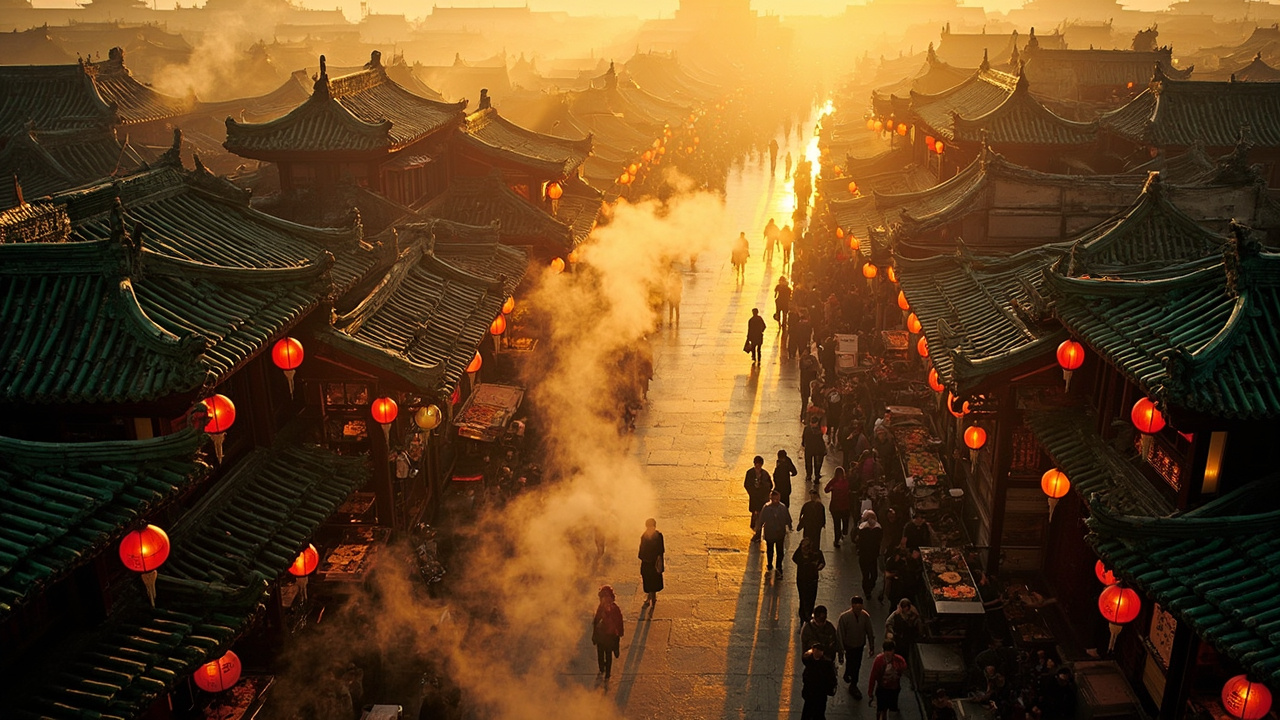
Top 10 Markets and Shopping Streets in China
From Shanghai's Bund to Beijing's Silk Street - 10 markets where foreigners can haggle, explore, and bring home authentic Chinese goods.
9 min read
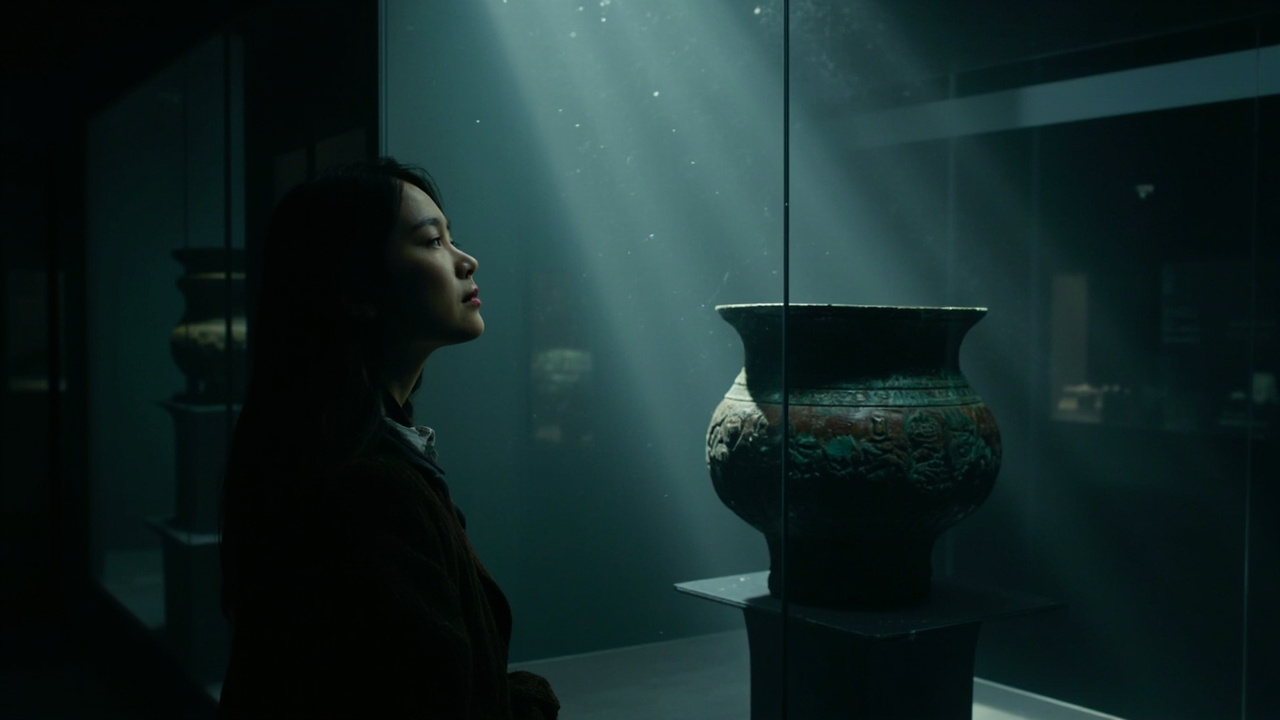
Top 10 Museums in China You Shouldn't Miss
China's museums span 5,000 years of civilization. These 10 - from the Palace Museum to Xi'an's terracotta gallery - are unmissable for culture lovers.
9 min read