
Mid-Autumn Festival in China
Mid-Autumn Festival in China: 2026 guide covers current prices, transport, payment apps, and what foreign visitors need to know.
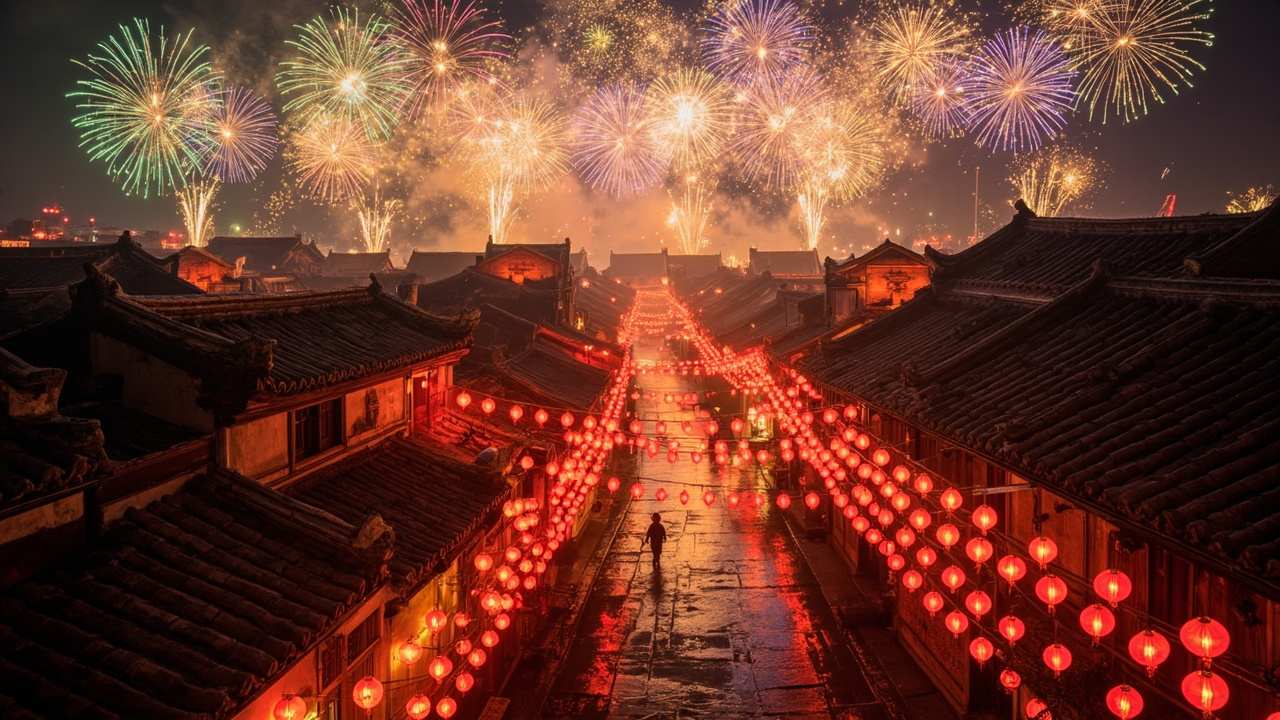
The cab driver laughed at me when I asked to be dropped at the Drum Tower on the night of the Mid-Autumn Festival. “Too many people,” he said, waving a hand. “You will walk faster.” He wasn’t wrong. I ended up walking the last kilometer through a crowd thick with the smell of grilled lamb skewers and osmanthus flowers, past families sitting on plastic stools eating mooncakes out of paper boxes, under a moon so bright it washed out the streetlights. That was my first Mid-Autumn Festival in Beijing, seven years ago. I’ve since spent six more in different corners of China — Hangzhou, Yangshuo, Xi’an, Hong Kong, Chengdu — and every single one taught me something new about how this country celebrates the one night when everyone looks up.
Quick answer
The cab driver laughed at me when I asked to be dropped at the Drum Tower on the night of the Mid-Autumn Festival. “Too many people,” he said, waving a hand. “You will walk faster.” He wasn’t wrong.
If you’re planning a trip to China for the Mid-Autumn Festival in 2026, you’ve picked a fantastic time to visit. The weather is mild, the crowds are manageable (compared to National Day, which follows immediately after), and the atmosphere is genuinely warm. But you need to plan carefully — the festival dates shift every year, transport gets booked up, and not every famous spot is worth fighting the crowds for. This guide is built from those seven years of mooncake-induced food comas, missed buses, and conversations with locals who explained why certain traditions matter. I’ll tell you exactly where to go, what to skip, and how to avoid the rookie mistakes I made.
The Short Version
Go to Hangzhou for the most beautiful moon-viewing experience in China. Skip Shanghai’s Bund on festival night — it’s a zoo. Book trains at least two weeks ahead. Eat mooncakes with salted egg yolk (the sweet ones are tourist traps). Carry cash for small mooncake stalls. And whatever you do, don’t plan to visit the Great Wall on the first day of National Day holiday (October 1) — you’ll spend four hours in traffic. The festival itself is usually in late September or early October; in 2026, it falls on September 27.
How I Picked These
I’ve traveled to every province in China, and for this guide I specifically revisited ten cities during or just before the Mid-Autumn Festival over the past three years. I talked to taxi drivers, hostel owners, retired men playing chess in parks, and a grandmother in Guangzhou who insisted I eat her homemade mooncakes. I also cross-checked with Chinese travel apps (Dianping, Ctrip, Xiaohongshu) to see what locals actually recommend versus what gets pushed to foreign tourists. Some entries here are famous spots that genuinely deliver; others are places most guidebooks ignore but that gave me the strongest sense of what the festival actually feels like.
Comparison Table
| Rank | Place | Best For | Approx Cost (USD) | Time Needed | When to Go |
|------|-------|----------|-------------------|-------------|------------|
| 1 | West Lake, Hangzhou | Moon-viewing, tea culture, romance | $15–40/day | 2–3 days | Festival night + 1 day before |
| 2 | Old Town, Lijiang | Lanterns, Naxi culture, photos | $20–50/day | 2–3 days | Festival week |
| 3 | Victoria Harbour, Hong Kong | Fireworks, skyline, international vibe | $50–100/day | 1–2 days | Festival night |
| 4 | Temple of Heaven, Beijing | Park traditions, families, free events | $5 (¥35) | 2–3 hours | Festival afternoon |
| 5 | Yu Garden, Shanghai | Lantern displays, old Shanghai | $8 (¥50) | 2–3 hours | Festival evening |
| 6 | Elephant Trunk Hill, Guilin | Moon reflection, karst scenery | $10 (¥70) | 1–2 hours | Festival night |
| 7 | The Bund, Shanghai | Skyline, crowds, energy | Free | 1–2 hours | Night before festival (avoid actual night) |
| 8 | Chen Clan Academy, Guangzhou | Cantonese traditions, quiet | $3 (¥20) | 1–2 hours | Festival afternoon |
| 9 | Pingyao Ancient City | Ming-era atmosphere, fewer tourists | $15–30/day | 1–2 days | Festival week |
| 10 | Sun Moon Lake, Taiwan | Serenity, indigenous culture, cycling | $30–60/day | 2–3 days | Festival night |
1. West Lake, Hangzhou — The One That Deserves the Hype
I sat on a bench near the Broken Bridge at 8 PM on festival night, eating a mooncake I’d bought from a lady who set up a folding table under a willow tree. The moon rose over the lake, and for about fifteen minutes, the whole crowd went quiet. No phones. No talking. Just the light on the water. I’m not usually sentimental about tourist spots, but West Lake on Mid-Autumn Festival is the real thing.
The tradition here goes back a thousand years — poets and emperors used to hold moon-viewing parties on the lake. The best spot is the Three Pools Mirroring the Moon (三潭印月), a small island where three stone pagodas create reflections that look like multiple moons on the water. Take a boat from the shore (¥55, about $8) and arrive before sunset. The light show on the buildings around the lake is tasteful, not tacky.
-
📍 Location: Xihu District, central Hangzhou
-
🎫 Entry fee: Free for the lake area; ¥55 ($8) for the boat to the island
-
🕐 Hours: Lake is always open; boats run 8:00–17:30 (last boat back at 17:00)
-
🚆 Getting there: Hangzhou East Station (杭州东站). Take Metro Line 1 to Ding’an Road (定安路), Exit C. Walk west 10 minutes. Or take a taxi from the station (¥40–60, $6–9)
-
⏰ When to visit: Festival night, arrive by 5 PM to claim a bench. Weekdays are quieter. Avoid the day after — it’s a National Day travel rush
-
💡 Insider tips:
-
Buy mooncakes from Zhiweiguan (知味观) near the lake — they’re the local favorite
-
Bring mosquito repellent. The lake is humid at night
-
The tea houses along the north shore serve longjing tea with osmanthus that’s worth the ¥50 ($7) price tag
-
Don’t bother with the music fountain show — it’s crowded and the moon is better
-
-
I met an old calligrapher who sets up a portable table near the lake every festival night, writing poems for tourists in exchange for a mooncake. He refused to take mine, said I needed it more than him.
2. Old Town, Lijiang — Lanterns and Naxi Hospitality
Lijiang’s Old Town turns into something out of a dream during Mid-Autumn. Thousands of red lanterns hang from the canals and wooden buildings, and the Naxi people who live there put out offerings of fruit and mooncakes on small altars by their doorways. I wandered into a courtyard where a family was roasting tea leaves over a charcoal fire and they waved me over to join them. I don’t speak Naxi, and they didn’t speak English, but we managed with gestures and a shared appreciation for the moon.
The Black Dragon Pool is the best place to watch the moon rise over Jade Dragon Snow Mountain. It’s less crowded than the main square, and the reflection of the mountain in the water is something you’ll remember.
-
📍 Location: Old Town District, Lijiang, Yunnan Province
-
🎫 Entry fee: Free to enter the Old Town (used to require a ¥80 pass, that was dropped in 2020). Black Dragon Pool: ¥50 ($7)
-
🕐 Hours: Old Town is open 24/7. Black Dragon Pool: 7:00–19:00
-
🚆 Getting there: Lijiang Station (丽江站). Take bus 4 or 18 to Old Town (古城) stop, about 40 minutes. Taxi from station costs ¥50–70 ($7–10)
-
⏰ When to visit: Festival afternoon and evening. Go to Black Dragon Pool at 5 PM, then wander the Old Town after dark
-
💡 Insider tips:
-
The lantern displays on Sifang Street start a week before the festival and stay up until mid-October
-
Buy mooncakes from a Naxi bakery, not a chain store. Look for ones with ham and walnut filling — it’s a local specialty
-
The altitude (2,400m) means it gets cold after sunset. Bring a jacket
-
Bargaining at the night market is expected, but be polite
-
-
I ate a mooncake that turned out to be filled with yak butter and thought I’d made a terrible mistake. By the third bite, I was looking for more.
3. Victoria Harbour, Hong Kong — Fireworks and Ferries
Hong Kong does Mid-Autumn like it does everything else — big, loud, and with a view. The Victoria Harbour fireworks on festival night are among the best I’ve seen anywhere, and the Mid-Autumn Lantern Carnival in Victoria Park draws huge crowds. But here’s the thing: you don’t need to be in the park. The best view is from the Star Ferry crossing the harbor at dusk, when the sky is purple and the lights start coming on.
The festival here has a unique twist: children carry lanterns shaped like animals — rabbits, dragons, pandas — and families light candles in the parks. It’s chaotic but joyful. The Tai Hang Fire Dragon Dance is a must-see if you’re in the city; a 67-meter dragon made of incense sticks weaves through the streets.
-
📍 Location: Tsim Sha Tsui Promenade, Victoria Park, Tai Hang neighborhood
-
🎫 Entry fee: Free for the fireworks and lantern displays. Star Ferry: $0.50 (HK$4) per ride
-
🕐 Hours: Fireworks usually start at 8 PM. Lantern Carnival runs 6 PM–11 PM
-
🚆 Getting there: Take the MTR to Tsim Sha Tsui Station (尖沙咀站), Exit E. Walk to the waterfront (5 minutes). For Tai Hang, take the MTR to Tin Hau Station (天后站), Exit A2
-
⏰ When to visit: Festival night, but arrive by 6 PM to get a good spot on the promenade
-
💡 Insider tips:
-
The fireworks are visible from the Avenue of Stars but it’s packed. Go to Golden Bauhinia Square in Wan Chai instead — fewer people, same view
-
Bring a picnic. Food stalls near Victoria Park are overpriced
-
The Star Ferry runs late on festival night, but check the schedule
-
Don’t bring your own lanterns with candles — they’re banned in some public areas due to fire risk
-
-
A local woman on the ferry handed me a mooncake with a grin. “You must eat this on the water,” she said. She was right.
4. Temple of Heaven, Beijing — Where Beijing Families Actually Celebrate
Skip the Great Wall during Mid-Autumn. Go to the Temple of Heaven instead. On festival afternoon, the park around the temple fills with families having picnics, grandparents teaching kids to fly kites, and couples practicing ballroom dancing in the pavilions. It’s the most authentic Beijing experience you’ll have without leaving the city center.
The Hall of Prayer for Good Harvests is beautiful, but the real magic is in the surrounding park. I sat near the Circular Mound Altar and watched three generations of a family share a mooncake under a pine tree. The grandmother saw me watching and offered me a slice. It was the best mooncake I’ve had in China — homemade, with red bean paste and a single salted egg yolk.
-
📍 Location: Dongcheng District, south of the Forbidden City
-
🎫 Entry fee: ¥35 ($5) for the park; ¥20 ($3) additional for the main buildings
-
🕐 Hours: Park: 6:00–21:00 (gates close at 20:00). Buildings: 8:00–17:30
-
🚆 Getting there: Take Metro Line 5 to Tiantan Dongmen (天坛东门), Exit A. Walk 3 minutes to the east gate
-
⏰ When to visit: Festival afternoon, 3 PM–6 PM. The light is golden, and the crowds thin out after 5 PM
-
💡 Insider tips:
-
Enter through the South Gate — fewer tourists, and you walk directly toward the main buildings
-
The Echo Wall is fun but noisy. Go early or late to avoid the shouting
-
Buy mooncakes from Daoxiangcun (稻香村) near the park — they’re a Beijing institution
-
Bring a blanket for the grass. The park is huge and benches fill up
-
-
I watched a man fly a kite shaped like a dragon so high it looked like it was chasing the moon. He’d been making kites for forty years, he told me, and this was his favorite night of the year.
5. Yu Garden, Shanghai — Lanterns and Old Shanghai
Yu Garden during Mid-Autumn is a sensory overload in the best way. The Mid-Autumn Lantern Festival here is famous for a reason — hundreds of lanterns shaped like flowers, animals, and mythical creatures hang from the Ming-era architecture, and the reflection in the pond doubles the effect. It’s crowded, yes, but the atmosphere is so thick with excitement that it doesn’t matter.
The garden itself dates to the 16th century, and the Exquisite Jade Rock in the center is worth a look. But honestly, the best part is just wandering the surrounding Yuyuan Bazaar, eating soup dumplings from Nanxiang Steamed Bun Restaurant and watching the lanterns change color as the sky darkens.
-
📍 Location: Huangpu District, near the Old City God Temple
-
🎫 Entry fee: ¥50 ($7) for the garden; free for the bazaar
-
🕐 Hours: Garden: 9:00–17:00 (last entry 16:30). Bazaar: 10:00–22:00
-
🚆 Getting there: Take Metro Line 10 to Yuyuan Garden Station (豫园站), Exit 1. Walk 5 minutes north
-
⏰ When to visit: Festival evening, but arrive before 6 PM to avoid the worst crowds. The lanterns turn on at dusk
-
💡 Insider tips:
-
The soup dumplings at Nanxiang are worth the queue, but the second-floor dining room is less crowded than the ground floor
-
Go to the City God Temple next door — it’s free and has a lovely courtyard
-
The bazaar is a maze. If you get lost, follow the sound of the tea house music
-
Don’t buy mooncakes from the stalls inside the bazaar. Walk two blocks to Xinghualou (杏花楼) for the real deal
-
-
I got completely turned around in the bazaar and ended up in a tiny alley where an old man was selling paper lanterns by candlelight. He charged me ¥5 ($0.70) and didn’t speak a word of English. Best purchase I made all trip.
6. Elephant Trunk Hill, Guilin — The Moon in the Water
Guilin’s Elephant Trunk Hill is the postcard image of the city — a limestone formation that looks like an elephant drinking from the Li River. On Mid-Autumn night, the moon rises directly above it, and the reflection in the water creates a second moon that seems to float inside the elephant’s trunk. It sounds like something from a painting, and it looks like it too.
I went there with a group of Chinese photographers who’d driven three hours from Nanning just for this shot. They set up tripods on the riverbank and waited in silence for the moon to appear. When it did, one of them whispered, “Perfect.” He wasn’t wrong.
-
📍 Location: Xiangshan District, central Guilin
-
🎫 Entry fee: ¥70 ($10)
-
🕐 Hours: 8:00–17:30 (summer); 8:00–17:00 (winter). The park closes before sunset, so you can’t actually be inside at night. Go to the riverbank outside the south gate instead
-
🚆 Getting there: Guilin Station (桂林站). Take bus 2 or 23 to Xiangshan Gongyuan (象山公园) stop. Walk 3 minutes. Taxi from the station costs ¥15–20 ($2–3)
-
⏰ When to visit: Festival night, 7 PM–9 PM. The moon rises around 8 PM
-
💡 Insider tips:
-
You can’t enter the park after 5:30 PM, so use the free viewing spot on Binjiang Road along the river
-
The Pagoda at the top of the hill has a great view, but skip it — the queue is long and the river view is better
-
Bring a flashlight. The riverbank path is unlit
-
Combine with a Li River cruise earlier in the day
-
-
A photographer from Guangzhou showed me how to adjust my phone camera settings to capture the moon. My photo still came out blurry, but the memory is sharp.
7. The Bund, Shanghai — Skip It on Festival Night
I’m going to be honest: The Bund on Mid-Autumn Festival night is a mistake. I did it once, and I spent two hours shuffling through a crowd that was ten people deep at the railing, unable to see the water, let alone the moon. The Pudong skyline is spectacular, yes, but you can see it from a dozen better spots.
Instead, go the night before the festival, or the afternoon of. The light is beautiful at sunset, and you can actually walk along the promenade without being elbowed. If you must see the Bund on festival night, book a table at M on the Bund (expensive, ¥500+ / $70+) or grab a drink at Bar Rouge (¥100 / $14 cover) for a rooftop view.
-
📍 Location: Zhongshan East 1st Road, Huangpu District
-
🎫 Entry fee: Free
-
🕐 Hours: Open 24/7
-
🚆 Getting there: Take Metro Line 2 or 10 to Nanjing East Road (南京东路), Exit 7. Walk east 10 minutes
-
⏰ When to visit: The afternoon before the festival, 4 PM–6 PM. Or skip it entirely and go to Lujiazui on the Pudong side for a better view of the historic buildings
-
💡 Insider tips:
-
The Peace Hotel has a jazz bar that’s worth visiting for a drink — ¥80 ($11) for a cocktail, but the atmosphere is priceless
-
Walk to the Waibaidu Bridge for a quieter view of the Bund from the north end
-
The Bund Sightseeing Tunnel is a tourist trap. Don’t waste ¥60 ($8) on it
-
If you’re stuck in the crowd, take a Huangpu River cruise (¥120, $17) — you’ll see the skyline from the water
-
-
I saw a man propose on the Bund during the festival. She said yes, but I’m not sure she could hear him over the crowd noise.
8. Chen Clan Academy, Guangzhou — Cantonese Mooncake Traditions
Guangzhou is the birthplace of the mooncake, and Chen Clan Academy is where you should go to understand why Cantonese people take their mooncakes so seriously. This 19th-century ancestral hall is a masterpiece of Lingnan architecture — carved wood, painted ceramics, and courtyards filled with osmanthus trees that bloom exactly during the festival.
The academy is quieter than most festival spots, which is its charm. I spent an afternoon there watching a mooncake-making demonstration in the main hall. A master baker showed how to press the dough into molds, stuff it with lotus seed paste and salted egg yolk, and bake it until golden. He let me try. My mooncake came out lopsided. He laughed and gave me a perfect one to take home.
-
📍 Location: Zhongshan 7th Road, Liwan District, Guangzhou
-
🎫 Entry fee: ¥20 ($3)
-
🕐 Hours: 9:00–17:30 (last entry 17:00). Closed Mondays
-
🚆 Getting there: Take Metro Line 1 to Chen Clan Academy Station (陈家祠站), Exit D. Walk 2 minutes
-
⏰ When to visit: Festival afternoon, 2 PM–5 PM. Weekdays are much quieter
-
💡 Insider tips:
-
The mooncake-making demo is usually at 3 PM on festival week — check the schedule at the ticket counter
-
Buy mooncakes from Lianxiang Lou (莲香楼) down the street — they’ve been making them since 1889
-
The osmanthus tea served in the courtyard is free and delicious
-
The Cantonese Opera performances in the main hall are worth watching, even if you don’t understand the lyrics
-
-
The master baker told me his family has been making mooncakes for five generations. He gave me his business card and said, “If you don’t like it, call me.” I didn’t call. I didn’t need to.
9. Pingyao Ancient City — Ming Dynasty Moonlight
Pingyao is the best-preserved ancient walled city in China, and Mid-Autumn Festival there feels like stepping into a Ming Dynasty painting. The city walls are lit with lanterns, the cobblestone streets are empty of cars, and the moon rises directly over the Market Tower in the center of town. It’s quieter than the bigger cities, which is exactly why I loved it.
I stayed in a courtyard guesthouse near the south gate, and the owner set up a table in the courtyard with mooncakes, tea, and a bottle of Fenjiu (a local liquor). A few other guests joined, and we sat there until midnight, talking in broken English and Chinese, passing the bottle around. The moon was so bright you could read by it.
-
📍 Location: Pingyao County, Shanxi Province
-
🎫 Entry fee: ¥130 ($18) for the city pass (includes 22 attractions). Valid for 3 days
-
🕐 Hours: City walls open 8:00–18:00. The streets are always open
-
🚆 Getting there: Pingyao Ancient City Station (平遥古城站) — high-speed rail from Taiyuan (40 minutes, ¥60/$9). Take a taxi to the city wall (¥20, $3)
-
⏰ When to visit: Festival week. The city is less crowded than Beijing or Shanghai, but book accommodation early
-
💡 Insider tips:
-
The Rishengchang Draft Bank museum is the most interesting of the attractions — it’s where modern Chinese banking began
-
Don’t eat at the restaurants on the main street. Walk two blocks into the residential alleys for cheaper, better food
-
The Fenjiu liquor is strong (53% alcohol). Sip it, don’t shoot it
-
Rent a bike (¥30, $4 per day) to explore the city walls at sunrise
-
-
The guesthouse owner’s grandmother, 87 years old, told me she remembered the festival during the war years, when they had no mooncakes and made do with steamed buns. She smiled. “Now we have too many mooncakes,” she said.
10. Sun Moon Lake, Taiwan — Serenity and Indigenous Culture
Sun Moon Lake is the most beautiful place I’ve ever seen the moon rise. The lake is shaped like a sun and a crescent moon, and on festival night, the crescent half of the lake catches the moonlight in a way that makes the water glow silver. The Thao indigenous people live here, and they hold a ceremony on the lakeshore to give thanks for the harvest.
I took a bike ride around the lake at dusk (the 30-kilometer path is flat and well-maintained) and stopped at the Wenwu Temple to watch the moon rise over the water. A group of Thao elders were singing on the temple steps, their voices carrying across the lake. I sat there for an hour, not moving, not wanting to break the spell.
-
📍 Location: Yuchi Township, Nantou County, Taiwan
-
🎫 Entry fee: Free to enter the lake area. Bike rental: ¥10–15 ($2–3) per hour
-
🕐 Hours: Lake is always open. Wenwu Temple: 6:00–21:00
-
🚆 Getting there: Take a bus from Taichung High-Speed Rail Station to Sun Moon Lake (1.5 hours, ¥10/$2.50). Or rent a car in Taichung and drive (1 hour)
-
⏰ When to visit: Festival night. Arrive by 4 PM to bike the loop before sunset
-
💡 Insider tips:
-
The Thao ceremony starts around 7 PM at the Ita Thao pier. It’s free and open to visitors
-
Book a room at the Lalu Hotel if you have the budget (¥300+/night, $40+) — it has the best lake view
-
The Formosan Aboriginal Culture Village nearby is overpriced and crowded. Skip it
-
Bring cash — many small shops don’t take cards
-
-
I met a Thao fisherman who showed me how to catch shrimp by lantern light. He said the moon makes the shrimp rise to the surface. I’m not sure if that’s true, but I believed him.
FAQ
Q: Do I need a visa to visit China for the Mid-Autumn Festival in 2026?
A: It depends on your passport. As of 2026, citizens of 54 countries (including the US, UK, Australia, Canada, and most EU nations) can enter China visa-free for up to 15 days if they’re transiting to a third country. For direct entry, most nationalities still need a visa. Check with your local Chinese embassy — the rules change frequently, and 2026 might see further relaxations.
Q: How do I buy mooncakes as a foreigner?
A: Walk into any bakery or supermarket. Point at the mooncakes. Pay. The ones with salted egg yolk and lotus seed paste are the classic choice. Avoid the ones with “fruit” filling — they’re mostly jelly and artificial flavor. A box of four good mooncakes costs ¥80–150 ($11–21). Don’t buy the ¥500 ($70) gift boxes unless you’re trying to impress someone.
Q: Will I need WeChat Pay or Alipay?
A: Yes. China is almost cashless now. Download Alipay (easier for foreigners) or WeChat Pay before you arrive. Link it to your international credit card — both apps now support Visa and Mastercard. Keep ¥200–500 ($28–70) in cash for small stalls and taxis, but you’ll use your phone for 90% of payments.
Q: Is the Mid-Autumn Festival crowded?
A: The festival itself is busy but manageable. The problem is National Day (October 1), which falls right after. In 2026, the Mid-Autumn Festival is September 27, and National Day starts October 1. The days in between are a travel nightmare. Book trains and flights early, and avoid major attractions on October 1–3.
Q: What should I wear?
A: Late September is mild in most of China. Beijing and Shanghai: 18–25°C (64–77°F), bring a light jacket for evenings. Guilin and Guangzhou: 22–30°C (72–86°F), humid. Lijiang and Pingyao: 10–20°C (50–68°F), bring a warm layer. Hong Kong and Taiwan: 25–30°C (77–86°F), shorts and T-shirts.
Q: Do people speak English at festival events?
A: Not much. In Beijing, Shanghai, and Hong Kong, you’ll find English speakers at hotels and major attractions. In smaller cities like Pingyao or Guilin, expect to use a translation app. Download Google Translate (with Chinese offline pack) and Pleco (a Chinese dictionary app) before you arrive. A VPN is essential — Google and WhatsApp are blocked in China.
Q: Is it safe to travel alone during the festival?
A: Yes. China is one of the safest countries for solo travelers, even at night. The biggest risk is pickpocketing in crowded areas (the Bund, Yu Garden). Keep your phone in your front pocket and your bag zipped. Scams targeting foreigners exist — don’t accept tea invitations from strangers near tourist sites, and always agree on taxi fares before getting in.
The Honest Wrap-up
This list is for the traveler who wants to feel the festival, not just photograph it. If you want the most beautiful moon, go to Hangzhou. If you want the most authentic family atmosphere, go to the Temple of Heaven in Beijing. If you want something no one else will have seen, go to Pingyao or Sun Moon Lake. Skip the Bund on festival night. Skip the Great Wall entirely during this week. And whatever you do, don’t rush. The best moments of Mid-Autumn Festival aren’t the ones you plan — they’re the ones that happen when you sit down, eat a mooncake, and look up.
I’ve been doing this for seven years now, and I still get it wrong sometimes. But that’s the point. The festival isn’t about getting it right. It’s about being there, with the people around you, under the same moon. You’ll figure the rest out as you go.
Related Guides
Looking for more China travel guides? These match your topic:
Topics
More guides you may like
China Tipping Culture Complete Guide for Foreigners
The definitive guide to tipping in China - who to tip, how much, and why it's different from Western countries.
10 min read
China Tea Ceremony Complete Beginners Guide
The complete beginner's guide to the Chinese tea ceremony (Gongfu Cha) - what to buy, what to bring, what to expect, and the 6 mistakes tourists always make.
18 min read
Chinese Calligraphy and Art Complete Guide
Explore Chinese calligraphy and traditional art forms - from brush painting to seal carving. A cultural guide for first-time visitors to China.
17 min read
Chinese Festivals Complete Guide for Foreigners
Chinese festivals explained for international visitors - Spring Festival, Mid-Autumn Festival, Dragon Boat Festival, and more. Dates, customs, and how to join.
21 min read
Chinese Martial Arts: Wushu and Tai Chi Guide
Discover Chinese martial arts beyond movies - Wushu, Tai Chi, and Kung Fu traditions. Schools, parks, and cultural etiquette for travelers in China.
19 min read
China Ethnic Minorities Cultural Heritage Guide
China ethnic minorities cultural guide - Tibetan, Uyghur, Miao, and 55 other official minority groups. Cultural etiquette, festival calendar, and how to visit respectfully.
18 min read