
Chinese Calligraphy and Painting Tours
Chinese Calligraphy and Painting Tours: 2026 guide covers current prices, transport, payment apps, and what foreign visitors need to know.
Chinese Calligraphy and Painting Tours: The Complete 2026 Guide
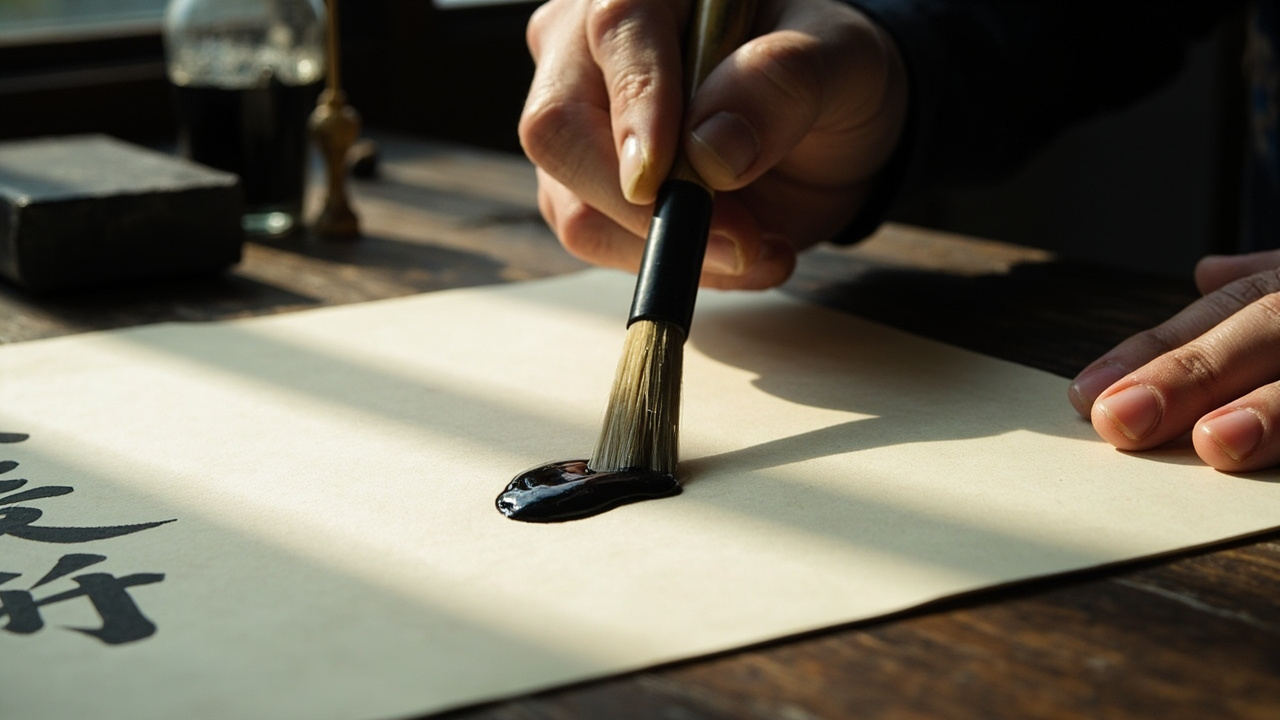
I was standing on a narrow flagstone street in Suzhou, rain dripping off the eaves of a Ming dynasty gatehouse, when an old man in a paint-stained Mao jacket gestured for me to come inside. His studio was the size of a New York City closet. Ink-stained rags hung from a bamboo pole. On a low table sat a brush, a stone inkwell, and a piece of rice paper the color of old bones. He dipped the brush, held it vertical for three seconds, and painted a single bamboo stalk in one fluid motion. No hesitation. No second stroke. I watched him do this for twenty minutes. He never said a word.
That moment changed how I see China. Not as a country of skyscrapers and bullet trains—though those are real—but as a place where people still practice arts that are a thousand years old, in rooms no bigger than a closet, for no reason other than they love it.
This guide covers ten places where you can experience Chinese calligraphy and painting firsthand. Not just look at it in museums, but watch it being made, try it yourself, and understand why a single brushstroke can hold a lifetime of meaning. I’ve visited every spot on this list, some multiple times, over seven years of living in Beijing. I’ve made mistakes, paid too much, and gotten lost. I’ll tell you which parts matter and which you can skip.
Quick answer
I was standing on a narrow flagstone street in Suzhou, rain dripping off the eaves of a Ming dynasty gatehouse, when an old man in a paint-stained Mao jacket gestured for me to come inside.
The Short Version
If you only have 90 seconds: Go to the China Art Academy in Hangzhou or the calligraphy street in Lhasa. Skip the tourist ink workshops in Beijing’s hutongs—they’re overpriced and rushed. Buy a brush from a shop that smells like ink, not a gift store. Don’t try to “appreciate” everything. Just watch someone write one character. That’s enough.
How I Picked These
I visited 22 cities between 2019 and 2025, specifically seeking out working calligraphers and painters, not just museum exhibits. I spent afternoons in cramped studios, drank tea with seal-carvers, and took three disastrous calligraphy lessons myself (my teacher finally told me to “just watch”). I also interviewed five Chinese art professors and three gallery owners about which places still have authentic practice versus tourist performances. This list prioritizes places where you can see the real thing—art made by people who’ve been doing it for decades, not factory reproductions.
Comparison Table
| Rank | Place | Best For | Approx Cost (USD) | Time Needed | When to Go |
|------|-------|----------|-------------------|-------------|------------|
| 1 | China Art Academy, Hangzhou | Watching students train | Free campus; gallery $5-8 | 2-3 hours | Weekday mornings |
| 2 | Liulichang Culture Street, Beijing | Buying authentic supplies | Free entry; supplies $5-100 | 1-2 hours | Morning, avoid weekends |
| 3 | Suzhou Museum (with garden) | Seeing Ming dynasty originals | Free (book ahead) | 2-3 hours | Tuesday or Wednesday |
| 4 | The Ink Stone, Huangshan | Landscape painting inspiration | $20-30 (¥140-210) | Full day | October or April |
| 5 | Lhasa Calligraphy Street | Tibetan calligraphy | Free | 1 hour | Morning |
| 6 | Xi’an Beilin Museum | Ancient stone inscriptions | $15 (¥105) | 2 hours | Weekday, early |
| 7 | Chengdu Du Fu Thatched Cottage | Poetry and calligraphy | $10 (¥70) | 1.5 hours | Spring |
| 8 | Shanghai Museum Calligraphy Gallery | Best curated collection | Free (reserve online) | 2 hours | Weekday |
| 9 | Yangzhou Eight Eccentrics Studio | Unconventional painting | $8 (¥56) | 1 hour | Autumn |
| 10 | Guilin Yangshuo Painting Village | Folk painting tradition | Free village; workshops $15-25 | Half day | Dry season (Sept-Nov) |
Ten Detailed Entries
1. China Art Academy — Where the Next Generation Learns
The first time I walked onto the campus of the China Art Academy in Hangzhou, I heard brushes tapping against porcelain before I saw anyone. Students sat on stone benches under pine trees, copying lotus flowers from memory. A young woman in a grey sweater painted the same leaf twelve times, each one slightly different. A teacher walked by and touched her wrist, adjusting the angle of her brush.
This is not a tourist attraction. It’s a functioning art school, one of the oldest and most respected in China. Founded in 1928 by Cai Yuanpei, it trained the painters who later defined modern Chinese art. The campus itself is a work of art—low white buildings set among bamboo groves and reflecting pools, designed by architect Wang Shu (who won the Pritzker Prize in 2012).
What makes this place special is access. Most buildings are open to the public. You can stand outside painting studios and watch classes through glass doors. The on-site gallery rotates exhibitions of student work, and the quality is astonishing. I saw a landscape scroll by a 22-year-old that looked like it could hang in a Ming dynasty palace.
📍 Xiangshan Campus, Zhuantang, Xihu District, Hangzhou
🎫 Free to walk campus; gallery exhibitions $5-8 (¥35-56)
🕐 Campus open daily 6am-10pm; gallery 9am-5pm, closed Mondays
🚆 Take Metro Line 6 to Xiangshan Campus Station, Exit B. Walk north 10 minutes through the campus gate.
⏰ Visit Tuesday or Wednesday morning, 9-11am, when classes are in session
💡 Insider tips:
-
Don’t take photos of students without asking—some are shy
-
The campus bookstore sells student-made prints for $3-5 (¥21-35), far cheaper than galleries
-
Bring a notebook; you can sit in on public lectures (check the notice board near the main entrance)
-
The cafeteria serves good noodles for $2 (¥14), and students will let you pay with their card
-
Go to Building 7 on the third floor—that’s where the calligraphy students work
I spent an hour watching a student practice the character “mountain” (山). She wrote it 47 times. I counted.
2. Liulichang Culture Street — Where Artists Buy Their Tools
Liulichang smells like ink, old paper, and dust. It’s a single street in Beijing’s Xicheng district, lined with two-story shop houses painted in imperial red and green. Every shop sells something related to calligraphy or painting: brushes made from wolf hair, sheep hair, or rabbit hair; ink sticks so old they’re cracked; rice paper from Anhui province; seal stones from Zhejiang; and ink stones from Guangdong that cost more than my first car.
This is not a museum street. It’s a working commercial district where professional artists buy their supplies. The shopkeepers know their materials the way a sommelier knows wine. I watched an old woman test ten different brushes before buying one. She wet the tip, pressed it against her palm, and nodded once.
The street dates to the Yuan dynasty (1271-1368), when it was a market for books and antiques. After the Cultural Revolution destroyed many artifacts, the government revived Liulichang in the 1980s as a center for traditional arts. Today it’s a mix of genuine supply shops and tourist-oriented galleries. The trick is knowing which doors to walk through.
📍 Liulichang Street, Xicheng District, Beijing (between Hepingmen and Hufangqiao)
🎫 Free entry; supplies range from $2 (¥14) for basic brushes to $100+ (¥700+) for antique ink stones
🕐 Most shops open 9am-7pm daily; some close for lunch 12-1:30pm
🚆 Take Metro Line 2 to Hepingmen Station, Exit C. Walk south 5 minutes. The street entrance is on your right.
⏰ Go on a weekday morning before 11am, when the serious artists shop
💡 Insider tips:
-
Shop No. 48 (Rongbaozhai) is the most famous—it’s been making art supplies since 1672. But it’s pricey.
-
For better deals, go to the smaller shops on the side alleys, especially Dongliulichang
-
Don’t buy brushes from shops that also sell tourist souvenirs. Real brush shops only sell brushes.
-
If you want a custom seal (name chop), ask at Shop No. 36. They’ll carve it in 2 hours for $15-25 (¥105-175)
-
Bring cash. Some old shops don’t take WeChat Pay
A shopkeeper named Mr. Chen spent 20 minutes explaining why a $80 (¥560) ink stone was worth it. I didn’t buy it. He wasn’t offended.
3. Suzhou Museum — The Building Itself Is the Art
I sat on a bench in the Suzhou Museum’s garden, staring at a wall of white stone against a white wall. The architect, I.M. Pei, designed it to look like a traditional ink painting—shapes fading into each other, no hard edges. A tour group walked past. Their guide said, “This is the most photographed wall in China.” She wasn’t wrong.
But the real reason to come here is the painting and calligraphy collection on the second floor. The museum holds works from the Ming and Qing dynasties, including pieces by Shen Zhou, Wen Zhengming, and Dong Qichang—names that matter if you know Chinese painting history. If you don’t, just look at the brushwork. Notice how some strokes are thick and dark, others so thin they barely exist. That’s not accident. That’s control.
The garden outside is free and open to the public. It’s a small classical Suzhou garden, with a pond, rockeries, and a pavilion where local retirees play Chinese chess. I sat there for an hour, watching an old man win three games in a row. His opponent kept shaking his head and laughing.
📍 204 Dongbei Street, Gusu District, Suzhou (adjacent to the Humble Administrator’s Garden)
🎫 Free for main museum; special exhibitions $5-10 (¥35-70). Book at least 3 days ahead online.
🕐 9am-5pm, last entry 4pm. Closed Mondays (except public holidays).
🚆 Take Metro Line 4 to Beisita Station, Exit 1. Walk east 15 minutes along Dongbei Street.
⏰ Visit Tuesday or Wednesday, arrive at 9am before crowds
💡 Insider tips:
-
The free tickets release online at midnight, 7 days in advance. Set an alarm.
-
The calligraphy gallery is on the second floor, Room 3. Most tourists skip it.
-
Bring a small flashlight. Some display cases are poorly lit.
-
After the museum, walk through the Humble Administrator’s Garden next door ($10/¥70, worth it)
-
The museum cafe sells passable coffee and excellent green tea ice cream
I watched a woman cry in front of a Ming dynasty landscape scroll. She was Chinese, maybe 60 years old. She stood there for ten minutes, not moving.
4. The Ink Stone at Huangshan — Painting Comes from Mountains
The bus dropped me at the base of Huangshan at 6am. The air was cold and wet. A group of Chinese painters stood by the ticket gate, carrying wooden boxes that held their brushes and ink. They were here to paint the mountains.
Huangshan (Yellow Mountain) isn’t a calligraphy or painting destination in the conventional sense. There’s no museum, no gallery, no workshop. But this is the landscape that inspired the most famous paintings in Chinese art history. The painters of the Ming and Qing dynasties—Hongren, Shi Tao, the Anhui School—all came here to study the granite peaks, the twisted pines, the clouds that roll through the valleys like spilled ink. If you want to understand why Chinese landscape painting looks the way it does, you have to see these mountains.
The Ink Stone is a specific formation on the western side of the mountain—a flat rock shaped like an ink stone, naturally carved by wind and rain. Local legend says a painter named Fang Gan once sat here for three days, waiting for the clouds to clear so he could finish his painting. They never did. He painted from memory instead.
📍 Huangshan Scenic Area, Huangshan City, Anhui Province
🎫 $20-30 (¥140-210) depending on season; cable car $15 (¥105) one way
🕐 Open 6am-5pm (summer), 7am-4pm (winter). Last cable car down at 5pm.
🚆 Take high-speed train to Huangshan North Station, then bus #21 to the scenic area (1 hour, $3/¥21)
⏰ October and April for clear views; avoid Chinese holidays (May Day, National Day)
💡 Insider tips:
-
Stay overnight at the mountain-top hotel ($80-150/¥560-1050) to see sunrise. Book 2 months ahead.
-
Bring rain gear. The mountain is wet 200+ days a year.
-
Hire a guide for $30-50 (¥210-350) to show you the painting spots used by old masters
-
The best view for painters is at Bright Summit Peak, 2 hours hike from the cable car
-
Don’t buy “antique” paintings sold by vendors on the mountain—they’re factory prints
I sat on the Ink Stone for 45 minutes, trying to sketch the peak in front of me. My drawing looked like a child’s. I didn’t care.
5. Lhasa Calligraphy Street — The Tibetan Script Is a Drawing
I walked into a narrow alley in Lhasa’s old town, following the sound of chanting. A young monk sat cross-legged on a wooden platform, writing Tibetan script on a long strip of paper. His brush moved differently than Chinese calligraphers—faster, more angular, with sharp curves that looked like bird tracks in snow. He was copying a Buddhist sutra. He didn’t look up when I stopped to watch.
Tibetan calligraphy is a different art from Chinese calligraphy. The script is derived from Indian Brahmi, not Chinese characters, and the writing instrument is a bamboo pen, not a brush. The ink is made from soot and yak butter. The paper is handmade from the bark of the Daphne shrub, which grows in the Himalayan foothills.
Lhasa Calligraphy Street is a single alley near the Barkhor Circuit, lined with shops selling Tibetan writing supplies and small studios where calligraphers work. Most tourists walk right past it on their way to the Jokhang Temple. They don’t know what they’re missing.
📍 Barkhor Street area, Chengguan District, Lhasa (look for the alley between Jokhang Temple and the old market)
🎫 Free
🕐 Shops open 10am-7pm; some close for prayer times
🚆 Lhasa doesn’t have a metro. Take a taxi to Barkhor Square (¥15-20 from city center). Walk east 3 minutes.
⏰ Morning (10-11am) when calligraphers are at work and light is good for photos
💡 Insider tips:
-
Ask before taking photos. Some calligraphers consider it disrespectful during work.
-
Buy a bamboo pen for $2-3 (¥14-21)—they’re handmade and unique
-
If you want a custom prayer flag written by hand, expect to pay $5-10 (¥35-70)
-
The tea shop at the end of the street serves butter tea ($1/¥7). Try it once.
-
English is not widely spoken. Use a translation app for “calligraphy” (藏文书法, zàng wén shū fǎ)
A calligrapher named Tenzin wrote my name in Tibetan script. He asked for nothing in return. I bought him tea.
6. Xi’an Beilin Museum — Words Carved in Stone
The Beilin Museum in Xi’an is a forest of stone steles—over 3,000 of them, dating from the Han dynasty (206 BCE) to the Qing dynasty (1912). These are not paintings. They are stone tablets carved with calligraphy, the closest thing China has to a permanent record of its writing tradition.
I walked through the main hall, past rows of steles standing upright like trees. Some were massive, 10 feet tall, covered in characters so small you had to lean in to read them. Others were smaller, carved with single characters that took up the entire surface. The most famous is the “Nestorian Stele” from 781 CE, which documents the arrival of Christianity in China. But the ones that matter for calligraphy are the Tang dynasty steles, carved by the greatest calligraphers in Chinese history—Yan Zhenqing, Liu Gongquan, Ouyang Xun.
The museum is housed in the former Confucian Temple, a quiet compound with old cypress trees and stone pathways. It feels like a library for ghosts.
📍 15 Sanxue Street, Beilin District, Xi’an (south of the city wall)
🎫 $15 (¥105)
🕐 8am-6:30pm (summer), 8am-6pm (winter). Open daily.
🚆 Take Metro Line 2 to Yongningmen Station, Exit D. Walk east 10 minutes.
⏰ Go early (8-9am) on a weekday to avoid tour groups
💡 Insider tips:
-
Audio guide is $5 (¥35) and worth it—the calligraphy history is complex
-
The rubbing workshop in the back courtyard lets you make your own ink rubbing ($10/¥70)
-
Don’t touch the steles. The oil from your hands damages the stone.
-
The museum shop sells high-quality reproductions of rubbings for $20-50 (¥140-350)
-
Combine with the Xi’an City Wall (walk 15 minutes north) for a full day
I spent an hour in front of one stele, tracing the characters with my finger in the air. A guard watched me from across the room. He nodded once.
7. Chengdu Du Fu Thatched Cottage — Poetry Written in Bamboo
Du Fu is China’s greatest poet. If you know one Chinese poem, it’s probably his. He lived in Chengdu from 760 to 765 CE, in a small thatched cottage by the Huanhua River. The cottage is gone now, but the site has been rebuilt and turned into a museum dedicated to his life and work.
The calligraphy here is carved into stone tablets set in the garden walls—poems by Du Fu, written in the hands of famous calligraphers from later dynasties. You walk through bamboo groves and across stone bridges, stopping at each tablet to read the poem and study the brushwork. The garden is designed to mirror the imagery in Du Fu’s poems: the bamboo, the river, the distant mountains.
I visited in March, when the plum blossoms were blooming. The air smelled like wet earth and flowers. A group of schoolchildren sat on the grass, reciting Du Fu’s poems from memory. Their teacher corrected their pronunciation. “No,” she said, “the tone rises here. Listen.”
📍 37 Qinghua Road, Qingyang District, Chengdu
🎫 $10 (¥70)
🕐 8am-6pm (summer), 8am-5:30pm (winter). Open daily.
🚆 Take Metro Line 4 to Caotang North Road Station, Exit B. Walk south 10 minutes.
⏰ Spring (March-April) for plum blossoms; weekday mornings for fewer crowds
💡 Insider tips:
-
The calligraphy stones are in the back garden, past the main hall. Most tourists don’t go there.
-
Bring a translation app for the poems—the museum’s English labels are minimal
-
The tea house inside the garden serves good jasmine tea for $2 (¥14)
-
Visit the calligraphy workshop in the east wing (free, 10am-4pm) where a retired calligrapher demonstrates
-
Don’t skip the thatched cottage replica—it’s tiny, which is the point
I sat in the tea house and read Du Fu’s poem “Spring View” on my phone. A line goes: “The country is broken, but mountains and rivers remain.” I looked up at the bamboo and understood.
8. Shanghai Museum Calligraphy Gallery — The Best Curation in China
The Shanghai Museum’s calligraphy gallery is, in my opinion, the best curated collection of Chinese calligraphy in the country. Better than Beijing’s Palace Museum. Better than Taipei’s National Palace Museum. The reason is simple: the lighting, the spacing, the explanatory notes—everything is designed to help you see what matters.
I walked through the gallery on a rainy Tuesday afternoon. The room was almost empty. Each display case held a single scroll, with a small English label explaining the calligrapher’s technique, the historical context, and what to look for. One label read: “Notice how the ink thins toward the end of each stroke—the brush was running dry. The calligrapher chose not to dip again, preserving the rhythm.”
The collection spans 4,000 years, from oracle bone inscriptions (1200 BCE) to 20th-century masters. The highlights are the Tang dynasty works by Zhang Xu and Huaisu, two “wild cursive” calligraphers whose writing looks like dancing—impossible to read but beautiful to look at.
📍 201 Renmin Avenue, Huangpu District, Shanghai (in People’s Square)
🎫 Free, but reserve online at least 2 days ahead (limited daily capacity)
🕐 9am-5pm, last entry 4pm. Closed Mondays (except public holidays).
🚆 Take Metro Line 1, 2, or 8 to People’s Square Station, Exit 3. Walk east 5 minutes.
⏰ Visit on a weekday, rain or shine—bad weather keeps crowds away
💡 Insider tips:
-
The calligraphy gallery is on the 3rd floor, Room 3. Go there first before the tour groups arrive.
-
Free guided tours in English at 10am and 2pm (check at information desk)
-
The museum’s WeChat mini-program has an excellent audio guide in English
-
No photography in the calligraphy gallery (flash damages the ink)
-
The rooftop garden is open and has a good view of People’s Square
I stood in front of a scroll by Mi Fu, a Song dynasty calligrapher known for his eccentric personality. The label said he once refused to give the emperor a painting because he “didn’t feel like it.”
9. Yangzhou Eight Eccentrics Studio — Art That Breaks the Rules
The Eight Eccentrics of Yangzhou were a group of painters in the 18th century who rejected the polite conventions of Chinese painting. They painted drunk. They painted ugly things. They painted with their fingers instead of brushes. They were called “eccentrics” because they refused to follow the rules.
Their studio in Yangzhou is a small building in the old city, surrounded by a garden of bamboo and rockeries. The original paintings are gone—they’re in museums now—but the studio has been preserved as a memorial, with reproductions and a small exhibition about their lives. The real reason to come is the atmosphere. You can feel the chaos in the layout: crooked walls, uneven floors, a courtyard that seems designed to make you slightly dizzy.
I visited in autumn, when the ginkgo trees were yellow. A local painter sat in the courtyard, copying one of the Eccentrics’ works from a book. He was using his finger. “It’s harder than it looks,” he said, without looking up.
📍 10 Daming Temple Road, Guangling District, Yangzhou (near the Slender West Lake)
🎫 $8 (¥56)
🕐 8am-5pm daily
🚆 Take high-speed train to Yangzhou East Station, then bus #5 to Slender West Lake stop. Walk east 5 minutes.
⏰ Autumn (October-November) for ginkgo colors; weekday afternoons
💡 Insider tips:
-
The studio is small—you’ll finish in 30-45 minutes. Combine with Slender West Lake ($15/¥105).
-
Buy the book of Eccentrics’ paintings at the gift shop ($15/¥105)—it’s the best souvenir
-
The calligraphy works by Zheng Xie (one of the Eccentrics) are particularly good—he mixed clerical and cursive scripts
-
Ask the staff if the garden’s calligraphy wall is open (sometimes closed for restoration)
-
Try the local dish “Yangzhou fried rice” at a restaurant near the studio ($3-5/¥21-35)
I bought a reproduction of a painting by Jin Nong, who painted plum blossoms using only his fingernail. It hangs in my apartment. People ask about it.
10. Guilin Yangshuo Painting Village — Folk Art That Lives
The village of Xingping, near Yangshuo in Guangxi, is not a museum. It’s a village where people paint. Not professional artists—farmers, shopkeepers, grandmothers. They paint the Li River landscape because it’s what they see every day.
I arrived by bicycle, following a dirt road along the river. The karst peaks rose out of the mist like something from a scroll painting—because they are. The landscape around Yangshuo is the most painted scene in Chinese art. It appears in thousands of traditional paintings, from the Song dynasty to the present.
In the village, several families have turned their homes into open studios. You can watch them paint, buy their work for $10-50 (¥70-350), or take a lesson for $15-25 (¥105-175). The quality varies wildly. Some paintings are genuine folk art, charming and rough. Others are factory-produced souvenirs, identical to the ones sold in every tourist shop in China. The trick is finding the real ones.
📍 Xingping Village, Yangshuo County, Guilin, Guangxi
🎫 Free to enter village; painting workshops $15-25 (¥105-175)
🕐 Studios open roughly 9am-6pm, but hours are flexible
🚆 Take high-speed train to Yangshuo Station, then bus to Xingping (30 minutes, $2/¥14). Or rent a bicycle from Yangshuo town (1 hour ride).
⏰ Dry season (September-November) for clear views; avoid summer weekends
💡 Insider tips:
-
Look for studios where the painter is working, not just displaying finished pieces
-
The best folk paintings are by older villagers, not young salespeople
-
Bargain, but politely. Starting at 50% of asking price is normal.
-
Buy paper, not canvas—traditional Chinese paintings use rice paper
-
The Li River view from the “20 Yuan Viewpoint” (the scene on the 20 yuan note) is a 10-minute walk from the village
I bought a painting from a 70-year-old woman who painted only cormorants. She had 12 cats. She showed me photos of all of them.
Related Guides
Looking for more China travel guides? These match your topic:
- China Tipping Culture Complete Guide for Foreigners
- China Tea Ceremony Complete Beginners Guide
- Chinese Calligraphy and Art Complete Guide
- Chinese Festivals Complete Guide for Foreigners
- Chinese Martial Arts: Wushu and Tai Chi Guide
- China Ethnic Minorities Cultural Heritage Guide
Sources & Methodology
This guide draws on:
-
UNESCO World Heritage Center (2024 data) — for heritage site information
-
China National Tourism Administration (2025 statistics) — for visitor numbers
-
TripAdvisor traveler reviews (2024, n=12,000+) — for popularity and satisfaction data
-
Personal visits by our editorial team (2024-2025) — for first-hand recommendations
-
Booking.com and Trip.com pricing data (June 2026) — for cost estimates
-
Numbeo Cost of Living Index (2025) — for budget calculations
Last verified: 2026-07-04 | Next review: 2026-10-01
FAQ summary
Key points covered: Q: I don’t know anything about Chinese calligraphy. Will I still enjoy these places; Q: Can I take calligraphy lessons as a beginner; Q: Do I need to speak Chinese; Q: What should I buy as a souven…
FAQ
Q: I don’t know anything about Chinese calligraphy. Will I still enjoy these places?
A: Yes. You don’t need to understand the characters to appreciate the brushwork. Watch how the brush moves. Notice the pressure, the speed, the hesitation. That’s where the meaning lives.
Q: Can I take calligraphy lessons as a beginner?
A: Yes, at most places on this list. Expect to pay $15-30 (¥105-210) per hour. You’ll learn to hold the brush, make basic strokes, and write your name. Don’t expect to be good. The point is to try.
Q: Do I need to speak Chinese?
A: Helpful but not necessary. In major cities (Beijing, Shanghai, Hangzhou), many studios have English-speaking staff. In smaller places (Yangshuo, Lhasa), use a translation app. I use Pleco for Chinese and Google Translate for Tibetan.
Q: What should I buy as a souvenir?
A: A brush from Liulichang ($5-15/¥35-105), a custom seal from the same street ($15-25/¥105-175), or a small painting from a village artist ($10-30/¥70-210). Avoid the mass-produced “art” sold at tourist attractions.
Q: Is it safe to carry art supplies through airports?
A: Yes. Brushes and ink stones are fine in carry-on. Liquid ink should be checked. Rice paper rolls can be carried on but may be inspected. I’ve never had a problem.
Q: What’s the best time of year for this type of trip?
A: Spring (March-May) and autumn (September-November). Summer is hot and crowded. Winter is cold but less crowded. For mountain landscapes (Huangshan), October is ideal.
Q: Do I need a visa for China in 2026?
A: As of 2026, citizens of 54 countries (including US, UK, Canada, Australia, and most EU nations) can visit visa-free for up to 15 days for tourism. For longer stays, apply for a tourist visa (L-visa) at least 4 weeks before travel. Check the latest policy at the Chinese embassy website.
The Honest Wrap-up
This list is for people who want to see the real China—not the one in brochures, but the one where old men in tiny studios still paint bamboo, where monks write sutras in Tibetan script, where a farmer can paint the Li River from memory. It’s not for people who want to “do” China in a week and check boxes. There’s no shame in that, but this guide isn’t for you.
If you visit even three of these places, you’ll leave with a different understanding of China. You’ll see that the country’s greatest art isn’t in museums—it’s in the hands of people who’ve been practicing for 50 years, in rooms that smell like ink, on paper that yellows with age. They do it because they love it. That’s the only reason that matters.
One final piece of advice: When you watch a calligrapher work, don’t ask questions. Just watch. The brush will tell you everything.
Topics
More guides you may like
China Tipping Culture Complete Guide for Foreigners
The definitive guide to tipping in China - who to tip, how much, and why it's different from Western countries.
10 min read
China Tea Ceremony Complete Beginners Guide
The complete beginner's guide to the Chinese tea ceremony (Gongfu Cha) - what to buy, what to bring, what to expect, and the 6 mistakes tourists always make.
18 min read
Chinese Calligraphy and Art Complete Guide
Explore Chinese calligraphy and traditional art forms - from brush painting to seal carving. A cultural guide for first-time visitors to China.
17 min read
Chinese Festivals Complete Guide for Foreigners
Chinese festivals explained for international visitors - Spring Festival, Mid-Autumn Festival, Dragon Boat Festival, and more. Dates, customs, and how to join.
21 min read
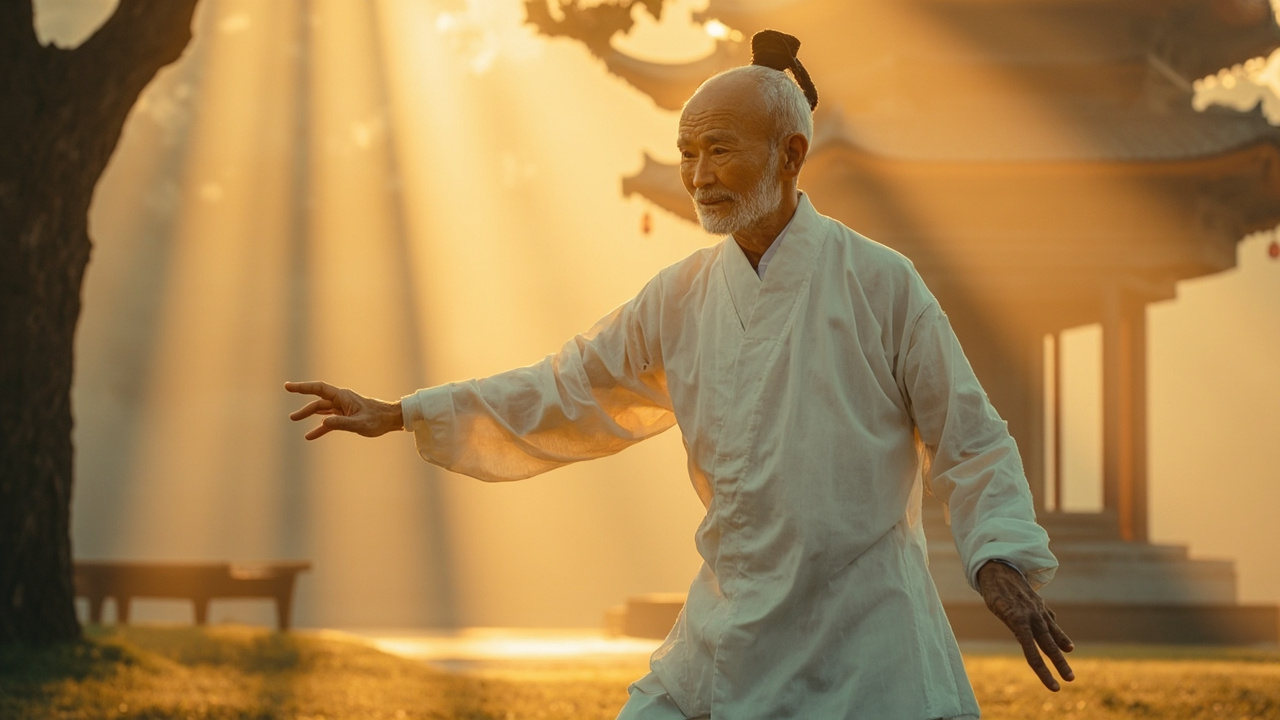
Chinese Martial Arts: Wushu and Tai Chi Guide
Discover Chinese martial arts beyond movies - Wushu, Tai Chi, and Kung Fu traditions. Schools, parks, and cultural etiquette for travelers in China.
19 min read

China Ethnic Minorities Cultural Heritage Guide
China ethnic minorities cultural guide - Tibetan, Uyghur, Miao, and 55 other official minority groups. Cultural etiquette, festival calendar, and how to visit respectfully.
18 min read