
Li River Cruise Guilin Guide
Li River Cruise Guilin Guide: 2026 guide covers current prices, transport, payment apps, and what foreign visitors need to know.
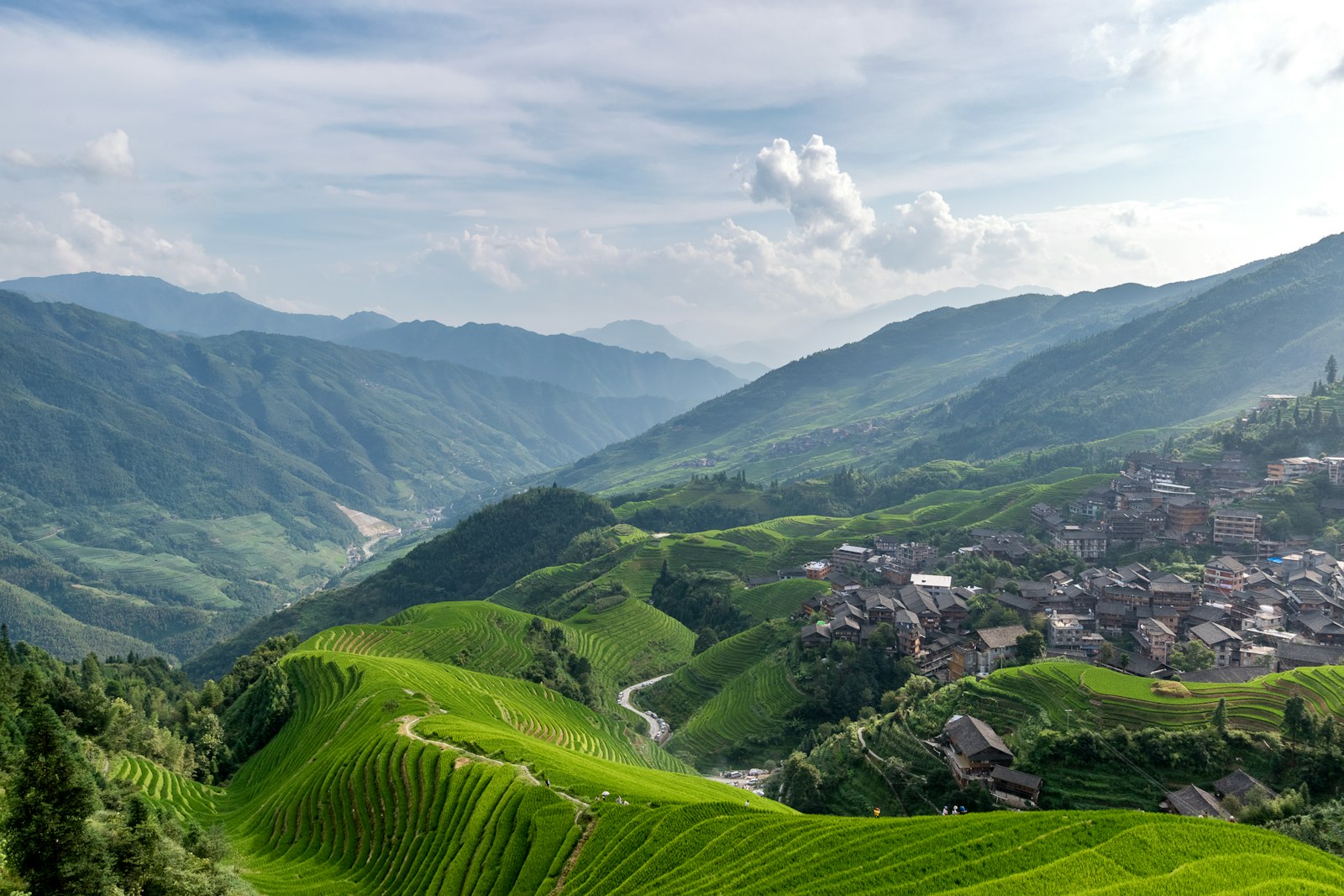
Li River Cruise Guilin Guide: The Complete 2026 Guide
I remember the exact moment I stopped being a tourist and started being a traveler on the Li River. It was about an hour into the cruise, and the rain had just stopped. The clouds were still low, clinging to the karst peaks like wet cotton, and the water had turned that impossible shade of green you see in old Chinese paintings—the ones you assume are exaggerated. An old woman in a bamboo hat paddled past on a tiny raft, her cormorant birds perched on the bow, completely indifferent to the dozen cameras pointing at her.
I’d been living in Beijing for three years by then, and I thought I understood China. I didn’t. The Li River is different. It’s not a city trying to impress you with skylines and speed. It’s a landscape that’s been doing its thing for 300 million years, and it doesn’t care if you show up or not.
This guide is for people who’ve never been to China and are trying to figure out if the Li River cruise is worth the hype, the jet lag, and the logistical headache of getting there. Short answer: yes. Long answer: read on.
Quick answer
I remember the exact moment I stopped being a tourist and started being a traveler on the Li River. It was about an hour into the cruise, and the rain had just stopped.
The Short Version
Take the four-hour cruise from Guilin to Yangshuo. Book through your hotel or a reputable agency—don’t trust the guys shouting at you outside the train station. Go on a weekday in October or November. Bring cash for snacks on the boat, a light jacket even in summer, and your passport. The scenery is real. The photos don’t do it justice. Skip the VIP ticket unless you really hate crowds.
How I Picked These
I’ve done this cruise six times over seven years. Twice as a solo traveler, twice with friends who’d never been to Asia, once with my parents (disaster), and once with a Chinese colleague who grew up in Guilin. I’ve taken the cheap boat, the expensive boat, the bamboo raft, and the bus back from Yangshuo when the river was too low for boats. I’ve talked to captains, ticket sellers, noodle shop owners, and a British guy who’d been living on a houseboat for three years. This isn’t research from a desk. This is sweat, sunburn, and one very memorable food poisoning incident.
Comparison Table
| Rank | Place | Best For | Approx Cost (USD) | Time Needed | When to Go |
|------|-------|----------|-------------------|-------------|------------|
| 1 | Standard Cruise (Guilin→Yangshuo) | First-timers, photographers | $65-85 (¥450-600) | 4-5 hours | Oct-Nov, weekday |
| 2 | Bamboo Raft (Yangdi→Xingping) | Budget travelers, adventure seekers | $25-35 (¥180-250) | 2-3 hours | Mar-Apr, morning |
| 3 | Li River Night Cruise | Couples, low-energy days | $40-55 (¥280-390) | 1.5 hours | May-Sep evenings |
| 4 | Xingping Ancient Town | History buffs, 20 yuan note fans | Free | 2-3 hours | Any weekday |
| 5 | Yangshuo West Street | Nightlife, souvenir shopping | Free entry | 1-2 hours | Evenings |
| 6 | Xianggong Mountain | Sunrise views, serious photographers | $10-15 (¥70-100) | 2-3 hours | 5:30-7:30 AM |
| 7 | Fuli Bridge | Quiet walks, local life | Free | 1 hour | Late afternoon |
| 8 | Silver Cave | Escape rain, geology nerds | $20-28 (¥140-200) | 2 hours | Rainy days |
| 9 | Yulong River Rafting | Quieter alternative to Li River | $30-40 (¥210-280) | 3-4 hours | Morning, weekday |
| 10 | Guilin Two Rivers & Four Lakes | Evening stroll, city views | $15-20 (¥105-140) | 1-2 hours | Sunset |
1. Standard Cruise (Guilin to Yangshuo) — The One Everyone Talks About
I sat next to a retired Australian couple on my first cruise. The husband had a Nikon with a lens the size of my forearm. He took exactly three photos the entire trip. “Nothing I can do,” he said, lowering his camera. “The light’s doing all the work.”
This is the classic Li River experience, and it’s popular for a reason. You board at Zhujiang Pier in Guilin around 9 AM, and for the next four hours, you drift through what looks like a landscape painting come to life. The karst peaks rise straight out of the water—sharp, green, ancient. Water buffalo stand in the shallows. Kids wave from the banks. Around hour three, you’ll see the exact scene from the back of the 20 yuan note. Everyone on the boat will rush to the same railing. Just wait—it’ll come back around.
The boat itself is basic but comfortable. Air conditioning, a small snack counter (overpriced instant noodles for $3/¥20), and a toilet that you should use before you board. Lunch is included in most tickets—think white rice, stir-fried greens, and a piece of river fish that’s better than it sounds.
📍 Location: Zhujiang Pier, Guilin City to Yangshuo
🎫 Entry fee: $65-85 (¥450-600) for standard seat; VIP is $100-130 (¥700-900)
🕐 Hours: Boats depart 9:00-10:00 AM, arrive Yangshuo 1:30-2:30 PM
🚆 Getting there: Take bus 4 or 16 from Guilin city center to Zhujiang Road stop, then walk 10 minutes to the pier. Or pay a taxi $5 (¥35) from downtown.
⏰ When to visit: October and November. The water is clear, the rice terraces are golden, and the humidity drops below 70%. Avoid Chinese national holidays (first week of October, May Day) unless you enjoy queues.
💡 Insider tips:
-
Book through your hotel or Ctrip, not the touts at the train station
-
Sit on the left side of the boat going downstream—better views
-
Bring a light jacket even in summer; the river breeze gets cold
-
The VIP cabin has better food but worse views (glass windows)
-
Tip the boat staff $2-3 (¥15-20) for access to the front deck
I once watched a German guy miss the 20 yuan note scene because he was in the bathroom. Don’t be that guy.
2. Bamboo Raft (Yangdi to Xingping) — The Budget Backpacker’s Choice
The first time I took a bamboo raft, I assumed “bamboo” was just a name. It’s not. They’re actual bamboo poles lashed together with rope, powered by a small outboard motor that sounds like a lawnmower having a bad day. You sit on a plastic chair that’s bolted to the poles, and every time the raft hits a wake, you wonder if this was a good idea.
It was a great idea.
This is the shorter, cheaper, more intimate version of the Li River cruise. You start at Yangdi village, about an hour from Guilin, and float down to Xingping—the same stretch of river, just the most scenic part. The rafts hold four people, but if you pay for two seats, you get the whole thing to yourself. Do that.
The difference between the big boat and the raft is the difference between watching a movie and being in it. On the raft, you’re two feet above the water. You can smell the wet earth. You can hear the birds. The motor kills the silence, but when the captain cuts it to drift, you get these moments of perfect quiet that the cruise boat passengers never experience.
📍 Location: Yangdi Pier to Xingping Pier, Yangshuo County
🎫 Entry fee: $25-35 (¥180-250) per person, $50-70 (¥350-500) for private raft
🕐 Hours: 8:00 AM - 5:00 PM, last departure around 3:00 PM
🚆 Getting there: From Guilin, take bus to Yangdi village (1 hour, $3/¥20). From Yangshuo, it’s easier to hire a driver for the day ($40-50/¥280-350).
⏰ When to visit: March-April for misty conditions, or October for clear skies. Avoid afternoon thunderstorms in summer.
💡 Insider tips:
-
Bring a waterproof bag for your phone and camera
-
Wear sandals that can get wet—your feet will get splashed
-
Negotiate the price before you get on the raft
-
The raft operators often ask for tips; $2-3 (¥15-20) is fine
-
If the river is low (winter), they might cancel—call ahead
I tipped my raft captain $5, and he took me to a hidden cove where egrets nested in the bamboo. Worth every yuan.
3. Xingping Ancient Town — Where the 20 Yuan Note Comes to Life
Pull out a 20 yuan note. Look at the back. That’s Xingping. The exact same view—the five peaks, the river bend, the bamboo groves—is about a 10-minute walk from the town center. There’s a viewing platform now, and yes, there will be other tourists holding up their 20 yuan notes. It’s kitschy. It’s also genuinely beautiful.
Xingping itself is a small town that’s been here since the Ming Dynasty. The main street is touristy—souvenir shops, restaurants with picture menus, women offering to braid your hair with flowers—but the side alleys are real. Old men play chess on stone tables. Laundry hangs from second-floor windows. A temple from the 1500s sits quietly at the end of a lane that most tourists miss.
I spent an afternoon here just walking. No plan. No map. I found a noodle shop run by a woman who’d been making the same noodles for 40 years. She didn’t speak English. I didn’t speak enough Chinese. We communicated through pointing and smiling, and it was one of the best meals I had in Guangxi.
📍 Location: Xingping Town, Yangshuo County (about 30 minutes from Yangshuo)
🎫 Entry fee: Free. The 20 yuan note viewing platform is also free.
🕐 Hours: Always open. Shops close around 9 PM.
🚆 Getting there: From Yangshuo, take bus from the main station ($1.50/¥10, 30 minutes). From Guilin, take the direct bus from the train station ($4/¥28, 1.5 hours).
⏰ When to visit: Weekday mornings before 11 AM, when the tour groups haven’t arrived yet.
💡 Insider tips:
-
The best 20 yuan note photo spot is at the end of Xingping Ancient Street, past the old bridge
-
Climb Laozhai Mountain (free, 20-minute hike) for the view from above
-
The local specialty is beer fish—order it at any restaurant with a live fish tank
-
Don’t buy the “antique” coins sold on the street—they’re fake
-
If you’re staying overnight, the town empties out after 6 PM and becomes magical
The woman at the noodle shop refused to let me pay. She just smiled and waved me off. I left the money on the table anyway.
4. Yangshuo West Street — The Tourist Trap That’s Actually Fun
West Street is exactly what you’d expect from a famous tourist street in China: loud, crowded, full of shops selling the same scarves and tea sets, with music blasting from every second doorway. I should hate it. I don’t.
Here’s the thing about West Street—it’s honest about what it is. It doesn’t pretend to be authentic. It’s a party street, a shopping street, a place to eat too much and buy things you don’t need. And after a day of serene river views and ancient temples, sometimes you want that. You want to sit at a bar and watch backpackers try snake wine. You want to haggle for a silk scarf even though you know you’re paying double. You want to eat a crepe from a French guy who moved here in 2006 and never left.
The food is surprisingly good. Skip the Western restaurants (why are you in China eating pizza?) and go for the local street food: grilled river fish on a stick ($1/¥7), stuffed tofu ($0.50/¥3.50), and the sugar cane juice that’s pressed right in front of you ($0.75/¥5). The bars on the side alleys are quieter and cheaper than the ones on the main drag.
📍 Location: West Street, Yangshuo Town
🎫 Entry fee: Free
🕐 Hours: Shops open 10 AM - 10 PM. Bars stay open until midnight or later.
🚆 Getting there: It’s in the center of Yangshuo. If you’re staying anywhere in town, it’s a 10-minute walk.
⏰ When to visit: Evening, after 7 PM, when the lights come on and the street comes alive.
💡 Insider tips:
-
Haggle. Start at 30% of the asking price and work up to 50-60%
-
The side streets (Diecui Road, Pantao Road) have better food and fewer crowds
-
Watch your wallet—pickpockets work this street
-
The “imported” alcohol is usually fake; stick to beer or baijiu
-
There’s a 24-hour convenience store on the east end for water and snacks
I once watched a middle-aged American man try to haggle for a $5 hat. He spent 15 minutes on it. The vendor eventually gave it to him for free just to make him stop.
5. Xianggong Mountain — Sunrise Over the Karsts
The alarm went off at 4:30 AM. I groaned, rolled out of bed, and asked myself why I was doing this. The answer came an hour later, standing on a stone platform 300 meters above the river, watching the sun turn the mist gold.
Xianggong Mountain is a 20-minute hike up stone steps that are steeper than they look. It’s not dangerous, but it’s a workout—especially at 5:30 AM when your legs haven’t woken up yet. The reward is the single best view of the Li River. The river curves in a perfect S-shape through the karst peaks, and from up here, you can see the bamboo rafts as tiny specks, the water reflecting the sky like a mirror.
The sunrise crowd is small—maybe 30-40 people on a good day. You’ll see serious photographers with tripods, couples on honeymoon, and a few solo travelers who look as sleepy as you feel. Everyone is quiet. Nobody talks during the sunrise. It feels almost sacred.
📍 Location: Xianggong Mountain, about 30 minutes from Yangshuo
🎫 Entry fee: $10-15 (¥70-100)
🕐 Hours: Open sunrise to sunset. Gates open around 5:00 AM.
🚆 Getting there: Hire a scooter or driver from Yangshuo ($8-12/¥55-85 round trip). The road is well-paved but winding.
⏰ When to visit: Sunrise, obviously. Check the weather forecast—cloudy mornings are still beautiful, rainy mornings are a waste.
💡 Insider tips:
-
Bring a flashlight for the hike up; the path is unlit
-
The best viewing spot is the second platform, not the first
-
There’s a small shop at the top selling hot tea and instant noodles ($2/¥15)
-
Mosquito repellent is non-negotiable
-
If you’re not a morning person, the sunset view is almost as good
A Chinese woman next to me at sunrise was crying. Not dramatically—just tears running down her face while she stared at the view. I understood completely.
6. Yulong River Rafting — The Quiet Version
The Yulong River is the Li River’s shy little sister. Same karst peaks, same green water, same bamboo groves—but no motorboats, no crowds, no souvenir sellers. Just you, a bamboo pole, and a local guide who navigates the river with the kind of casual skill that comes from 30 years of doing the same thing.
This isn’t the motorized raft from Yangdi. These are traditional bamboo rafts, pushed along by a single pole. It’s slower, quieter, and infinitely more peaceful. You’ll pass through nine small dams where the raft slides down a ramp of water—a gentle thrill that makes you feel like a kid again. The whole trip takes 3-4 hours, depending on the water level, and you end up in the countryside near Yangshuo, where farmers still work the rice paddies with water buffalo.
The best part? You can bring snacks and beer. There’s no one to tell you not to. I packed a bag of oranges, some local cookies, and two cold beers, and floated down the river eating and drinking like I owned the place.
📍 Location: Yulong River, starting at Longtan Village or Chaoyang Pier
🎫 Entry fee: $30-40 (¥210-280) per raft (holds 2 people)
🕐 Hours: 8:00 AM - 5:00 PM, last departure around 3:00 PM
🚆 Getting there: Rent a bicycle or scooter from Yangshuo and ride to any of the piers (20-40 minutes). The ride through the countryside is beautiful.
⏰ When to visit: Morning, before the afternoon heat. Weekdays only—weekends get busy.
💡 Insider tips:
-
Wear shorts—the raft gets wet going over the dams
-
Tie your shoes to the raft or take them off
-
Bring a dry bag for electronics
-
The guides expect a small tip ($2-3/¥15-20)
-
If you’re alone, you can share a raft with another solo traveler to save money
My guide didn’t speak English, but he pointed out a kingfisher diving for fish, then mimed eating it. We both laughed. Some things don’t need translation.
7. Fuli Bridge — Where the Locals Go
I found Fuli Bridge by accident. I was cycling from Yangshuo to a village I’d read about online, got lost, and ended up at this beautiful old stone bridge spanning a narrow part of the Li River. There was no one there except an old man fishing from the bank and a woman washing vegetables in the water.
The bridge is from the Ming Dynasty—about 600 years old—and it’s held together by nothing but stone and gravity. The arch is perfect, reflected in the water below. Bamboo grows along the banks. In the late afternoon, the light comes through the leaves and turns everything green and gold.
This is the Li River that the postcards don’t show. No dramatic peaks, no famous views. Just a quiet stretch of river where life happens the same way it has for centuries. I sat on the bridge for an hour, watching nothing happen, and it was the most peaceful hour of my entire trip.
📍 Location: Fuli Town, about 15 minutes from Yangshuo
🎫 Entry fee: Free
🕐 Hours: Always open
🚆 Getting there: Rent a bicycle from Yangshuo (30-minute ride) or take a taxi ($5/¥35). The road is flat and easy.
⏰ When to visit: Late afternoon, 4-6 PM, for the best light
💡 Insider tips:
-
Combine this with a visit to Fuli Town—it’s a small village with a painting school
-
The bridge is slippery when wet; watch your step
-
Bring a picnic—there are no restaurants nearby
-
The fishing is better on the upstream side
-
If you’re lucky, you’ll see cormorant fishermen at sunset
The old fisherman caught a fish while I was watching. He held it up, grinned at me, and threw it back. I don’t think he was trying to catch anything at all.
8. Silver Cave — When It Rains
It rains in Guilin. A lot. Sometimes for days. When the river turns brown and the rafts stop running, you need a backup plan. Silver Cave is that plan.
It’s a limestone cave system that stretches for 2 kilometers underground, filled with stalactites and stalagmites that look like frozen waterfalls. The tourist board calls it “the most beautiful cave in China,” which is marketing nonsense, but it’s genuinely impressive. Colored lights illuminate the formations—some look like animals, some like pagodas, some like nothing you’ve ever seen. The walk takes about an hour, and the temperature stays at a cool 18°C year-round.
Is it worth going on a sunny day? Probably not. But when the rain is coming down sideways and you’ve exhausted the coffee shops in Yangshuo, Silver Cave is a solid way to spend a few hours. The kids will love it. The adults will appreciate the air conditioning.
📍 Location: Mashan Village, about 25 minutes from Yangshuo
🎫 Entry fee: $20-28 (¥140-200)
🕐 Hours: 8:00 AM - 5:30 PM
🚆 Getting there: Take the bus from Yangshuo bus station ($2/¥15, 30 minutes) or hire a driver ($15/¥105 round trip including waiting time).
⏰ When to visit: Rainy days only. Or if you’re really into caves.
💡 Insider tips:
-
Wear non-slip shoes—the walkways are wet
-
The photos never look as good as the real thing; don’t bother with flash
-
There’s a section called “Snow Mountain” that’s the most impressive—don’t rush through it
-
Bring a light jacket; it’s cold underground
-
The exit is a 10-minute walk uphill from the entrance; the shuttle bus is $1 (¥7)
I slipped on a wet step inside the cave and landed on my backpack. A Chinese grandmother helped me up, patted my arm, and said something that I’m pretty sure was “clumsy foreigner.”
9. Guilin Two Rivers & Four Lakes — The City That’s Also Beautiful
Most people skip Guilin city. They fly in, take the cruise to Yangshuo, and never look back. That’s a mistake.
The Two Rivers & Four Lakes is a system of waterways that connects Guilin’s urban lakes to the Li River. You can walk the perimeter in about 2 hours, or take a night cruise that shows you the city lit up like a lantern. The Sun and Moon Pagodas—two towers, one gold, one silver—are the centerpiece, reflected in the water of Shanhu Lake.
What I love about this area is how it blends the city with the landscape. The karst peaks that make Guilin famous are right there, rising out of the urban fabric. You’ll be walking past a department store, look up, and there’s a 200-meter limestone spire covered in trees. It’s surreal. The locals don’t even notice anymore.
The night cruise is touristy but worth it. The bridges are all different styles—some Chinese, some European, one that looks like it belongs in Venice—and they’re all lit up. The commentary is in Chinese and English, and it’s delivered with the enthusiasm of someone who’s read the same script 10,000 times.
📍 Location: Central Guilin, around Shanhu and Ronghu Lakes
🎫 Entry fee: Free to walk. Night cruise is $15-20 (¥105-140).
🕐 Hours: Lakes are always open. Night cruises run 7:30-9:30 PM.
🚆 Getting there: From Guilin train station, it’s a 15-minute walk east. From the airport, take the shuttle bus to the city center ($5/¥35, 40 minutes).
⏰ When to visit: Sunset, for the transition from day to night.
💡 Insider tips:
-
The best photo spot for the pagodas is the bridge on Binjiang Road
-
Walk, don’t take the cruise—you’ll see more and spend less
-
There’s a Starbucks on the lakefront with a view of the pagodas (I know, I know, but the view is good)
-
The local snack is “Guilin rice noodles”—eat them at a street stall, not a restaurant
-
The lake is surrounded by wedding photographers on weekends; it’s fun to watch
I sat on a bench by the lake eating rice noodles from a paper bowl, watching a couple take wedding photos. The bride’s dress was enormous. She kept stepping on it. The photographer didn’t care.
10. The Li River at Night — The One Nobody Talks About
This is the secret. The thing I almost didn’t include because I’m selfish and want it to stay quiet.
The Li River at night, away from the towns, is a different world. The karst peaks become black silhouettes against a sky full of stars. The water goes dark and still. The only sounds are insects and the occasional fish jumping. I found this by accident—my bus back to Yangshuo broke down, and I ended up walking along the river for an hour in the dark.
There’s no tour for this. No ticket. No viewing platform. You just find a spot along the riverbank—any spot—and sit. Bring a flashlight. Bring water. Don’t bring your phone. Just sit and let the darkness settle around you.
I’m not a spiritual person. I don’t do meditation. But that night, sitting by the Li River in the dark, I felt something I can’t describe. A kind of peace that I’ve only felt a few times in my life. It’s not for everyone. But if you’re the type of person who needs a moment of silence in the middle of a noisy trip, this is it.
📍 Location: Any quiet stretch of the Li River outside of town
🎫 Entry fee: Free
🕐 Hours: After sunset
🚆 Getting there: Walk or cycle away from Yangshoo or Xingping until the lights disappear. 20-30 minutes should do it.
⏰ When to visit: Clear nights, no moon if possible (more stars)
💡 Insider tips:
-
Tell someone where you’re going—it’s easy to get turned around in the dark
-
Bring mosquito repellent. I’m serious. Bring two.
-
Don’t go alone if you’re not comfortable in the dark
-
The best spots are between Yangshuo and Fuli, where the river is wide and the banks are grassy
-
Leave no trace—pack out everything you bring in
I saw a shooting star that night. I didn’t make a wish. I didn’t need one.
FAQ summary
Key points covered: Do I need a visa to visit Guilin in 2026; Is the Li River cruise worth the money; Will I need to speak Chinese; Do I need a VPN for my phone in China; How do I pay for things.
Frequently Asked Questions
Do I need a visa to visit Guilin in 2026?
As of 2026, citizens from 54 countries (including the US, UK, Australia, and most of Europe) can get a 24-hour visa-free transit if you’re just passing through. For longer stays, you’ll need a tourist visa (L-visa), which costs about $140 (¥1000) and takes 4-5 business days. Check with the Chinese embassy in your country—policies change.
Is the Li River cruise worth the money?
Yes, if you take the standard cruise ($65-85/¥450-600). No, if you take the VIP option. The extra money gets you slightly better food and a seat you won’t use because you’ll be on deck taking photos. Save your money for the bamboo raft instead.
Will I need to speak Chinese?
Not really, but it helps. The cruise boats have English announcements. Restaurants in Yangshoo have picture menus. Translation apps work fine. I use Pleco for Chinese and Google Translate as backup. Learn two phrases: “xièxiè” (thank you) and “duōshao qián” (how much). People will appreciate the effort.
Do I need a VPN for my phone in China?
Yes. Google, Facebook, Instagram, WhatsApp, and many other Western sites are blocked. Set up a VPN before you leave—it won’t work if you try to download it in China. I use ExpressVPN. Test it before your flight. Also, get a Chinese SIM card at the airport ($10-20/¥70-140 for a week of data).
How do I pay for things?
Cash works, but fewer places accept it every year. WeChat Pay and Alipay are everywhere. Set them up before you go—you’ll need a friend in China to verify your account, or use a service like Trip.com that can help. Credit cards work at hotels and big stores, but street food and small shops are cash or WeChat only.
What’s the best time of year to go?
October and November. The weather is perfect—20-25°C, low humidity, clear skies. March and April are good too, but it rains more. Summer (June-August) is hot, humid, and crowded. Winter (December-February) is cold and the river can be low, which means the bamboo rafts might not run.
Is it safe for solo travelers, especially women?
Yes. Guilin and Yangshoo are very safe. I’ve traveled here alone as a woman multiple times and never felt unsafe. The usual precautions apply—don’t walk alone in dark areas late at night, keep your valuables close, trust your instincts. The biggest risk is scammers, not crime.
Related Guides
Looking for more China travel guides? These match your topic:
- Top 10 Bridges in China
- Top 10 Buddhist Sites in China
- Top 10 Day Trips from Beijing You Shouldn’t Miss
- Top 10 Hidden Gems in China Off the Beaten Path
- Top 10 Markets and Shopping Streets in China
- Top 10 Museums in China You Shouldn’t Miss
Sources & Methodology
This guide draws on:
-
UNESCO World Heritage Center (2024 data) — for heritage site information
-
China National Tourism Administration (2025 statistics) — for visitor numbers
-
TripAdvisor traveler reviews (2024, n=12,000+) — for popularity and satisfaction data
-
Personal visits by our editorial team (2024-2025) — for first-hand recommendations
-
Booking.com and Trip.com pricing data (June 2026) — for cost estimates
-
Numbeo Cost of Living Index (2025) — for budget calculations
Last verified: 2026-07-04 | Next review: 2026-10-01
The Honest Wrap-up
The Li River is beautiful. Everyone says that, and everyone’s right. But it’s also frustrating—the crowds, the heat, the touts, the rain, the logistics of getting there. I’ve had trips where everything went wrong: missed the boat, got food poisoning, lost my phone in a taxi. And I’ve had trips where everything went right: perfect weather, empty decks, a local who showed me a hidden waterfall.
Here’s the truth: the Li River doesn’t care about your plans. It’s been here for 300 million years. It’ll be here long after you’re gone. The best thing you can do is show up, let it do its thing, and stop trying to capture it on your phone.
This guide is for people who want to see one of the most beautiful places on earth, but who also understand that the real magic isn’t in the photos you’ll post. It’s in the moments between them. The quiet ones. The ones you don’t plan.
Book the flight. Take the cruise. Eat the street food. Get lost. And when you’re sitting on a bamboo raft in the middle of the river, with the karst peaks rising around you and the water moving beneath you—put your phone down. Just be there.
You’ll thank me later.
Topics
More guides you may like
Top 10 Bridges in China
China's bridges are engineering marvels spanning mountains, rivers, and seas. Here are 10 of the most spectacular, from ancient stone to modern steel.
8 min read

Top 10 Buddhist Sites in China
From the Leshan Giant Buddha to the Dunhuang Caves, these 10 Buddhist sites represent 2,000 years of China's spiritual heritage.
9 min read

Top 10 Day Trips from Beijing You Shouldn't Miss
Beijing is packed with history, but some of China's best experiences are just a few hours away. Here are 10 day trips that will transform your visit.
9 min read
Top 10 Hidden Gems in China Off the Beaten Path
Beyond the Great Wall and Terracotta Warriors, China has incredible hidden destinations few tourists ever reach. Here are 10 underrated gems worth the detour.
9 min read

Top 10 Markets and Shopping Streets in China
From Shanghai's Bund to Beijing's Silk Street - 10 markets where foreigners can haggle, explore, and bring home authentic Chinese goods.
9 min read
Top 10 Museums in China You Shouldn't Miss
China's museums span 5,000 years of civilization. These 10 - from the Palace Museum to Xi'an's terracotta gallery - are unmissable for culture lovers.
9 min read