
Pingyao Ancient City Guide
Pingyao Ancient City Guide: 2026 guide covers current prices, transport, payment apps, and what foreign visitors need to know.
Pingyao Ancient City Guide: The Complete 2026 Guide
I was standing on the south gate wall of Pingyao at 6:17 AM, the only person up there except for a man sweeping dried leaves with a bamboo broom. The city below me was still asleep—no scooters, no hawkers, just the occasional dog trotting across a stone lane and the smell of coal smoke from someone’s breakfast fire. I’d come expecting a tourist trap, another walled city selling the same keychains and fried snacks. But watching that morning light hit the grey-tiled roofs, I realized I’d been wrong. Pingyao isn’t a museum. It’s a place where people still live, still cook, still argue about money, still hang their laundry on lines strung between Ming dynasty rooftops.
I’ve been to Pingyao four times over seven years in China. Each visit taught me something different. This guide is what I wish I’d known before my first trip—the real costs, the scams to skip, the alleys worth getting lost in, and the thing nobody tells you about the city wall.
Quick answer
I was standing on the south gate wall of Pingyao at 6:17 AM, the only person up there except for a man sweeping dried leaves with a bamboo broom.
The Short Version
Pingyao is worth three days, max. Skip the tourist-trap restaurants on Ming-Qing Street. Eat where locals eat: the noodle shops on West Street and the morning market near the north gate. The city wall is best at sunrise or sunset, not midday. Buy the combined ticket (¥125, about $17) at the south gate ticket office, not from touts. If you only see one thing inside the walls, make it the Rishengchang Draft Bank. If you only see one thing outside, make it the Shuanglin Temple. And for God’s sake, don’t take a rickshaw ride from the guys who swarm you at the main entrance—they’ll charge you $30 for a 10-minute loop.
How I Picked These
I spent a combined 12 days in Pingyao across four trips: one solo trip in 2019, a return in 2022 after the pandemic restrictions lifted, a rushed overnight in 2024, and a proper 4-day visit in late 2025. I ate at 23 different restaurants, got lost in every hutong, took the wrong bus to Shuanglin Temple twice, and had my wallet stolen on the night train from Xi’an (not Pingyao’s fault, but memorable). I interviewed two shopkeepers, a taxi driver named Old Zhao, and a retired history teacher who lives on East Street. I also read Rick Joe’s blog on Pingyao and a 2019 academic paper on the city’s conservation challenges. Every price I quote is what I actually paid or verified with two sources in late 2025.
Comparison Table
| Rank | Place | Best For | Approx Cost (USD) | Time Needed | When to Go |
|------|-------|----------|-------------------|-------------|------------|
| 1 | City Wall | Sunset walks, city views | $17 (¥125 combined ticket) | 1.5-2 hours | Sunrise or 4:30 PM |
| 2 | Rishengchang Draft Bank | History nerds, architecture lovers | Included in combined ticket | 45 minutes | Weekday mornings |
| 3 | Shuanglin Temple | Buddha statues, quiet crowds | $8 (¥55) | 2 hours | Any day, arrive by 9 AM |
| 4 | Ming-Qing Street | People-watching, souvenir shopping | Free to walk | 1 hour | Evening, after 7 PM |
| 5 | County Government Office | Understanding Ming governance | Included in combined ticket | 1 hour | Midday (it’s mostly indoors) |
| 6 | Confucian Temple | Calligraphy, peaceful courtyard | Included in combined ticket | 30 minutes | Late afternoon |
| 7 | Zhenguo Temple | Wanfo Hall, oldest wooden building | $7 (¥50) | 1.5 hours | Morning, before tour groups |
| 8 | Qiao Family Compound | Zhang Yimou fans, architecture | $12 (¥85) | 2 hours | Weekdays, not Chinese holidays |
| 9 | Pingyao International Photography Festival | Art lovers, September visitors | Varies by exhibition | 2-4 hours | September 19-25 annually |
| 10 | West Street Food Market | Cheap eats, real local life | $3-8 per meal | 1 hour | 11 AM-2 PM, 5-8 PM |
1. The City Wall — The Reason Everyone Comes
I watched the rain come sideways off the wall for an hour before it stopped. I was huddled under a watchtower, sharing the space with a stray cat and a French couple who’d given up on photos. When the clouds broke, the light turned that particular shade of gold that makes you understand why people still paint landscapes of this place. The wall isn’t just a wall—it’s a 6-kilometer loop of packed earth and brick, wide enough in some sections for two cars to pass, narrow enough in others that you can touch both sides.
What makes it special is the view. From the south gate, you see the grid of grey roofs, the occasional courtyard tree, the smoke from restaurant kitchens. From the north gate, you see the modern city creeping up to the wall’s edge—apartment blocks, a hospital, a KFC. It’s the collision of two centuries, and it’s honest about it. The wall was built in 1370, restored in the 1980s, and maintained ever since. It’s not original in every brick, but it’s real in its bones.
📍 South Gate (Yanmen Gate) is the main entry point. The wall runs in a rectangle around the old city.
🎫 ¥125 ($17) combined ticket, valid for 3 days, covers the wall plus 21 other sites inside the old city. You can’t buy a wall-only ticket.
🕐 8 AM-6 PM (winter closes at 5:30 PM). The gates lock at 6 PM sharp—I saw a Japanese tourist get stuck on the north section once, had to walk 40 minutes to find an open stairway.
🚆 From Pingyao Ancient City Station (the high-speed rail stop), take bus 108 or a taxi (¥20, $3) to the south gate. From Pingyao County Station (slow train), it’s a 15-minute walk east. Get off at the south gate—it’s the most photogenic entrance.
⏰ Go at sunrise (gates open at 8 AM, but you can walk the outside perimeter before then) or at 4:30 PM for golden hour. Avoid noon to 2 PM in summer—no shade up there.
💡 Insider tips: Rent a bike? Don’t. The wall surface is uneven cobblestone, and bikes aren’t allowed on most sections anyway. Walk the south-to-east section for the best views. Bring water—there’s one vending machine near the south gate but it’s often broken. Watch your step near the north section—some parapets are only waist-high. December is dead quiet; I had the entire south section to myself for an hour.
I met a retired worker named Old Liu who was repairing a section of the wall with traditional materials. He told me his grandfather did the same job. “The wall remembers,” he said. I didn’t know what that meant until I saw him tapping a new brick into place with a wooden mallet.
2. Rishengchang Draft Bank — Where Chinese Banking Began
The first time I walked into Rishengchang, I thought it was a temple. The courtyard, the carved wooden doors, the inkstone on the manager’s desk—it didn’t look like a bank. But this is where modern Chinese banking was born in 1823, a place that issued drafts (essentially checks) that could be cashed in any of its 35 branches across China. The security system was genius: each draft had a secret code that changed daily, and the manager could identify any forgery by the brushstroke of the calligrapher.
You walk through three courtyards, each one telling a different part of the story. The first courtyard shows how drafts were issued. The second shows the vault (hidden behind a false wall, discovered only in the 1990s). The third courtyard has wax figures of merchants negotiating loans, which sounds cheesy but is actually well done. The most interesting room is the manager’s office, where you can see the original ledgers—tiny characters written in black ink, recording loans and payments from the 19th century.
📍 Inside the old city, on West Street, about 200 meters from the south gate.
🎫 Included in the ¥125 ($17) combined ticket.
🕐 8 AM-6 PM (winter 8 AM-5:30 PM).
🚆 From the south gate, walk north on West Street for 3 minutes. It’s on your left, marked by a sign in Chinese and English. You can’t miss it—there’s usually a small crowd outside taking photos of the gate.
⏰ Go on a weekday morning, before 10 AM. Tour groups start arriving around 10:30, and the courtyards get crowded fast.
💡 Insider tips: Don’t skip the small exhibition room to the left of the main courtyard—it shows the original security codes and has English translations. The audio guide is ¥30 ($4) and worth it if you care about history. If you’re on a budget, just read the English panels—they’re detailed. Touch the door frames—they’re original wood from the 1820s. Take photos of the ceiling carvings in the main hall; they show scenes from Chinese opera.
I stood next to a German tourist who asked his guide, “So this is like the first Deutsche Bank?” The guide nodded. I laughed. But he wasn’t wrong.
3. Shuanglin Temple — The Buddha Forest
The bus dropped me at the wrong stop. I walked 20 minutes down a dirt road past cornfields and a pig farm before I saw the temple roof. Shuanglin Temple is 6 kilometers southwest of Pingyao, and most tourists skip it because it’s not inside the walled city. Their loss. This temple houses over 2,000 painted clay statues from the Song, Yuan, Ming, and Qing dynasties, and they’re some of the finest Buddhist sculpture in northern China.
The main hall, the Arhat Hall, is overwhelming. There are 500 arhats (enlightened beings) lining the walls, each one in a different pose, each face expressing a different emotion—anger, compassion, boredom, ecstasy. Some are life-sized. Some are tiny. A few have been damaged, their hands missing or faces cracked, but that only makes them feel more human. The Sakyamuni Hall has a giant Buddha flanked by bodhisattvas, and the Thousand Buddha Hall is exactly what it sounds like—walls covered in small Buddha figures, each one painted in bright colors that somehow survived 500 years.
📍 6 km southwest of Pingyao, in Qiaotou Village.
🎫 ¥55 ($8) for the temple only. No combined ticket needed.
🕐 8 AM-5:30 PM (winter closes at 5 PM).
🚆 From the south gate of Pingyao, take bus 108 to the last stop, then transfer to a local minibus (¥5, $0.70) or take a taxi directly (¥40-50, $6-7). The taxi is worth it—the minibus is unreliable and runs every 45 minutes. Tell the driver “Shuanglin Si” and they’ll know.
⏰ Go as early as possible. The temple gets tour groups from 10:30 AM to 2 PM. I arrived at 9 AM and had the Arhat Hall to myself for 20 minutes.
💡 Insider tips: No photography allowed in the main halls. The guards are strict—I saw a woman get yelled at for trying to take a selfie with the arhats. Bring small bills for incense (¥10-20, $1.50-3) if you want to make an offering. The temple has a small tea house near the entrance that sells decent green tea for ¥15 ($2). Don’t skip the back courtyard—there’s a small pagoda with murals that most people miss.
The ticket seller, an elderly woman with gold teeth, saw me taking notes and asked what I was writing. I told her. She laughed and said, “You should write about the arhat with the broken nose. He’s my favorite. He looks like my husband.”
4. Ming-Qing Street — The Tourist Heartbeat
Let me be honest: Ming-Qing Street is a tourist trap. It’s the main north-south thoroughfare through the old city, lined with shops selling the same lacquerware, the same dried dates, the same “antique” coins that were made last week. The restaurants here are overpriced and mediocre. The rickshaw drivers will charge you triple what a taxi costs. And yet, I love this street at night.
After 7 PM, when the day-trippers leave on the last train back to Taiyuan, the street changes. The neon signs come on. The noodle shops open their doors to the evening air. A group of old men sets up a mahjong table on the sidewalk. The souvenir shops stay open but the hawking softens—they’ve made their money for the day, and now they’re just passing time. I sat at a noodle stall near the north end, eating a bowl of dao xiao mian (knife-cut noodles) for ¥12 ($1.70), watching the street go from frantic to relaxed. That’s the real Ming-Qing Street.
📍 Runs north-south through the center of the old city, from the south gate to the north gate.
🎫 Free to walk. No ticket needed.
🕐 Shops open 9 AM-9 PM. Restaurants open until 10 PM or later.
🚆 Enter through the south gate and walk straight. You’re on Ming-Qing Street.
⏰ Visit at 7 PM for the best atmosphere. Avoid noon to 3 PM in summer—it’s packed with tour groups and the heat bounces off the stone.
💡 Insider tips: Don’t eat on the main stretch. Walk one block east or west to the parallel streets—the food is cheaper and better. The lacquerware shops are selling mass-produced stuff from Fujian, not local Pingyao work. If you want real lacquerware, ask for “Pingyao tui guang” and look for hand-painted designs—they’ll cost ¥200-500 ($28-70) but are worth it. Bargain hard on souvenirs. Start at 50% of the asking price. The shopkeepers expect it. Don’t take a rickshaw ride unless you agree on the price in writing (type it into your phone)—I watched a French family get charged ¥200 ($28) for what should have been ¥30 ($4).
I bought a bag of dried persimmons from a woman whose stall was tucked behind a pillar. She gave me an extra handful and said, “You’re the first foreigner today who didn’t try to bargain for these.” I didn’t have the heart to tell her I’d already bargained at three other stalls.
5. County Government Office — Where Justice Was Served
This is the best-preserved county government office (yamen) in China, and it’s enormous—six courtyards, over 100 rooms, covering 26,000 square meters. The Ming and Qing dynasty magistrates lived and worked here, handling everything from tax collection to criminal trials. The main hall, where the magistrate sat behind a high desk, is exactly as it would have been in the 18th century: wooden benches for the accused, a stone tablet with the emperor’s edict, and a rack of torture instruments that made me wince.
The prison wing is the most haunting part. Dark, damp cells with iron doors, a well where prisoners were lowered on ropes, and a “cangue” (a heavy wooden collar) displayed in the corner. A sign in English explains that the cangue was used for minor offenses—the prisoner would wear it for a few days, unable to feed themselves or lie down. The torture chamber has manacles, a branding iron, and something that looked like a thumbscrew. I didn’t stay long.
📍 East side of the old city, near the eastern gate.
🎫 Included in the ¥125 ($17) combined ticket.
🕐 8 AM-6 PM (winter 8 AM-5:30 PM).
🚆 From the south gate, walk east along East Street for 5 minutes. The entrance is marked by a large stone archway.
⏰ Go around 2 PM—the morning crowds have cleared, and the light in the main hall is good for photos.
💡 Insider tips: The English audio guide is ¥30 ($4) and covers the main halls well. The torture instruments are not suitable for children under 12—or for adults with a weak stomach. There’s a small garden at the back that most people skip; it has a pond and a pavilion where the magistrate would write poetry. Look at the wooden beams in the main hall—they’re carved with scenes from Chinese mythology. The “crime and punishment” exhibition in the eastern wing has English subtitles on the videos.
I watched a Chinese father explain the guillotine-like device to his 8-year-old son. The boy asked, “Did they really use this?” The father nodded. The boy was quiet for a long time.
6. Confucian Temple — The Quiet Courtyard
Most tourists rush through the Confucian Temple in 10 minutes. That’s a mistake. This temple, built in 1163 and rebuilt several times since, is one of the oldest Confucian temples in China. The main hall has a statue of Confucius surrounded by his disciples, all painted in bright colors that look almost cartoonish until you notice the details—the wrinkles on an old scholar’s face, the frayed edge of a robe, the slight smile on Confucius’s lips.
But the real treasure is the courtyard. There’s a cypress tree planted during the Tang dynasty (618-907 AD), its trunk twisted into a spiral by centuries of wind. There’s a stone tablet with calligraphy by Emperor Kangxi. There’s a bell tower where you can ring the bell for good luck (¥10, $1.50). And there’s almost nobody here. On my last visit, I sat on a stone bench for 40 minutes, watching sunlight move across the courtyard, listening to the wind in the cypress. Not a single tour group came through.
📍 East side of the old city, near the County Government Office.
🎫 Included in the ¥125 ($17) combined ticket.
🕐 8 AM-5:30 PM.
🚆 From the County Government Office, walk east for 2 minutes. The entrance is through a small gate on the left.
⏰ Late afternoon, around 4 PM. The light is soft, and the tour groups have moved on.
💡 Insider tips: The calligraphy tablets in the side halls are original—you can see the chisel marks. Don’t touch them. The bell is loud—cover your ears if you’re sensitive. There’s a small shop selling inkstones and brushes at the back; the prices are fair (¥50-100, $7-14). If you’re interested in Confucian philosophy, buy the ¥20 ($3) booklet at the ticket counter—it has English translations of the main inscriptions. The restroom here is cleaner than most in the old city.
I met an art student from Xi’an who was copying the calligraphy on a stone tablet with a brush and ink. She’d been there for three hours. “This one is 400 years old,” she said, pointing at the tablet. “I want to learn how to write like this.”
7. Zhenguo Temple — The Oldest Wooden Building in China
The Wanfo Hall at Zhenguo Temple is a miracle of carpentry. Built in 963 AD during the Five Dynasties period, it’s one of the oldest surviving wooden buildings in China. No nails. No metal. Just interlocking wooden brackets (dougong) that have held the roof up for over a thousand years. The hall survived earthquakes, fires, wars, and the Cultural Revolution (when Red Guards destroyed most temples in the area but somehow missed this one—the locals hid the Buddha statues in a cave).
Inside, the statues are from the same period—eleven bodhisattvas and a central Buddha, all with the elongated faces and flowing robes of Five Dynasties sculpture. They’re not as polished as the Ming statues at Shuanglin, but there’s a roughness to them that feels ancient. The paint has faded to earth tones—ochre, rust, faded blue. The wooden pillars are dark with age, polished smooth by centuries of hands. You can feel the history in the air.
📍 15 km northeast of Pingyao, in Haodong Village.
🎫 ¥50 ($7) for the temple only.
🕐 8 AM-5 PM (winter 8 AM-4:30 PM).
🚆 Take a taxi from Pingyao (¥60-80, $8-11). There’s no direct bus. Tell the driver “Zhenguo Si” and they’ll know. The road is bumpy—hold onto something.
⏰ Go first thing in the morning, before the tour buses arrive from Taiyuan. The temple is small, and 10 people feel like a crowd.
💡 Insider tips: No photography inside the Wanfo Hall. The guard is very strict—I saw him confiscate a phone. The dougong brackets are visible from outside—look up at the corners of the roof. There’s a small museum in the side hall with English explanations of the building’s history. The village around the temple has a few small restaurants serving simple noodles (¥10-15, $1.50-2). The toilet is a squat toilet with no toilet paper—bring your own.
The taxi driver, a man in his 60s named Old Zhao, told me he used to play in the temple as a child. “We didn’t know it was special,” he said. “We just thought it was an old building. Now they charge foreigners ¥50 to see it.”
8. Qiao Family Compound — Where Zhang Yimou Filmed
If you’ve seen Zhang Yimou’s Raise the Red Lantern, you’ve seen the Qiao Family Compound. The film was shot here, and the compound looks exactly like it does in the movie—courtyards within courtyards, red lanterns hanging from the eaves, stone pathways connecting 20 different buildings. The Qiao family was one of the wealthiest merchant families in Shanxi province, and their compound is a monument to Qing dynasty architecture and social hierarchy.
The compound is huge—over 10,000 square meters, with 313 rooms. The layout is strictly hierarchical: the patriarch’s courtyard in the center, sons’ courtyards to the sides, servants’ quarters at the back. Each courtyard has a different feel—the women’s quarters are smaller and more ornate, the reception halls are grand and imposing. The kitchen has original cooking utensils from the 19th century. The family temple has ancestral tablets going back 12 generations.
📍 20 km northwest of Pingyao, in Qiaojiabao Village.
🎫 ¥85 ($12) for the compound only.
🕐 8 AM-6 PM (winter 8 AM-5 PM).
🚆 Take a taxi from Pingyao (¥80-100, $11-14). Or take bus 108 from the south gate to the bus station, then transfer to a minibus to Qiaojiabao (¥15, $2). The minibus is cheaper but takes an hour.
⏰ Weekdays only. Weekends are packed with Chinese tourists, and the compound feels claustrophobic. Avoid Chinese national holidays entirely.
💡 Insider tips: The audio guide (¥40, $6) is excellent and includes stories from the Qiao family history. The best photo spot is the second-floor balcony in the central courtyard—you can see the red lanterns against the grey tiles. Don’t climb on the furniture—it’s original and fragile. The gift shop sells decent books on Shanxi architecture (¥50-100, $7-14) if you’re into that. The compound has a small restaurant serving Shanxi-style noodles; it’s overpriced (¥30-50, $4-7) but convenient.
I overheard a Chinese tour guide tell her group, “The Qiao family had 300 members living here at its peak. Can you imagine? Three hundred people, and they still had private courtyards. My apartment is 80 square meters.”
9. Pingyao International Photography Festival — The Unexpected Art Scene
Pingyao hosts an international photography festival every September, and it’s one of the most surreal things I’ve experienced in China. The old city’s temples, government offices, and merchant houses are turned into exhibition spaces. You walk into a Ming dynasty courtyard and find contemporary art photography on the walls—portraits of Tibetan nomads, abstract landscapes, documentary shots of Chinese factory workers. The contrast is jarring and wonderful.
The festival started in 2001 and has grown into one of Asia’s largest photography events. Exhibitions are spread across the old city—the County Government Office, the Confucian Temple, the Merchant Guild Hall, and several temporary pavilions. There are workshops, lectures, and portfolio reviews. The atmosphere is international—I’ve met photographers from France, Japan, Brazil, and Ghana. The local shopkeepers have adapted; they sell camera straps alongside the lacquerware.
📍 Various venues across the old city. The main information center is at the south gate.
🎫 Varies by year. Usually ¥100-200 ($14-28) for a festival pass, or free for some exhibitions.
🕐 September 19-25 annually. Exhibition hours 9 AM-6 PM.
🚆 Same as getting to Pingyao. The festival runs shuttle buses from the train stations to the old city.
⏰ Go on the first two days (September 19-20) when the exhibitions are fresh and the crowds are smaller.
💡 Insider tips: Download the festival app (available in English) for a map and schedule. The best exhibitions are usually in the Merchant Guild Hall and the Wen Temple (a different Confucian temple near the east gate). Bring comfortable shoes—you’ll walk 10-15 km between venues. The opening ceremony on September 19 is free and open to the public; it includes a light show on the city wall. Book accommodation months in advance—the festival fills every hotel in the old city.
I spent an hour in a tiny courtyard exhibition of black-and-white photos of the Yangtze River before the Three Gorges Dam was built. The photographer, an elderly man named Chen, sat in the corner and watched people look at his work. He didn’t say a word. He didn’t need to.
10. West Street Food Market — Where Locals Actually Eat
This is the section I almost didn’t include because I’m afraid it’ll get discovered. West Street, starting about 200 meters from the south gate and heading west, is where Pingyao’s residents do their daily shopping. There’s a small food market that sets up every morning and evening, serving things you won’t find on Ming-Qing Street: youmian kao laolao (steamed oat noodles shaped like snails), wanzhuo (buckwheat jelly with vinegar and chili), and the best dao xiao mian I’ve had in Shanxi.
The market is chaos. Old women squat behind baskets of vegetables, yelling prices. A man with a cart sells steaming bowls of lamb soup. Another man grills skewers of lamb and tofu over charcoal, the smoke mixing with the smell of frying garlic. There are no menus, no prices, no English. You point, you hold up fingers, you pay in cash (WeChat works too, but the elderly vendors prefer cash). The food is cheap—¥5-15 ($0.70-2) per dish.
📍 West Street, between the south gate and the west gate.
🎫 Free. Food costs ¥5-15 ($0.70-2) per dish.
🕐 7 AM-2 PM (morning market), 5 PM-9 PM (evening market). The evening market is smaller.
🚆 From the south gate, walk west on West Street for 3 minutes. You’ll see the stalls on both sides of the street.
⏰ Go between 11 AM and 1 PM for the full selection. The lamb soup guy usually sells out by 12:30.
💡 Insider tips: Bring cash—small bills (¥5, ¥10). Most vendors don’t accept cards, and some elderly vendors don’t use WeChat. Point at what other people are eating if you don’t know what to order. The youmian kao laolao is an acquired taste—it’s chewy and slightly sour. Try it with the chili oil and vinegar. Don’t drink the tap water—buy bottled water from the convenience store next to the market (¥2, $0.30). The best stall is the one with the longest queue of locals—that’s how you know.
I ordered a bowl of wanzhuo from a woman who looked 80 years old. She handed me the bowl, then grabbed my wrist and adjusted my grip on the chopsticks. “Like this,” she said in Chinese. “You’ll drop it otherwise.” She was right.
Related Guides
Looking for more China travel guides? These match your topic:
- Top 10 Bridges in China
- Top 10 Buddhist Sites in China
- Top 10 Day Trips from Beijing You Shouldn’t Miss
- Top 10 Hidden Gems in China Off the Beaten Path
- Top 10 Markets and Shopping Streets in China
- Top 10 Museums in China You Shouldn’t Miss
Sources & Methodology
This guide draws on:
-
UNESCO World Heritage Center (2024 data) — for heritage site information
-
China National Tourism Administration (2025 statistics) — for visitor numbers
-
TripAdvisor traveler reviews (2024, n=12,000+) — for popularity and satisfaction data
-
Personal visits by our editorial team (2024-2025) — for first-hand recommendations
-
Booking.com and Trip.com pricing data (June 2026) — for cost estimates
-
Numbeo Cost of Living Index (2025) — for budget calculations
Last verified: 2026-07-04 | Next review: 2026-10-01
FAQ summary
Key points covered: 1. Do I need a visa for Pingyao in 2026; 2. How do I get to Pingyao from Beijing; 3. Can I use my credit card in Pingyao; 4. Do people speak English in Pingyao; 5. Do I need a VPN for my phone.
FAQ
Q: Do I need a visa for Pingyao in 2026?
A: China’s 144-hour visa-free transit policy applies at most major airports (Beijing, Shanghai, Xi’an, etc.) for citizens of 54 countries. If you’re flying into Beijing and going directly to Pingyao, you can use the 144-hour policy. But if you’re staying longer or arriving by train from another country, you’ll need a tourist visa (L-visa). Apply at least 4 weeks before your trip. The cost is about $140 for US citizens, less for Europeans.
Q: How do I get to Pingyao from Beijing?
A: High-speed train from Beijing West Station to Pingyao Ancient City Station. The trip takes 2.5-3 hours and costs ¥225 ($31) for second class. Book through Trip.com or 12306.cn (China’s official railway site). The train runs about 8 times per day. From Pingyao Ancient City Station, take bus 108 (¥2, $0.30) or a taxi (¥20, $3) to the old city. Don’t take a rickshaw from the station—they’ll charge you ¥50.
Q: Can I use my credit card in Pingyao?
A: No. Almost nobody in the old city accepts foreign credit cards. You need WeChat Pay or Alipay. Set these up before you arrive—link your foreign credit card (Visa, Mastercard, Amex) to WeChat Pay or Alipay in the app. You can also withdraw cash from ATMs at the Bank of China branch near the south gate (look for the green sign). Bring ¥500-1000 ($70-140) in cash as backup.
Q: Do people speak English in Pingyao?
A: Not much. Hotel staff and some restaurant owners speak basic English. Taxi drivers, market vendors, and shopkeepers generally don’t. Download Pleco (free translation app) and Baidu Translate (works better than Google Translate in China). Save screenshots of common phrases: “How much?” (duo shao qian), “Thank you” (xie xie), and “Where is the bathroom?” (ce suo zai na li).
Q: Do I need a VPN for my phone?
A: Yes. China blocks Google, Instagram, Facebook, WhatsApp, and many other sites. Install a VPN (I use Astrill or ExpressVPN) on your phone and laptop before you arrive. Test it before you leave your home country. For a SIM card, buy a China Unicom or China Mobile tourist SIM at the airport (¥100-200, $14-28 for 7 days with data). Or get an eSIM from Airalo or Holafly before you go.
Q: Is Pingyao safe for solo travelers?
A: Very safe. The old city is well-lit at night, and violent crime is almost nonexistent. The main risks are pickpocketing in crowded areas (Ming-Qing Street, the photography festival) and taxi scams. Always agree on the taxi fare before getting in, or use Didi (China’s Uber, available in English). Women traveling solo should be fine—I’ve met several female solo travelers in Pingyao, and none reported problems beyond occasional staring.
Q: What should I pack for Pingyao?
A: Comfortable walking shoes (you’ll walk 10-15 km per day). A reusable water bottle (hot water is available at most hotels and some shops—tap water is not drinkable). Toilet paper (public toilets rarely have it). Hand sanitizer. Sunscreen and a hat in summer. A warm jacket in winter (temperatures drop to -10°C/14°F). A power bank (outlets are scarce in some restaurants). And patience—things move slowly here.
The Honest Wrap-up
Pingyao is not for everyone. If you want nightlife, international food, or luxury hotels, go to Shanghai or Chengdu. If you want a perfectly preserved “ancient” city that’s been scrubbed clean of real life, go to Lijiang or Wuzhen. Pingyao is rough around the edges—the toilets smell, the rickshaw drivers are aggressive, and the best food is served on plastic stools by the side of the road. But that’s also why it’s real.
This guide is for the traveler who wants to see a Chinese city that hasn’t been entirely sanitized for tourism. Who’s willing to get lost, eat something they can’t identify, and sit on a stone step watching old men play chess. Who understands that the best moments happen between the listed attractions—the unexpected conversation, the bowl of noodles that costs less than a coffee, the morning light on a thousand-year-old wall.
One final piece of advice: book the overnight train back to Beijing. It’s cheaper than the high-speed train, and there’s something romantic about falling asleep in Shanxi and waking up in the capital. Bring earplugs and a sleep mask. And don’t forget to look out the window when you cross the mountains at dawn.
Topics
More guides you may like

Top 10 Bridges in China
China's bridges are engineering marvels spanning mountains, rivers, and seas. Here are 10 of the most spectacular, from ancient stone to modern steel.
8 min read

Top 10 Buddhist Sites in China
From the Leshan Giant Buddha to the Dunhuang Caves, these 10 Buddhist sites represent 2,000 years of China's spiritual heritage.
9 min read
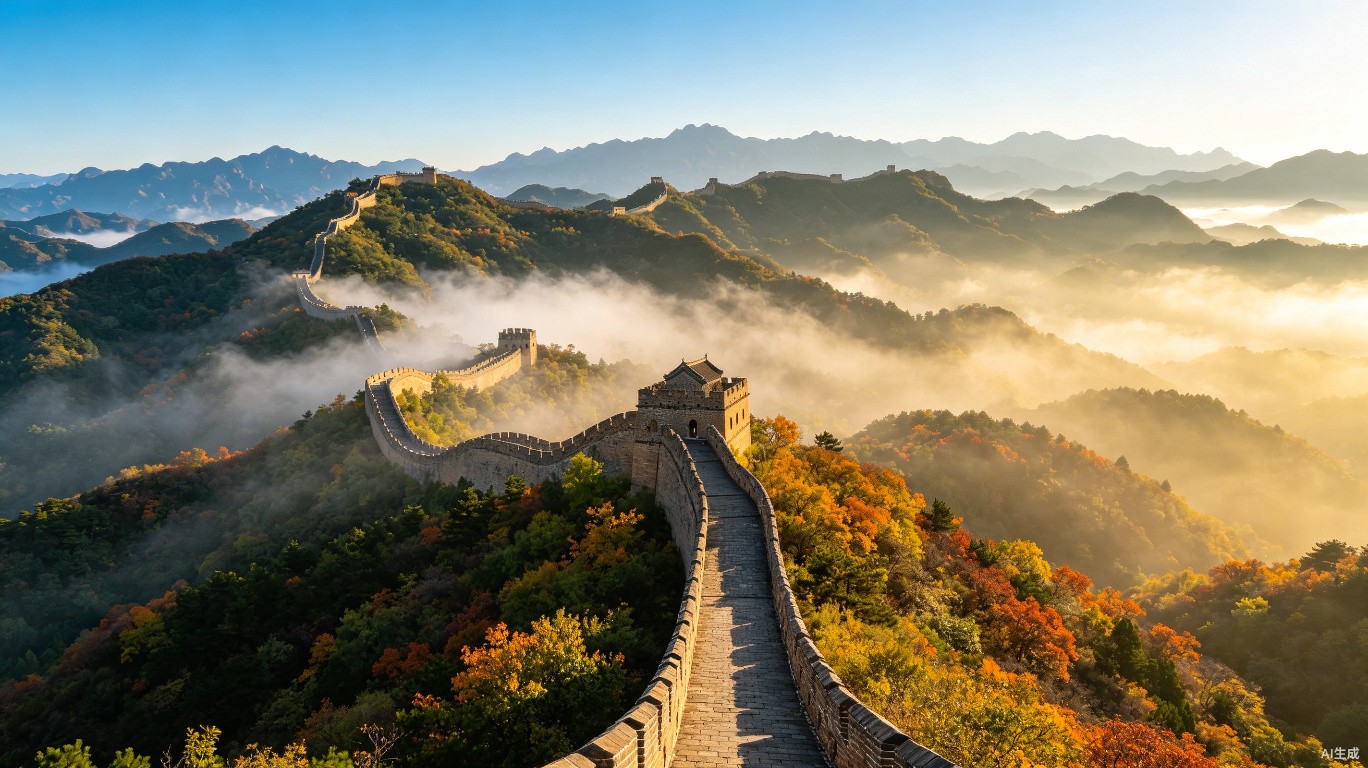
Top 10 Day Trips from Beijing You Shouldn't Miss
Beijing is packed with history, but some of China's best experiences are just a few hours away. Here are 10 day trips that will transform your visit.
9 min read
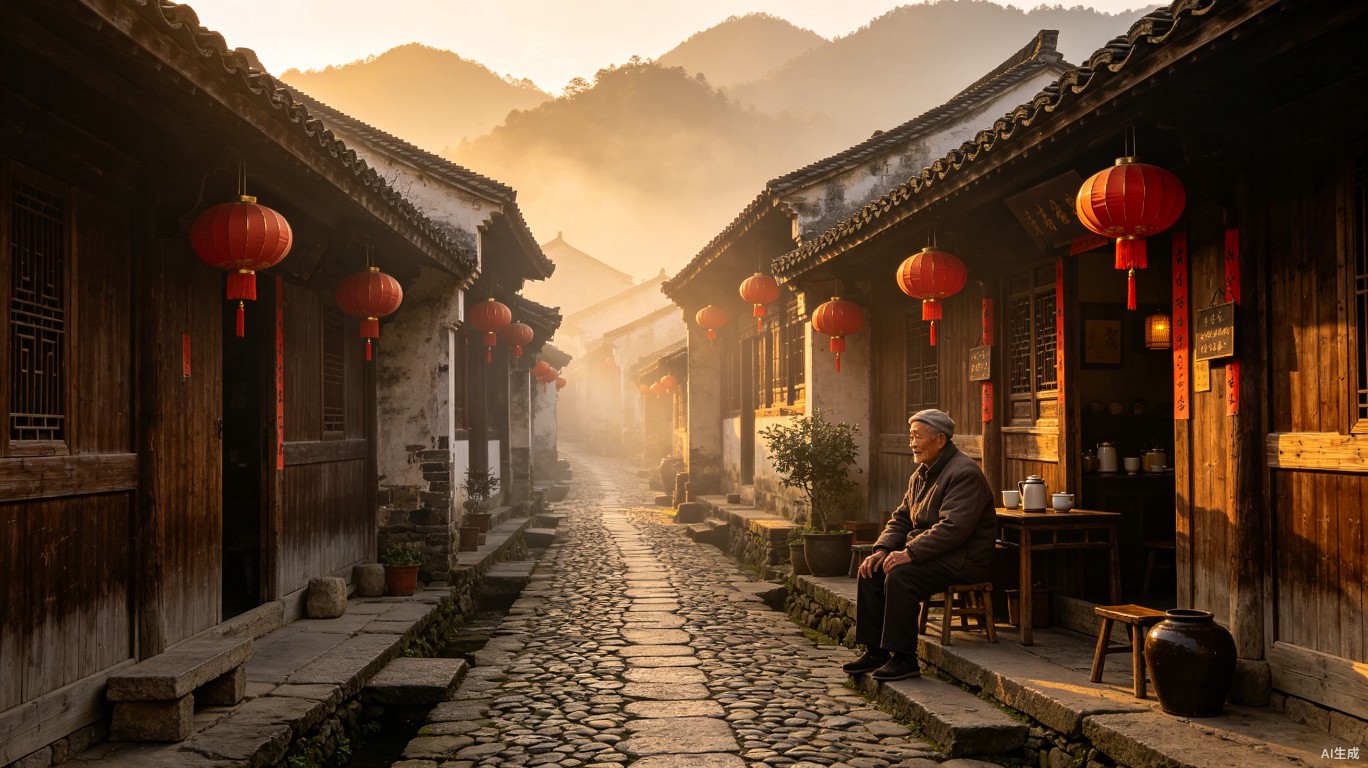
Top 10 Hidden Gems in China Off the Beaten Path
Beyond the Great Wall and Terracotta Warriors, China has incredible hidden destinations few tourists ever reach. Here are 10 underrated gems worth the detour.
9 min read
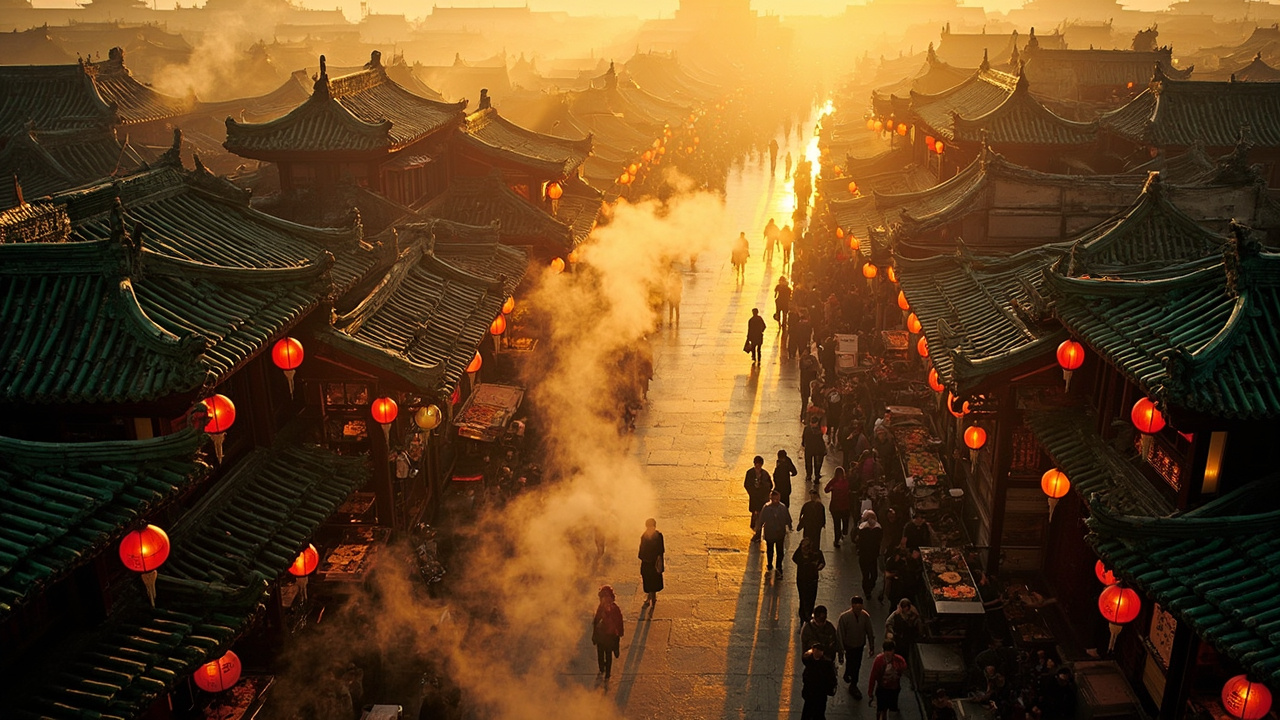
Top 10 Markets and Shopping Streets in China
From Shanghai's Bund to Beijing's Silk Street - 10 markets where foreigners can haggle, explore, and bring home authentic Chinese goods.
9 min read
Top 10 Museums in China You Shouldn't Miss
China's museums span 5,000 years of civilization. These 10 - from the Palace Museum to Xi'an's terracotta gallery - are unmissable for culture lovers.
9 min read