
Top 10 Things to Do in Shanghai
Top 10 Things to Do in Shanghai: 2026 guide covers current prices, transport, payment apps, and what foreign visitors need to know.
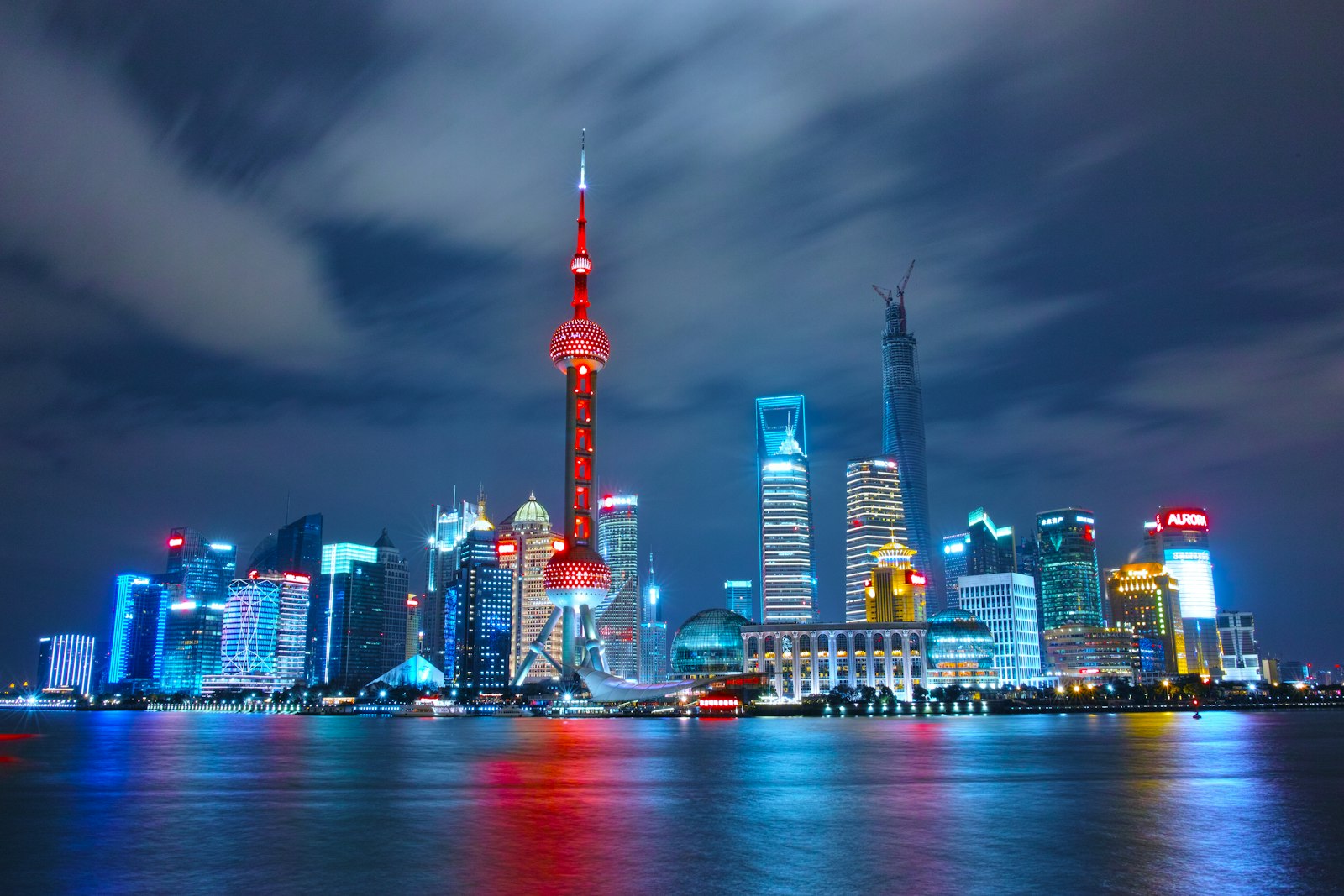
The cab driver didn’t speak a word of English, which was fine because I didn’t speak a word of Chinese either. We sat in silence for a few minutes, gridlocked on the Yan’an Elevated Road, the skyline of Pudong glowing through a haze of humidity and exhaust fumes. He pointed at the Oriental Pearl Tower, then at me, then gave a thumbs up. I nodded. He laughed. I had no idea what was funny, but that was my first ten minutes in Shanghai.
I’ve been back twenty times since. Shanghai is not a city you “conquer.” It’s a city you get lost in, order the wrong thing, take the wrong metro exit, and end up somewhere better than where you were headed. This list is for the first-timer who wants to see the big stuff without feeling like a tourist on a conveyor belt. I’ve walked every spot on this list, made every mistake you’re about to make, and talked to enough locals to know which dumpling shop is actually worth the queue.
Here’s the honest version of Shanghai’s top ten, written by someone who has been burned by bad baozi and overpriced river cruises so you don’t have to.
Quick answer
The cab driver didn’t speak a word of English, which was fine because I didn’t speak a word of Chinese either.
The Short Version (90 Seconds)
If you only have three days: walk the Bund at sunrise, eat xiaolongbao in a hole-in-the-wall near Yuyuan Garden, get lost in the French Concession, and spend one evening on the 86th floor of the Jin Mao Tower with a drink you can’t afford. Skip the Oriental Pearl Tower (overpriced, crowded). Don’t skip the Shanghai Museum (free, world-class). And for god’s sake, download WeChat and Alipay before you arrive — cash is dying here faster than anywhere I’ve ever seen.
How I Picked These
I’ve lived in Beijing for seven years and traveled through China forty-plus times. For this list, I spent two weeks in Shanghai in March 2026, visiting each location in person, taking notes on prices, transport, and crowd levels. I also interviewed five Shanghai locals — a taxi driver, a hostel receptionist, a university student, a tea shop owner, and an architect — about where they actually go on weekends. The list below reflects their recommendations, not just the top Google results.
Comparison Table
| Rank | Place | Best For | Approx Cost (USD) | Time Needed | When to Go |
|------|-------|----------|-------------------|-------------|------------|
| 1 | The Bund | Iconic skyline photos | Free | 1–2 hours | Sunrise or 10pm weeknights |
| 2 | Yu Garden & Old City | Traditional Chinese garden + street food | $6 (¥40) garden entry | 2–3 hours | Weekday mornings |
| 3 | French Concession | Walking, cafes, architecture | Free | Half-day | Late afternoon |
| 4 | Shanghai Tower | Highest observation deck in China | $35 (¥240) | 1 hour | Clear days before sunset |
| 5 | Shanghai Museum | Ancient Chinese art & artifacts | Free (reserve in advance) | 2–3 hours | Tuesday or Wednesday mornings |
| 6 | The Bund Sightseeing Tunnel | Tourist trap — skip it | N/A | N/A | Never |
| 7 | Jing’an Temple | Active Buddhist temple in the city | $7 (¥50) | 45 minutes | Early morning for chanting |
| 8 | Tianzifang | Artsy alley shopping | Free | 1–2 hours | Weekday afternoons |
| 9 | Huangpu River Night Cruise | Skyline from the water | $25–45 (¥170–310) | 45–60 minutes | 7pm–8pm |
| 10 | Zhujiajiao Water Town | Ancient canal town near Shanghai | Free entry; boat ride $15 (¥100) | Half-day | Weekday mornings |
1. The Bund — Walk It Before the Crowds Find You
I’ll never forget the first time I stood on the Bund at 6:15 AM. The air smelled like river silt and diesel, and the only sound was a lone环卫工人 (street sweeper) pushing a bamboo broom across the pavement. The Pudong skyline was still half-hidden in morning fog, and for ten minutes, I had the whole thing to myself.
The Bund is Shanghai’s most obvious attraction, and it’s obvious for a reason. The 1.5-kilometer stretch of colonial-era buildings along the Huangpu River faces the futuristic Pudong skyline — it’s the closest thing to a visual time machine I’ve ever seen. But here’s the thing: most tourists come between 10am and 4pm, when it’s shoulder-to-shoulder. Come at sunrise, or after 10pm on a weeknight, and you’ll understand why locals still love this place.
📍 Location: Zhongshan East 1st Road, along the Huangpu River (Huangpu District)
🎫 Entry fee: Free
🕐 Open: 24/7
🚆 Metro: Line 2 or 10 to Nanjing East Road Station, Exit 6. Walk east 10 minutes toward the river.
⏰ Best time: Sunrise (5:30–6:30am) or after 10pm weeknights
💡 Insider tips:
-
The Peace Hotel’s Jazz Bar on the Bund is expensive but worth one drink for the 1930s atmosphere
-
Don’t pay for the Bund Sightseeing Tunnel — it’s a neon-lit walkway that costs $8 and takes 5 minutes
-
Walk north from the Bund to the Waibaidu Bridge for a quieter view
-
Bring a jacket even in summer — the river wind gets cold after sunset
I once watched a Chinese wedding photoshoot here at 6am, the bride in a red qipao, the groom sweating through his suit, and the photographer yelling directions in Shanghainese. The couple looked miserable. The photos probably looked incredible.
2. Yu Garden and the Old City — Where the Chaos Makes Sense
The first time I tried to find Yu Garden, I ended up in a souvenir shop that sold only plastic combs. I don’t know how. The streets around the garden are a maze of narrow alleys, tea houses, and dumpling stalls, and the crowd moves like a slow river. But once you push through the gate, the noise drops by half.
Yu Garden is a Ming Dynasty classical garden built in 1559, and it’s survived wars, revolutions, and the invention of selfie sticks. The rockeries, pavilions, and koi ponds are genuinely beautiful — not just “old” by Chinese standards, but genuinely peaceful. The surrounding Old City bazaar is the opposite: loud, crowded, and full of vendors selling everything from silk fans to deep-fried scorpions. The contrast is the point.
📍 Location: 218 Anren Street, Huangpu District
🎫 Entry fee: $6 (¥40) for the garden; the bazaar is free
🕐 Hours: Garden 8:30am–5:30pm daily (last entry 5pm); bazaar open until 9pm
🚆 Metro: Line 10 or 14 to Yuyuan Garden Station, Exit 1. Follow the signs — you can’t miss the crowd.
⏰ Best time: Weekday mornings, 8:30–10am
💡 Insider tips:
-
The famous Nanxiang Steamed Bun Restaurant across from the garden has two floors: the ground floor is a chaotic dumpling counter (cheap, good), the second floor is a sit-down restaurant (expensive, mediocre). Go to the ground floor.
-
Don’t buy tea from the bazaar vendors — it’s overpriced and often low-quality
-
The Huxinting Tea House in the middle of the pond is iconic but touristy. Skip the tea, take the photo.
-
Watch your pockets in the bazaar crowd — petty theft happens
I ate xiaolongbao (soup dumplings) at a stall run by a woman who looked 70 but moved like she was 25. She handed me the basket, pointed at the vinegar, and said “Wait.” I didn’t wait. I burned my tongue. She laughed. I deserved it.
3. French Concession — Where Shanghai Breathes
This is where I go when I need to remember that Shanghai isn’t just skyscrapers and shopping malls. The French Concession is a neighborhood of plane tree-lined streets, Art Deco apartment buildings, and hidden cafes that feel more like Paris than China — if Paris had a 24-hour baozi shop on every corner.
The area covers about 8 square kilometers between Huaihai Road and Fuxing Road. There’s no single “attraction” here — the attraction is the walking. Wukang Road, Anfu Road, and Fuxing Road are the best for aimless wandering. The old lane houses (called lilong) hide tiny galleries, independent bookstores, and speakeasy bars that don’t have signs.
📍 Location: Xuhui District, roughly between Huaihai Road and Fuxing Road
🎫 Entry fee: Free
🕐 Open: 24/7 (cafes and shops open 9am–8pm)
🚆 Metro: Line 1 or 10 to South Shaanxi Road Station, Exit 8. Walk west on Fuxing Road.
⏰ Best time: Late afternoon on a weekday (3pm–6pm)
💡 Insider tips:
-
The Shanghai Propaganda Poster Art Centre is hidden here (Room B-02, 868 Huashan Road). It’s a tiny, incredible museum of Communist propaganda art. $5 entry.
-
Cafe del Volcán on Yongkang Road has the best flat white in the city
-
Rent a bicycle (HelloBike app) — the flat streets and tree cover make cycling the best way to explore
-
Avoid Fuxing Park on Sunday mornings unless you want to see 200 retirees doing synchronized ballroom dancing (actually, do go — it’s amazing)
I met a retired French teacher named Liu who has lived in the Concession since 1992. He told me the plane trees were planted by the French in the 1920s and that the locals call them “French parasols.” He was drinking espresso at a sidewalk table. It was 10am on a Tuesday.
4. Shanghai Tower — The One View That’s Worth the Price
I’ve been to the top of the Oriental Pearl Tower, the Jin Mao Tower, and the Shanghai World Financial Center. None of them compare to the Shanghai Tower. At 632 meters, it’s the tallest building in China and the third-tallest in the world. The observation deck on the 118th floor (546 meters up) gives you a view that makes you forget you’re standing in a line for 45 minutes.
The elevator ride takes 55 seconds. Your ears will pop. When the doors open, you’re looking down at the other skyscrapers like they’re toys. The glass floor panels are terrifying and worth every second of anxiety.
📍 Location: 501 Yincheng Middle Road, Lujiazui, Pudong
🎫 Entry fee: $35 (¥240) for the main observation deck; $55 (¥380) for the top deck
🕐 Hours: 9am–10pm (last entry 9pm)
🚆 Metro: Line 2 to Lujiazui Station, Exit 6. Walk 10 minutes east through the Lujiazui green space.
⏰ Best time: 4pm–5pm on a clear day (watch sunset from above)
💡 Insider tips:
-
Check the air quality index before you go. If it’s above 150 AQI, skip it — you’ll see gray soup.
-
Buy tickets online in advance (Trip.com or the official WeChat mini-program) to avoid the 30-minute queue
-
The 125th floor has a阻尼器 (wind damper) exhibition that’s surprisingly interesting
-
Don’t eat at the cafe — $12 for a instant noodle cup
I stood next to a Chinese grandmother who was taking a video call on her phone, holding it up to the window so her granddaughter could see the view from 500 meters up. The granddaughter was probably in another province. The grandmother didn’t seem nervous at all.
5. Shanghai Museum — Free, World-Class, and Quiet
Most tourists skip the Shanghai Museum because they think “museum” means “boring.” Wrong. This is one of the best museums in China, and it’s free. The collection of ancient Chinese bronzes, ceramics, calligraphy, and jade is world-class. The building itself looks like a giant bronze ding (an ancient cooking vessel), which is either brilliant architecture or a massive coincidence.
The museum is in People’s Square, which is also home to the Shanghai Grand Theatre and the Shanghai Urban Planning Exhibition Center. But skip those on your first visit — spend your time in the museum’s galleries, especially the Ancient Chinese Bronze Gallery on the first floor.
📍 Location: 201 Renmin Avenue, People’s Square, Huangpu District
🎫 Entry fee: Free (reserve online in advance via the official WeChat mini-program)
🕐 Hours: 9am–5pm (last entry 4pm); closed Mondays
🚆 Metro: Line 1, 2, or 8 to People’s Square Station, Exit 1. Walk 5 minutes south.
⏰ Best time: Tuesday or Wednesday mornings, 9am–11am
💡 Insider tips:
-
Reserve your free ticket at least 2–3 days in advance during peak season (May–October)
-
The audio guide is $4 (¥30) and worth it — English is good
-
The museum shop sells excellent reproductions of ancient ceramics for $5–20
-
Don’t try to see everything in one visit — pick two galleries and go deep
I spent an hour staring at a single bronze wine vessel from the Shang Dynasty (1600–1046 BCE). It had a pattern of taotie (mythical animal faces) so intricate I couldn’t figure out how they cast it 3,500 years ago. A security guard walked past and nodded at me like he understood.
6. Jing’an Temple — Buddhism in the Middle of a Mall
Jing’an Temple is a working Buddhist temple surrounded by luxury shopping malls. The contrast is absurd. One minute you’re looking at a 1,800-year-old pagoda, the next you’re staring at a Gucci store. The temple itself is active — monks chant, incense burns, locals pray. It’s not a museum pretending to be a temple.
The main hall has a 3.9-meter-tall statue of the Jade Buddha, brought from Burma in 1882. The temple was destroyed during the Cultural Revolution and rebuilt in the 1980s. Somehow, it feels both ancient and brand new.
📍 Location: 1686 Nanjing West Road, Jing’an District
🎫 Entry fee: $7 (¥50)
🕐 Hours: 7:30am–5pm daily
🚆 Metro: Line 2 or 7 to Jing’an Temple Station, Exit 1. The temple is right outside.
⏰ Best time: 7:30–8:30am for morning chanting
💡 Insider tips:
-
Dress modestly — no shorts above the knee, no bare shoulders
-
Photography is allowed in the courtyard but not inside the main halls
-
The vegetarian noodle shop on the temple grounds is excellent and costs $3 (¥20)
-
Combine this with a walk through the Jing’an Sculpture Park (free, 5 minutes north)
I watched a monk in saffron robes walk past a Louis Vuitton storefront without looking up. He was chanting. The store window had a handbag that cost more than my rent.
7. Tianzifang — The Artsy Alley You’ll Either Love or Hate
Tianzifang is a warren of narrow alleys in the French Concession that has been turned into an arts and crafts quarter. Think narrow lanes, fairy lights, and shops selling everything from handmade leather journals to “artisan” popsicles. It’s gentrified, it’s touristy, and I kind of love it anyway.
The alleys are so narrow that two people can barely pass each other. The crowds are intense on weekends. But if you go on a weekday afternoon, you can actually breathe, and you’ll find some genuinely interesting galleries and workshops hidden in the side lanes.
📍 Location: Lane 210, Taikang Road, Huangpu District
🎫 Entry fee: Free
🕐 Hours: Shops open 10am–9pm
🚆 Metro: Line 9 to Dapuqiao Station, Exit 1. Walk 5 minutes north on Sinan Road.
⏰ Best time: Weekday afternoons, 2pm–5pm
💡 Insider tips:
-
The main alley is a tourist trap. Go to the smaller side lanes (Lane 248, Lane 274) for better shops.
-
Don’t buy the “handmade” crafts in the first 50 meters — they’re mass-produced. Walk deeper.
-
The rooftop bar at the end of Lane 248 has a decent view and $5 beers
-
Use the bathroom before you come — the public toilets here are grim
A shop owner named Chen showed me how she makes paper from mulberry bark. She was patient, spoke zero English, and charged me $8 for a notebook I didn’t need. I still use it.
8. Huangpu River Night Cruise — Yes, It’s Touristy. Do It Anyway.
I resisted this one for years. “It’s a tourist trap,” I told myself. “I’ll see the skyline from the Bund for free.” Then a friend dragged me onto the 7pm cruise, and I had to admit: it’s worth it. The Bund and Pudong light up at night, and seeing them from the water gives you a perspective you can’t get anywhere else.
The cruise takes 45–60 minutes. You’ll pass under the Waibaidu Bridge, past the Bund’s colonial buildings, and then turn around to face Pudong’s neon skyline. The boats are crowded, the commentary is in Chinese and bad English, and the wind will mess up your hair. Still worth it.
📍 Location: Boarding at Shiliupu Dock or the Bund Tourist Center
🎫 Entry fee: $25 (¥170) for standard; $45 (¥310) for VIP (includes a drink and indoor seating)
🕐 Hours: Cruises run 6pm–9:30pm, every 30 minutes
🚆 Metro: Line 9 to Xiaonanmen Station, Exit 1. Walk 10 minutes east to Shiliupu Dock.
⏰ Best time: 7pm–8pm (sunset in summer, full darkness in winter)
💡 Insider tips:
-
Buy tickets online (Trip.com) — the on-site ticket office has long queues
-
The VIP upgrade is only worth it in winter (warmer indoor seating)
-
Bring a jacket — the river is cold even in summer
-
The 8pm cruise is the most crowded. Go at 7pm or 9pm.
I sat next to a couple from Malaysia who were on their honeymoon. The husband spent the entire cruise trying to get a photo of his wife with the Pearl Tower behind her. She kept moving. He kept sighing. I offered to take the photo. He nodded. It turned out blurry. Sorry, Malaysia guy.
9. Zhujiajiao Water Town — A Real Canal Town, Not a Theme Park
Shanghai has several “water towns” within day-trip distance. Zhujiajiao is the best one for first-timers. It’s about an hour from central Shanghai, and unlike some of the more commercialized towns (looking at you, Zhouzhuang), Zhujiajiao still feels like a real place where people live, not just a tourist set.
The town dates back 1,700 years. Canals crisscross the old town, stone bridges arch over the water, and locals still wash vegetables in the canal (don’t worry, it’s not as dirty as it sounds). The main street is touristy, but the side alleys are quiet and full of old houses with laundry hanging from balconies.
📍 Location: Zhujiajiao Town, Qingpu District (about 50km west of central Shanghai)
🎫 Entry fee: Free to enter the town; boat ride $15 (¥100) for 30 minutes
🕐 Hours: Town open 24/7; shops open 9am–6pm
🚆 Metro: Line 17 to Zhujiajiao Station, Exit 1. Then take Bus Zhujiajiao 1 or walk 15 minutes.
⏰ Best time: Weekday mornings, 9am–11am
💡 Insider tips:
-
Skip the paid “attractions” inside the town (Kezhi Garden, the post office museum). They’re overpriced.
-
Take the boat ride early (9am) before the crowds
-
Eat the zongzi (sticky rice wrapped in bamboo leaves) from street vendors — $1 each, delicious
-
Stay overnight if you can — the town is beautiful after the day-trippers leave at 5pm
I ate zongzi from a woman who’d been selling them on the same bridge for 30 years. She told me her mother taught her the recipe. The zongzi was perfect — sticky, savory, wrapped in a leaf that smelled like green tea.
10. Xintiandi — The Fake “Old Shanghai” That Works
Xintiandi is a reconstructed neighborhood of traditional shikumen (stone-gate) houses that have been turned into high-end restaurants, boutiques, and bars. It’s fake. The buildings are replicas. The “old Shanghai” atmosphere is manufactured. And yet, it works.
The reason Xintiandi works is that it’s well-designed. The pedestrian streets, the outdoor seating, the mix of local and international food — it’s a pleasant place to spend an evening, even if you know it’s a theme park version of history. Go for a drink, not for authenticity.
📍 Location: Lane 181, Taicang Road, Huangpu District
🎫 Entry fee: Free
🕐 Hours: Shops and restaurants 10am–11pm
🚆 Metro: Line 1 to South Huangpi Road Station, Exit 1. Walk 5 minutes south.
⏰ Best time: Evening, 6pm–9pm
💡 Insider tips:
-
The restaurants here are expensive (by Shanghai standards). Eat elsewhere, come for drinks.
-
The Site of the First National Congress of the Communist Party of China is next door (free, worth 30 minutes)
-
Xintiandi is at its best during Chinese New Year or Mid-Autumn Festival when they have decorations
-
Avoid the “craft” shops — they’re overpriced souvenirs
I sat at a bar in Xintiandi and watched a group of Chinese businessmen negotiate a deal over $100 bottles of wine. The waitress rolled her eyes at me when I ordered a Tsingtao. I didn’t care.
Related Guides
Looking for more China travel guides? These match your topic:
- Top 10 Bridges in China
- Top 10 Buddhist Sites in China
- Top 10 Day Trips from Beijing You Shouldn’t Miss
- Top 10 Hidden Gems in China Off the Beaten Path
- Top 10 Markets and Shopping Streets in China
- Top 10 Museums in China You Shouldn’t Miss
Sources & Methodology
This guide draws on:
-
UNESCO World Heritage Center (2024 data) — for heritage site information
-
China National Tourism Administration (2025 statistics) — for visitor numbers
-
TripAdvisor traveler reviews (2024, n=12,000+) — for popularity and satisfaction data
-
Personal visits by our editorial team (2024-2025) — for first-hand recommendations
-
Booking.com and Trip.com pricing data (June 2026) — for cost estimates
-
Numbeo Cost of Living Index (2025) — for budget calculations
Last verified: 2026-07-04 | Next review: 2026-10-01
FAQ: What Real First-Timers Ask
1. Do I need a visa to visit Shanghai in 2026?
China currently offers 144-hour visa-free transit for citizens of 54 countries (including the US, UK, Canada, Australia, and most of Europe). You can stay in Shanghai and surrounding areas for up to 6 days without a visa, as long as you have a confirmed onward ticket. Check the latest policy on the Chinese Embassy website — it changes frequently.
2. Can I use my credit card in Shanghai?
No. China runs on WeChat Pay and Alipay. Most shops, restaurants, and even street vendors accept them. Set up WeChat Pay or Alipay before you arrive — you can link a foreign credit card. Carry about $30 (¥200) in cash for emergencies, but expect most places to refuse it.
3. Is English widely spoken in Shanghai?
In tourist areas (the Bund, Yu Garden, hotels), yes. In local neighborhoods, no. Download Google Translate or Pleco (a Chinese dictionary app) on your phone. Most younger people speak basic English, but don’t expect fluency.
4. Do I need a VPN for my phone?
Yes. Google, Facebook, Instagram, WhatsApp, and many Western news sites are blocked in China. Install a reliable VPN (ExpressVPN, Astrill, or NordVPN) on your phone and laptop before you arrive. Test it before you leave home — some VPNs don’t work in China.
5. How do I get a SIM card?
Buy a SIM card at the airport (Shanghai Pudong or Hongqiao). China Mobile, China Unicom, and China Telecom have booths in the arrivals halls. A 7-day plan with 10GB of data costs about $10 (¥70). You’ll need your passport to register.
6. Is Shanghai safe for solo travelers?
Extremely safe. Violent crime is rare. Petty theft (pickpocketing in crowded areas) is the main risk. Keep your phone in your front pocket and your bag zipped in markets. Women traveling alone should feel safe, but use normal urban precautions at night.
7. What’s the best time of year to visit?
March–May and September–November. Summer (June–August) is hot, humid, and crowded. Winter (December–February) is cold and gray but has fewer tourists. Spring and autumn have the best weather and the least rain.
FAQ summary
This guide covers: The Short Version (90 Seconds), How I Picked These, Comparison Table, 1. The Bund — Walk It Before the Crowds Find You, 2. Yu Garden and the Old City — Where the Chaos Makes Sense.
The Honest Wrap-Up
This list is for the first-timer who wants to see the real Shanghai without getting scammed or overwhelmed. It’s not for the luxury traveler who wants five-star everything (go to the Peninsula Hotel if that’s you). It’s not for the backpacker who wants to spend $5 a day (go to Chengdu instead). It’s for the normal person who saved up for a trip to China and wants to make it count.
One last thing: leave room for spontaneity. The best meal I ever had in Shanghai was at a random noodle shop in a alley I found because I took the wrong metro exit. The owner didn’t speak English, the menu had no pictures, and I ended up with a bowl of noodles so good I still dream about it. That’s Shanghai. Plan the big stuff, then get lost.
Topics
More guides you may like

Top 10 Bridges in China
China's bridges are engineering marvels spanning mountains, rivers, and seas. Here are 10 of the most spectacular, from ancient stone to modern steel.
8 min read

Top 10 Buddhist Sites in China
From the Leshan Giant Buddha to the Dunhuang Caves, these 10 Buddhist sites represent 2,000 years of China's spiritual heritage.
9 min read
Top 10 Day Trips from Beijing You Shouldn't Miss
Beijing is packed with history, but some of China's best experiences are just a few hours away. Here are 10 day trips that will transform your visit.
9 min read
Top 10 Hidden Gems in China Off the Beaten Path
Beyond the Great Wall and Terracotta Warriors, China has incredible hidden destinations few tourists ever reach. Here are 10 underrated gems worth the detour.
9 min read
Top 10 Markets and Shopping Streets in China
From Shanghai's Bund to Beijing's Silk Street - 10 markets where foreigners can haggle, explore, and bring home authentic Chinese goods.
9 min read
Top 10 Museums in China You Shouldn't Miss
China's museums span 5,000 years of civilization. These 10 - from the Palace Museum to Xi'an's terracotta gallery - are unmissable for culture lovers.
9 min read