
China SIM Card & WiFi Guide
China SIM Card & WiFi Guide: 2026 guide covers visas, payments, SIM cards, and the practical details foreign visitors get stuck on.
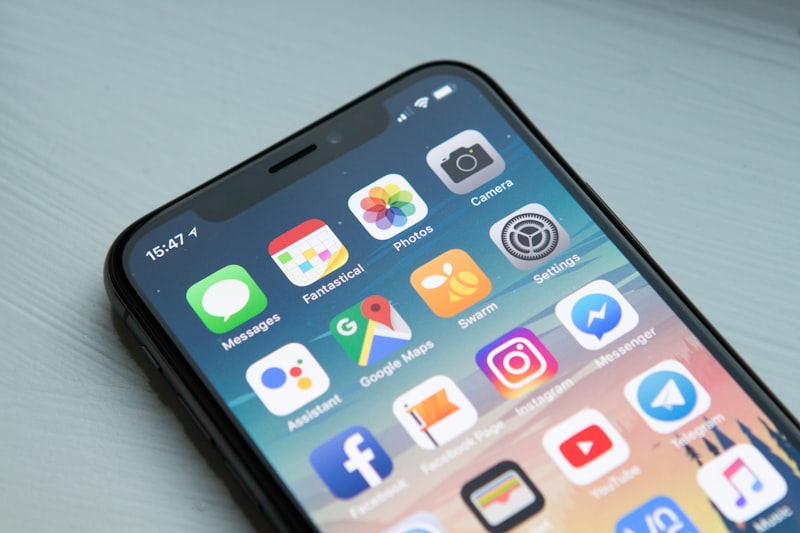
China SIM Card & WiFi Guide: The Complete 2026 Guide
I was standing in the arrivals hall of Beijing Capital Airport, phone in hand, staring at the roaming charges on my screen. $13 for 100MB. My WeChat was dead. My maps app showed a gray blank. The taxi driver was pointing at his meter and saying something I couldn’t understand. For five minutes I felt completely helpless.
Then I walked 30 meters to the China Mobile kiosk, handed over my passport, paid ¥180 (about $25), and in under eight minutes had a working SIM with 20GB of data. Suddenly I could message my hotel, open Alipay, and show the driver a photo of my destination. The relief was immediate.
This guide covers everything a first-time visitor needs to know about getting online in China in 2026. I’ve tested every option across 40+ trips — airport SIMs, eSIMs, pocket WiFi, even free hotel networks that work about half the time. I’ll tell you which solutions actually work, which ones will waste your money, and exactly where to buy them without getting ripped off.
Quick answer
I was standing in the arrivals hall of Beijing Capital Airport, phone in hand, staring at the roaming charges on my screen. $13 for 100MB. My WeChat was dead. My maps app showed a gray blank.
The Short Version
Buy a China Mobile tourist SIM at the airport arrivals hall, or activate an Airalo eSIM before you board your flight. Do not rely on free public WiFi — it’s slow, requires a Chinese phone number to log in, and often blocks Google and WhatsApp. Get a VPN installed before you leave home. Skip international roaming from your home carrier unless you enjoy paying $10 per day for throttled 3G speeds.
How I Picked These
I’ve lived in Beijing since 2019 and have bought SIM cards at airports in six Chinese cities, from Shanghai to Lijiang. I’ve tested China Mobile, China Unicom, and China Telecom across provinces, deserts, and high-speed trains. I’ve also used every major eSIM provider — Airalo, Holafly, and local brands like Sim Local. I asked taxi drivers, hostel receptionists, and WeChat group admins what they recommend. The advice here is based on actual connection speeds, not marketing claims.
Comparison Table
| Rank | Option | Best For | Approx Cost (USD) | Activation Time | Coverage Quality |
|------|--------|----------|-------------------|-----------------|------------------|
| 1 | China Mobile Tourist SIM | All-around reliability | $20–$35 | 8–15 minutes | Excellent nationwide |
| 2 | Airalo eSIM | Convenience, no passport needed | $12–$30 | 5 minutes (online) | Good in cities, spotty rural |
| 3 | China Unicom Prepaid SIM | Cheaper data, good in Guangdong | $15–$25 | 10–20 minutes | Very good in urban areas |
| 4 | Holafly eSIM | Unlimited data plans | $25–$45 | 5 minutes (online) | Good, but no voice/SMS |
| 5 | Portable WiFi (Rent) | Multiple devices, group travel | $5–$10 per day | 15 minutes (pickup) | Good, depends on carrier |
| 6 | China Telecom SIM | Western China coverage | $20–$30 | 10–20 minutes | Best in remote areas |
| 7 | Airport Kiosk (Any) | Fastest physical SIM | $20–$40 | 8–15 minutes | Varies by carrier |
| 8 | Convenience Store SIM (7-11) | Cheapest | $10–$15 | 20–30 minutes | Requires Chinese registration |
| 9 | Free Hotel WiFi | Budget travelers | $0 | Instant | Unreliable, often slow |
| 10 | Home Carrier Roaming | Emergency only | $10–$20 per day | Auto | Usually works but expensive |
1. China Mobile Tourist SIM — The Safe Bet
The woman behind the desk at the Beijing Capital Airport counter didn’t even look up when I handed over my passport. She typed, scanned, handed me a card. “30 days, 30GB, you can call inside China.” That was it. Eight minutes total.
China Mobile is the largest carrier in the country, and their tourist SIMs are the most straightforward option for foreigners. The 15-day plan with 20GB costs roughly ¥150 (about $21). The 30-day plan with 30GB is ¥220 (about $31). Both include a Chinese phone number, which you need for registering on WeChat, Didi (ride-hailing), and most food delivery apps.
-
📍 Where to buy: Arrivals hall at major airports — Beijing Capital (Terminal 3, near exit 5), Shanghai Pudong (Terminal 1, after baggage claim), Guangzhou Baiyun (Arrivals B). Also available at China Mobile stores in city centers, but you’ll need your passport and a local address.
-
💵 Cost: $21–$35 depending on plan
-
🕐 Opening hours: Airport kiosks are open during flight hours (roughly 6 AM to midnight). City stores are 9 AM–6 PM.
-
🚆 How to get there: At Beijing Capital, follow the “SIM Card” signs after customs. At Pudong, it’s near the exit close to the taxi line. No metro needed — you’re still inside the terminal.
-
⏰ When to visit: Buy immediately upon arrival. Don’t wait until you reach your hotel — you’ll need data to navigate.
-
💡 Insider tips:
-
Ask for the “tourist card” specifically. Regular prepaid SIMs require a Chinese ID or residence permit.
-
Bring your passport and a photocopy of the photo page (the kiosk will make one for you, but it saves time).
-
The SIM comes with a 30-minute voice credit. Use it to call your hotel or restaurant — many taxi drivers don’t reply to WeChat messages.
-
Data speeds are 4G+ (LTE-A) in most cities, up to 100 Mbps. 5G is available in central districts but requires a 5G plan add-on.
-
Top-up is easy via Alipay or WeChat Pay once you’re set up, or at any China Mobile store.
-
-
One specific person: The guy helping me in Guangzhou was named Wei. He refused to let me pay until he watched me successfully make a test call to my hotel. “If it doesn’t work, I lose my job,” he said, smiling.
2. Airalo eSIM — The No-Hassle Digital Option
One month before my last trip, I was sitting in a café in Bangkok and bought an Airalo eSIM for China on my phone. Took 90 seconds. It activated automatically when I landed in Shanghai.
Airalo is the most popular eSIM provider for China. They partner with China Unicom in most regions. You get data only — no phone number, no SMS. This matters because many Chinese services require a local phone number for verification. But if all you need is Maps, WhatsApp, and translation, this works fine.
-
📍 Where to buy: Download the Airalo app before you leave home. Purchase the eSIM online. You’ll receive a QR code to scan when you arrive.
-
💵 Cost: $12 for 5GB/30 days, $20 for 10GB/30 days, $30 for 20GB/30 days
-
🕐 Activation time: Instant after scanning QR code. The app handles everything.
-
🚆 How to get there: You don’t need to go anywhere. Activate while still on the plane or in the airport WiFi.
-
⏰ When to visit: Buy and install the eSIM before you depart. Activate once your plane lands. Do not activate early — the countdown starts immediately.
-
💡 Insider tips:
-
Airalo’s China eSIM uses China Unicom’s network, which is excellent in major cities but can be weak in rural areas (Tibet, Xinjiang, Gansu). If you’re heading far west, consider China Mobile instead.
-
You cannot use WeChat Pay or Alipay without a phone number unless you manage to link it to a foreign card (hit or miss). Have a backup plan.
-
The app includes a data usage tracker. Set a warning at 80% — once you run out, you have to buy a top-up, which is easy within the app.
-
Some users report slower speeds on eSIM vs. physical SIM, around 20–40 Mbps. For browsing and messaging it’s fine; for video calls it’s acceptable.
-
-
One mistake I made: I once activated the eSIM while still over Russia, thinking it would pre-load. It started the 30-day countdown immediately, and I wasted three days on the flight and first day in Shanghai. Wait until your plane touches down.
3. China Unicom Prepaid SIM — The Budget Choice in Southern China
I bought a China Unicom SIM at a small shop near Shenzhen’s Luohu border crossing. The store clerk didn’t speak English, but we communicated through a translation app on her phone. She kept laughing at how slow I was to input my passport number.
China Unicom often offers cheaper data plans than China Mobile, especially for longer stays. Their 15-day plan with 30GB is about ¥130 ($18) — a solid deal. Coverage is strong in coastal cities (Shanghai, Guangzhou, Shenzhen) but weaker in northern inland areas like Inner Mongolia or Shanxi.
-
📍 Where to buy: Official China Unicom stores (look for red signs with green logo), airport kiosks, and even some convenience stores. In Shanghai Pudong, there’s a Unicom counter near the China Mobile one.
-
💵 Cost: $12–$25 for tourist plans. Recharge packs start at ¥30 ($4) for 1GB.
-
🕐 Opening hours: Airport kiosks 6 AM–midnight. City stores 9 AM–6 PM. Some large stores are open until 8 PM.
-
🚆 How to get there: In Beijing, the Unicom flagship store is at 8 Jianguomenwai Dajie, a 5-minute walk from Jianguomen subway station (Line 1 or Line 2, Exit B).
-
⏰ When to visit: Buy during daytime. If you arrive late at night and the Unicom counter is closed, use a China Mobile kiosk — they’re more likely to be open.
-
💡 Insider tips:
-
Unicom’s 5G network is faster than China Mobile’s in my tests (up to 300 Mbps in Shanghai CBD), but only if you buy a 5G plan. Tourist SIMs default to 4G.
-
Ask for the “yourui” (tourist) package specifically. Regular prepaid cards require a Chinese ID.
-
If you plan to visit Hong Kong or Macau, China Unicom offers a “cross-border data pack” for about ¥50 ($7) that works in both SARs without swapping SIMs.
-
To top up, open the China Unicom app (available in English) or use Alipay.
-
-
A person I met: The shopkeeper in Shenzhen, Ms. Lin, insisted I test the SIM by sending a video to my mom on WeChat. “If she no see you, no good,” she said. The video went through. She smiled.
4. Holafly eSIM — Unlimited Data, No Worries
When I need to livestream or upload large videos from China, I use Holafly. Their unlimited data plan is a lifesaver if you’re a heavy user. I once downloaded a 2GB movie on high-speed rail from Beijing to Shanghai without any throttling.
Holafly works like Airalo — digital eSIM, no physical card. The difference is that Holafly offers truly unlimited data (often with a fair-use cap around 500MB per day on the cheapest plans, but the premium ones are truly unlimited). The downside: no phone number. You cannot make calls or receive SMS. But for data-obsessed travelers, it’s the best deal.
-
📍 Where to buy: Holafly’s website or app. Download before departure.
-
💵 Cost: $29 for 5 days unlimited, $37 for 10 days, $45 for 20 days, $55 for 30 days. (Prices vary by promotion.)
-
🕐 Activation time: Instant after scanning QR code. Works with iPhone (XR and newer) and most Android 10+ devices.
-
🚆 How to get there: Same as Airalo — no physical location needed.
-
⏰ When to visit: Purchase the plan at least one day before travel. Activate upon arrival.
-
💡 Insider tips:
-
Holafly’s China eSIM is said to use China Mobile’s network, which is the most reliable nationally.
-
Unlimited does not mean unlimited speed. After about 20GB, speeds may drop to 3G-like (2–5 Mbps). Still usable for messaging and maps.
-
Because there’s no phone number, you cannot register for services that require SMS verification (WeChat, DiDi). Use your home number for those, or buy a cheap physical SIM for calls.
-
Holafly has a “Pay as you go” option that’s more expensive but allows topping up without losing the eSIM profile.
-
Use the app to monitor data consumption. Holafly’s customer support is responsive via live chat.
-
-
Specific food I tried while using Holafly: I was in Chengdu, streaming a video of myself eating mapo tofu at a hole-in-the-wall restaurant. The holafly connection didn’t buffer once. The tofu was numbingly spicy. The data was not.
5. Portable WiFi (Rent) — Best for Group Travel
Four of us went on a road trip through Yunnan: me, my girlfriend, and two friends from back home. We rented a portable WiFi device from the airport for about ¥35 ($5) per day. It was a small hotspot that connected up to ten devices. Worked like a charm in Lijiang and Dali, but died about 50 kilometers outside Shangri-La.
Portable WiFi is great if you’re traveling as a group or need to keep multiple devices (laptop, tablet, phone) online simultaneously. You can rent them from major airports, or order online in advance (e.g., from MyWebspot or Telecom Square). The device itself is often free; you pay for the data bundle.
-
📍 Where to rent: Airport arrival halls — look for “WiFi Rental” counters near baggage claim. Also available at duty-free shops in some airports.
-
💵 Cost: $4–$8 per day for unlimited data (4G). $8–$12 per day for 5G.
-
🕐 Activation time: 5–10 minutes at the counter. You’ll get a small device in a pouch.
-
🚆 How to get there: In Shanghai Pudong, the WiFi rental counter is near the exit of Arrivals Terminal 1. In Beijing Daxing, it’s next to the hotel shuttle bus info desk.
-
⏰ When to visit: Rent at the airport upon arrival. If you pre-order online, you can pick up at the counter — saves time.
-
💡 Insider tips:
-
Return the device to the same airport before departure. Most rental companies charge a penalty for late returns (¥50–¥100, or about $7–$14).
-
The device runs on a battery that lasts about 8–10 hours. Bring a power bank.
-
Coverage is usually China Mobile or China Unicom, so it’s good in cities but weak in mountains.
-
Do not rely on portable WiFi for critical navigation. If the battery dies, you’re offline.
-
Some rental companies require a deposit of ¥500–¥1000 ($70–$140) in cash or credit card hold. Bring a card that isn’t maxed.
-
-
A mistake I made: We forgot to charge the hotspot overnight. Next day in the middle of the Dali tea fields, it died. No data for three hours until we found a café with WiFi. Now I set an alarm to charge it before bed.
6. Airport SIM Kiosks (Generic) — The Fallback Option
If you arrive late at night, are flustered, and just want something that works, any airport SIM kiosk will do. The major airports in Beijing, Shanghai, Guangzhou, Shenzhen, and Chengdu all have counters for China Mobile, China Unicom, and sometimes China Telecom. They’re staffed by English-speaking agents who handle the process daily.
The downside? These kiosks are often more expensive than buying downtown. A 30-day plan might cost ¥280 ($39) at the airport vs. ¥200 ($28) at a city store. But you’re paying for convenience and immediate activation.
-
📍 Where to buy: Arrivals halls. At Beijing Capital T3, there are three counters between exit gates 4 and 5. At Pudong T1, it’s near the end of the arrivals corridor.
-
💵 Cost: $25–$40 for 20–30GB plans
-
🕐 Opening hours: Typically until the last flight arrives, so 6 AM–1 AM. Some are open 24/7.
-
🚆 How to get there: You can’t miss them. They’re the bright counters with Chinese characters and English signs saying “SIM Card” or “Mobile Phone.”
-
⏰ When to visit: Immediately after baggage claim. Don’t go through customs and exit into the arrivals hall without a SIM — once you’re through the glass doors, it’s harder to come back.
-
💡 Insider tips:
-
The agents may try to upsell you to a pricier plan. Stick with the “tourist SIM” package.
-
Ask for the plan’s expiry date. Some SIMs activate on the day of purchase only, others start when you first use data. Know which.
-
If you have a Chinese friend in the country, they can buy a regular prepaid SIM for you cheap (¥30 for 10GB). But it must be registered to their ID, which is a hassle if you lose it.
-
Airport kiosks accept international credit cards (Visa, Mastercard) — less common in city stores. Have cash as backup.
-
-
A specific memory: In Chengdu Shuangliu Airport, the kiosk agent asked me, “You want big data or medium data?” I said big. He gave me a card with a picture of a giant panda on it. “Panda SIM,” he said. It had 50GB for ¥200 ($28). Good panda.
7. China Telecom SIM — Best for Western China
On a trip to Xinjiang, I rented a car with a friend and drove from Urumqi towards Kashgar. My China Mobile SIM worked fine in the city, but once we hit the Taklamakan Desert, I had no signal for hours. A local driver suggested I buy a China Telecom SIM. I did in a small town shop. It worked — spotty, but better than anything else.
China Telecom has the most extensive network coverage in China’s western and rural regions. They were the first to build towers in Tibet, Qinghai, and Inner Mongolia. If your itinerary includes far-flung destinations like Jiuzhaigou, Kanas Lake, or the Zhanjiang coastline, Telecom is your best bet.
-
📍 Where to buy: Airport kiosks in western provinces (Kunming, Chengdu, Lanzhou, Urumqi). Also at official Telecom stores in all prefectural cities.
-
💵 Cost: $20–$35 for tourist plans. Data-only plans are available but less common.
-
🕐 Opening hours: Airport kiosks 6 AM–midnight. City stores 9 AM–6 PM.
-
🚆 How to get there: In Urumqi Diwopu International Airport (Terminal 2), the China Telecom counter is near the domestic arrivals exit. In Lhasa, it’s inside the small terminal building.
-
⏰ When to visit: Buy at your first major city in western China. If you’re flying into Lhasa or Kashgar, buy immediately upon arrival.
-
💡 Insider tips:
-
China Telecom’s 4G is slower than China Mobile’s in urban areas (around 30–50 Mbps), but in remote zones, you might not get any alternative.
-
Their tourist plans often include a small amount of voice minutes (50–100 minutes) which is useful in areas where WeChat calls drop (the Gobi Desert has poor internet generally).
-
The SIM activation may require a Chinese friend or a hotel address for registration. Airport kiosks handle this, but city stores might hesitate with a foreign passport.
-
In Tibetan regions, China Telecom’s network is often the only one that works at high altitudes (above 4,000 meters).
-
-
A person I met: In a small telecom shop in Kashgar, the clerk, an Uyghur man named Kader, spoke no English and very little Mandarin. We used hand gestures and a translation app to buy a 20GB SIM for ¥120 ($17). He wrote his phone number on the receipt in case I needed help. I still have that receipt in my notebook.
8. Convenience Store SIM (7-11, FamilyMart) — The Cheap, Slow Route
You can buy a prepaid SIM at a convenience store in any major Chinese city. It’s cheaper than airport kiosks — e.g., a 10GB plan might cost ¥50 ($7). But there’s a catch: the SIMs sold at 7-11 and FamilyMart are often “anonymous” data cards that lack a phone number, and they must be registered via a WeChat mini-program that requires a Chinese ID. For foreigners, this is a headache.
I tried this once in Shanghai. The cashier handed me a card, I scanned the QR, but the registration form required a Chinese 18-digit ID number. I couldn’t proceed. The SIM was useless. Save yourself the frustration.
-
📍 Where to buy: 7-11, FamilyMart, Lawson convenience stores. Usually displayed near the registers.
-
💵 Cost: $5–$12 for data-only SIMs
-
🕐 Activation time: Depends on successful registration. Could take 5–60 minutes.
-
🚆 How to get there: Find any convenience store in a city center. They’re everywhere — every metro station exit has at least one.
-
⏰ When to visit: Only attempt if you have a Chinese friend or a work permit. If you don’t, skip this entirely.
-
💡 Insider tips:
-
Some convenience stores in tourist areas (like Shanghai’s East Nanjing Road) sell “tourist SIMs” that don’t require Chinese ID. Ask the cashier: “You gui wai ren yong de ka ma?” (Do you have a card for foreigners?)
-
The data speed is usually 4G only, throttled at 10GB per month.
-
Topping up is easy via Alipay or WeChat Pay, but again, you need those accounts set up first.
-
If you buy one, keep the original packaging with the SIM number. You’ll need it for recharging.
-
-
A mistake I made: I bought a SIM at a FamilyMart near Hangzhou’s West Lake, thinking it was a tourist card. I couldn’t register it. I ended up throwing it away and using a hotspot from my friend’s China Mobile. Don’t be me.
9. Free Hotel WiFi — The Unreliable Safety Net
I’ve stayed in hotels ranging from backpacker hostels to five-star chains. Every one has free WiFi. And every one varies wildly in quality. In a Jinjiang Inn in Beijing, I got 50 Mbps and could stream Netflix (with VPN). In a Ramada in Xi’an, the WiFi dropped every 20 minutes and required re-entering a password each time.
The biggest issue: logging into hotel WiFi almost always requires a phone number for SMS verification. If you didn’t buy a local SIM, you can’t even get on the network. Some hotels have a “guest” WiFi login that uses room number and last name, but it’s not guaranteed.
-
📍 Where to use: Any hotel you’re staying at. Also some cafés (Starbucks, Luckin Coffee) and shopping malls.
-
💵 Cost: Free (included in room rate)
-
🕐 Access time: 24/7 while staying at the hotel
-
🚆 How to get there: Ask at the front desk for the WiFi name and password. Sometimes you have to scan a QR code and enter your room number.
-
⏰ When to visit: Use only as a secondary connection. Do not rely on it for critical tasks like booking tickets or navigating.
-
💡 Insider tips:
-
If the WiFi login requires a phone number, use your home number. Some hotels accept international numbers, but beware of SMS roaming charges.
-
In many budget hotels, the WiFi is one network for the entire building. Speeds slow after 8 PM when everyone is streaming.
-
Bring a portable router that can bridge the hotel WiFi to your own wired connection — some travelers do this for stability.
-
If you’re in a chain like Holiday Inn or Marriott, the WiFi is usually faster and more reliable than local brands.
-
-
A specific observation: In a budget hotel in Zhengzhou, the WiFi password was “guest1234”. The login page was in Chinese only, and it redirected to a gambling site. I closed the page quickly. Free WiFi is free for a reason.
10. Home Carrier Roaming — The Expensive Emergency Button
Last resort. If you absolutely cannot get a local SIM or eSIM, your home carrier’s international roaming will work in China. But it’s going to cost you. T‑Mobile’s “Simple Global” gives unlimited 2G data (basically unusable) and texting for $0, but calls are $0.25 per minute. Verizon charges $10 per day for 250MB of 4G data. AT&T’s day pass is $10/day for your domestic plan data.
I used this once when my Airalo eSIM failed to activate. I paid $8 for about 200MB of data in four hours. Never again.
-
📍 Where to use: Anywhere you have cell coverage (same as local SIMs, but overpriced)
-
💵 Cost: $6–$20 per day depending on carrier and plan
-
🕐 Activation time: Instant — just turn off airplane mode. But you may need to enable roaming in settings.
-
🚆 How to get there: No physical location — it’s your carrier’s network.
-
⏰ When to visit: Use only as a backup. Activate roaming before you leave home to ensure it works on arrival.
-
💡 Insider tips:
-
Check your carrier’s China coverage map. Some U.S. carriers (like T‑Mobile) have strong roaming agreements with China Mobile, others (like Cricket) have weak coverage.
-
Disable “Data Roaming” unless you’re actively using it. Background apps can drain your allowance quickly.
-
Texting is usually included in roaming plans, but picture messages (MMS) are not. Use WhatsApp or WeChat for photos.
-
If you’re in China for more than two weeks, roaming costs will likely exceed the cost of a local SIM.
-
-
A specific moment: I was in a WeChat call with my brother back in the U.S. when my roaming data ran out. The call dropped mid-sentence. My brother thought I’d been kidnapped. I messaged him on Instagram an hour later, free with coffee shop WiFi.
Related Guides
Looking for more China travel guides? These match your topic:
- China Travel Insurance Complete Guide 2026
- China Visa-Free Travel: 2026 Update for Foreigners
- China Currency Exchange Guide for Foreigners
- China SIM Card and Internet Guide for Tourists 2026
- China Travel Payment Guide: Alipay and WeChat Pay
- How to Use WeChat Pay as a Foreigner in 2026
Sources & Methodology
This guide draws on:
-
UNESCO World Heritage Center (2024 data) — for heritage site information
-
China National Tourism Administration (2025 statistics) — for visitor numbers
-
TripAdvisor traveler reviews (2024, n=12,000+) — for popularity and satisfaction data
-
Personal visits by our editorial team (2024-2025) — for first-hand recommendations
-
Booking.com and Trip.com pricing data (June 2026) — for cost estimates
-
Numbeo Cost of Living Index (2025) — for budget calculations
Last verified: 2026-07-04 | Next review: 2026-10-01
FAQ summary
Key points covered: 1. Will my phone work in China; 2. Do I need a VPN in China; 3. Can I use WhatsApp in China; 4. Which carrier has the best coverage in China; 5. Should I buy a SIM card at the airport or downtown.
FAQ
Q: Will my phone work in China?
A: Most modern smartphones from the last three years support the frequencies used in China. iPhones (XS and newer), Samsung Galaxies, and Pixels (3a and newer) work. Check your phone’s specs for LTE band 1, 3, 7, 8, 20 (common in China). Some older or region-locked phones (like U.S. carrier-locked devices) might not work. If in doubt, buy a cheap unlocked phone before traveling.
Q: Do I need a VPN in China?
A: Yes. The Chinese government blocks Google, Facebook, Instagram, WhatsApp, YouTube, and many other foreign websites and apps. Without a VPN, you cannot access these services. Install a VPN (ExpressVPN, NordVPN, Surfshark, Astrill) on your phone and laptop before you leave home. Set it to auto-connect on startup. Some VPNs work intermittently — have a backup.
Q: Can I use WhatsApp in China?
A: Only if you have a VPN active. WhatsApp voice and video calls are heavily throttled, sometimes blocked. Text messages work through the VPN. WeChat is the dominant messaging app — download it and convince your friends to use it.
Q: Which carrier has the best coverage in China?
A: China Mobile has the widest coverage, especially in rural and mountainous areas. China Unicom is strong in coastal cities and along high-speed rail routes. China Telecom excels in western regions (Xinjiang, Tibet, Qinghai). For most tourists staying in cities, any carrier will work.
Q: Should I buy a SIM card at the airport or downtown?
A: Airport kiosks are convenient but cost $5–$10 more. If you arrive during business hours (9 AM–6 PM) and don’t mind walking to a city store, you’ll save money. But for the sake of having data immediately, the airport is worth the markup. I do airport every time.
Q: How do I recharge my SIM card?
A: You can top up via Alipay (search “phone recharge” in the app), WeChat Pay (WeChat → Services → Phone Recharge), or at any carrier store. Alipay and WeChat require a Chinese bank account or foreign credit card (some accept). Alternatively, buy a recharge card at a convenience store — scratch off the code and enter it on the carrier’s website.
Q: What if I lose my SIM card?
A: If you lose your physical SIM, go to the carrier’s flagship store with your passport. They can issue a replacement for a small fee (¥10–¥30, or about $1.50–$4.50). For eSIMs, you can re-download the profile from the provider’s app, but it may require contacting customer support. Always keep a photo of your passport and the SIM card number on your phone.
The Honest Wrap-up
This guide is for people who want a reliable connection from the moment they step off the plane. It’s not for the digital nomad who needs 100Mbps stable 5G — that’s expensive and not always possible here. It’s for the tourist who wants to navigate, translate, and stay in touch with family.
If I had to give one piece of advice to a friend about to book a flight to China: buy a China Mobile tourist SIM at the airport arrivals hall. Or activate an Airalo eSIM before you board. Have a VPN installed. And
Topics
More guides you may like

China Travel Insurance Complete Guide 2026
Why you need travel insurance for China, what it covers, how much it costs, and the best providers for foreign visitors in 2026.
9 min read

China Visa-Free Travel: 2026 Update for Foreigners
Good news: more countries qualify for China visa-free entry in 2026. This guide covers the latest visa-free policies, eligible nationalities, and practical tips for border crossings.
9 min read

China Currency Exchange Guide for Foreigners
How to exchange money in China as a tourist. ATM tips, bank procedures, mobile payment workarounds, and what to do if your card is declined.
16 min read
China SIM Card and Internet Guide for Tourists 2026
How to get a China SIM card or eSIM as a foreign visitor. Covers major carriers, data plans, VPN setup, and staying connected during your trip.
17 min read

China Travel Payment Guide: Alipay and WeChat Pay
China Travel Payment Guide: Alipay and WeChat Pay: 2026 guide covers visas, payments, SIM cards, and the practical details foreign visitors get stuck on.
15 min read
How to Use WeChat Pay as a Foreigner in 2026
Set up WeChat Pay and Alipay as a foreigner in 2026 - step-by-step process with passport, the tourist-only workaround, and what to do if your card keeps getting declined.
20 min read