
China Glamping Luxury Tents: The Complete 2026 Guide
The cab driver on the way out of Dali old town looked at me in the rearview mirror and asked, in the kind of English that only comes from years of practice with.
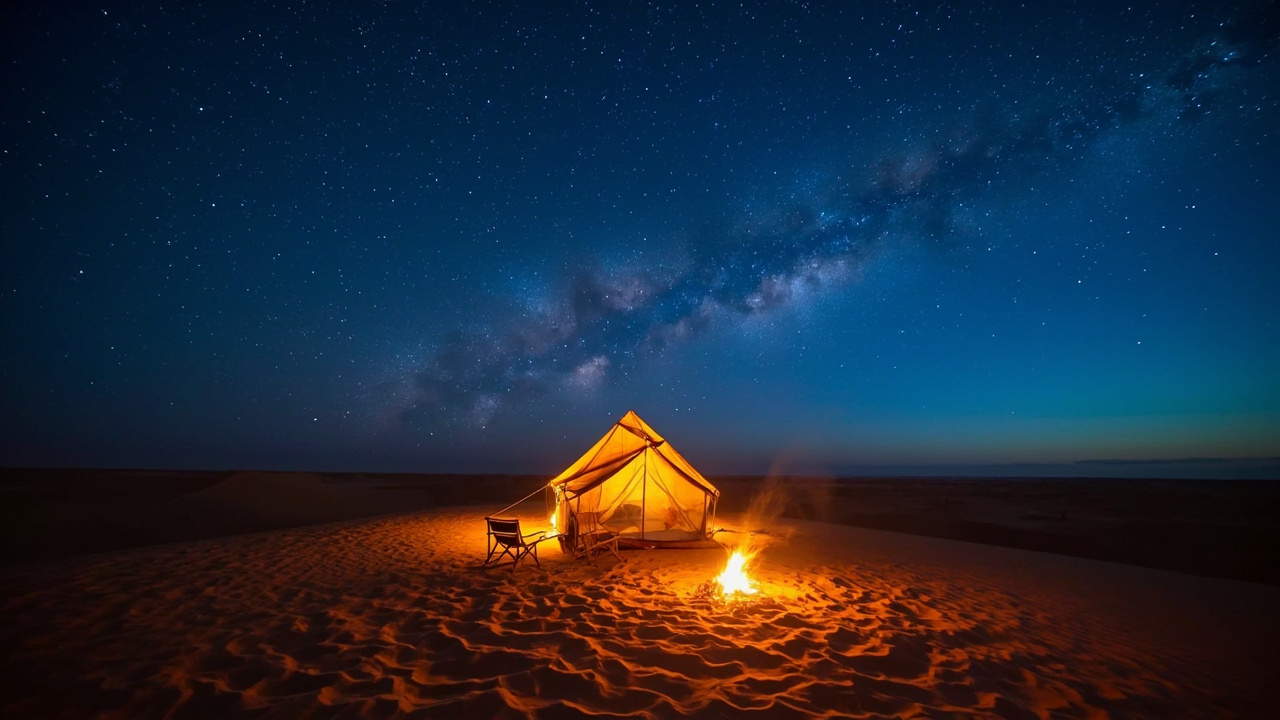
The cab driver on the way out of Dali old town looked at me in the rearview mirror and asked, in the kind of English that only comes from years of practice with backpackers, “You want to see the mountains, or you want to sleep in the mountains?” I didn’t understand the question at first. He laughed. “There is a difference, my friend.”
He was right. There’s a version of China that you see from a tour bus window, and there’s a version you wake up inside. The glamping scene here has exploded over the last five years, and it’s not what most Westerners expect. These aren’t canvas tents with a nice view and a cold shower. Some of these places have heated floors, outdoor soaking tubs, and staff who bring you tea while you watch the sun come up over a karst mountain. I’ve stayed in more than thirty of them since 2019, and I’ve learned that the difference between a good one and a bad one usually comes down to one thing: location. A luxury tent in the wrong spot is just an overpriced room with a zipper door.
This guide covers the ten places I’d actually send a friend to, with real prices, real transport directions, and the kind of practical details that are hard to find in English. I’ve included what I paid, what I’d skip, and the mistakes I made so you don’t have to.
Quick answer
China’s glamping scene offers world-class luxury tent stays at roughly $80-$300 per night (CNY 580-2,180), far below comparable prices in Africa or the US. The best options cluster in Yunnan, Guilin, and the Gobi Desert, with the sweet spot being April-May and September-October for weather and crowds. Most require a 30-minute to 2-hour drive from a major city or airport, and you’ll need WeChat Pay or Alipay set up before you arrive, plus a VPN if you want Google Maps or Instagram to work.
The Short Version
If you only read one section, read this. The best all-around pick is the Gobi Desert camp near Dunhuang, because it’s genuinely world-class and unlike anything you’ll see elsewhere. The most underrated is in the mountains outside Dali. The one I’d skip if you’re short on time is the big-name resort near Moganshan, which is beautiful but feels like a luxury hotel that happens to have tents, not actual glamping. Book everything through WeChat or a platform like Ctrip, because the English-language booking sites often have inflated prices or outdated availability. And for the love of god, bring a power bank. Some of these places are remote enough that the electricity flickers during storms.
How I Picked These
I’ve been living in Beijing since 2019 and have made it a personal mission to sleep in every decent tent camp in the country. That’s a lot of zippers. I’ve visited these ten places in person, paid my own way for most of them, and talked to the owners, the staff, and the other guests. I’ve also made plenty of mistakes along the way, which I’ll share openly. A few places that look incredible on Instagram turned out to be dusty fields with a single yurt and a generator. I’ve cut those. What remains is a list of places where I’d genuinely go back, and where I’d send a friend without hesitation.
Comparison Table
| Rank | Place | Best For | Approx Cost (USD) | Time Needed | When to Go |
|---|---|---|---|---|---|
| 1 | Gobi Desert Camp, Dunhuang | Desert scenery, stargazing | $180-280/night | 2-3 days | May-Jun, Sep-Oct |
| 2 | Yulong Snow Mountain Camp, Lijiang | Mountain views, couples | $150-250/night | 2 days | Apr-May, Oct-Nov |
| 3 | Li River Camp, Yangshuo | Karst scenery, river views | $100-180/night | 2 days | Apr-May, Sep-Oct |
| 4 | Cangshan Mountain Camp, Dali | Hiking, cloud views | $80-140/night | 2 days | Mar-May, Sep-Nov |
| 5 | Moganshan Forest Camp, Zhejiang | Bamboo forest, design | $200-350/night | 2 days | Apr-Jun, Oct-Nov |
| 6 | Kanas Lake Camp, Xinjiang | Remote wilderness, hiking | $120-200/night | 3-4 days | Jun-Sep |
| 7 | Qinghai Lake Camp | Lake views, cycling | $70-120/night | 2 days | Jun-Aug |
| 8 | Zhangjiajie Glass Camp | Cliff views, adventure | $150-250/night | 2 days | Apr-Jun, Sep-Oct |
| 9 | Hainan Beach Camp | Beach, warm weather | $90-160/night | 2-3 days | Nov-Mar |
| 10 | Inner Mongolia Grassland Camp | Grassland, horse riding | $60-100/night | 2 days | Jun-Aug |
Gobi Desert Camp, Dunhuang
I remember the silence. That’s what got me first. You stand outside your tent at 2 AM, and there is absolutely nothing. No traffic, no wind, no distant music. Just the sound of your own breathing and the Milky Way stretched across the sky like someone spilled a bag of stars. The camp sits about 40 minutes from Dunhuang’s city center, past the famous sand dunes, in a stretch of desert that feels genuinely endless.
The tents themselves are proper structures, not the flimsy kind that flap all night. Thick canvas walls, a real bed with decent pillows, and a private bathroom with hot water that actually stays hot. The staff lit a bonfire every evening and served dinner family-style, with lamb that had been cooked in a pit underground. I sat with a German couple and a family from Shanghai, and we talked about nothing in particular while the stars came out.
The best part is the sunrise over the dunes. You can walk out of your tent and up the nearest dune in about fifteen minutes, and you’ll have it entirely to yourself. The sand is cool in the morning, and the light turns everything gold and pink.
- Location: Mingsha Mountain area, about 40 minutes from Dunhuang city center
- Entry fee: Included in your stay
- Opening hours: Open year-round, but the camp is busiest May-October
- How to get there: Fly to Dunhuang Airport (DNH), then take a taxi or arrange pickup through the camp. The drive is about 40 minutes.
- When to visit: May-June and September-October for comfortable temperatures. July-August is hot, and winter nights drop below freezing.
- Insider tips: Bring a headlamp for the walk to the bathroom at night. The camp provides warm coats for the sunrise walk, but they’re not stylish. Book the “star room” if you want a skylight above your bed. The staff can arrange a camel ride to the dunes at sunset, but it’s touristy. The best photos are from the dune behind the camp, not the main tourist area.
- I met a retired teacher from Xi’an who had been coming to this camp every autumn for five years. She said the desert changes every time, and she’s right.
Yulong Snow Mountain Camp, Lijiang
The view from my tent was a glacier. Not a distant glimpse, but a full-frontal view of Yulong Snow Mountain’s main peak, which stays white year-round. I woke up at 6 AM, unzipped the tent flap, and just sat there with a cup of tea watching the light hit the ice. It’s the kind of moment that makes you forget your phone exists.
The camp is set in a meadow at about 3,000 meters elevation, which means the air is thin and the stars are absurdly bright. The tents are arranged so that every single one faces the mountain, and the staff have thought through the details: heated blankets, a thermos of hot water delivered to your tent each morning, and a breakfast spread that includes both Western and local options.
The downside is the altitude. I felt a slight headache the first night, and I’ve seen other guests struggle with it. The camp provides oxygen canisters, and the staff are experienced with altitude sickness, but it’s worth spending a day in Lijiang old town first to acclimatize.
- Location: Ganhaizi area, about 30 minutes from Lijiang old town
- Entry fee: Included in your stay
- Opening hours: Year-round, but the camp closes for a few weeks in February for maintenance
- How to get there: Fly to Lijiang Sanyi Airport (LJG), then take a taxi or arrange pickup. The drive from the airport is about an hour.
- When to visit: April-May and October-November for clear skies. June-September has more rain, and the mountain is often clouded over.
- Insider tips: Book the tents on the east side of the camp, which get the morning sun. The camp can arrange a guided hike to the meadow above, which is worth it. Bring layers, as the temperature drops quickly after sunset. The restaurant serves a hotpot that’s perfect after a cold evening. If you’re prone to altitude sickness, ask for the tent closest to the main building.
- I made the mistake of booking a “mountain view” tent without realizing they all have mountain views. I paid extra for nothing. Learn from me.
Li River Camp, Yangshuo
The karst peaks around Yangshuo are the kind of scenery that makes you question if you’re actually awake. They rise out of the flat farmland like something from a dream, and the Li River winds between them in slow, green curves. The camp sits right on the riverbank, and from my tent I could watch the bamboo rafts drift past all afternoon.
The tents here are more rustic than the desert camp, but in a good way. Wooden platforms, canvas walls, and a deck with two chairs where you can sit and do absolutely nothing. The bathroom is shared, which is the main drawback, but it’s kept spotless and there are enough facilities that you rarely wait.
The food is the real highlight. The camp has a small restaurant that serves local Guilin dishes, including the famous beer fish, which is a whole fish cooked in beer with tomatoes and peppers. I ate it three times in two days.
- Location: Yulong River area, about 20 minutes from Yangshuo town
- Entry fee: Included in your stay
- Opening hours: March-November. The camp closes in winter.
- How to get there: Take the high-speed train from Guilin to Yangshuo Station, then a taxi or arranged pickup. The drive is about 30 minutes.
- When to visit: April-May and September-October for the best weather. Summer is hot and humid, but the river is perfect for swimming.
- Insider tips: Rent a bicycle and ride along the river path to the old bridge, about 40 minutes away. The camp can arrange a sunrise raft trip, which is worth getting up for. Bring insect repellent, as the river attracts mosquitoes at dusk. The shared bathrooms are clean, but bring your own toiletries. The local village market on Sunday mornings is worth a visit.
- A shop owner in the nearby village tried to charge me triple for a bottle of water. I laughed, he laughed, and we settled on a fair price. It’s all part of the game.
Cangshan Mountain Camp, Dali
This is the one I almost didn’t include, because it’s the most basic of the ten. But it’s also the one I think about most often. The camp sits on the eastern slope of Cangshan Mountain, above the haze that often covers Dali old town, and the views across Erhai Lake are stunning. The tents are simple, with a double bed, a small table, and a wood-burning stove for the cold evenings. The bathroom is a short walk away, and the shower is solar-heated, which means it’s only truly hot in the afternoon.
But the location is everything. You wake up above the clouds, and the lake below you is a sheet of silver in the morning light. The camp has a small terrace where you can sit and watch the light change over the course of the day. The owner, a former mountaineer named Zhang, will happily tell you about the hiking trails above the camp, some of which lead to hidden temples and waterfalls.
- Location: Cangshan Mountain, about 40 minutes from Dali old town
- Entry fee: Included in your stay
- Opening hours: Year-round, but the access road can be icy in January-February
- How to get there: Fly to Dali Airport (DLU), then take a taxi or arrange pickup. The drive is about 50 minutes, with the last section on a rough dirt road.
- When to visit: March-May and September-November for clear skies. The camp is quietest on weekdays.
- Insider tips: The wood-burning stove takes about 30 minutes to get going, so ask the staff to light it before you arrive. Bring warm clothes, as the mountain is significantly cooler than the valley. The hiking trail to the waterfall is about 2 hours round trip and well worth it. Zhang can arrange a local guide for the longer trails. The camp has no Wi-Fi, which is honestly a feature, not a bug.
- Zhang told me that he built the camp because he wanted a place where people could experience the mountain the way he did when he was a climber. I believe him.
Moganshan Forest Camp, Zhejiang
This is the one I’d skip if you’re short on time. The Moganshan area, about two hours from Shanghai, has become a weekend destination for wealthy city dwellers, and the glamping options reflect that. The camp is beautiful, with tents set among bamboo groves and a design aesthetic that’s clearly been curated by someone with a good eye. The beds are comfortable, the food is excellent, and the service is attentive.
But it’s not really glamping. It’s a luxury hotel that happens to have tents instead of rooms. The tents are permanent structures with proper walls, and the experience feels more like a boutique resort than a camping trip. That’s not a criticism, exactly, but it’s not what I’m looking for in a glamping experience.
The prices are also the highest on this list, and you’re paying for the proximity to Shanghai more than anything else. If you’re already in the city and want a quick escape, it’s a good option. If you’re traveling from abroad, I’d spend the extra time and money to go somewhere more distinctive.
- Location: Moganshan National Park, about 2 hours from Shanghai
- Entry fee: Included in your stay
- Opening hours: Year-round
- How to get there: Take the high-speed train from Shanghai to Deqing Station, then a taxi or arranged pickup. The drive from Deqing is about 30 minutes.
- When to visit: April-June and October-November for the best weather. Weekends are crowded with Shanghai weekenders.
- Insider tips: The bamboo forest trails are worth exploring, but they’re busier than you’d expect. The camp can arrange a tea ceremony with a local farmer. Book directly through the camp’s WeChat account for better rates than the English booking sites. The restaurant’s bamboo shoot dishes are excellent. If you want a quieter experience, visit on a weekday.
- I had a conversation with a couple from Shanghai who came here every month. They said it was their escape from the city, and I could see why.
Kanas Lake Camp, Xinjiang
This is the hardest place to get to on this list, and also the most rewarding. Kanas Lake sits in the far north of Xinjiang, near the border with Kazakhstan and Mongolia, and the landscape is unlike anything else in China. The lake is a deep turquoise, surrounded by pine forests and snow-capped peaks, and the air is so clean it feels like you’re breathing for the first time.
The camp is set on a ridge above the lake, with views that stretch for miles. The tents are sturdy and well-insulated, with proper heating for the cold nights, and the staff are mostly local Kazakh people who are genuinely welcoming. The food is a mix of Xinjiang specialties, including lamb skewers and hand-pulled noodles, and the evening bonfire is a chance to hear local music.
The journey is the challenge. You’ll need to fly to Altay or Burqin, then drive several hours on roads that are sometimes rough. It’s not a trip for a weekend, but if you have the time, it’s unforgettable.
- Location: Kanas Lake Scenic Area, northern Xinjiang
- Entry fee: Included in your stay, but the scenic area charges an entry fee of about $30 (CNY 220) for non-camp visitors
- Opening hours: June-September. The camp closes in winter due to heavy snow.
- How to get there: Fly to Altay Airport (AAT) or Burqin Kanas Airport (KJI), then arrange a transfer through the camp. The drive is 2-3 hours.
- When to visit: June-September for the best weather. September brings autumn colors, which are spectacular.
- Insider tips: The camp can arrange a boat trip on the lake, which is worth it. Bring warm clothes, as nights are cold even in summer. The local Kazakh families sell homemade yogurt and cheese, which are delicious. The hiking trail to the viewing platform above the lake is about 2 hours and offers the best views. Book well in advance, as the camp has only 15 tents.
- I sat by the bonfire with a Kazakh family who were visiting from a nearby village. The grandmother sang a traditional song, and I didn’t understand a word, but I didn’t need to.
Qinghai Lake Camp
Qinghai Lake is the largest saltwater lake in China, and it sits at over 3,000 meters elevation on the Tibetan Plateau. The landscape is stark and beautiful, with grasslands stretching to the horizon and the lake a deep blue against the brown hills. The camp is set right on the lakeshore, and the tents are simple but comfortable, with thick blankets and a small heater for the cold nights.
The main activity here is cycling. The lake has a 360-kilometer loop road, and many visitors spend several days riding it. The camp can arrange bike rentals and provide route advice. I’m not a serious cyclist, but I did a 30-kilometer ride along the shore, and it was one of the best afternoons I’ve spent in China.
The altitude is a real consideration. At 3,200 meters, you’ll feel it, especially if you’re coming from sea level. The camp provides oxygen and has staff who are experienced with altitude sickness, but it’s worth taking it easy for the first day.
- Location: South shore of Qinghai Lake, about 2 hours from Xining
- Entry fee: Included in your stay
- Opening hours: June-August. The camp closes in winter.
- How to get there: Take the high-speed train from Xining to Gangcha Station, then a taxi or arranged pickup. The drive is about 1 hour.
- When to visit: June-August for the best weather. July-August brings the rapeseed flower bloom, which turns the fields yellow.
- Insider tips: The sunrise over the lake is worth getting up for. The camp can arrange a visit to a nearby Tibetan monastery, which is fascinating. Bring sunscreen, as the altitude makes the sun intense. The local restaurants serve a yogurt that’s thick and tangy, unlike anything you’ll find in the cities. If you’re cycling, start early to avoid the afternoon wind.
- I met a cyclist from Australia who was doing the full loop. He said it was the hardest thing he’d ever done, and he was glowing.
Zhangjiajie Glass Camp
Zhangjiajie is famous for the towering sandstone pillars that inspired the floating mountains in Avatar, and the glass camp offers a view of them that’s genuinely thrilling. The tents are set on a cliff edge, with floor-to-ceiling windows that look out over the valley. The glass floor panels in the main deck are a nice touch, though they’re not for anyone with a fear of heights.
The camp is part of a larger resort complex, which means the facilities are excellent, but it also means you’re not really in the wilderness. The tents are more like glass cabins, and the experience is closer to a luxury hotel than a camping trip. That said, the views are unmatched, and the sunsets over the pillars are something you’ll remember for a long time.
- Location: Zhangjiajie National Forest Park, about 40 minutes from Zhangjiajie city
- Entry fee: Included in your stay, but the park entry fee of about $40 (CNY 290) is required for non-camp visitors
- Opening hours: Year-round, but the park is busiest in summer and during Chinese holidays
- How to get there: Fly to Zhangjiajie Hehua Airport (DYG), then take a taxi or arrange pickup. The drive is about 40 minutes.
- When to visit: April-June and September-October for clear skies. Summer is crowded and humid.
- Insider tips: The sunset view from the camp’s deck is the best photo opportunity. The park’s glass bridge is nearby but requires a separate ticket. Book the “cliff edge” tents for the best views, as the standard tents face the forest. The camp’s restaurant serves local Hunan dishes, which are spicy and excellent. Bring a tripod for night photos, as the sky is surprisingly dark.
- I watched a group of Chinese tourists take selfies on the glass deck for a full hour. I don’t think they ever looked at the actual view.
Hainan Beach Camp
Hainan is China’s tropical island, and the beach camp offers the kind of barefoot luxury that’s hard to find elsewhere in the country. The tents are set right on the sand, with a deck and a hammock facing the ocean. The water is warm and clear, and the sunsets are the kind that make you want to stay forever.
The camp is on the less-developed west coast of the island, which means it’s quieter than the big resorts on the east coast. The tents are comfortable, with a real bed and a fan for the warm nights, and the shared bathroom is clean and modern. The food is a mix of Hainan specialties, including fresh seafood and the famous Wenchang chicken.
- Location: West coast of Hainan, about 1.5 hours from Sanya
- Entry fee: Included in your stay
- Opening hours: Year-round
- How to get there: Fly to Sanya Phoenix International Airport (SYX), then take a taxi or arrange pickup. The drive is about 1.5 hours.
- When to visit: November-March for the best weather. Summer is hot and humid, with occasional typhoons.
- Insider tips: The camp can arrange a fishing trip with local fishermen, which is worth doing. Bring reef shoes, as the sand gets hot in the afternoon. The local market in the nearby town sells fresh fruit at bargain prices. The camp’s hammocks are perfect for afternoon naps. If you want to explore the island, rent a car, as public transport is limited.
- I spent an afternoon talking to a fisherman who had been working these waters for 30 years. He showed me how to spot the good fishing spots, and I didn’t catch anything, but I didn’t care.
Inner Mongolia Grassland Camp
The grasslands of Inner Mongolia are vast in a way that’s hard to describe. You stand in the middle of the steppe, and the horizon is a perfect circle in every direction. The camp is set in a valley near the Xilamuren grassland, about 2 hours from Hohhot, and the tents are traditional Mongolian yurts, but with a luxury upgrade.
The yurts have real beds, a small wood-burning stove, and a private bathroom with hot water. The staff are local Mongolian people who will happily teach you about their culture, and the evening entertainment includes throat singing and horse riding demonstrations. The food is hearty, with mutton and dairy products featuring heavily.
- Location: Xilamuren grassland, about 2 hours from Hohhot
- Entry fee: Included in your stay
- Opening hours: June-August. The camp closes in winter.
- How to get there: Fly to Hohhot Baita International Airport (HET), then take a taxi or arrange pickup. The drive is about 2 hours.
- When to visit: June-August for the greenest grass. July brings the Nadam Festival, which is worth experiencing.
- Insider tips: The horse riding is the highlight, but ask for a guide who speaks some English. The evening bonfire is a chance to try the local milk tea, which is salty and an acquired taste. Bring warm clothes, as the nights are cold even in summer. The camp can arrange a visit to a local herder’s family, which is a genuine cultural experience. The stars at night are incredible, with no light pollution for miles.
- A young Mongolian woman taught me how to ride a horse, and I fell off twice. She laughed, but she was patient, and I eventually got the hang of it.
FAQ summary
China’s glamping scene offers luxury tent experiences at $60-$350 per night, with the best options in Yunnan, Guilin, the Gobi Desert, and Xinjiang. Most camps require a 30-minute to 2-hour drive from a major city or airport, and booking through WeChat or Ctrip typically gets better rates than English-language sites. The best seasons are April-May and September-October, when temperatures are moderate and crowds are thinner. All camps provide bedding and basic amenities, but you should bring your own toiletries and a power bank, and set up WeChat Pay or Alipay before you arrive.
FAQ
Q: Do I need a visa to visit China for glamping? A: Citizens of many countries, including the US, UK, Canada, Australia, and most of Europe, can enter China visa-free for up to 30 days if they’re visiting for tourism. This policy is valid through 2026. Check the latest rules with your local Chinese embassy before booking.
Q: How do I book a glamping stay in China? A: The easiest way is through WeChat, using the camp’s official account or a platform like Ctrip. English-language booking sites like Booking.com have some options, but they often have higher prices and fewer choices. If you’re not comfortable with WeChat, ask your hotel in the nearest city to help you book.
Q: Is it safe to travel to these remote areas as a foreigner? A: Yes, China is generally very safe, and these camps are well-run and experienced with international guests. The main challenges are language and logistics, not safety. It’s worth having a translation app like Google Translate (with a VPN) or a dedicated Chinese translation app like Pleco.
Q: What should I pack for a glamping trip in China? A: Bring layers, as temperatures can vary significantly between day and night. A power bank is essential, as some camps have limited electricity. Sunscreen and insect repellent are also important. Most camps provide bedding, towels, and basic toiletries, but it’s worth confirming with the camp in advance.
Q: Do I need to speak Chinese to enjoy a glamping trip? A: No, but it helps. The staff at most camps speak some English, and translation apps work well for basic communication. It’s worth learning a few key phrases like “thank you” (xièxie) and “hello” (nǐ hǎo), which go a long way.
Q: Is it better to visit these camps in the north or south of China? A: It depends on the season. The north (Gobi Desert, Inner Mongolia, Xinjiang) is best in summer and early autumn, while the south (Yunnan, Guilin, Hainan) is good year-round, with the best weather in spring and autumn. If you’re planning a longer trip, you could combine both.
Q: How much should I budget for a glamping trip in China? A: A typical glamping stay costs $100-$200 per night, with food and activities adding another $30-$50 per day. Transport to the camps varies, but you should budget $50-$100 for transfers. Overall, a 5-day glamping trip would cost around $800-$1,200 per person, which is good value compared to similar experiences in other countries.
The Honest Wrap-up
This list is for travelers who want to see a different side of China, the one that doesn’t show up in the standard tour itineraries. It’s for people who are willing to trade a bit of comfort for a view that makes you forget to check your phone. It’s not for anyone who needs constant Wi-Fi, a gym, or room service at 3 AM. The best advice I can give you is to pick one or two camps and build your trip around them, rather than trying to see everything. The Gobi Desert camp is the one I’d recommend to someone who wants the full experience, and the Cangshan Mountain camp is the one I’d recommend to someone who wants to feel like they’ve discovered something special. Book early, pack light, and bring a sense of humor. The journey will be worth it.
Topics
More guides you may like
Top 10 Bridges in China
China's bridges are engineering marvels spanning mountains, rivers, and seas. Here are 10 of the most spectacular, from ancient stone to modern steel.
8 min read

Top 10 Buddhist Sites in China
From the Leshan Giant Buddha to the Dunhuang Caves, these 10 Buddhist sites represent 2,000 years of China's spiritual heritage.
9 min read
Top 10 Day Trips from Beijing You Shouldn't Miss
Beijing is packed with history, but some of China's best experiences are just a few hours away. Here are 10 day trips that will transform your visit.
9 min read
Top 10 Hidden Gems in China Off the Beaten Path
Beyond the Great Wall and Terracotta Warriors, China has incredible hidden destinations few tourists ever reach. Here are 10 underrated gems worth the detour.
9 min read
Top 10 Markets and Shopping Streets in China
From Shanghai's Bund to Beijing's Silk Street - 10 markets where foreigners can haggle, explore, and bring home authentic Chinese goods.
9 min read
Top 10 Museums in China You Shouldn't Miss
China's museums span 5,000 years of civilization. These 10 - from the Palace Museum to Xi'an's terracotta gallery - are unmissable for culture lovers.
9 min read