
Lugu Lake Mosuo Matriarchy: The Complete 2026 Guide
The cab driver on the way from Lijiang airport looked at me in the rearview mirror when I told him where I was going. "Lugu Lake?" he said, and then laughed.
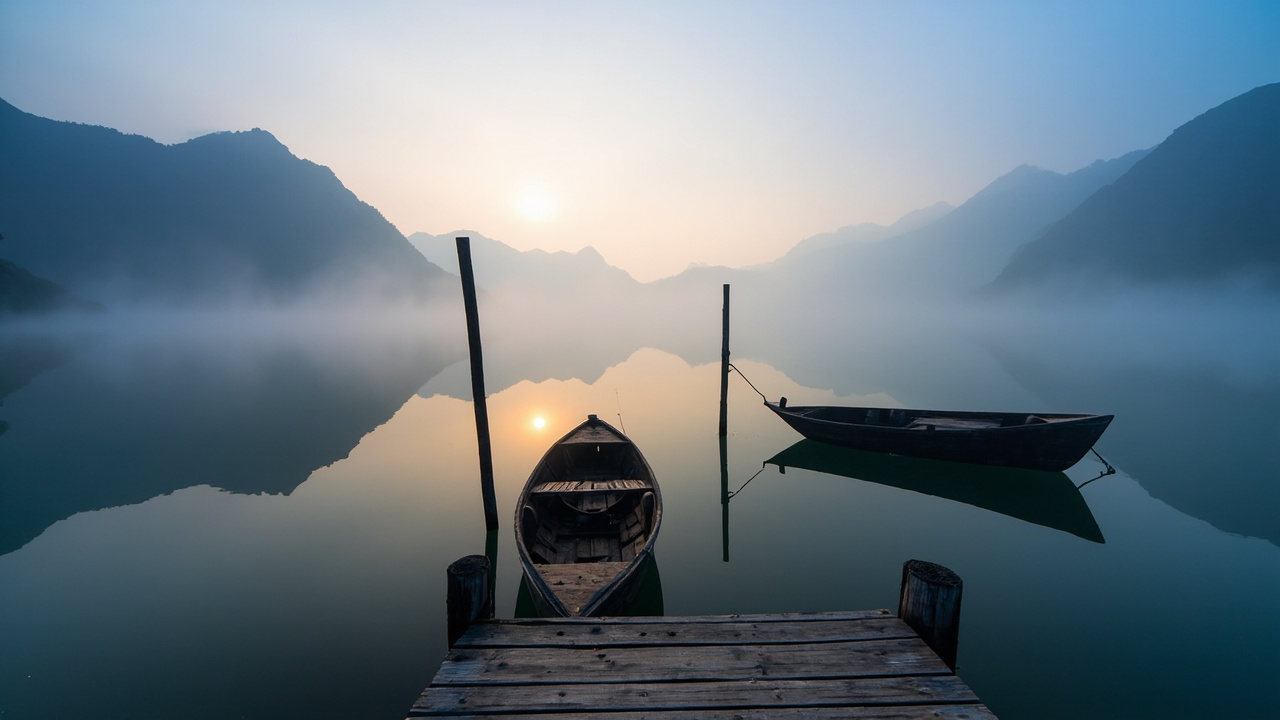
The cab driver on the way from Lijiang airport looked at me in the rearview mirror when I told him where I was going. “Lugu Lake?” he said, and then laughed. “You know they don’t let men make decisions there, right?” He was joking, but he wasn’t wrong. I’d been reading about the Mosuo people for years - the so-called “Kingdom of Women” tucked into the mountains where Yunnan meets Sichuan - and I still wasn’t sure what to expect. Four hours later, as we crested the final pass and the lake appeared below us, a flat sheet of blue so still it looked like glass, I understood why people make the journey. The Mosuo have lived here for over 1,500 years, and their matriarchal society - where women run the households, inherit the property, and make the big decisions - isn’t a tourist gimmick. It’s a living culture that happens to sit on one of the most beautiful lakes in China.
This guide covers everything you need to know for a 2026 trip: how to get there, where to stay, what to see, and how to actually understand the Mosuo way of life without reducing it to a photo op. I’ve been to Lugu Lake four times over the past seven years, and I’ve made most of the mistakes a foreign visitor can make, so you don’t have to.
Quick answer
Lugu Lake is a 2-3 day trip from Lijiang or Xining, best visited from May to October, with a typical budget of $150-300 (CNY 1,000-2,000) per person excluding transport. The Mosuo are one of China’s last matriarchal societies, and the lake straddles the Yunnan-Sichuan border, so you’ll need your passport for the crossing. Most international visitors fly into Lijiang Sanyi Airport (LJG) and take a 4-5 hour bus or private car to the lake. No special permit is required for foreign tourists, and as of 2026, China’s 240-hour visa-free transit policy covers most Western passport holders arriving from a third country.
The Short Version
Go. But go with realistic expectations. Lugu Lake is genuinely beautiful - a high-altitude alpine lake at 2,690 meters surrounded by forested mountains - and the Mosuo culture is fascinating. But it’s not a pristine, undiscovered paradise. There are souvenir stalls, tour groups, and a nightly “Mosuo dance performance” that’s about as authentic as a luau in Honolulu. The real magic happens when you get away from the main tourist pier at Luoshui Village, stay in a family guesthouse, and actually talk to people. Give it three days, not one. And skip the “walking marriage” questions - the Mosuo are tired of explaining it to every foreigner who shows up.
How I Picked These
I’ve made four trips to Lugu Lake between 2019 and 2025, each time staying 2-4 nights in different villages on both the Yunnan and Sichuan sides. I’ve hiked the mountain trails, taken the cable car, ridden horses with locals, sat through entire evenings of Mosuo songs I couldn’t understand, and once spent two hours trying to explain to a grandmother why I wasn’t married at 35. I’ve also talked to tour operators, guesthouse owners, and a Mosuo cultural researcher who works at the local museum. This list reflects what I’d actually recommend to a friend - not what the brochures say.
Comparison Table
| Rank | Place | Best For | Approx Cost (USD) | Time Needed | When to Go |
|---|---|---|---|---|---|
| 1 | Lige Village | First-timers, best views | $15-25/day lodging | 1-2 nights | May-Oct |
| 2 | Mosuo Museum | Understanding the culture | $3 (CNY 20) | 1-2 hours | Year-round |
| 3 | Goddess Mountain Cable Car | Panoramic views | $20 (CNY 140) | 2-3 hours | Clear days |
| 4 | Caohai (Grass Sea) | Boat rides, birdwatching | $10-15 boat ride | 2-3 hours | Jun-Sep |
| 5 | Luoshui Village | Convenience, nightlife | $10-20/day lodging | 1 night max | Year-round |
| 6 | Gemu Goddess Cave | Adventure, hiking | $8 (CNY 55) | 2-3 hours | May-Oct |
| 7 | Sichuan-side villages | Authentic experience | $8-15/day lodging | 2 nights | May-Oct |
| 8 | Mosuo Family Visit | Cultural immersion | $5-10 | 2-3 hours | Year-round |
| 9 | Sunrise at Lige Peninsula | Photography | Free | 1 hour | Clear mornings |
| 10 | Cycling the lake loop | Active travelers | $5-8 bike rental | 6-8 hours | Apr-Oct |
Lige Village - the only place I’d stay on the lake
The first time I came to Lugu Lake, I made the classic mistake of staying in Luoshui Village because that’s what every guidebook said. It’s the biggest settlement, sure, but it’s also the most commercialized - a strip of identical souvenir shops and restaurants serving the same fried fish and potato dishes. Lige Village, about 20 minutes north along the lake road, is where I send everyone now. It’s smaller, quieter, and the guesthouses are built right on the water, so you can sit on your balcony and watch the mist roll off the lake in the morning.
The village sits on a peninsula that juts into the lake, which means you get water on three sides. The views are absurd. I stayed at a family-run guesthouse called Mosuo Home Stay (摩梭人家) where the grandmother ran the kitchen and her daughter handled the bookings on WeChat. The room cost about $18 (CNY 130) a night - basic but clean, with a private bathroom and a balcony that faced the lake directly.
Location: Lige Village, Ninglang County, Yunnan side of Lugu Lake Entry fee: Free (the village itself has no gate) Opening hours: Always open Getting there: From Lijiang, take a bus from Lijiang Bus Station (about $12/CNY 85, 4.5 hours) to Lugu Lake, then a local minibus to Lige (10 minutes, $1/CNY 7). Or hire a private car from Lijiang for about $60-80 (CNY 430-570) - worth it if you’re in a group. When to visit: May-June and September-October for the best weather. July-August is rainy season, and the lake gets hazy. Insider tips: Ask for a room on the third floor or higher - the second-floor rooms can get noise from the restaurant below. The best photo spot is the small pier at the north end of the peninsula, especially at sunrise. If you’re there in the evening, the grandmother’s homemade suima (a fermented rice wine) is worth trying, but go easy - it’s stronger than it tastes. I once watched a group of Beijing tourists try to negotiate a boat ride price for 20 minutes over what amounted to about $2. The Mosuo boatman just smiled and waited. They eventually paid the full price.
Mosuo Museum - start here before you ask any more questions
Most visitors to Lugu Lake skip the museum and go straight to the lake views. That’s a mistake. The Mosuo Museum in Luoshui Village is small - you can see everything in an hour - but it’s the best place to understand the culture you’re about to experience. The exhibits cover the matriarchal family structure (the Mosuo live in extended families where the grandmother is the head), the famous “walking marriage” (zouhun, where men visit their partners at night but don’t live with them), and the religious practices that blend Tibetan Buddhism with indigenous beliefs.
What struck me most was a display about the Mosuo language. It’s an oral language, passed down through songs and stories, and there’s no written form. The museum has recordings of traditional songs playing on loop, and I sat there for 20 minutes just listening. The museum also has English translations for most exhibits, which is rare for a small-town museum in China.
Location: Luoshui Village, Yunnan side, near the main pier Entry fee: About $3 (CNY 20) Opening hours: 8:30 AM - 6:00 PM daily Getting there: From Lige Village, it’s a 20-minute minibus ride or a 40-minute walk along the lake road. If you’re staying in Luoshui, it’s a 5-minute walk from the main square. When to visit: Any time, but go early before the tour groups arrive around 10 AM. Insider tips: The museum staff are Mosuo locals, not professional guides, and they’re happy to answer questions if you ask politely. The gift shop sells books about Mosuo culture in English - I bought one and it was the best $5 I spent on the trip. Don’t skip the upstairs exhibit about Mosuo funerary practices - it’s the most honest look at their beliefs you’ll find anywhere. A young Mosuo woman who worked at the museum told me she was the first person in her family to go to university in Kunming. She came back to work at the museum because she wanted to preserve her culture. “If we don’t tell our own story,” she said, “tourists will tell it for us.”
Goddess Mountain Cable Car - worth it only on a clear day
The cable car up Goddess Mountain (Gemu Nüshan) is the most expensive single activity at Lugu Lake, and it’s only worth it if the weather cooperates. On a clear day, you get a panoramic view of the entire lake from above - the deep blue water, the green mountains, the villages scattered along the shore. On a cloudy day, you’ll be staring at fog and wondering why you spent $20. Check the weather forecast before you go, and if it’s overcast, skip it.
The cable car takes about 20 minutes to reach the top, where there’s a viewing platform and a short hiking trail. The altitude at the top is about 3,400 meters, so if you’re not acclimatized, take it slow. I made the mistake of jogging up the stairs to the highest viewpoint and spent the next 10 minutes gasping for air.
Location: Near Luoshui Village, Yunnan side Entry fee: About $20 (CNY 140) round trip Opening hours: 8:00 AM - 5:30 PM (may close in bad weather) Getting there: From Luoshui Village, it’s a 10-minute walk from the main square to the cable car station. Look for the large sign with the cable car logo. When to visit: Only on clear days. The best visibility is usually in the morning before 11 AM. Insider tips: Bring a jacket even in summer - it’s cold at the top. The ticket includes a return trip, so don’t lose it. If you’re fit, you can hike down instead of taking the cable car back - it takes about 2 hours and passes through forest with good birdwatching. I shared the cable car with a Mosuo teenager who was using her phone to livestream the view to her followers on Douyin. She told me she’d never actually been to the top before, even though she’d lived at the lake her whole life.
Caohai (Grass Sea) - the boat ride you shouldn’t skip
Caohai, which translates to “Grass Sea,” is a wetland area at the northern end of Lugu Lake where the water is shallow and covered with reeds and water plants. The Mosuo boatmen here use traditional wooden boats called zhucaochuan, which are essentially hollowed-out logs with a flat bottom. The boat ride through the channels is one of the most peaceful experiences I’ve had in China - just the sound of the oars dipping into the water and the reeds rustling in the wind.
The boat ride takes about an hour and goes through the reeds to a small island with a temple. Along the way, you’ll see water birds (the area is a stopover for migratory birds), and in the summer, the lotus flowers are in full bloom. The boatmen are almost all Mosuo men, and they’ll happily chat if you know some Chinese. If not, just enjoy the silence.
Location: Caohai, Sichuan side of the lake, near the border with Yunnan Entry fee: Boat ride about $10-15 (CNY 70-100) per person Opening hours: 7:00 AM - 6:00 PM, weather permitting Getting there: From Lige Village, it’s a 30-minute minibus ride to the Caohai area. The minibus will drop you at the parking area, and the boat dock is a 5-minute walk. When to visit: June-September for the lotus flowers, or November-March for migratory birds. Morning is best - the water is calmest. Insider tips: Negotiate the boat price before you get on, and agree on the duration. Some boatmen will try to cut the ride short. If you’re interested in the Mosuo culture, ask the boatman about growing up in a matriarchal family - most are happy to talk about it if you ask respectfully. The temple on the island is small but has a beautiful view of the lake. My boatman, a man in his 50s named A-Zhu, told me he’d been rowing tourists for 20 years. “My grandmother was the head of our family,” he said. “She made all the decisions. My mother is the head now. I just do what I’m told.” He laughed, but there was pride in it.
Luoshui Village - the tourist hub, for better or worse
Luoshui is where most first-time visitors to Lugu Lake end up, because it’s the first village you reach from the Yunnan side and it has the most infrastructure: hotels, restaurants, souvenir shops, and the nightly Mosuo dance performance. It’s also the most commercialized, and if you spend your whole trip here, you’ll leave thinking Lugu Lake is just another Chinese tourist trap. It’s not - but you have to get past Luoshui to see that.
That said, Luoshui has its uses. The Mosuo Museum is here, the cable car is here, and the main pier is where the tour boats depart for the island in the middle of the lake. If you’re only here for one night, make it work. But if you have more time, use Luoshui as a base for day trips and sleep somewhere quieter.
Location: Luoshui Village, Ninglang County, Yunnan side Entry fee: Free (the village itself) Opening hours: Always open Getting there: From Lijiang, buses arrive at the Luoshui bus station. From Lige, it’s a 20-minute minibus ride. When to visit: Year-round, but the village is busiest during Chinese holidays (May Day, National Day, Spring Festival) when domestic tourists flood in. Insider tips: The nightly Mosuo dance performance (around 7:30 PM in the main square) is touristy, but it’s also the best chance to see traditional clothing and hear the songs. If you want a photo of the lake without people in it, walk 10 minutes south of the village along the lake road. The restaurants on the main street all serve similar food, but the ones with Mosuo families in the kitchen tend to be better - look for places where the grandmother is cooking. I ate at a small restaurant in Luoshui where the owner, a Mosuo woman in her 40s, served me a plate of stir-fried wild mushrooms that she’d picked herself that morning. She refused to let me pay for the extra rice she brought me. “You’re a guest,” she said.
Gemu Goddess Cave - for the adventurous
The Gemu Goddess Cave (格姆女神洞) is a limestone cave system on the slopes of Goddess Mountain, about 40 minutes from Luoshui. It’s not for everyone - the entrance is a steep climb up several hundred steps, and the inside is dark, damp, and requires scrambling over rocks. But if you’re up for it, the cave is a significant site in Mosuo culture. It’s believed to be the home of the goddess Gemu, who is the most important deity in the Mosuo pantheon.
The cave itself is about 1.5 kilometers of passages, with stalactites and stalagmites illuminated by colored lights (a Chinese cave tradition that I find tacky but others seem to enjoy). The highlight is a chamber at the end where there’s a natural rock formation that the Mosuo believe is the goddess herself. There’s a small altar where locals leave offerings.
Location: On the slopes of Goddess Mountain, about 40 minutes from Luoshui by road Entry fee: About $8 (CNY 55) Opening hours: 8:00 AM - 5:00 PM Getting there: From Luoshui, hire a local minibus or taxi for the 40-minute ride. There’s no public transport. When to visit: Any time, but the climb is easier in the morning when it’s cooler. The cave is closed during heavy rain. Insider tips: Wear sturdy shoes - the path is uneven and slippery in places. Bring a headlamp if you have one, because the cave lighting is inconsistent. The steps up to the cave entrance are the hardest part - take breaks if you need to. There’s a small shop at the base selling water and snacks, but prices are higher than in the village. I went with a group of Mosuo teenagers who were visiting the cave on a school trip. They spent most of the time taking selfies, but one of them, a girl named Yangjin, told me she came here every year with her family to make an offering to the goddess. “She protects our family,” she said.
Sichuan-side villages - where the real Mosuo life happens
The Sichuan side of Lugu Lake gets far fewer tourists than the Yunnan side, and that’s exactly why you should go. The villages here - particularly Zhami, Dazui, and Wuzhiluo - are smaller, quieter, and more traditional. The Mosuo families here are more likely to be living their daily lives rather than performing for tourists, and the pace of life is slower.
I spent two nights in Zhami Village on my third trip, and it was the closest I’ve come to understanding what Mosuo life is actually like. I stayed in a family guesthouse where the grandmother ran the household, the mother cooked, and the children helped with the animals. There was no Wi-Fi in my room, no hot water after 9 PM, and no English spoken. It was perfect.
Location: Zhami, Dazui, and Wuzhiluo villages, Sichuan side of the lake Entry fee: Free Opening hours: Always open Getting there: From Luoshui, take a local bus or minibus across the border to the Sichuan side (about 30-40 minutes). The border crossing is informal - you just pass a sign - but have your passport ready. When to visit: May-October for the best weather. Winter is cold and quiet, but the lake can freeze partially in January. Insider tips: Learn a few words of Mosuo or Chinese before you go - English is almost nonexistent here. Bring cash, because many family guesthouses don’t accept mobile payments. The best way to experience Mosuo culture is to just sit in the family’s common room in the evening and watch what happens. You’ll be offered food, tea, and possibly suima wine. Accept. I spent an evening in Zhami watching the grandmother of the house direct her daughters and granddaughters in preparing dinner. The men sat in a separate area, talking quietly. When I asked the mother of the house about this arrangement, she shrugged. “That’s how it’s always been,” she said.
Mosuo Family Visit - the cultural experience that’s actually worth it
Several villages around Lugu Lake offer “family visits” where tourists can spend a few hours with a Mosuo family, learning about their daily life, customs, and history. I was skeptical at first - it sounded like a staged tourist experience - but it turned out to be one of the most memorable parts of my trips. The key is to choose a family that’s recommended by your guesthouse or a local, not one that’s advertised on a big sign.
The visit typically includes a tour of the family compound (which is communal, with separate rooms for different generations), a demonstration of traditional crafts like weaving or butter tea making, and a meal. The family will also explain the matriarchal structure - how property is inherited through the female line, how children are raised by the extended family, and how the “walking marriage” actually works in practice.
Location: Various villages on both sides of the lake Entry fee: About $5-10 (CNY 35-70) per person, usually including a meal Opening hours: By arrangement, usually 2-3 hours Getting there: Ask your guesthouse owner to arrange it, or look for signs in the villages advertising family visits. When to visit: Any time, but afternoon visits are best because the family will be home from work. Insider tips: The family visit is more like a conversation than a performance. Come with questions prepared, and be ready to answer questions about your own life - the Mosuo are genuinely curious about how foreigners live. Don’t ask about “walking marriage” as a joke or a novelty - ask about it as a serious cultural practice, and you’ll get a serious answer. The meal is usually simple but delicious - expect pork, potatoes, and vegetables from the family’s own farm. The family I visited in Dazui Village had a daughter who was studying in Chengdu. She came home for the summer and was helping with the family visits. “My grandmother doesn’t understand why I want to live in the city,” she told me. “But she also says I can do whatever I want, because I’m a woman. That’s the Mosuo way.”
Sunrise at Lige Peninsula - the free experience that beats everything
You can spend a lot of money at Lugu Lake - cable cars, boat rides, family visits - but the single best experience I’ve had there was completely free. The sunrise at Lige Peninsula, when the first light hits the water and the mist rises off the lake, is worth the entire journey. I’ve done it three times, and it never gets old.
The peninsula at Lige Village extends into the lake, and at the tip, there’s a small pavilion that’s perfect for watching the sun come up over the mountains on the Sichuan side. The light changes quickly - from gray to pink to orange to full daylight in about 15 minutes - so get there early and be ready with your camera.
Location: Lige Peninsula, Lige Village Entry fee: Free Opening hours: Sunrise, which is around 6:30-7:00 AM in summer and 7:30-8:00 AM in winter Getting there: From Lige Village, walk to the tip of the peninsula (about 10 minutes from the main guesthouse area). When to visit: Any clear morning. Check the weather forecast the night before. Insider tips: Bring a jacket - it’s cold at that hour, even in summer. The best spot is the pavilion at the very tip, but it can get crowded with photographers on weekends. If you’re not a morning person, the sunset from the same spot is almost as good. I sat next to an elderly Mosuo man at sunrise one morning. He was doing his morning prayers, and when he finished, he nodded at me and said, in Chinese, “The lake is the same every day, but it’s never the same.” I think about that a lot.
Cycling the lake loop - the active way to see everything
The road around Lugu Lake is about 50 kilometers, and cycling it is the best way to see the entire lake, from the touristy Yunnan side to the quiet Sichuan side. The road is mostly flat, with a few hills, and it takes most people 6-8 hours with stops. You’ll pass through all the major villages, see the Caohai wetlands, and get views of the lake from angles that most visitors never see.
I’ve done the loop twice, and I recommend it to anyone who’s reasonably fit. The road is well-paved, and there’s not much traffic outside of the main villages. You can rent a bike in Luoshui or Lige for about $5-8 (CNY 35-55) per day. If you don’t want to do the whole loop, you can do a shorter section - Lige to Caohai and back is about 20 kilometers and takes 2-3 hours.
Location: The lake road, which circles the entire lake Entry fee: Free (bike rental extra) Opening hours: Any time, but daylight hours are recommended Getting there: Rent a bike in Luoshui or Lige Village. Most guesthouses can arrange one for you. When to visit: April-October for the best weather. Avoid the hottest part of the day in summer - start early. Insider tips: Bring water and snacks - there are shops in the villages, but they can be far apart. The section between Dazui and Wuzhiluo on the Sichuan side has the least traffic and the most scenic views. If you’re not used to high altitude, take it slow - the lake is at 2,690 meters, and you’ll feel it on the hills. Wear sunscreen, even on cloudy days - the UV at this altitude is intense. I stopped at a small shop in Wuzhiluo to buy water, and the owner, an elderly Mosuo woman, insisted I sit down and drink a cup of butter tea before continuing. She didn’t speak any Chinese, and I didn’t speak any Mosuo, but we communicated through gestures and smiles.
FAQ summary
Lugu Lake is a 2-3 day trip from Lijiang, Yunnan, with a typical budget of $150-300 (CNY 1,000-2,000) per person excluding transport. The best time to visit is May-October, with May-June and September-October offering the most stable weather. The Mosuo are one of China’s last matriarchal societies, and while the lake has become touristy, authentic cultural experiences are still available through family visits and stays in smaller villages on the Sichuan side. No special permit is required for foreign visitors, and China’s 240-hour visa-free transit policy covers most Western passport holders. The lake is at 2,690 meters altitude, so visitors should be prepared for thinner air and cooler temperatures, especially at night.
FAQ
Q: Do I need a special permit to visit Lugu Lake as a foreigner? A: No. Lugu Lake is open to foreign tourists without any special permit. You do need your passport, especially when crossing between the Yunnan and Sichuan sides of the lake, but there’s no formal border check - just a sign marking the provincial boundary.
Q: How do I get from Lijiang to Lugu Lake? A: The most common way is a bus from Lijiang Bus Station, which takes about 4.5 hours and costs around $12 (CNY 85). There are also private cars and minivans available for $60-80 (CNY 430-570). The road is winding and mountainous, so if you get motion sickness, take medication beforehand.
Q: Is Lugu Lake worth visiting if I only have one day? A: It’s possible but not ideal. You can see the main sights - the lake views, the Mosuo Museum, and a boat ride - in one day, but you’ll miss the quieter villages and the sunrise. I’d recommend at least two nights, three if you want to do the cycling loop or visit the Sichuan side.
Q: What is the “walking marriage” and will I see it? A: The “walking marriage” (zouhun) is a Mosuo practice where men visit their partners at night but don’t live with them, and children are raised by the mother’s family. It’s a real cultural practice, but it’s not something you’ll “see” as a tourist. The best way to understand it is to ask Mosuo people directly, respectfully, or visit the Mosuo Museum.
Q: Do I need to speak Chinese to visit Lugu Lake? A: It helps, but it’s not essential. In Luoshui and Lige, some people speak basic English, and translation apps work well for basic communication. On the Sichuan side, English is almost nonexistent, so bring a translation app and be prepared to use gestures.
Q: Is Lugu Lake safe for solo female travelers? A: Yes, I’d say it’s one of the safest places I’ve traveled in China. The Mosuo culture is matriarchal, and women are respected and in positions of authority. The main risks are the same as anywhere - altitude sickness, slippery paths, and overpaying for tours.
Q: What should I pack for Lugu Lake? A: Layers are essential. The temperature can swing from warm in the day to cold at night, especially at altitude. Bring a warm jacket, comfortable walking shoes, sunscreen, and a hat. If you’re visiting in winter, pack a heavy coat - it can drop below freezing at night.
The Honest Wrap-up
Lugu Lake is not for everyone. If you want five-star hotels, English-speaking guides, and a perfectly curated cultural experience, go somewhere else. But if you’re willing to put up with basic guesthouses, communicate through translation apps, and spend a few hours just sitting and watching the lake, it’s one of the most rewarding places in China. The Mosuo people have been living here for 1,500 years, and they’re still figuring out how to balance tradition with tourism. You get to be part of that story, even if just for a few days. My advice: go now, before it gets even more developed. And when you’re there, put down your phone, drink the butter tea, and listen to what the grandmothers have to say. They’ve been running things for a long time, and they know what they’re doing.
Topics
More guides you may like
Top 10 Bridges in China
China's bridges are engineering marvels spanning mountains, rivers, and seas. Here are 10 of the most spectacular, from ancient stone to modern steel.
8 min read

Top 10 Buddhist Sites in China
From the Leshan Giant Buddha to the Dunhuang Caves, these 10 Buddhist sites represent 2,000 years of China's spiritual heritage.
9 min read
Top 10 Day Trips from Beijing You Shouldn't Miss
Beijing is packed with history, but some of China's best experiences are just a few hours away. Here are 10 day trips that will transform your visit.
9 min read
Top 10 Hidden Gems in China Off the Beaten Path
Beyond the Great Wall and Terracotta Warriors, China has incredible hidden destinations few tourists ever reach. Here are 10 underrated gems worth the detour.
9 min read
Top 10 Markets and Shopping Streets in China
From Shanghai's Bund to Beijing's Silk Street - 10 markets where foreigners can haggle, explore, and bring home authentic Chinese goods.
9 min read
Top 10 Museums in China You Shouldn't Miss
China's museums span 5,000 years of civilization. These 10 - from the Palace Museum to Xi'an's terracotta gallery - are unmissable for culture lovers.
9 min read