
Mount Wutai Buddhist Summit: The Complete 2026 Guide
The train from Beijing dropped me off in Wutaishan at an hour when the sky was still the color of a bruise.
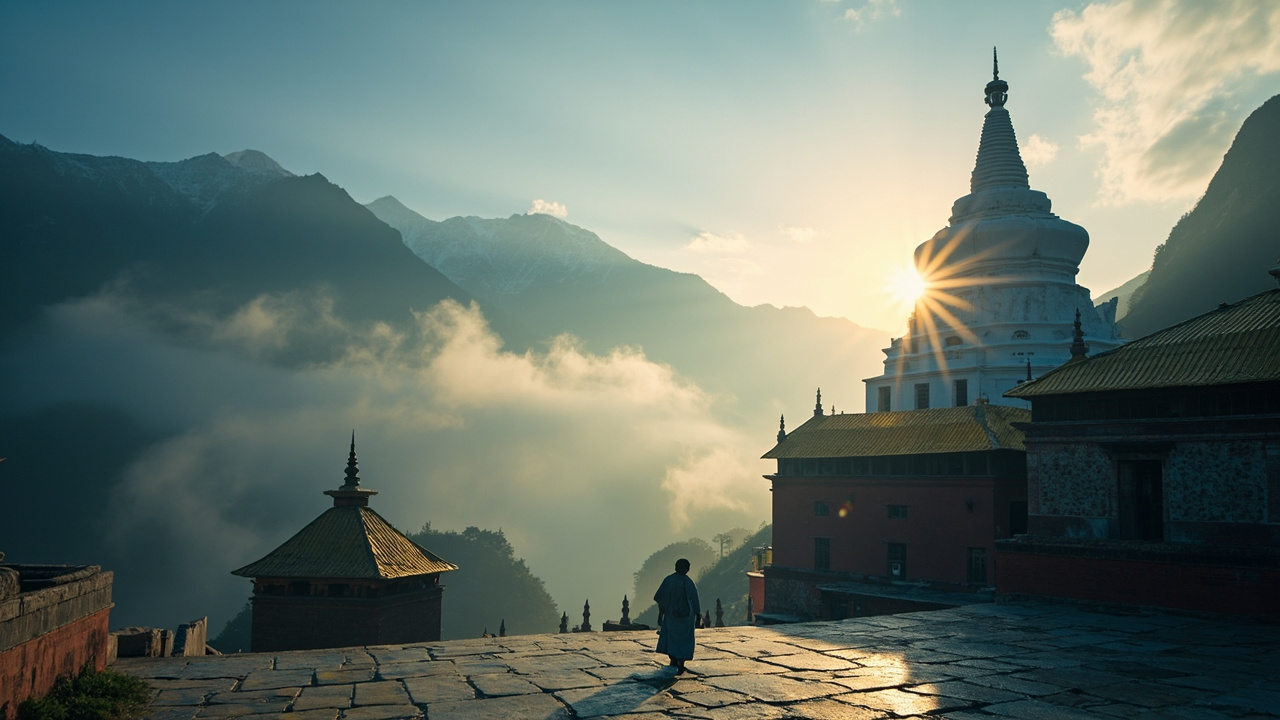
The train from Beijing dropped me off in Wutaishan at an hour when the sky was still the color of a bruise. I stepped out into air that smelled of coal smoke and cold stone, and an old monk in a gray robe was sweeping the platform with a twig broom, moving the dust in slow, deliberate strokes. I stood there with my backpack, watching him for a full minute before he looked up, nodded once, and went back to sweeping. That was my introduction to Mount Wutai, and honestly, it set the tone for everything that followed.
Mount Wutai is one of the four sacred Buddhist mountains in China, the earthly domain of the bodhisattva Manjushri, who represents wisdom. It sits in Shanxi Province, about a four-hour drive from Beijing, and it’s not like the other sacred peaks. Emei is lush and jungly. Putuo is an island. Jiuhua is steep and green. Wutai is high, cold, and austere - a plateau of five flat peaks where the tree line gives up and the temples sit exposed to the wind like stone ships on a frozen sea.
I’ve been to China more times than I can count, and I keep coming back to Wutai. This guide is everything I wish someone had told me before my first trip - the transport details, the temples worth your time, the ones you can skip, and the practical stuff about payments, SIM cards, and getting around a place that doesn’t exactly cater to foreign tourists.
Quick answer
Mount Wutai is a UNESCO-listed Buddhist pilgrimage site in Shanxi Province, China, with over 100 active temples spread across a high-altitude plateau. The best time to visit is May through September, and you should budget 2-3 days and roughly $50-80 (CNY 350-560) per day for entry fees, accommodation, and food. China’s 240-hour visa-free transit policy (as of 2026) covers many nationalities, and the nearest transport hub is the Wutaishan train station, about an hour from the main temple area.
The Short Version
If you only have 90 seconds, here’s the deal: go in summer, not winter, unless you genuinely enjoy -20°C weather. Stay in Taihuai Town, the central village, and base yourself there for all temple visits. The two must-see temples are Tayuan Temple (for the white stupa) and Xiantong Temple (for the sheer scale and history). Skip the cable car to the top of the central peak unless you’re a serious hiker - the views from the plateau are just as good and you’ll save $30. Bring cash, because some smaller temples and all the village shops prefer it, even though WeChat Pay works in the bigger places. And for the love of god, bring layers. The weather changes faster than a Beijing taxi driver’s mood.
How I Picked These
I’ve visited Mount Wutai four times over the past seven years - twice in summer, once in October, and once in a truly punishing February that I still have nightmares about. I walked the plateau between temples, ate in the village noodle shops where the owners eventually stopped trying to give me a menu and just brought me whatever they were having, and I talked to monks, taxi drivers, and the women who sell incense outside the temple gates. I also made plenty of mistakes - missed buses, overpaid for a room, nearly froze my fingers off trying to take photos in a blizzard - so you don’t have to. This list reflects what I’d tell a friend who asked me to plan their first trip.
Comparison Table
| Rank | Place | Best For | Approx Cost (USD) | Time Needed | When to Go |
|---|---|---|---|---|---|
| 1 | Tayuan Temple | Iconic white stupa, best photo spot | $15 (CNY 105) | 1-2 hours | Year-round, morning |
| 2 | Xiantong Temple | History, grand halls, oldest temple | $15 (CNY 105) | 1-2 hours | Year-round, weekday |
| 3 | Pusading Temple | Tibetan Buddhist architecture | $10 (CNY 70) | 1 hour | Year-round, afternoon |
| 4 | Dai Luoding Temple | Stair climb, panoramic views | $10 (CNY 70) | 1-1.5 hours | Summer, early morning |
| 5 | Shuxiang Temple | Manjushri statue, quiet courtyard | $10 (CNY 70) | 45 min | Summer, late afternoon |
| 6 | Jifu Temple | Local life, monks’ daily routine | Free | 30 min | Any time |
| 7 | Yanshan Temple | Cliffside location, fewer crowds | $8 (CNY 56) | 1 hour | Summer, weekday |
| 8 | Bishan Temple | Large complex, vegetarian lunch | $10 (CNY 70) | 1.5 hours | Summer, lunchtime |
| 9 | Nanshan Temple | Stone carvings, peaceful gardens | $10 (CNY 70) | 1 hour | Spring/autumn |
| 10 | The Five Peaks Hike | Full pilgrimage, remote temples | Free (temple fees only) | 3-5 days | June-September |
Tayuan Temple —The White Stupa That Defines the Skyline
The first thing you see when you arrive in Taihuai Town is the white stupa of Tayuan Temple, rising above everything like a giant milk bottle against the gray mountains. I remember standing in the village square on my first visit, jet-lagged and disoriented, and just staring at it for a solid five minutes. It’s that striking. The stupa dates back to the Ming Dynasty, and it holds relics of the Buddha, which is why pilgrims come from all over Asia to circle it clockwise, spinning the prayer wheels as they go.
The temple complex itself is bigger than it looks from the outside. You enter through a modest gate and suddenly you’re in a courtyard with ancient pines, incense smoke curling up toward the stupa, and the sound of monks chanting from a side hall. The main hall has a massive golden Buddha that catches the light in a way that makes you forget you’re in a tourist zone.
Location: Central Taihuai Town, next to Xiantong Temple. Entry fee: $15 (CNY 105). Opening hours: 7:00 AM to 6:00 PM daily, year-round. Getting there: From the Wutaishan train station, take the public bus (CNY 25, about 1 hour) to Taihuai Town. The temple is a 5-minute walk from the central square. When to visit: Go at 7:00 AM when the gates open. The light on the stupa is soft and golden, and you’ll have the place nearly to yourself before the tour groups arrive at 9. Insider tips: Walk clockwise around the stupa at least three times - that’s the traditional practice. Climb the stairs to the upper terrace for a view over the whole town. Don’t bother with the “photo spots” the touts try to sell you; the best angle is from the southeast corner of the courtyard, free of charge. Bring small change for the donation boxes. One thing I remember: A monk in his 70s saw me struggling with my camera tripod and took it from my hands, set it up perfectly, gestured for me to stand in front of the stupa, and took the photo himself. Then he bowed and walked away without saying a word.
Xiantong Temple —The Oldest and Grandest of Them All
If Tayuan is the postcard, Xiantong is the history book. This is the oldest temple on Mount Wutai, founded in the Eastern Han Dynasty around 68 AD, which makes it nearly 2,000 years old. The complex is enormous - seven halls in a row, each one bigger than the last, with bronze statues, ancient calligraphy, and a bell tower that rings out across the town at dawn.
I’ll be honest: the scale can be overwhelming. On my second visit, I walked through all seven halls in under an hour and felt like I’d missed half of it. The trick is to slow down. Sit in the courtyard of the third hall for a while. Watch the pilgrims prostrate themselves in front of the main shrine. Notice how the incense smoke curls around the bronze lions at the entrance.
Location: East side of Taihuai Town, adjacent to Tayuan Temple. Entry fee: $15 (CNY 105). Opening hours: 7:30 AM to 6:00 PM, year-round. Getting there: From the central square, walk east for 3 minutes. You’ll see the large red walls and the ticket booth. When to visit: Weekday mornings are best. The tour groups arrive around 10 AM and it gets crowded fast. Insider tips: The bronze bell in the bell tower is over 1,000 years old and still in use. If you’re lucky, you’ll hear it ring at dawn. The calligraphy in the fourth hall includes works by emperors - look for the Qing Dynasty plaques. Don’t miss the small courtyard behind the last hall; it’s where the monks live and it’s surprisingly quiet. The gift shop sells decent incense, but the prices are double what you’d pay in the village. One thing I remember: I watched a young monk, maybe 19 years old, patiently explaining the history of the temple to a group of elderly pilgrims who clearly knew more about it than he did. He kept his composure, smiled, and let them finish his sentences for him. It was oddly charming.
Pusading Temple —Tibetan Buddhism on a Chinese Mountain
Mount Wutai is unusual because it’s sacred to both Chinese and Tibetan Buddhism, and Pusading Temple is where you see that blend most clearly. The temple sits on a small hill at the north end of town, and from a distance it looks like something you’d find in Lhasa - whitewashed walls, golden roofs, and a distinctly Tibetan architectural style.
The climb up is short but steep, and by the time you reach the top you’ll be breathing hard in the thin mountain air. It’s worth it. The main hall has a collection of Tibetan thangka paintings and a statue of Tsongkhapa, the founder of the Gelug school of Tibetan Buddhism. On festival days, you’ll see Tibetan monks in maroon robes alongside Chinese monks in gray, and the chanting mixes both traditions.
Location: North end of Taihuai Town, on a hill above the main street. Entry fee: $10 (CNY 70). Opening hours: 8:00 AM to 5:30 PM. Getting there: Walk north from the central square for about 10 minutes. The entrance is on the left side of the road, marked by a small ticket booth. When to visit: Late afternoon, when the light turns the white walls golden. The crowds thin out after 4 PM. Insider tips: The temple has a small museum room with relics and ritual objects - ask the attendant to open it if it’s locked. The butter lamps in the main hall are lit by pilgrims who pay a small fee; you can do the same. The view from the top of the temple looks south over the whole town and the surrounding peaks. Bring a jacket even in summer - the wind up here is cold. One thing I remember: A Tibetan pilgrim had walked from Qinghai Province - over 1,000 miles - and was doing full prostrations in front of the main hall. I watched her for 20 minutes, and she never once looked up or acknowledged the tourists taking photos of her. I felt embarrassed for them.
Dai Luoding Temple —The Stairway to the Sky
Dai Luoding is the temple you’ll see in every photo of Mount Wutai - the one with the impossibly long stone staircase leading up to a red-walled complex perched on a hill. It’s 108 steps, which in Buddhism represents the 108 earthly desires you must overcome to reach enlightenment. By the time you get to the top, you’ll feel like you’ve conquered at least a few of them.
The temple itself is relatively small, but it has one of the best views in the entire mountain area. From the top, you can see the whole of Taihuai Town spread out below, the white stupa of Tayuan rising above the rooftops, and the five peaks of Wutai visible on a clear day. The main hall houses a statue of Manjushri with a lion, and the walls are covered in murals that are centuries old.
Location: South edge of Taihuai Town, on a hill above the main road. Entry fee: $10 (CNY 70). Opening hours: 7:00 AM to 6:00 PM. Getting there: Walk south from the central square for about 15 minutes. You’ll see the staircase from the road. When to visit: Early morning, before the tour groups arrive. The light on the red walls is beautiful at sunrise. Insider tips: Count the steps as you climb - it’s a meditation in itself. The small side halls on the landing halfway up are often empty and worth a quick look. If you’re not up for the climb, there’s a road that goes around the back, but you’ll miss the point. The best photo of the staircase is from the bottom, looking up. One thing I remember: I tried to count the steps while climbing and lost track at 47 because a group of chanting pilgrims overtook me and I got distracted. I made it to the top, took a breath, and a woman selling cold drinks handed me a bottle of water without asking for payment. I tried to pay her and she waved me off.
Shuxiang Temple —The Quiet One
Shuxiang Temple is the one I almost skipped, and I’m glad I didn’t. It’s not on the main tourist route, and it doesn’t have the grand scale of Xiantong or the iconic stupa of Tayuan. What it has is a sense of peace that the bigger temples have lost to the crowds.
The temple is dedicated to Manjushri, and the main hall contains a massive statue of the bodhisattva seated on a lion, surrounded by smaller statues of his attendants. The courtyard is shaded by ancient trees, and on a summer afternoon, the only sounds are birds and the occasional clang of a temple bell. It’s the kind of place where you can sit for an hour and not see another tourist.
Location: West side of Taihuai Town, about a 10-minute walk from the central square. Entry fee: $10 (CNY 70). Opening hours: 8:00 AM to 5:00 PM. Getting there: Walk west from the central square, past the small shops and guesthouses, until you see the temple walls. It’s on a side street, so look for the sign. When to visit: Late afternoon, when the light filters through the trees and the courtyard is golden. Insider tips: The side hall on the right has a collection of old Buddhist texts - you can see them through the glass, but the door is usually locked. The small pond in the back courtyard has koi fish that are older than most of the tourists. If you sit quietly for a few minutes, the temple cats will come out - they’re friendly and clearly well-fed by the monks. The vegetarian restaurant next door is simple but excellent. One thing I remember: I sat in the courtyard for an hour, and a monk came out with a tray of tea, poured me a cup without asking, and sat down across from me. We didn’t speak - he didn’t speak English and my Chinese wasn’t good enough for anything beyond pleasantries - but we drank tea together in silence until the sun went down.
Jifu Temple —Where the Monks Actually Live
Jifu Temple isn’t on any tourist map, and that’s exactly why I’m including it. It’s a working temple where the monks live, study, and go about their daily routines. There’s no ticket booth, no gift shop, and no tour groups. You just walk in, and you’re part of the daily life for as long as you care to stay.
The temple is small - a main hall, a few side rooms, and a courtyard where the monks hang their robes to dry. In the morning, you’ll hear them chanting. In the afternoon, you might see them tending the vegetable garden or repairing a wall. It’s not a show. It’s just life.
Location: East of Taihuai Town, about a 15-minute walk from the central square. Entry fee: Free. Opening hours: Dawn to dusk, but be respectful - this is a residence, not a museum. Getting there: Walk east from the central square past Xiantong Temple, then take the small road that heads uphill. You’ll see the temple walls on your left. When to visit: Early morning, when the monks are doing their morning prayers. It’s the most authentic experience you’ll have on the mountain. Insider tips: Don’t take photos of the monks without asking - some are fine with it, some aren’t. The vegetable garden in the back is off-limits, but you can watch from the courtyard. If you see a monk doing something mundane like sweeping or washing dishes, offer to help. It’s a great icebreaker, and they’ll appreciate the gesture. The temple doesn’t have a donation box, so if you want to give something, leave it at the main altar. One thing I remember: I helped a young monk carry a bag of rice from the village market to the temple. He didn’t speak English, but he taught me the Chinese word for “rice” and I taught him the English word for “heavy.” We both laughed, and he invited me to share their lunch - simple noodles and vegetables, eaten in silence around a low table.
Yanshan Temple —The Cliffside Secret
Yanshan Temple is the one that requires the most effort to reach, and it rewards you with the most dramatic setting. It’s built into the side of a cliff, about a 30-minute walk from the main temple area, and the approach is a narrow path that winds up through pine forest before opening onto a view that makes you forget the climb.
The temple itself is small and old, with stone walls that look like they’ve been there since the mountain was formed. The main hall is carved into the rock face, and the altar is lit by a single window that lets in a shaft of light. It feels ancient in a way that the more polished temples don’t.
Location: Southeast of Taihuai Town, in the hills above the main valley. Entry fee: $8 (CNY 56). Opening hours: 8:00 AM to 4:00 PM - it closes early, so plan accordingly. Getting there: From the south end of town, take the road that heads uphill past Dai Luoding Temple. Follow it for about 20 minutes until you see a small sign pointing to Yanshan Temple. The path is steep and uneven, so wear good shoes. When to visit: Weekdays in summer, when the trail is less crowded. The light in the main hall is best between 10 AM and noon. Insider tips: The path can be slippery after rain - go slow. There’s a spring near the temple where the monks get their water; it’s safe to drink and ice cold. The view from the cliff edge is spectacular, but don’t get too close to the edge - there’s no railing. Pack water and snacks; there’s nothing for sale out here. One thing I remember: I got lost on the way back and ended up on a path that led to a small hermitage where an elderly monk lived alone. He offered me tea and showed me his vegetable patch. He had been there for 40 years, he said, and had no intention of leaving.
Bishan Temple —The Big One You Can Skip
I’m including Bishan Temple because it’s on every list of “must-see” temples at Mount Wutai, and I think it’s overrated. It’s the largest temple complex on the mountain, with over 300 rooms, and it was once a major center of Buddhist learning. But it’s also the most commercialized, with gift shops, tour groups, and a constant stream of visitors that makes it feel more like a mall than a monastery.
That said, it does have one thing worth seeing: the vegetarian lunch. The temple runs a restaurant that serves simple, delicious Buddhist cuisine - tofu dishes, seasonal vegetables, and rice - for about $5 (CNY 35). It’s the best meal you’ll have on the mountain, and it’s worth the visit just for that.
Location: North of Taihuai Town, about a 10-minute walk from the center. Entry fee: $10 (CNY 70). Opening hours: 7:30 AM to 6:00 PM. Getting there: Walk north from the central square, past Pusading Temple, and you’ll see the large complex on your right. When to visit: Lunchtime, for the food. The rest of the temple is best avoided during peak hours. Insider tips: The vegetarian restaurant is on the east side of the complex - look for the sign. Get there before noon to beat the tour groups. The main hall has a huge bronze statue of Manjushri that’s worth a quick look. The gardens are pleasant but not remarkable. If you’re short on time, skip this one and spend the extra hour at Shuxiang Temple instead. One thing I remember: I ate lunch at the temple restaurant and ended up sharing a table with a group of monks from a neighboring temple. They were having a lively argument about something, and one of them kept gesturing at his bowl of noodles as if to make a point. I never found out what they were debating, but it was nice to see that monks argue about things too.
Nanshan Temple —The Carved Stone Sanctuary
Nanshan Temple is the one I’d recommend for people who appreciate craftsmanship. The temple is famous for its stone carvings - intricate reliefs that cover the walls, pillars, and even the ground in some places. The carvings depict Buddhist stories, mythical creatures, and scenes from daily life, and they’re so detailed that you could spend hours just looking at them.
The temple is set in a quiet garden with old trees, and the atmosphere is calm and contemplative. It’s not as dramatic as the cliffside temples or as grand as the main complexes, but it has a beauty that grows on you the longer you stay.
Location: South of Taihuai Town, about a 20-minute walk from the center. Entry fee: $10 (CNY 70). Opening hours: 8:00 AM to 5:30 PM. Getting there: Walk south from the central square, past Dai Luoding Temple, and continue for another 10 minutes. The temple is on the right side of the road. When to visit: Spring or autumn, when the weather is mild and the gardens are at their best. Weekdays are quieter. Insider tips: The best carvings are in the main hall and the side courtyard - don’t just walk past them. The stone floor in the main hall is worn smooth by centuries of pilgrims’ feet; it’s a nice reminder of the temple’s age. The garden behind the main hall has a small pond with lotus flowers in summer. There’s a small teahouse near the entrance that serves decent tea for a reasonable price. One thing I remember: I spent an hour photographing the carvings, and when I looked up, an old man was watching me from the doorway of the main hall. He smiled, gestured at my camera, and gave me a thumbs up. Then he disappeared back inside.
The Five Peaks Hike —The Full Pilgrimage
If you have three to five days and you’re in decent shape, the full circuit of the five peaks is the definitive Mount Wutai experience. The five flat-topped peaks - East, West, South, North, and Central - are the reason the mountain is called Wutai, which means “five terraces.” Each peak has a temple at its summit, and the traditional pilgrimage involves visiting all five.
The hike is tough. The peaks are between 2,500 and 3,000 meters above sea level, the terrain is rocky and exposed, and the weather can turn from sunny to snowy in an hour. But it’s also the most rewarding thing you can do here. You’ll see remote temples that tourists never reach, pass through villages where the locals still live by subsistence farming, and experience the mountain the way pilgrims have for centuries.
Location: The five peaks surround Taihuai Town, with the trailhead at the edge of town. Entry fee: Free, but the temples at each peak charge a small entry fee ($5-8, CNY 35-56). Opening hours: The trail is open year-round, but winter hiking is dangerous and not recommended. Getting there: Start from Taihuai Town and follow the trail signs. The full circuit is about 50 kilometers, and most people take 3-5 days. When to visit: June through September, when the weather is most stable. Avoid weekends and Buddhist holidays, when the trail gets crowded with pilgrims. Insider tips: Pack for all seasons - you’ll need sunscreen, rain gear, and a warm layer even in summer. Water is available at the peak temples, but you should carry at least 2 liters. The guesthouses at the peak temples are basic but clean, and they cost about $10-15 (CNY 70-105) per night. Don’t attempt the hike in bad weather - the peaks are exposed and hypothermia is a real risk. Hire a local guide if you’re not confident in your navigation skills. One thing I remember: On the second day of my hike, I stopped at a small temple on the North Peak and the abbot invited me to share his dinner - a simple meal of potatoes and pickled vegetables. He told me he’d been on the peak for 30 years and had only been down the mountain twice. I asked him if he was lonely. He laughed and said, “The mountain is my company.”
FAQ summary
Mount Wutai is a sacred Buddhist mountain in Shanxi Province, China, with over 100 temples, and it’s accessible via the Wutaishan train station, about an hour from the main temple town of Taihuai. The best time to visit is May through September, with summer offering the most stable weather, and visitors should budget $50-80 (CNY 350-560) per day. China’s 240-hour visa-free transit policy covers many nationalities for stays up to 10 days, and WeChat Pay and Alipay are widely accepted in the main tourist areas, though cash is needed for smaller temples and village shops. The two must-see temples are Tayuan Temple and Xiantong Temple, both in central Taihuai Town, and the full five-peak pilgrimage hike takes 3-5 days.
FAQ
Q: Do I need a visa to visit Mount Wutai in 2026? A: Many nationalities are eligible for China’s 240-hour visa-free transit policy, which allows stays of up to 10 days if you’re transiting through a Chinese city to a third country. Check the latest policy with your local Chinese embassy, as the rules change frequently.
Q: How do I get to Mount Wutai from Beijing? A: Take a high-speed train from Beijing West Station to Wutaishan Station (about 3 hours, $40-60 or CNY 280-420). From there, take the public bus to Taihuai Town (about 1 hour, $4 or CNY 25). Alternatively, direct buses run from Beijing to Wutai, but they take 5-6 hours.
Q: How many days should I spend at Mount Wutai? A: Two to three days is enough to see the main temples in Taihuai Town and hike to at least one peak. If you want to do the full five-peak pilgrimage, plan for 3-5 days.
Q: Is English spoken at Mount Wutai? A: Very little. The main ticket offices have some English signage, but most monks, shopkeepers, and taxi drivers speak only Chinese. Download a translation app like Pleco or Google Translate before you go, and learn a few basic phrases like “how much” (duo shao qian) and “thank you” (xie xie).
Q: Do I need cash or is mobile payment enough? A: WeChat Pay and Alipay work at the larger temples, hotels, and restaurants in Taihuai Town. But many smaller temples, village shops, and the public bus only accept cash. Bring about $50 (CNY 350) in cash for incidentals.
Q: What’s the weather like at Mount Wutai? A: It’s high altitude, so it’s cold year-round, especially at night. Summer highs are around 20°C (68°F), but it can drop to near freezing at night. Winter is brutal, with temperatures as low as -20°C (-4°F). Always bring layers, rain gear, and a warm jacket.
Q: Do I need a VPN for my phone in China? A: Yes. Google, Facebook, Instagram, and WhatsApp are blocked in China. Set up a VPN before you arrive, and buy a Chinese SIM card at the airport or in Taihuai Town for data. China Unicom and China Mobile both have coverage at Mount Wutai.
The Honest Wrap-up
Mount Wutai isn’t for everyone. If you want polished museums, English-speaking guides, and seamless infrastructure, go to Xi’an or Beijing instead. But if you’re willing to embrace a little chaos - to point at menus, communicate through translation apps, and walk into temples where nobody speaks your language - you’ll find something rare here. This is a living pilgrimage site, not a theme park. The monks are real, the faith is real, and the mountain has a way of stripping away the noise and leaving you with just the essentials: cold air, stone walls, and the sound of chanting drifting across the valley.
My final advice? Go in summer, stay in a basic guesthouse near the central square, and give yourself at least one full day with no itinerary. Sit in a temple courtyard, drink tea, and watch the pilgrims. That’s the real Mount Wutai, and it’s the one you’ll remember long after you’ve forgotten the ticket prices and the bus schedules.
Topics
More guides you may like
Top 10 Bridges in China
China's bridges are engineering marvels spanning mountains, rivers, and seas. Here are 10 of the most spectacular, from ancient stone to modern steel.
8 min read

Top 10 Buddhist Sites in China
From the Leshan Giant Buddha to the Dunhuang Caves, these 10 Buddhist sites represent 2,000 years of China's spiritual heritage.
9 min read
Top 10 Day Trips from Beijing You Shouldn't Miss
Beijing is packed with history, but some of China's best experiences are just a few hours away. Here are 10 day trips that will transform your visit.
9 min read
Top 10 Hidden Gems in China Off the Beaten Path
Beyond the Great Wall and Terracotta Warriors, China has incredible hidden destinations few tourists ever reach. Here are 10 underrated gems worth the detour.
9 min read
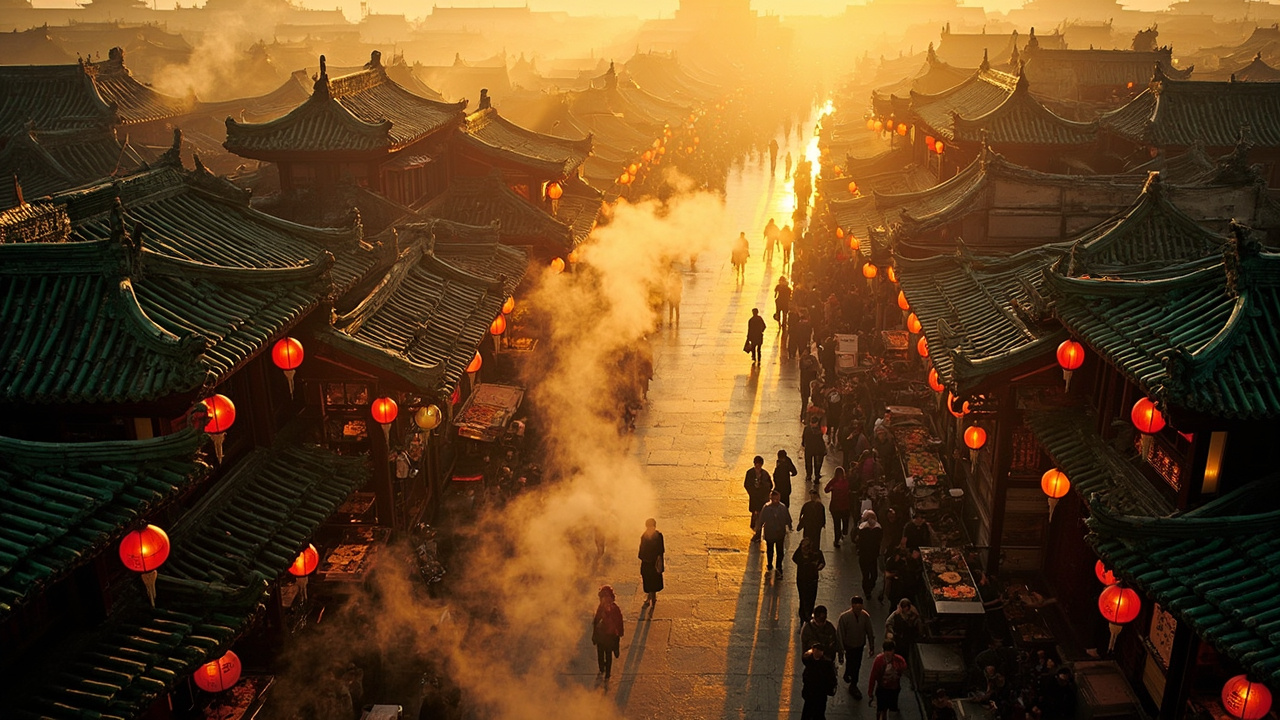
Top 10 Markets and Shopping Streets in China
From Shanghai's Bund to Beijing's Silk Street - 10 markets where foreigners can haggle, explore, and bring home authentic Chinese goods.
9 min read
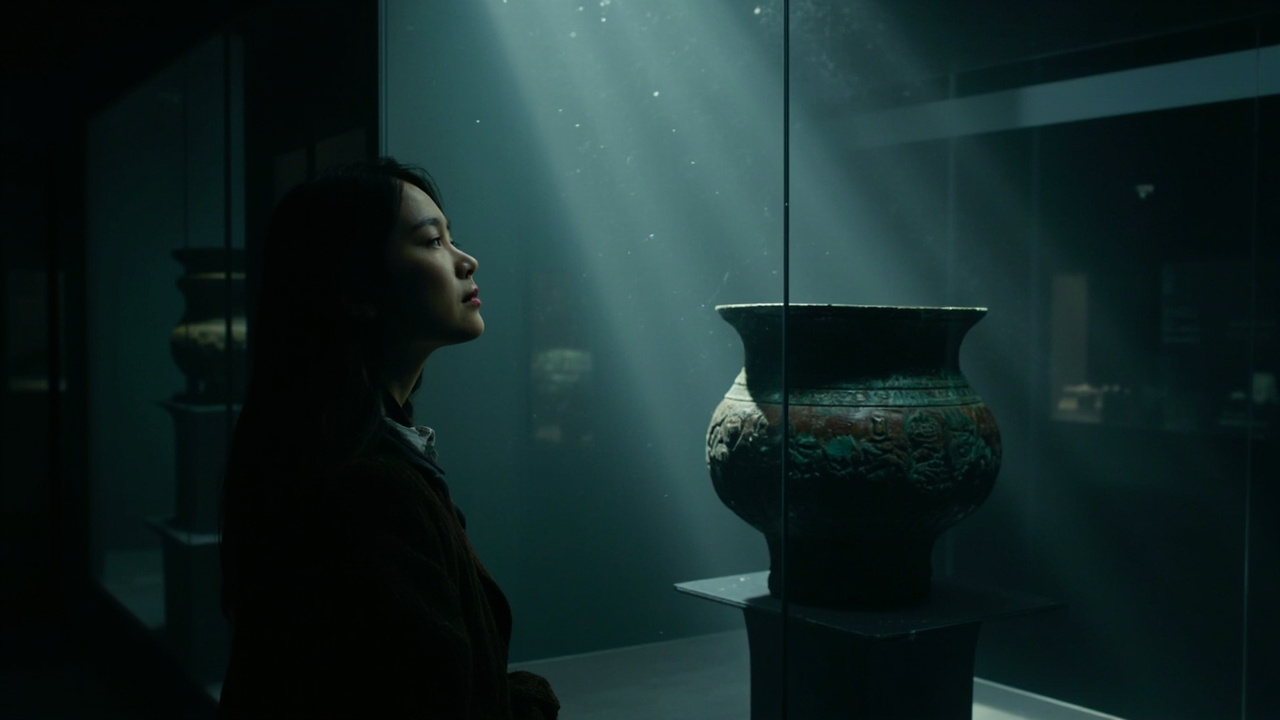
Top 10 Museums in China You Shouldn't Miss
China's museums span 5,000 years of civilization. These 10 - from the Palace Museum to Xi'an's terracotta gallery - are unmissable for culture lovers.
9 min read