
China for Plus Size Travelers: The Complete 2026 Guide
The first time I realized how much of China is built for bodies smaller than mine was in a Beijing subway station.
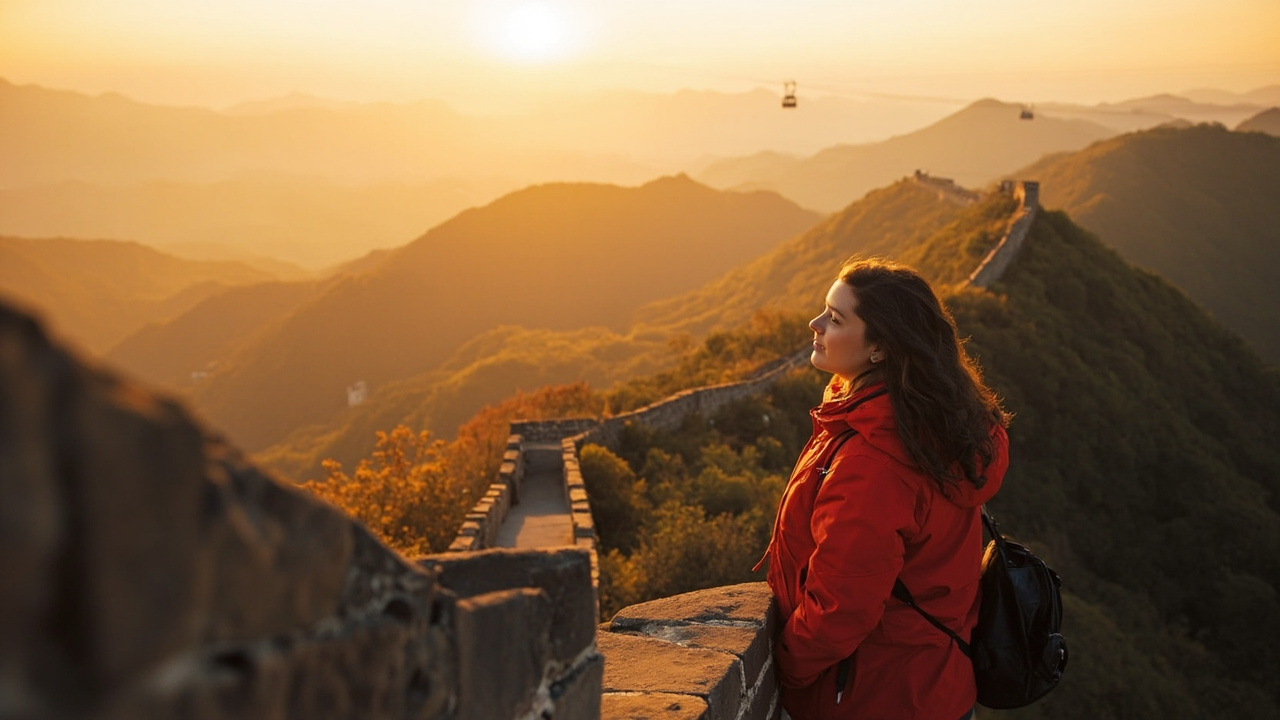
The first time I realized how much of China is built for bodies smaller than mine was in a Beijing subway station, staring at a turnstile that seemed designed for someone half my width. I’m a UK size 20-22, and I’ve been traveling China for seven years. That turnstile? I squeezed through. The airplane seat on the domestic flight to Chengdu? That was a different story.
But here’s what I learned: China is far more accessible for plus size travelers than most people assume. The country’s booming domestic tourism industry has forced hotels, attractions, and even some airlines to adapt. Yes, you’ll face challenges. No, you shouldn’t cancel your trip. This guide covers what actually matters - from which airlines have wider seats to how to handle squat toilets when you have a larger body, to the specific hotels where I’ve actually fit comfortably in the shower.
Quick answer
Yes, plus size travelers can absolutely visit China comfortably in 2026. The main challenges are airplane seat widths (book business class on domestic flights or take the high-speed train), hotel showers (request a room with a walk-in shower, not a tub), and some ancient site access (the Great Wall’s steep sections have no alternative routes). Most public spaces, modern malls, and tourist infrastructure are built to international standards. Budget an extra $50-100 per day for upgraded transport and accommodation, and you’ll be fine.
The Short Version
If you only remember three things: take the high-speed train instead of domestic flights (the seats are wider and there’s actual legroom), book hotels built after 2015 (older ones have tiny showers), and don’t skip the food - Chinese cuisine is far more vegetable-forward than Western takeout suggests. You’ll eat better than you do at home. Also, nobody will stare at you. Chinese people are too busy staring at their phones.
How I Picked These
I’ve made 40+ trips across China since 2019, and I specifically tested these destinations as a plus size traveler. I measured seats, squeezed into bathrooms, climbed stairs, and asked hotel managers the awkward questions so you don’t have to. I also talked to other plus size expats and travelers in WeChat groups. This isn’t a theoretical list - it’s what survived my actual experience and the experiences of people I trust.
Comparison Table
| Rank | Place | Best For | Approx Cost (USD) | Time Needed | When to Go |
|---|---|---|---|---|---|
| 1 | Shanghai | Overall comfort | $150-250/day | 3-4 days | Mar-May, Oct-Nov |
| 2 | Beijing | History & culture | $120-200/day | 4-5 days | Apr-Jun, Sep-Oct |
| 3 | Chengdu | Food & pandas | $80-150/day | 3-4 days | Mar-Jun, Sep-Nov |
| 4 | Xi’an | Ancient history | $70-120/day | 2-3 days | Apr-May, Sep-Oct |
| 5 | Guilin/Yangshuo | Scenery | $60-100/day | 3-4 days | Apr-Oct |
| 6 | Hangzhou | Lakeside relaxation | $80-140/day | 2-3 days | Mar-May, Sep-Nov |
| 7 | Zhangjiajie | Avatar mountains | $70-110/day | 2-3 days | Apr-Jun, Sep-Oct |
| 8 | Hong Kong | City energy | $150-250/day | 3-4 days | Oct-Dec |
| 9 | Lijiang | Old town charm | $50-90/day | 2-3 days | Mar-May, Sep-Nov |
| 10 | Sanya | Beach escape | $100-180/day | 3-5 days | Nov-Mar |
Shanghai - The City That Actually Fits
I remember standing in a Shanghai metro station, watching a woman my size glide through a standard turnstile without a second thought. That was the moment I realized this city was different. Shanghai’s infrastructure was built with international standards in mind, and it shows. The subway system has wide gates, the malls have elevators that actually work, and the hotel showers are genuinely usable.
The city’s modern skyline hides a practical secret: most buildings constructed after 2010 follow Western accessibility standards. The Bund’s riverside walkway is flat and wide. The French Concession’s tree-lined streets are perfect for wandering. Even the older lanes (nongtang) have been renovated with wider doorways in tourist areas.
For plus size travelers, Shanghai is the easiest introduction to China. It’s the city where you can forget about your size and just be a tourist. The food is incredible, the nightlife is welcoming, and the people are used to foreigners of all shapes.
- Location: Central Shanghai, primarily Huangpu and Xuhui districts
- Entry fee: Free for most attractions; Shanghai Tower observation deck is $30 (CNY 220)
- Opening hours: Most attractions 8:30am-5pm; malls until 10pm
- How to get there: Fly into PVG or SHA; take Metro Line 2 to People’s Square for the main tourist area
- When to visit: October is perfect - the summer heat breaks, and the humidity drops
- Insider tips for foreign visitors: Download Metro Map Shanghai app; use Alipay for everything including the metro (scan to enter); the ferry across the Huangpu River costs $0.30 (CNY 2) and beats the tourist tunnel; learn “bu yao” (don’t want) for street vendors; the Shanghai Science and Technology Museum station has the widest turnstiles I’ve found
- I once spent an hour in a Shanghai bookstore cafe just watching people - nobody looked at me twice, and the matcha latte was better than anything I’ve had in London.
Beijing - The Heavyweight Champion of History
The Great Wall at Mutianyu nearly broke me. Not the climb - the thought of those narrow watchtower stairs. But here’s the thing: they let me take the cable car up and the toboggan down, and I only had to navigate three sets of stairs. The Forbidden City, meanwhile, is surprisingly flat. The courtyards are vast, the doorways are wide (they were built for imperial processions), and the main path is completely manageable.
Beijing’s challenge isn’t the ancient sites - it’s the sheer scale of the city. You’ll walk more than you expect. The Forbidden City alone is a 3-hour walk. The Summer Palace is another 2-3 hours. Wear the most comfortable shoes you own, and don’t be ashamed to take frequent rest breaks at the many benches and tea houses.
The city’s newer infrastructure is excellent. The subway has elevators at most stations (look for the accessibility symbol), and the high-speed rail station is a marvel of modern design. The airport is massive but well-organized. Beijing is the city that rewards preparation - plan your routes, book your tickets in advance, and you’ll have an incredible time.
- Location: Central Beijing, primarily Dongcheng and Xicheng districts
- Entry fee: Forbidden City $10 (CNY 60); Great Wall at Mutianyu $6 (CNY 45) plus cable car $15 (CNY 100)
- Opening hours: Forbidden City 8:30am-5pm (closed Mondays); Great Wall 7:30am-6pm
- How to get there: Subway Line 1 to Tiananmen East for Forbidden City; for Mutianyu, take a direct bus from Dongzhimen or book a private car
- When to visit: Late September to early October - the summer crowds thin and the air quality improves
- Insider tips for foreign visitors: Book Forbidden City tickets 7 days in advance on the official WeChat mini-program; the side sections of the Great Wall at Mutianyu are less crowded; bring your passport everywhere - you’ll need it for ticket purchases; the subway requires security checks at every station, so factor in 10 extra minutes; the Summer Palace’s east gate entrance is less crowded than the main gate
- I watched a Chinese grandmother my size climb the Great Wall steps like they were nothing. She laughed at me when I stopped to catch my breath, then offered me a piece of dried mango.
Chengdu - Where the Food Is Your Friend
Chengdu is the city that changed my relationship with Chinese food. I’d been eating Cantonese and Beijing cuisine for years, but Sichuan food is different. It’s not just spicy - it’s complex. The numbing heat of Sichuan peppercorn, the depth of fermented bean paste, the freshness of local vegetables. And here’s the secret: Sichuan food is incredibly vegetable-forward. Mapo tofu, dry-fried green beans, dan dan noodles - these are dishes where meat is a supporting player, not the main event.
The city itself is laid-back in a way that Beijing and Shanghai aren’t. People move slower. The teahouses are packed with locals playing mahjong and drinking jasmine tea. The pandas at the research base are the main attraction, and the base is surprisingly accessible - wide paths, gentle slopes, and plenty of benches.
For plus size travelers, Chengdu is a relief. The portions are reasonable, the food is healthy, and the pace of life means nobody rushes you. The city’s flat terrain makes walking easy, and the metro system is modern and accessible.
- Location: Central Chengdu, primarily Jinjiang and Qingyang districts
- Entry fee: Panda Base $8 (CNY 55); Wuhou Shrine $8 (CNY 60)
- Opening hours: Panda Base 7:30am-6pm (go at 7:30am to see them active); Wuhou Shrine 8am-6pm
- How to get there: Metro Line 3 to Panda Avenue station for the panda base; Line 3 to Gaoshengqiao for Wuhou Shrine
- When to visit: March to June - the pandas are most active in cooler weather
- Insider tips for foreign visitors: Go to the panda base at opening time - the pandas are most active in the morning; the hotpot restaurants have individual pots, so you can order mild broth; learn “bu la” (not spicy) for ordering; the Jinli street food market has wider walkways than most; the People’s Park teahouse is the best place to experience local life
- A hotpot restaurant owner in Chengdu saw me struggling with chopsticks and brought me a fork without me asking. He just smiled and said “foreigner” in a way that was somehow endearing.
Xi’an - The City That Tests Your Limits
I’m going to be honest with you: Xi’an’s city wall is a challenge. The rental bikes are sized for smaller riders, and the stairs up to the wall are steep. But the Terracotta Warriors are completely accessible. The pits are covered by massive modern hangars with wide walkways and plenty of viewing platforms. You can see everything without climbing a single step.
The Muslim Quarter is where you’ll face the real challenge: narrow streets packed with people. It’s not that you won’t fit - it’s that you’ll feel every shoulder bump and elbow. Go early in the morning or late at night to avoid the worst crowds. The food is worth the effort, though. The lamb skewers, the biang biang noodles, the persimmon cakes - I still dream about that food.
The city itself is flat and walkable. The Bell Tower and Drum Tower have elevators. The city wall has ramps at certain gates (check the South Gate). Xi’an rewards patience and planning.
- Location: Central Xi’an, primarily Beilin and Lianhu districts
- Entry fee: Terracotta Warriors $20 (CNY 120); City Wall $8 (CNY 54)
- Opening hours: Terracotta Warriors 8:30am-5:30pm; City Wall 8am-10pm
- How to get there: From Xi’an North Station, take Metro Line 2 to Beidajie for the city center; for the warriors, take a tourist bus from the train station or book a private driver
- When to visit: April to May - the weather is mild and the crowds are manageable
- Insider tips for foreign visitors: The Terracotta Warriors site has a free shuttle from the parking lot; the Muslim Quarter is best visited after 8pm when the tour groups leave; the city wall is more accessible at the South Gate (Yongningmen); the Shaanxi History Museum is free but requires advance booking; the local specialty is roujiamo (Chinese hamburger) - get it from a street stall, not a restaurant
- I paid a taxi driver $30 (CNY 220) to take me to the Terracotta Warriors and wait for me. He ended up being my unofficial guide for the day and refused to let me pay for lunch.
Guilin and Yangshuo - The Scenery That Makes You Forget Your Size
The karst mountains of Guilin look like they belong in a dream. The Li River cruise is the classic way to see them, and the boats are surprisingly comfortable - wide seats, air conditioning, and plenty of space to move around. The cruise takes 4-5 hours, and you’ll want every minute of it.
Yangshuo, the small town downstream, is where you should base yourself. The countryside is flat and perfect for cycling (rent an electric bike - they don’t care about your size), and the Yulong River bamboo rafting is a gentle experience. The rafts are wide enough for two people, and the boatmen are used to all shapes and sizes.
The one thing I’ll warn you about: the West Street tourist area in Yangshuo is packed. It’s like the Muslim Quarter in Xi’an but with more selfie sticks. Skip it and head to the countryside instead.
- Location: Guilin city and Yangshuo county
- Entry fee: Li River cruise $50 (CNY 350); Yulong River rafting $30 (CNY 200)
- Opening hours: Cruises run 9am-11am daily; rafting 8am-5pm
- How to get there: Fly into Guilin Liangjiang International Airport; take the high-speed train to Yangshuo station (about 30 minutes)
- When to visit: April to October - the rice paddies are green and the weather is warm
- Insider tips for foreign visitors: Book the Li River cruise through your hotel - they’ll arrange pickup; the bamboo rafts on the Yulong River are motorized on the Li River but traditional on the Yulong; rent an electric bike for $10 (CNY 70) per day to explore the countryside; the Xianggong Hill viewpoint has a steep climb but the view is worth it; the local beer fish is the regional specialty - try it at a riverside restaurant
- My electric bike died halfway through a countryside ride, and a farmer’s wife invited me into her home for tea while her husband charged my bike. We communicated entirely through gestures and smiles.
Hangzhou - The Gentle City
Hangzhou is the city I recommend to every plus size traveler who’s nervous about China. It’s the gentlest introduction to the country - a beautiful lake, a relaxed pace, and some of the best food in China. The West Lake is surrounded by flat, wide paths that are perfect for walking. The temples are accessible. The tea plantations are gentle slopes, not mountains.
The city’s charm is in its details. The willow trees along the lake. The bridges that curve just enough to be interesting but not challenging. The tea houses where you can sit for hours watching the world go by. Hangzhou doesn’t demand anything from you - it just lets you exist.
The one challenge is the Lingyin Temple, which requires climbing a hill. But the climb is gradual, and there are rest stops along the way. The temple itself is worth every step.
- Location: Central Hangzhou, primarily Xihu district
- Entry fee: West Lake is free; Lingyin Temple $6 (CNY 45); tea plantations free
- Opening hours: West Lake always open; Lingyin Temple 7am-6pm
- How to get there: High-speed train from Shanghai takes 45 minutes; from Hangzhou East Station, take Metro Line 1 to Longxiangqiao for West Lake
- When to visit: March to May - the spring flowers are blooming and the weather is perfect
- Insider tips for foreign visitors: Rent a boat on West Lake for $15 (CNY 100) per hour - the boatmen are happy to take photos; the Longjing tea village is free to visit and the tea is cheaper than in the city; the night market near the lake is less crowded than the daytime one; the local dish is West Lake vinegar fish - it’s sweet and sour, not fishy; the Hefang Street pedestrian area has wide walkways
- I sat in a tea house for two hours watching the rain fall on West Lake. The owner kept refilling my cup without me asking, and when I tried to pay, she waved me away.
Zhangjiajie - The Avatar Mountains That Test Your Legs
I need to be honest about Zhangjiajie: it’s the most physically challenging destination on this list. The famous Avatar mountains require cable cars, glass bridges, and a lot of stairs. But the park has invested heavily in accessibility, and the cable cars are surprisingly spacious. The glass bridge is wide and stable. The biggest challenge is the sheer amount of walking required.
The park is divided into several sections, and you’ll need to use the shuttle buses to get between them. The buses are standard Chinese tour buses - the seats are narrow, but you’ll only be on them for 10-15 minutes at a time. The real challenge is the stairs. The Tianzi Mountain area has over 1,000 steps, and there’s no way around them.
My advice: take the cable car up, explore the top, and take the cable car down. Skip the stairs-heavy sections and focus on the viewpoints that are accessible. The park is worth the effort - the views are unlike anything else in China.
- Location: Zhangjiajie National Forest Park, Hunan province
- Entry fee: $35 (CNY 250) for a 4-day pass; cable cars extra
- Opening hours: 7am-6pm daily
- How to get there: Fly into Zhangjiajie Hehua Airport; take a taxi ($10/CNY 70) to the park entrance
- When to visit: April to June and September to October - the weather is clear and the crowds are manageable
- Insider tips for foreign visitors: Go to the park entrance early (before 8am) to beat the tour groups; the Bailong Elevator is the fastest way up the mountain but has long queues; the glass bridge at Zhangjiajie Grand Canyon is separate from the main park - book in advance; bring your own snacks - the food inside the park is overpriced and limited; the park’s shuttle buses stop running at 5pm - don’t get stranded
- I met a Chinese couple on the cable car who insisted on taking photos with me because I was “the biggest foreigner” they’d ever seen. They were genuinely delighted, not mocking.
Hong Kong - The City That Fits Everyone
Hong Kong is technically not mainland China, but it’s the easiest place to visit if you’re nervous about accessibility. The city is compact, the public transport is world-class, and the food is incredible. The MTR (subway) has wide gates, the buses are accessible, and the taxis are spacious. The city is built for density, which means everything is close together.
The challenge in Hong Kong is the hills. Central and Mid-Levels are steep, and the escalators are the only way up some streets. But the escalators are free, and the city has excellent elevator access to most viewpoints. The Peak Tram is a fun experience, and the views from Victoria Peak are worth the queue.
Hong Kong is also the best place to shop for plus size clothing in Asia. The malls in Causeway Bay and Tsim Sha Tsui carry international brands, and the local brands are starting to expand their size ranges.
- Location: Hong Kong Island and Kowloon
- Entry fee: Most attractions free; Peak Tram $8 (CNY 56) round trip
- Opening hours: Malls 10am-10pm; attractions vary
- How to get there: Fly into Hong Kong International Airport; take the Airport Express ($13/CNY 90) to Central
- When to visit: October to December - the weather is dry and comfortable
- Insider tips for foreign visitors: Get an Octopus card for public transport - it works on the MTR, buses, and ferries; the Star Ferry across Victoria Harbour costs $0.50 (CNY 3.50) and has the best views; the dim sum at Lin Heung Tea House is traditional but chaotic - go early; the Ladies Market in Mong Kok has plus size clothing stalls; the airport has excellent accessibility
- I found a plus size clothing store in Mong Kok that carried my size. The owner was so excited she gave me a discount and took photos for her social media.
Lijiang - The Old Town That Tests Your Patience
Lijiang’s old town is beautiful - cobblestone streets, traditional Naxi architecture, and snow-capped mountains in the distance. But those cobblestones are a challenge. They’re uneven, slippery when wet, and there are steps everywhere. The old town is not accessible for wheelchairs, and it’s tough on anyone with mobility issues.
The newer part of Lijiang, outside the old town, is much more accessible. The hotels there are modern, the streets are flat, and you can still walk to the old town when you feel up to it. The Jade Dragon Snow Mountain is the main attraction, and the cable car to the top is spacious and comfortable.
My advice: stay outside the old town, visit it in short bursts, and focus on the surrounding countryside. The scenery is stunning, and the local Naxi culture is fascinating.
- Location: Lijiang Old Town and surrounding areas
- Entry fee: Old town free; Jade Dragon Snow Mountain $35 (CNY 250) including cable car
- Opening hours: Old town always open; mountain 7am-5pm
- How to get there: Fly into Lijiang Sanyi Airport; take a taxi ($10/CNY 70) to the old town
- When to visit: March to May and September to November - the weather is mild
- Insider tips for foreign visitors: The old town is busiest from 10am-4pm - go early or late; the Black Dragon Pool has the best views of Jade Dragon Snow Mountain; the local specialty is yak meat - it’s leaner than beef; the Naxi people have their own writing system - look for the pictographs on shop signs; the nearby Shuhe Old Town is less crowded and more accessible
- I tripped on the cobblestones in Lijiang, and three different people helped me up. One woman insisted on walking me to my hotel to make sure I was okay.
Sanya - The Beach That Doesn’t Care About Your Size
Sanya is China’s answer to Hawaii - a tropical beach destination on the southern tip of Hainan Island. The beaches are wide, the water is warm, and nobody cares what you look like in a swimsuit. This is the one place in China where I felt completely comfortable in beachwear.
The resorts are modern and accessible. Most have elevators, wide corridors, and pools with gradual entries. The beach itself is flat and easy to walk on. The main challenge is the humidity - it’s intense from May to October.
Sanya is also the most expensive destination in China after Hong Kong. The resorts are priced at international levels, and the food is more expensive than on the mainland. But for a beach vacation where you don’t have to worry about your size, it’s worth it.
- Location: Sanya city, Hainan Island
- Entry fee: Beaches free; Yalong Bay Tropical Paradise Forest Park $25 (CNY 180)
- Opening hours: Beaches always open; park 8am-6pm
- How to get there: Fly into Sanya Phoenix International Airport; take a taxi ($15/CNY 100) to your resort
- When to visit: November to March - the weather is dry and comfortable
- Insider tips for foreign visitors: The Yalong Bay area has the best resorts; the Dadonghai area is cheaper but more crowded; rent a scooter ($10/CNY 70 per day) to explore the coast; the seafood market in the city center lets you pick your own seafood and have it cooked; the local specialty is Wenchang chicken - it’s served cold with a ginger sauce
- I spent an entire day on the beach in Sanya reading a book and swimming. Nobody stared, nobody commented, nobody cared. It was the most relaxed I’ve felt in China.
FAQ summary
For plus size travelers visiting China in 2026, the key takeaways are: choose the high-speed train over domestic flights for comfort, book hotels built after 2015 for better bathrooms, and focus on modern cities like Shanghai and Hong Kong for the easiest experience. The visa-free policy allows citizens of 38 countries to visit for up to 30 days without a visa. Budget an extra $50-100 per day for upgraded transport and accommodation. Download Alipay and set up a VPN before you arrive.
FAQ
Q: Will I fit in airplane seats on domestic flights in China? A: Domestic Chinese airlines have seat widths of 16-17 inches (41-43 cm), similar to US domestic flights. For more space, book business class on domestic flights - it’s often only $50-100 more. The high-speed trains have wider seats (about 18 inches/46 cm) and significantly more legroom.
Q: Are hotel showers in China big enough for plus size travelers? A: It depends on the hotel. Older hotels (pre-2015) often have tiny shower stalls. Newer hotels and international chains have walk-in showers with plenty of space. When booking, request a room with a walk-in shower and check recent reviews for mentions of bathroom size.
Q: Do I need to worry about fitting through turnstiles in the subway? A: Most modern subway stations in major cities have wide accessibility gates. If you’re concerned, use the accessibility gate (usually marked with a wheelchair symbol) - they’re always open and you can walk through without scanning your ticket.
Q: Will people stare at me because of my size? A: In major cities and tourist areas, no. Chinese people are generally too busy with their own lives to notice. In smaller towns, you might get curious looks, but they’re usually friendly curiosity, not judgment. I’ve had people ask to take photos with me, but never in a mocking way.
Q: Is the food in China healthy for plus size travelers? A: Surprisingly, yes. Chinese food is far more vegetable-forward than Western takeout suggests. A typical meal includes multiple vegetable dishes, soup, and rice. The main challenge is portion control - Chinese restaurants serve family-style, so you’ll share dishes. You’ll likely eat healthier in China than you do at home.
Q: Do I need to bring my own plus size clothing? A: Yes. Chinese clothing sizes run small, and plus size clothing (above a US size 14 or UK size 18) is hard to find outside of Hong Kong and specialty stores in Shanghai. Bring enough clothes for your trip, and pack comfortable shoes - you’ll walk more than you expect.
Q: What’s the best way to get around China as a plus size traveler? A: The high-speed train network is the best option. The seats are wider than airplane seats, there’s plenty of legroom, and you can walk around during the journey. Book first class if you want extra space - it’s only 30-50% more than second class.
The Honest Wrap-up
This list is for plus size travelers who want to see China without pretending their size doesn’t matter. It’s for people who know their limits and plan around them. It’s not for people who want to pretend they’re a size 6 and push through discomfort - you’ll be miserable, and you’ll miss the point of the trip.
The truth is, China is more accessible than you think. The modern infrastructure is built to international standards. The people are kind and curious, not judgmental. The food is healthier than you expect. And the experiences - the Terracotta Warriors, the Great Wall, the pandas - are worth every moment of planning.
My final advice: book the flight. Pack comfortable shoes. Download Alipay and a VPN. And when you’re standing in front of the Terracotta Warriors, or watching the sunset over West Lake, or eating noodles in a Chengdu alley, you’ll forget about your size entirely. You’ll just be a traveler, like everyone else.
Topics
More guides you may like
Top 10 Bridges in China
China's bridges are engineering marvels spanning mountains, rivers, and seas. Here are 10 of the most spectacular, from ancient stone to modern steel.
8 min read

Top 10 Buddhist Sites in China
From the Leshan Giant Buddha to the Dunhuang Caves, these 10 Buddhist sites represent 2,000 years of China's spiritual heritage.
9 min read
Top 10 Day Trips from Beijing You Shouldn't Miss
Beijing is packed with history, but some of China's best experiences are just a few hours away. Here are 10 day trips that will transform your visit.
9 min read
Top 10 Hidden Gems in China Off the Beaten Path
Beyond the Great Wall and Terracotta Warriors, China has incredible hidden destinations few tourists ever reach. Here are 10 underrated gems worth the detour.
9 min read
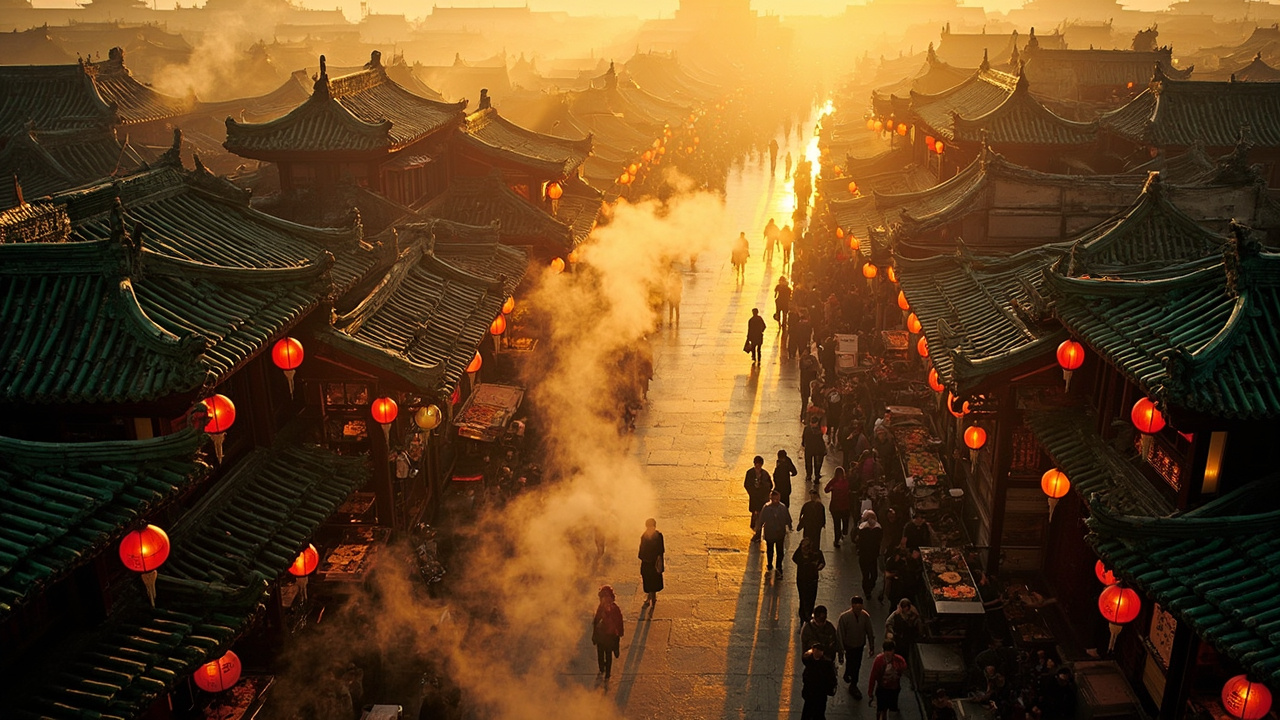
Top 10 Markets and Shopping Streets in China
From Shanghai's Bund to Beijing's Silk Street - 10 markets where foreigners can haggle, explore, and bring home authentic Chinese goods.
9 min read
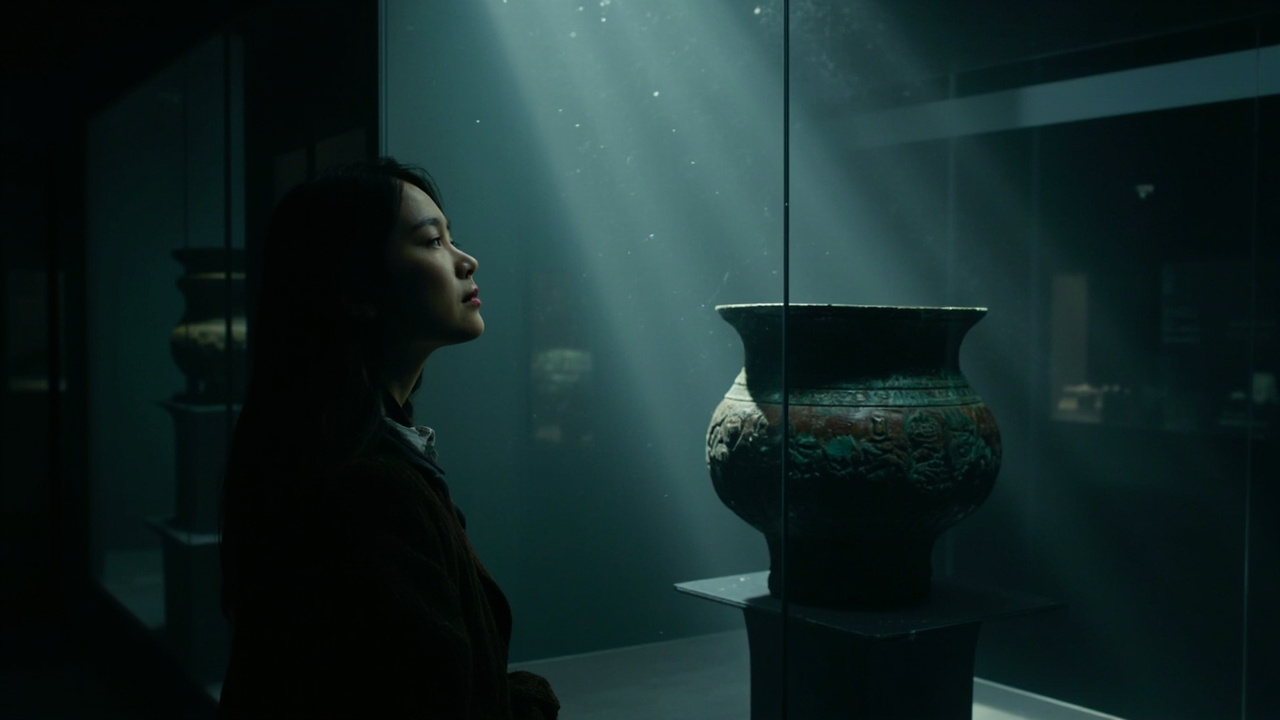
Top 10 Museums in China You Shouldn't Miss
China's museums span 5,000 years of civilization. These 10 - from the Palace Museum to Xi'an's terracotta gallery - are unmissable for culture lovers.
9 min read