
Pamir Plateau Tashkurgan: The Complete 2026 Guide
The taxi dropped me at the edge of Tashkurgan just as the last light left the mountains. The air was thin and cold.
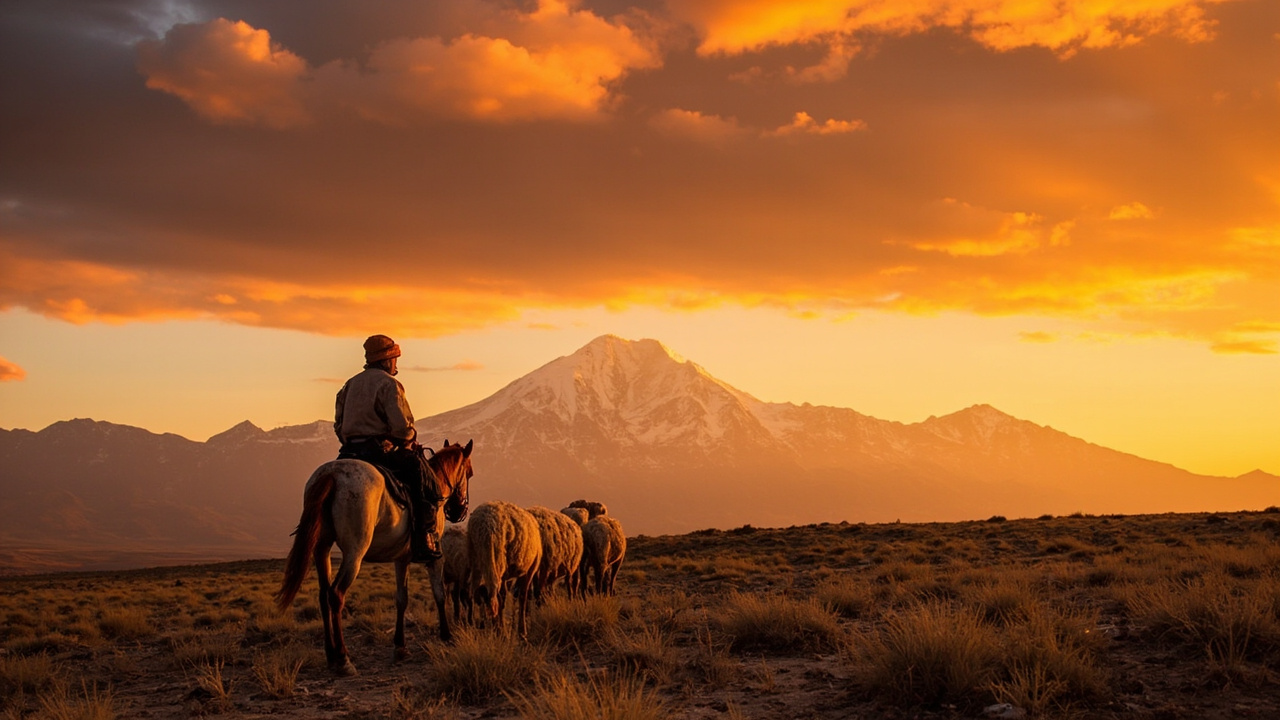
The taxi dropped me at the edge of Tashkurgan just as the last light left the mountains. The air was thin and cold, and the only sound was the wind moving through the poplar trees that line the main road. A few Uyghur men in fur hats stood outside a tea house, and a donkey cart loaded with hay clip-clopped past a billboard advertising a mobile phone brand. I had come across the Karakoram Highway from Kashgar, and I remember thinking: I am a very long way from anywhere I have ever been. And that was exactly the point.
Tashkurgan is the last stop before the Khunjerab Pass, the border crossing into Pakistan. It sits at 3,100 meters (10,200 feet) in the Pamir Plateau, a region the Chinese call the “Roof of the World.” This is where the Himalayas, the Karakoram, the Kunlun, and the Pamir ranges all collide, and the landscape feels like it was made on a scale too large for human comfort. The town itself is small, but it is the gateway to some of the most dramatic scenery in China, and it is home to the Tajik people, an ethnic group with blue eyes and red cheeks who have lived here for centuries.
This guide covers the ten places I think matter most in and around Tashkurgan, from the stone ruins of an ancient kingdom to a glacier you can walk right up to. I have been here three times, most recently in late summer 2025, and I have made plenty of mistakes so you do not have to. You will get specific directions, honest opinions, and the kind of practical details that are hard to find in English anywhere else.
Quick answer
Tashkurgan is a high-altitude town in far western Xinjiang, China, on the border with Pakistan. Foreign tourists can visit with a valid Chinese visa and a Xinjiang travel permit, which your hotel or tour agency can arrange; the best time to go is June through September, and the town is typically reached by a 5-6 hour drive from Kashgar along the Karakoram Highway. Budget around $50-80 (CNY 360-580) per day for a basic trip, not including transport to Kashgar.
The Short Version
If you only have 90 seconds, here is what matters. Tashkurgan is not a place you stumble upon. It is a deliberate detour, and it rewards people who plan. The town itself is a one-street affair, but the surrounding plateau is the real draw: the Karakoram Highway, the Stone Fortress, the white peaks of Muztagh Ata, and a lake that changes color with the clouds. You need a permit, you need warm clothes even in July, and you need to be comfortable with long drives. If that sounds good, go. If you want comfort and convenience, stay in Kashgar.
How I Picked These
I have driven the Karakoram Highway from Kashgar to the Khunjerab Pass three times, in 2019, 2023, and 2025. I have stayed in Tashkurgan for a total of nine nights, eaten in the same Uyghur restaurant more times than I can count, and walked the main road at dawn, noon, and midnight. I have also made the classic mistakes: arriving without a permit, underestimating the altitude, and trying to see everything in one day. The places below are the ones I would go back to, and the ones I would tell a friend to prioritize. I have skipped a few tourist spots that I think are overrated, and I say so honestly.
Comparison Table
| Rank | Place | Best For | Approx Cost (USD) | Time Needed | When to Go |
|---|---|---|---|---|---|
| 1 | Karakoram Highway | The drive itself | Free (fuel/taxi shared) | Full day | May-Oct |
| 2 | Stone Fortress (Tashkurgan) | History, sunset views | $4 (CNY 30) | 1-2 hours | Apr-Oct |
| 3 | Muztagh Ata Base Camp | Glacier, mountain views | Free (permit needed) | Half day | Jun-Sep |
| 4 | Karakul Lake | Scenery, yurt stays | Free (site fee $3/CNY 20) | Half day | Jun-Sep |
| 5 | Khunjerab Pass | Border, high altitude | Free | Half day | May-Oct |
| 6 | Tajik Village Homestay | Culture, food | $20-30/night (CNY 140-220) | Overnight | Jun-Sep |
| 7 | Pamir Plateau Grasslands | Hiking, emptiness | Free | Half day | Jun-Aug |
| 8 | White Sand Lake | Photography | Free | 1-2 hours | Jun-Sep |
| 9 | Tashkurgan Town Market | Local life | Free | 1 hour | Any |
| 10 | Old Town Ruins | Solitude, history | Free | 1-2 hours | Apr-Oct |
Karakoram Highway —The Road That Makes Everything Else Possible
I remember the moment the driver stopped the car and pointed. We had been climbing for two hours, and the valley had opened up into a wide, wind-scoured plain. In the distance, a line of white peaks stretched across the horizon, and I could not tell where the mountains ended and the sky began. The driver said something in Uyghur, and the only word I caught was “Pakistan.” We were still hours from the border, but the scale of the place had already done its work.
The Karakoram Highway (KKH) is the main reason to come to this part of China. It runs from Kashgar to the Khunjerab Pass, and the section between Opal and Tashkurgan is the most dramatic stretch of road I have driven anywhere in the world. The road follows the Gez River through a canyon of red and gray rock, then climbs onto the plateau where the mountains pull back and the sky gets bigger. It is not a difficult drive, but it is long, and the altitude can make you sleepy.
Location: Starts in Kashgar (Kashi), runs south through Opal, Gez Canyon, and reaches Tashkurgan after about 290 km (180 miles). Entry fee: Free. But you will need to pay for transport: a shared taxi from Kashgar to Tashkurgan costs about $10-15 (CNY 70-110) per seat. Opening hours: The road is open 24/7, but the Khunjerab Pass border crossing is only open during daylight hours, usually 10:00-18:00. How to get there: From Kashgar, take a shared taxi from the long-distance bus station or arrange a private car through your hotel. The drive takes 5-6 hours with stops. Public buses also run but are less comfortable. When to visit: May through October. The pass closes in winter, and even in summer, snow can fall at the higher elevations. Insider tips: Ask your driver to stop at the Gez Canyon viewpoint. It is not marked, but every local driver knows it. Also, carry water and snacks; there are few places to buy food between Kashgar and Tashkurgan. I once shared a taxi with a Pakistani trader who was carrying a crate of live chickens. He did not speak English, I did not speak Urdu, but we both laughed when a chicken escaped and ran down the road.
Stone Fortress (Tashkurgan) —A Ruin That Still Feels Alive
The Stone Fortress sits on a low hill at the edge of town, and from a distance it looks like a pile of rubble. Up close, it is something else entirely. The walls are made of sun-dried mud bricks, and they have been standing for over 1,500 years. This was the capital of the Kingdom of Puli, a stop on the Silk Road where traders rested before crossing into what is now Pakistan. I climbed to the top at sunset, and the light turned the walls the color of honey.
The fortress is not a grand site like the Great Wall or the Terracotta Warriors. It is a ruin, and you have to use your imagination. But that is what makes it special. You can walk through the empty rooms, look out over the town and the river, and think about the people who lived here when this was one of the most important crossroads in Asia. The view of Muztagh Ata from the top is worth the climb alone.
Location: On the eastern edge of Tashkurgan town, a 10-minute walk from the main square. Entry fee: About $4 (CNY 30). Free after 18:00 when the ticket office closes, but the gate may be locked. Opening hours: 9:00-18:00 daily, roughly. Hours are flexible in practice. How to get there: Walk east from the main square on the road toward the river. You will see the fortress on the hill. It is impossible to miss. When to visit: Late afternoon for the best light. The site is small, so an hour is enough. Insider tips: Go at sunset, even if you have to slip in after the ticket office closes. The light is worth it. Also, the small museum at the entrance has English labels, which is rare in this part of China. I met a Tajik man named Abdu who was selling dried apricots at the entrance. He told me his grandfather used to play in the ruins as a boy, and that the fortress was haunted by the ghosts of traders who never made it home.
Muztagh Ata Base Camp —A Glacier You Can Walk Up To
Muztagh Ata is the second-highest mountain in the Pamir range, at 7,546 meters (24,757 feet), and it is one of the most accessible high peaks in the world. You do not need to climb it to appreciate it. The base camp sits at about 4,400 meters (14,400 feet), and you can drive most of the way there. The last stretch is a rough dirt road, and then you walk across a rocky plain to the foot of the glacier. The ice is dirty gray and streaked with crevasses, and the silence is absolute.
I have been to the base camp twice, and both times I was the only foreigner there. The first time, I underestimated the altitude and got a headache that lasted the rest of the day. The second time, I went slowly, drank a lot of water, and felt fine. The mountain does not care about your schedule. It is a serious place, and you should treat it with respect.
Location: About 60 km (37 miles) south of Tashkurgan, on the east side of the Karakoram Highway. Entry fee: Free, but you need a permit to go beyond the base camp. Your hotel or tour agency can arrange this. Opening hours: No official hours. The road is passable in daylight, and you should not be there after dark. How to get there: Hire a car in Tashkurgan for about $40-60 (CNY 290-430) for the day. The drive takes about 1.5 hours, and the last 10 km (6 miles) are rough. When to visit: June through September. The road is closed by snow outside this window. Insider tips: Bring a hat and sunscreen. The altitude makes the sun brutal, even when the air is cold. Also, walk slowly and stop often. The glacier is closer than it looks, and the thin air will punish you if you rush. I watched a group of Kyrgyz herders bring their sheep past the base camp, the bells on the animals making a sound like rain on a tin roof.
Karakul Lake —The Lake That Changes Color With the Weather
Karakul Lake is the most photographed place on the Pamir Plateau, and for good reason. It sits at 3,600 meters (11,800 feet), and on a clear day, the water reflects Muztagh Ata and Kongur Tagh, two of the highest peaks in the region. But the lake is not always blue. I have seen it gray, green, and almost black, depending on the clouds. The color changes every few minutes, and you could sit for hours just watching it shift.
The lake is about 200 km (124 miles) from Kashgar and 100 km (62 miles) from Tashkurgan, which makes it a natural stop on the Karakoram Highway. There is a small settlement of yurts and guesthouses on the shore, and you can stay overnight if you want to see the sunrise over the mountains. The facilities are basic, but the experience is not something you will forget.
Location: On the Karakoram Highway, about 100 km (62 miles) north of Tashkurgan. Entry fee: Free to visit. There is a site fee of about $3 (CNY 20) if you stay overnight in a yurt. Opening hours: Always open. The road is passable year-round, though snow can close it in winter. How to get there: Any shared taxi or private car from Kashgar to Tashkurgan will pass the lake. Ask the driver to stop. From Tashkurgan, it is a 2-hour drive each way. When to visit: June through September for the best weather. The lake freezes in winter, which is also beautiful but very cold. Insider tips: The yurt stays are basic, but the hosts are generous. Bring your own sleeping bag. Also, the best light is in the early morning, before the tour buses arrive from Kashgar. I stayed in a yurt here once, and the host’s daughter taught me a few words of Kyrgyz while her mother made tea over a dung fire. The tea tasted like smoke and grass, and I have never had anything like it since.
Khunjerab Pass —The Roof of the World
The Khunjerab Pass is the highest paved border crossing in the world, at 4,733 meters (15,528 feet). It is the point where the Karakoram Highway crosses from China into Pakistan, and it is a place that feels like the edge of the earth. The air is so thin that walking 50 meters feels like running a sprint. The wind is constant, and the mountains on both sides of the border are bare rock and snow.
I went to the pass twice. The first time, the border was closed due to snow, and I had to turn back. The second time, I made it, and I stood at the gate looking at the Pakistani flag fluttering on the other side. A group of Pakistani tourists waved at me, and I waved back. It was a strange, wonderful moment, two groups of people meeting at the top of the world.
Location: About 120 km (75 miles) south of Tashkurgan, at the end of the Karakoram Highway. Entry fee: Free. You need your passport and your Xinjiang travel permit. Opening hours: The border crossing is open roughly 10:00-18:00, but hours change with the season. Check with your hotel in Tashkurgan. How to get there: Hire a car in Tashkurgan for about $50-70 (CNY 360-510) for the day. The drive takes about 2 hours each way. When to visit: May through October. The pass is closed from November to April. Insider tips: You cannot cross the border as a tourist without a Pakistani visa, but you can walk up to the gate and look. Also, the altitude is no joke. Spend a night in Tashkurgan first to acclimatize. I saw a marmot the size of a small dog near the pass, sitting on a rock and watching me with what I can only describe as judgment.
Tajik Village Homestay —The Best Meal I Had in Xinjiang
The Tajik people of the Pamir Plateau are culturally distinct from the Uyghurs of Kashgar and the Han Chinese of the east. They speak a language related to Persian, they practice Ismaili Islam, and they have a reputation for hospitality that is not exaggerated. I stayed one night in a village outside Tashkurgan, and it was the most memorable night of my trip.
The family I stayed with lived in a flat-roofed house made of mud and stone. They fed me a meal of lamb, rice, and flatbread, and then we sat in the courtyard while the father played a rubab, a stringed instrument, and the children sang. I did not understand a word, but I did not need to. In the morning, the mother made me tea and gave me a bag of dried mulberries for the road.
Location: Several villages around Tashkurgan offer homestays. Ask your hotel to arrange one, or look for signs in town. Entry fee: About $20-30 (CNY 140-220) per night, including meals. Opening hours: You stay overnight. Arrive in the afternoon and leave the next morning. How to get there: Your host will usually pick you up from Tashkurgan town. The villages are 10-30 minutes away by car. When to visit: June through September. The winters are brutal, and most homestays close. Insider tips: Bring a small gift, like fruit or tea. It is not required, but it is appreciated. Also, learn a few words of Tajik or Uyghur. Even a clumsy “thank you” goes a long way. The father of the family, a man named Nisar, told me through a translator that his grandfather had walked to India and back in the 1940s, trading silk and salt. He said the mountains were easier to cross then, because there were no borders.
Pamir Plateau Grasslands —Where the Sky Touches the Ground
The grasslands around Tashkurgan are not a single destination. They are a region, a vast expanse of rolling green and brown that stretches from the town to the foothills of the mountains. In summer, the grass is dotted with wildflowers, and herders move their yaks and sheep across the plateau. In autumn, the grass turns gold, and the light is soft and warm.
I spent an afternoon walking through the grasslands with no particular destination. I followed a dirt track past a few yurts, waved at a herder on horseback, and sat on a rock to eat a lunch of bread and cheese. The silence was the loudest thing I have ever heard. No cars, no planes, no people. Just the wind and the occasional call of a bird.
Location: The grasslands begin at the edge of Tashkurgan town and extend in all directions. Entry fee: Free. Opening hours: Always open. How to get there: Walk from town, or hire a car to take you deeper into the plateau. When to visit: June through August for green grass. September for golden light. Insider tips: Do not wander too far without a map or a guide. The plateau is empty, and getting lost here is not like getting lost in a city. Also, the altitude means the sun is intense. Wear a hat. I met a young herder named Rahim who was tending his family’s yaks. He was 19 years old and had never been to Kashgar, let alone Beijing. He asked me, through a translator, what America was like. I did not know how to answer.
White Sand Lake —A Photographer’s Dream
White Sand Lake, or Baisha Lake, is a relatively new attraction on the Karakoram Highway, about 30 km (19 miles) north of Karakul Lake. The lake is fed by glacial meltwater, and the sand dunes on its shore are a brilliant white. The water is a turquoise that does not look real. On a clear day, the contrast between the white sand, the blue water, and the brown mountains is almost too much to take in.
I stopped here on my way back from Karakul Lake, and I was the only person there. The wind was blowing sand across the road, and the lake was rippling in a way that made the reflections dance. I took about 50 photos, and most of them were terrible, because no camera can capture the way the light moves here.
Location: On the Karakoram Highway, about 130 km (81 miles) from Kashgar and 170 km (106 miles) from Tashkurgan. Entry fee: Free. Opening hours: Always open. How to get there: Any car on the Karakoram Highway will pass the lake. Ask your driver to stop. When to visit: June through September. The lake is frozen in winter. Insider tips: The best light is in the late afternoon, when the sun is low and the sand glows. Also, bring a scarf or mask. The wind can whip sand into your face. I watched a Chinese tour group take photos of each other in front of the lake, and I felt a strange kinship with them. We were all trying to capture the same impossible thing.
Tashkurgan Town Market —The Heart of the Town
The market in Tashkurgan is not a tourist attraction. It is a place where locals buy meat, vegetables, and household goods, and it is all the better for it. The market is held every day, but it is busiest on Sunday, when herders come in from the plateau to trade. The stalls sell everything from live sheep to plastic sandals, and the air is thick with the smell of spices, diesel, and animal dung.
I went to the market on a Sunday morning, and I was the only foreigner there. A butcher offered me a piece of raw liver, which I politely declined. A woman selling dried fruit insisted I try her apricots, which were the best I have ever eaten. I bought a kilo and ate them all on the drive back to Kashgar.
Location: In the center of Tashkurgan, near the main square. Entry fee: Free. Opening hours: Roughly 9:00-19:00, but hours are flexible. Sunday is the busiest day. How to get there: Walk from anywhere in town. The market is impossible to miss. When to visit: Sunday morning for the full experience. Insider tips: Bring small bills. Vendors may not have change for large notes. Also, do not take photos without asking. Most people are happy to pose, but they want to be asked first. I bought a pair of wool socks from an old woman who insisted on showing me how to wear them, pulling them up over my trousers and laughing at my confusion.
Old Town Ruins —The Place Nobody Goes
Outside Tashkurgan, scattered across the plateau, are the ruins of old settlements that predate the Stone Fortress. They are not marked on any map, and most tour guides do not know about them. I found them by accident, on a walk with a local friend who wanted to show me where his grandmother had grown up. The ruins are low stone walls, barely visible in the grass, but they tell a story of a time when the plateau was more densely populated.
I do not want to give exact directions, because the ruins are fragile and the locals are protective of them. But if you ask around in Tashkurgan, someone will take you. The ruins are a reminder that this place, which feels so empty now, was once a crossroads of the world.
Location: Scattered across the plateau, 5-15 km (3-9 miles) from Tashkurgan town. Entry fee: Free. Opening hours: Always open. How to get there: You will need a guide or a local friend. Ask at your hotel. When to visit: Any time from April to October. Insider tips: Do not take anything from the ruins. The locals consider them sacred. Also, wear sturdy shoes. The ground is uneven, and there are snakes in the summer. My friend’s grandmother, a woman of 82, told me that when she was a girl, the ruins were still used as shelter by herders caught in storms. She said the walls kept the wind out, and the ghosts kept the thieves away.
FAQ summary
Tashkurgan is a high-altitude town in far western Xinjiang, China, near the border with Pakistan, and it requires a Chinese visa plus a Xinjiang travel permit for foreign visitors. The best time to visit is June through September, and the town is reached by a 5-6 hour drive from Kashgar along the Karakoram Highway. Key sites include the Stone Fortress, Karakul Lake, Muztagh Ata Base Camp, and the Khunjerab Pass, and visitors should budget roughly $50-80 (CNY 360-580) per day for accommodation, food, and local transport.
FAQ
Q: Do I need a special permit to visit Tashkurgan? A: Yes. Foreign tourists need a Xinjiang travel permit in addition to a valid Chinese visa. Your hotel or a tour agency in Kashgar can arrange this, usually within 1-2 days. Do not try to go without it, because there are police checkpoints on the road.
Q: How do I get from Kashgar to Tashkurgan? A: The most common way is a shared taxi or private car, which takes 5-6 hours along the Karakoram Highway. Shared taxis cost about $10-15 (CNY 70-110) per seat. Public buses also run but are less comfortable and slower.
Q: Is Tashkurgan safe for foreign tourists? A: Yes. The town is quiet and the locals are welcoming. The main risks are altitude sickness and the cold, not crime. As with anywhere in China, keep your passport and permit with you at all times.
Q: What is the altitude in Tashkurgan, and will I get altitude sickness? A: Tashkurgan sits at about 3,100 meters (10,200 feet), and some sites like the Khunjerab Pass are over 4,700 meters (15,400 feet). Altitude sickness is possible, especially if you arrive directly from Kashgar. Spend a night in Tashkurgan before going higher, drink plenty of water, and avoid alcohol.
Q: Can I cross the border into Pakistan from Tashkurgan? A: Yes, but you need a Pakistani visa, which must be arranged in advance. The Khunjerab Pass border crossing is open from about May to October, and you can walk up to the gate without a visa, but you cannot cross.
Q: Is English spoken in Tashkurgan? A: Very little. The locals speak Tajik, Uyghur, and Mandarin. Bring a translation app and download the offline language pack before you arrive, because cell service is patchy on the plateau.
Q: Do I need a VPN for my phone in Tashkurgan? A: Yes. Many Western apps, including Google, WhatsApp, and Instagram, are blocked in China. Install a reliable VPN before you arrive, and make sure it works before you leave Kashgar.
The Honest Wrap-up
Tashkurgan is not for everyone. It is a long way from anywhere, the altitude is uncomfortable, and the facilities are basic. But if you are willing to trade comfort for wonder, it is one of the most rewarding places in China. I have been three times, and I will go again. The Pamir Plateau has a way of getting into your blood, and the people who live there have a way of getting into your heart. If you are planning a trip to Xinjiang, do not skip this place. Give it at least two nights, take your time, and let the mountains do their work. You will not regret it.
Topics
More guides you may like

Top 10 Bridges in China
China's bridges are engineering marvels spanning mountains, rivers, and seas. Here are 10 of the most spectacular, from ancient stone to modern steel.
8 min read

Top 10 Buddhist Sites in China
From the Leshan Giant Buddha to the Dunhuang Caves, these 10 Buddhist sites represent 2,000 years of China's spiritual heritage.
9 min read

Top 10 Day Trips from Beijing You Shouldn't Miss
Beijing is packed with history, but some of China's best experiences are just a few hours away. Here are 10 day trips that will transform your visit.
9 min read

Top 10 Hidden Gems in China Off the Beaten Path
Beyond the Great Wall and Terracotta Warriors, China has incredible hidden destinations few tourists ever reach. Here are 10 underrated gems worth the detour.
9 min read

Top 10 Markets and Shopping Streets in China
From Shanghai's Bund to Beijing's Silk Street - 10 markets where foreigners can haggle, explore, and bring home authentic Chinese goods.
9 min read

Top 10 Museums in China You Shouldn't Miss
China's museums span 5,000 years of civilization. These 10 - from the Palace Museum to Xi'an's terracotta gallery - are unmissable for culture lovers.
9 min read