
Yunnan Cuisine Guide: The Complete 2026 Guide
The cab driver in Kunming laughed at me when I tried to order "crossing the bridge noodles" with my phrasebook.
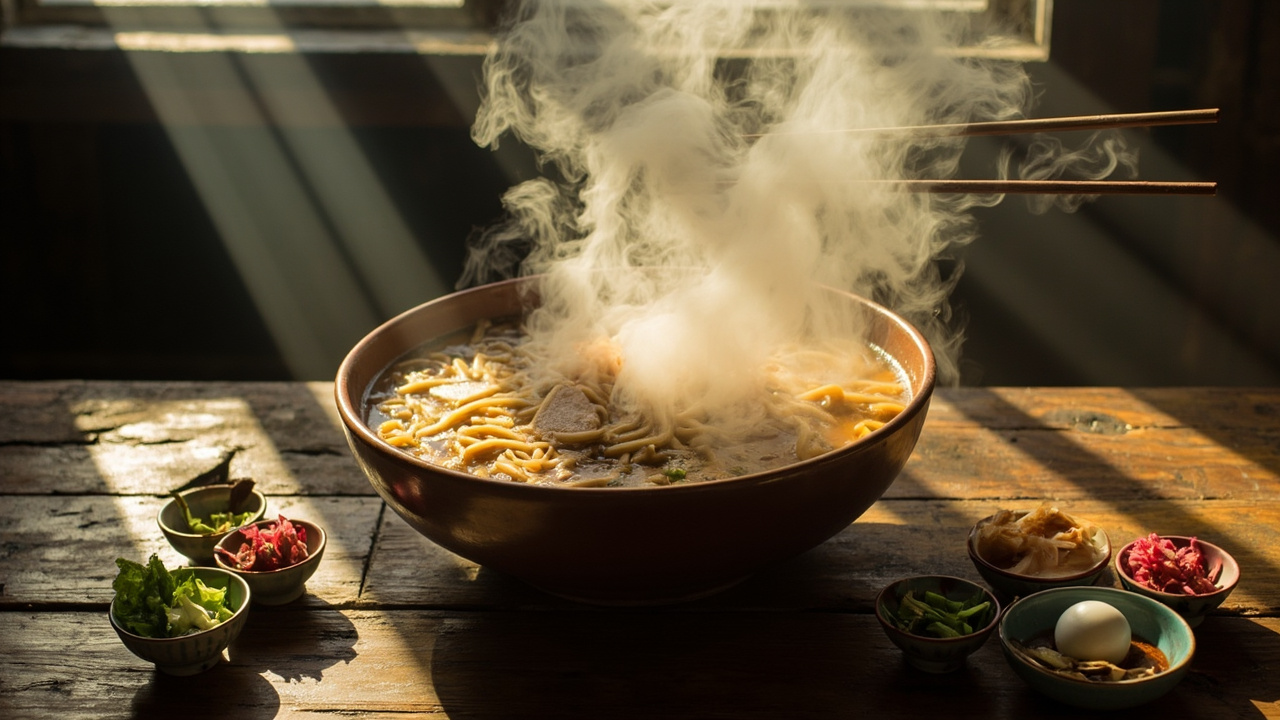
The cab driver in Kunming laughed at me when I tried to order “crossing the bridge noodles” with my phrasebook. He corrected my pronunciation, tapped the steering wheel, and told me the real secret was to put the raw egg in first, then the meat, then the broth. That was seven years ago, and I have been eating my way through Yunnan ever since.
Yunnan is not like the rest of China. It sits at the crossroads of Southeast Asia, the Tibetan Plateau, and the Chinese heartland. The province has 25 ethnic minority groups, and each one has its own way of cooking, fermenting, and foraging. You will find cheese here, which is almost unheard of elsewhere in China. You will find rose petals in your pastries, mushrooms that can kill you if prepared wrong, and tea that comes from trees older than most European nations.
This guide is the one I wish I had before my first trip. It covers the dishes you cannot miss, the ones you should approach with caution, and the practical details that will keep you fed and happy. I have eaten in roadside stalls, family kitchens, and restaurants that require reservations months in advance. This is what I learned.
Quick answer
Yunnan cuisine is China’s most diverse regional food, blending Han Chinese cooking with 25 ethnic minority traditions, Southeast Asian flavors, and ingredients like wild mushrooms, rose petals, and goat cheese. First-time visitors should start in Kunming with crossing-the-bridge noodles and steam pot chicken, then explore Dai-style sour and spicy food in Xishuangbanna. Budget about $15-$30 (CNY 110-220) per day for meals, and note that China’s 240-hour visa-free transit policy (as of 2026) covers most Western passport holders arriving in Kunming.
The Short Version
If you only have 90 seconds, here is the truth: Yunnan food is weird, wonderful, and wildly regional. The three things you must try are crossing-the-bridge noodles in Kunming, wild mushroom hotpot in the summer, and Dai-style grilled fish in Xishuangbanna. The three things you should approach carefully are raw pork dishes, certain wild mushrooms, and anything that looks like a berry but is not. Carry cash as backup, set up Alipay before you arrive, and do not skip the street food. The best meal of your life might cost $2.
How I Picked These
I have lived in Beijing for seven years and traveled to Yunnan more than 40 times. I have eaten in every prefecture in the province, from the Tibetan border towns in the northwest to the rubber tree plantations near Laos. I wrote this guide after my most recent trip in late 2025, when I spent six weeks driving from Kunming to Dali, Lijiang, Shangri-La, and down to Xishuangbanna. I ate in 60-plus restaurants, markets, and family homes. I also talked to chefs, food vendors, and home cooks about what they think foreigners get wrong about their food. This list reflects what locals actually eat, not what tourist menus suggest.
Comparison Table
| Rank | Place | Best For | Approx Cost (USD) | Time Needed | When to Go |
|---|---|---|---|---|---|
| 1 | Kunming Crossing-the-Bridge Noodles | The signature dish | $3-8 | 1-2 hours | Year-round |
| 2 | Wild Mushroom Hotpot (Summer) | Seasonal foraging flavors | $15-30 | 2-3 hours | June-August |
| 3 | Dali Market Food | Bai ethnic cooking | $2-5 per snack | Half day | Morning |
| 4 | Xishuangbanna Dai Cuisine | Southeast Asian flavors | $5-12 | 2-3 hours | November-February |
| 5 | Lijiang Naxi Kitchen | Ancient recipes | $8-15 | 2 hours | Any time |
| 6 | Shangri-La Tibetan Food | Yak and barley | $8-15 | 1-2 hours | May-October |
| 7 | Jianshui Tofu | Grilled street snack | $1-3 | 1 hour | Evening |
| 8 | Pu’er Tea Houses | Tea culture | $5-20 | 2-3 hours | Year-round |
| 9 | Kunming Flower Market | Edible flowers | Free to browse | 1-2 hours | Early morning |
| 10 | Honghe Rice Noodles | Regional specialty | $2-5 | 1 hour | Breakfast |
1. Crossing-the-Bridge Noodles (过桥米线) - The Dish That Started It All
The first time I ate this, I burned my lip because I did not understand the science. The broth arrives in a massive bowl, bubbling and covered in a layer of oil that traps the heat. You are supposed to add your ingredients yourself: raw slices of chicken, pork, fish, vegetables, and rice noodles. The broth is hot enough to cook them in front of you. The oil is not for flavor. It is insulation.
The story goes that a scholar studying on an island had a wife who brought him meals, but they went cold. She invented a broth with a thick oil layer that kept it hot, and the noodles crossed the bridge to the island. Hence the name. Every city in Yunnan claims to have the best version, but Kunming is the place to start.
Go to a place locals actually eat, not the tourist spots near Green Lake. I like Jianxin Yuan (建新园) on Baoshan Street, which has been serving this since 1906. The classic bowl costs about $4 (CNY 28). The deluxe version with more meat and seafood runs $8 (CNY 55). The broth is chicken and pork bone, simmered for hours. The key is to add the raw ingredients in the right order: egg first, then meat, then vegetables, then noodles.
Location: Wuhua District, central Kunming Entry fee: None Opening hours: 7:00 AM - 9:00 PM daily How to get there: Take Metro Line 3 to Wuyi Road Station, Exit B, walk east on Baoshan Street for 5 minutes When to visit: Breakfast or early lunch, before the crowds hit at noon Insider tips:
- Do not stir the broth immediately. Let the ingredients cook for 2-3 minutes first.
- The egg goes in first, always. It cooks into a soft poached texture.
- Ask for extra pickled vegetables on the side. They cut the richness.
- The small side dishes (pickled radish, chili oil, garlic) are free. Use them.
- If you are vegetarian, tell them “bu yao rou” (no meat) and they will adjust.
I once watched a German tourist try to eat the noodles with a fork. The waitress brought him chopsticks without saying a word. He figured it out by the end.
2. Wild Mushroom Hotpot (野生菌火锅) - The Risky One
Every summer, Yunnan’s mountains produce mushrooms that make foodies weep with joy. Porcini, morels, and a dozen varieties you have never heard of, all foraged by villagers who have been doing this for generations. The hotpot is a celebration of this bounty, and it is the most seasonal dish on this list.
Here is the catch: some of these mushrooms are toxic if undercooked. The restaurants know this. They will bring the pot to your table with a timer and a stern warning. Do not touch the food until the timer goes off. The broth needs to boil for at least 15-20 minutes to neutralize the toxins. I have seen impatient tourists try to sneak a bite early. The staff will yell at you. They are right to.
The best place I have found is a restaurant called Yunnan Mushroom King (云南菌王) on Jinbi Road in Kunming. The hotpot costs about $20 (CNY 140) per person, which includes a mix of 5-7 mushroom varieties, a chicken base, and vegetables. The flavor is earthy, deep, and completely unlike anything you will find outside the province. The dipping sauce is a mix of chili, garlic, and fermented bean paste. Do not skip it.
Location: Xishan District, Kunming, near the Jinbi Square area Entry fee: None Opening hours: 11:00 AM - 10:00 PM daily, but only serves wild mushrooms from June to August How to get there: Take Metro Line 3 to Wuyi Road Station, Exit A, walk south on Jinbi Road for 8 minutes When to visit: July is peak season. Go on a weekday evening to avoid the weekend rush. Insider tips:
- The timer is not a suggestion. Wait for it.
- Order the “mixed mushroom platter” (杂菌拼盘) to try the widest variety.
- The broth gets better as you eat. Save room for the soup at the end.
- Some restaurants will refuse to serve certain mushrooms to foreigners. This is a liability thing. Do not argue.
- If you get sick, go to a hospital immediately. Do not wait. Mushroom poisoning is no joke.
I once ate a mushroom that tasted like a forest after rain. I have been chasing that flavor ever since.
3. Dali Market Food - Where the Bai People Cook
Dali is the backpacker hub of Yunnan, and the old town is full of restaurants serving “authentic” Bai food to tourists. Most of it is mediocre. The real deal is at the morning market, where farmers and cooks gather to sell produce, snacks, and meals that have not changed in decades.
Go to the Dali Ancient City Market (大理古城市场) around 7:00 AM. This is when the vendors set up and the locals come to buy breakfast. Look for the women selling erkuai (饵块), a compressed rice cake that is grilled, stuffed with egg, pickled vegetables, and chili sauce, then folded into a pocket. It costs about $1 (CNY 7) and is the best breakfast in the province.
The other thing to try is rushan (乳扇), a Bai-style cheese that is grilled on a stick and served with rose syrup or honey. It is tangy, chewy, and completely unlike any cheese you have eaten. Some people hate it. I love it. The texture is like a firm mozzarella that has been left out in the sun, and the rose syrup makes it taste like a dessert that should not work but does.
Location: Dali Ancient City, near the south gate Entry fee: None for the market Opening hours: 6:00 AM - 12:00 PM, best before 9:00 AM How to get there: From Dali Railway Station, take Bus 8 to the Ancient City stop, walk 5 minutes to the market When to visit: Early morning, before the tour groups arrive Insider tips:
- Bring small bills. Vendors do not have change for large notes.
- The grilled erkuai is made fresh. Watch it being made and ask for extra chili.
- Rushan is also sold dried in sheets. The dried version is for cooking, not snacking.
- Do not buy the “Bai-style” food in the tourist restaurants. It is watered down.
- The market also has fresh yogurt from local farms. It is thick and slightly sour.
I sat next to an old Bai woman who was selling herbs I could not identify. She smiled at me, pointed at my erkuai, and said something in her language. I nodded and kept eating. She laughed. I think she approved.
4. Xishuangbanna Dai Cuisine - Southeast Asia Without the Visa
Xishuangbanna is the southernmost part of Yunnan, bordering Laos and Myanmar. The Dai people who live there cook with lemongrass, galangal, kaffir lime leaves, and fish sauce. The food is closer to Thai or Lao cuisine than to anything else in China. It is sour, spicy, fresh, and completely addictive.
The dish you must try is kaolou (烤鱼), a whole fish stuffed with lemongrass and herbs, wrapped in banana leaves, and grilled over charcoal. It costs about $4 (CNY 28) at any night market in Jinghong, the regional capital. The skin is crispy, the flesh is moist, and the lemongrass infuses everything with a citrusy brightness.
Also try the sour pork rib soup (酸笋煮排骨), which uses fermented bamboo shoots that smell like a gym sock but taste incredible. The fermentation gives the broth a deep, funky sourness that cuts through the richness of the pork. It is an acquired taste. I acquired it on my third visit.
Location: Jinghong, Xishuangbanna Dai Autonomous Prefecture Entry fee: None Opening hours: Night markets open from 6:00 PM to midnight How to get there: Fly into Jinghong Xishuangbanna Gasa Airport, then take a taxi to the Gao Zhuang night market (about $3, CNY 20) When to visit: November to February is the dry season and the most comfortable time Insider tips:
- The Dai people eat with their hands for some dishes. Follow their lead.
- The chili in Xishuangbanna is hotter than in Kunming. Start small.
- Try the pineapple rice (菠萝饭), served in a hollowed-out pineapple. It is sweet and sticky.
- Do not drink the tap water. Stick to bottled.
- The night market is touristy, but the food is still good. The vendors cook for locals too.
I ate a grilled fish that was so good I ordered a second one. The vendor smiled, wrapped it in a fresh banana leaf, and refused to let me pay for it.
5. Lijiang Naxi Kitchen - Recipes From a Kingdom
Lijiang is the old Naxi kingdom, and its cuisine reflects a culture that has been trading with Tibet, India, and Southeast Asia for centuries. The food is hearty, spiced with things you will not find elsewhere, and served in restaurants that have been running for generations.
The dish to try is jidou liangfen (鸡豆凉粉), a jelly made from a local legume called chicken pea. It is served cold, sliced into strips, and topped with chili oil, vinegar, and garlic. The texture is like a firm tofu, and the flavor is nutty and slightly bitter. It costs about $2 (CNY 14) at any decent restaurant in the old town.
Also try the Naxi-style grilled pork (纳西烤肉), which is marinated in a spice paste, grilled, then served with a dipping sauce made from fermented soybeans and chili. The pork is fatty, crispy, and deeply savory. It pairs well with the local barley wine, which is sweet and deceptively strong.
Location: Lijiang Old Town, Yulong County Entry fee: Free to enter the old town (as of 2026, the maintenance fee has been suspended) Opening hours: Restaurants open from 11:00 AM to 9:00 PM How to get there: From Lijiang Railway Station, take Bus 4 to the Old Town stop, walk 5 minutes to Sifang Street When to visit: Any time, but the old town is quieter in the morning Insider tips:
- The old town is a maze. Use a map app, not your sense of direction.
- Barley wine is stronger than it tastes. Pace yourself.
- The Naxi people have a tradition of offering tea to guests. Accept it.
- Some restaurants in the old town are tourist traps. Look for the ones with Naxi-language menus.
- The grilled pork is best with a squeeze of lime.
I got lost in the Lijiang old town for an hour trying to find a restaurant. A Naxi grandmother took my hand and walked me there herself. She did not speak a word of English. She did not need to.
6. Shangri-La Tibetan Food - Yak, Barley, and High-Altitude Comfort
Shangri-La, formerly known as Zhongdian, sits at 3,200 meters above sea level. The air is thin, the sun is fierce, and the food is built for survival. Tibetan cuisine here is all about yak meat, barley flour, and butter tea. It is not subtle. It is not delicate. It is exactly what you want after a day of hiking in the cold.
The dish to try is tsampa (糌粑), roasted barley flour mixed with butter tea into a dough. It is eaten with your hands, rolled into small balls, and dipped in yogurt or honey. The texture is gritty, the flavor is nutty, and it will keep you full for hours. It costs about $2 (CNY 14) at any Tibetan restaurant in town.
Also try the yak meat hotpot (牦牛肉火锅), which is a rich broth filled with slices of yak, root vegetables, and mushrooms. The meat is leaner than beef and has a deeper, gamier flavor. It costs about $15 (CNY 105) per person and is the best thing to eat after a cold day.
Location: Shangri-La City, Diqing Tibetan Autonomous Prefecture Entry fee: None for restaurants Opening hours: Restaurants open from 10:00 AM to 9:00 PM How to get there: Fly into Diqing Shangri-La Airport, then take a taxi to the old town (about $4, CNY 28) When to visit: May to October is the warmest season, but the food is good year-round Insider tips:
- The altitude will affect your appetite. Eat small meals at first.
- Butter tea is an acquired taste. Try it before you judge it.
- The local barley wine is called qingke jiu. It is strong and sweet.
- Do not expect vegetarian options. Almost everything has yak in it.
- The Tibetan restaurants in the old town are more tourist-friendly, but the food is still authentic.
I drank butter tea with a Tibetan monk who told me it was the only thing that kept him warm during the winter. I believed him.
7. Jianshui Tofu - The Street Snack You Will Dream About
Jianshui is a small city south of Kunming, known for its ancient architecture and its tofu. The local tofu is made with well water that has a high mineral content, which gives it a distinctive texture and flavor. It is served grilled, fried, or in a hotpot, but the street version is the best.
The classic way to eat it is grilled over charcoal, served with a dipping sauce made from chili, cumin, and Sichuan pepper. The tofu puffs up as it cooks, and the outside gets crispy while the inside stays soft and creamy. It costs about $1 (CNY 7) for a plate of 10 pieces. You will want more.
The best place to try it is at the night market near the Confucius Temple. The vendors set up their charcoal grills in the evening, and the smell of roasting tofu fills the air. It is one of the most atmospheric food experiences in the province.
Location: Jianshui County, Honghe Prefecture Entry fee: None for the market Opening hours: Night market from 6:00 PM to midnight How to get there: Take a high-speed train from Kunming to Jianshui Station (about 2 hours, $15/CNY 105), then a taxi to the old town When to visit: Evening, when the market is at its liveliest Insider tips:
- The tofu is served with a small charcoal brazier at your table. Keep it warm.
- The dipping sauce is spicy. Ask for “bu la” (not spicy) if you cannot handle heat.
- Some vendors sell fermented tofu, which is an acquired taste. Try a small piece first.
- The market also has grilled eggplant and corn. Both are excellent.
- Bring wet wipes. The charcoal and chili will get on your hands.
I sat at a stall in Jianshui and ate 20 pieces of tofu while watching the vendor flip them with chopsticks. She never missed once.
8. Pu’er Tea Houses - The Drink That Built an Industry
Pu’er tea is one of China’s most famous exports, and the city of Pu’er in southern Yunnan is where it all started. The tea is fermented, aged, and pressed into cakes that can be stored for decades. The flavor is earthy, smooth, and completely different from green or black tea.
The best way to experience it is at a tea house in Pu’er city, where you can sit for hours and taste different vintages. The tea masters will brew it in small clay pots, pour it into tiny cups, and explain the history of each cake. It is a meditative experience, and it costs about $5-$10 (CNY 35-70) per session.
The tea houses in Pu’er are also where you can buy tea directly from the source. A good cake of aged Pu’er costs anywhere from $20 to $500 (CNY 140-3,500), depending on the age and quality. Do not buy the cheap stuff. It is not worth it.
Location: Pu’er City, Simao District Entry fee: Varies by tea house, usually $5-$10 (CNY 35-70) for a tasting Opening hours: Most tea houses open from 10:00 AM to 8:00 PM How to get there: Take a high-speed train from Kunming to Pu’er Station (about 3 hours, $25/CNY 175) When to visit: Any time, but the tea harvest season in April and May is special Insider tips:
- The tea is brewed in multiple infusions. Each one tastes different. Do not rush.
- The first infusion is usually poured out. It is a cleaning step.
- Do not add sugar or milk. It ruins the tea.
- Ask to see the tea cake before buying. Look for the production date and origin.
- The tea houses will vacuum-seal your purchase for travel.
I spent an afternoon in a Pu’er tea house with a master who had been making tea for 40 years. He showed me a cake from 1985 and told me it was worth more than a car.
9. Kunming Flower Market - Where Edible Flowers Are Serious Business
Kunming is called the Spring City because of its mild climate, and it has the largest flower market in Asia. The Dounan Flower Market (斗南花市) sells millions of flowers every day, and a surprising number of them are for eating.
The locals use flowers in everything: rose petals in pastries, chrysanthemums in salads, and jasmine in tea. The market has stalls dedicated entirely to edible flowers, and you can taste them fresh. The rose petals are sweet and perfumed, the chrysanthemums are slightly bitter, and the jasmine is fragrant enough to make your head spin.
The market is also a spectacle. Rows and rows of flowers stretch as far as you can see, and the air is thick with pollen and perfume. It is worth visiting even if you do not eat a single petal.
Location: Dounan, Chenggong District, Kunming Entry fee: Free to browse Opening hours: 24 hours, but the wholesale market peaks from 4:00 AM to 8:00 AM How to get there: Take Metro Line 1 to Dounan Station, Exit A, walk 10 minutes east When to visit: Early morning, when the freshest flowers arrive Insider tips:
- The edible flower stalls are near the back of the market. Ask for “ke yi chi de hua” (edible flowers).
- Rose petal jam (玫瑰花酱) is a great souvenir. It costs about $3 (CNY 20) per jar.
- Do not eat flowers from the ornamental stalls. They may be sprayed with pesticides.
- The market has a food court with flower-themed snacks. Try the rose cake (鲜花饼).
- Bring a mask if you have allergies. The pollen is intense.
I bought a jar of rose petal jam at the market and used it on toast for the rest of my trip. It was the best decision I made in Kunming.
10. Honghe Rice Noodles - The Breakfast You Have Been Missing
Honghe Prefecture, south of Kunming, is the home of the region’s rice noodles, and the small city of Mengzi is where the best ones are made. The noodles are fresh, soft, and completely different from the dried versions you find elsewhere. They are served in a light broth with pork, pickled vegetables, and a spoonful of chili oil.
The locals eat this for breakfast, and it is the perfect way to start a day of exploring. The broth is simmered overnight, the noodles are made fresh every morning, and the combination is simple, clean, and deeply satisfying. A bowl costs about $2 (CNY 14).
The best place to try it is at a small shop near the Mengzi railway station. It has no English sign, no menu, and no tourists. The owner will ask you one question: “Da wan or xiao wan?” (big bowl or small bowl). Get the big one.
Location: Mengzi City, Honghe Prefecture Entry fee: None Opening hours: 6:00 AM - 2:00 PM, or until the noodles run out How to get there: Take a high-speed train from Kunming to Mengzi Station (about 2.5 hours, $20/CNY 140) When to visit: Breakfast time, before 9:00 AM Insider tips:
- The broth is already seasoned. Do not add soy sauce before tasting.
- The pickled vegetables are essential. They add acidity and crunch.
- The chili oil is made in-house. It is smoky and spicy.
- The noodles are slippery. Use a spoon and chopsticks together.
- If the shop is crowded, it is good. If it is empty, walk away.
I ate this breakfast three days in a row in Mengzi. The owner started recognizing me and would have my bowl ready before I sat down.
FAQ summary
Yunnan cuisine is China’s most diverse regional food, featuring 25 ethnic minority traditions and ingredients like wild mushrooms, edible flowers, and goat cheese. First-time visitors should prioritize crossing-the-bridge noodles in Kunming, wild mushroom hotpot in summer, and Dai-style food in Xishuangbanna. Budget $15-$30 (CNY 110-220) per day for meals, set up Alipay before arrival, and note that China’s 240-hour visa-free transit policy covers most Western passport holders arriving in Kunming as of 2026.
FAQ
Q: Is Yunnan food very spicy? A: It depends on the region. Kunming and Dali are mild, but Xishuangbanna and Honghe can be very spicy. Always ask for “bu la” (not spicy) if you are sensitive, and keep a bottle of water nearby.
Q: Can I use a credit card in Yunnan restaurants? A: Most restaurants only accept WeChat Pay or Alipay. Set these up before you arrive, and carry some cash as backup. Credit cards are rarely accepted outside luxury hotels.
Q: Do I need a VPN in Yunnan? A: Yes. Google, Facebook, Instagram, and WhatsApp are blocked in China. Download a reliable VPN before you arrive and test it. A local SIM card from China Mobile or China Unicom will also help.
Q: Is it safe to eat street food in Yunnan? A: Yes, if you follow the crowds. Eat where locals eat, avoid anything that has been sitting out for hours, and do not drink tap water. The street food is often better than restaurant food.
Q: What is the best time of year to visit Yunnan for food? A: June to August is the wild mushroom season, which is the highlight of the food calendar. The weather is also pleasant. Avoid the Chinese national holidays in October and February, when everything is crowded and expensive.
Q: Do I need to speak Chinese to order food in Yunnan? A: It helps, but you can get by with translation apps. Download Pleco or Google Translate (with offline packs) before you arrive. In tourist areas, some menus have English and pictures.
Q: Are there vegetarian options in Yunnan? A: Yes, but they are limited. The Buddhist influence means some restaurants serve vegetarian versions of classic dishes. Ask for “su shi” (vegetarian food) and be specific about no meat, no fish, and no meat broth.
The Honest Wrap-up
This list is for travelers who want to eat like locals, not like tourists. It is for people who are willing to try fermented bamboo shoots, grilled cheese on a stick, and soup that might be too hot to touch. It is not for picky eaters, people who need a burger every other day, or anyone who thinks “adventurous” means trying ketchup on their eggs.
If you are about to book the flight, here is my final advice: skip the fancy restaurants and eat where the locals eat. The best meals in Yunnan are served on plastic stools, under fluorescent lights, by people who have been cooking the same dish for 30 years. The food will be cheap, the portions will be generous, and you will remember it for the rest of your life.
Go hungry. Stay curious. And always put the egg in first.
Topics
More guides you may like
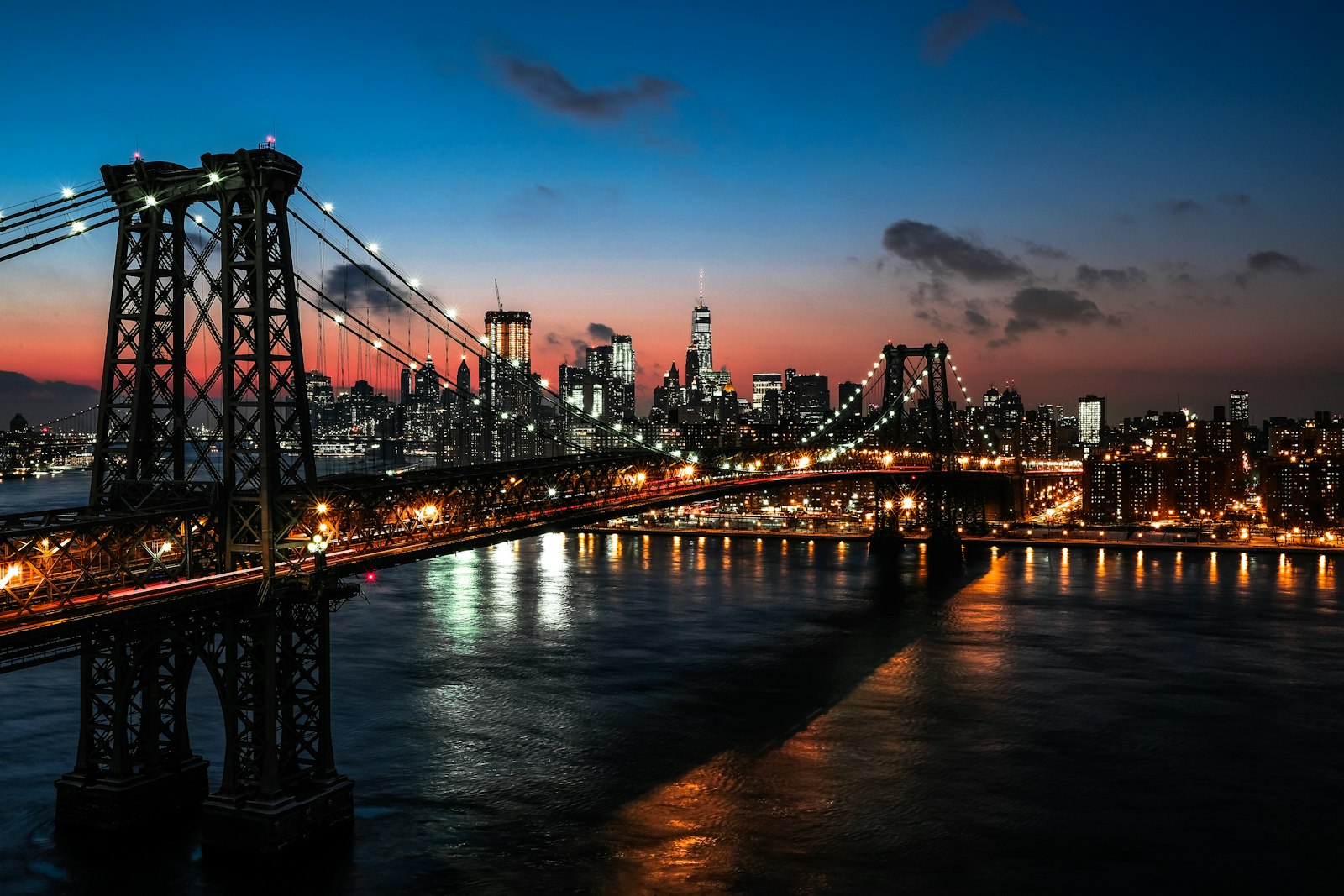
Top 10 Bridges in China
China's bridges are engineering marvels spanning mountains, rivers, and seas. Here are 10 of the most spectacular, from ancient stone to modern steel.
8 min read

Top 10 Buddhist Sites in China
From the Leshan Giant Buddha to the Dunhuang Caves, these 10 Buddhist sites represent 2,000 years of China's spiritual heritage.
9 min read

Top 10 Day Trips from Beijing You Shouldn't Miss
Beijing is packed with history, but some of China's best experiences are just a few hours away. Here are 10 day trips that will transform your visit.
9 min read
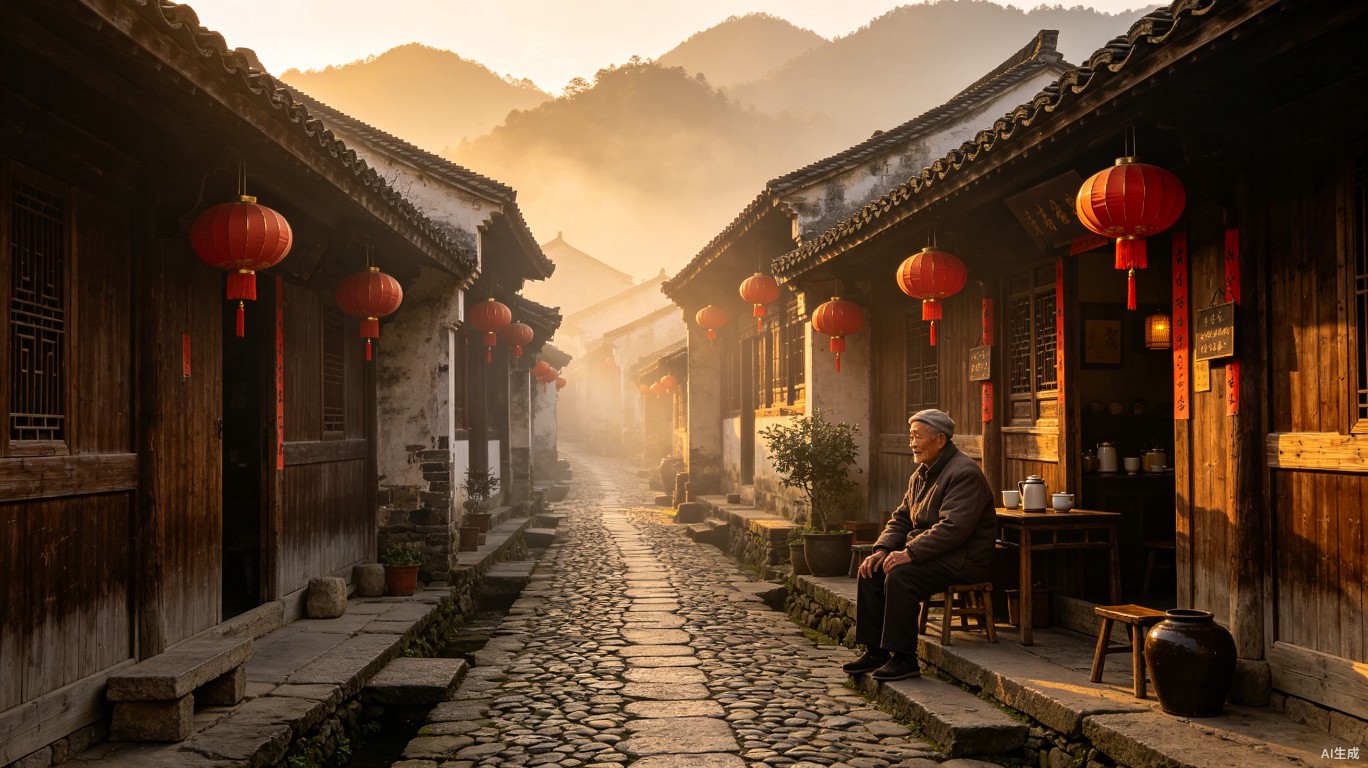
Top 10 Hidden Gems in China Off the Beaten Path
Beyond the Great Wall and Terracotta Warriors, China has incredible hidden destinations few tourists ever reach. Here are 10 underrated gems worth the detour.
9 min read
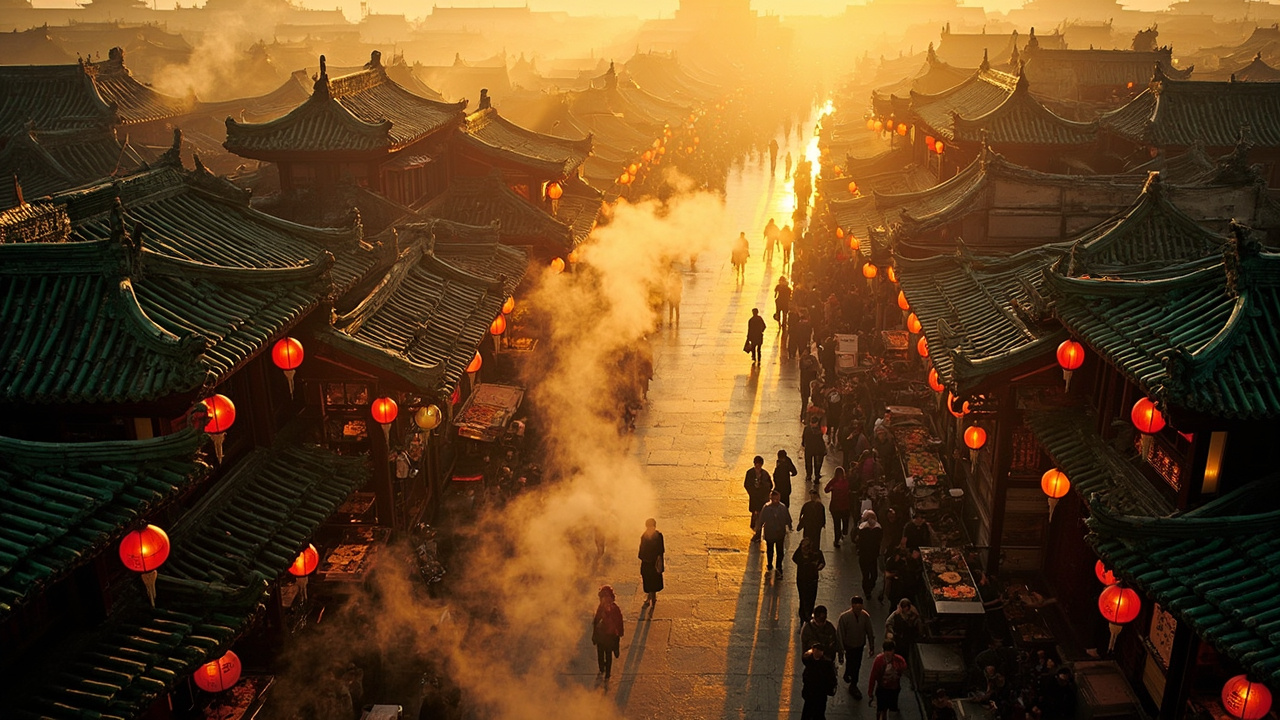
Top 10 Markets and Shopping Streets in China
From Shanghai's Bund to Beijing's Silk Street - 10 markets where foreigners can haggle, explore, and bring home authentic Chinese goods.
9 min read
Top 10 Museums in China You Shouldn't Miss
China's museums span 5,000 years of civilization. These 10 - from the Palace Museum to Xi'an's terracotta gallery - are unmissable for culture lovers.
9 min read