
Northeast Dongbei Cuisine: The Complete 2026 Guide
The rain came down sideways in Harbin, the kind of cold that finds the gap between your collar and your scarf no matter how you wrap it.
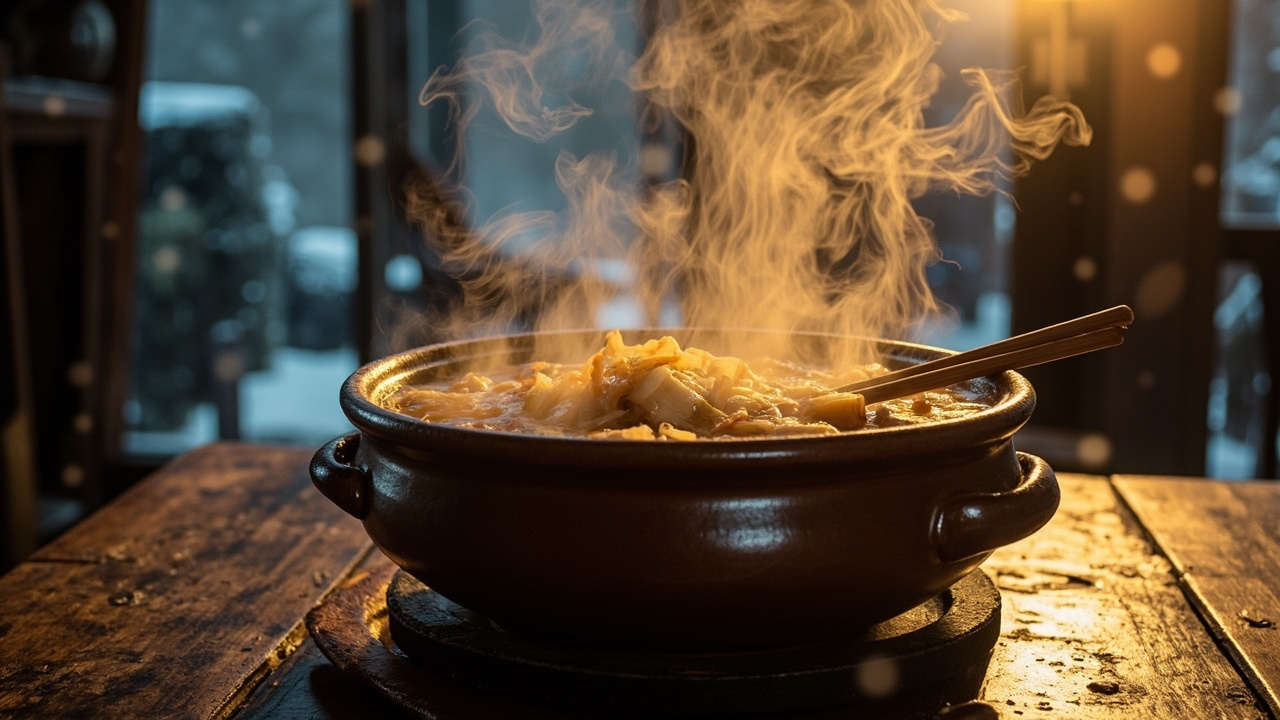
The rain came down sideways in Harbin, the kind of cold that finds the gap between your collar and your scarf no matter how you wrap it. I ducked into a small restaurant on a street near the Central大街, shaking water off my jacket, and the owner just pointed at a table without looking up. I ordered whatever the table next to me was having. Twenty minutes later, I was eating the best thing I’d encountered in a month of traveling through China: a clay pot of pork and sauerkraut stew, sour and rich, with a plate of thick, chewy potato noodles that I still think about. That was my introduction to Dongbei cuisine, and it ruined me for every other regional Chinese food I’d tried before.
Dongbei cuisine, or Northeastern Chinese food, comes from the three provinces of Heilongjiang, Jilin, and Liaoning. It’s the food of long winters, Russian influence, and Korean border crossings. It’s hearty, it’s salty, it’s unpretentious, and it’s completely different from the Cantonese and Sichuan food that most tourists know. For a first-time visitor to China, this is the food you’ll eat when you want to understand how ordinary Chinese people actually eat, especially in the north.
This guide covers the ten dishes and dining experiences you need to know, where to find them, what they’ll cost, and how to order them without looking completely lost. I’ve eaten my way through Harbin, Shenyang, Changchun, and Dalian multiple times, and I’ve made enough mistakes so you don’t have to.
Quick answer
Dongbei cuisine is the hearty, salty, comfort-food style of northeastern China, famous for dishes like guo bao rou (sweet and sour pork with crispy batter), di san xian (stir-fried potato, eggplant, and pepper), and suan cai (fermented cabbage stews). For first-time visitors, Harbin is the best base to try it, with most meals costing $5-15 USD (35-105 CNY) per person. China’s current visa-free policy (as of 2026) allows citizens of many countries, including the US, UK, and most of Europe, to enter for up to 30 days without a visa for tourism, which makes a Dongbei food trip easier than ever.
The Short Version
If you only have 90 seconds, here’s the deal. Dongbei food is not fancy. It’s not delicate. It’s big portions, bold salt, and ingredients that survive cold winters. You must try guo bao rou in Harbin, suan cai stew somewhere that looks like it hasn’t been renovated since 1995, and a proper Dongbei breakfast of you tiao (fried dough) and soy milk. Skip the tourist restaurants near the main squares. Walk two blocks away from any attraction and eat where the taxi drivers eat. Bring cash as backup, but WeChat Pay and Alipay work everywhere. And whatever you do, don’t order “one of everything” - the portions are enormous and you will waste food.
How I Picked These
I’ve lived in Beijing for seven years and traveled to the northeast more than twenty times, including two extended trips specifically focused on food. I’ve eaten in Harbin’s Russian-influenced cafes, Shenyang’s night markets, Dalian’s seafood stalls, and Changchun’s unmarked basement restaurants. I’ve been dragged into kitchens by grandmothers who insisted I taste their suan cai, and I’ve sat through entire meals where I was the only non-Chinese person in the room. I cross-checked my experiences with local friends, taxi drivers, and restaurant owners, and I’ve deliberately excluded anything that felt like it was designed for tourists rather than locals. Every price in this guide is what I actually paid or what a local told me they’d pay, adjusted for 2026.
Comparison Table
| Rank | Dish | Best For | Approx Cost (USD) | Time Needed | When to Go |
|---|---|---|---|---|---|
| 1 | Guo Bao Rou | The signature dish | $5-8 (35-56 CNY) | 30 min | Any season |
| 2 | Suan Cai Stew | Cold weather comfort | $6-10 (42-70 CNY) | 45 min | Winter |
| 3 | Di San Xian | Vegetarian-friendly | $4-6 (28-42 CNY) | 20 min | Summer |
| 4 | Dongbei Dumplings | Quick lunch | $3-5 (21-35 CNY) | 20 min | Year-round |
| 5 | Harbin Sausage | Street snack | $2-4 (14-28 CNY) | 10 min | Winter |
| 6 | Nian Gao | Sweet treat | $3-5 (21-35 CNY) | 15 min | Spring Festival |
| 7 | La Pi | Cold noodle dish | $3-4 (21-28 CNY) | 15 min | Summer |
| 8 | Stewed Pork with Vermicelli | Family-style meal | $8-12 (56-84 CNY) | 1 hour | Autumn |
| 9 | Russian-Style Bread | Harbin specialty | $2-3 (14-21 CNY) | 10 min | Year-round |
| 10 | Hot Pot (Dongbei Style) | Group dinner | $10-15 (70-105 CNY) | 1.5 hours | Winter |
Guo Bao Rou - The Dish That Made Harbin Famous
The first time I ordered guo bao rou in Harbin, the plate arrived and I thought they’d made a mistake. The pieces of pork were golden brown, glistening with a sweet and sour sauce, and the whole thing looked more like a dessert than a main course. I was wrong. The batter was impossibly crispy, shattering when I bit into it, and the sauce was a perfect balance of vinegar sharpness and sugar sweetness. I ate the entire plate by myself and regretted nothing.
Guo bao rou is Harbin’s claim to culinary fame, and it’s a dish that divides the city. The old-school version uses a white sauce that’s more vinegar-forward, while the newer style has an orange-red sauce that’s sweeter. Both are worth trying. The key is the double-frying technique that gives the pork its signature crunch. Good guo bao rou should stay crispy even after it’s been sitting on the table for ten minutes. If it goes soggy immediately, the kitchen cut corners.
- Location: Found everywhere in Harbin, but the best versions are in the old city, particularly around Dao Li district.
- Entry fee: N/A - this is a dish, not an attraction. A portion costs $5-8 (35-56 CNY).
- Opening hours: Lunch and dinner, typically 11:00-21:00.
- How to get there: If you’re in Harbin, take Metro Line 2 to Zhongyang Dajie Station, Exit C. Walk east on Zhongyang Dajie for about 5 minutes and look for restaurants with “锅包肉” on their menus. The Old Changchun Restaurant (老长春) on the main street is a solid choice.
- When to visit: Any time of year. The dish is good in summer and essential in winter.
- Insider tips: Ask for the “old style” (老式) if you want the vinegar-forward version. The new style is sweeter and more popular with younger locals. Don’t order more than one portion per two people - it’s rich.
I once watched a Harbin local demolish an entire plate of guo bao rou by himself while drinking beer at 11am. I asked him about it. He shrugged and said, “It’s Harbin. We eat what we want.”
Suan Cai Stew - The Taste of a Dongbei Winter
There’s a moment in every Harbin winter when the cold stops being a weather condition and becomes a physical presence. The air hurts your face. Your phone battery drops twenty percent in ten minutes. And the only thing that makes sense is a bowl of suan cai stew. The fermented cabbage is sour in a way that’s completely different from Western sauerkraut - it’s deeper, more complex, and it forms the base for a broth that will warm you from the inside out.
Suan cai is made by fermenting napa cabbage in salt water for weeks or months. The result is a tangy, slightly funky vegetable that’s used in stews, dumplings, and stir-fries. The classic preparation is suan cai with pork belly and potato noodles, served in a clay pot that arrives at your table still bubbling. The pork fat melts into the broth, the noodles soak up the flavor, and you’ll find yourself drinking the soup directly from the bowl.
- Location: Any restaurant in Harbin or Shenyang that looks like it’s been there for decades. Ask for “suan cai” and you’ll get it.
- Entry fee: N/A. A bowl or pot costs $6-10 (42-70 CNY).
- Opening hours: Lunch and dinner. Some places close between 14:00-17:00, so check before you go.
- How to get there: In Harbin, take Metro Line 1 to Harbin Railway Station, Exit 3. Walk south on Tielu Jie for about 3 minutes. The small restaurants on the side streets here are where the locals eat.
- When to visit: Winter, obviously. The dish is available year-round, but it hits different when it’s -20°C outside.
- Insider tips: The best suan cai is in restaurants that don’t have English menus. Use your translation app to point at “酸菜” and you’ll be fine. Ask for extra noodles - they’re cheap and they make the meal more filling. Don’t be afraid of the pork fat. It’s the whole point.
I ordered suan cai in a restaurant where the owner didn’t speak a word of English. She brought me the stew, then came back with a bowl of rice and pointed at it, miming that I should mix the broth into the rice. She was right. I still do that.
Di San Xian - The Vegetarian Surprise
I’m not a vegetarian, but if someone told me I could only eat one Dongbei dish for the rest of my life, it might be di san xian. The name means “three treasures from the earth,” and it refers to potato, eggplant, and green pepper, all stir-fried together in a garlicky, savory sauce. It’s simple, it’s cheap, and it’s absolutely delicious.
The magic of di san xian is in the texture contrast. The potato slices are soft and absorbent, the eggplant is silky and rich, and the green pepper provides a slight crunch and bitterness that cuts through the oil. The sauce is a classic Dongbei combination of soy sauce, garlic, and a touch of sugar. It’s the kind of dish that makes you wonder why anyone bothers with complicated cooking.
- Location: Available at virtually every Dongbei restaurant. The version at Baicaowei (百草味) in Shenyang is particularly good.
- Entry fee: N/A. A portion costs $4-6 (28-42 CNY).
- Opening hours: Lunch and dinner.
- How to get there: In Shenyang, take Metro Line 1 to Zhongjie Station, Exit B. Walk east on Zhongjie Road for about 2 minutes. Baicaowei is on the second floor of the shopping complex.
- When to visit: Summer, when the vegetables are at their peak. The dish is fine in winter, but the eggplant gets watery.
- Insider tips: This dish is your friend if you’re traveling with someone who doesn’t eat meat. It’s also a good way to introduce yourself to Dongbei flavors without committing to a heavy meat dish. Ask for it “spicy” (辣) if you want a kick, but the default version is mild.
I once ordered di san xian in a tiny restaurant in Changchun and the owner came out to ask if I was sure. She said most foreigners order the sweet and sour pork. I told her I’d already had that. She nodded, went back to the kitchen, and made me the best version of this dish I’ve ever eaten.
Dongbei Dumplings - The Lunch That Never Fails
Dumplings in the northeast are a different beast from the delicate soup dumplings of Shanghai or the pan-fried versions in Beijing. Dongbei dumplings are big, hearty, and unapologetically filling. The wrappers are thick and chewy, the fillings are generous, and they’re served in massive quantities. A plate of twenty dumplings is a normal lunch portion, not a sharing platter.
The classic Dongbei fillings are pork and cabbage, pork and chives, and the seasonal favorite of pork and celery. There’s also a lamb and carrot version that’s popular in the winter. The dumplings are boiled, not steamed, and they’re served with a dipping sauce of black vinegar and soy sauce. Some places add a bit of chili oil, but the purists keep it simple.
- Location: Laobian Dumplings (老边饺子) in Shenyang is the most famous, but honestly, any dumpling shop that’s busy at lunchtime is a safe bet.
- Entry fee: N/A. A plate of 20 dumplings costs $3-5 (21-35 CNY).
- Opening hours: 11:00-21:00, but the best time is 11:30-13:00 when the dumplings are freshly made.
- How to get there: In Shenyang, take Metro Line 1 to Zhongjie Station, Exit A. Laobian Dumplings is on the north side of the intersection, about 3 minutes on foot.
- When to visit: Year-round. Dumplings are a winter food traditionally, but they’re eaten all year in the northeast.
- Insider tips: Order at least 20 dumplings per person. They look small but they’re dense. Ask for the “boiled” (水饺) version, not the fried one, unless you specifically want the crispy texture. The dipping sauce is essential - don’t skip it.
I ate at Laobian Dumplings in Shenyang and the woman at the next table saw me struggling with my chopsticks. She reached over, picked up a dumpling with her own chopsticks, dipped it in the sauce, and put it on my plate. She didn’t say a word. Just nodded and went back to her meal.
Harbin Sausage - The Russian Legacy
Harbin’s sausage is a direct result of the city’s Russian history. When Russian immigrants settled in Harbin in the early 20th century, they brought their sausage-making traditions with them. The result is a smoked, garlicky sausage that’s unlike anything else in Chinese cuisine. It’s sold everywhere in Harbin, from street stalls to supermarkets, and it’s the perfect snack for walking around the city in the cold.
The best version is the red sausage (红肠), which has a distinctive smoky flavor and a slightly coarse texture. It’s typically eaten cold, sliced thin, often with bread and beer. There’s also a smoked version that’s drier and more intense. Both are worth trying, but the red sausage is the classic.
- Location: The Qiu Lin (秋林) brand is the most famous, and their flagship store is on Dongdazhi Street in Harbin.
- Entry fee: N/A. A sausage costs $2-4 (14-28 CNY).
- Opening hours: Street stalls are usually 10:00-20:00. The Qiu Lin store is open 09:00-21:00.
- How to get there: In Harbin, take Metro Line 1 to Museum Station, Exit A. Walk north on Dongdazhi Street for about 5 minutes. Qiu Lin is on the left side.
- When to visit: Winter. The sausage tastes better when it’s cold outside, and it’s the perfect snack for ice festival visits.
- Insider tips: Buy the sausage from a shop, not a street vendor. The quality is more consistent. Ask for “hong chang” (红肠) specifically, not just “sausage.” Don’t be surprised if it tastes more like a European sausage than a Chinese one - that’s the point.
I bought a Harbin sausage from a street vendor near the ice festival and ate it while watching the ice sculptures glow in the evening light. It was one of those perfect travel moments that you can’t plan. The sausage was smoky, the air was cold, and the city felt magical.
Nian Gao - The Sweet Sticky Rice Cake
Nian gao is technically a Spring Festival food, but the Dongbei version is available year-round and it’s worth seeking out. The name means “year cake,” and it’s made from glutinous rice that’s pounded into a dense, chewy cake. In the northeast, it’s often fried with egg and served with a sprinkle of sugar. The texture is unlike anything else - it’s sticky, chewy, and slightly sweet, with a crispy exterior from the frying.
The best nian gao I had in the northeast was at a small breakfast shop in Changchun. The owner fried it fresh to order, and it arrived at my table hot and golden, with a dusting of sugar on top. It was the kind of breakfast that makes you want to go back to bed and dream about it.
- Location: Breakfast shops and traditional snack stores throughout the northeast. In Changchun, check the morning markets near the train station.
- Entry fee: N/A. A portion costs $3-5 (21-35 CNY).
- Opening hours: Breakfast shops open early, usually 06:00-11:00.
- How to get there: In Changchun, take Metro Line 1 to Changchun Railway Station, Exit D. Walk south on Renmin Street for about 3 minutes. The morning market is on the side streets.
- When to visit: Spring Festival is the traditional time, but it’s available year-round. Go in the morning when it’s freshly made.
- Insider tips: Don’t eat too much - it’s dense and filling. Ask for it “fried” (煎) rather than “steamed” (蒸) for the crispy version. If you’re there during Spring Festival, you’ll see it everywhere.
I once ate nian gao for breakfast three days in a row in Changchun. The owner of the shop started recognizing me and would have my order ready before I sat down. On the last day, she gave me an extra piece and waved off my payment.
La Pi - The Cold Noodle That Beats the Heat
Dongbei summers can be brutally hot and humid, and the local answer to the heat is la pi, a cold noodle dish made from mung bean starch. The noodles are translucent, slippery, and served cold with a sauce of vinegar, chili oil, and garlic. It’s refreshing, tangy, and completely different from the hot noodle soups that dominate the rest of Chinese cuisine.
The texture of la pi is the thing that gets people. The noodles are jelly-like, almost like a savory version of a dessert jelly. They slide down easily and the cold temperature makes them perfect for a hot day. The sauce is usually served on the side, so you can adjust the amount of chili and vinegar to your taste.
- Location: Cold noodle shops and street stalls throughout the northeast. In Shenyang, the night market near the Imperial Palace has several good stalls.
- Entry fee: N/A. A bowl costs $3-4 (21-28 CNY).
- Opening hours: Street stalls operate 17:00-23:00. Shops are open during lunch hours.
- How to get there: In Shenyang, take Metro Line 1 to Huaiyuanmen Station, Exit B. Walk east on Shenyang Road for about 5 minutes. The night market is on the left.
- When to visit: Summer, obviously. The dish is available year-round, but it’s a summer food.
- Insider tips: Ask for “ban la pi” (拌凉皮) which means mixed cold noodles. The default version is usually mild, so ask for extra chili if you want heat. Don’t be surprised if it comes with a few pieces of gluten - that’s traditional.
I ordered la pi from a street stall in Shenyang and the vendor asked me if I was sure I could handle the spice. I said yes. He smiled and added an extra spoonful of chili oil. I ate it with tears streaming down my face and went back for more the next night.
Stewed Pork with Vermicelli - The Family-Style Feast
This is the dish that Dongbei families make when they want to feed a crowd. Pork belly is stewed for hours with potatoes, cabbage, and glass noodles made from mung bean starch. The result is a rich, savory stew that’s served in a huge pot and eaten with rice. It’s not fancy, but it’s the kind of food that makes you feel like you’re being taken care of.
The key to this dish is time. The pork needs to cook until it’s tender enough to fall apart, the potatoes need to absorb the broth, and the noodles need to soak up all the flavor. Good versions of this dish are hard to find in restaurants because it’s a home-cooking dish. Look for restaurants that advertise “home-style” (家常) cooking.
- Location: Home-style restaurants throughout the northeast. In Harbin, try the restaurants near the Songhua River in the Daoli district.
- Entry fee: N/A. A portion costs $8-12 (56-84 CNY).
- Opening hours: Lunch and dinner, typically 11:00-21:00.
- How to get there: In Harbin, take Metro Line 2 to Songhua River Station, Exit A. Walk north toward the river for about 10 minutes. The restaurants are on the side streets.
- When to visit: Autumn and winter, when the weather calls for hearty food.
- Insider tips: This dish is meant to be shared. Order it for the table, not for one person. Ask for extra broth - it’s the best part. The noodles will absorb the liquid as you eat, so don’t wait too long.
I had this dish at a family restaurant in Harbin where the owner’s mother was cooking in the back. She came out to check on me halfway through my meal and nodded approvingly when she saw I was eating the broth with a spoon.
Russian-Style Bread - The Unexpected Harbin Specialty
Harbin’s Russian influence extends beyond sausage. The city has a tradition of Russian-style bread, or lieba (列巴), which is a dense, dark bread that’s completely different from the fluffy white bread found elsewhere in China. It’s sold in bakeries throughout the city, and it’s the perfect accompaniment to the local sausage.
The bread is made with rye flour and has a slightly sour flavor. It’s dense and chewy, and it’s usually eaten sliced, toasted, or with butter. The best versions are still made in wood-fired ovens, which give the bread a distinctive crust and smoky flavor.
- Location: Bakeries throughout Harbin, but the best are in the Daoli district near the Central Street.
- Entry fee: N/A. A loaf costs $3-5 (21-35 CNY).
- Opening hours: Bakeries typically open 08:00-20:00.
- How to get there: In Harbin, take Metro Line 2 to Zhongyang Dajie Station, Exit C. Walk along Central Street for about 5 minutes. The bakeries are on the side streets.
- When to visit: Year-round, but the bread is especially good in winter when it’s served warm.
- Insider tips: Ask for the bread “toasted” (烤) if you want it warm. The plain version is fine, but the toasted version is better. Don’t buy the pre-packaged bread from supermarkets - it’s not the same.
I bought a loaf of lieba from a bakery in Harbin and ate it with the sausage I’d bought earlier. It was the simplest meal I had in the northeast, and one of the best.
Dongbei Hot Pot - The Winter Group Dinner
Hot pot is a Chinese institution, but the Dongbei version has its own character. The broth is simpler than the spicy Sichuan version, usually a clear bone broth or a tomato-based broth. The dipping ingredients are the same - thinly sliced meat, vegetables, mushrooms, and noodles - but the dipping sauce is different. Dongbei hot pot uses a sesame paste sauce that’s thicker and richer than the soy-based sauces found elsewhere.
The best thing about Dongbei hot pot is the atmosphere. It’s a social meal, meant to be shared with friends or family. The pot bubbles in the center of the table, and everyone cooks their own ingredients. It’s loud, it’s messy, and it’s wonderful.
- Location: Hot pot restaurants throughout the northeast. In Shenyang, the area around the Imperial Palace has several good options.
- Entry fee: N/A. A meal costs $10-15 (70-105 CNY) per person.
- Opening hours: Lunch and dinner, typically 11:00-22:00.
- How to get there: In Shenyang, take Metro Line 1 to Huaiyuanmen Station, Exit A. Walk south on Shenyang Road for about 3 minutes. The hot pot restaurants are on the right.
- When to visit: Winter, when a hot pot meal is the perfect way to warm up.
- Insider tips: The sesame paste sauce is the key. Mix it with a bit of vinegar and chili oil for the best flavor. Don’t order too much food - the portions are generous and you can always order more. Ask for the “clear broth” (清汤) if you don’t want spicy.
I had Dongbei hot pot with a group of locals in Shenyang who insisted on ordering for me. They picked everything, and I ate everything they picked. It was the most social meal I had in the northeast, and I left with a full stomach and a new appreciation for the region’s hospitality.
FAQ summary
Dongbei cuisine is defined by hearty, salty, and filling dishes that reflect the region’s cold climate and Russian and Korean influences. The must-try dishes are guo bao rou (crispy sweet and sour pork), suan cai stew (fermented cabbage with pork), and di san xian (stir-fried potato, eggplant, and pepper). Prices are affordable, with most meals costing $5-15 USD (35-105 CNY) per person. Harbin is the best base for first-timers, and China’s 2026 visa-free policy allows many Western tourists to enter for up to 30 days without a visa. WeChat Pay and Alipay are accepted everywhere, but bring some cash as backup.
FAQ
Q: Is Dongbei cuisine spicy? A: Not usually. The food is salty and savory rather than spicy. Some dishes have a mild chili kick, but it’s nothing like Sichuan food. If you want heat, ask for chili oil on the side.
Q: Do I need to speak Chinese to order food in the northeast? A: No, but it helps. Most restaurants don’t have English menus, especially the good ones. Use a translation app to point at dishes, or learn a few key phrases like “zhe ge” (this one) and “suan cai” (fermented cabbage).
Q: How much should I budget for food in the northeast? A: Budget about $10-15 USD (70-105 CNY) per day for food if you’re eating at local restaurants. Street food is cheaper, around $2-5 USD (14-35 CNY) per meal. You can eat very well on a modest budget.
Q: What’s the best time of year to visit the northeast for food? A: Winter is the most distinctive season, especially in Harbin, where you can eat suan cai stew and hot pot in freezing temperatures. Summer is better for cold noodles and lighter dishes. Both are worth experiencing.
Q: Do I need a VPN for my phone in China? A: Yes. Google, WhatsApp, Instagram, and many other Western services are blocked. Download a reliable VPN before you arrive and set it up before you land. You’ll also need a Chinese SIM card or an international roaming plan.
Q: Can I use my credit card in the northeast? A: Not reliably. China is a cashless society, and most places only accept WeChat Pay or Alipay. Set up both apps before you arrive and link your international credit card. Bring some cash as backup for small vendors.
Q: Is the food safe for foreigners to eat? A: Yes. The food is cooked fresh and the ingredients are safe. The main risk is your stomach adjusting to a different cuisine, so start with mild dishes and work your way up. Drink bottled water, not tap water.
The Honest Wrap-up
This guide is for travelers who want to eat like locals, not like tourists. If you’re looking for fancy dining experiences or delicate, refined cuisine, Dongbei food will disappoint you. But if you want to understand how ordinary Chinese people in the north actually eat, this is the food to try. The portions are huge, the flavors are bold, and the hospitality is genuine. My final advice: go to Harbin in winter, order guo bao rou and suan cai stew, and don’t be afraid to eat at a restaurant that looks like it hasn’t changed since the 1990s. That’s where the best food is. And when the owner comes out to check on you, just nod and keep eating. You’re doing it right.
Topics
More guides you may like

Top 10 Bridges in China
China's bridges are engineering marvels spanning mountains, rivers, and seas. Here are 10 of the most spectacular, from ancient stone to modern steel.
8 min read

Top 10 Buddhist Sites in China
From the Leshan Giant Buddha to the Dunhuang Caves, these 10 Buddhist sites represent 2,000 years of China's spiritual heritage.
9 min read

Top 10 Day Trips from Beijing You Shouldn't Miss
Beijing is packed with history, but some of China's best experiences are just a few hours away. Here are 10 day trips that will transform your visit.
9 min read

Top 10 Hidden Gems in China Off the Beaten Path
Beyond the Great Wall and Terracotta Warriors, China has incredible hidden destinations few tourists ever reach. Here are 10 underrated gems worth the detour.
9 min read

Top 10 Markets and Shopping Streets in China
From Shanghai's Bund to Beijing's Silk Street - 10 markets where foreigners can haggle, explore, and bring home authentic Chinese goods.
9 min read

Top 10 Museums in China You Shouldn't Miss
China's museums span 5,000 years of civilization. These 10 - from the Palace Museum to Xi'an's terracotta gallery - are unmissable for culture lovers.
9 min read